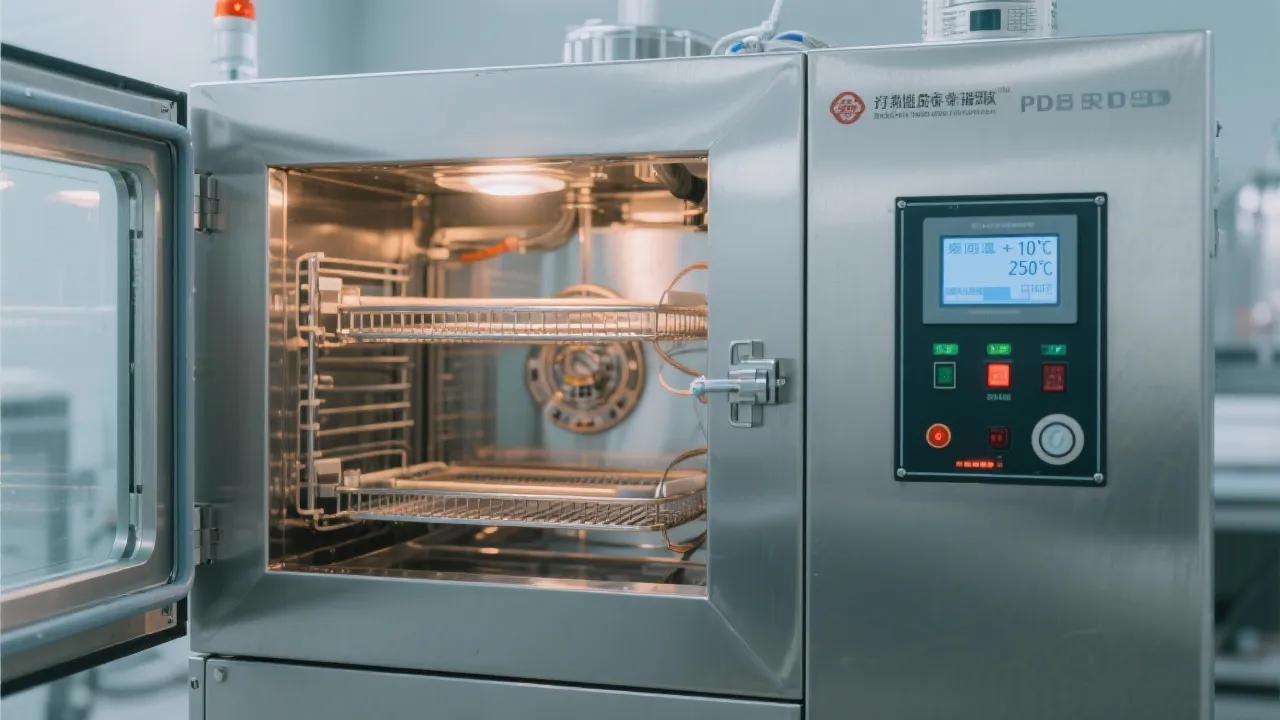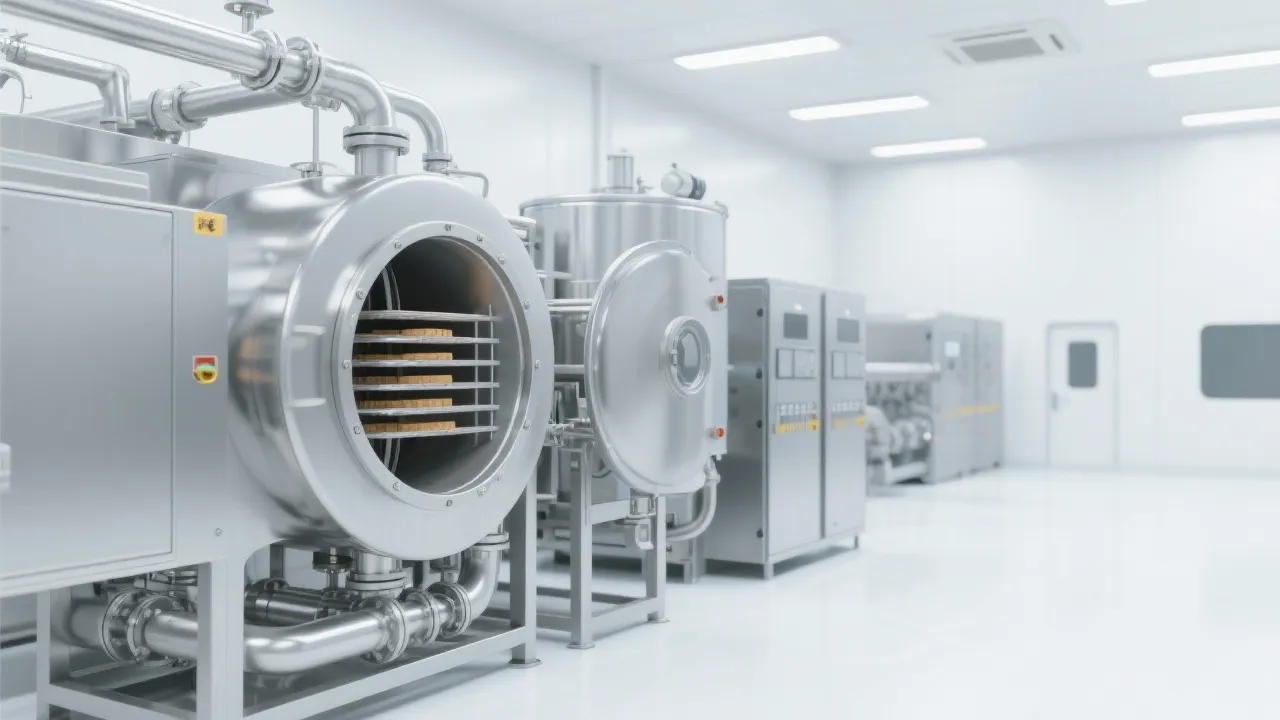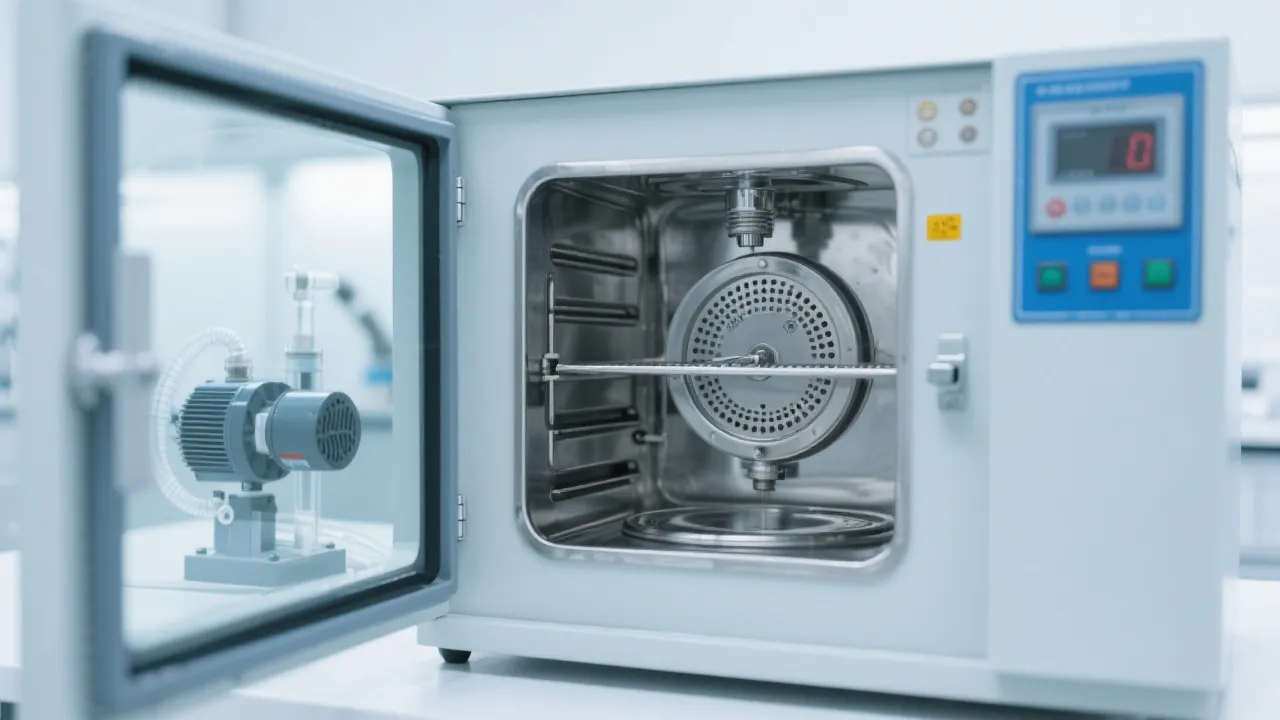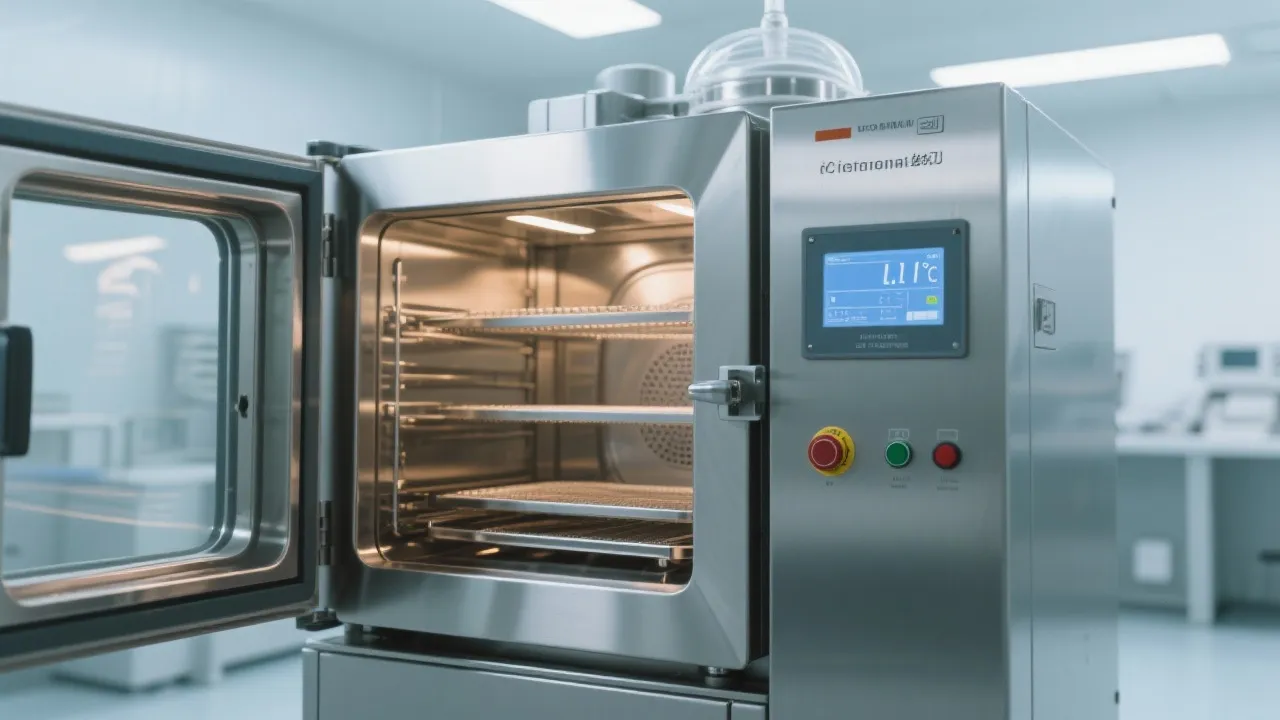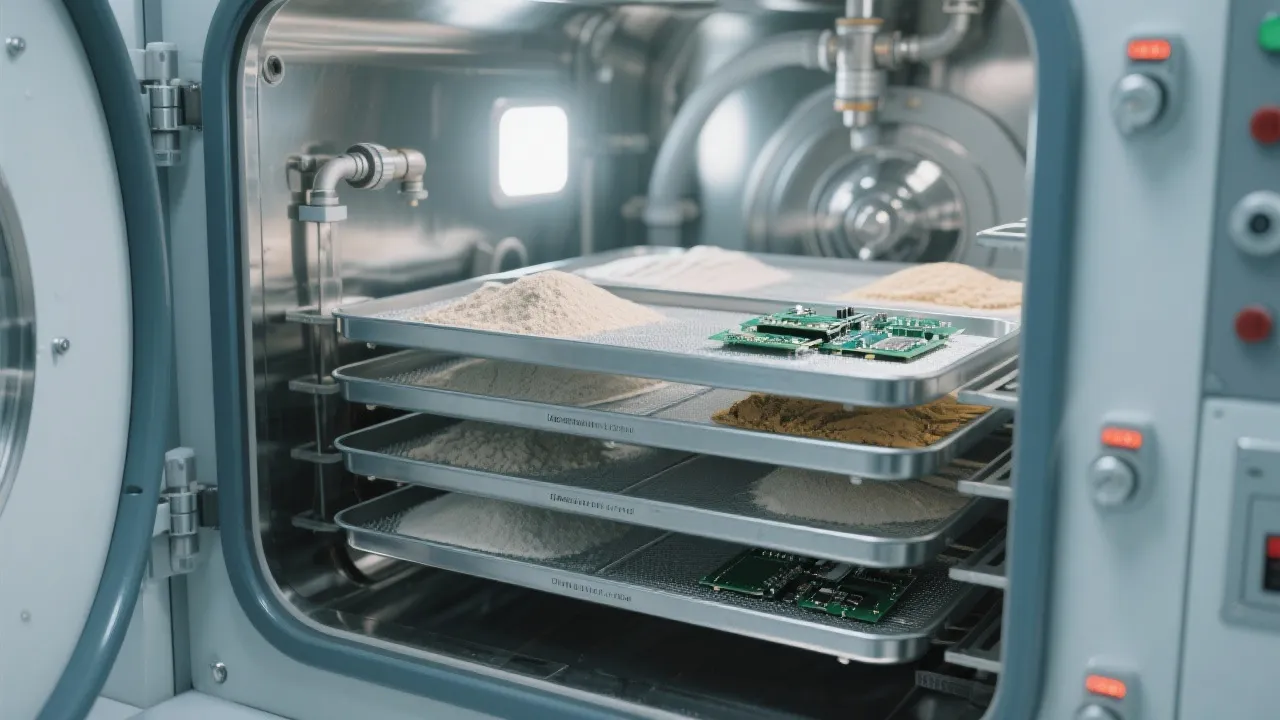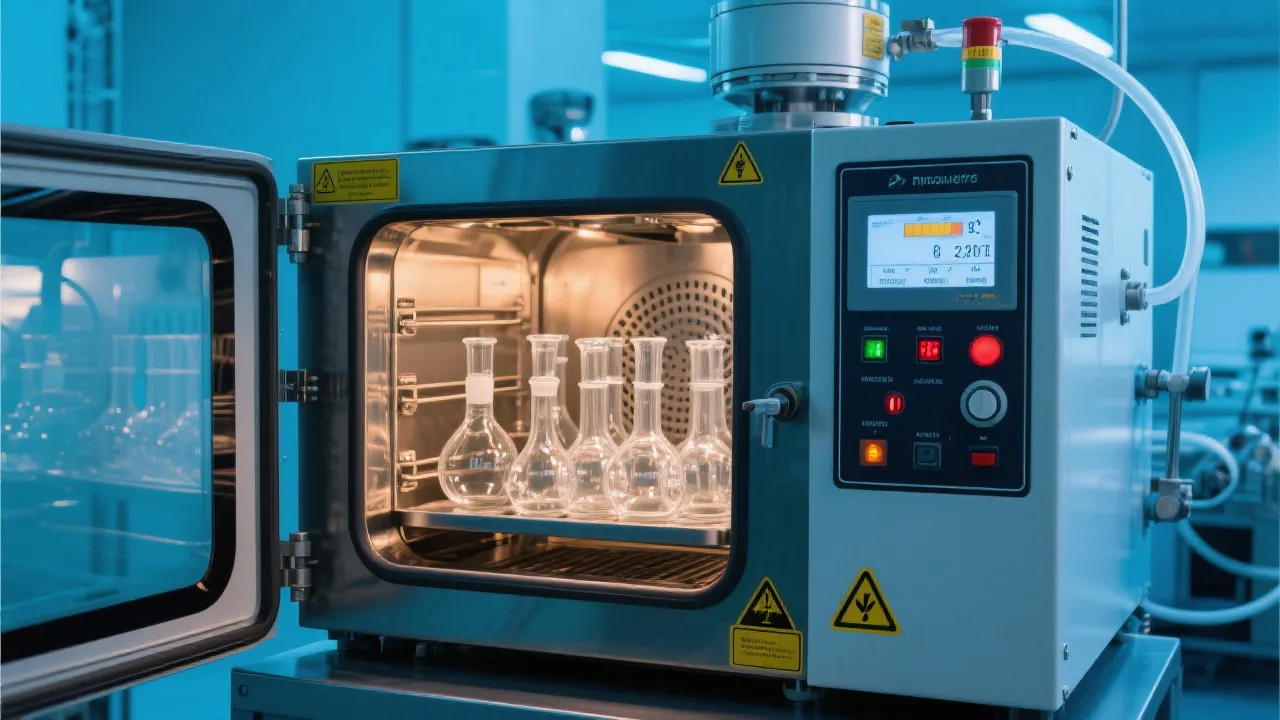
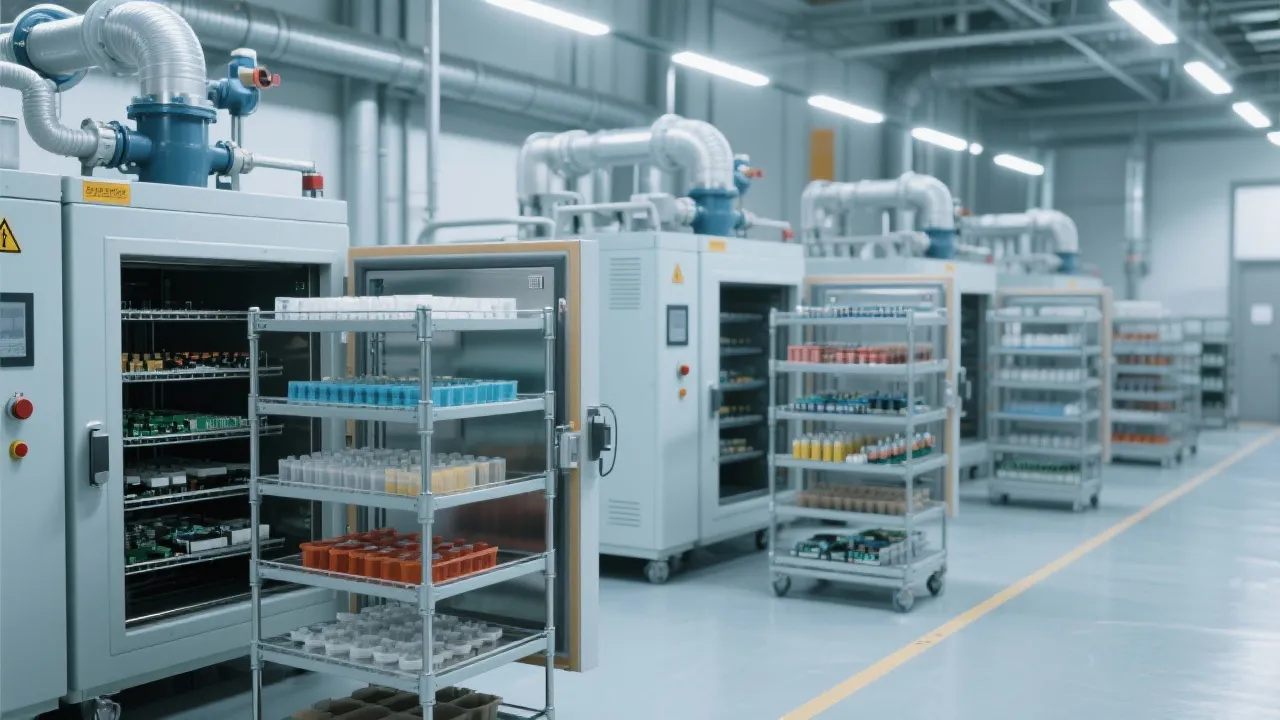
Vacuum drying technology has emerged as a crucial technique in the field of material heat treatment, revolutionizing the way industries approach the drying process. This article delves deep into the application of vacuum drying technology in material heat treatment, with a particular focus on the DZ - 3BCII digital vacuum drying oven, an advanced device designed to enhance efficiency and preserve material properties.
At its core, vacuum drying technology operates on the principle of reducing the pressure within a closed chamber. Under vacuum conditions, the boiling point of moisture in materials is significantly lowered. For example, at a pressure of 10 kPa, water boils at approximately 45°C, compared to 100°C at standard atmospheric pressure. This allows for gentle and efficient removal of moisture without subjecting the materials to high - temperature damage.
The process typically involves several steps. First, the material is placed inside the vacuum drying oven. The oven is then sealed, and the air is gradually pumped out to create a vacuum environment. Once the desired vacuum level is reached, the heating system is activated. The DZ - 3BCII uses a four - wall uniform heating system, which ensures that the temperature inside the oven is evenly distributed. With a PID temperature control system, it can maintain the temperature within an accuracy of ±1°C, providing a stable environment for heat treatment.
One of the primary advantages of using vacuum drying technology in material heat treatment is the significant reduction in oxidation risk. In a vacuum environment, the oxygen content is extremely low, which effectively prevents oxidation of the materials. This is particularly important for materials such as metals, alloys, and heat - sensitive chemicals, where oxidation can lead to a decrease in material performance and quality.
Another key advantage is the improved drying efficiency. As mentioned earlier, the lower boiling point of moisture under vacuum conditions allows for faster evaporation. Tests have shown that the DZ - 3BCII can reduce the drying time of certain materials by up to 30% compared to traditional drying methods. This not only saves time but also reduces energy consumption.
The DZ - 3BCII digital vacuum drying oven has a wide range of applications in various industries. In the field of material science, it can be used for the heat treatment of high - performance materials, such as carbon fibers and composite materials. In the chemical industry, it is suitable for the drying of heat - sensitive chemicals and pharmaceutical intermediates. In biological experiments, it can preserve the biological activity of samples during the drying process.
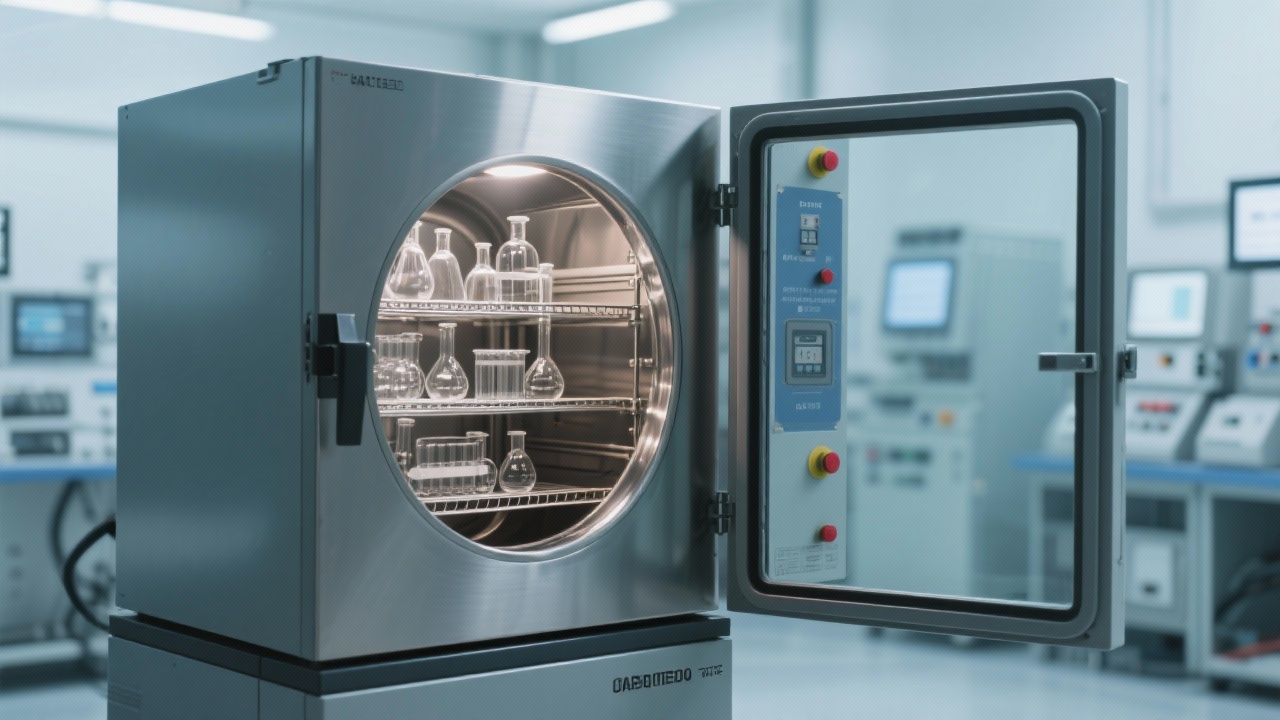
To illustrate the effectiveness of the DZ - 3BCII, let's take a look at a few case studies. In a research institution, the DZ - 3BCII was used for the heat treatment of a new type of alloy. By carefully adjusting the vacuum level and temperature parameters, the researchers were able to improve the mechanical properties of the alloy, such as its hardness and tensile strength, by 15% and 20% respectively.
When it comes to parameter optimization, the key is to find the right balance between the vacuum level, temperature, and drying time. For most materials, a vacuum level of 1 - 10 kPa and a temperature range of 50 - 150°C are recommended. However, these parameters may need to be adjusted based on the specific properties of the materials.
If you're interested in learning more about the DZ - 3BCII digital vacuum drying oven and how it can help your business achieve high - precision heat treatment processes, don't hesitate to reach out. Click here to visit our official website or contact us directly for a personalized solution.