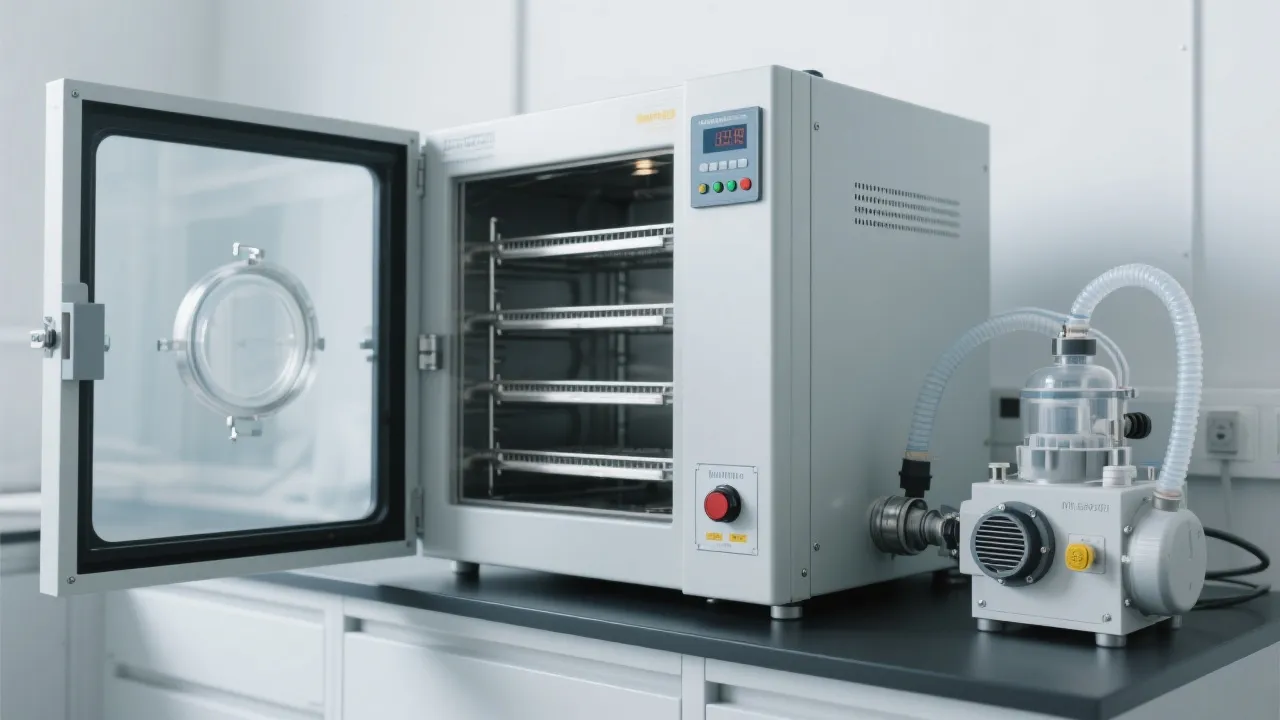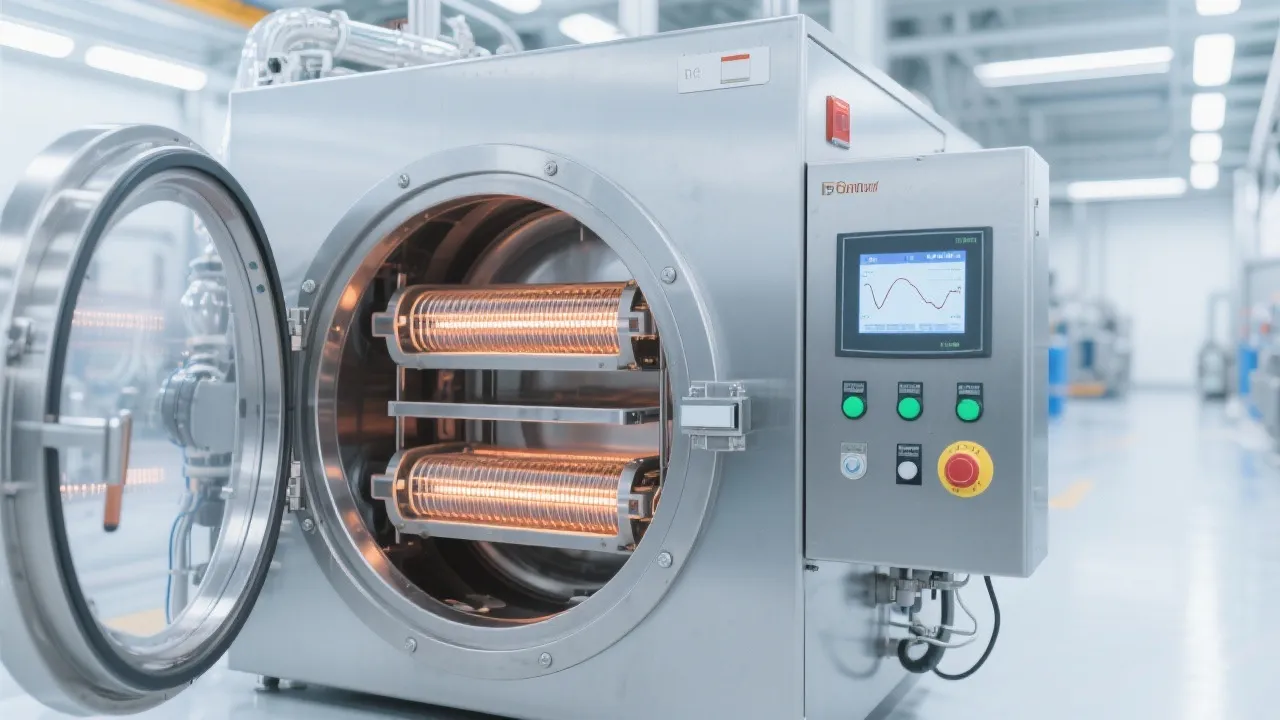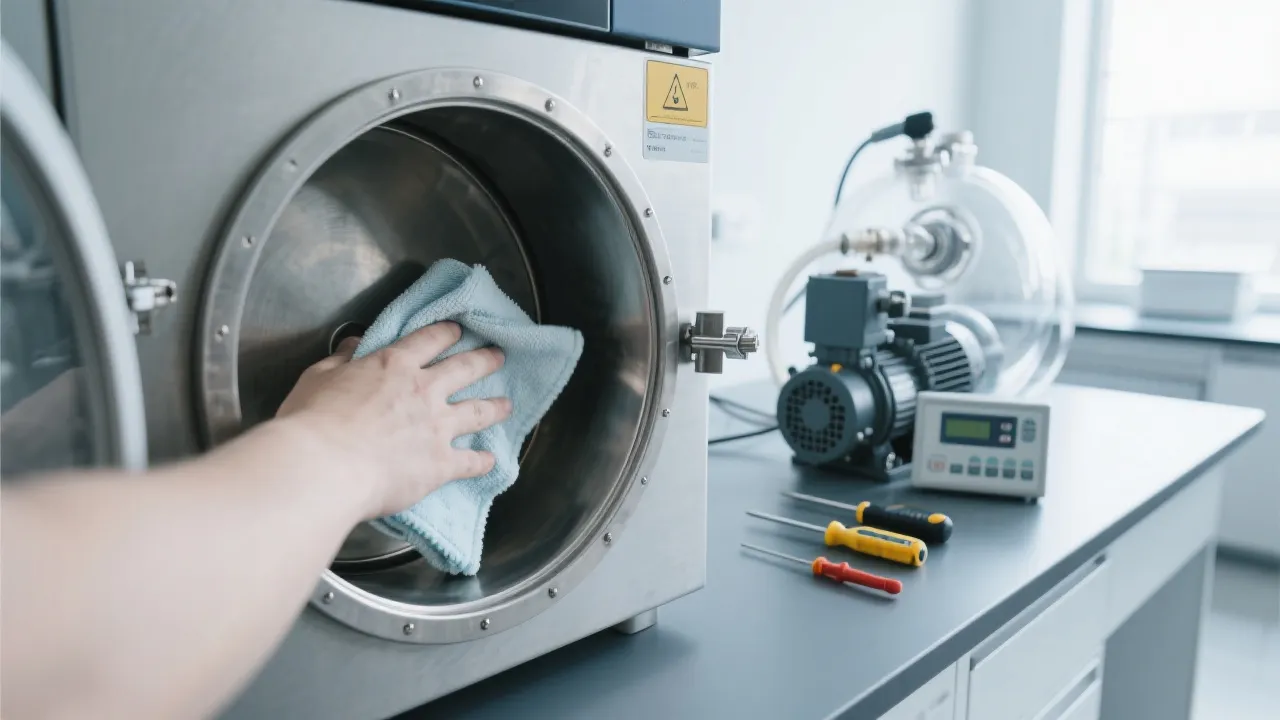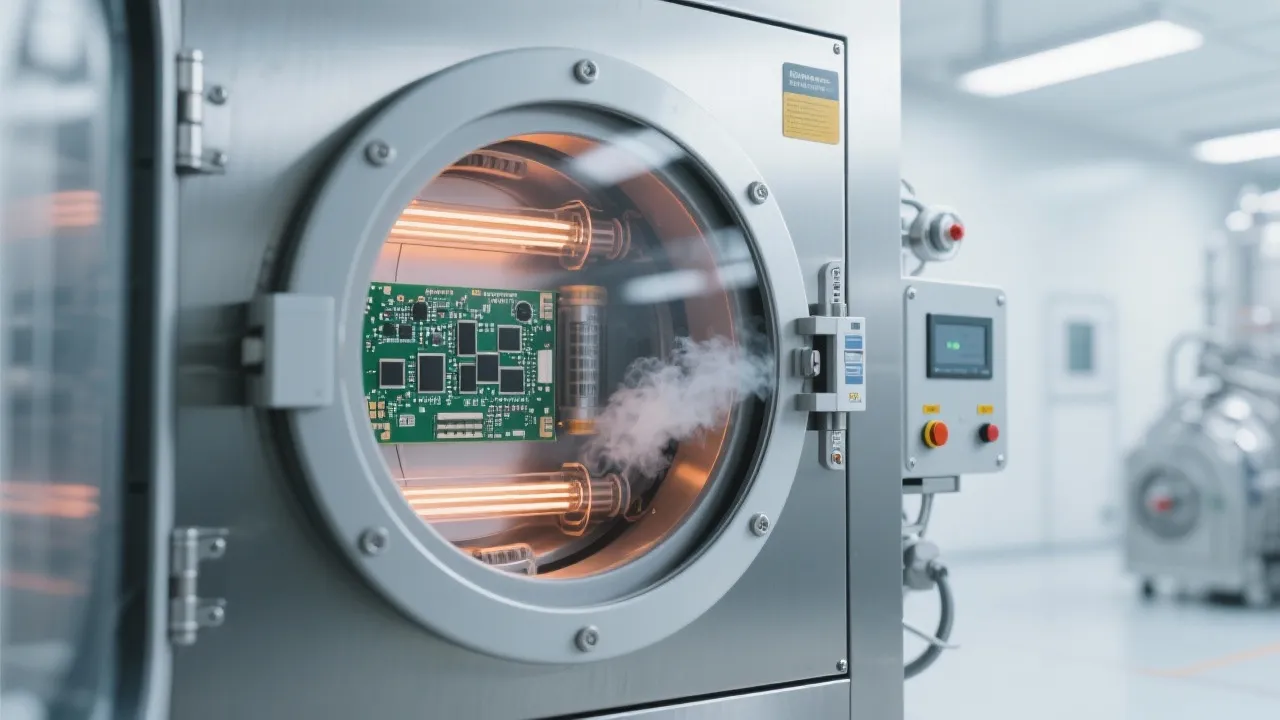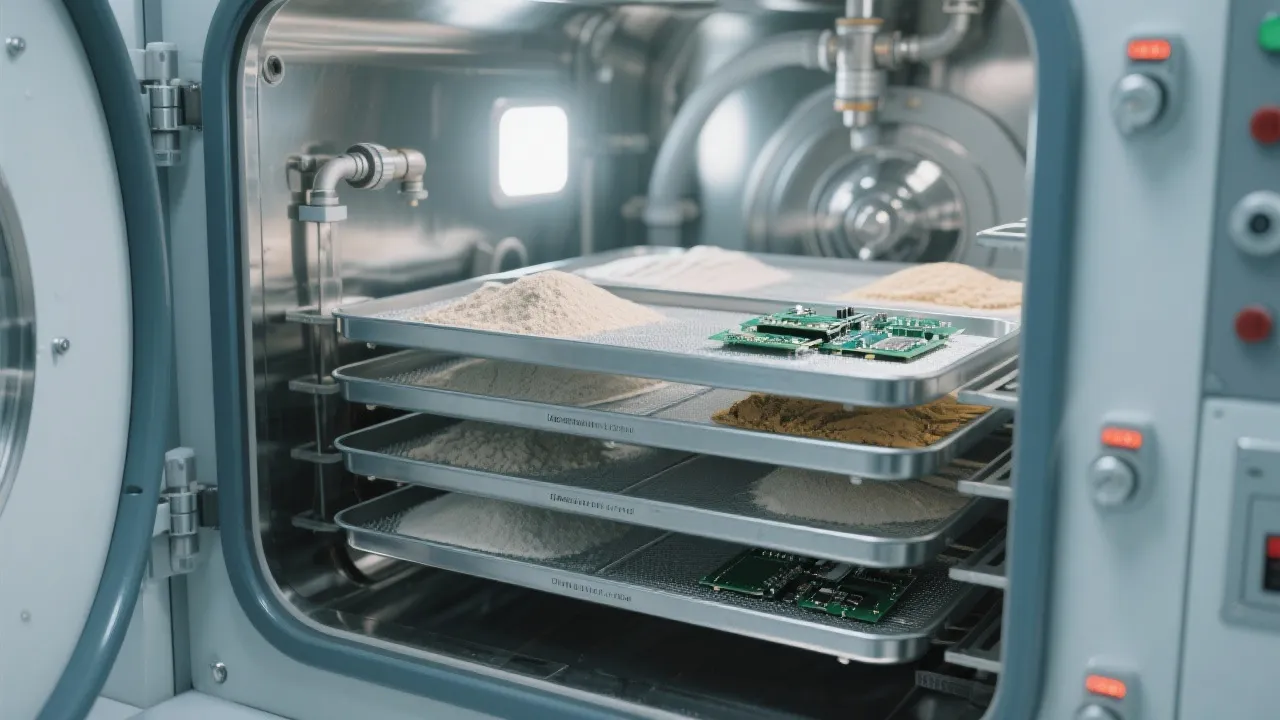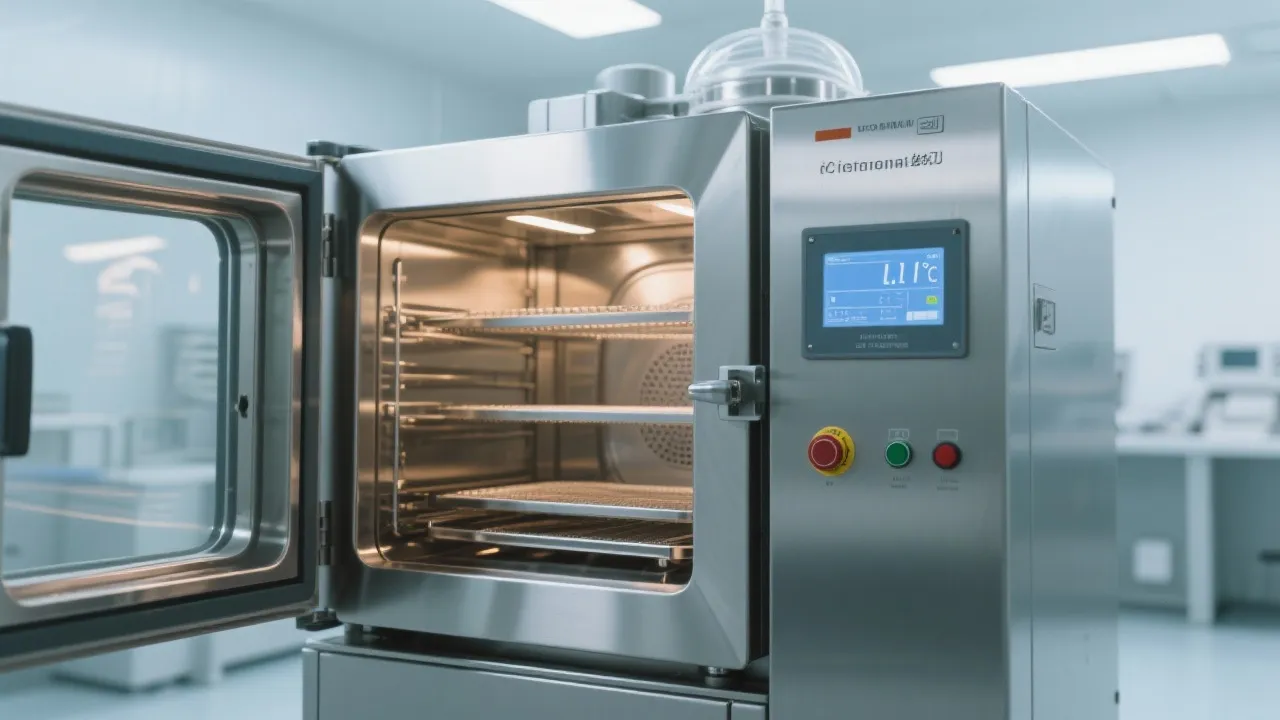
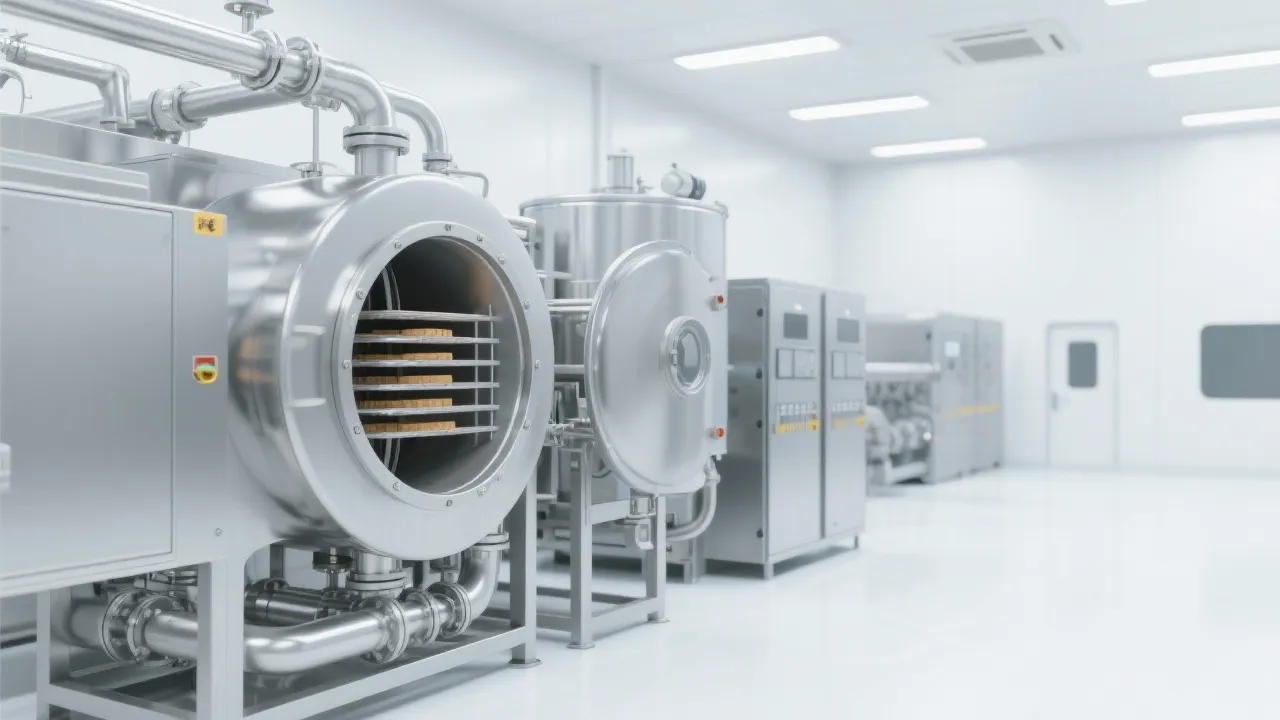
Industrial vacuum drying technology has witnessed significant development in recent years. However, it still faces several challenges. Traditional drying methods often suffer from low efficiency, high energy consumption, and potential damage to the quality of materials. For example, in the food industry, traditional drying can lead to the loss of nutrients and flavor in products. According to industry statistics, traditional drying methods may consume up to 30% more energy compared to advanced vacuum drying techniques. Additionally, the inability to precisely control the drying process can result in inconsistent product quality.
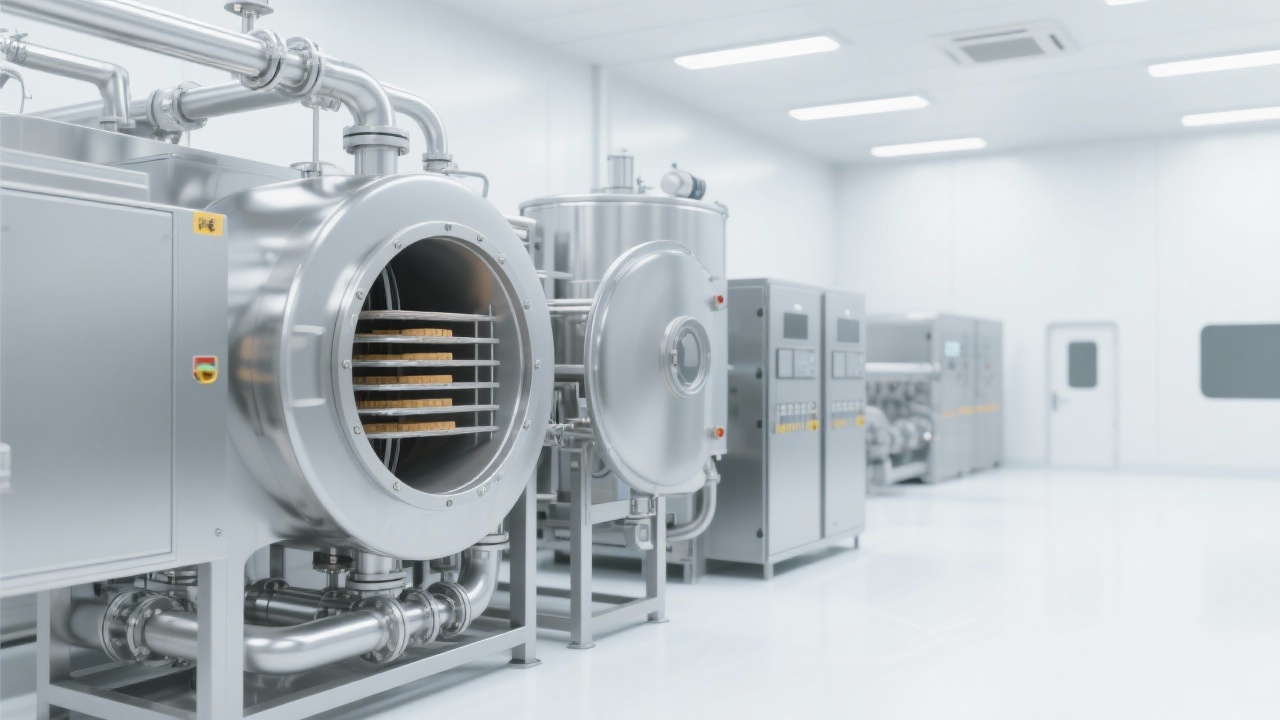
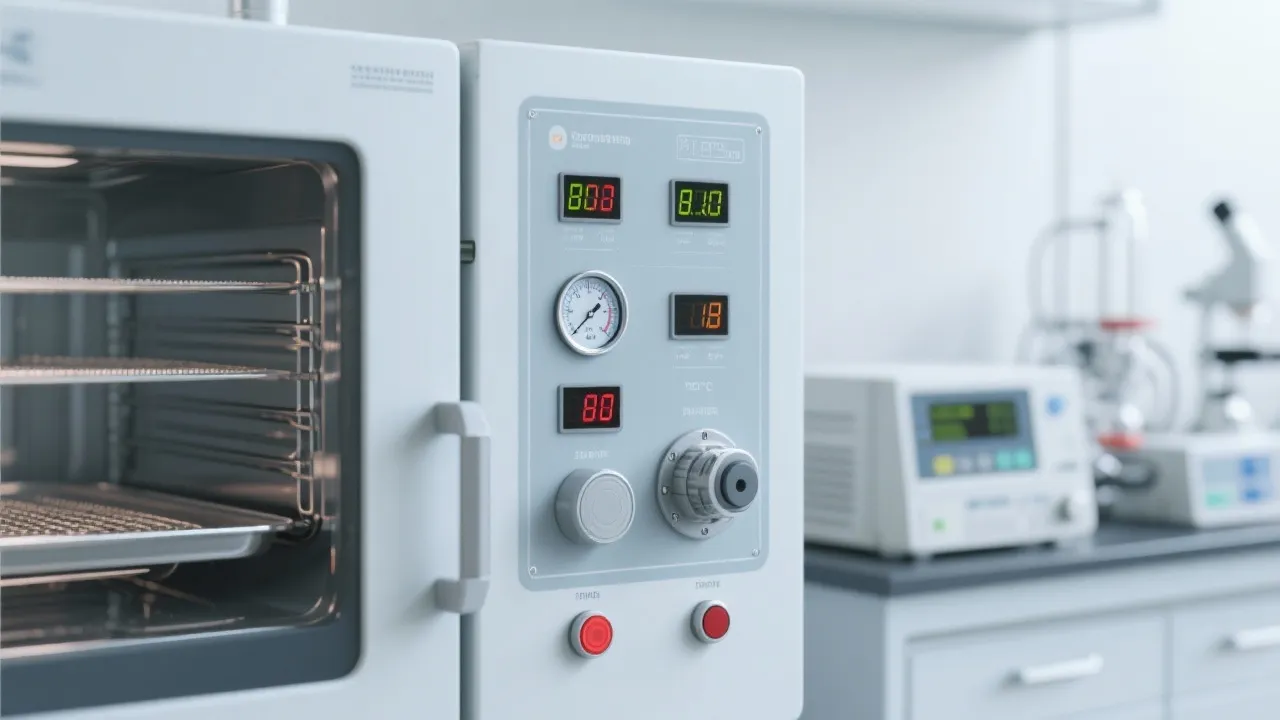
The intelligent control system is a key advancement in vacuum drying technology. The PID dual - temperature control is one of its core features. It allows for precise temperature regulation, ensuring that the drying process is carried out at the optimal temperature for different materials. In a chemical manufacturing plant, by using PID dual - temperature control, the drying time of a certain chemical product was reduced by 25%, and the product quality was significantly improved. Remote monitoring is another important function. It enables operators to monitor and adjust the drying process from anywhere, at any time. This is particularly useful for large - scale industrial production, where real - time control can prevent potential problems and improve production efficiency.
A textile factory implemented a remote monitoring system for its vacuum drying equipment. Through real - time data collection and analysis, they were able to detect and fix a minor issue in the drying process before it caused significant damage. As a result, the factory reduced its production downtime by 15% and saved on maintenance costs.
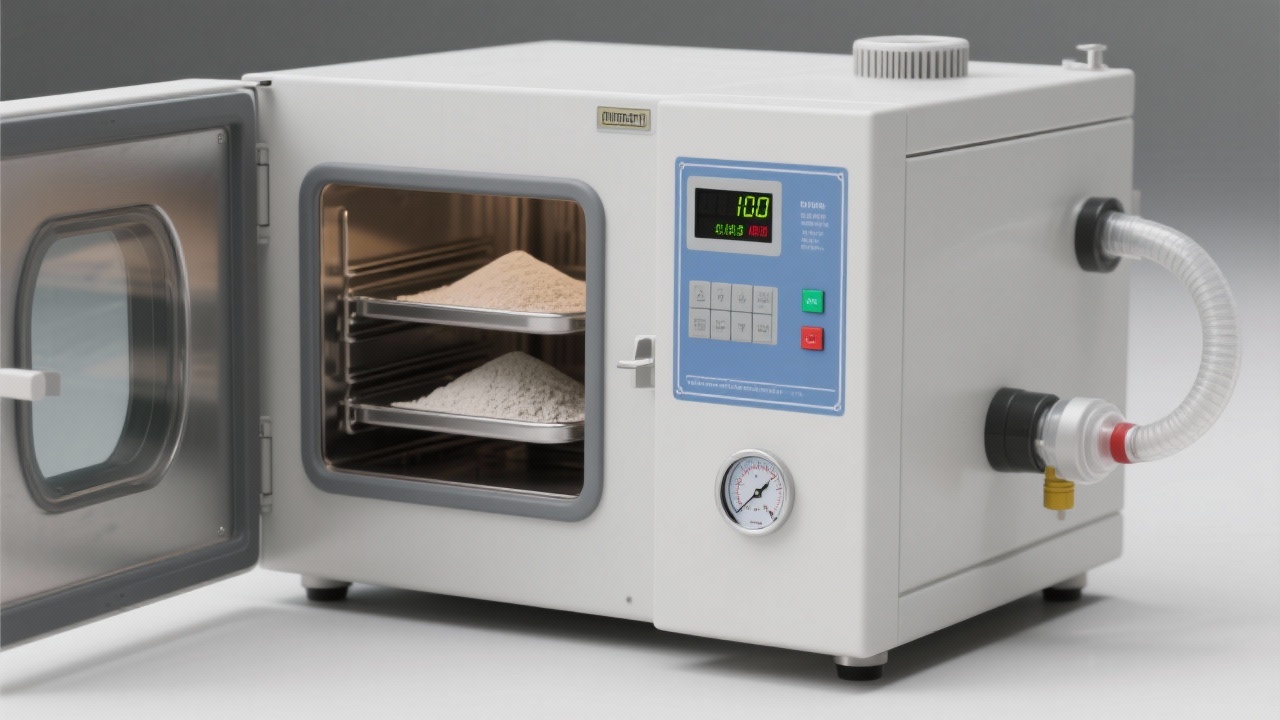
Energy - saving is a major concern in industrial production. The energy - saving design of vacuum drying systems focuses on reducing energy consumption while maintaining high - quality drying results. One common approach is the use of heat recovery systems. By recycling the heat generated during the drying process, up to 30% of energy can be saved. For example, in a pharmaceutical factory, a heat recovery system was installed in their vacuum drying equipment. This not only reduced their energy bills but also contributed to environmental protection.
Data shows that in industries with high - volume drying requirements, such as the paper and pulp industry, the implementation of energy - saving vacuum drying systems can lead to an annual energy cost reduction of up to $100,000, depending on the scale of production.
Material adaptability and corrosion resistance are crucial for vacuum drying systems. In some industries, such as the marine and chemical industries, the drying equipment needs to be able to handle corrosive materials. A new type of vacuum drying system with enhanced corrosion - resistant materials has been developed. In a chemical laboratory, this system was used to dry highly corrosive chemicals, and it showed excellent performance, with a service life extended by 50% compared to traditional systems.
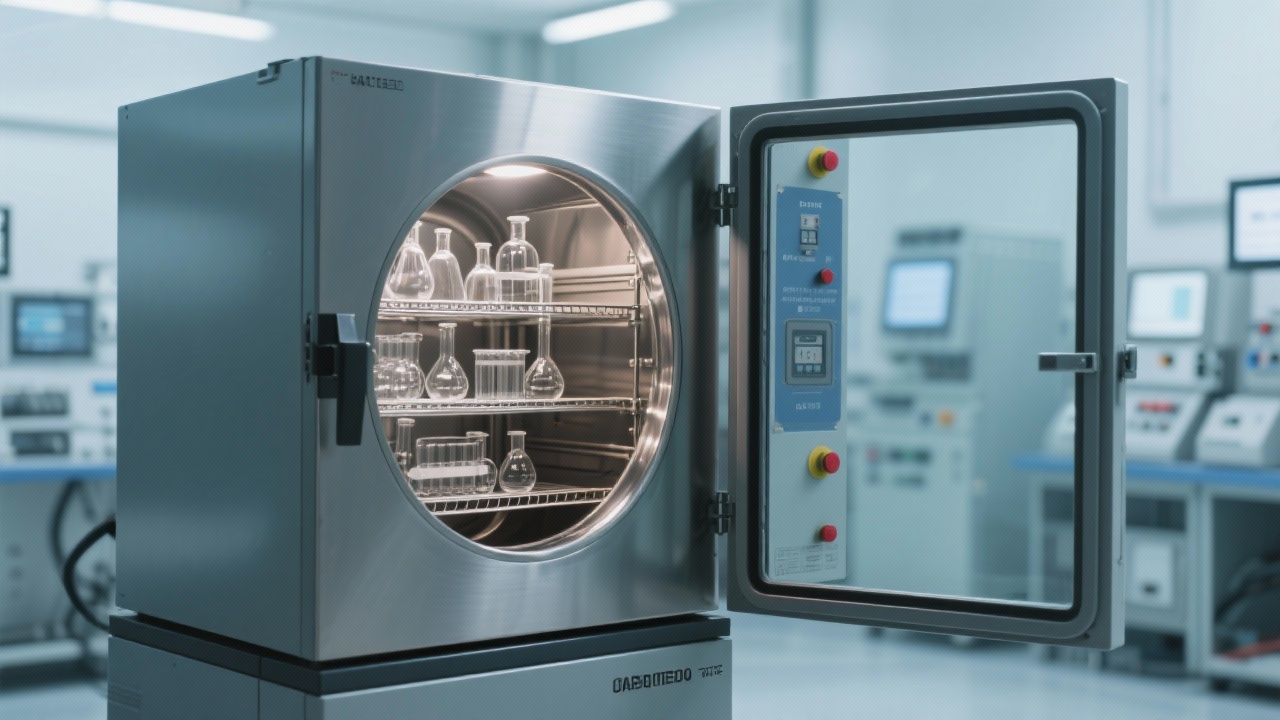
The future of vacuum drying technology lies in the integration of AI and the Internet of Things (IoT). These technologies have the potential to make vacuum drying systems more intelligent and efficient. For example, AI can analyze large amounts of data collected from the drying process to optimize the drying parameters in real - time. IoT can connect all the drying equipment in a factory, enabling centralized management and control. This will lead to more precise and efficient drying management, helping enterprises to further optimize their production processes and improve product quality.
How do you think the integration of AI and IoT will change the vacuum drying industry in the next 5 years?