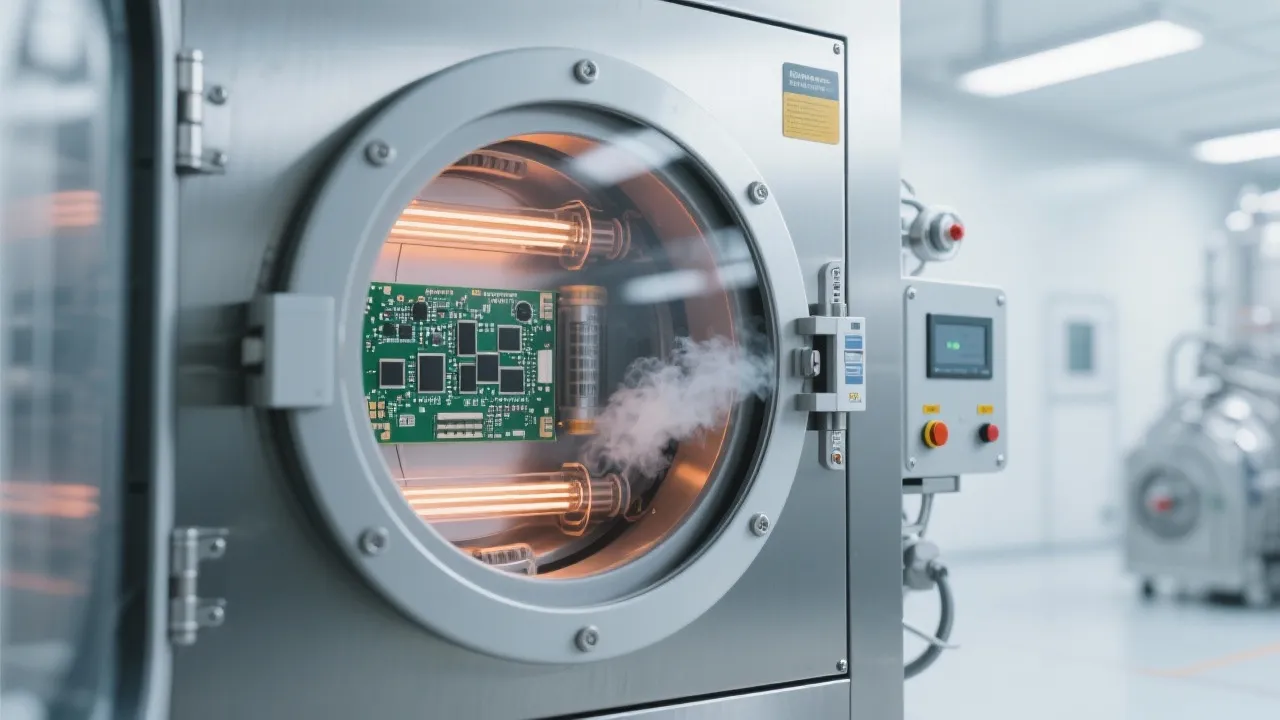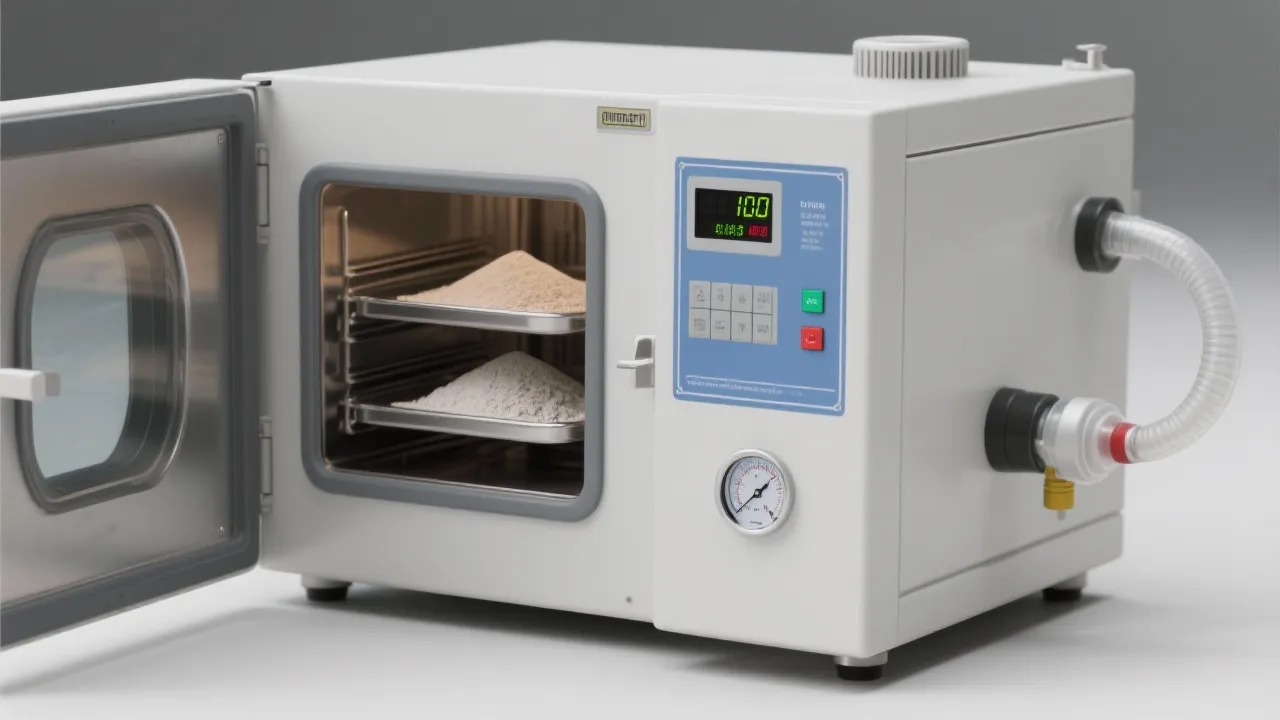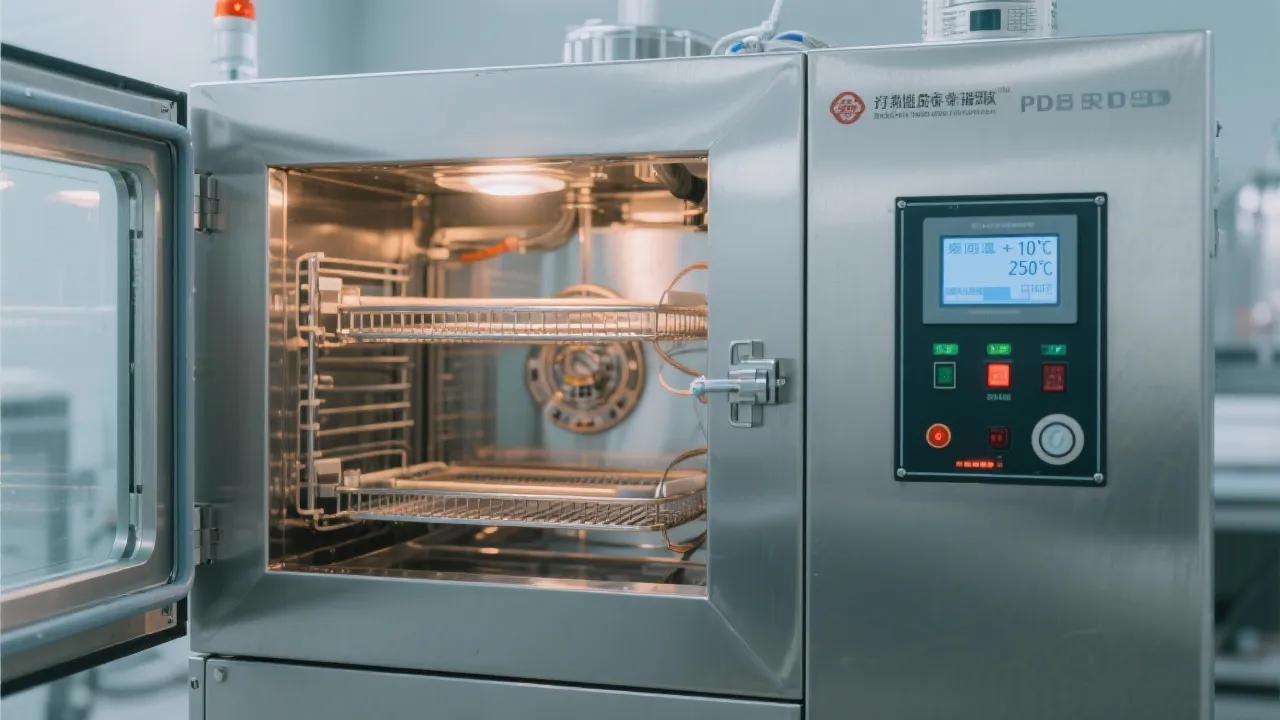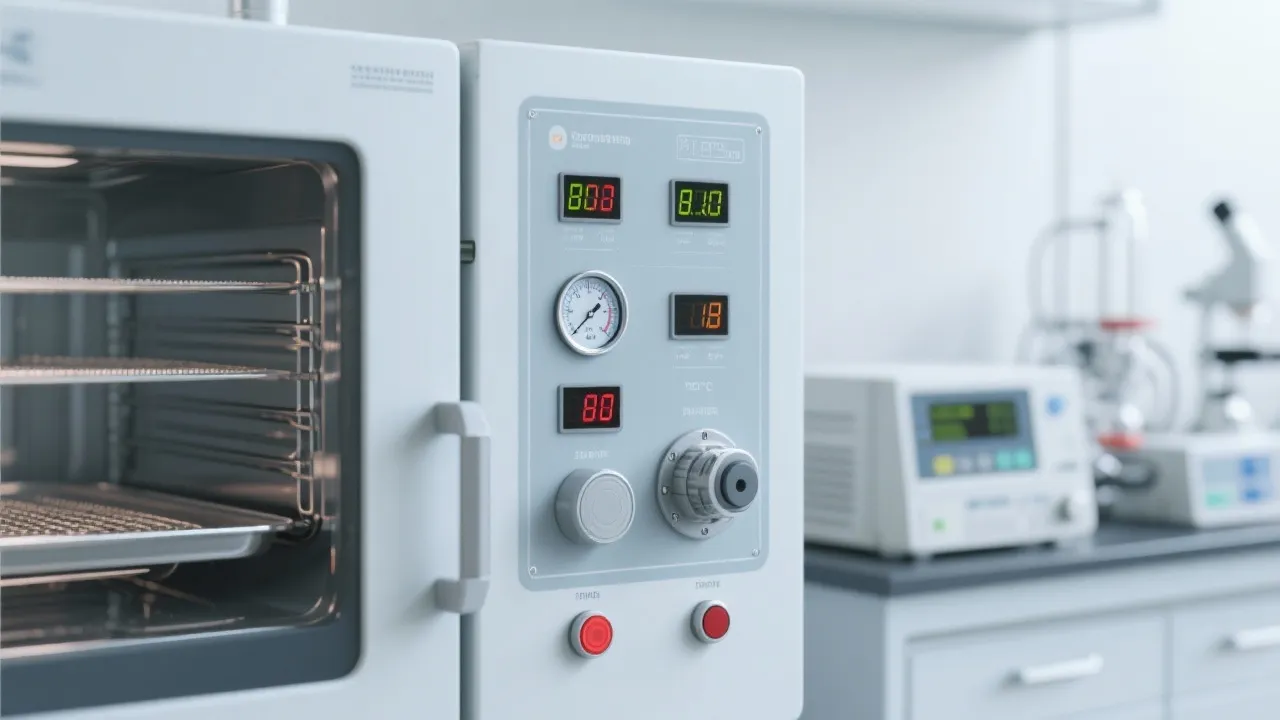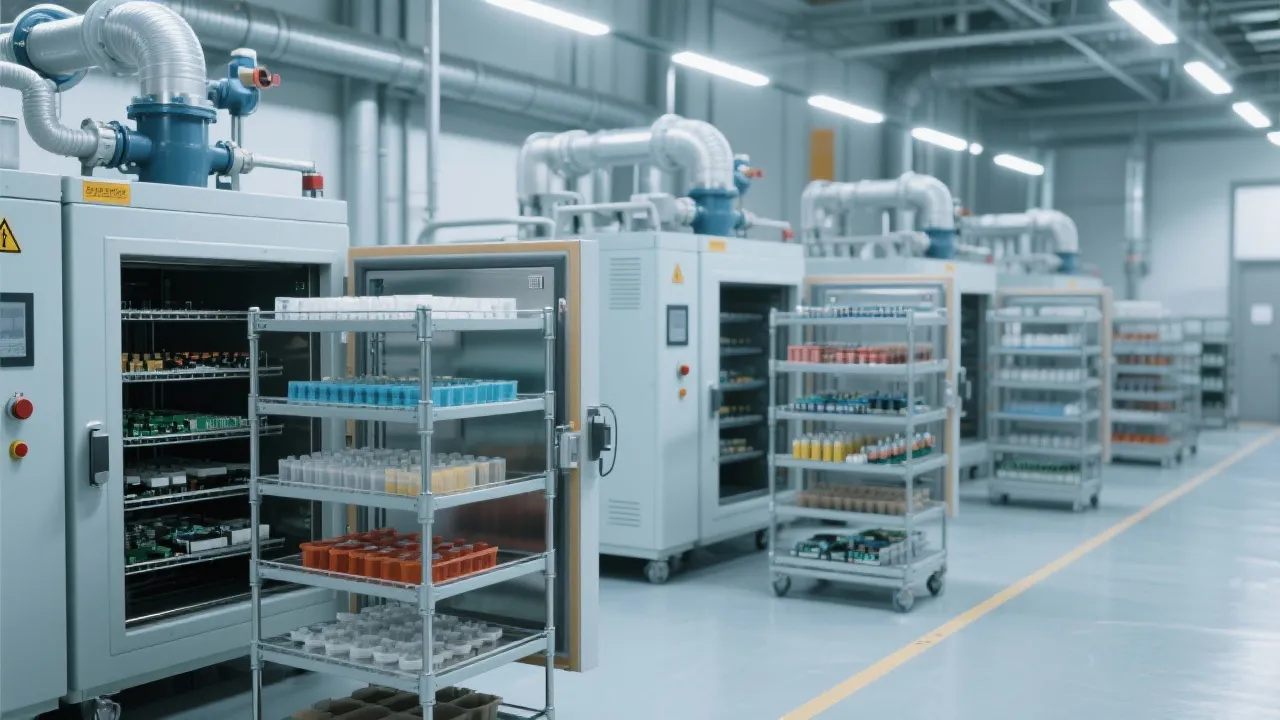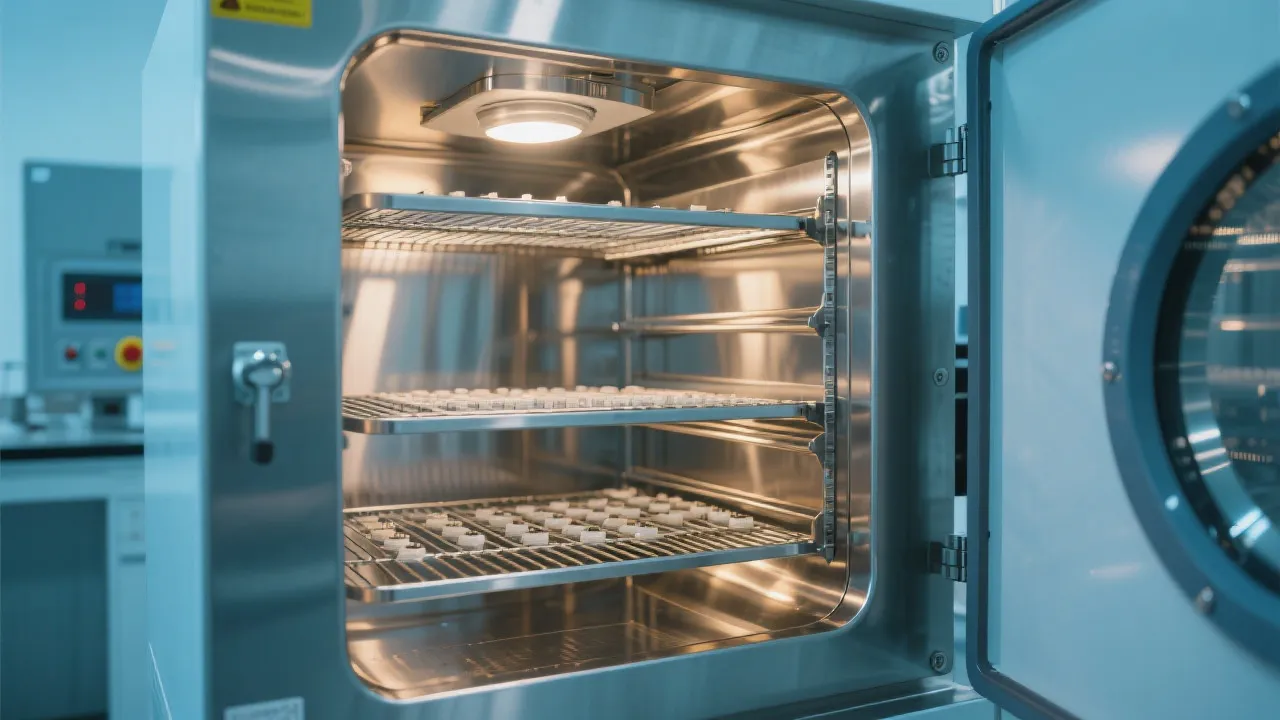
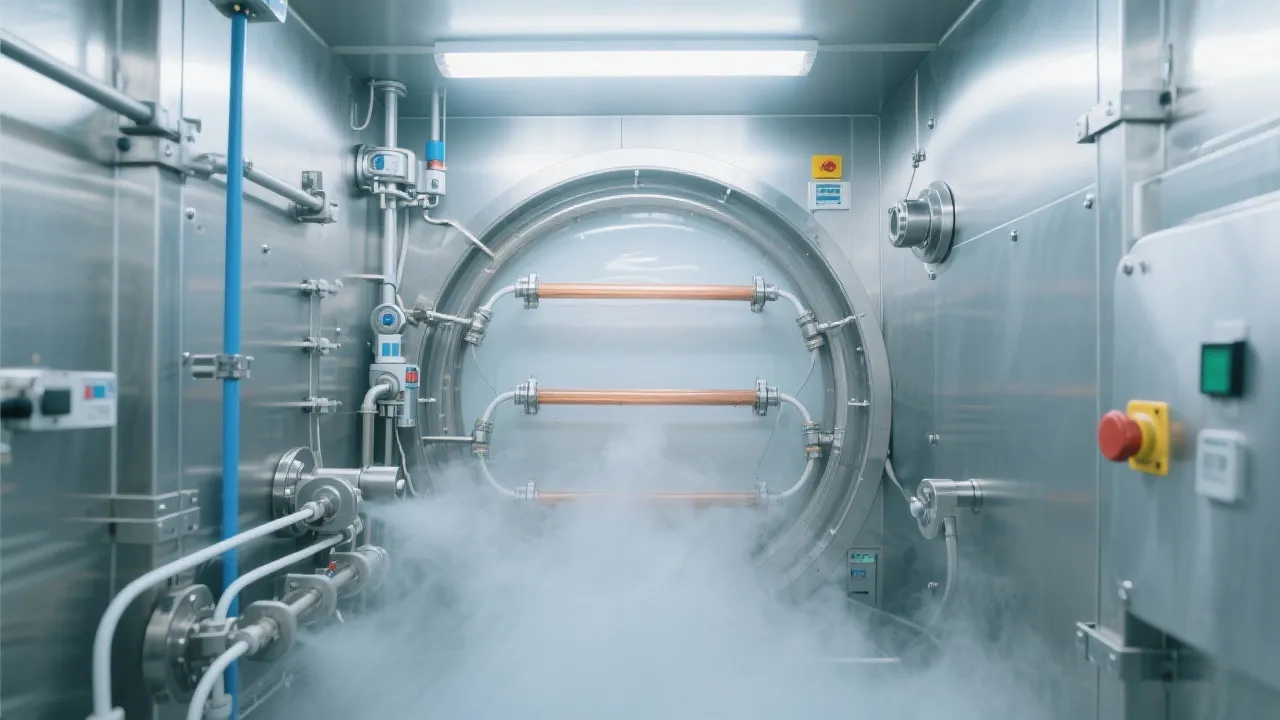
Vacuum drying technology has become an indispensable solution in laboratories and industry sectors that demand gentle and precise dehydration of heat-sensitive samples. At the heart of this technology lies the principle of creating a vacuum environment, which lowers the boiling point of water, effectively accelerating moisture evaporation while preventing sample oxidation, thereby preserving sample integrity. This article delves deeply into how intelligent Proportional-Integral-Derivative (PID) temperature control coupled with four-wall uniform heating significantly enhances the performance and reliability of high-precision vacuum drying equipment.
Vacuum drying operates by reducing the ambient pressure inside the drying chamber, often down to 1-10 millibar. Under these reduced pressures, water and volatile solvents evaporate at significantly lower temperatures—dropping by as much as 20-30°C compared to atmospheric boiling points. This effect not only speeds up the drying process but also minimizes thermal stress on samples, which is crucial for preserving sensitive biochemical and pharmaceutical materials. Additionally, the vacuum inhibits oxidative degradation by limiting oxygen contact during drying.
To illustrate, drying time for a typical humidity-laden biological sample can be reduced from over 8 hours under atmospheric conditions to under 4 hours within a vacuum environment set at 5 millibar and 60°C. This dramatic efficiency gain translates directly to increased throughput and better sample quality control in R&D and production lines.
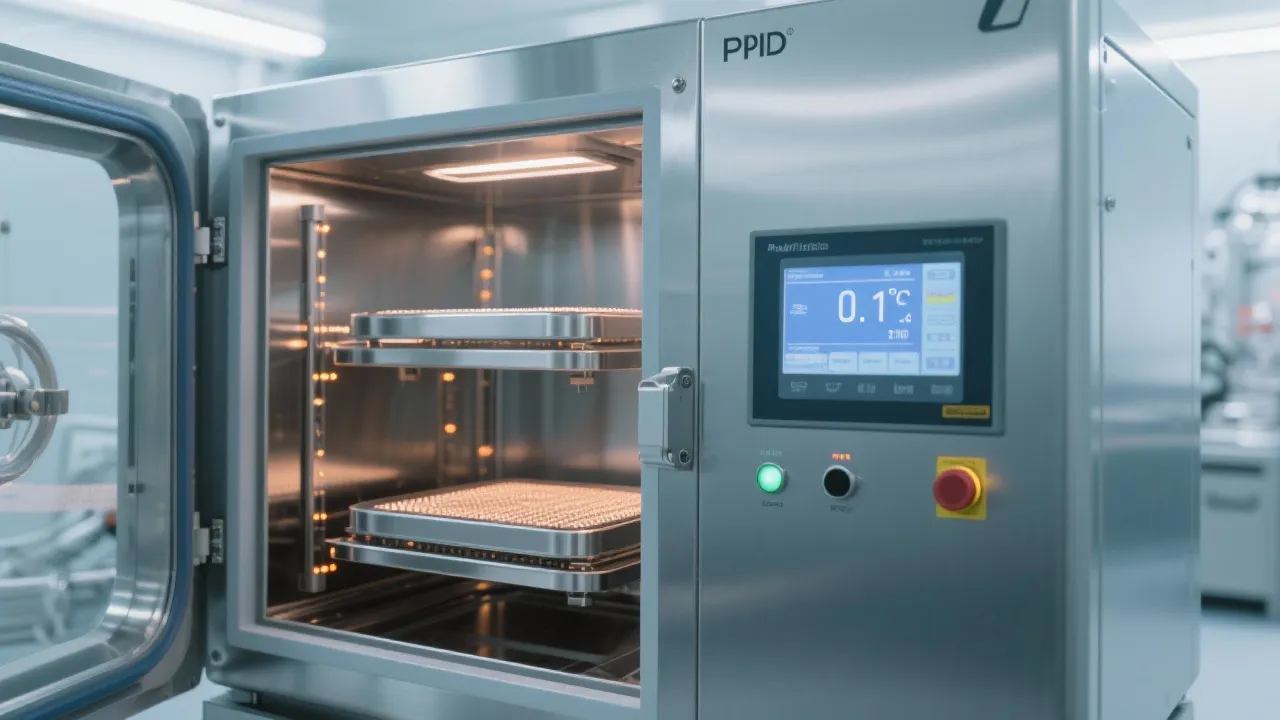
Traditional vacuum dryers often suffer from temperature fluctuations that undermine reproducibility and sample quality. Enter the intelligent PID temperature control system, an advanced control algorithm that continuously monitors real-time temperature data and dynamically adjusts heating power to maintain a tightly controlled environment. This closed-loop system uses proportional, integral, and derivative computations to anticipate and swiftly correct deviations from target setpoints.
The result is an exceptional temperature uniformity of ±1°C across the chamber, essential for consistent drying of temperature-sensitive materials such as enzymes, polymers, and electronic components. The PID system’s microprocessor-based feedback enables precise modulation rather than on/off cycling, reducing overshoot and thermal gradients.
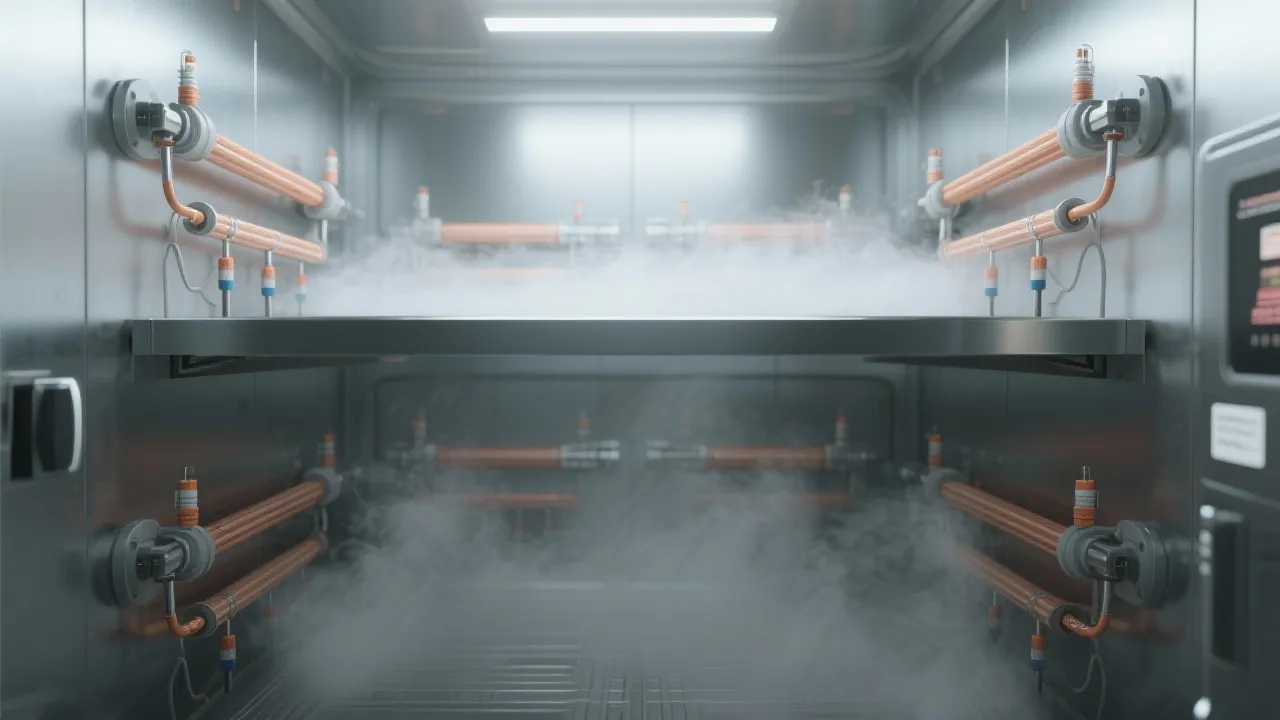
Complementing the PID controller is the innovative four-wall heating design, which integrates heat sources into all inner surfaces of the drying chamber—top, bottom, left, and right walls. This approach ensures an even and simultaneous temperature rise, eliminating cold spots and stabilizing thermal zones within the chamber. Empirical data demonstrates that this configuration yields less than 1°C temperature variance at any spatial point, a critical parameter verified through high-resolution thermal imaging.
Uniform heating is vital not only for drying efficiency but also for maintaining the structural and functional integrity of delicate samples undergoing thermal processing.

Different sample types impose varying challenges on drying processes. Temperature-sensitive specimens—such as delicate proteins, live cell cultures, and moisture-sensitive polymers—require tightly controlled environments to prevent denaturation or loss of functional properties. The combined system of intelligent PID control and four-wall uniform heating is customized by adjusting vacuum level and temperature ramp rates, ensuring gentle drying without compromising efficacy.
For instance, setting the vacuum at 3 millibar and maintaining a temperature of 40°C with ±1°C precision preserves enzymatic activity by avoiding hot spots and oxidative damage. Furthermore, the system’s programmable profiles allow flexibility for multi-step drying or annealing protocols tailored to complex materials.
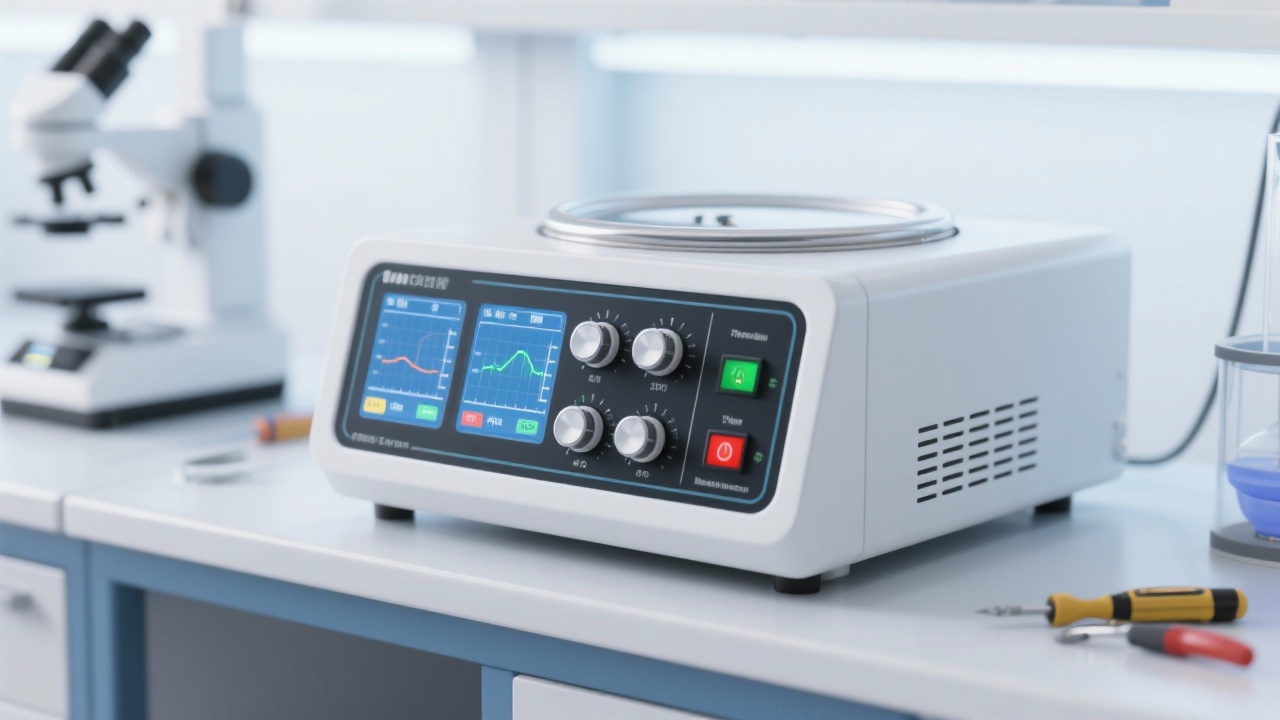
Combining vacuum drying with intelligent temperature management offers tangible benefits validated by industry research and user feedback:
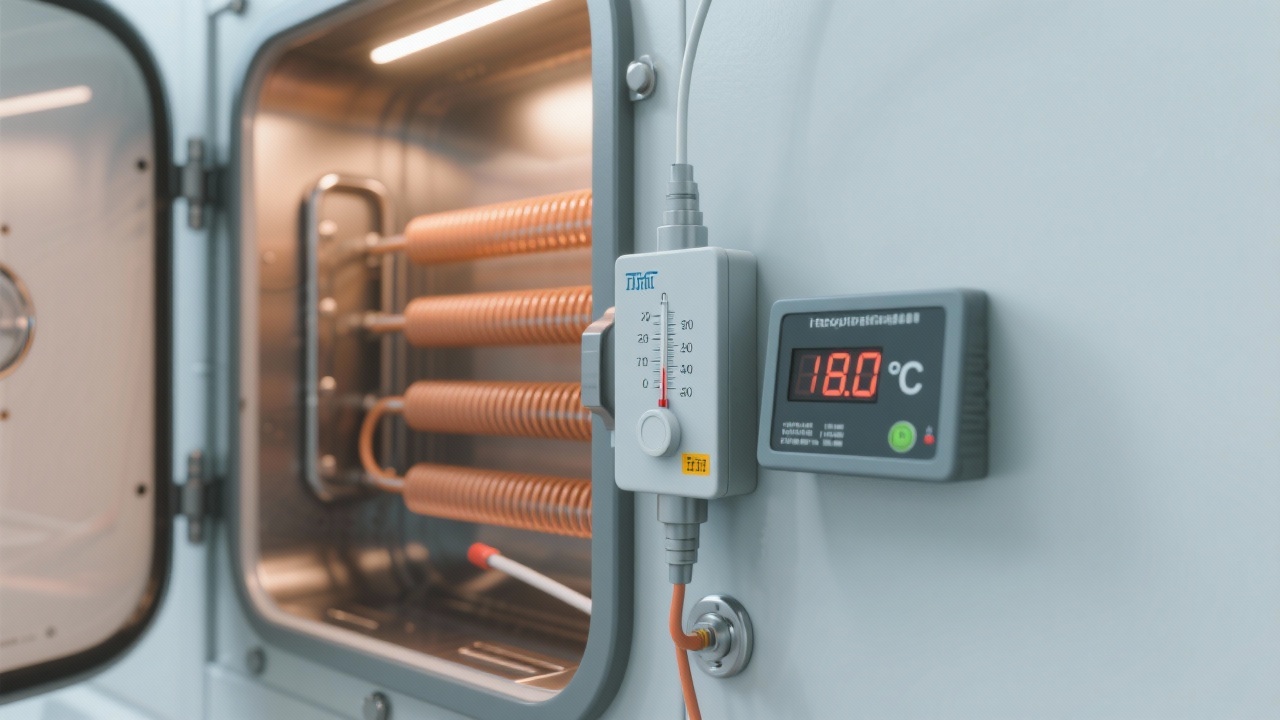
These performance metrics demonstrate the pivotal role of integrated PID control and uniform heating in pushing laboratory and industrial drying technologies to new levels of precision and reliability.