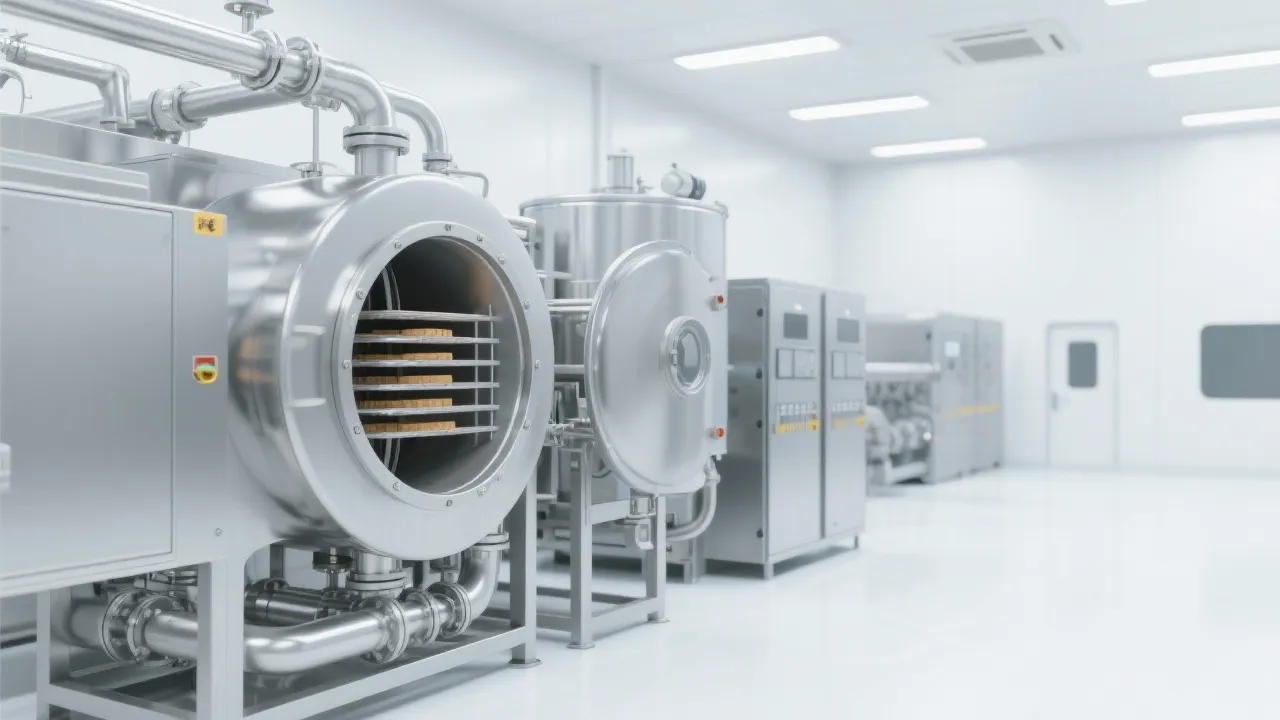
Traditional hot-air drying methods are losing ground in industries where material integrity, energy efficiency, and process control matter most. According to a 2023 report by McKinsey & Company, companies that adopted vacuum drying systems saw an average 22% reduction in product oxidation-related defects—especially critical in pharmaceuticals, food processing, and specialty chemicals.
1. Intelligent Control Systems (e.g., Dual-Temperature PID)
Modern vacuum dryers now feature dual-loop temperature control—ensuring uniform heat distribution across batches. In a study conducted at a German pharma lab using the DZ-4BCII model, this system reduced thermal gradients by up to 37% compared to older single-zone models, leading to consistent moisture removal without overheating sensitive compounds.
2. Energy Efficiency Through Smart Heat Recovery
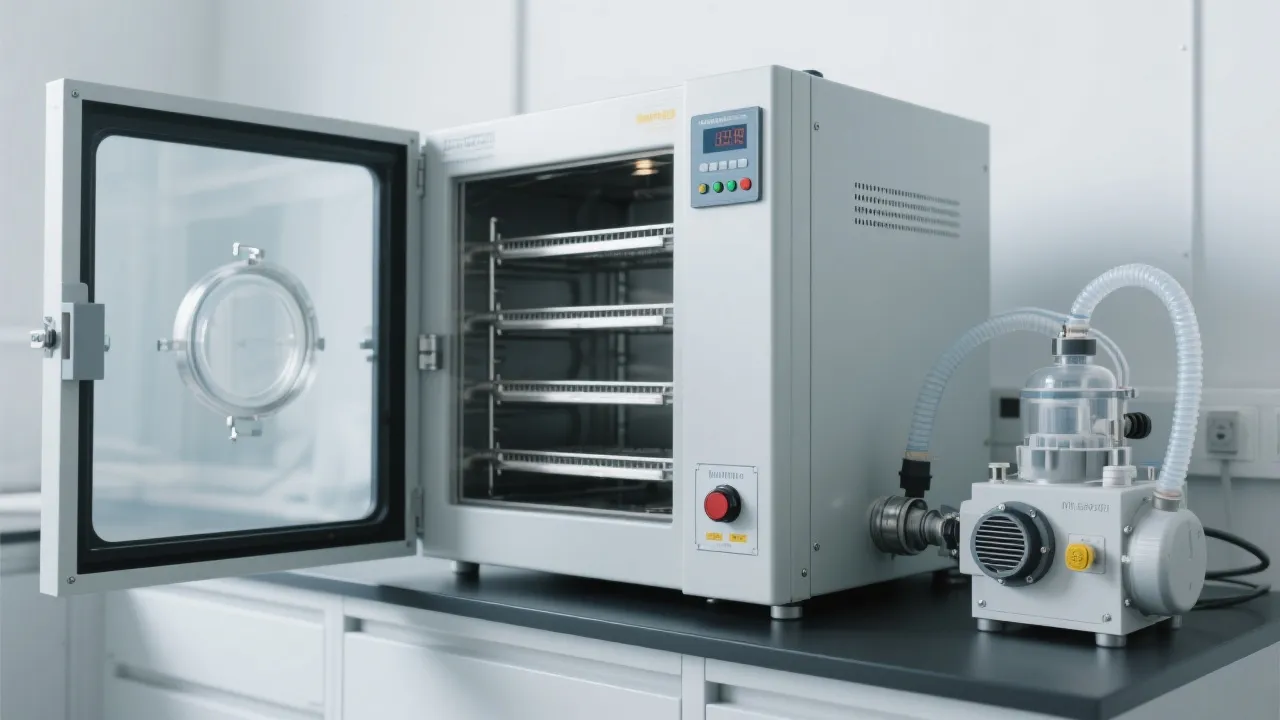
Vacuum drying consumes only 40–60% of the energy required for conventional hot-air drying, thanks to closed-loop heating cycles. For example, one chemical manufacturer in India reported saving over $18,000 annually after switching to a low-energy vacuum system with optimized condenser recovery—without compromising throughput.
3. Enhanced Material Compatibility
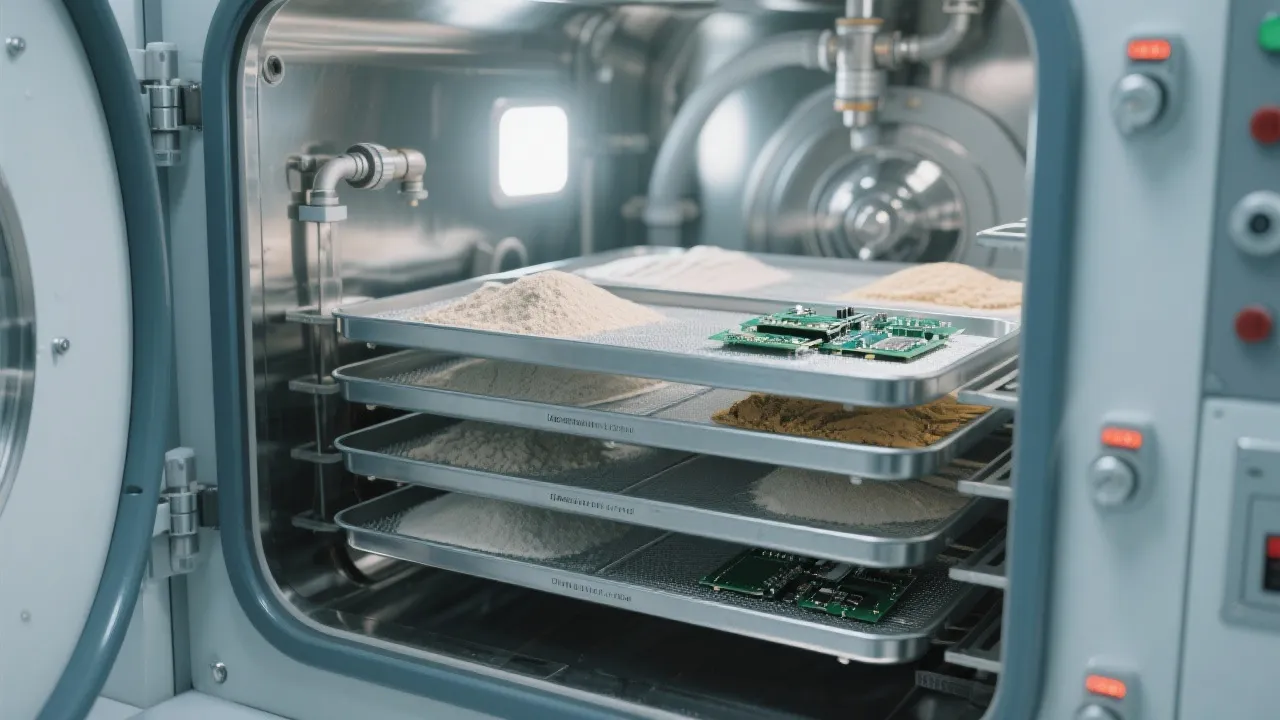
Newer models like the DZ-4BCII use four-wall stainless steel heating tubes that enable rapid, even warming—ideal for metals, ceramics, and hygroscopic powders. This design minimizes surface degradation during drying, making it suitable for aerospace components or high-value catalysts that must retain structural integrity.
In the pharmaceutical sector, vacuum drying prevents oxidation of active ingredients—a major cause of batch rejection. A U.S.-based API producer increased yield from 82% to 94% after integrating a vacuum dryer with precise pressure regulation. Similarly, a food tech startup in Singapore used vacuum drying to preserve the color and flavor of freeze-dried fruits, achieving a 30% higher shelf life than conventionally dried alternatives.
For metal finishing operations, vacuum drying eliminates rust formation on machined parts—an issue common in humid environments. One automotive supplier in Mexico cut rework costs by 28% simply by replacing their open-air drying racks with a sealed vacuum chamber.
These aren’t isolated cases—they reflect a broader shift toward smarter, greener, and more reliable drying technologies.
As sensors become cheaper and cloud-based analytics more accessible, next-gen vacuum dryers will offer predictive maintenance alerts, real-time quality monitoring, and automated recipe adjustments based on historical performance data. Early adopters in South Korea and the Netherlands have already begun testing such systems—with early results showing up to 15% faster cycle times and fewer manual interventions.
Is your team ready to move beyond basic drying—and into precision-controlled production?