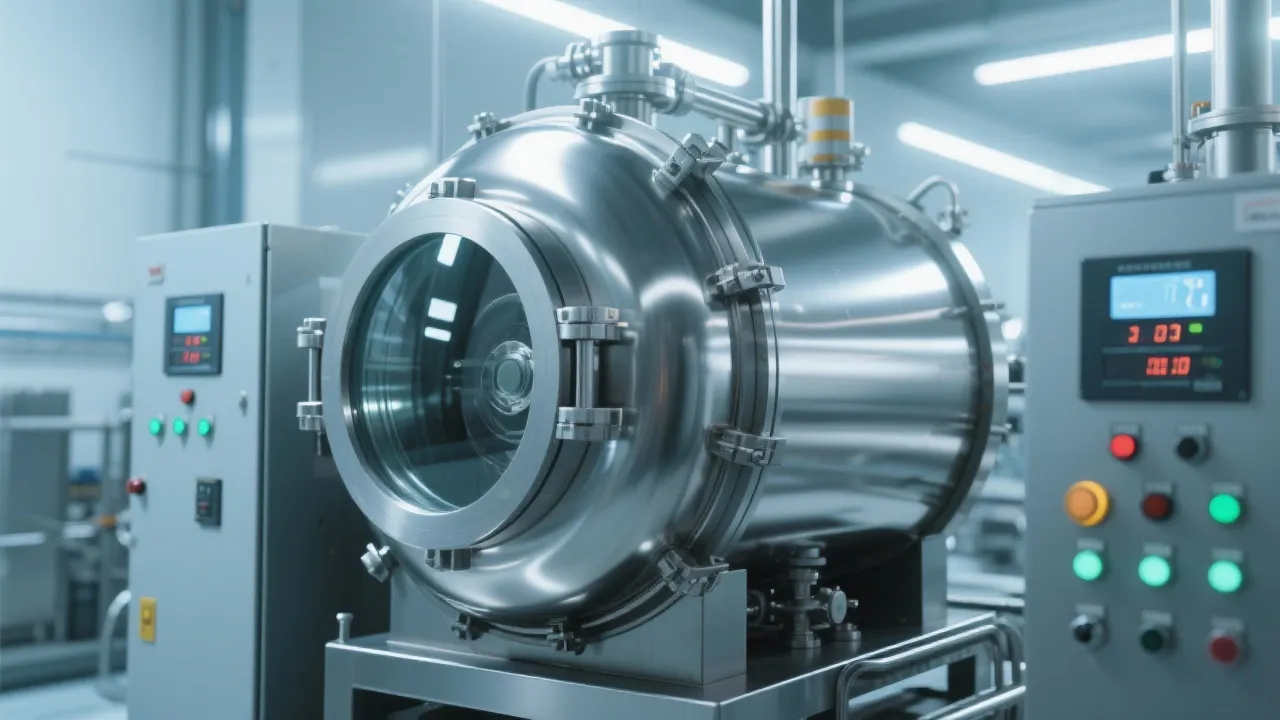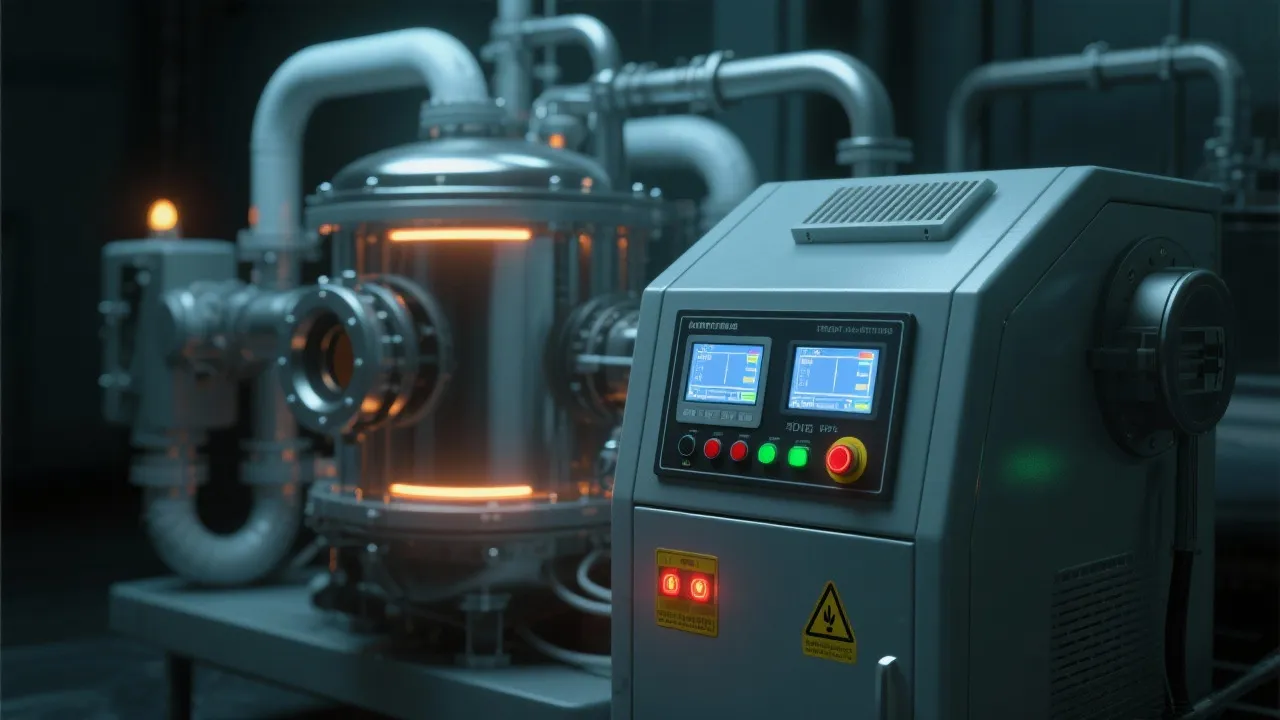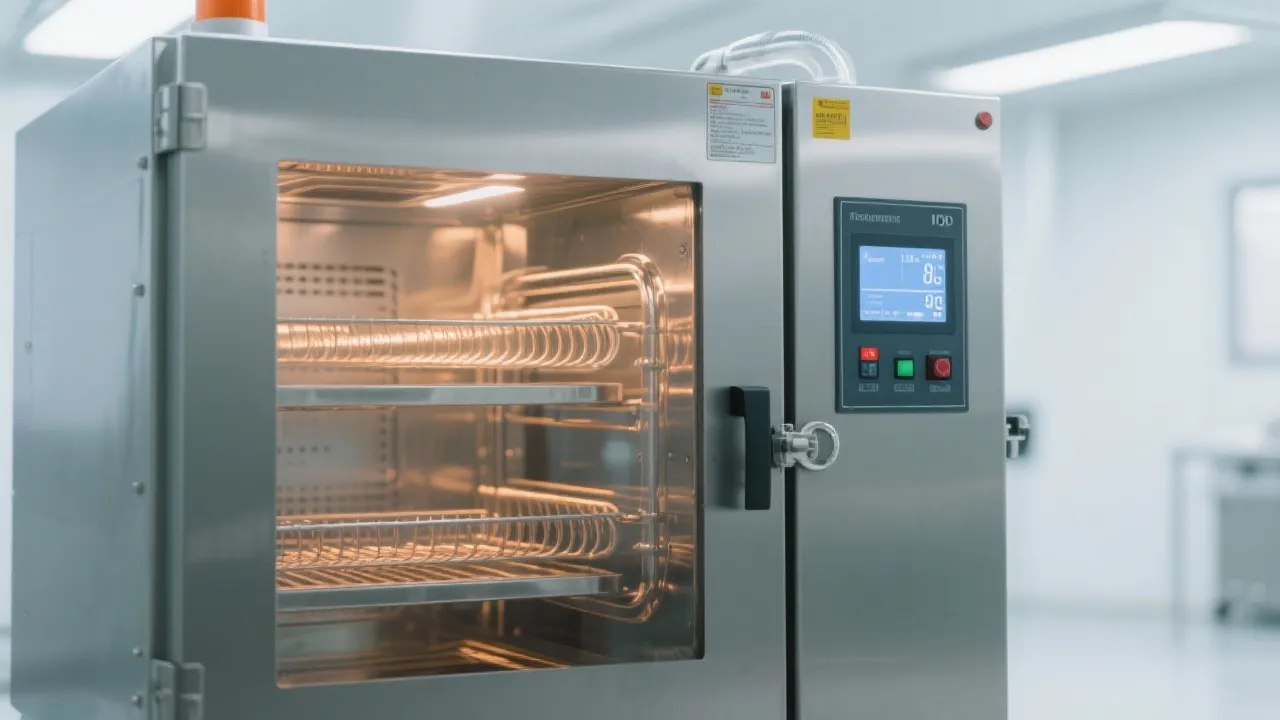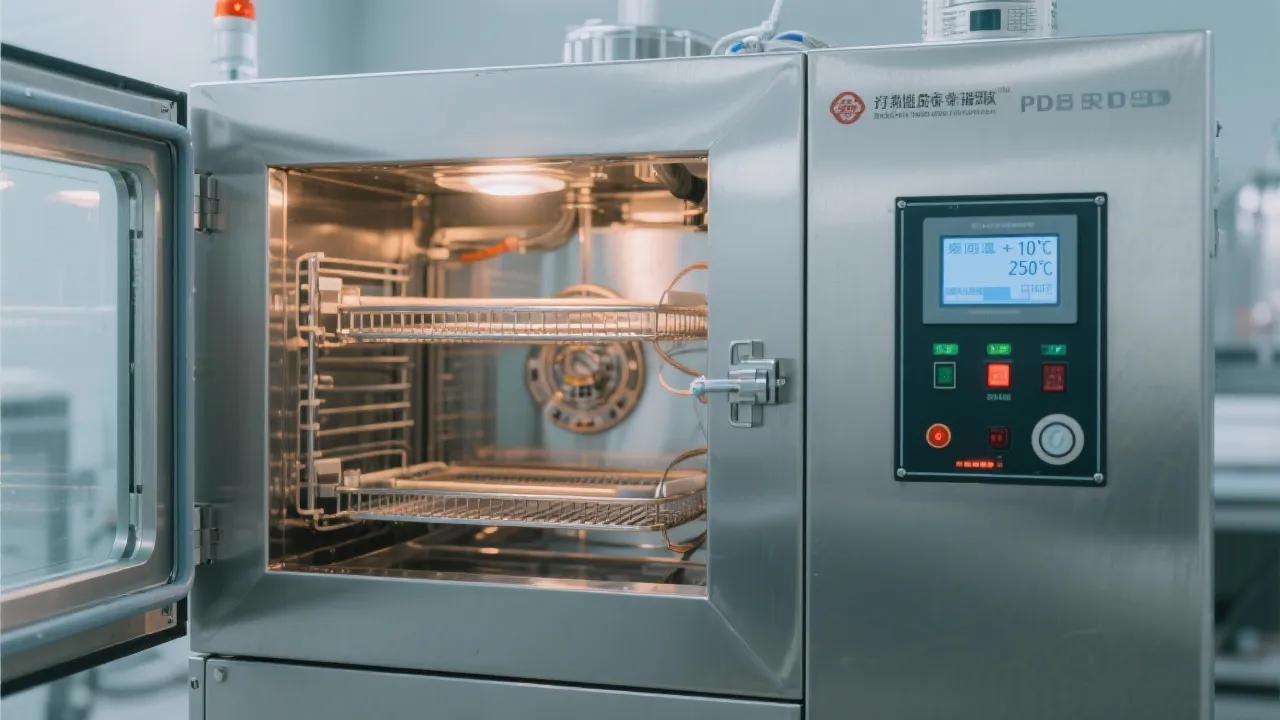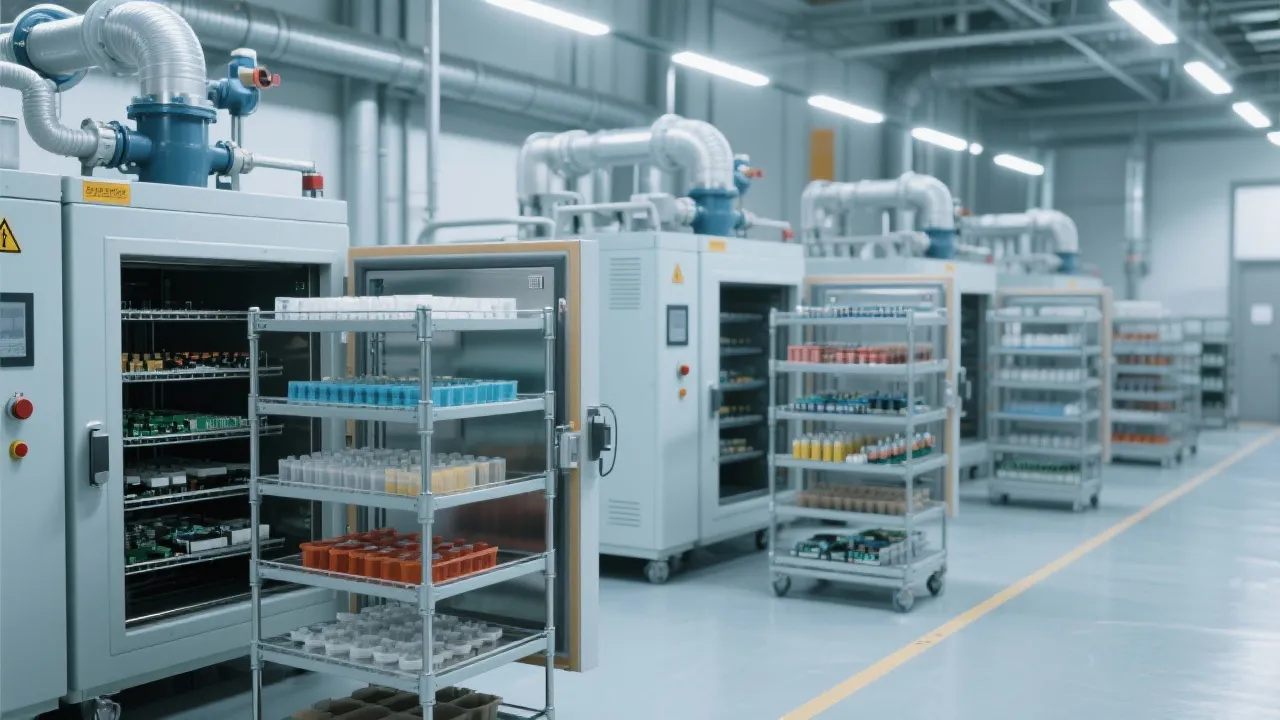
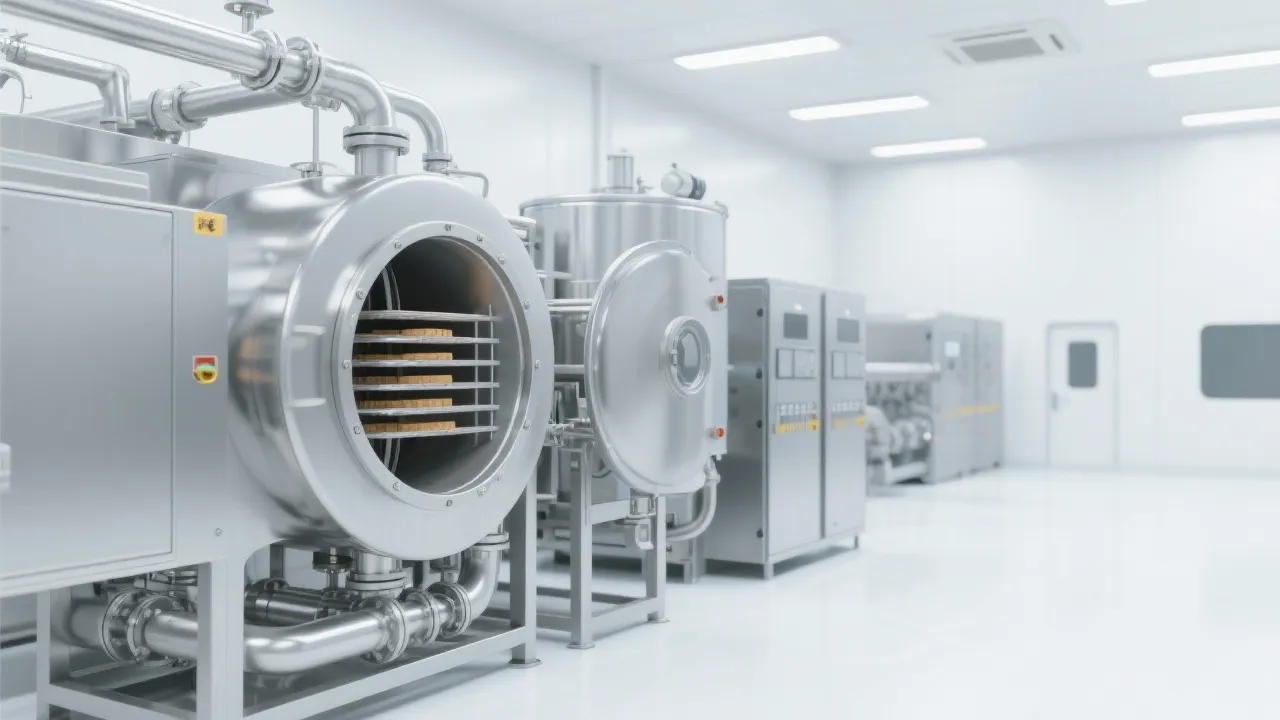
In the ever - evolving landscape of industrial production, the pursuit of enhanced product quality and efficiency has become a top priority. Among various technological advancements, industrial vacuum drying technology has emerged as a game - changer, offering significant energy - saving benefits and ensuring high product quality compared to traditional drying methods. This article delves deep into the latest trends in industrial vacuum drying technology, focusing on three core aspects: intelligent control, energy - saving design, and improved material adaptability.
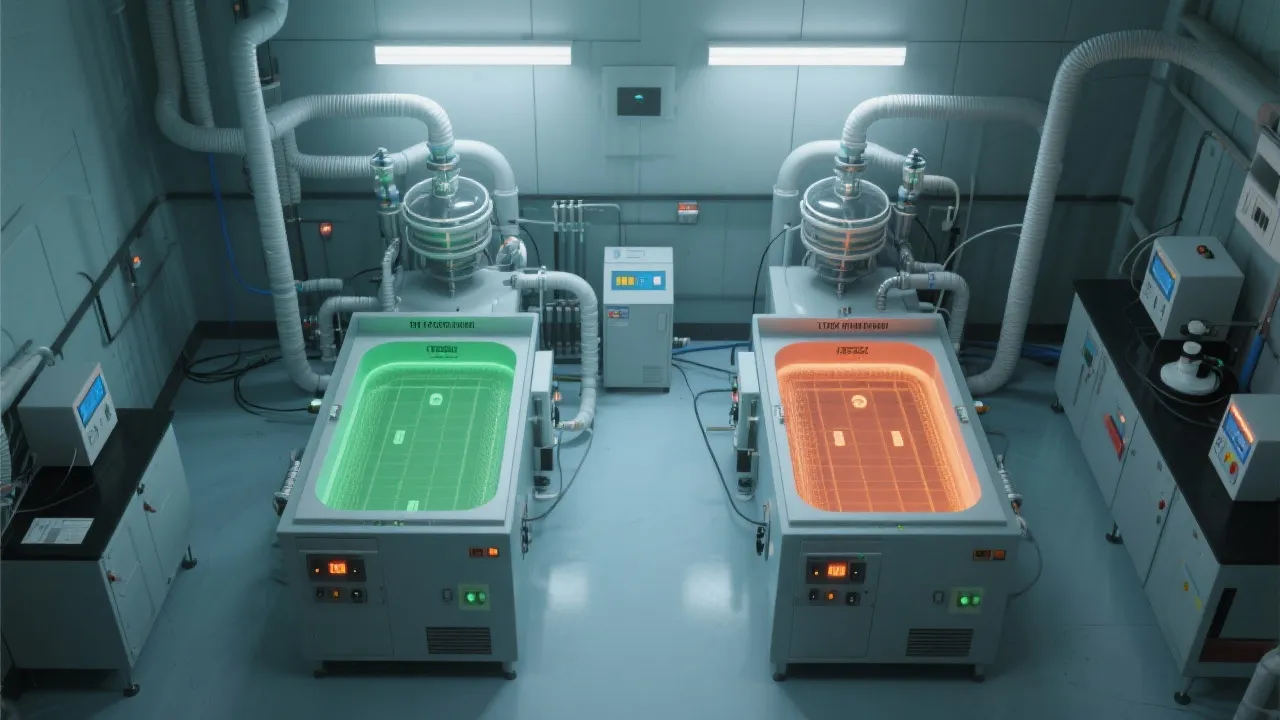
Intelligent control technology has revolutionized the industrial vacuum drying process. One of the prominent examples is the PID (Proportional - Integral - Derivative) dual - temperature control system. This system can precisely regulate the temperature inside the drying chamber, ensuring a stable and accurate drying environment. According to industry research, a PID dual - temperature control system can reduce temperature fluctuations by up to 90% compared to traditional single - temperature control systems. This high - precision control not only improves the quality of the dried products but also shortens the drying time by an average of 20%.
Remote monitoring is another significant development in intelligent control. With the help of IoT (Internet of Things) technology, operators can monitor and adjust the drying process from anywhere in the world. This feature is particularly useful for large - scale industrial operations with multiple drying units. For instance, a chemical manufacturing company was able to reduce its on - site labor costs by 30% after implementing remote monitoring technology for its vacuum drying equipment.
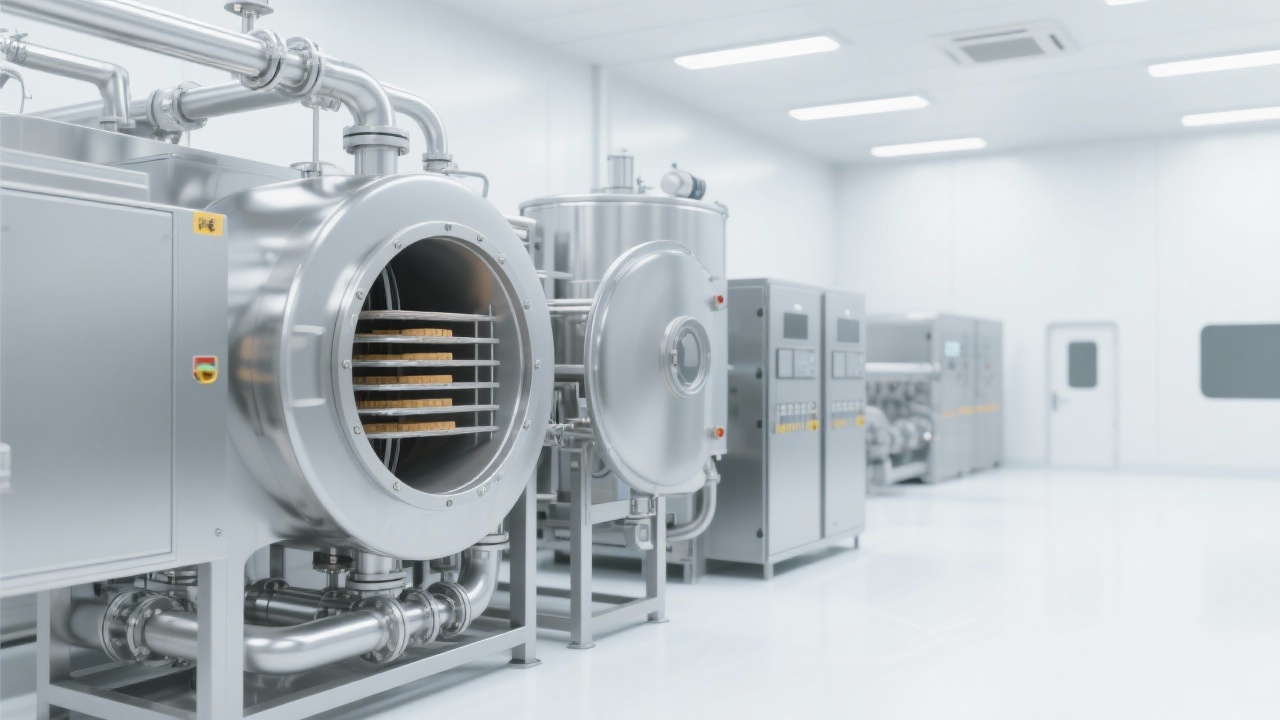
Energy - saving is a crucial concern in industrial operations. In the field of vacuum drying, several strategies have been developed to achieve this goal. One of the most effective methods is heat recovery technology. By capturing and reusing the waste heat generated during the drying process, companies can significantly reduce their energy consumption. A case study of a food processing plant showed that heat recovery technology could reduce the overall energy consumption of the vacuum drying process by 40%.
Variable - frequency heating technology is another important energy - saving measure. This technology adjusts the heating power according to the actual needs of the drying process, avoiding unnecessary energy waste. Compared with traditional fixed - power heating systems, variable - frequency heating can save up to 35% of energy. The following table shows the energy consumption comparison between traditional and variable - frequency heating systems in a typical industrial vacuum drying operation:
| Heating System | Annual Energy Consumption (kWh) |
|---|---|
| Traditional Fixed - Power | 50,000 |
| Variable - Frequency Heating | 32,500 |
The adaptability of vacuum drying equipment to different materials is also a key factor in its development. The corrosion resistance of the inner tank material and other key components is crucial for ensuring the durability and applicability of the equipment. For example, stainless steel with high - grade corrosion - resistant properties can extend the service life of the equipment by up to 50% compared to ordinary steel. Moreover, modern vacuum drying equipment is designed to be compatible with multiple materials, which means it can handle a wider range of products without significant modifications.
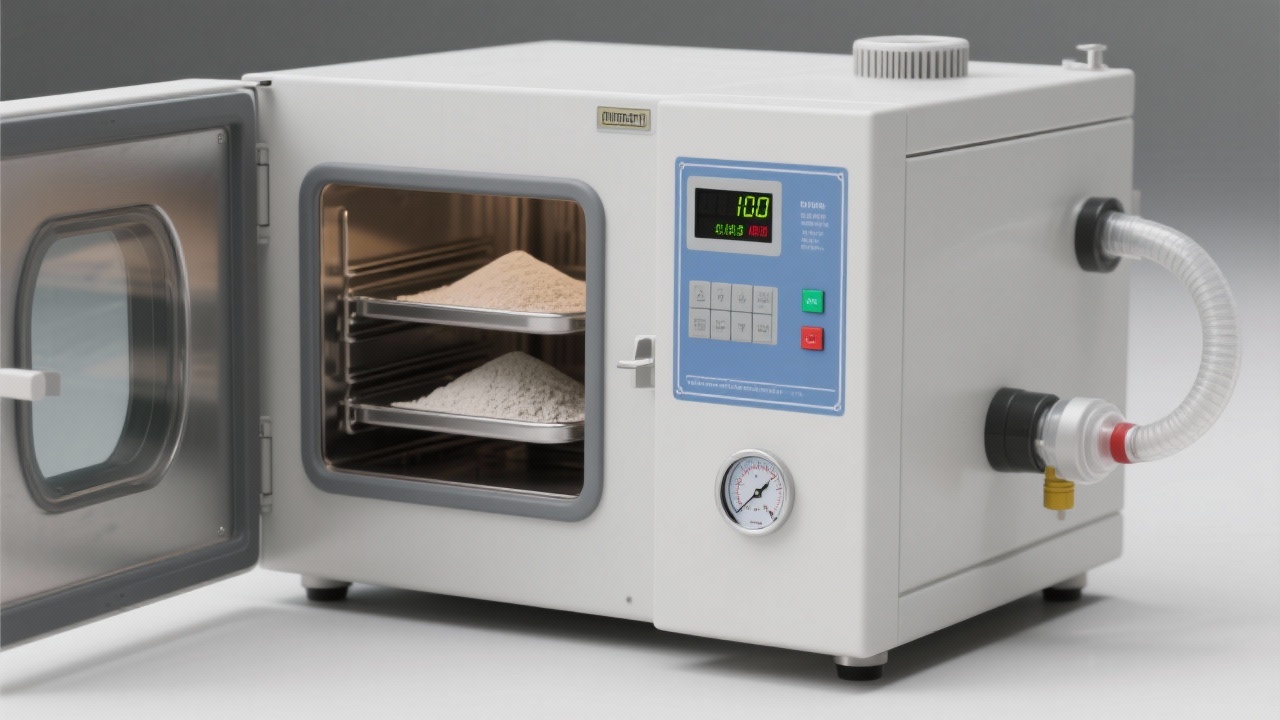
According to third - party test data from authoritative industry organizations, the latest vacuum drying equipment can maintain its performance even when drying highly corrosive materials such as acidic and alkaline substances. This multi - material compatibility not only increases the versatility of the equipment but also reduces the need for companies to invest in multiple types of drying equipment.
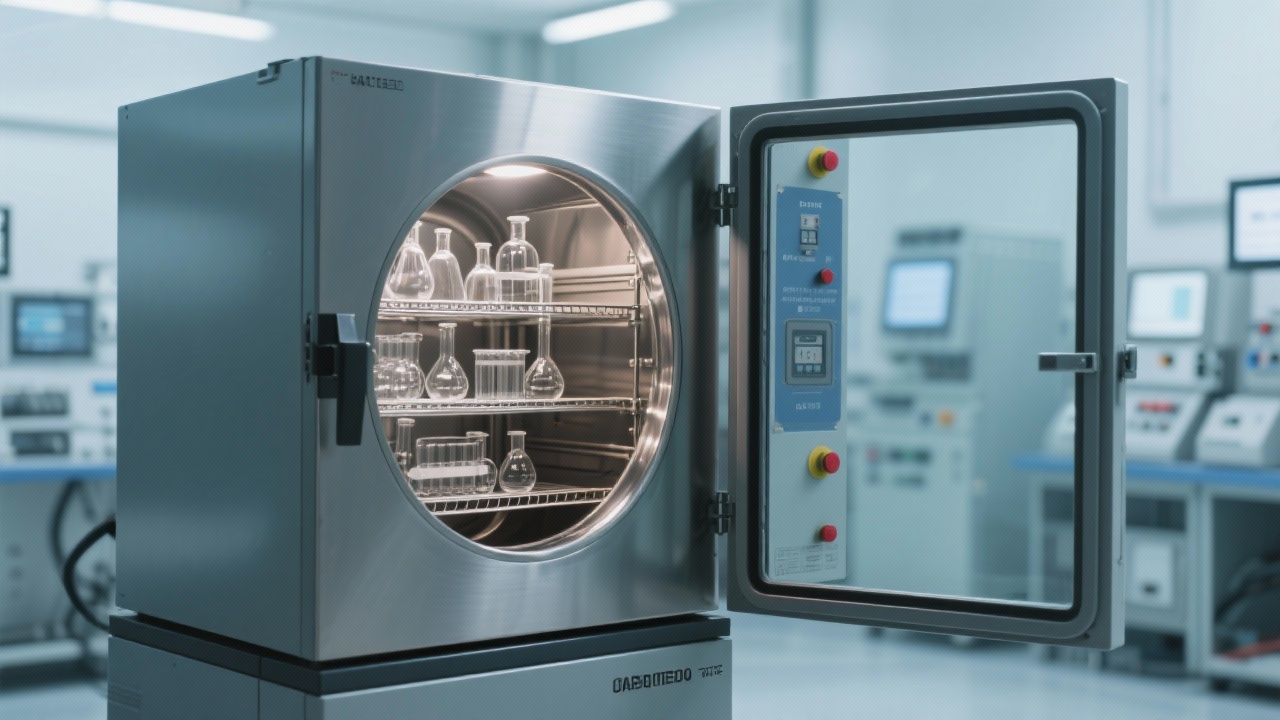
Looking ahead, the integration of AI (Artificial Intelligence) and IoT in industrial vacuum drying technology holds great promise. AI can analyze large amounts of data generated during the drying process to optimize control parameters, further improving energy efficiency and product quality. IoT can enable seamless communication between different drying units and other production equipment, creating a more intelligent and efficient industrial ecosystem.
As the industry continues to evolve, it is essential for professionals to stay updated on these emerging trends. How will the integration of AI and IoT reshape the industrial vacuum drying landscape? What new challenges and opportunities will this bring? These are questions that industry players need to explore.