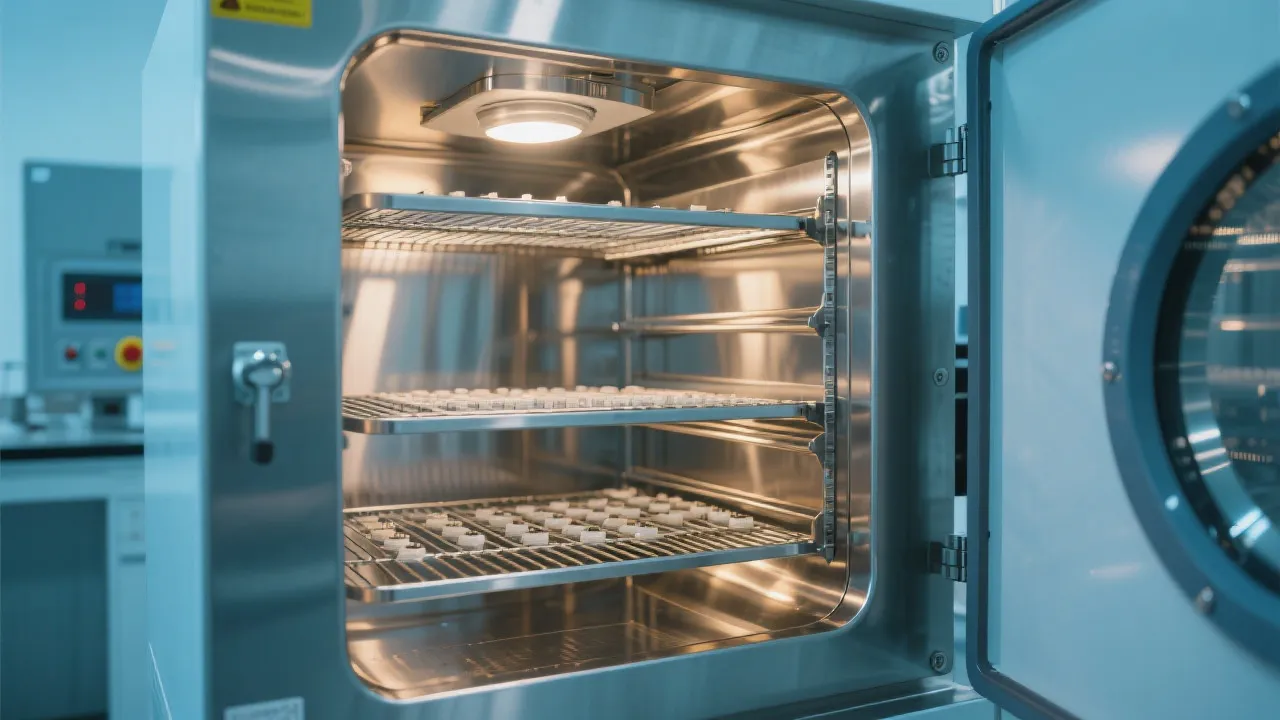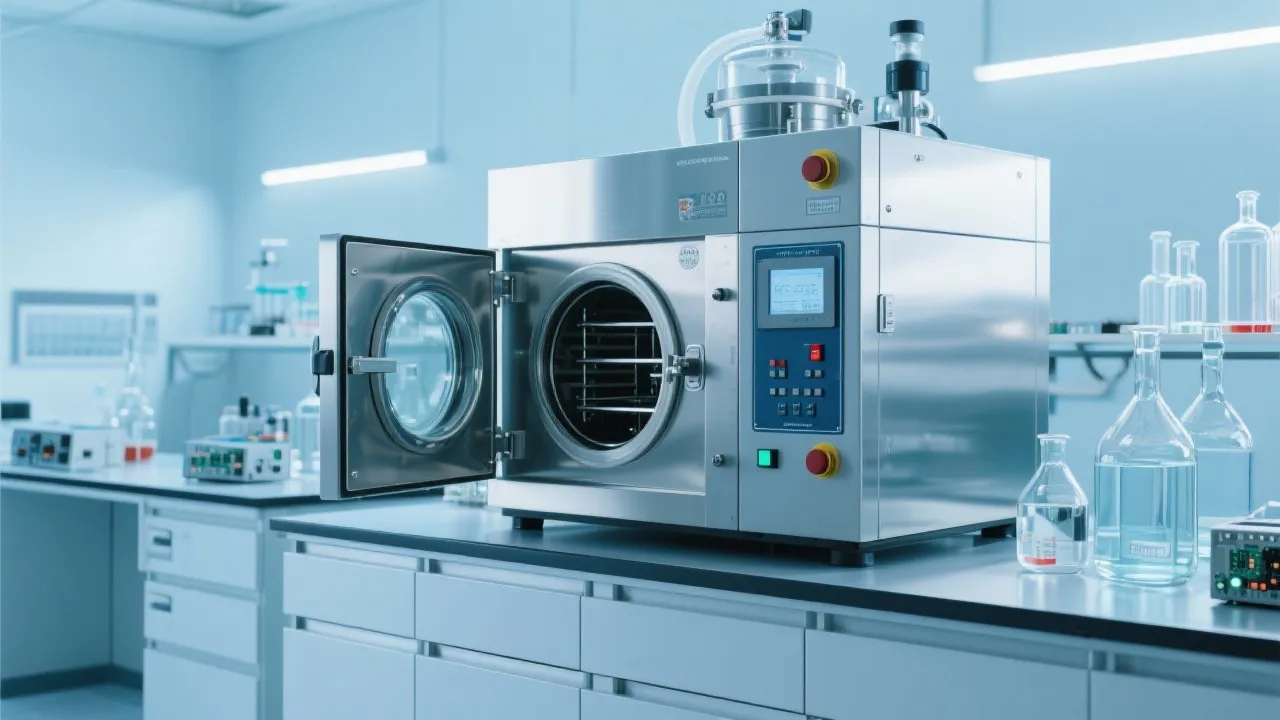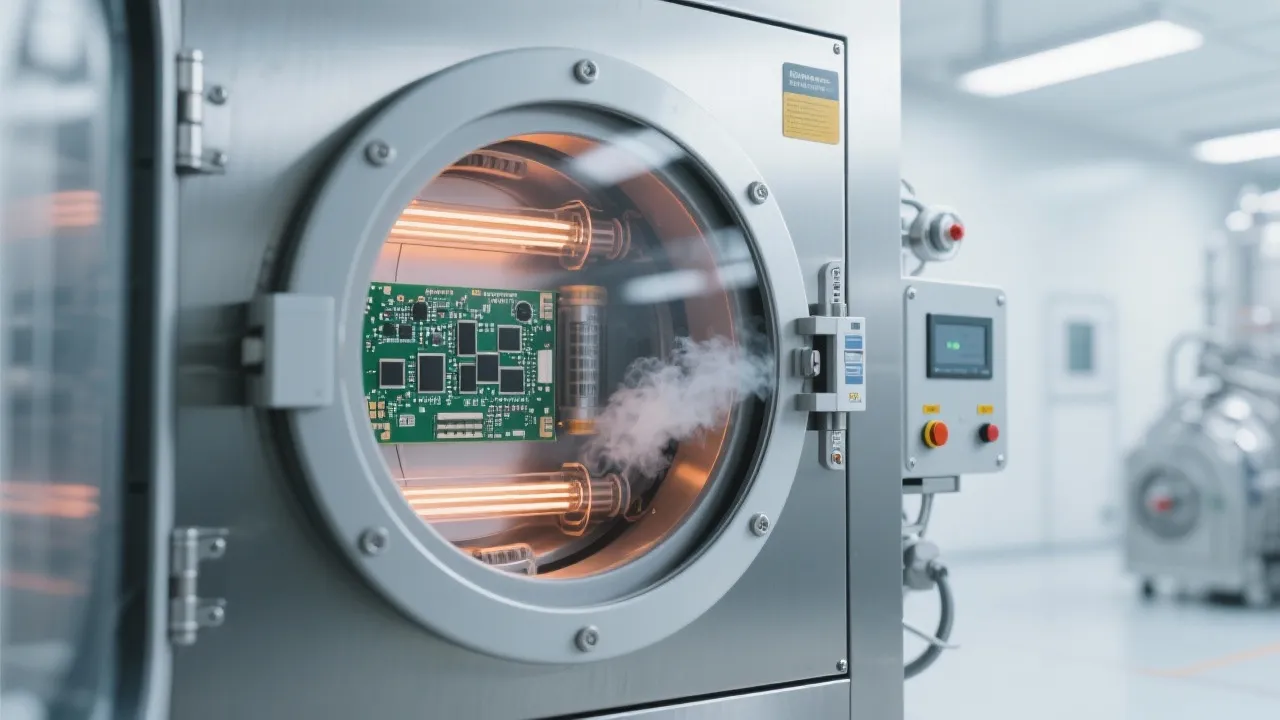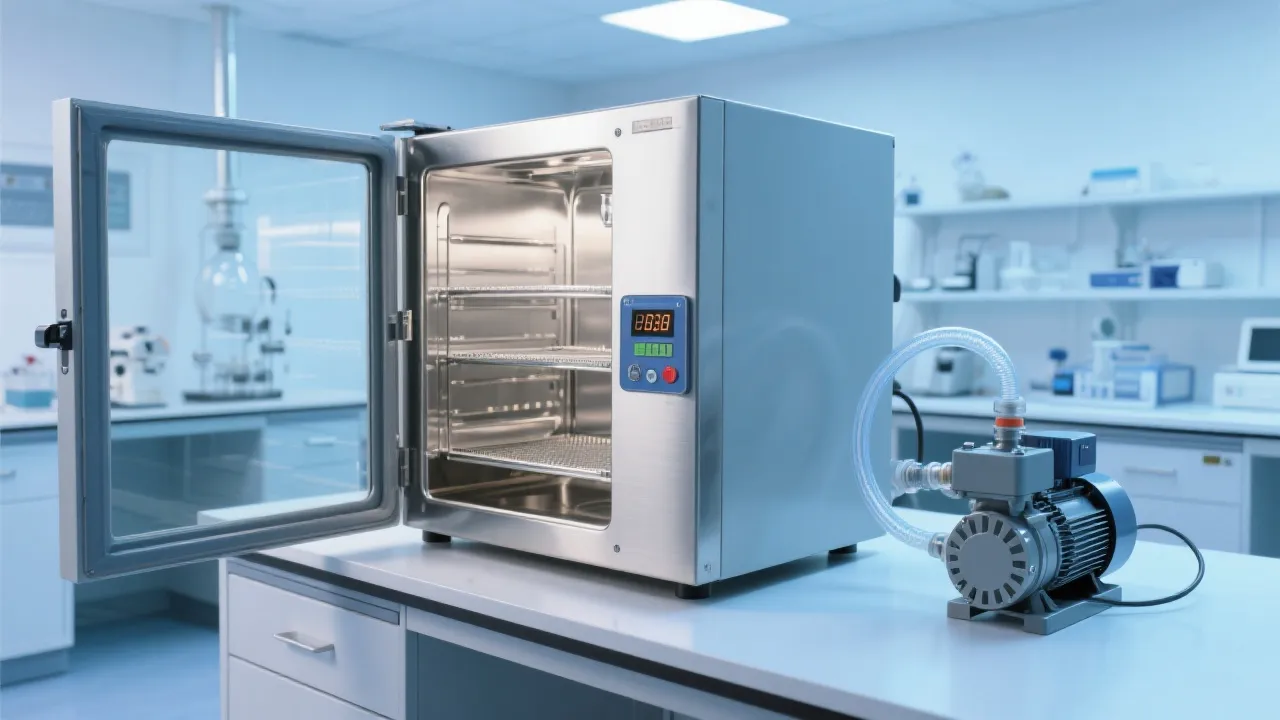
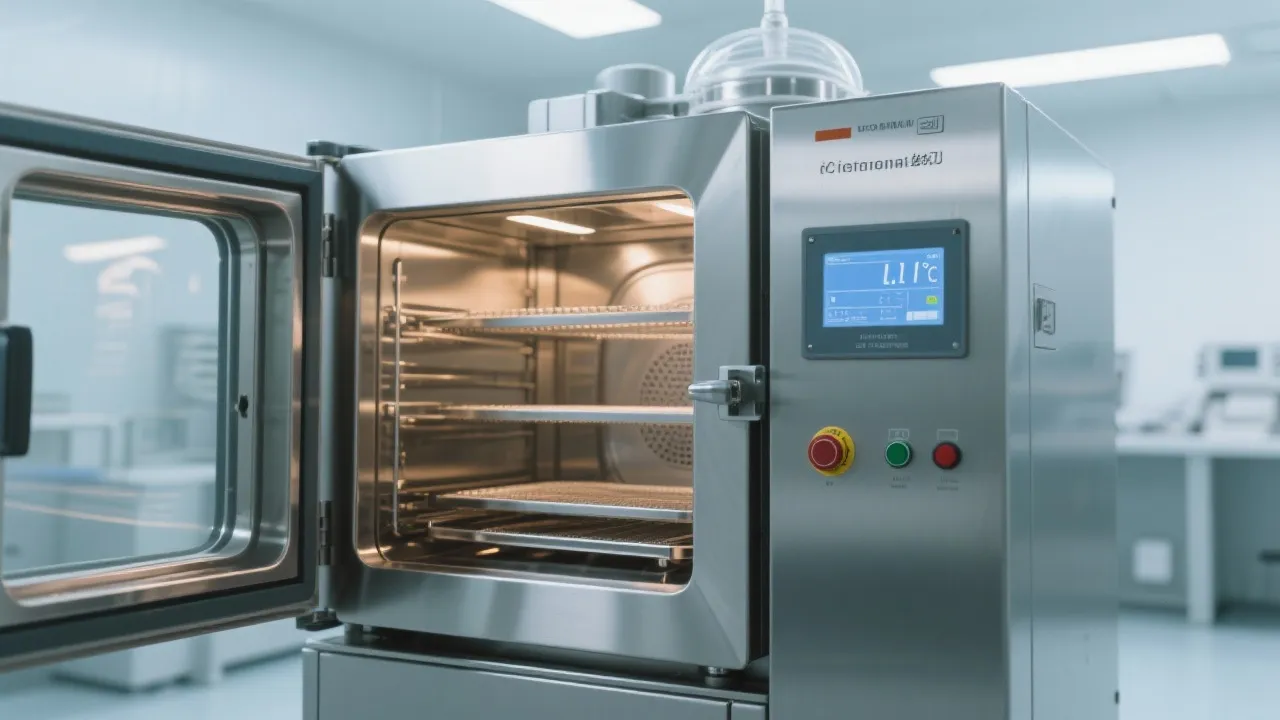
Industrial vacuum drying ovens play a pivotal role in materials processing and quality assurance, utilizing a vacuum environment to dramatically enhance water evaporation rates. This article dissects the core working principle behind these ovens, detailing how reduced pressure lowers the boiling point of water, thereby expediting moisture removal from various materials. Complementing the vacuum is a precise temperature control system that ensures uniform drying while preventing thermal damage.
At atmospheric pressure (101.3 kPa), water boils at 100°C, but under vacuum conditions, the boiling point decreases significantly, enabling water molecules to vaporize at much lower temperatures. For example, at 10 kPa, water boils near 45°C. This reduction is governed by the Clausius-Clapeyron relation, making vacuum drying highly energy-efficient and gentler on heat-sensitive materials.
The practical impact is twofold: firstly, shorter drying cycles due to accelerated evaporation; secondly, enhanced preservation of material integrity, crucial for electronics, pharmaceuticals, and chemical analysis.
| Pressure (kPa) | Water Boiling Point (°C) | Typical Drying Temperature (°C) |
|---|---|---|
| 101.3 (Atmospheric) | 100 | 90 - 100 |
| 30 | 70 | 60 - 70 |
| 10 | 45 | 40 - 50 |
Maintaining consistent temperature profiles within the vacuum oven chamber is vital to avoid localized overheating or incomplete drying. Advanced temperature control systems employ PID regulators along with thermocouples to monitor and adjust heating elements dynamically. This precision ensures that heat-sensitive substrates, such as electronic components and chemical specimens, retain their functional and physical properties.
Moreover, the reduced thermal load often results in energy savings of up to 25-40% compared to traditional atmospheric drying, while shortening batch processing times by an estimated 30-50%, boosting overall plant throughput.
The following comparison highlights key performance metrics between common pressure drying and vacuum drying processes:
| Metric | Atmospheric Drying | Vacuum Drying |
|---|---|---|
| Drying Time | 4-8 hours | 1-3 hours |
| Energy Consumption | High | Moderate (25-40% less) |
| Material Integrity | Risk of thermal degradation | Minimized thermal stress |
In electronics manufacturing, vacuum drying is integral for the solidification and curing of circuit boards and semiconductors, ensuring moisture-sensitive components avoid oxidation and corrosion. For chemical laboratories, it aids in drying heat-sensitive compounds without decomposition. Additionally, vacuum drying effectively facilitates material degassing, crucial in polymer and composite fabrication.
Practical case studies report moisture reduction rates exceeding 95% within half the typical drying periods when transitioning from atmospheric to vacuum drying, underscoring its operational efficiency.
The selection of an appropriate vacuum pump is critical for matching the oven’s operational parameters and material requirements. Common pump types include:
Compatibility with drying oven materials and vapor load is essential to prevent pump damage and ensure longevity. Integrated control systems often manage pump operation to maintain stable vacuum throughout drying cycles.
Engineers and procurement specialists should focus on these technical parameters for optimized vacuum drying implementation:
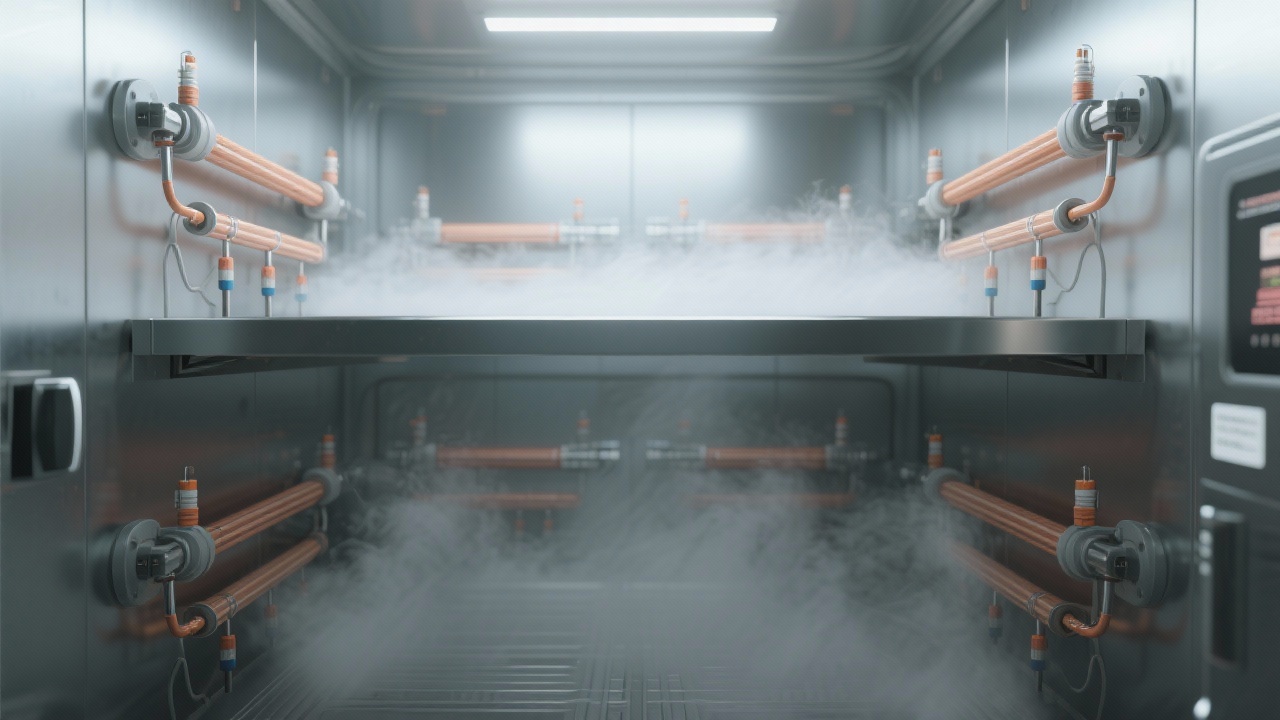
It is advisable to invest in continuous monitoring sensors and digital interfaces that log drying cycle data, contributing to quality assurance and process validation.