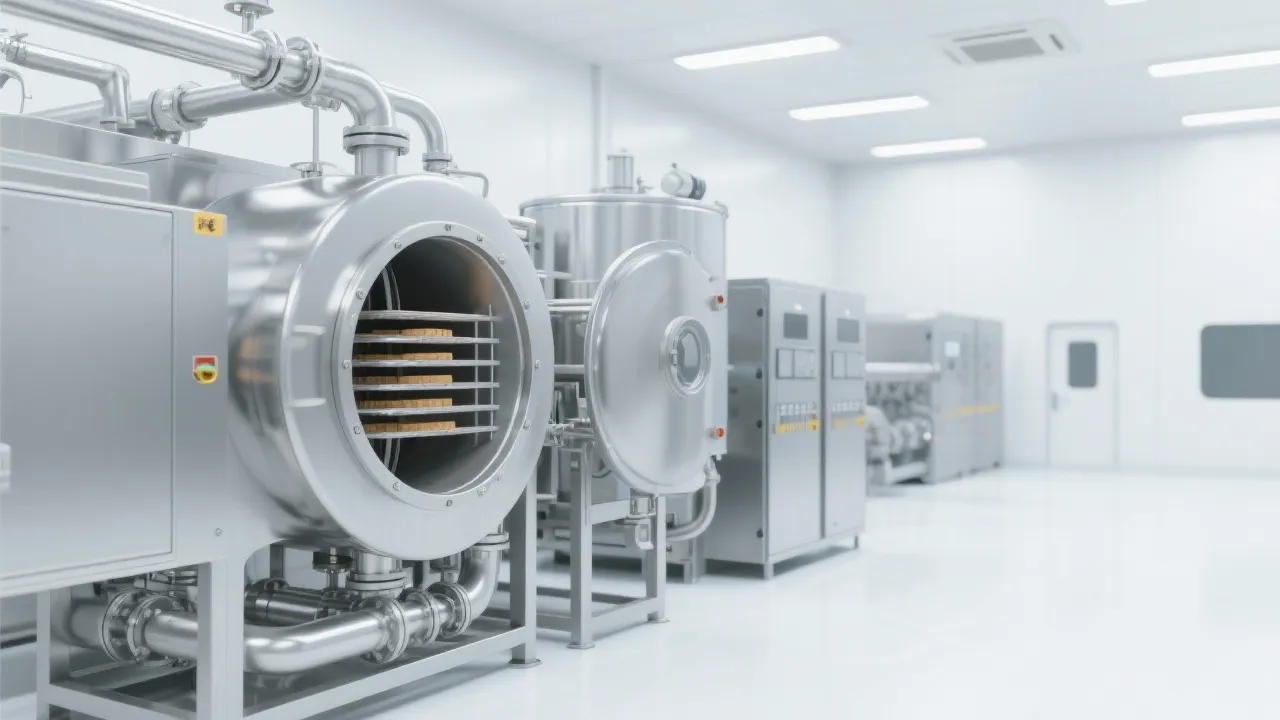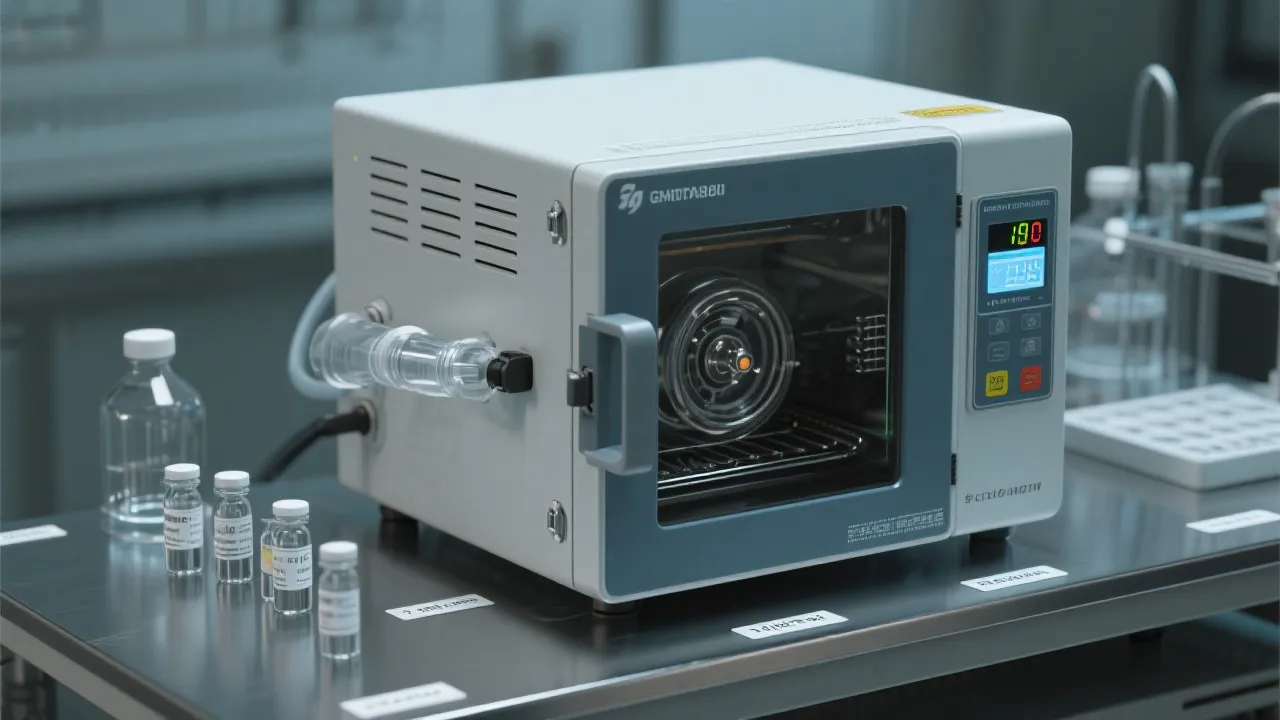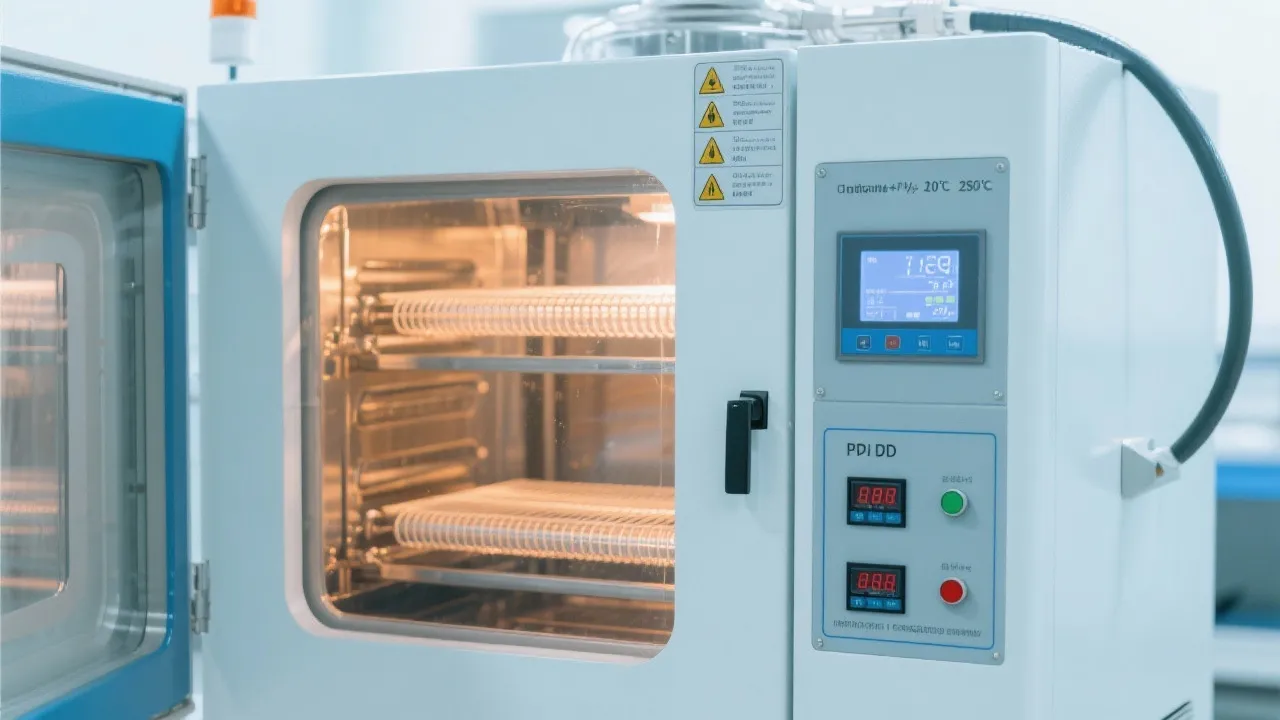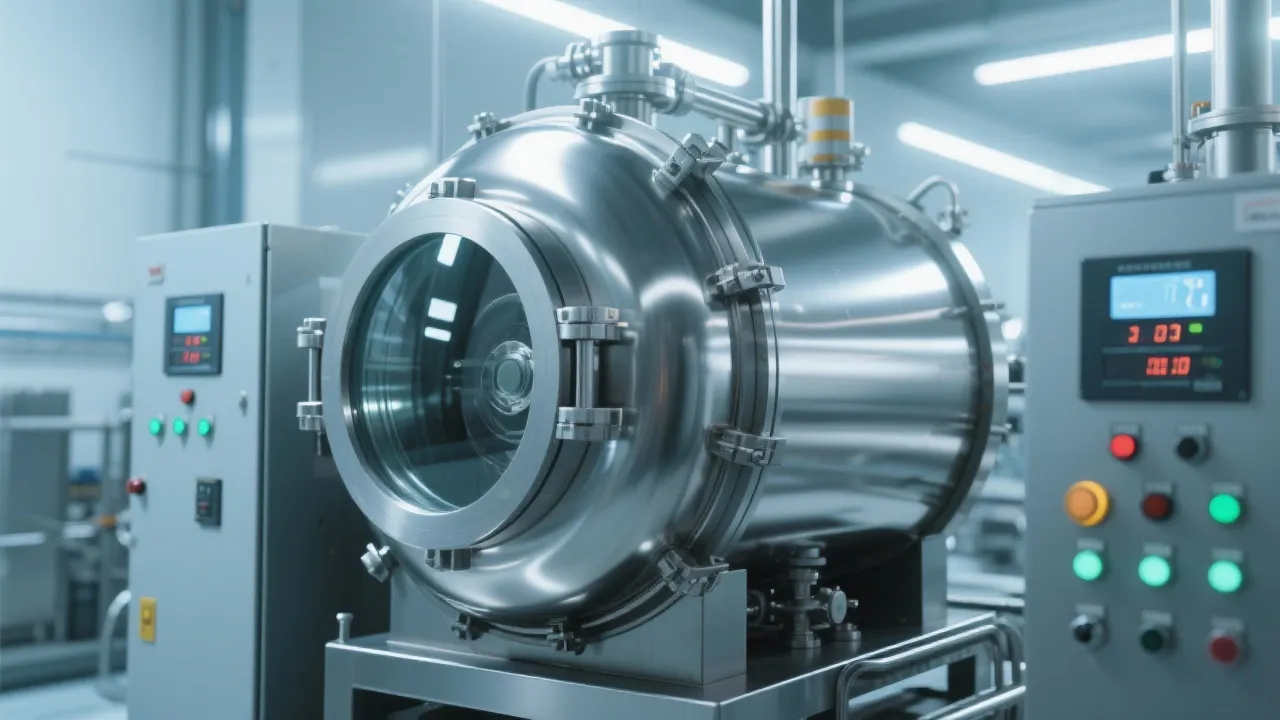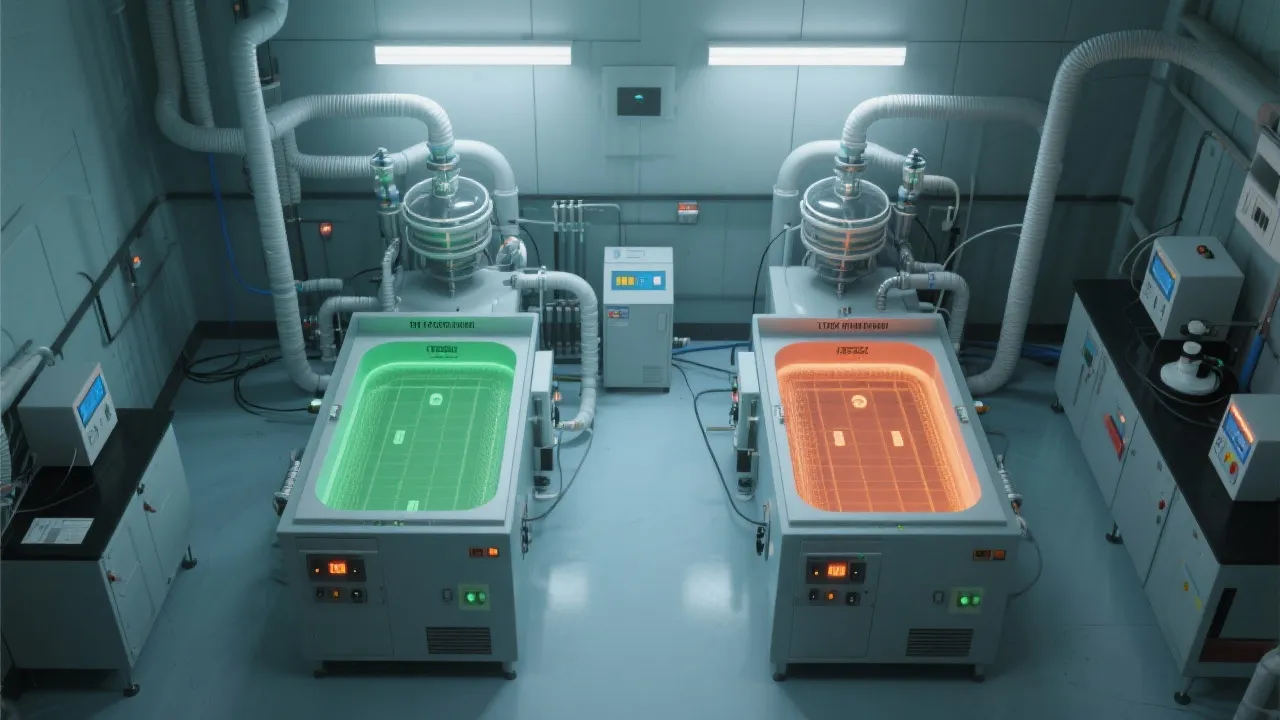
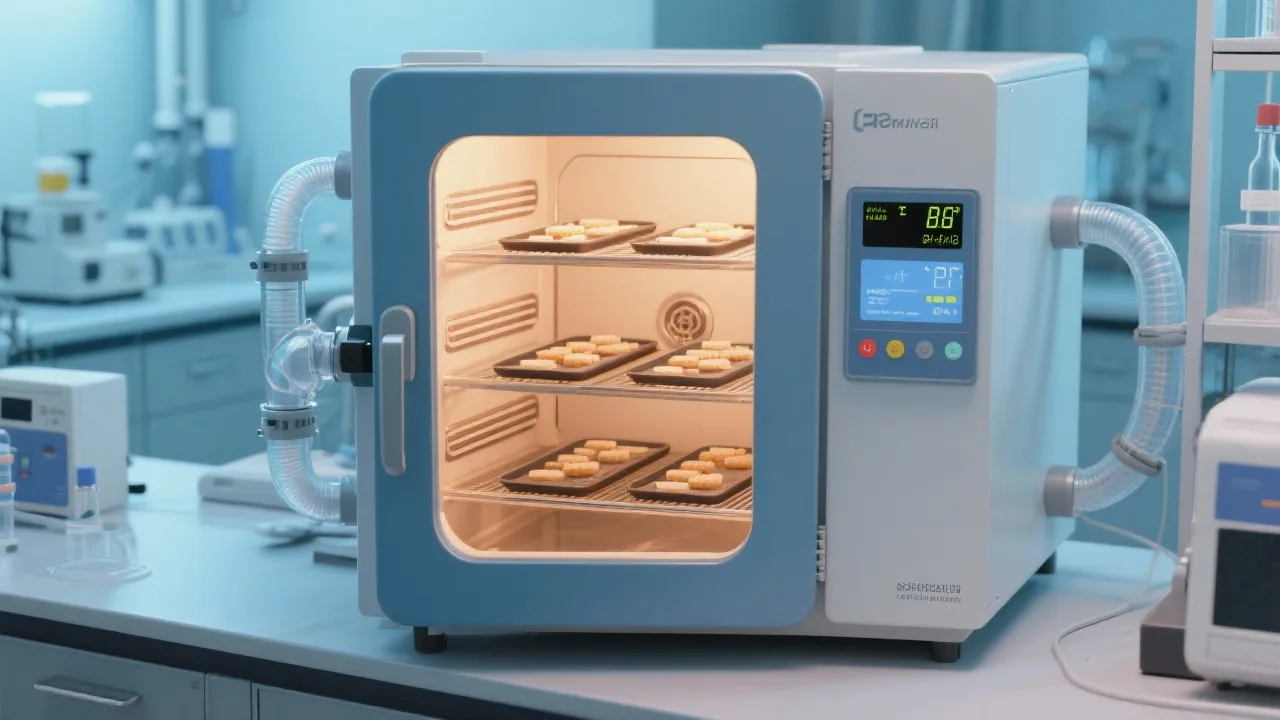
Selecting the right vacuum drying oven is a critical decision that impacts research accuracy, production efficiency, and operational safety in both industrial and laboratory settings. With technology advancing rapidly, today's vacuum drying ovens offer capabilities that were unimaginable just a decade ago. This guide will walk you through the essential factors to consider, helping you navigate the complex landscape of available options with confidence.
Before diving into technical specifications, it's crucial to clearly define your application requirements. Industrial and laboratory professionals face distinct challenges that influence equipment selection:
According to a 2023 industry survey, 76% of laboratory managers identified temperature stability as their primary concern when selecting drying equipment, while 68% of industrial operators prioritized reliability and maintenance requirements.
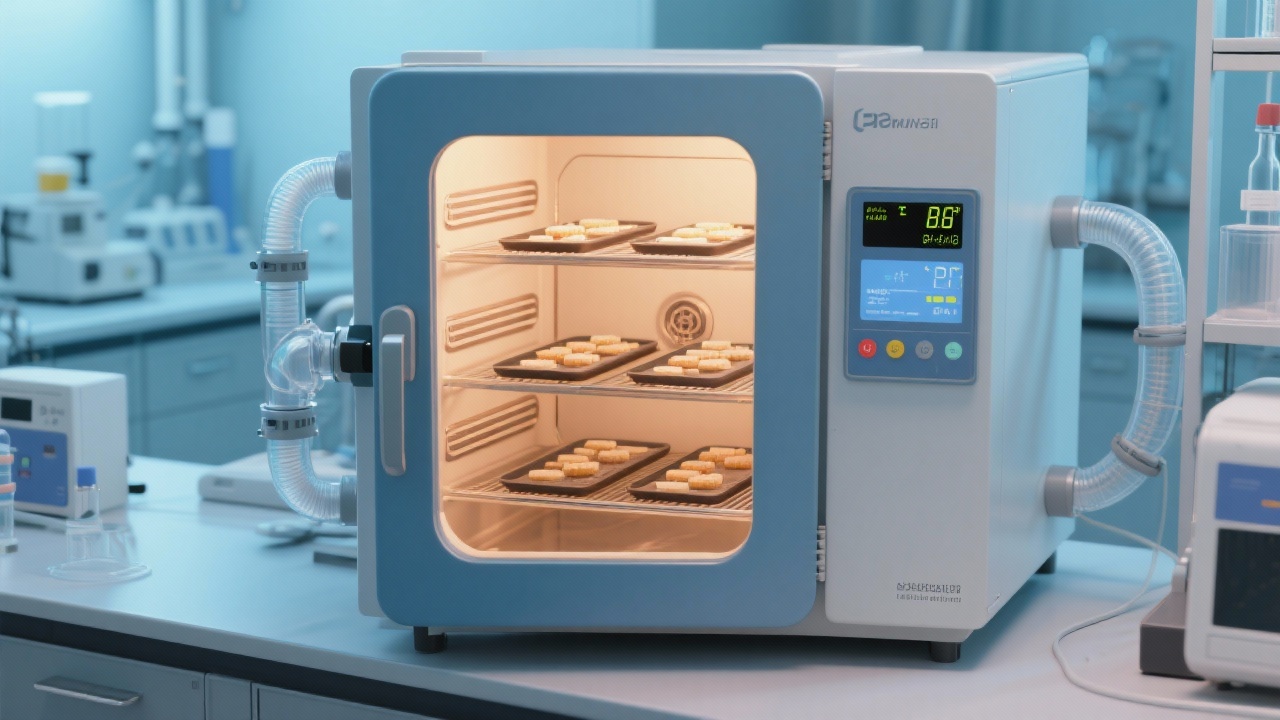
The heart of any vacuum drying oven is its temperature control system. Modern units offer temperature ranges typically from ambient +10°C up to 250°C, with advanced models reaching 300°C for specialized applications. However, the stated range is less important than the precision of control.
Key Temperature Parameters:
Dual-zone PID (Proportional-Integral-Derivative) algorithms represent the current state-of-the-art in temperature management. These systems continuously monitor and adjust heating elements to maintain stable conditions, even when processing heat-sensitive materials or operating at extreme temperatures.
Vacuum capability directly impacts drying efficiency and process time. A quality vacuum drying oven should achieve pressures as low as 133 Pa (1 Torr) or better, with efficient pump systems that can reach operating vacuum levels within 5-10 minutes.
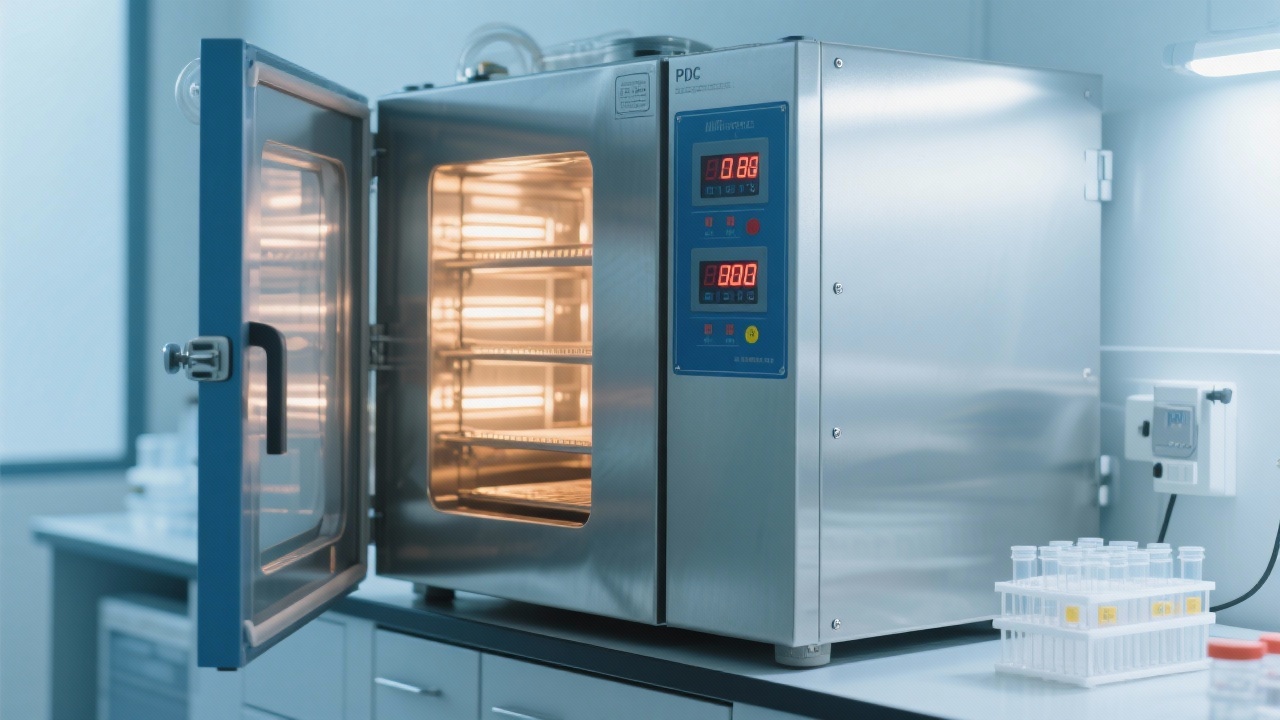
Safety should never be compromised when working with high temperatures and vacuum systems. The most reliable vacuum drying ovens incorporate multiple protective mechanisms:
Explosion-Proof Glass Windows
Tempered, reinforced glass with pressure relief features prevents hazardous failures
Over-Temperature Protection
Independent thermal cutoffs provide backup protection beyond primary controls
Door Interlock Systems
Prevent accidental opening under vacuum or at elevated temperatures
Material Construction
304 or 316 stainless steel interiors resist corrosion and simplify cleaning
Certifications such as CE marking ensure compliance with European safety standards, while UL or CSA certifications demonstrate adherence to North American safety requirements. These certifications provide independent validation of safety features and construction quality.
The ideal vacuum drying oven varies significantly across industries and applications. Understanding how different features support specific processes will guide you toward the optimal solution:
These sectors demand exceptional cleanliness, documentation capabilities, and contamination control. Look for units with:
Research environments benefit from flexibility and precise control. Key features include:
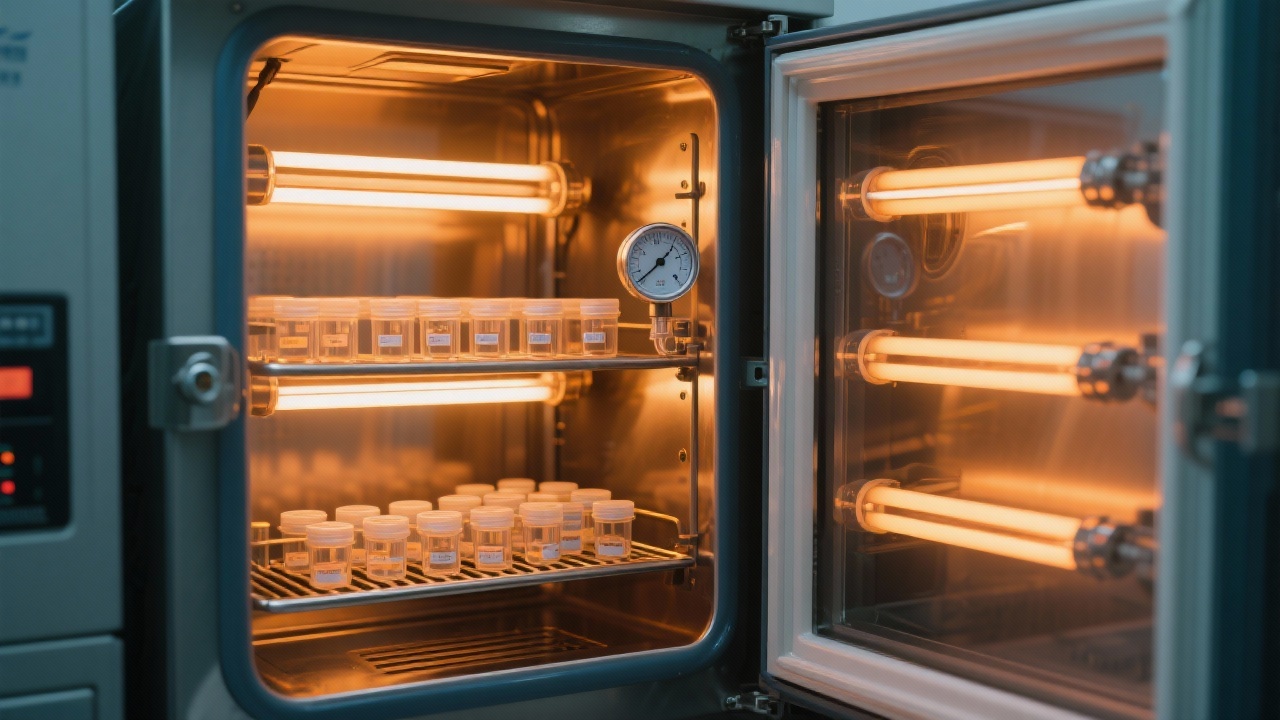
Production environments prioritize reliability, throughput, and ease of maintenance:
The vacuum drying equipment market is evolving rapidly, driven by demands for greater efficiency, connectivity, and sustainability. Three key trends are shaping the latest generation of equipment:
Discover how the DZ-2BCII digital vacuum drying oven delivers exceptional performance across laboratory and industrial applications, combining precision control, robust construction, and intelligent features to maximize your operational efficiency and product quality.
Explore the DZ-2BCII Vacuum Drying OvenWhen evaluating vacuum drying ovens, remember that the most expensive model isn't always the best choice. Instead, focus on finding the solution that precisely matches your temperature requirements, volume needs, safety standards, and budget constraints. By carefully assessing your specific application and prioritizing the features that deliver the greatest value for your unique processes, you'll select equipment that provides reliable performance for years to come.
Consulting with technical experts who understand both the equipment capabilities and your industry's specific challenges can prove invaluable. Many manufacturers offer application testing services, allowing you to evaluate performance with your actual samples before making a purchase decision. This hands-on approach ensures that the equipment you select will meet your expectations in real-world conditions.