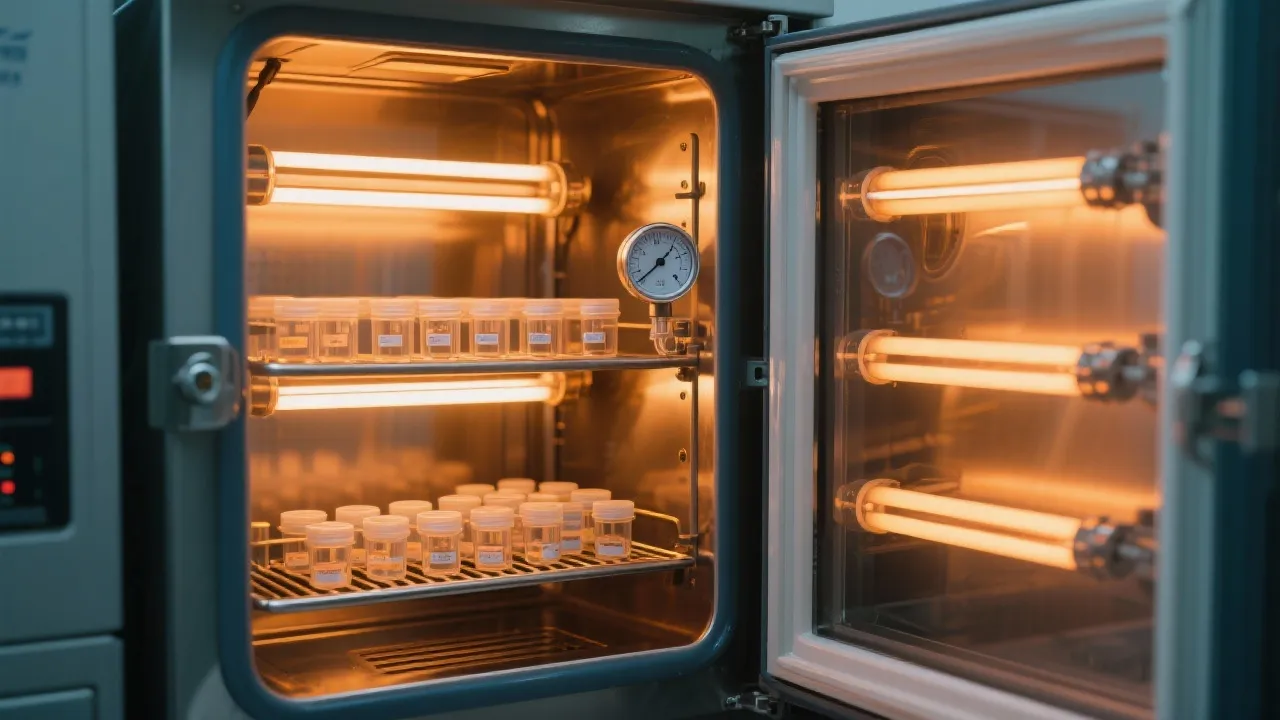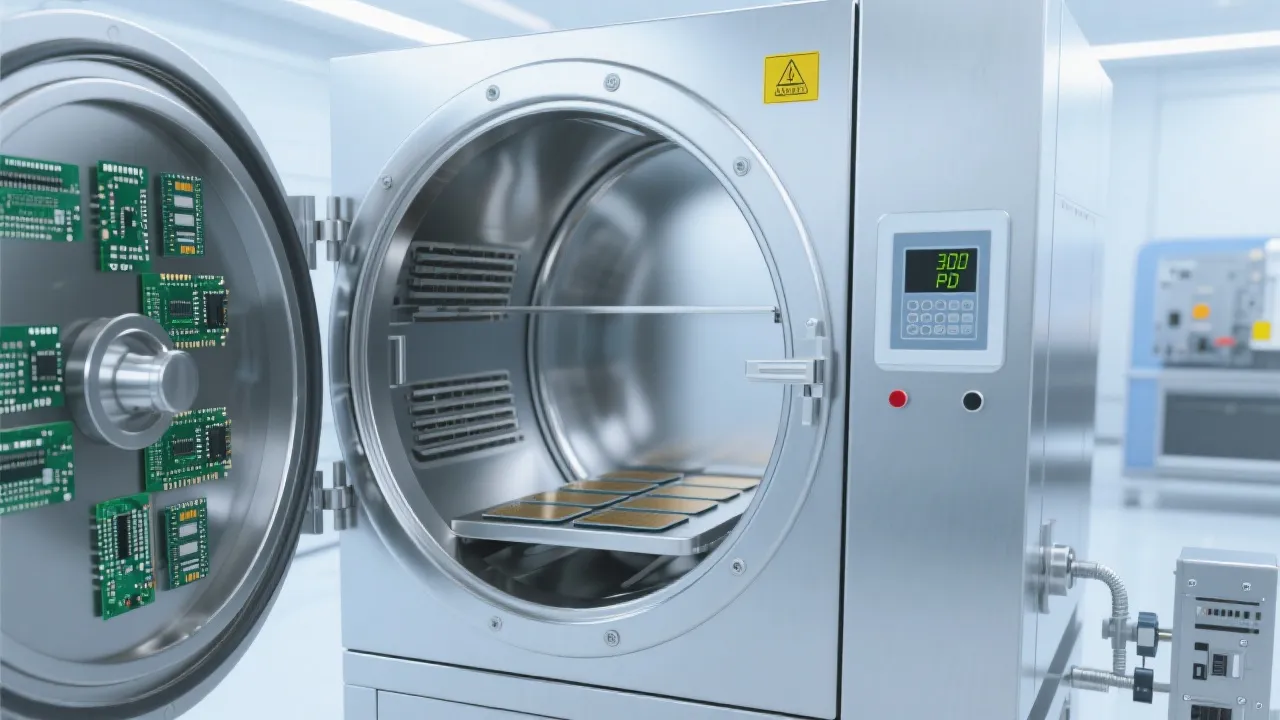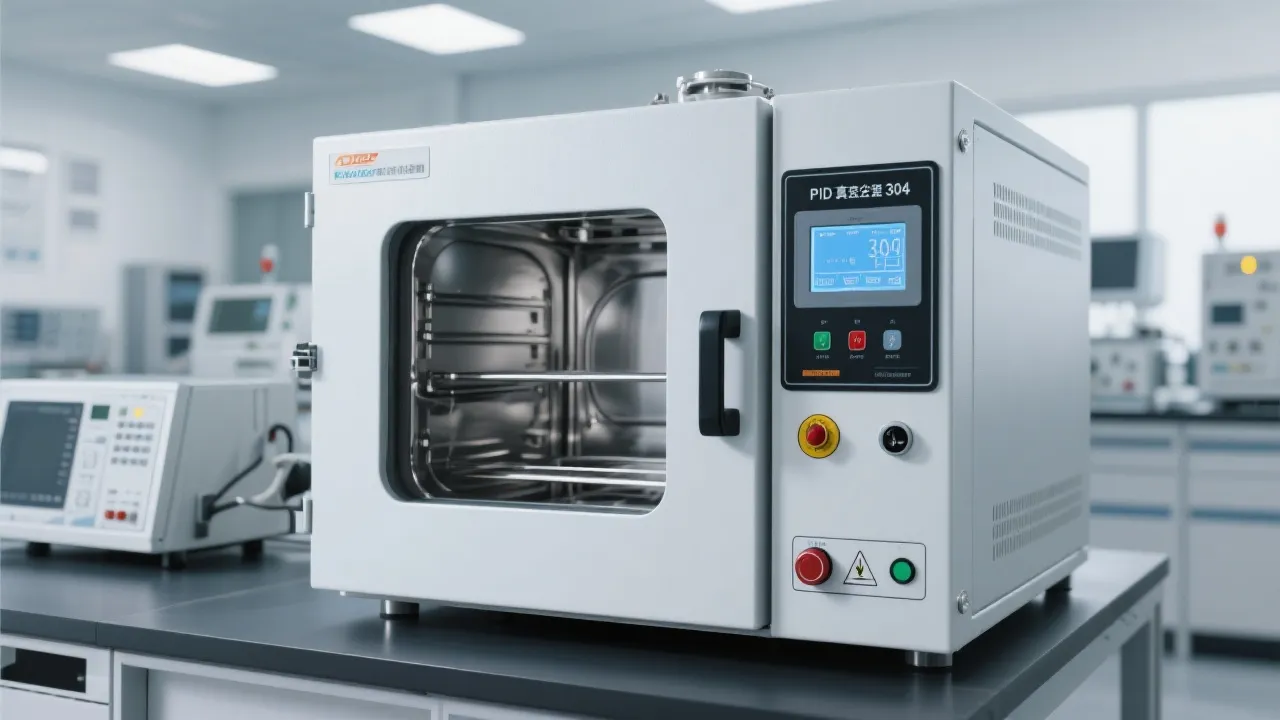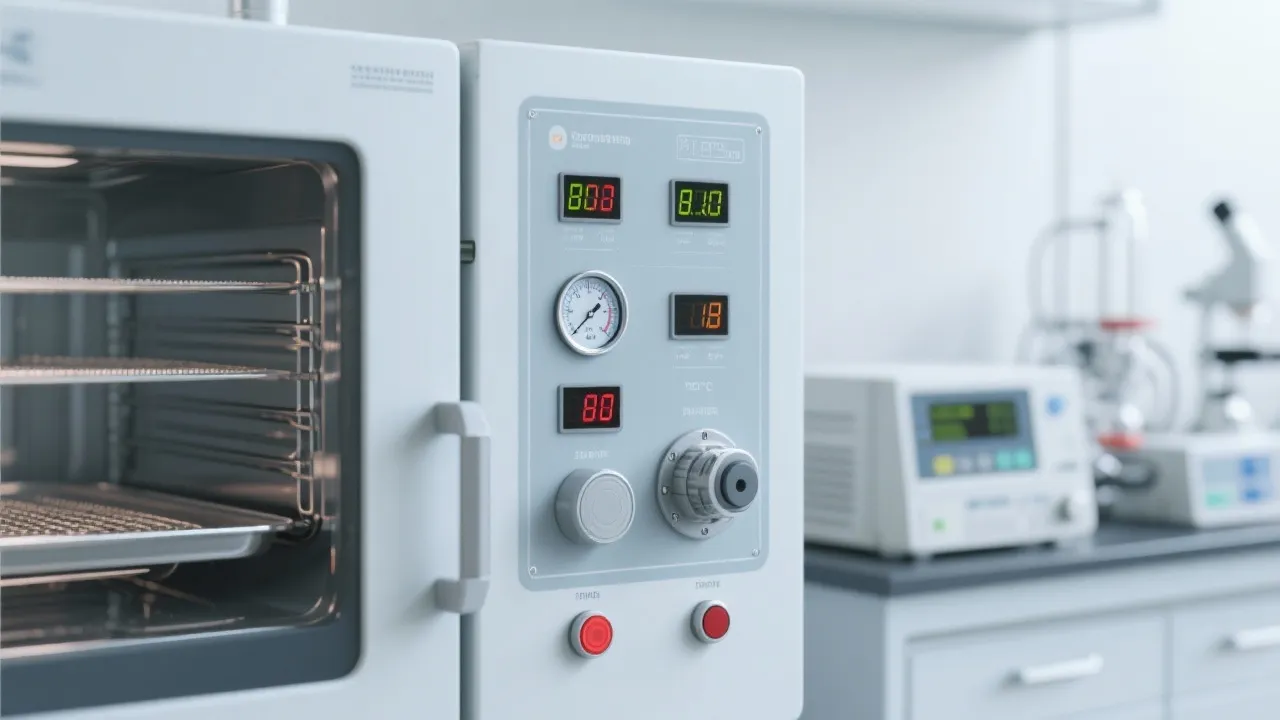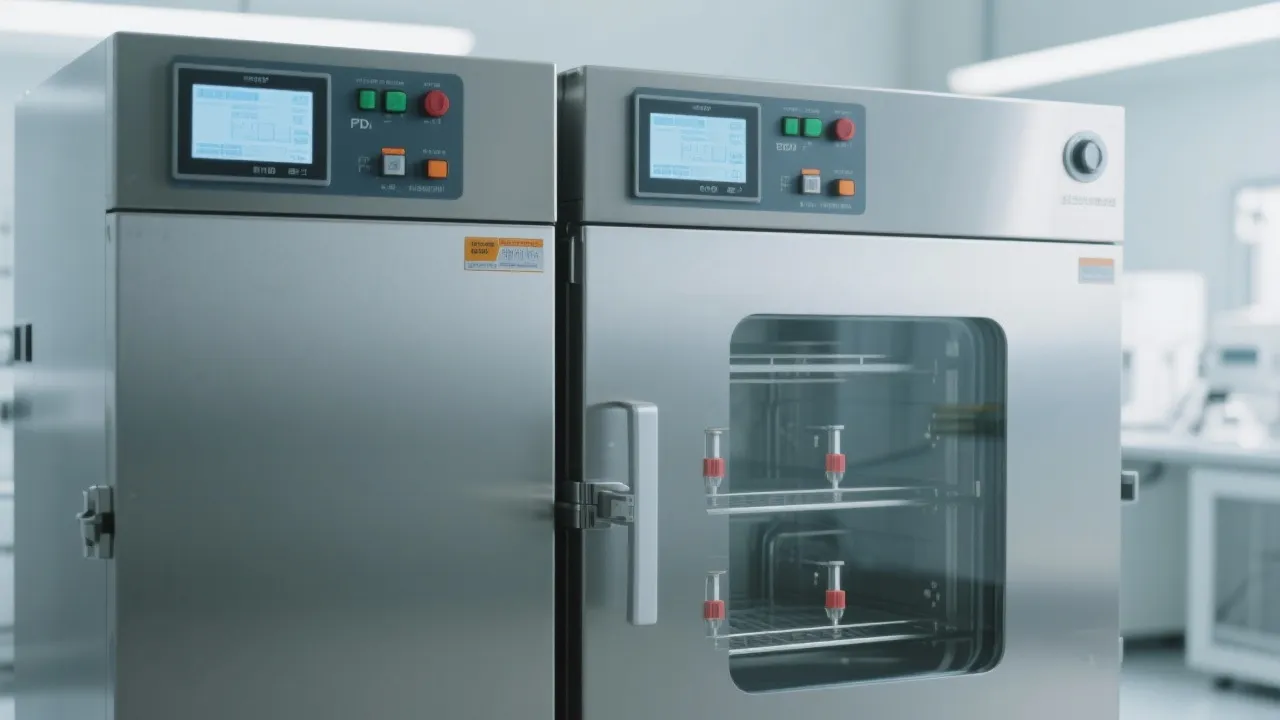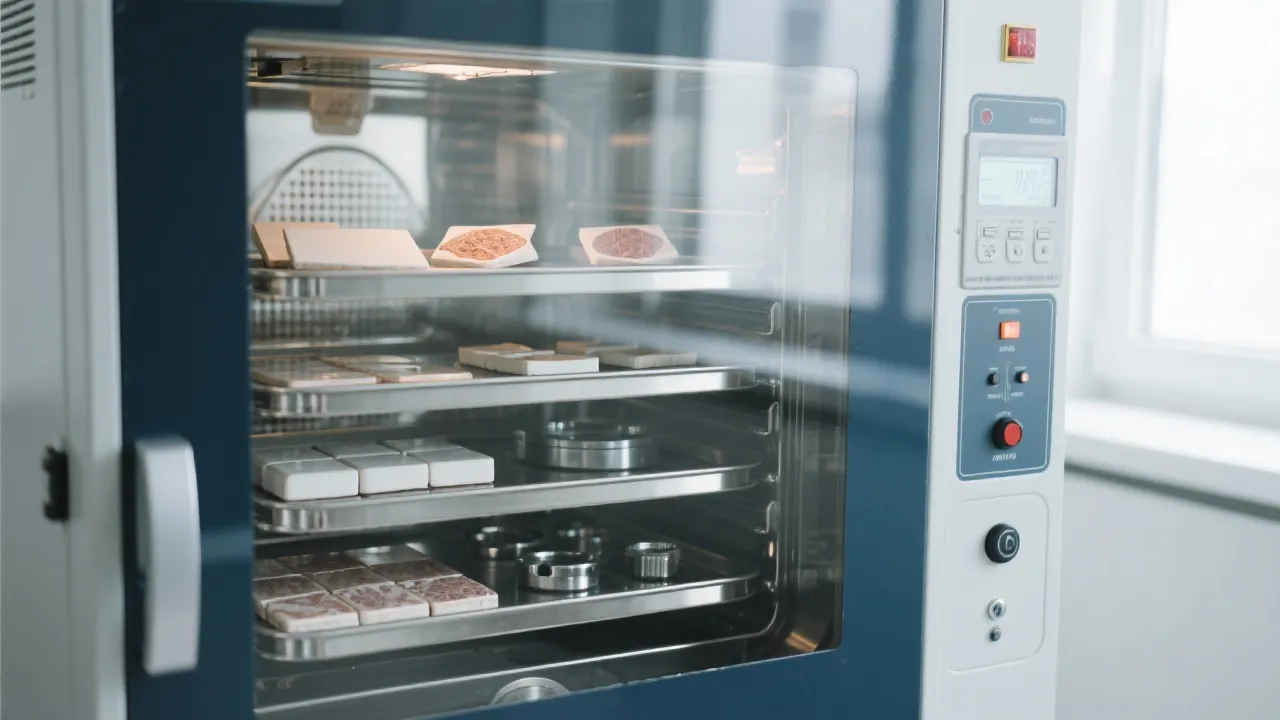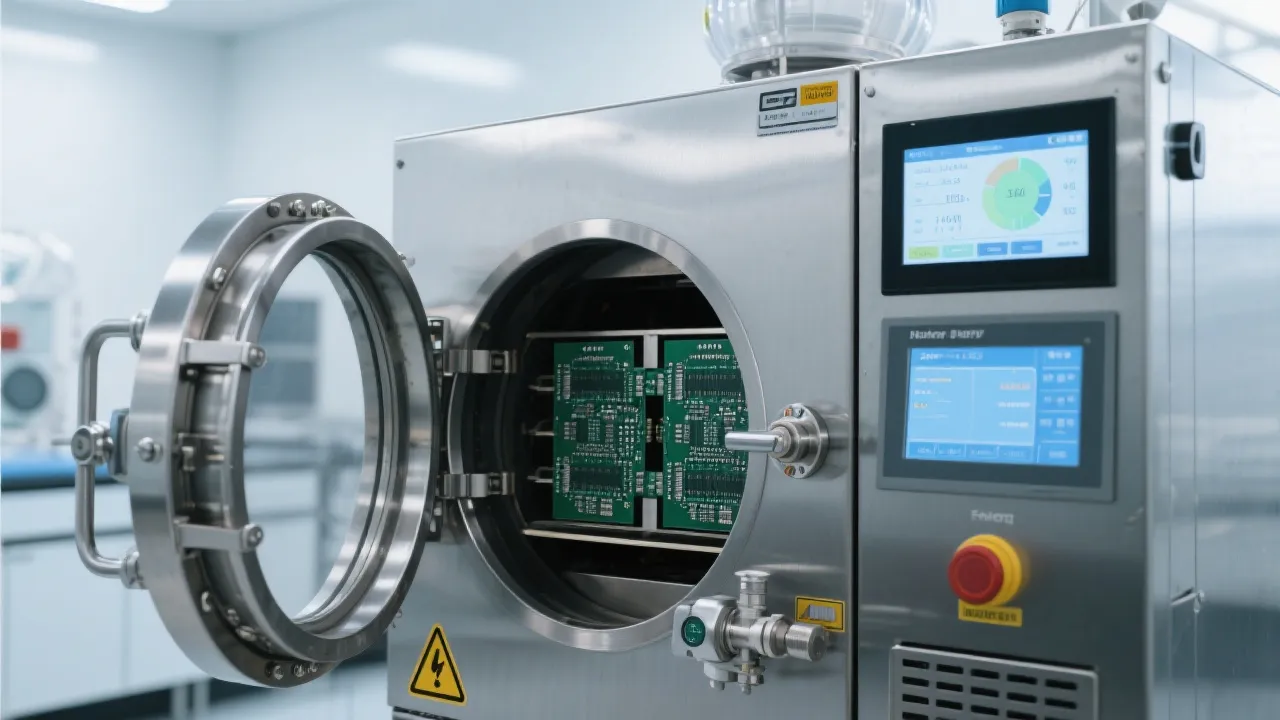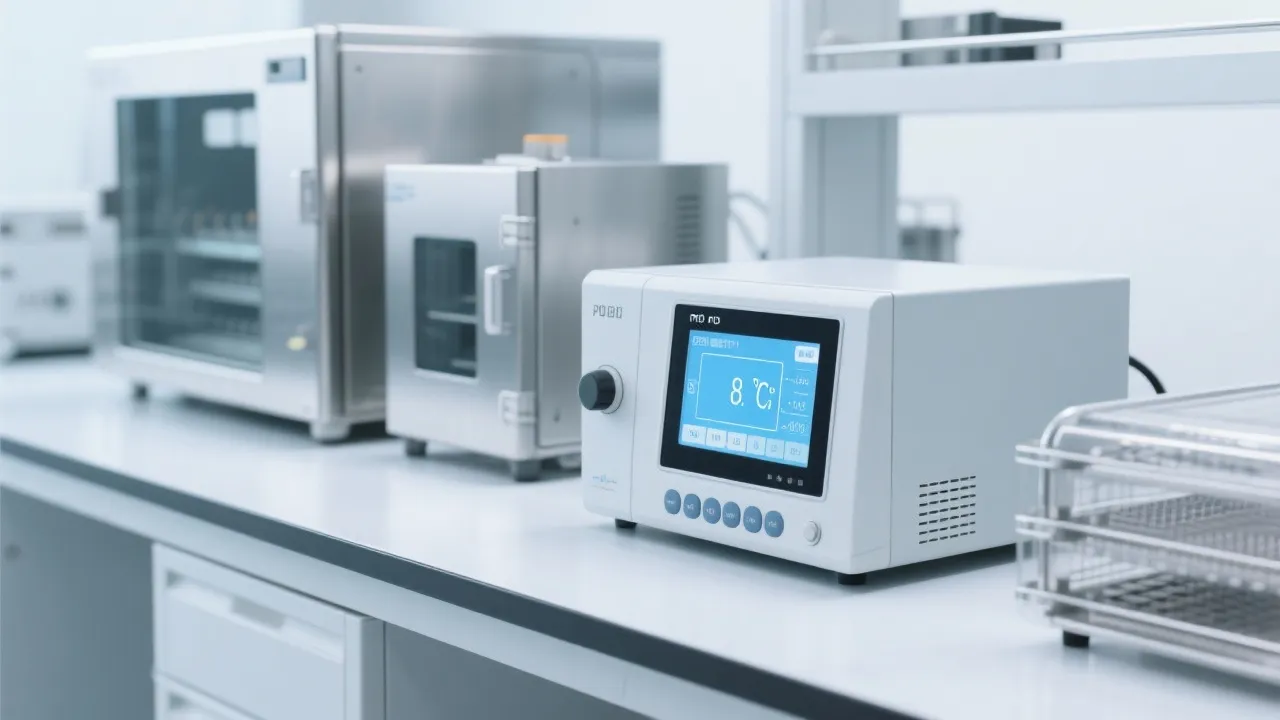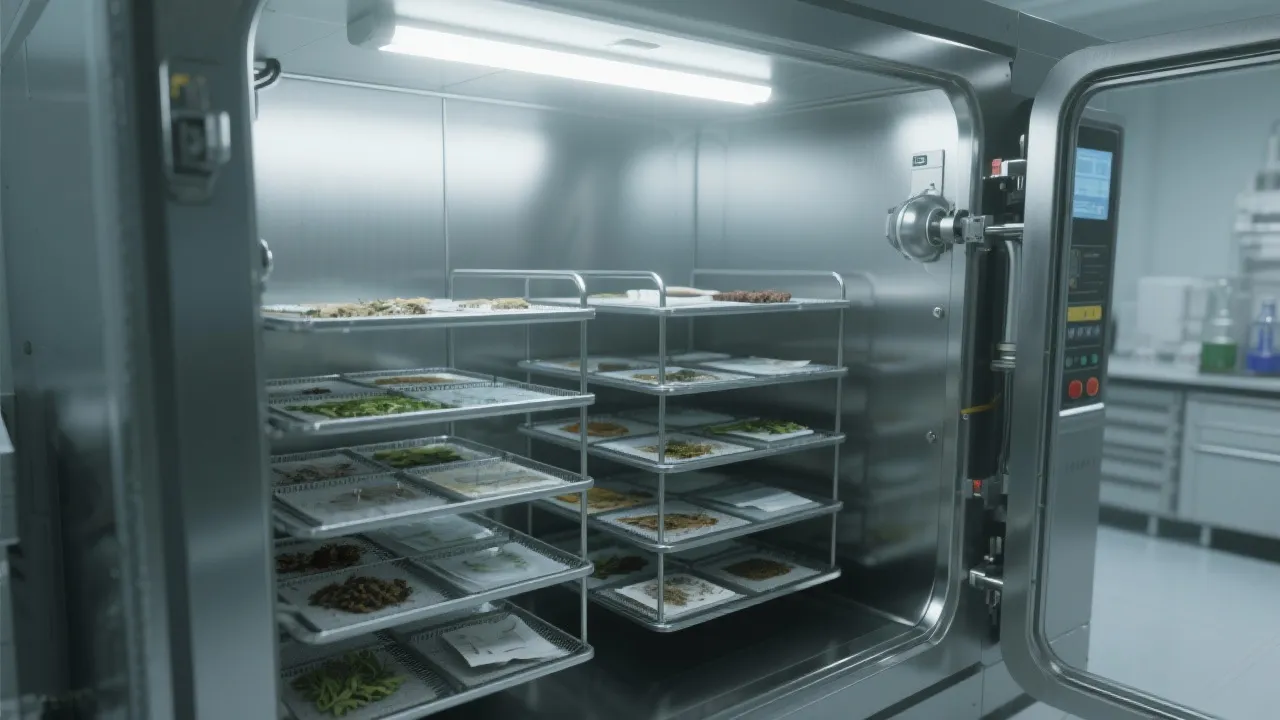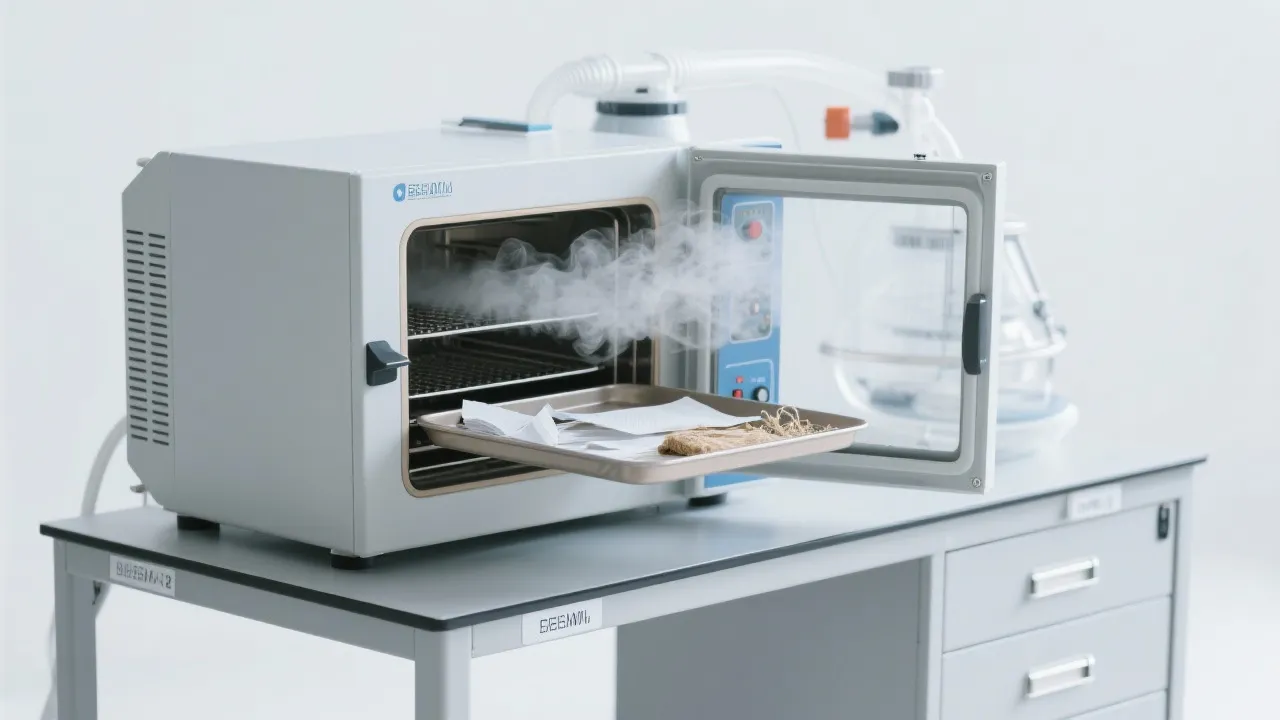
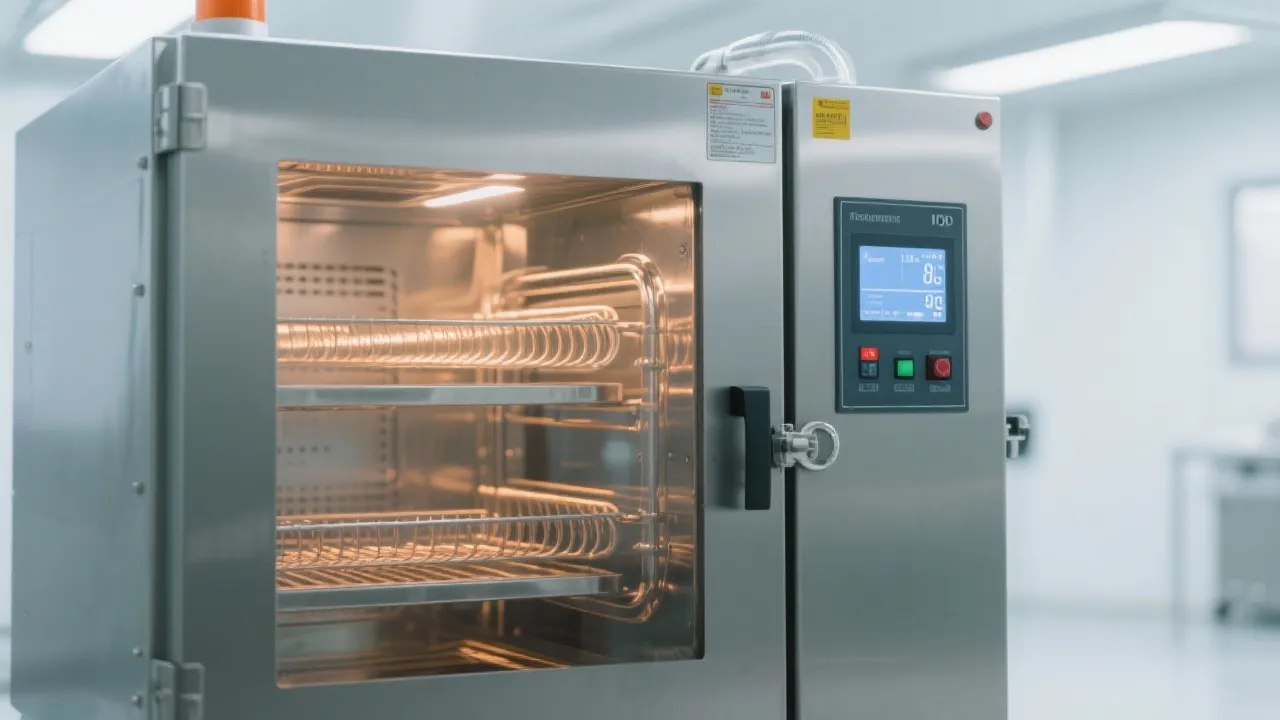
In high-precision drying applications—such as electronic component curing or material degassing—the difference between success and failure often lies in temperature control accuracy. Modern industrial vacuum dryers now routinely achieve ±0.1°C stability, a benchmark that was once only possible in lab-grade equipment. This precision is made possible by advanced control systems like dual-zone PID algorithms, intelligent memory functions, and safety interlocks.
A standard single-zone PID controller may struggle with uneven heat distribution across large chambers or complex materials. By contrast, dual-zone PID control uses independent sensors and actuators for top and bottom zones, allowing real-time adjustment based on actual thermal gradients. According to industry benchmarks from the International Journal of Thermal Sciences, this approach reduces temperature variance by up to 70% compared to traditional methods in multi-layer drying processes.
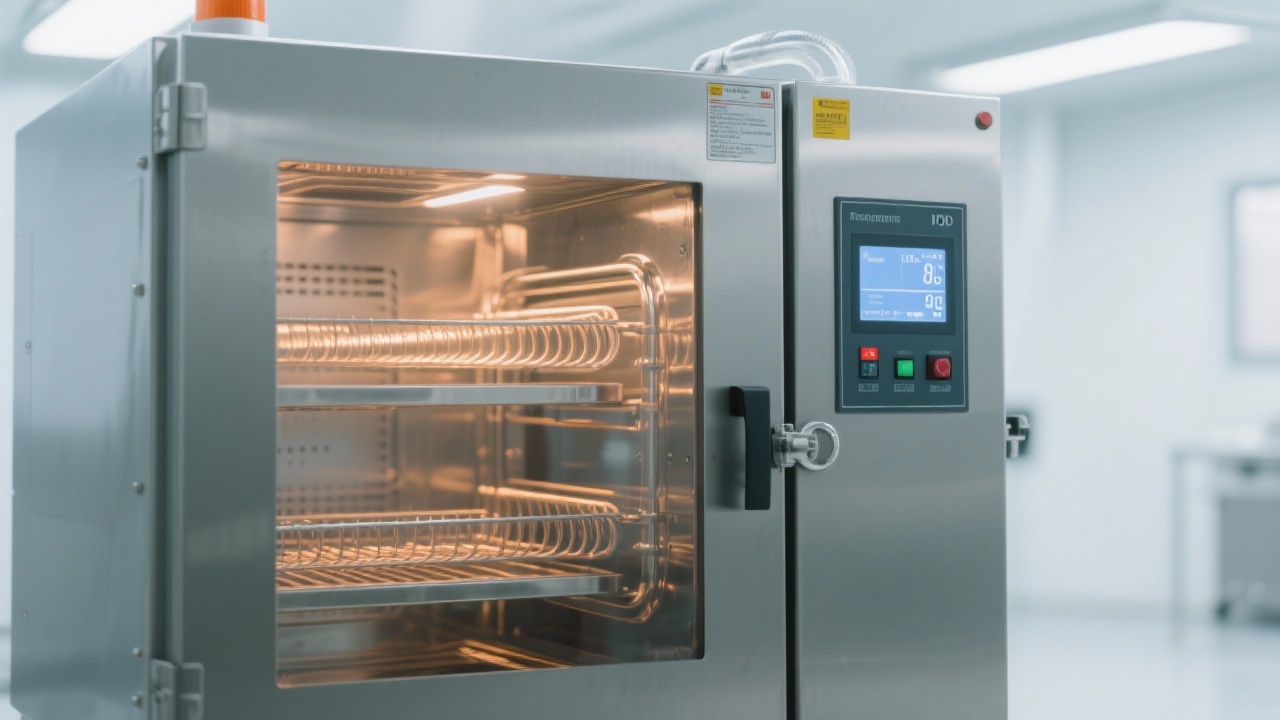
Not all drying steps are linear. For instance, when drying polymer films or ceramic powders, gradual ramping followed by holding at precise temperatures prevents cracking or outgassing defects. A programmable temperature curve enables users to define up to 20 stages per cycle—each with its own setpoint, ramp rate, and dwell time. This flexibility is critical for R&D labs and production lines alike.
Unexpected power interruptions can ruin hours of work—but not if your system has breakpoint memory. When power returns, modern vacuum dryers automatically resume from the last valid state, preserving process integrity. In a test conducted by Keda Machinery (a leading manufacturer), 98% of cycles resumed successfully after simulated 15-minute blackouts without manual intervention.
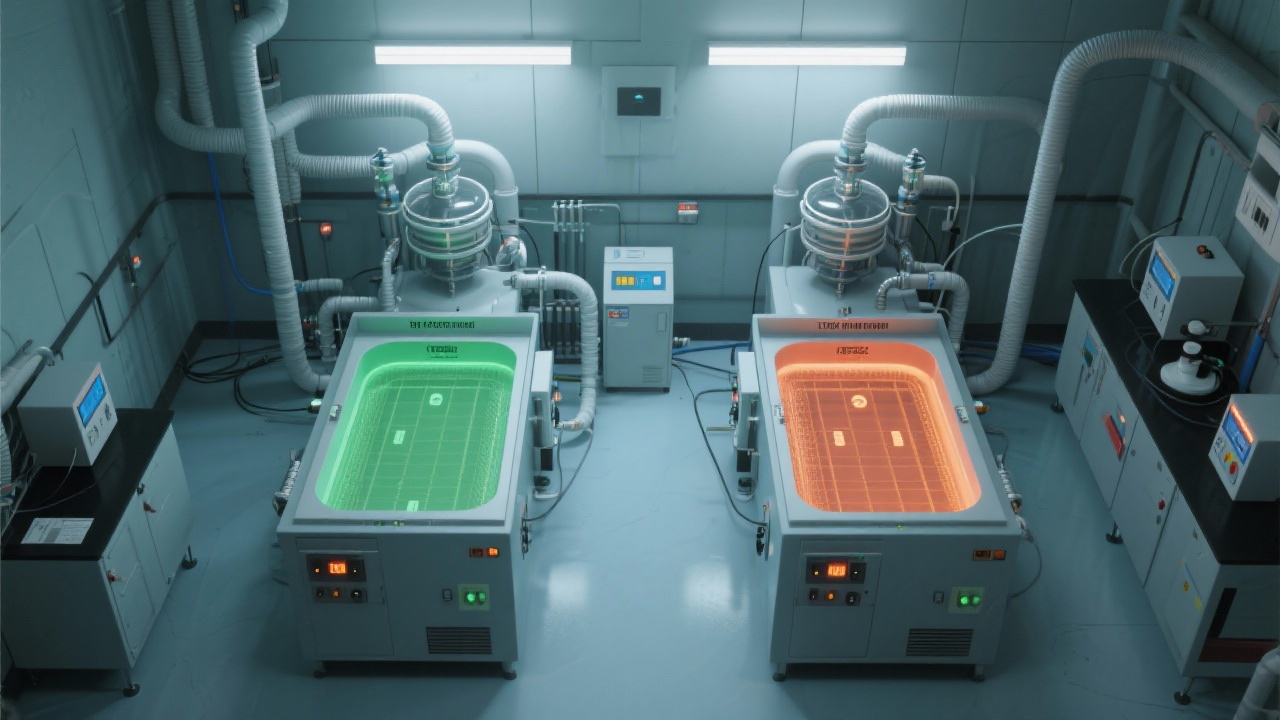
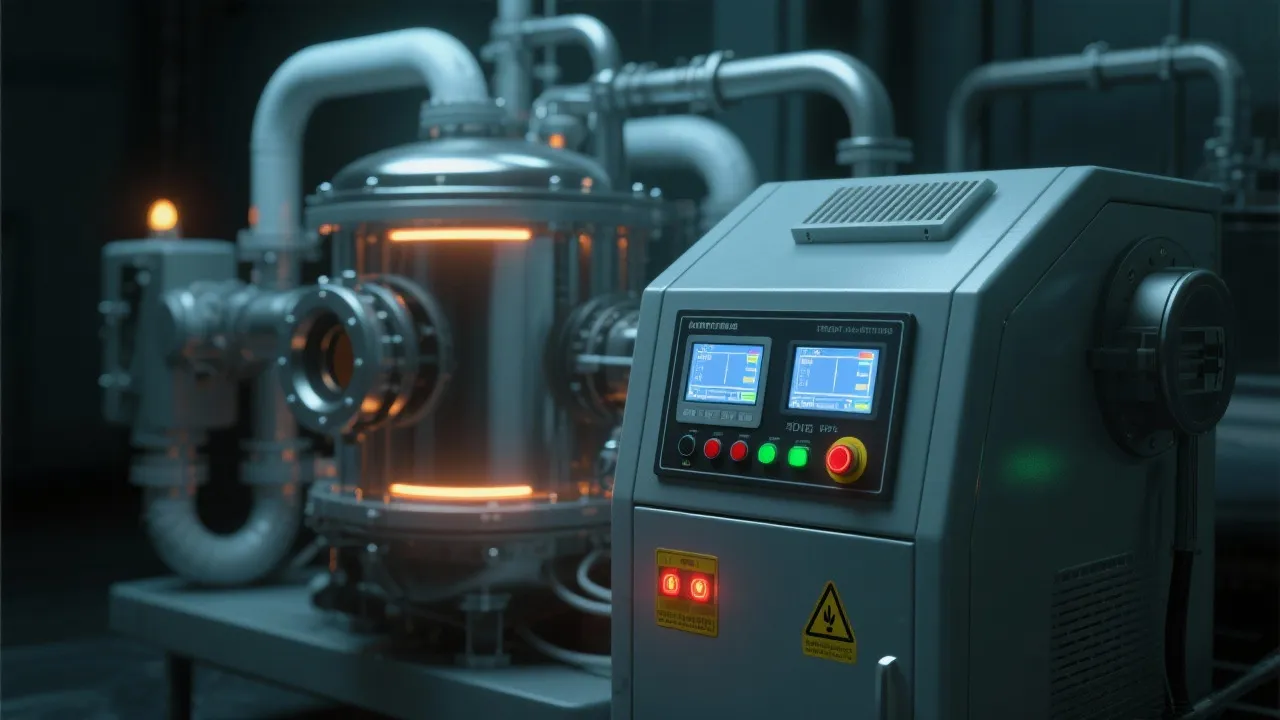
High-temperature operations demand fail-safe mechanisms. Integrated over-temperature alarms trigger alerts before reaching dangerous levels, while automatic door locking ensures the chamber remains sealed during operation—even under pressure changes. These features meet CE standards and are essential for compliance in EU and North American markets.
Whether you're drying PCBs in a semiconductor lab or removing moisture from aerospace composites, understanding parameter settings is key. For example, setting a slow ramp (e.g., 1°C/min) followed by a 1-hour hold at 80°C minimizes stress on sensitive components—a technique used successfully by over 300 research institutions worldwide using Keda Machinery's vacuum dryers.
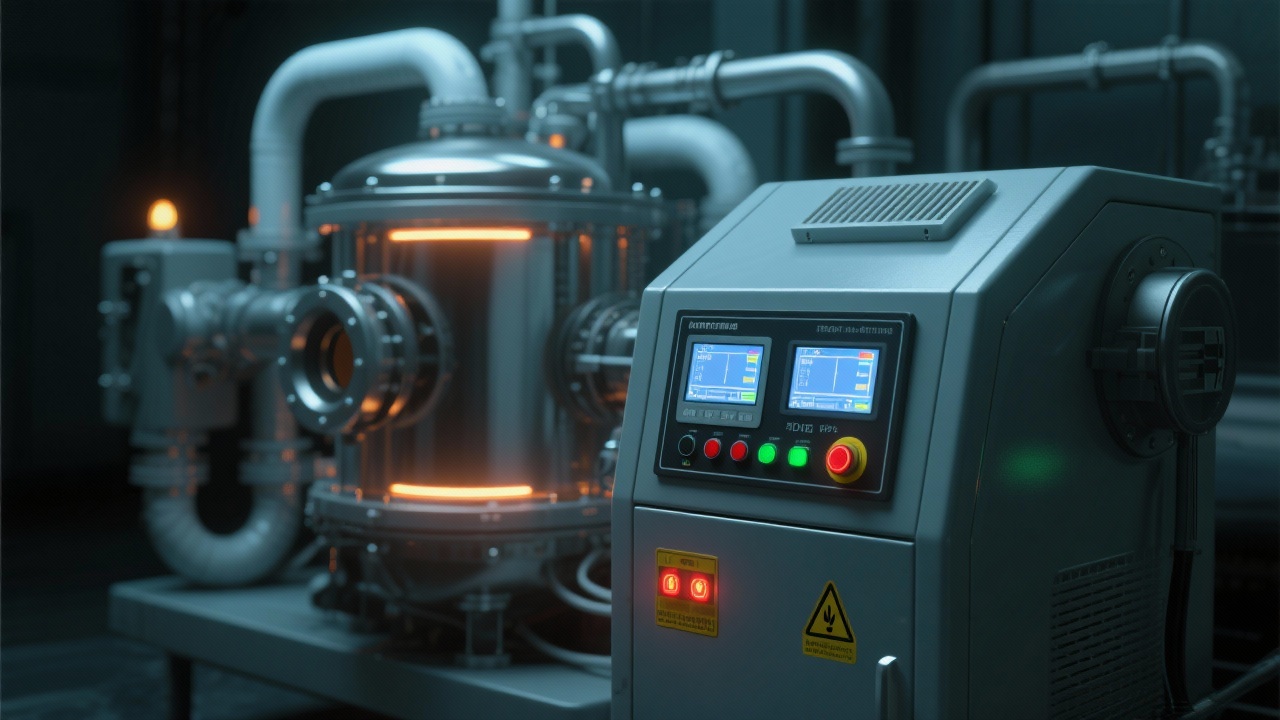
Want to optimize your drying process? Whether it’s selecting the right model for your application or fine-tuning parameters for maximum efficiency, Keda Machinery engineers are ready to help.
Get Your Customized Temperature Control Plan from Keda Engineers