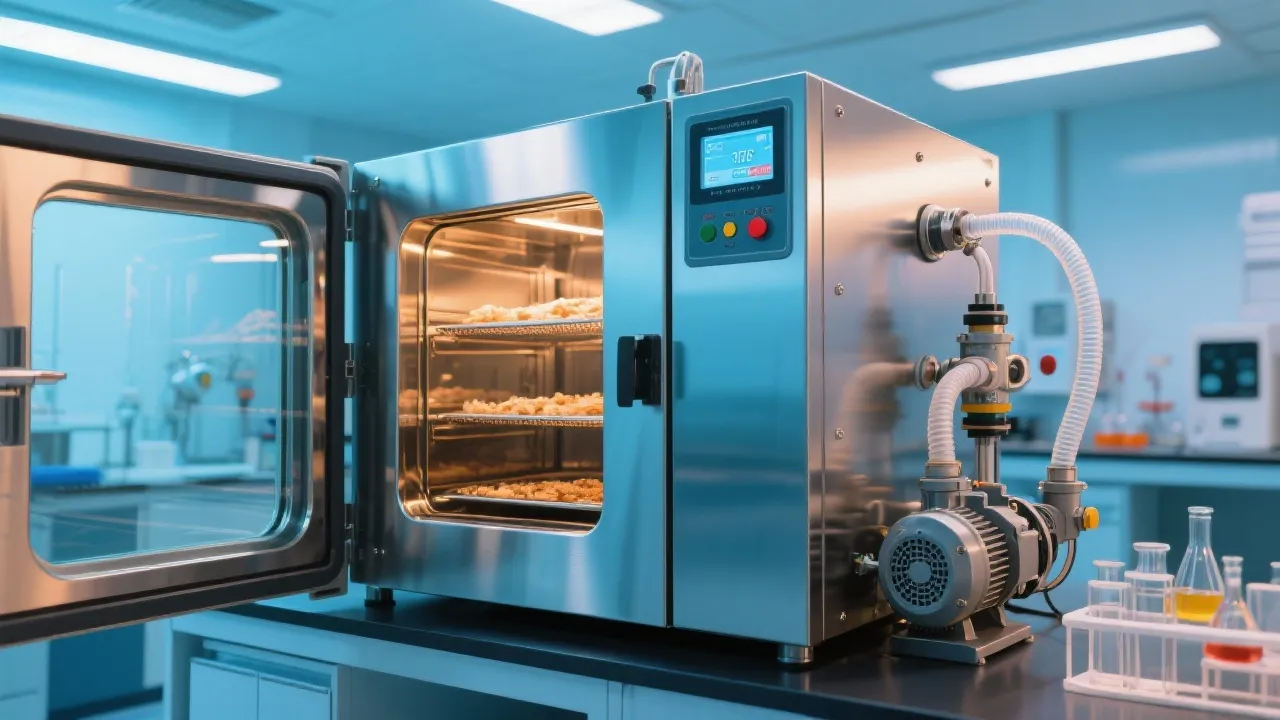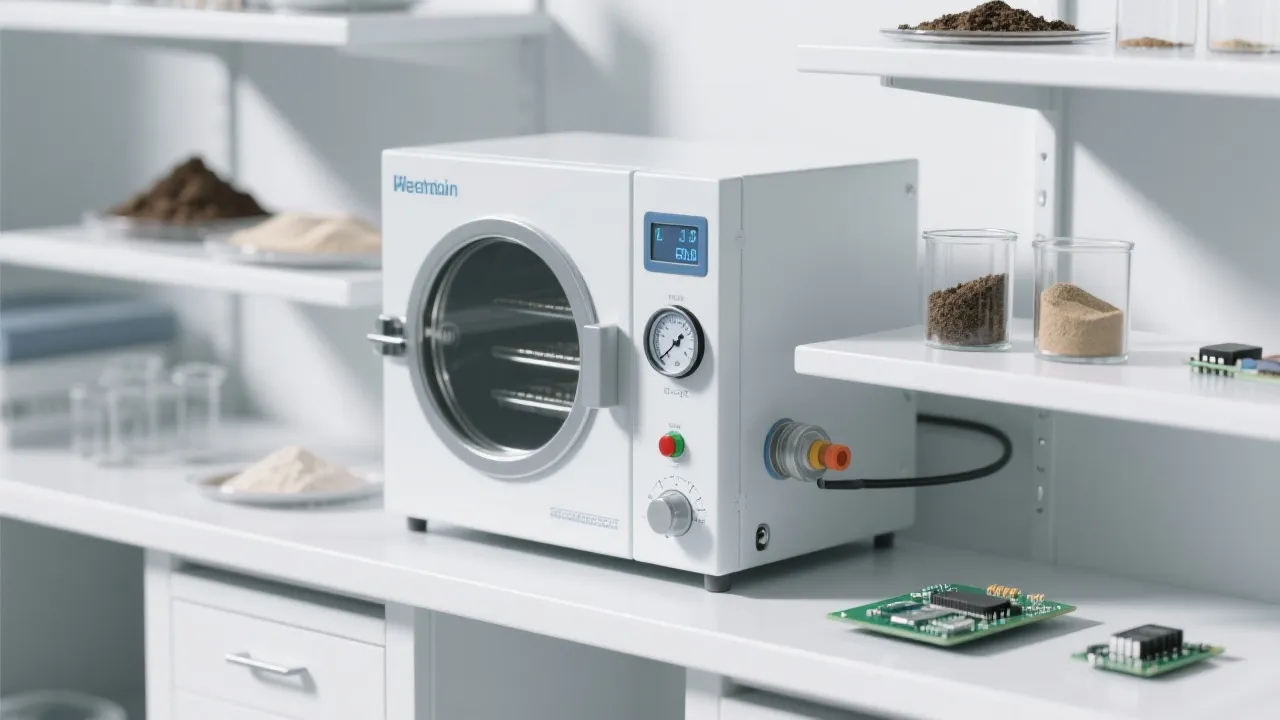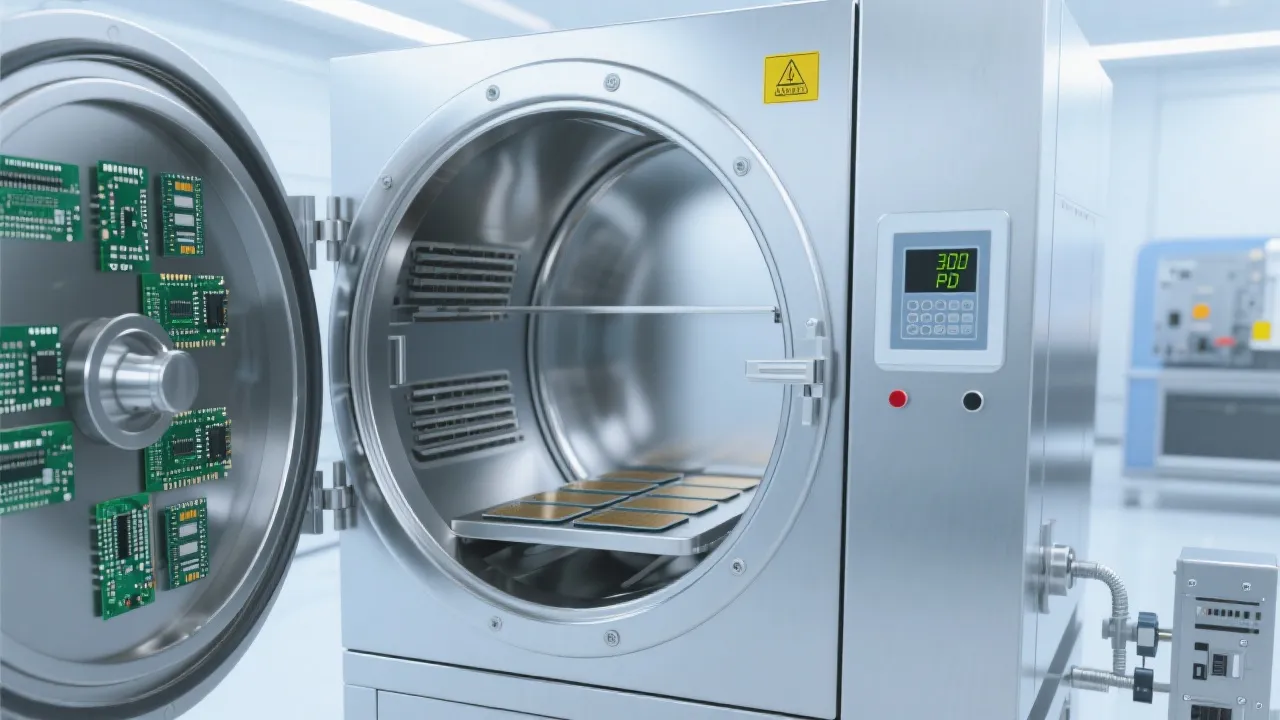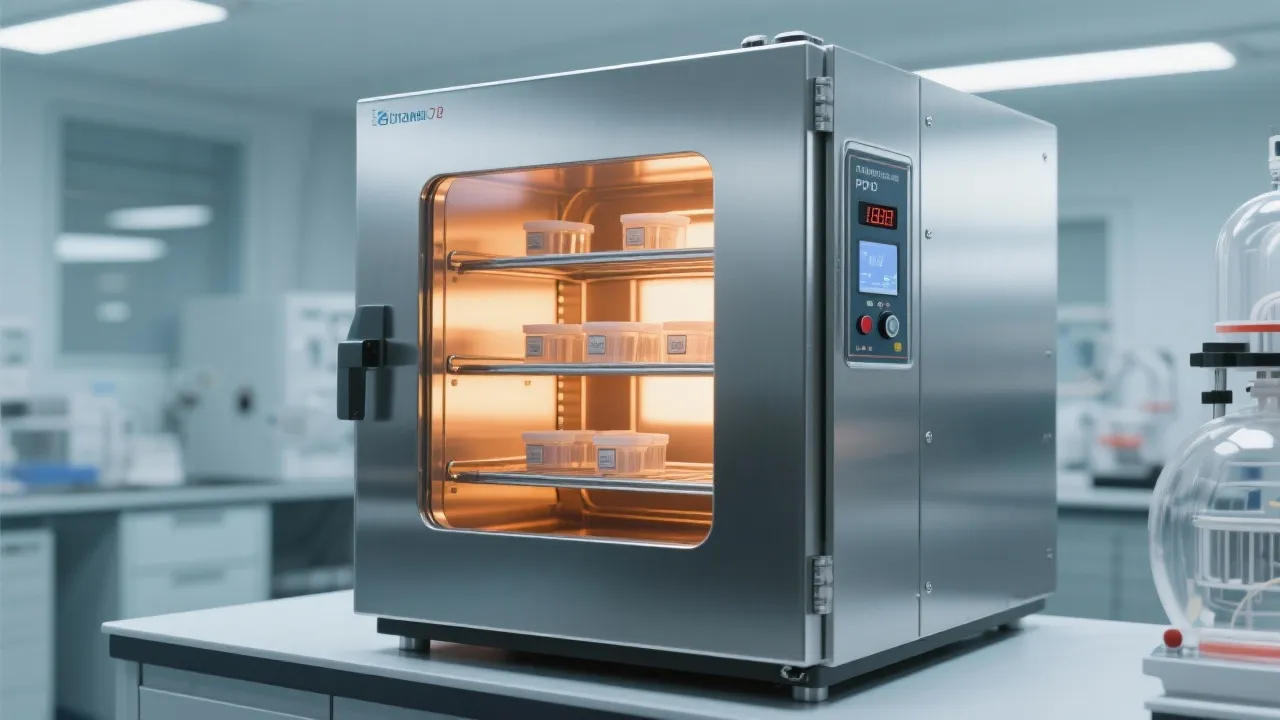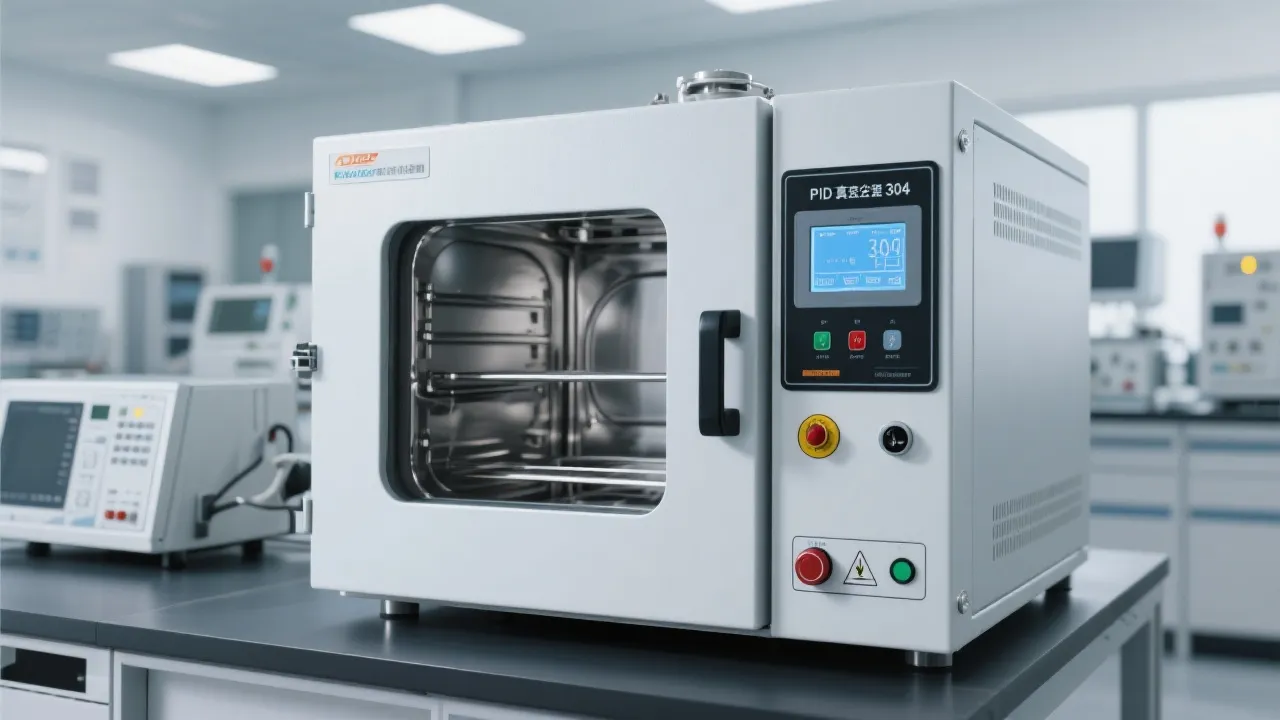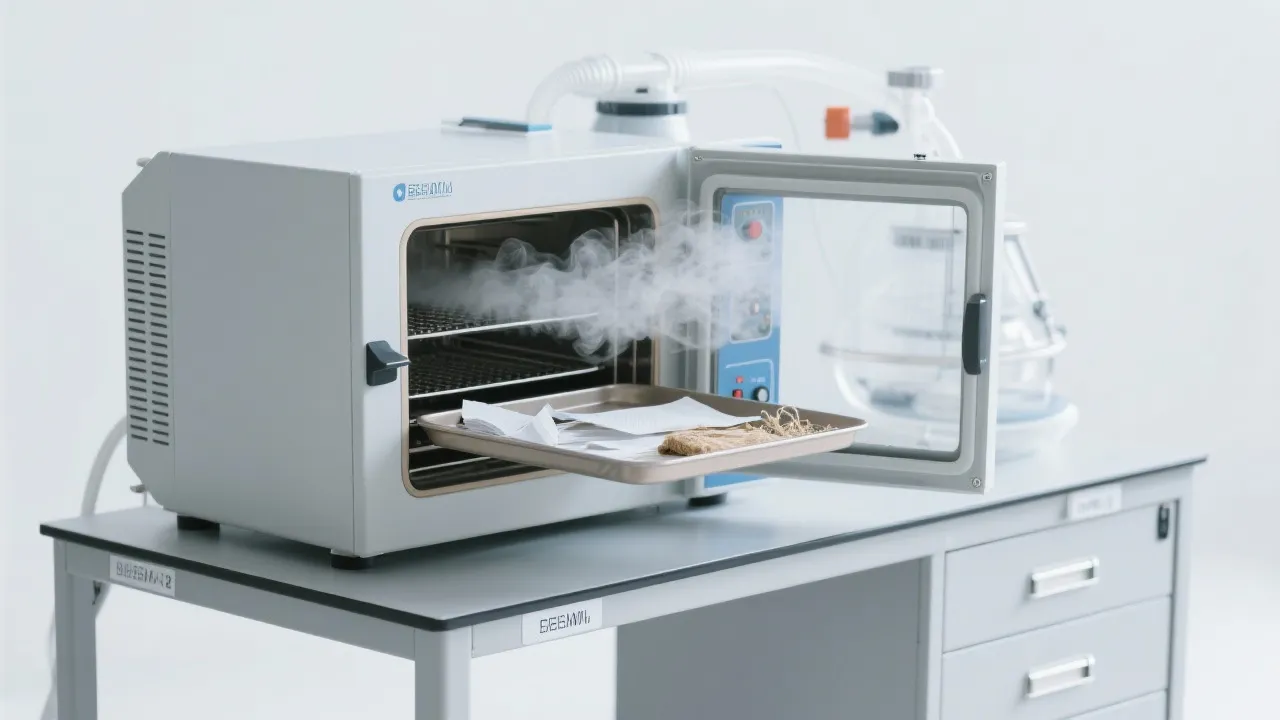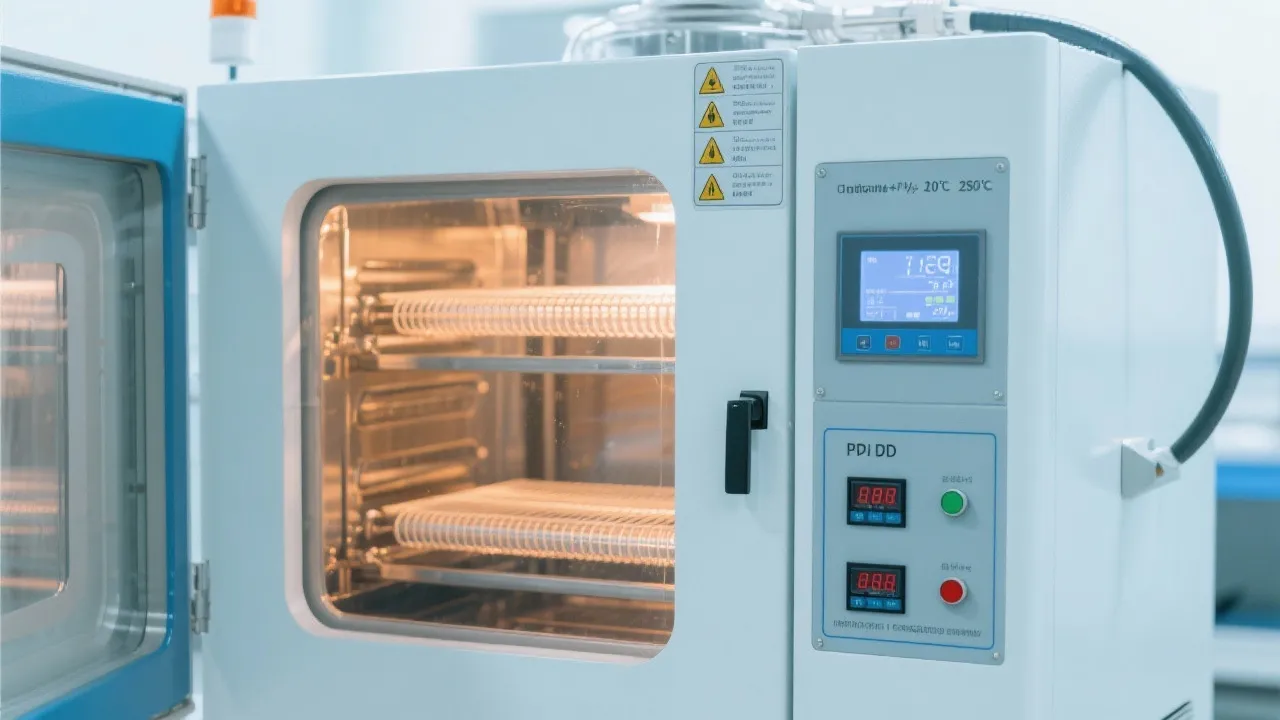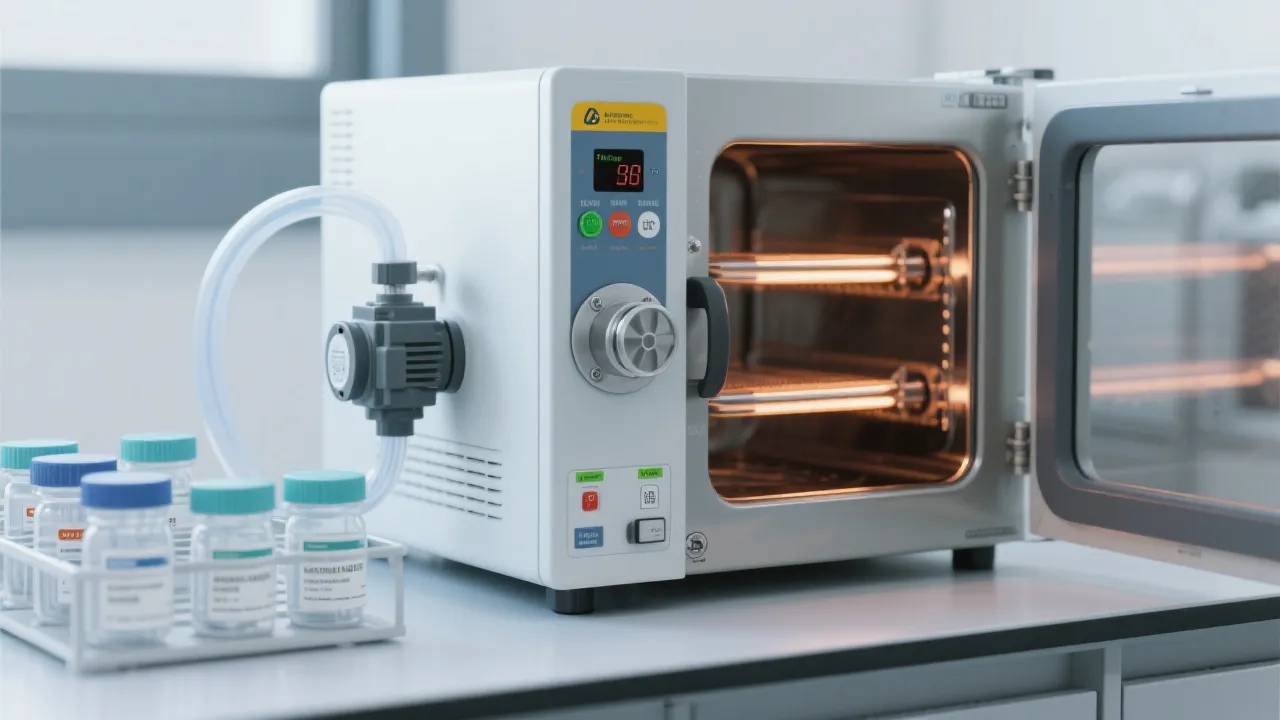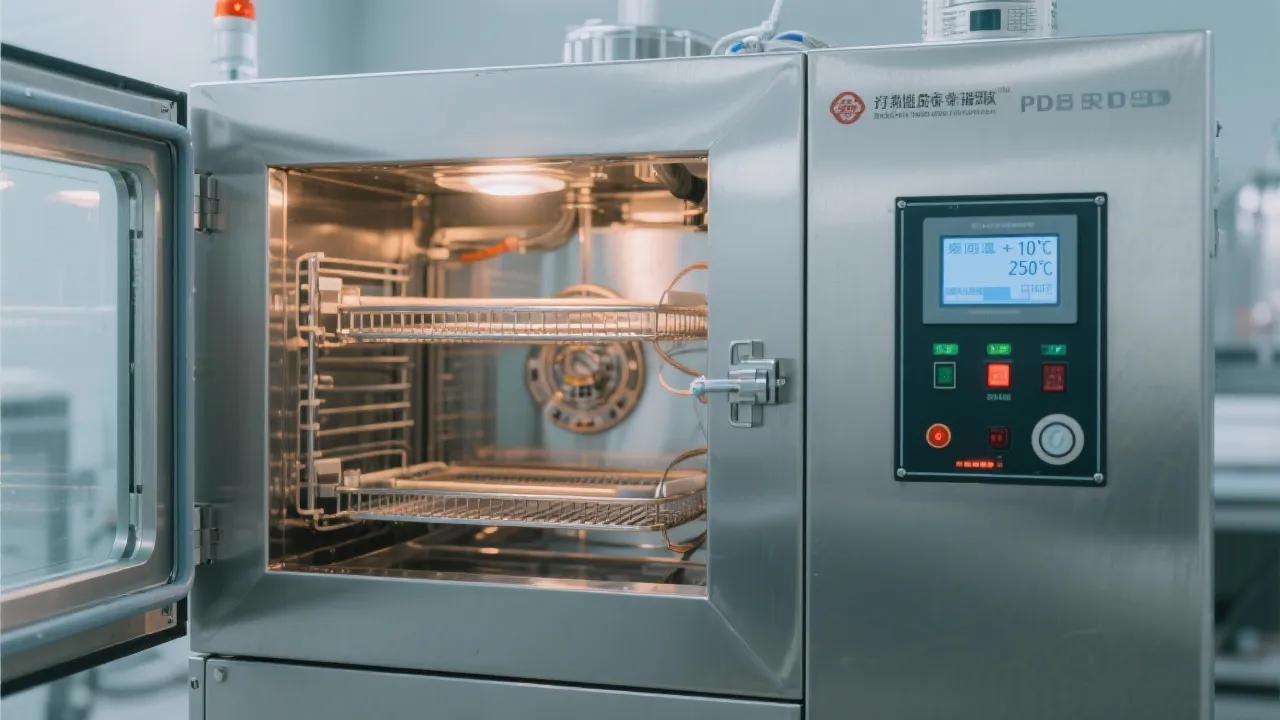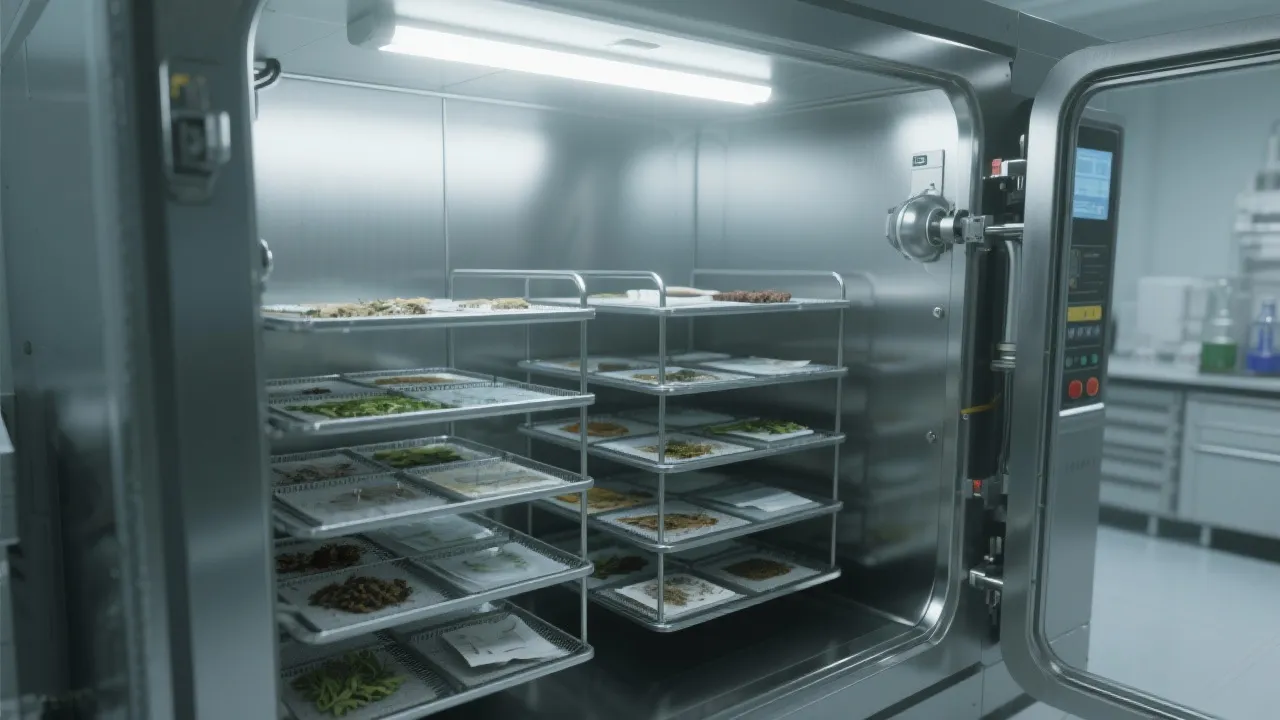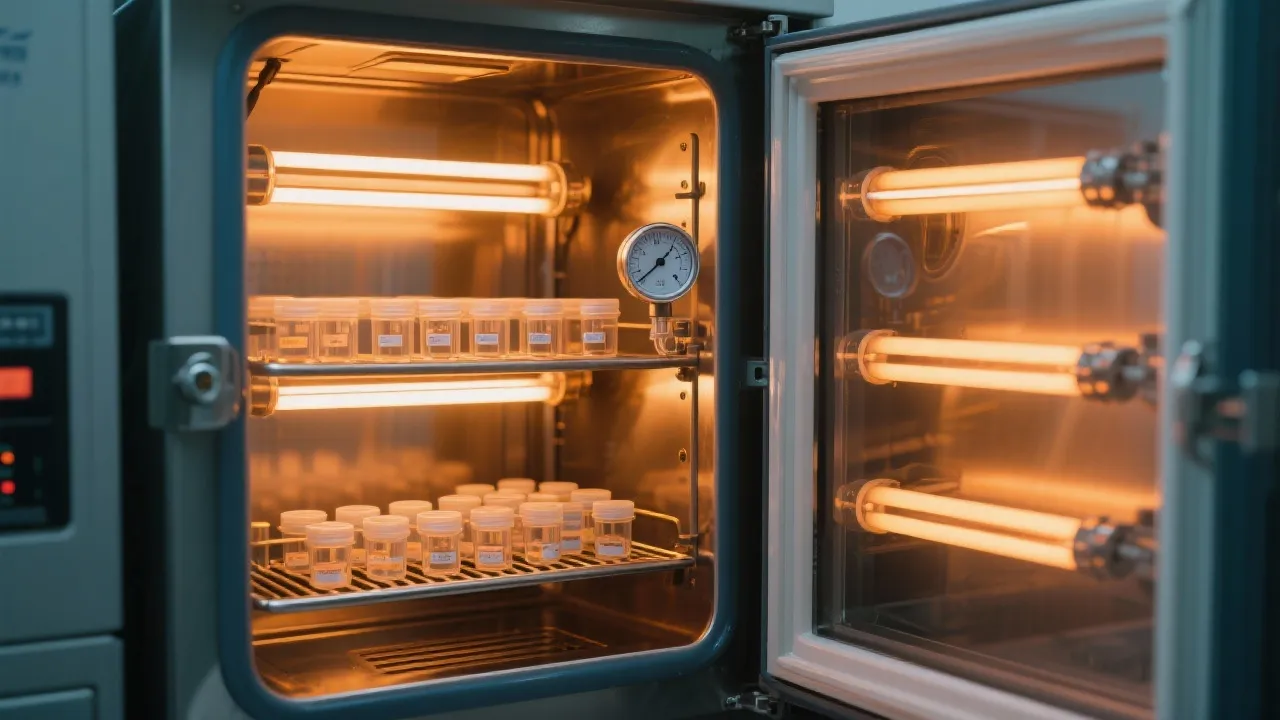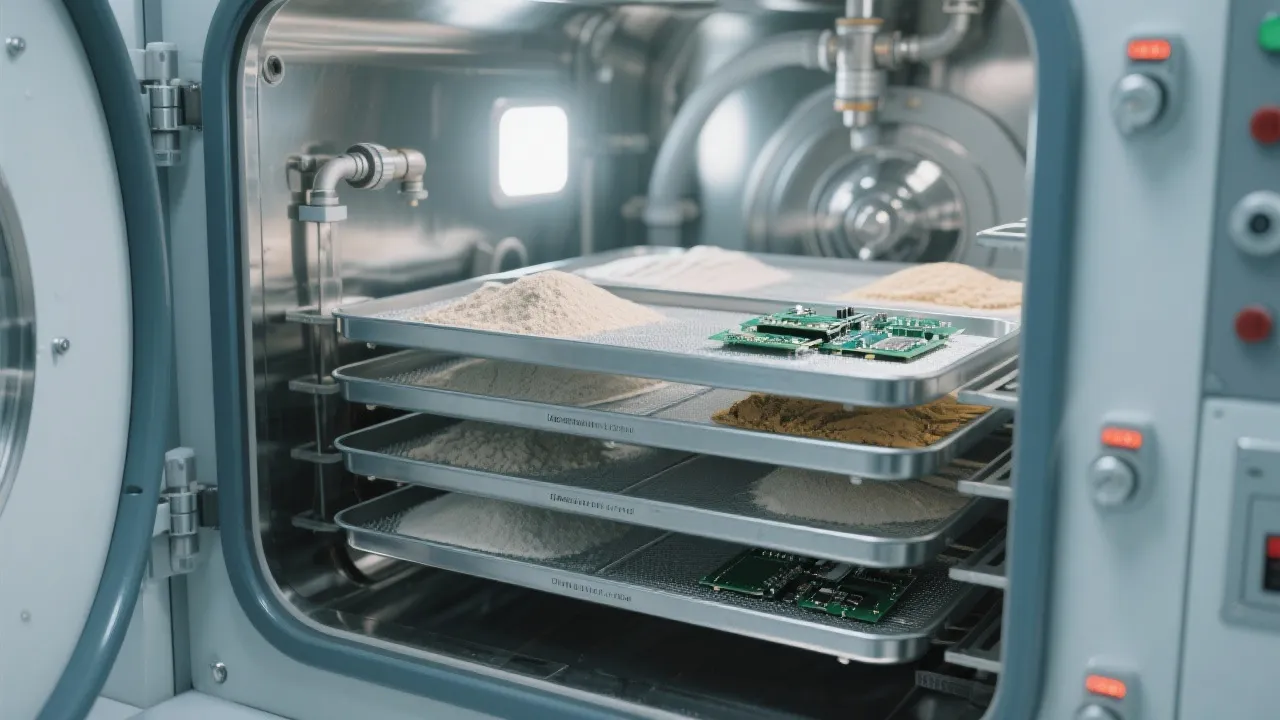
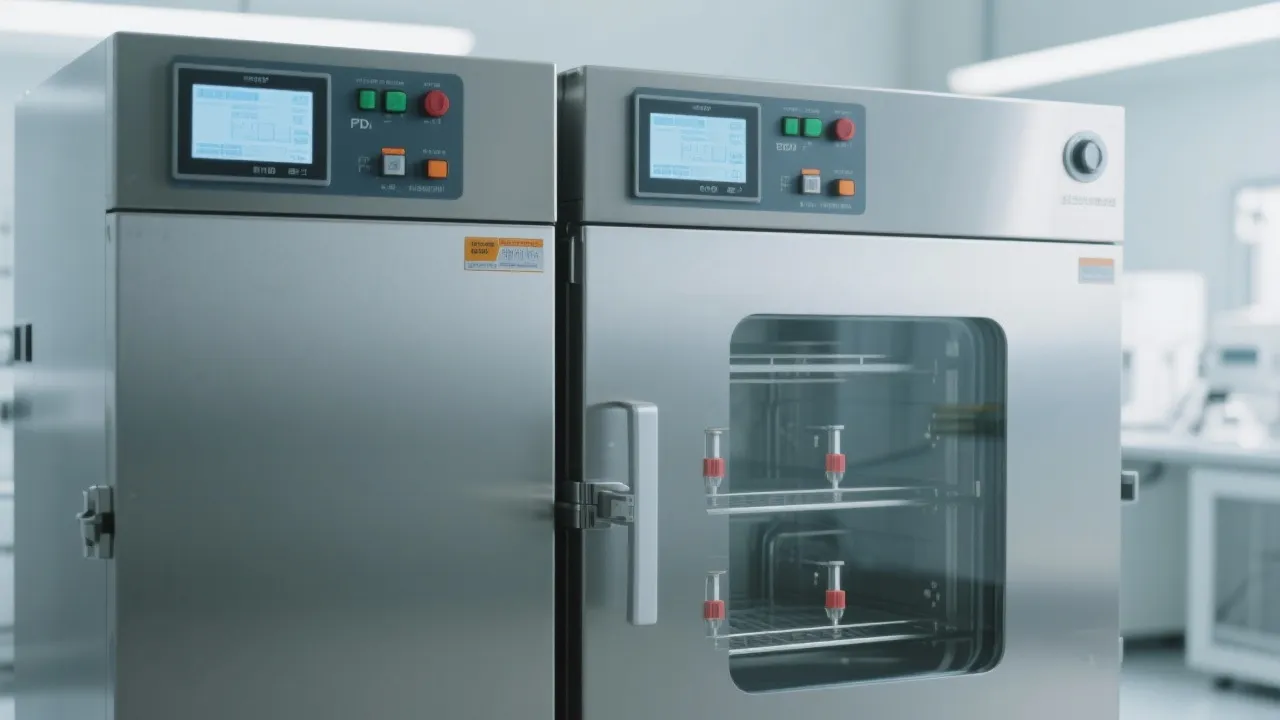
In industrial vacuum drying processes—especially for sensitive materials like electronic components or pharmaceuticals—the difference between success and failure often lies in temperature control accuracy. A well-tuned PID (Proportional-Integral-Derivative) algorithm is not just a technical feature—it’s the backbone of consistent product quality, process repeatability, and operational safety.
Unlike basic on/off thermostats, a PID controller continuously calculates the error between the setpoint and actual temperature, then adjusts heating power accordingly. According to ISO 17025 standards, systems using advanced PID algorithms achieve ±0.5°C stability over 2-hour cycles—a critical benchmark for industries such as semiconductor manufacturing and lab-scale R&D.
For applications requiring uniformity across large chambers—such as drying composite materials or curing coatings—dual-zone PID control ensures both top and bottom zones maintain target temperatures independently. In real-world testing at a German automotive supplier facility, this setup reduced batch variance from 3.2% to under 0.8%, significantly improving yield rates.
A robust system must handle unexpected interruptions. The breakpoint memory function in modern vacuum dryers retains the last valid settings after a power loss—no need to restart from scratch. Combined with an automatic shut-off mechanism triggered above 150°C, it prevents overheating damage to samples and equipment alike. This dual safeguard aligns with IEC 61010-1 electrical safety norms widely adopted globally.
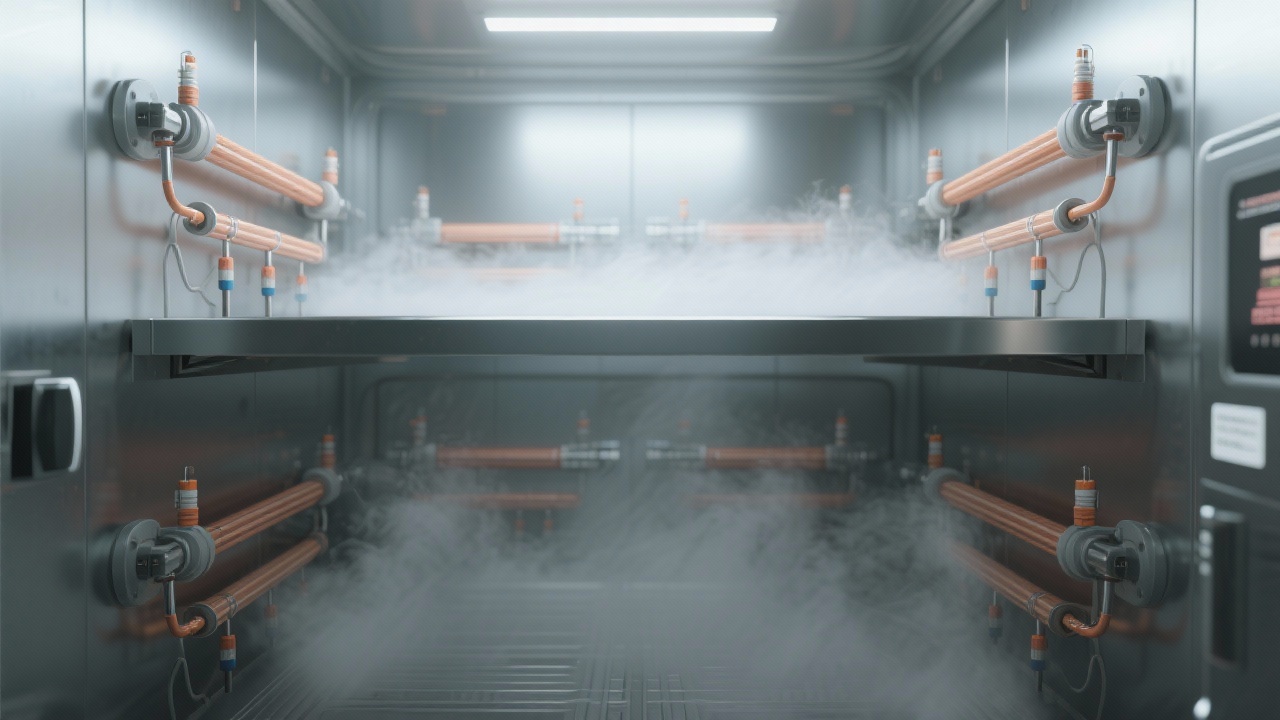
Whether you're drying chemical powders or curing PCBs, tuning PID parameters isn’t one-size-fits-all. For slow-heating processes (like polymer drying), prioritize the integral term to eliminate steady-state errors. For rapid thermal transitions (e.g., solder reflow), emphasize derivative action to minimize overshoot. Many users report a 15–20% improvement in cycle time when optimizing based on material-specific heat transfer curves.
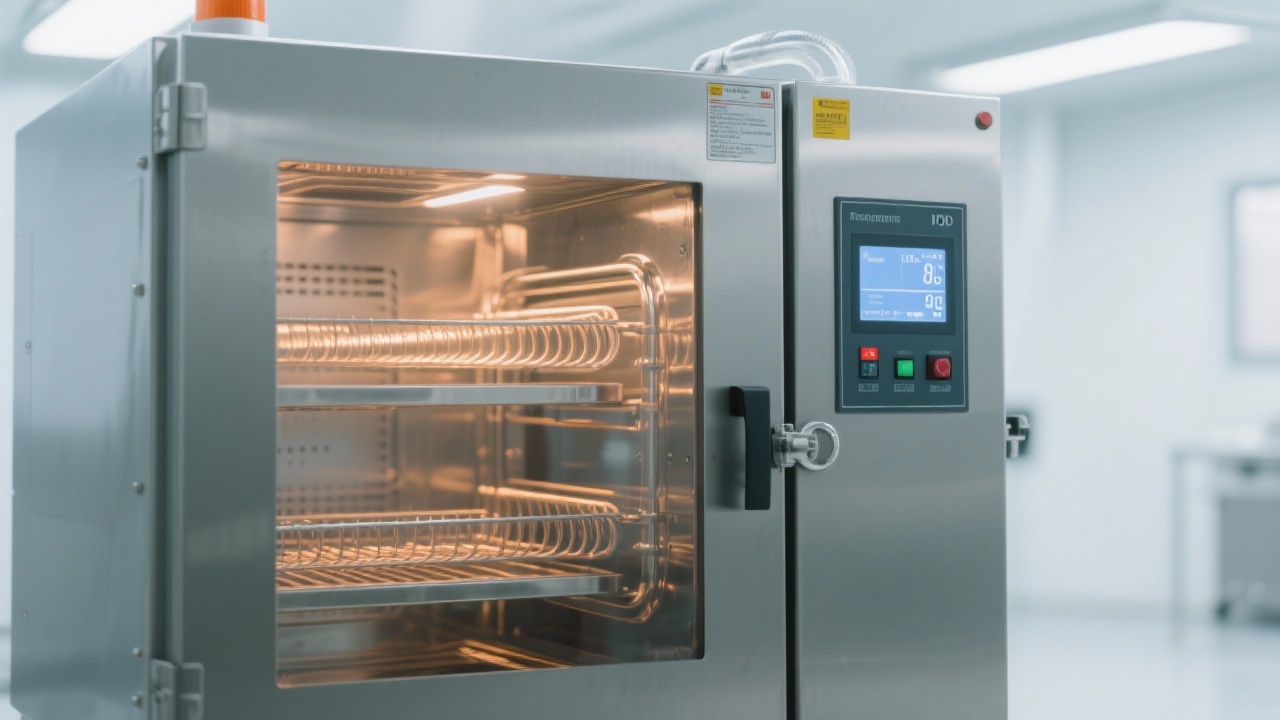
If your team is looking to enhance reproducibility, reduce energy waste, or meet stringent compliance requirements in vacuum drying operations, understanding these core technologies is essential. The 科达DZ-2BCII vacuum drying oven integrates all these features into a single, reliable solution designed for both research labs and production environments.
Explore Customized Solutions for Your DZ-2BCII Vacuum Dryer