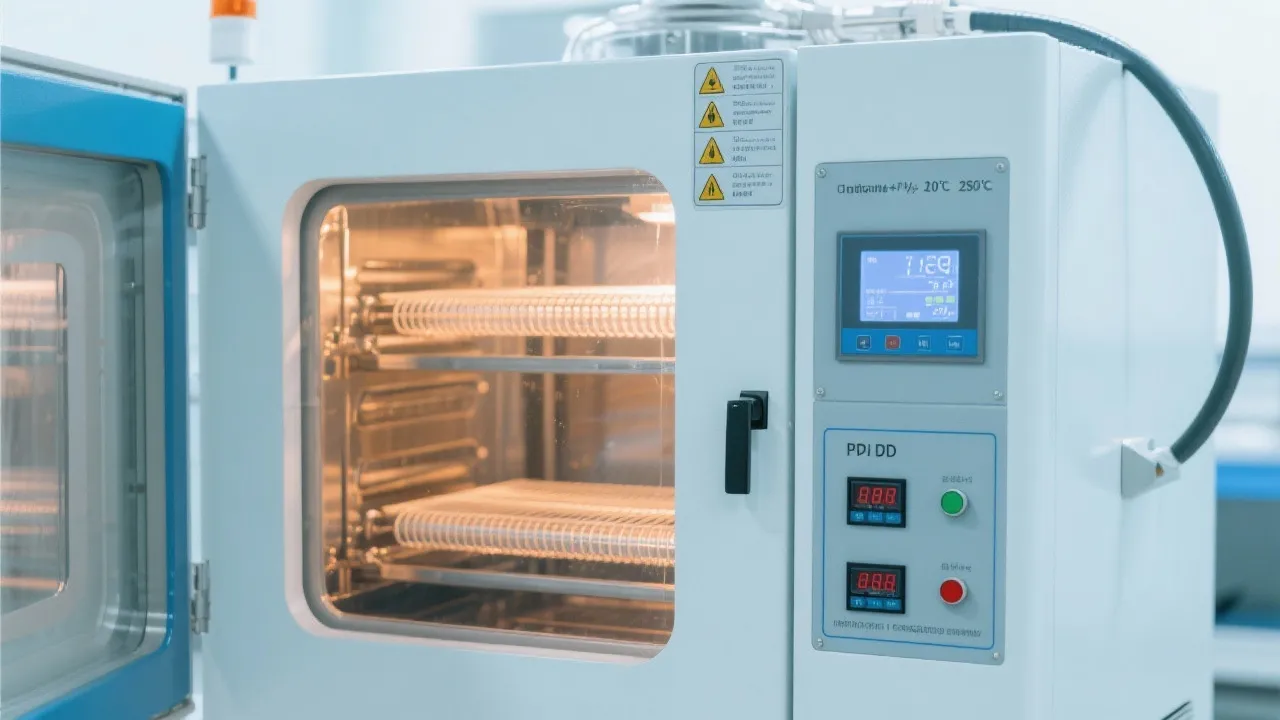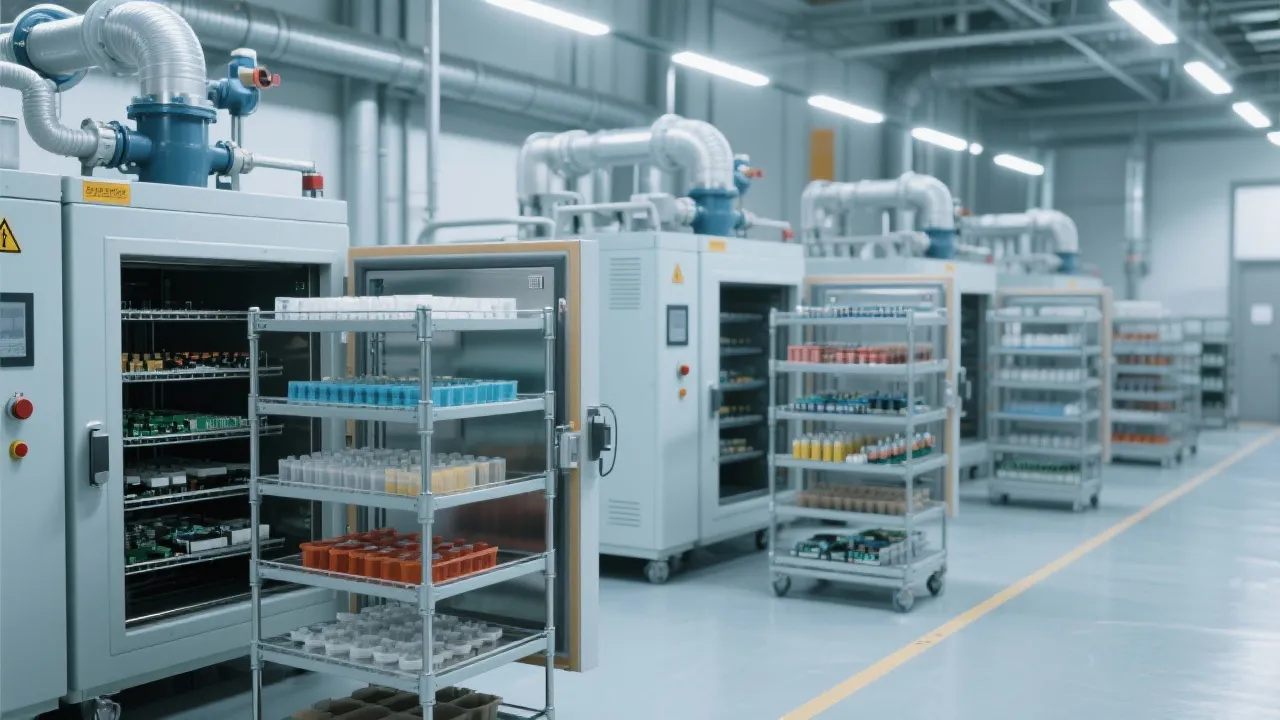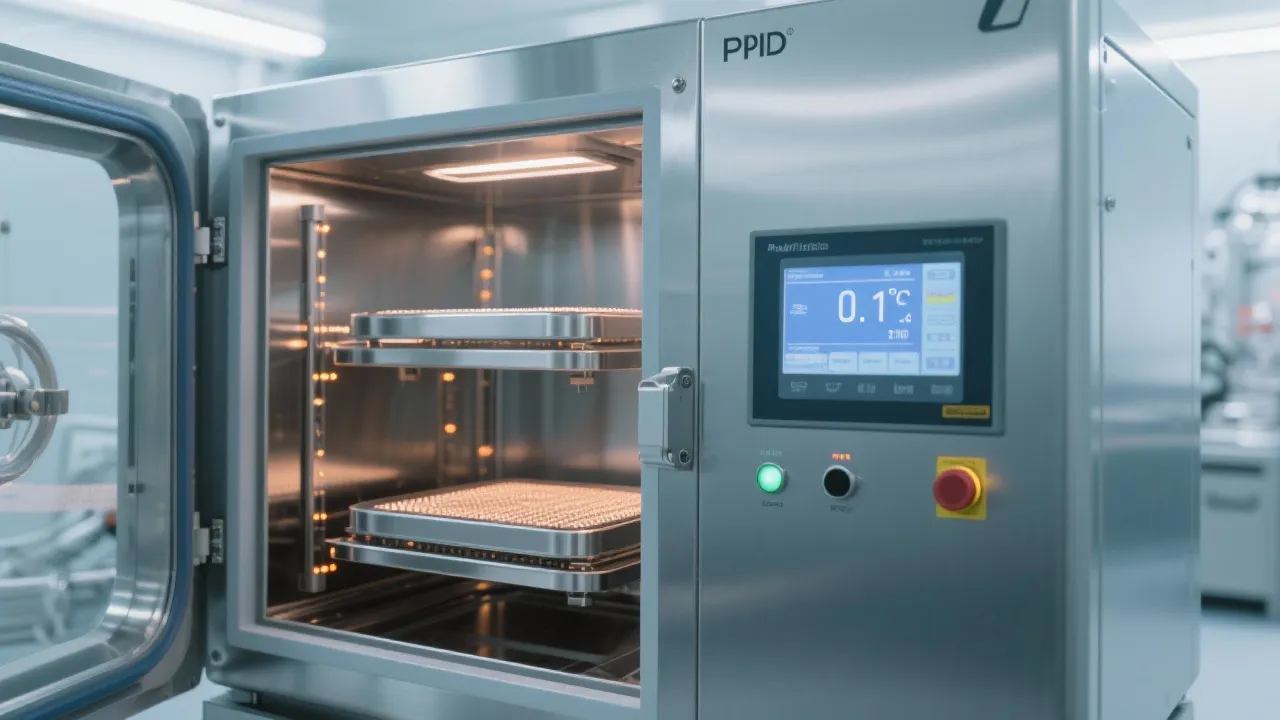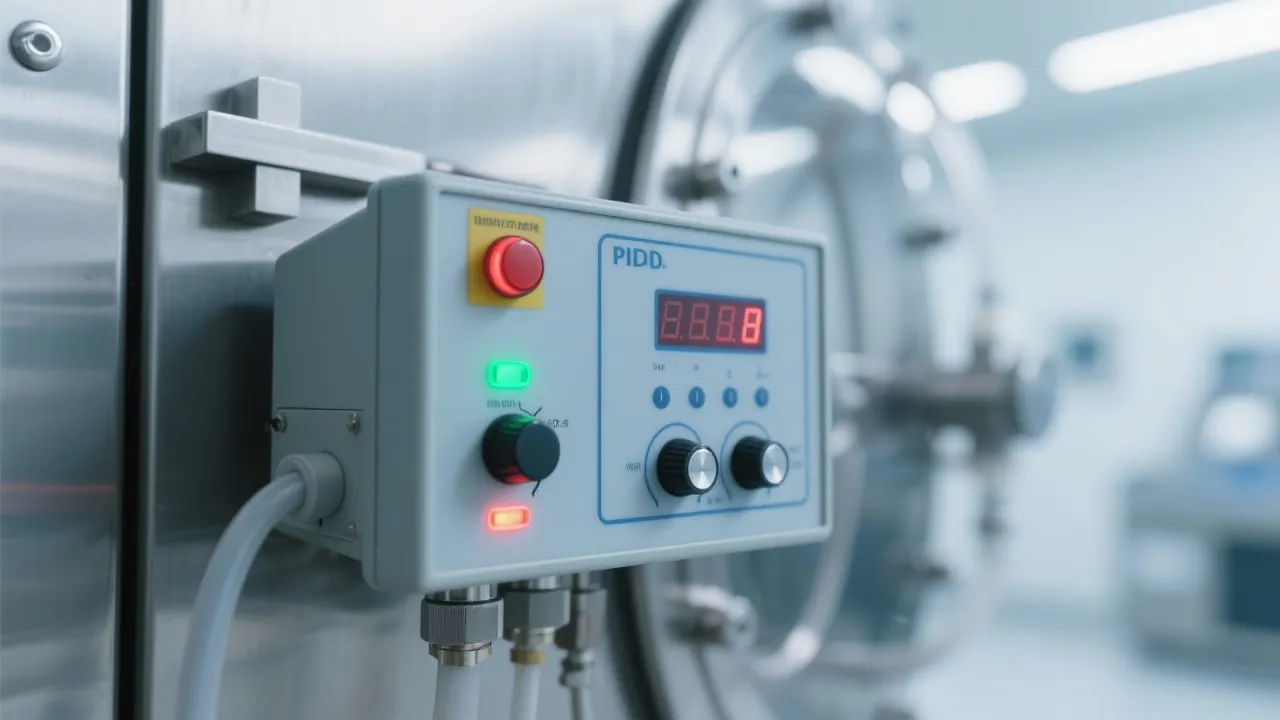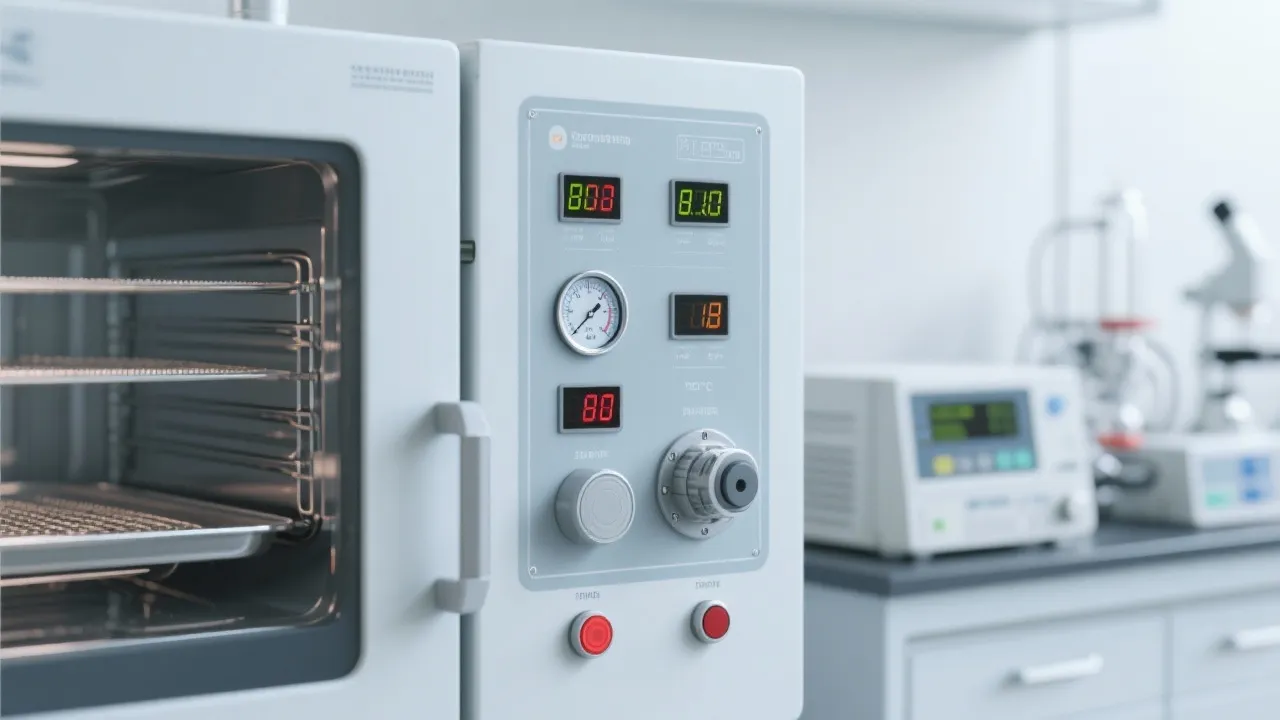

In the field of composite material preparation, precise control of drying conditions is crucial for enhancing material performance. This article delves into the core applications of vacuum drying technology in materials science, offering a practical operation guide for researchers. We'll focus on the DZ - 3BCII Digital Vacuum Drying Oven from Zhengzhou Keda, which boasts high - precision temperature control (±1℃), low vacuum degree (<133Pa), and the advantage of uniform heating on all four walls.
Vacuum drying technology plays a significant role in materials science. It helps to remove moisture and volatile substances from materials, which is essential for improving the quality and performance of composites. The principle behind vacuum drying is based on the fact that under low - pressure conditions, the boiling point of water and other solvents decreases, allowing for efficient drying at relatively low temperatures.

Different materials, such as polymers and inorganic composites, respond differently to temperature and vacuum degree. For example, polymers are often more sensitive to high temperatures, while inorganic composites may require a certain level of vacuum to achieve optimal drying. Here are some typical recommended parameters:
| Material Type | Recommended Temperature (℃) | Recommended Vacuum Degree (Pa) |
|---|---|---|
| Polymers | 40 - 60 | <100 |
| Inorganic Composites | 80 - 120 | <133 |
The DZ - 3BCII drying oven is designed to meet the high - precision requirements of laboratory research. Its high - precision temperature control within ±1℃ ensures that the drying process is carried out under stable conditions. The low vacuum degree of <133Pa allows for efficient removal of moisture, and the four - wall uniform heating feature guarantees that the materials are heated evenly, which is crucial for achieving consistent results.
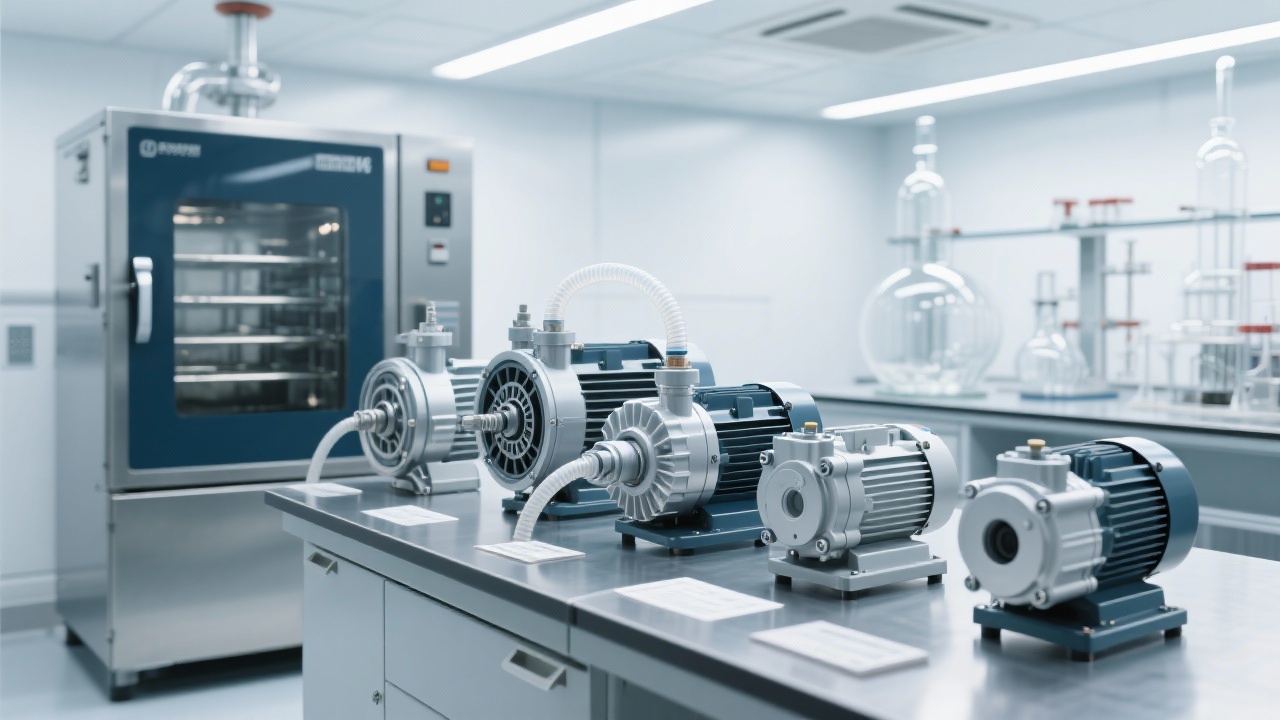
Let's look at some real - world application scenarios. In the pre - treatment of carbon fibers, proper vacuum drying can remove surface moisture and impurities, improving the bonding strength between carbon fibers and resin. When drying nano - powders, the DZ - 3BCII can prevent powder agglomeration and ensure the stability of the powder properties. Here are some operation tips and common mistakes to avoid:
To help you better understand the parameter setting logic, here is a simple flowchart:

In conclusion, the DZ - 3BCII Digital Vacuum Drying Oven provides a reliable solution for composite material preparation. If you're looking for a high - precision vacuum drying equipment to enhance your research and production, click here to learn more about the DZ - 3BCII and how it can benefit your work.