
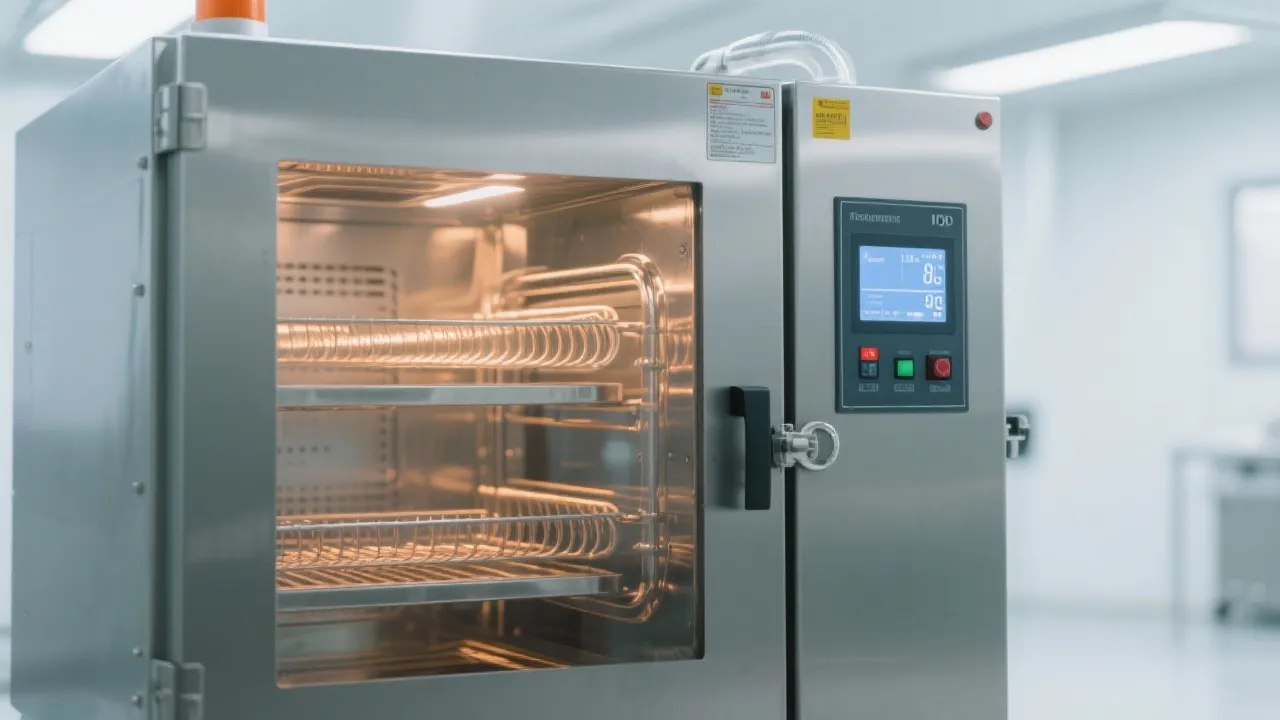
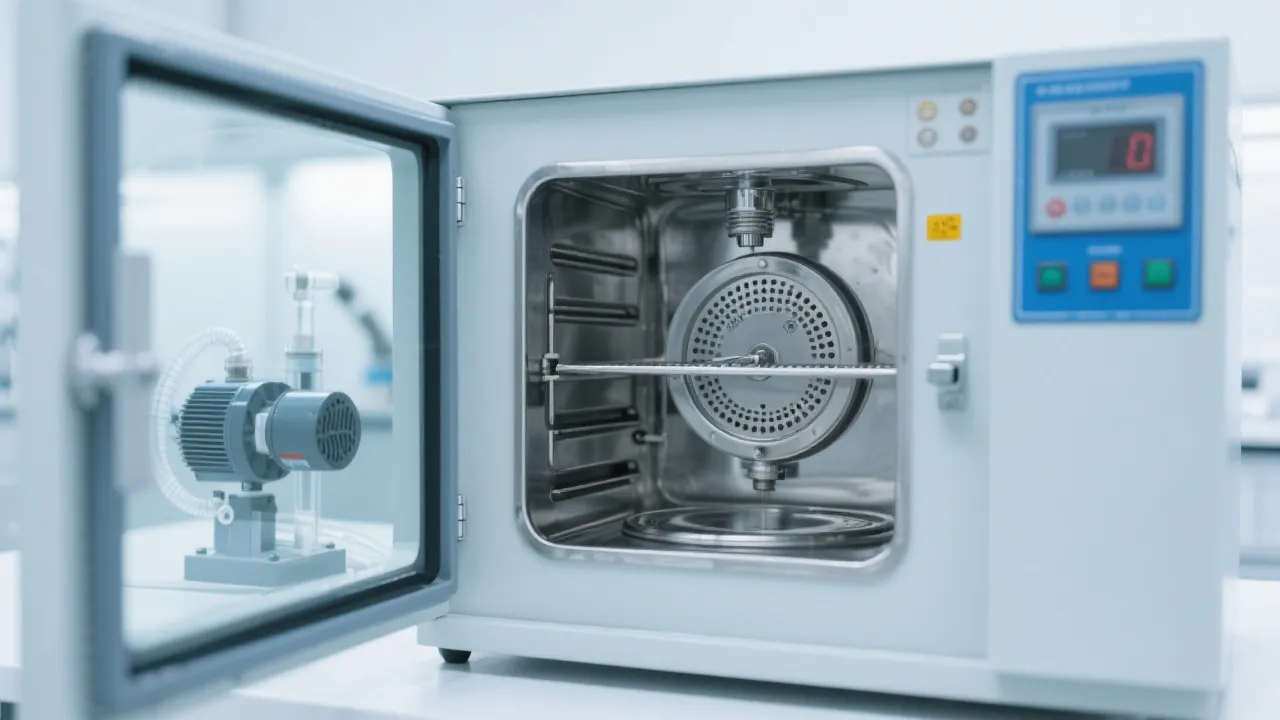
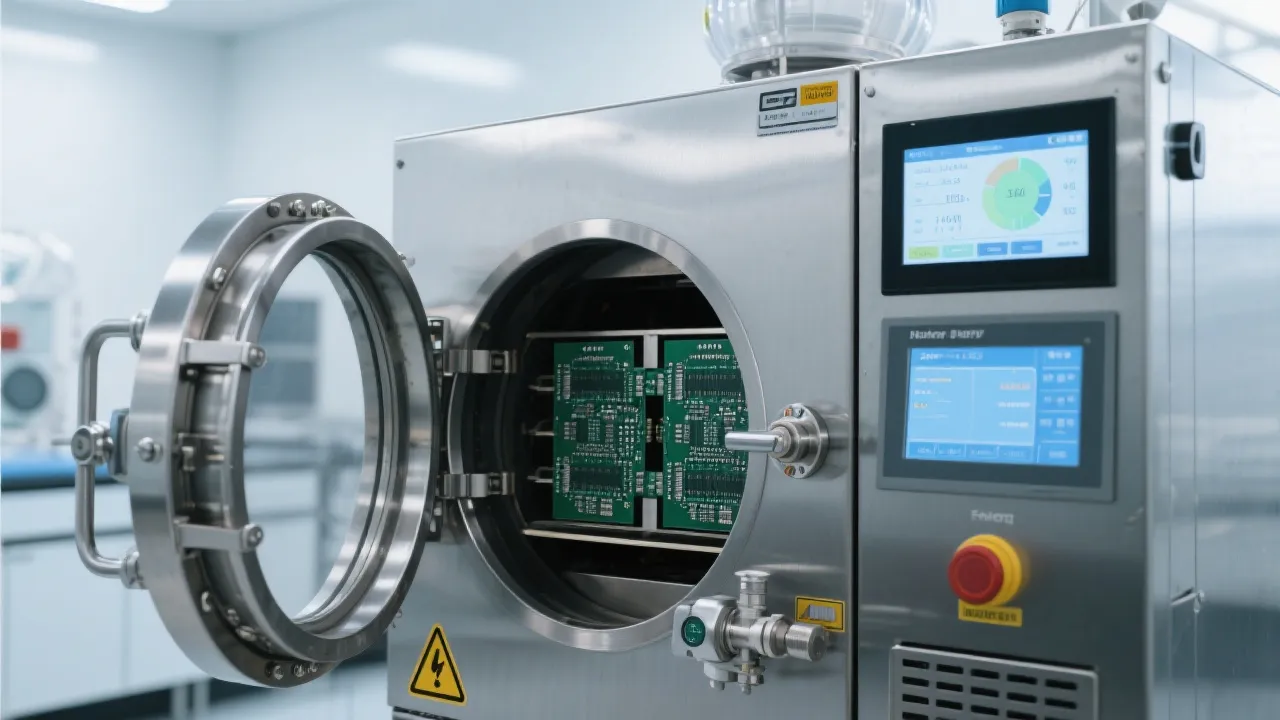
In industrial drying processes—from semiconductor component curing to pharmaceutical material dehydration—temperature stability isn’t just a feature; it’s the foundation of quality control. For users of DZ-2BCII vacuum dryers, understanding how dual-zone PID intelligent control transforms performance can mean the difference between batch-to-batch inconsistency and repeatable precision.
According to a 2023 survey by the International Association of Process Engineers, over 43% of manufacturers report inconsistent drying results due to poor temperature regulation in their equipment. Traditional single-loop controllers often overshoot or undershoot setpoints, especially during rapid heating phases—a common issue when processing sensitive materials like lithium-ion battery components or high-purity ceramics.
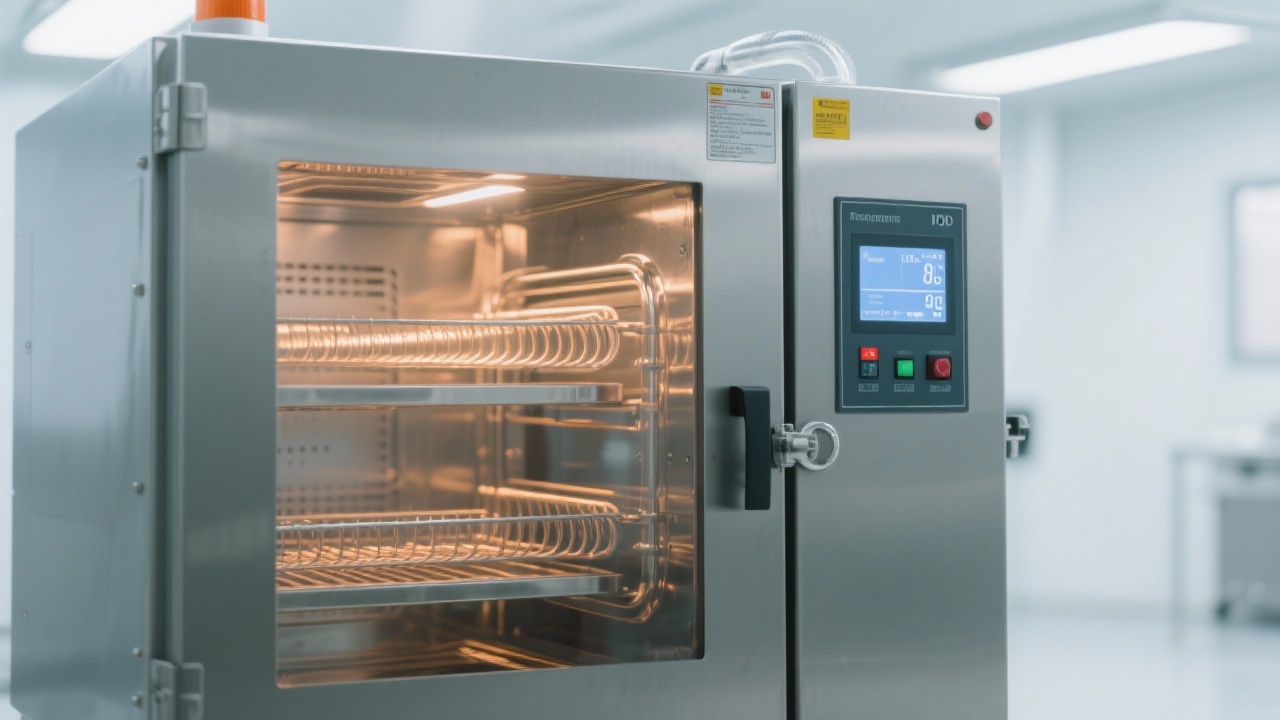
Dual-zone PID (Proportional-Integral-Derivative) control divides the chamber into independent thermal zones—one for the top and one for the bottom. Each zone has its own sensor, algorithm, and heating element, allowing real-time adjustment based on localized conditions. This means:
Case Study: A German medical device manufacturer saw a 27% reduction in rework after switching from single-zone to dual-zone PID in their vacuum ovens—directly tied to improved consistency in polymer coating adhesion.
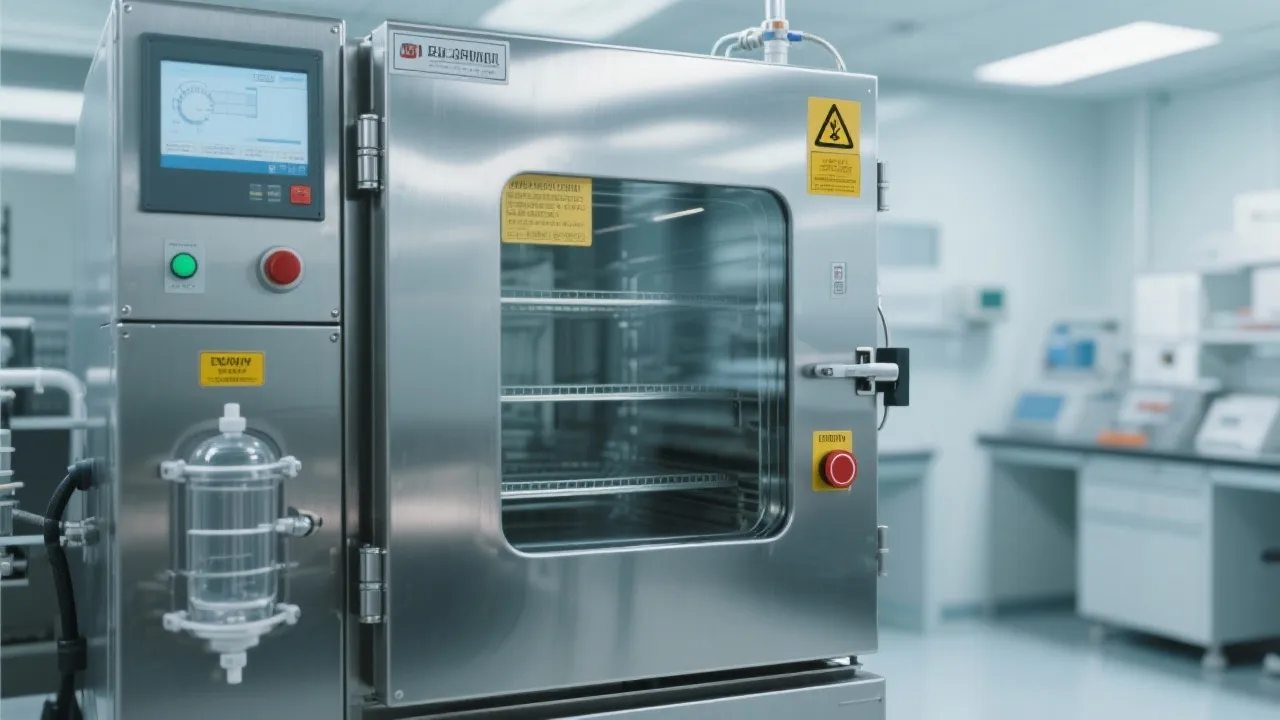
Modern vacuum dryers must not only perform—they must protect. The DZ-2BCII integrates two critical safety features:
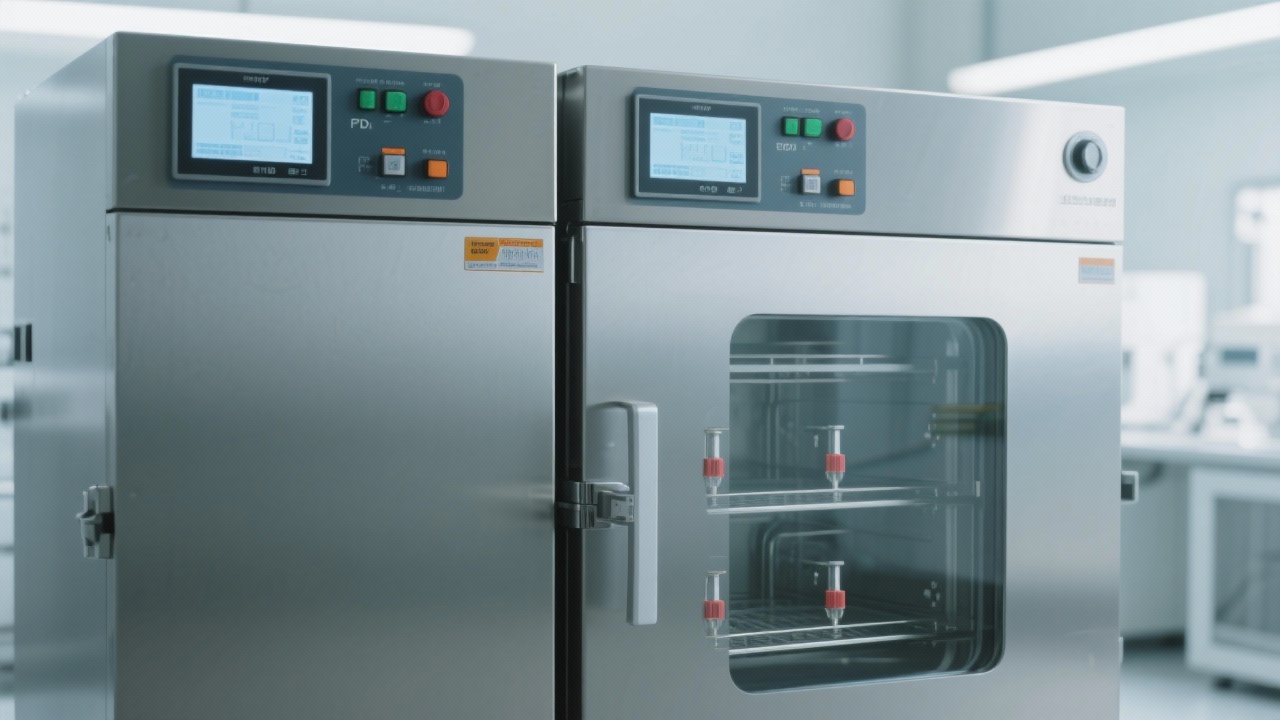
Power interruptions are inevitable. But with automatic power failure memory, the DZ-2BCII remembers your last settings—even after a blackout. No more starting from scratch. In industries like electronics manufacturing where process continuity is non-negotiable, this feature saves hours of setup time per shift.
✅ Quick Check List for Operators:
Discover how our DZ-2BCII vacuum dryer leverages dual-zone PID technology to deliver unmatched precision, safety, and operational reliability—perfect for R&D labs, production lines, and quality assurance departments worldwide.
Explore Smart Temperature Control Solutions Now





 <#else>