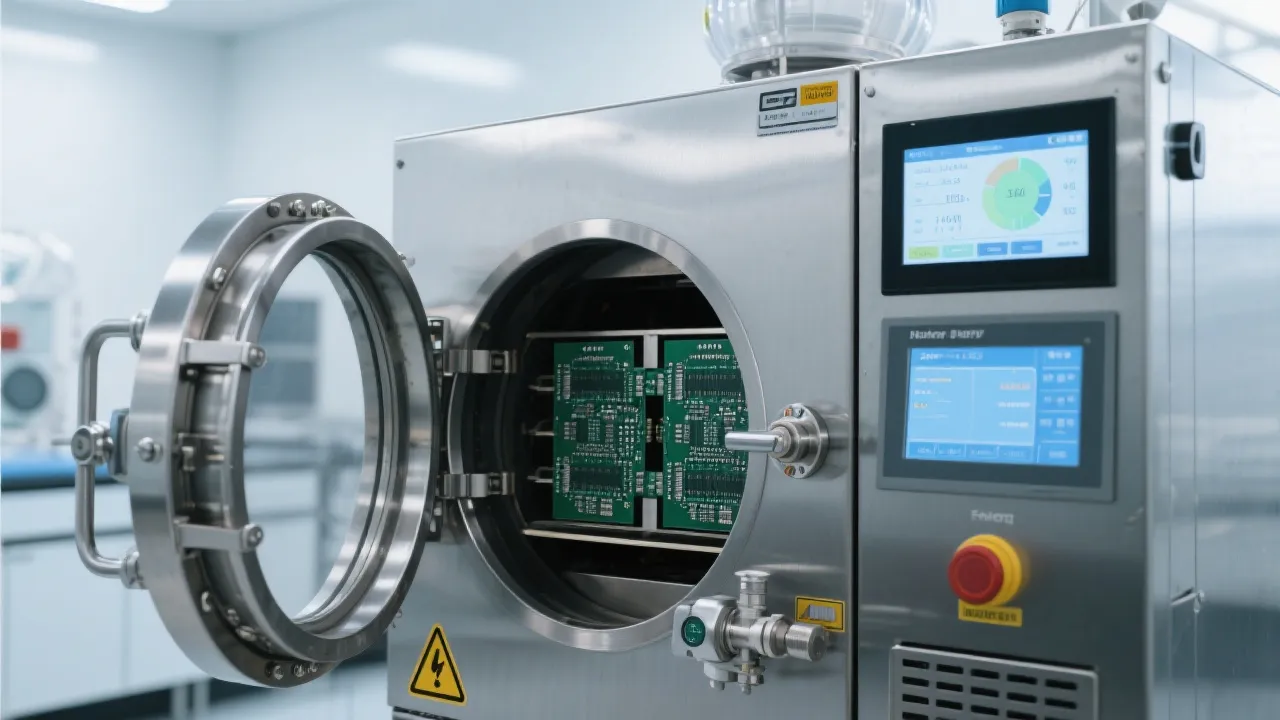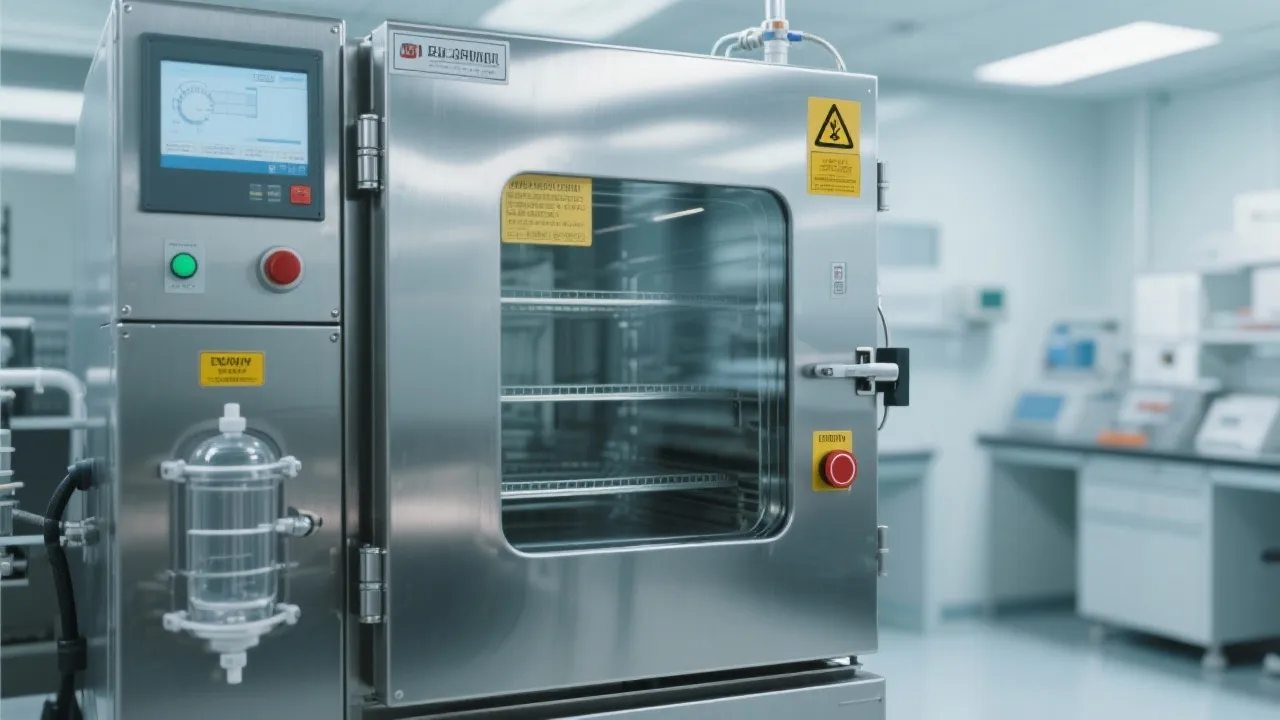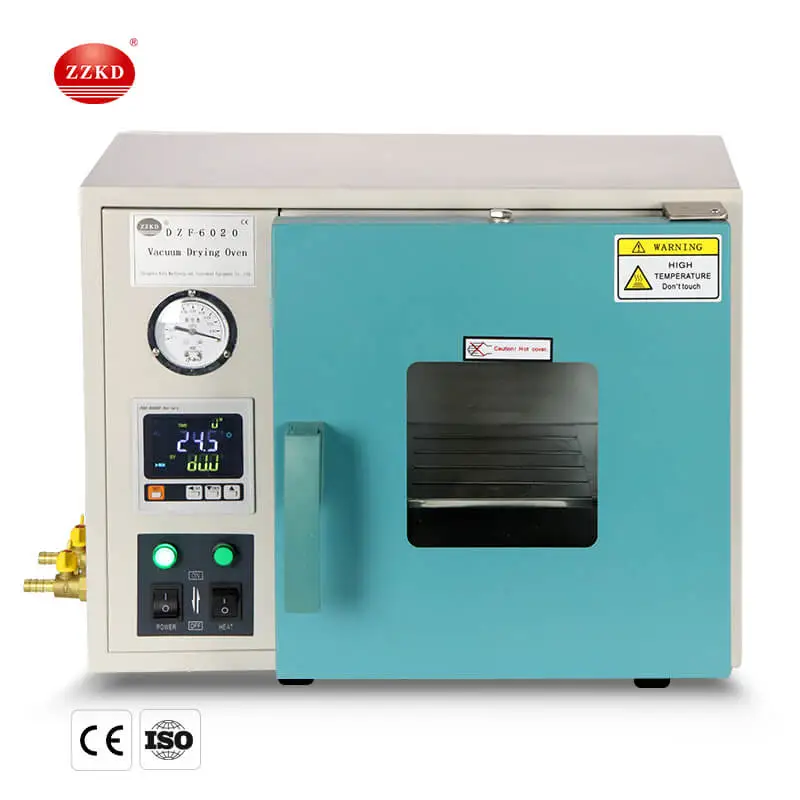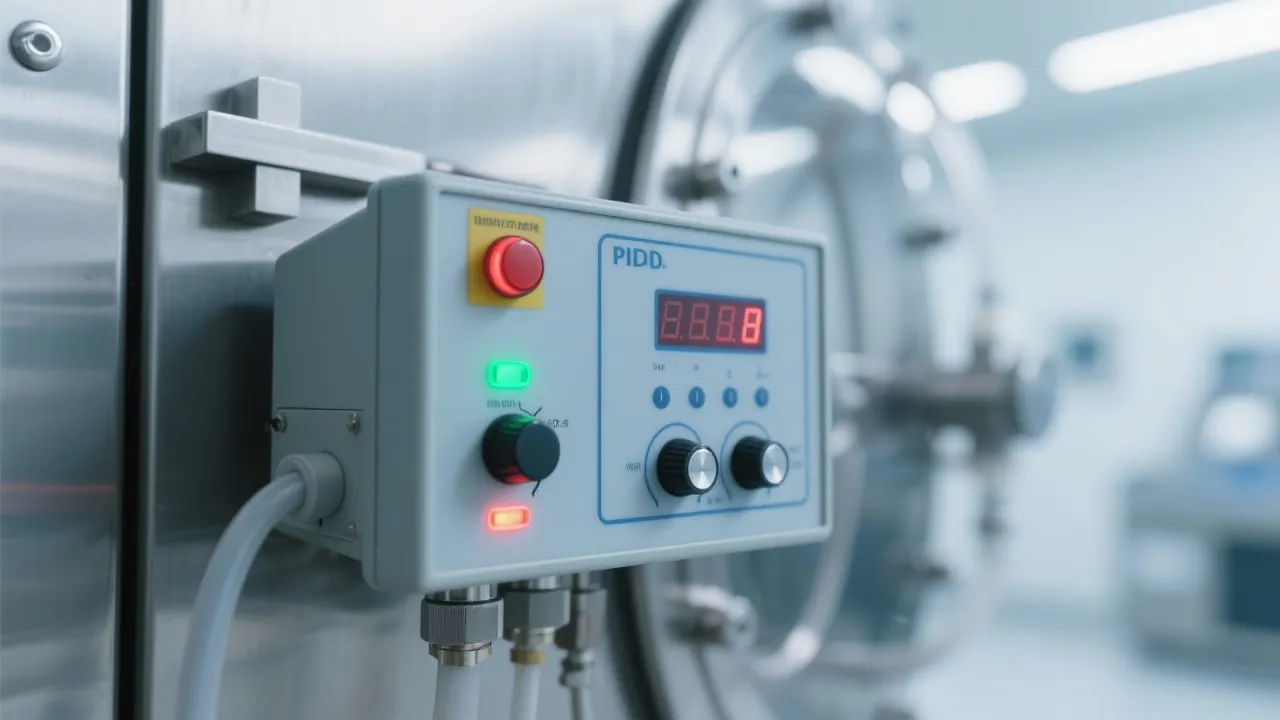

For researchers and industrial professionals working with temperature-sensitive materials—from pharmaceuticals to advanced polymers—the choice of a vacuum drying system isn’t just about speed—it’s about accuracy, consistency, and sample integrity. In this article, we break down what truly separates high-performance vacuum dryers from the rest, focusing on two critical factors: vacuum efficiency and intelligent temperature regulation.
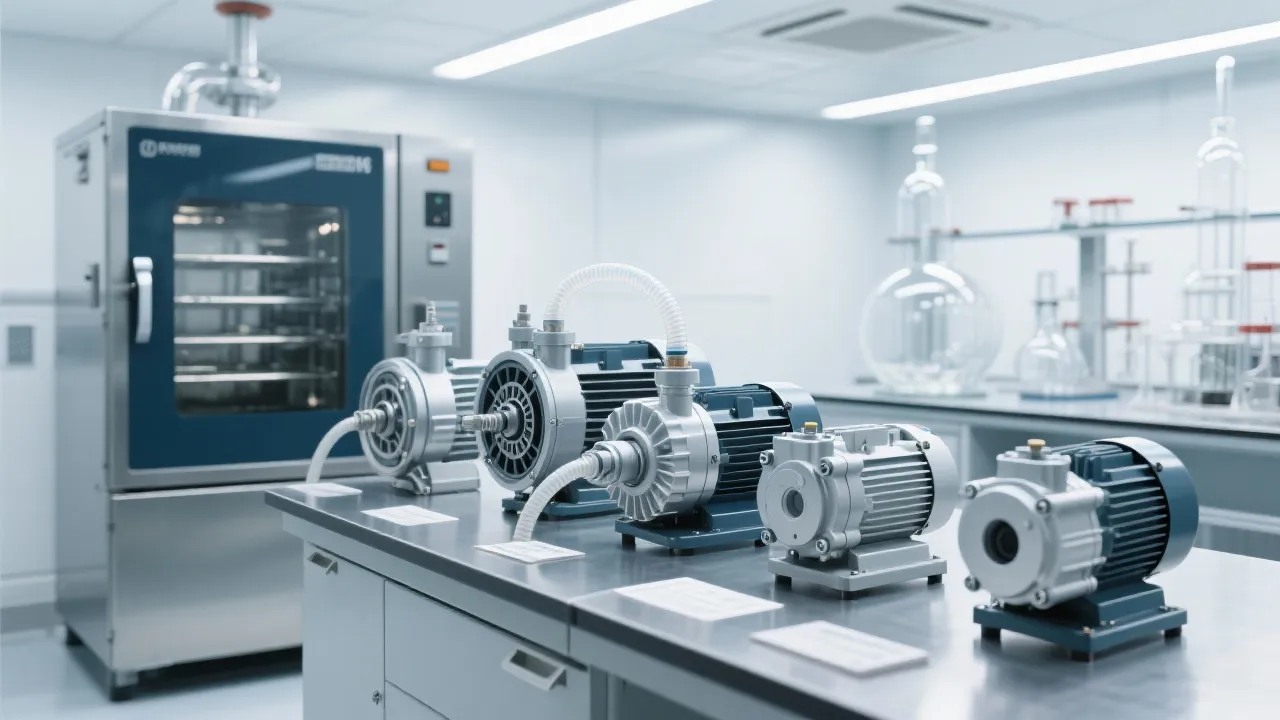
Unlike conventional ovens that rely on ambient air circulation, vacuum drying removes moisture by lowering the pressure inside the chamber—typically to 0.1–10 mbar. At these levels, water boils at temperatures as low as 20°C (68°F), enabling rapid dehydration without thermal degradation. According to a 2022 study published in Journal of Analytical Chemistry, samples dried under controlled vacuum conditions showed up to 40% less oxidation compared to those dried at atmospheric pressure, especially for organic compounds like enzymes or catalysts.
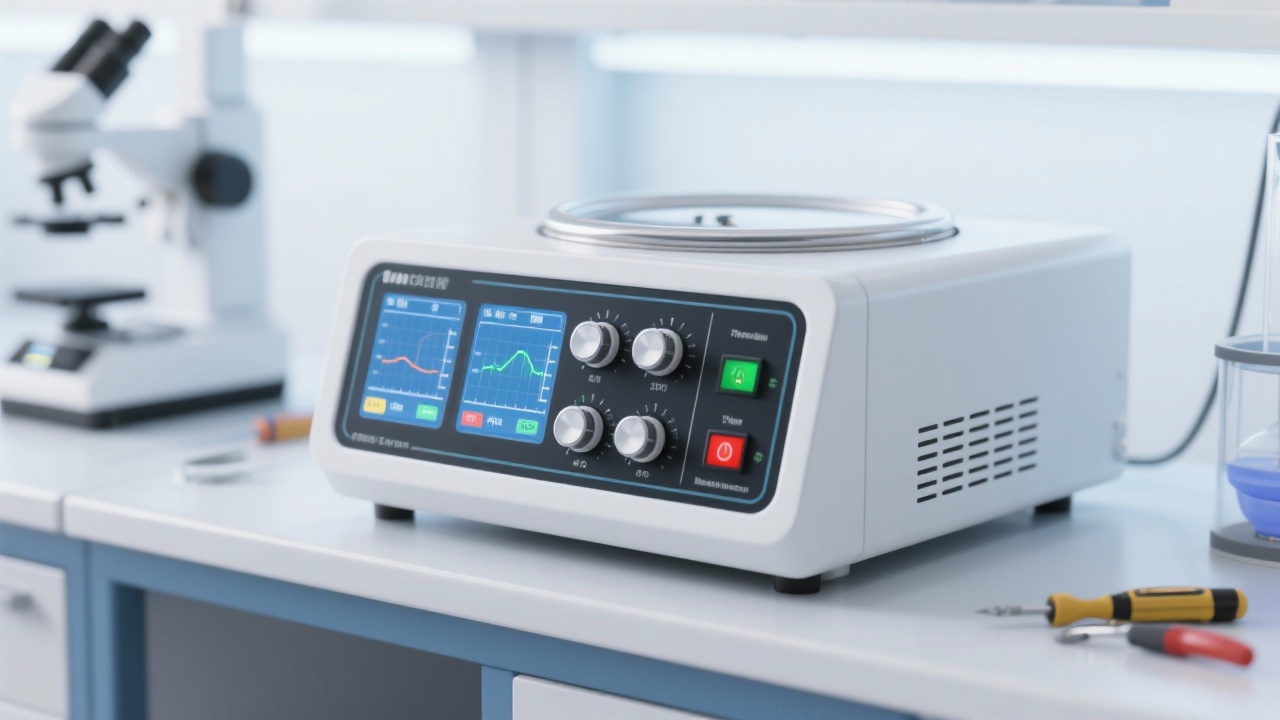
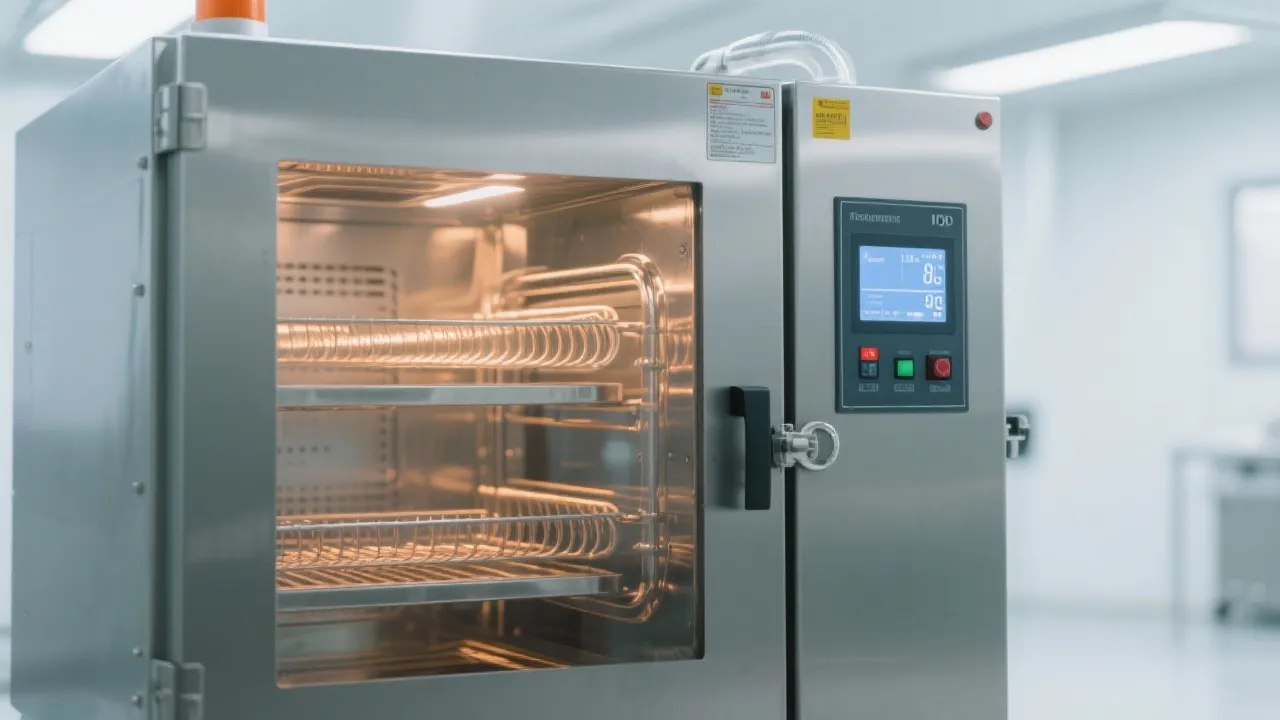
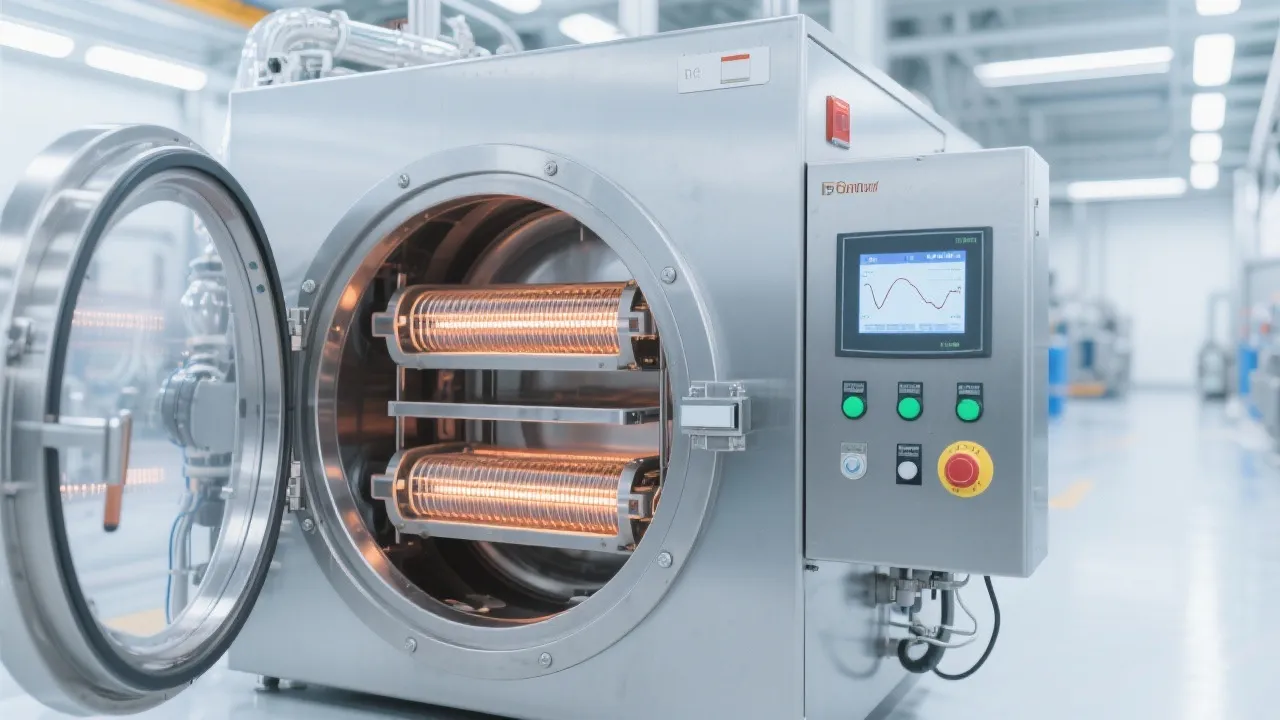
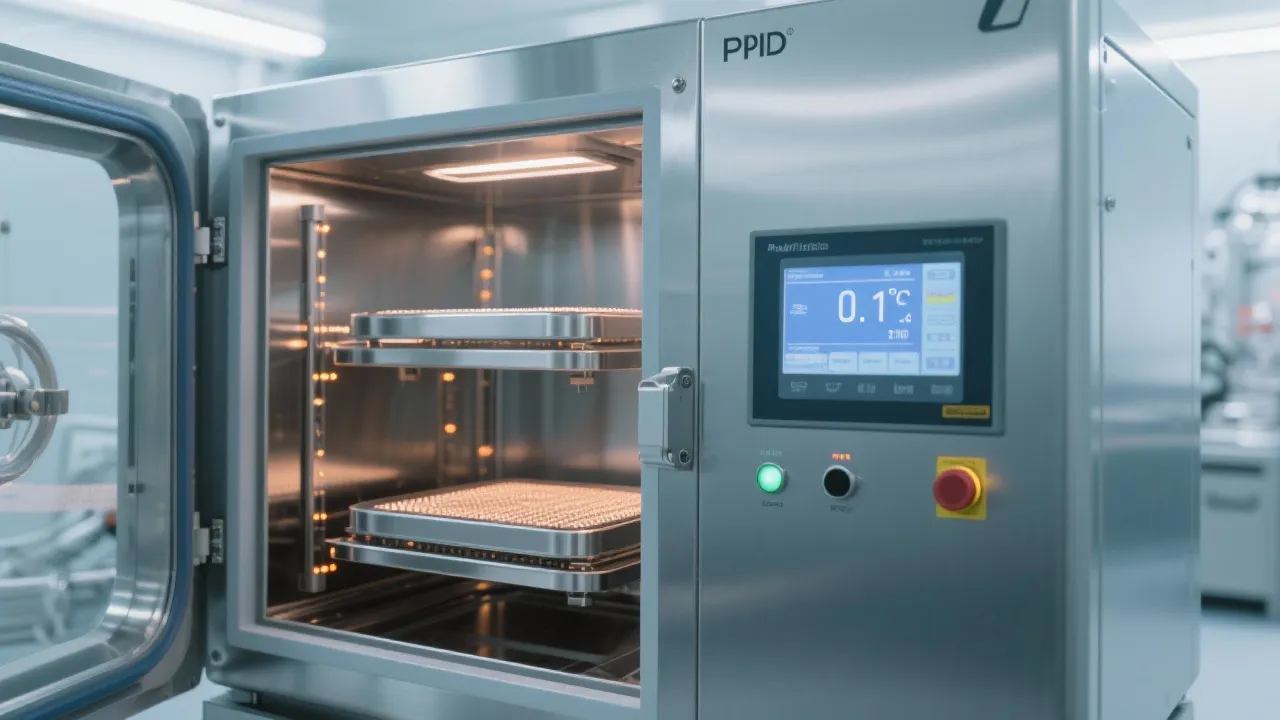
Temperature uniformity is the silent hero of reproducible results. A well-designed vacuum dryer must maintain a deviation of no more than ±1°C across the entire chamber—a benchmark often overlooked but crucial for sensitive applications. Our proprietary PID (Proportional-Integral-Derivative) control algorithm continuously adjusts heating elements based on real-time feedback, ensuring stability even during prolonged cycles. For example, when drying lithium-ion battery electrodes, a ±1°C variance can mean the difference between consistent performance and batch rejection.
In a test conducted at a leading European materials lab, our model achieved an average temperature deviation of just 0.7°C over 8 hours—a result verified by 12 independent thermocouples placed at different points in the chamber. This level of precision is why top-tier R&D teams choose systems built around smart control logic, not just raw power.
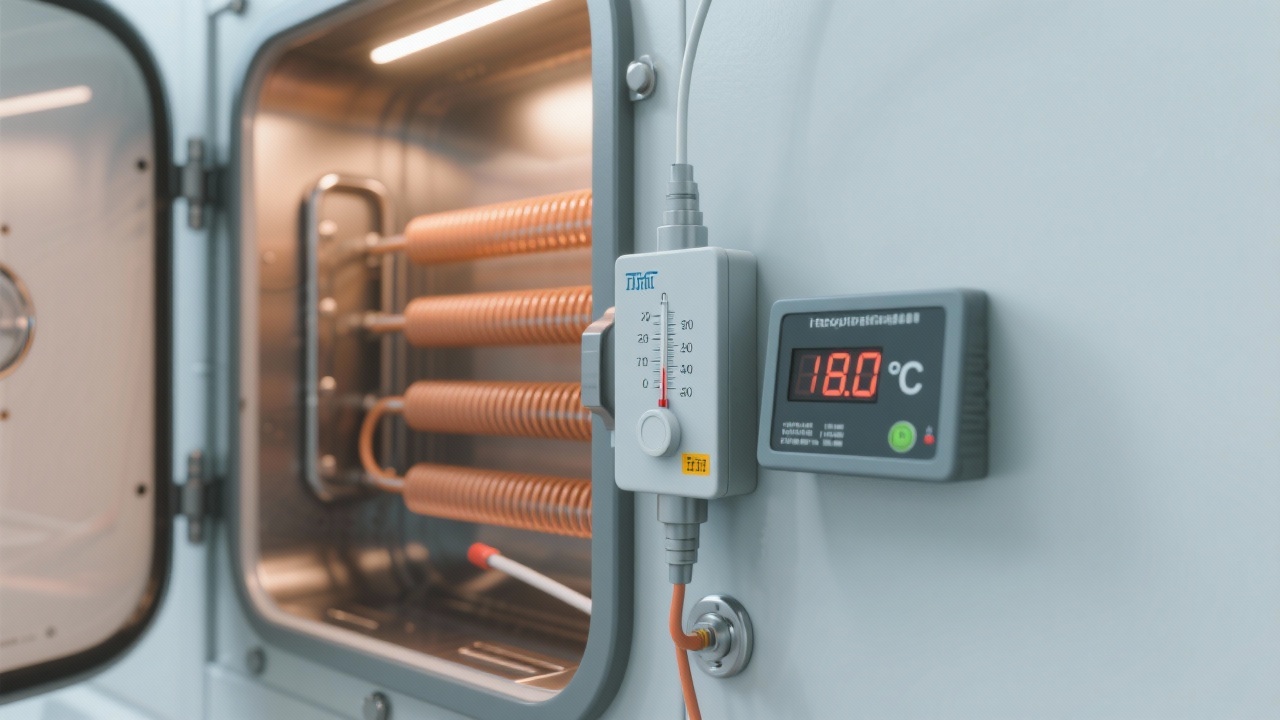
Whether you're preserving DNA samples in a biotech lab or curing ceramic coatings in manufacturing, the ability to tailor drying profiles matters. Our systems support multi-stage temperature programs—from slow ramp-up at 30°C for fragile proteins to rapid heating at 120°C for polymer films. These programmable steps ensure optimal outcomes without compromising material structure.
A case in point: a German medical device manufacturer reported a 30% reduction in post-drying defects after switching to a vacuum dryer equipped with adaptive PID control. The improved repeatability allowed them to scale production while maintaining ISO 13485 compliance—an outcome directly tied to better temperature management.

Explore how our next-gen vacuum dryers deliver lab-grade precision and industrial reliability—engineered for both research excellence and production consistency.
See How It Works →