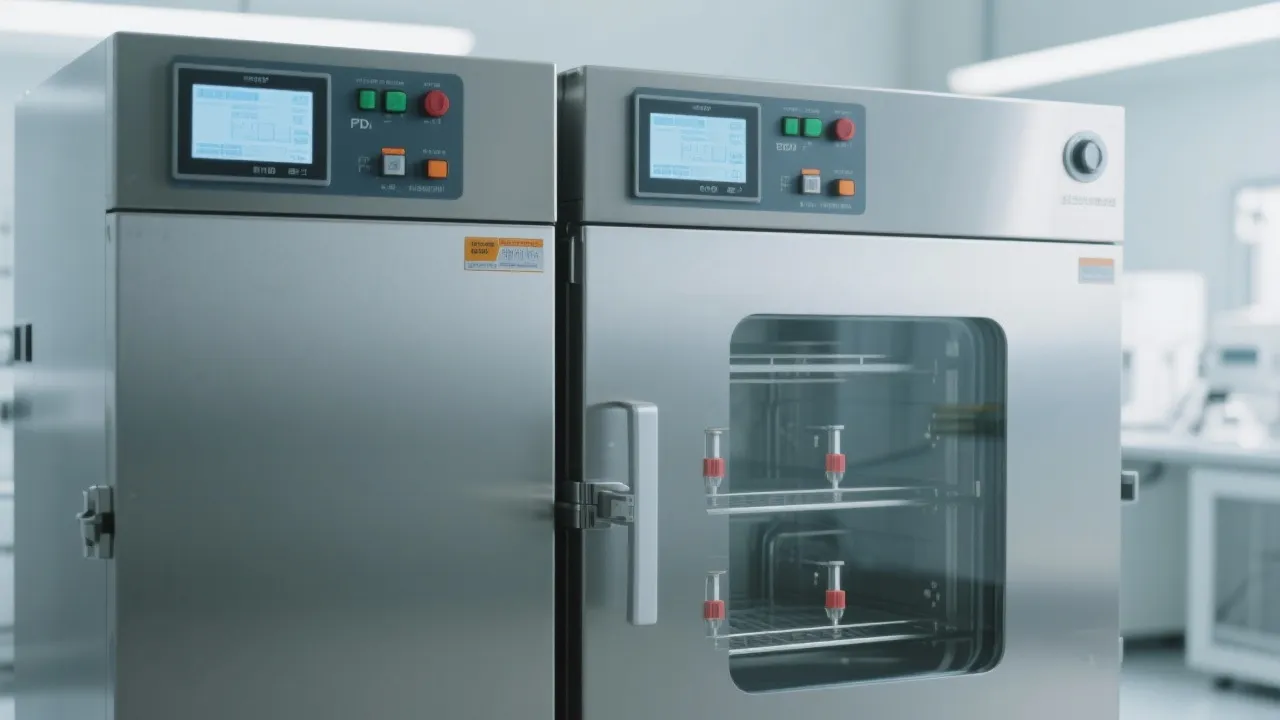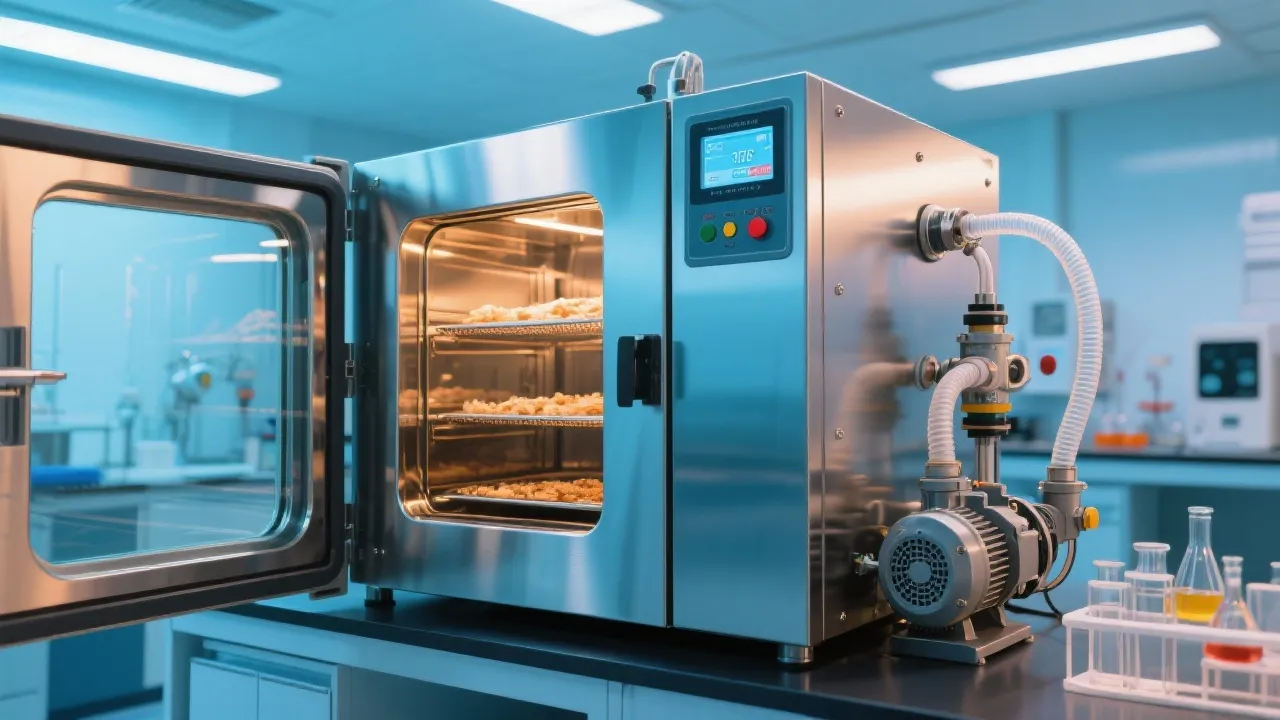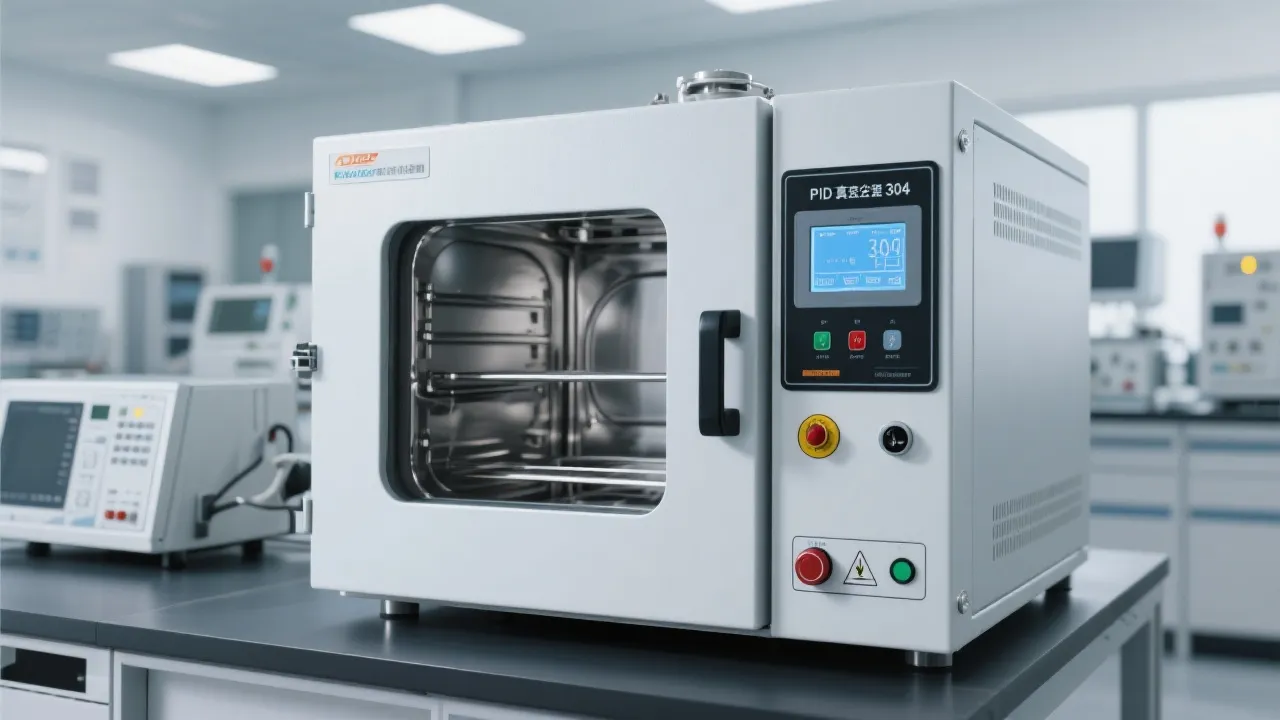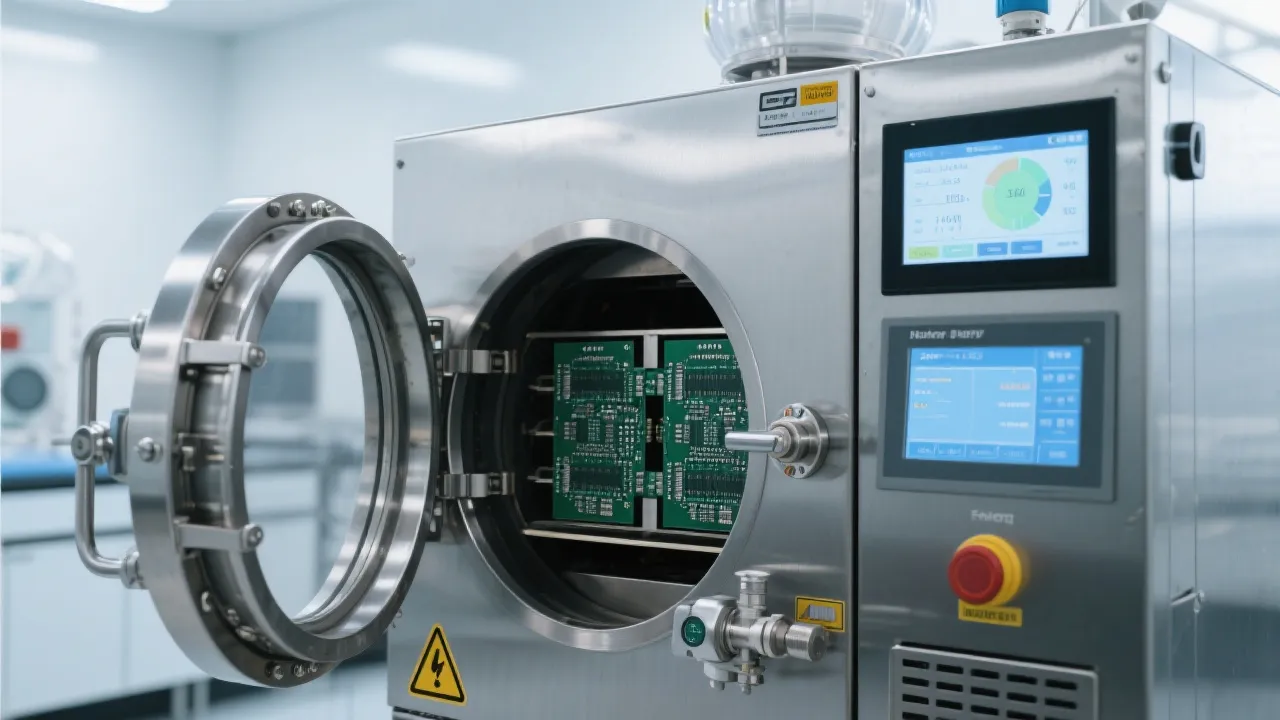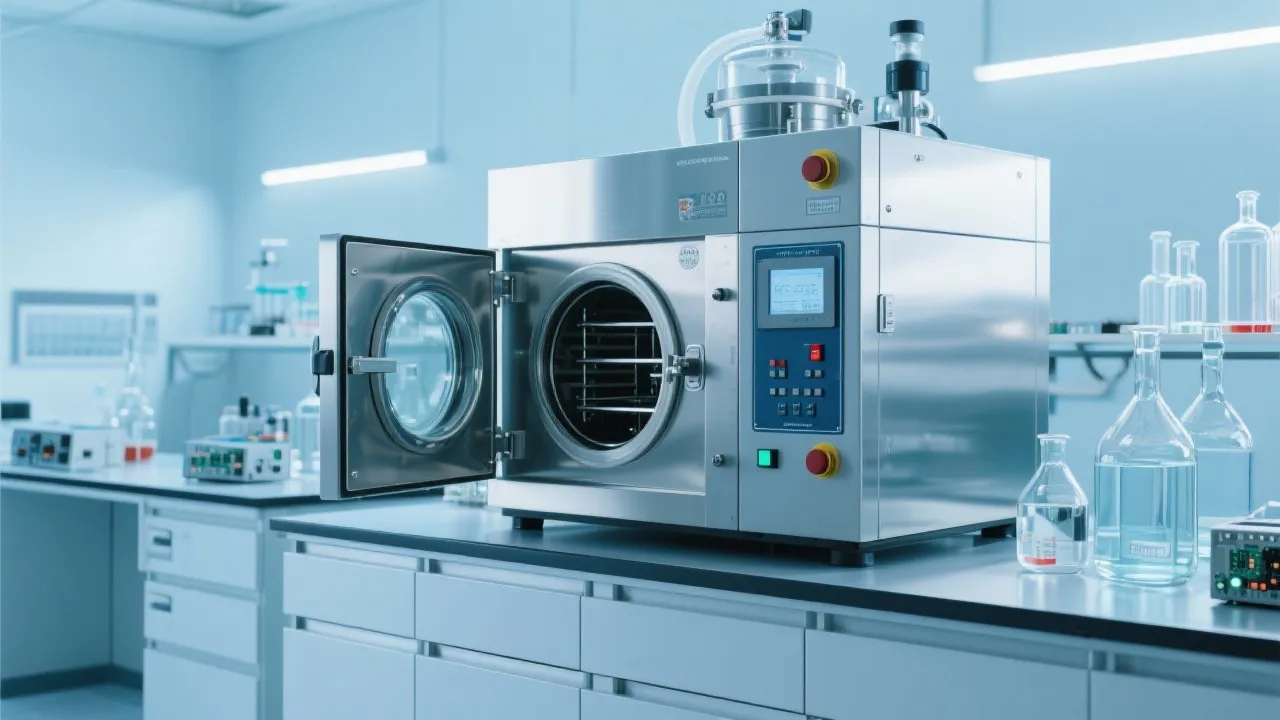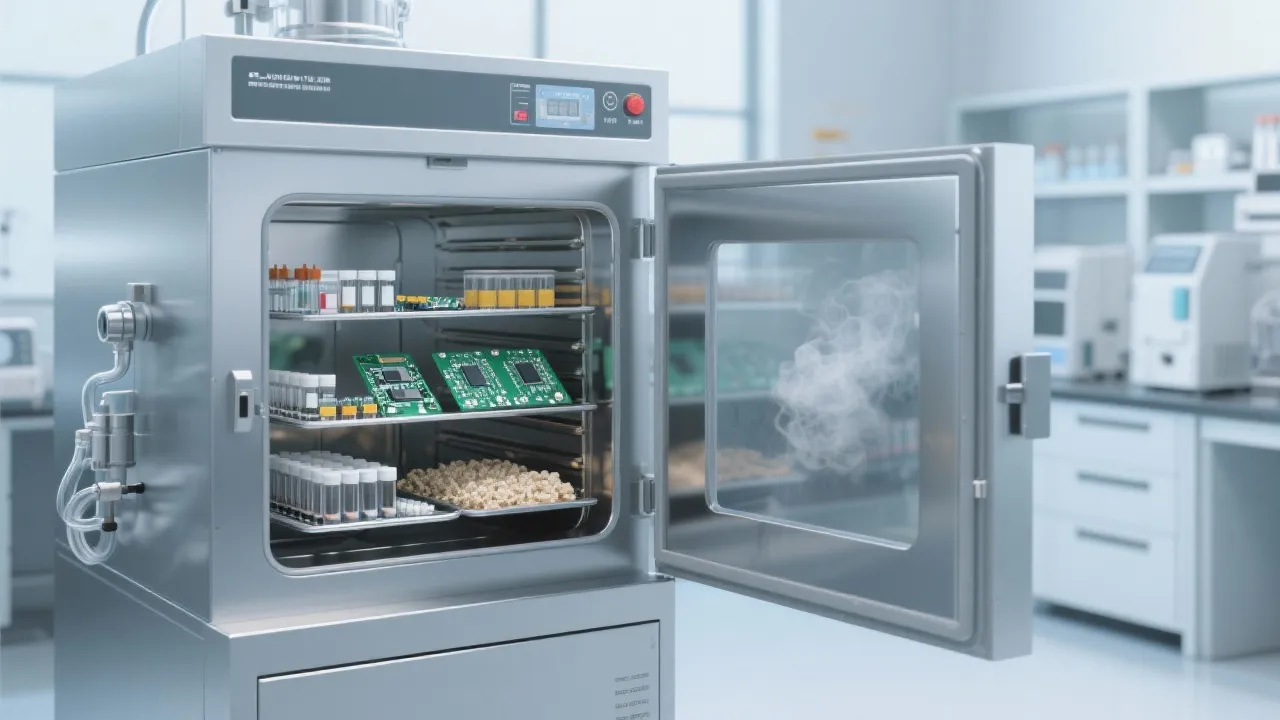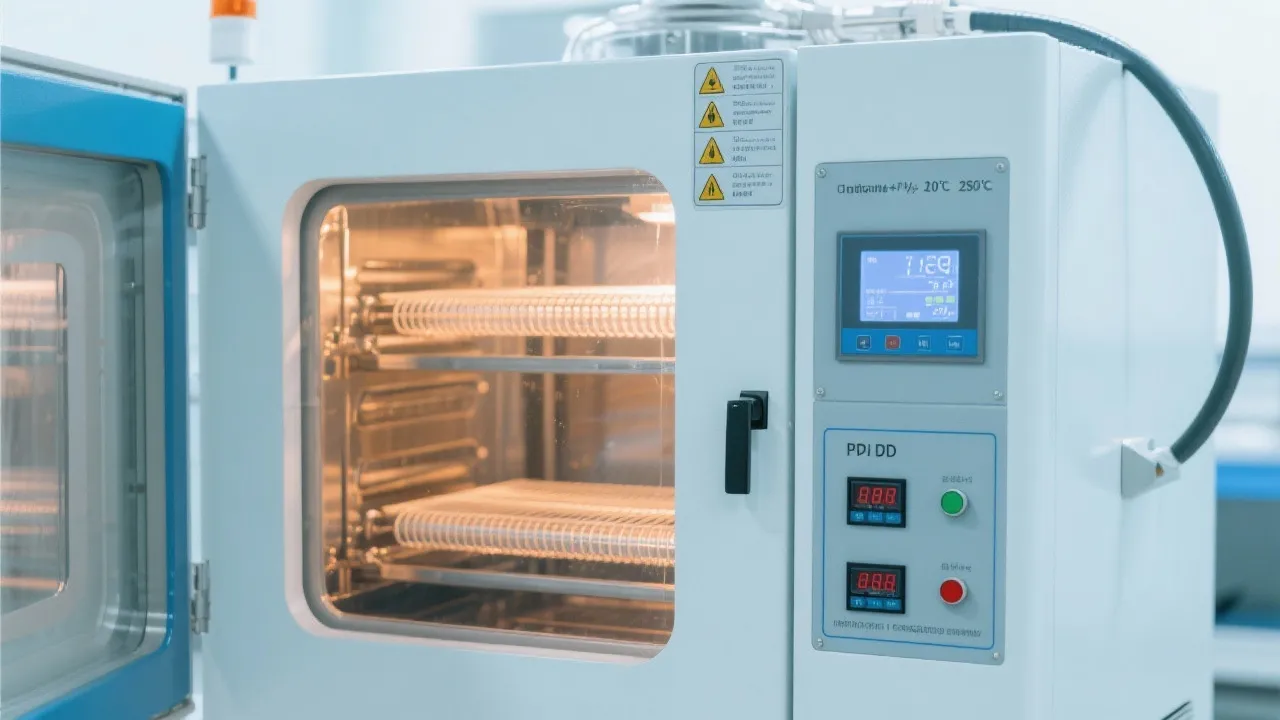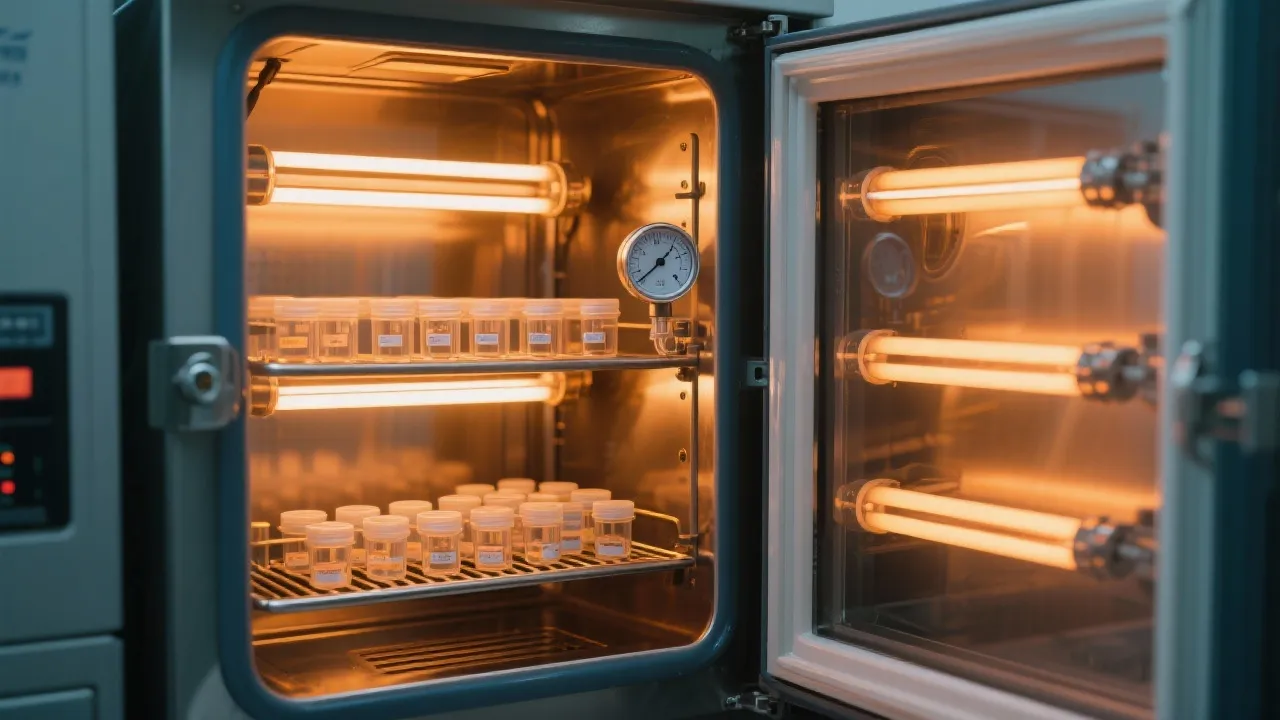
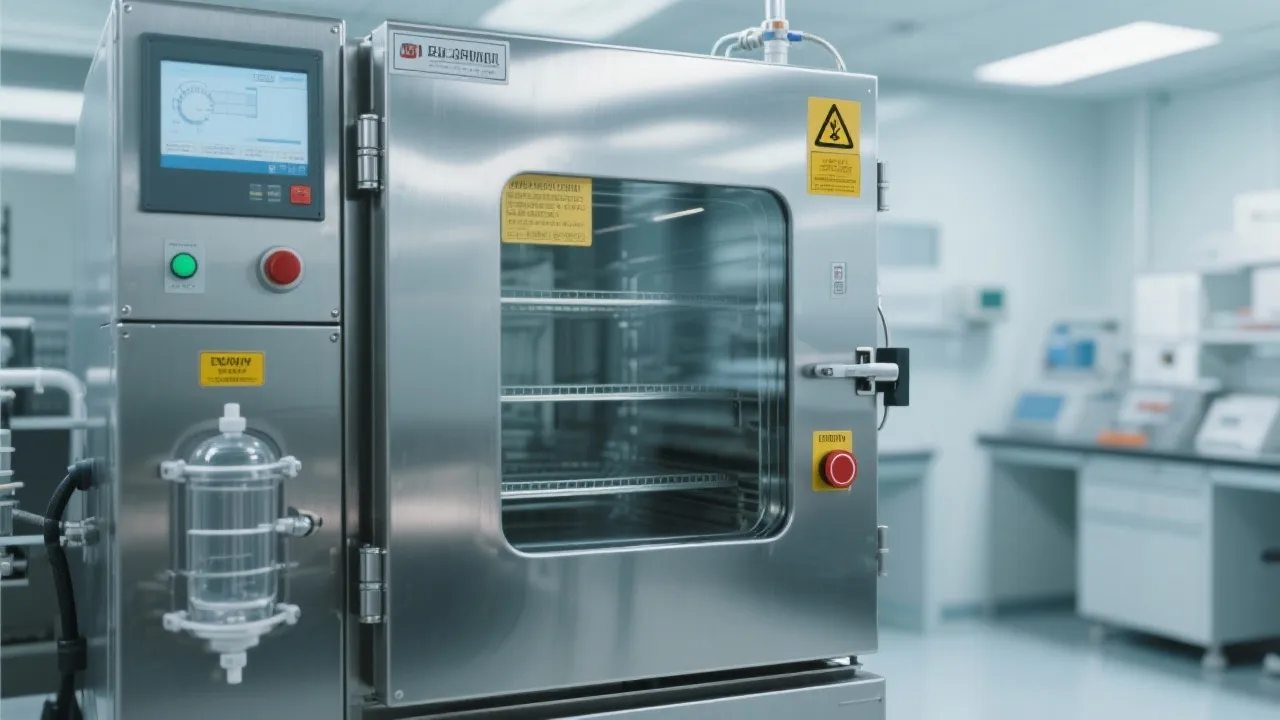
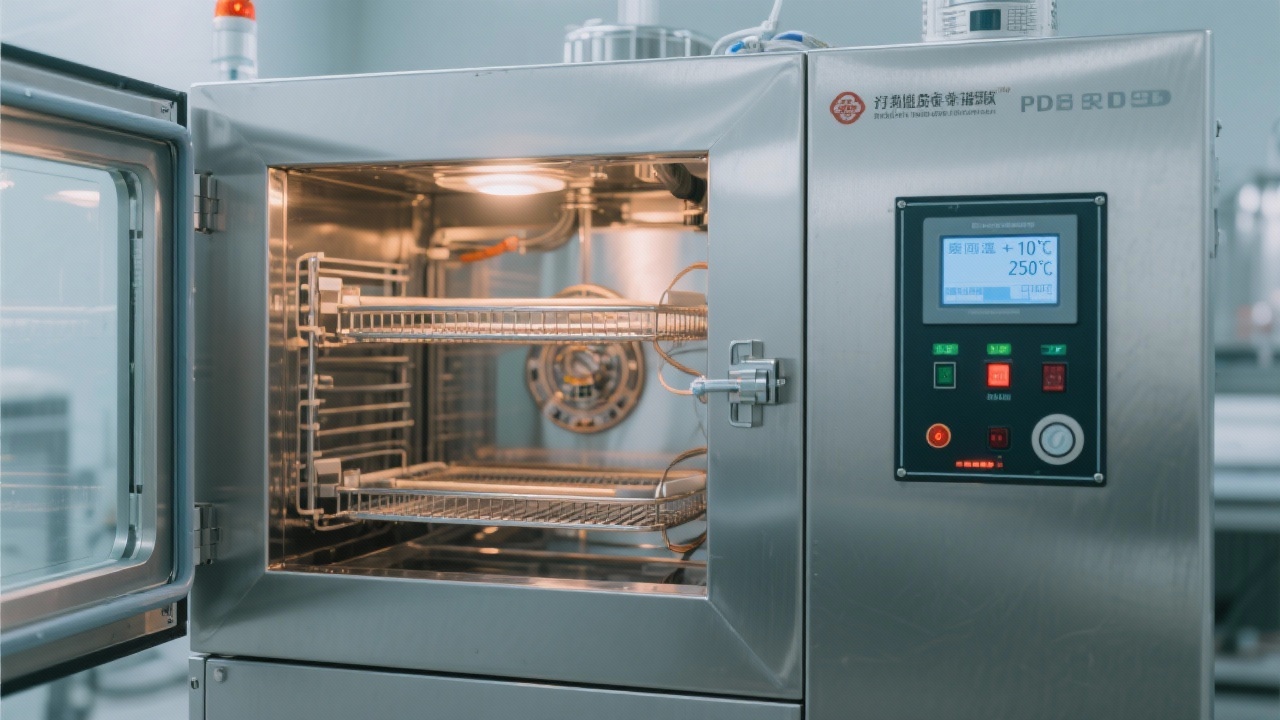
In laboratory environments where consistency and repeatability are critical—especially in pharmaceuticals and electronics manufacturing—the role of precise temperature control cannot be overstated. The DZ-1BCII digital vacuum dryer leverages a dual-zone intelligent PID control system that ensures ±0.5°C stability across the chamber, significantly outperforming traditional single-loop controllers which often drift by ±2–3°C under varying load conditions.
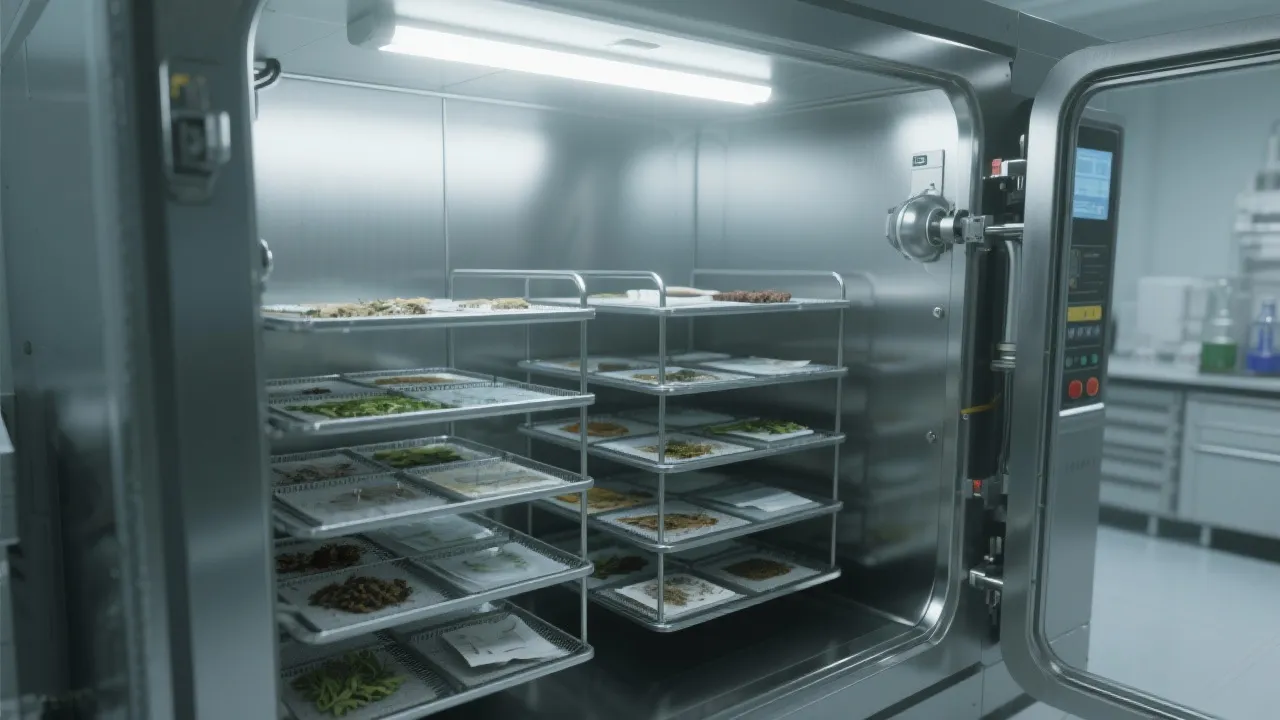
Unlike basic on/off heating systems, PID (Proportional-Integral-Derivative) algorithms continuously adjust heat output based on real-time feedback from internal sensors. In the DZ-1BCII model, two independent zones—one for top and one for bottom—are each managed by their own PID loop, allowing for uniform thermal distribution even when sample loads differ between layers. This design reduces hot spots and cold zones, ensuring every batch meets exact specifications.
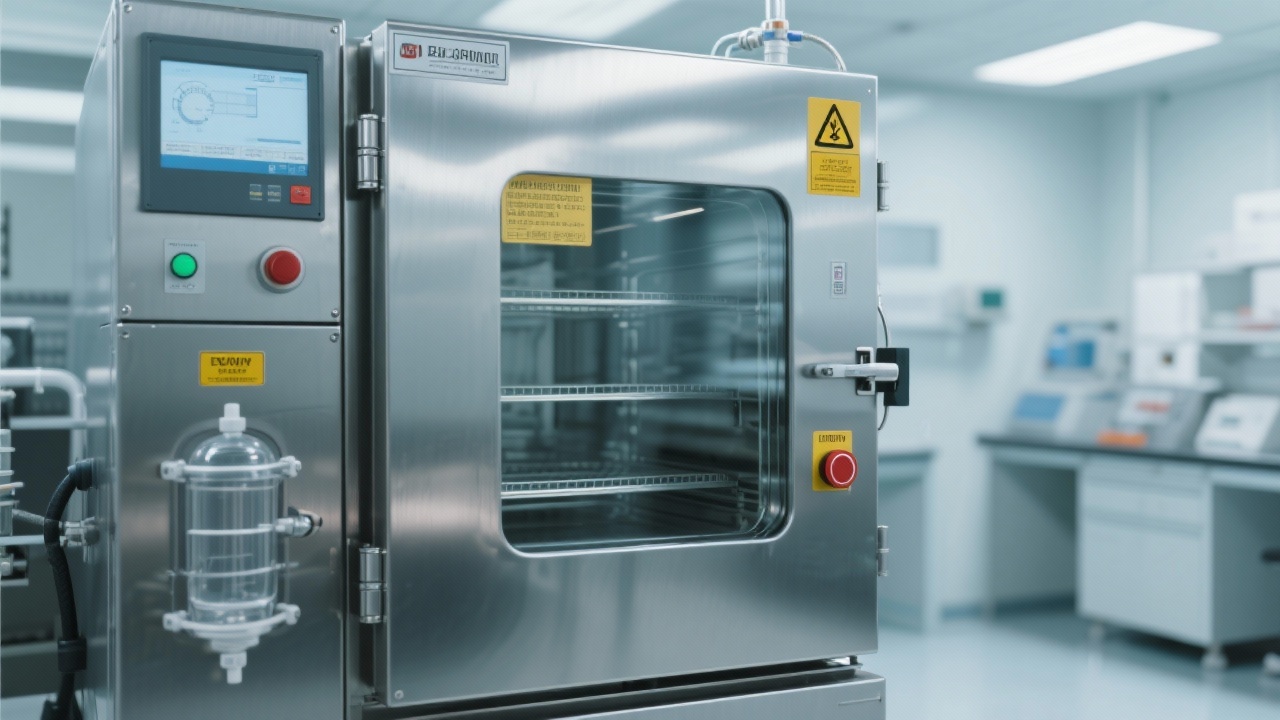
A leading API manufacturer in Germany reported a 37% reduction in failed batches after switching to the DZ-1BCII, citing consistent moisture removal across multiple runs—a key factor in meeting ICH Q1A(R2) guidelines. Similarly, an electronics OEM in Singapore noted improved solder paste drying reliability, reducing rework costs by 22% annually due to better temperature uniformity.
| Application Area | Before DZ-1BCII | After Implementation |
|---|---|---|
| Pharmaceuticals | ±2.1°C variance | ±0.4°C variance |
| Electronics | 3–5% moisture retention | ≤1% moisture retention |
For researchers and production engineers, predictable outcomes mean fewer delays, less waste, and faster compliance cycles. With built-in data logging and remote access via USB or LAN, users can now trace every drying cycle—not just for quality assurance, but also for process optimization over time.
Whether you're scaling up from lab-scale trials to pilot production or refining your existing protocols, the DZ-1BCII’s smart PID technology offers measurable gains—not just in efficiency, but in confidence. It’s not just about controlling temperature—it’s about building trust in your results.
Explore how our dual-zone PID-controlled vacuum dryers help labs achieve consistent, reproducible results—without guesswork.
Discover the DZ-1BCII Digital Vacuum Dryer