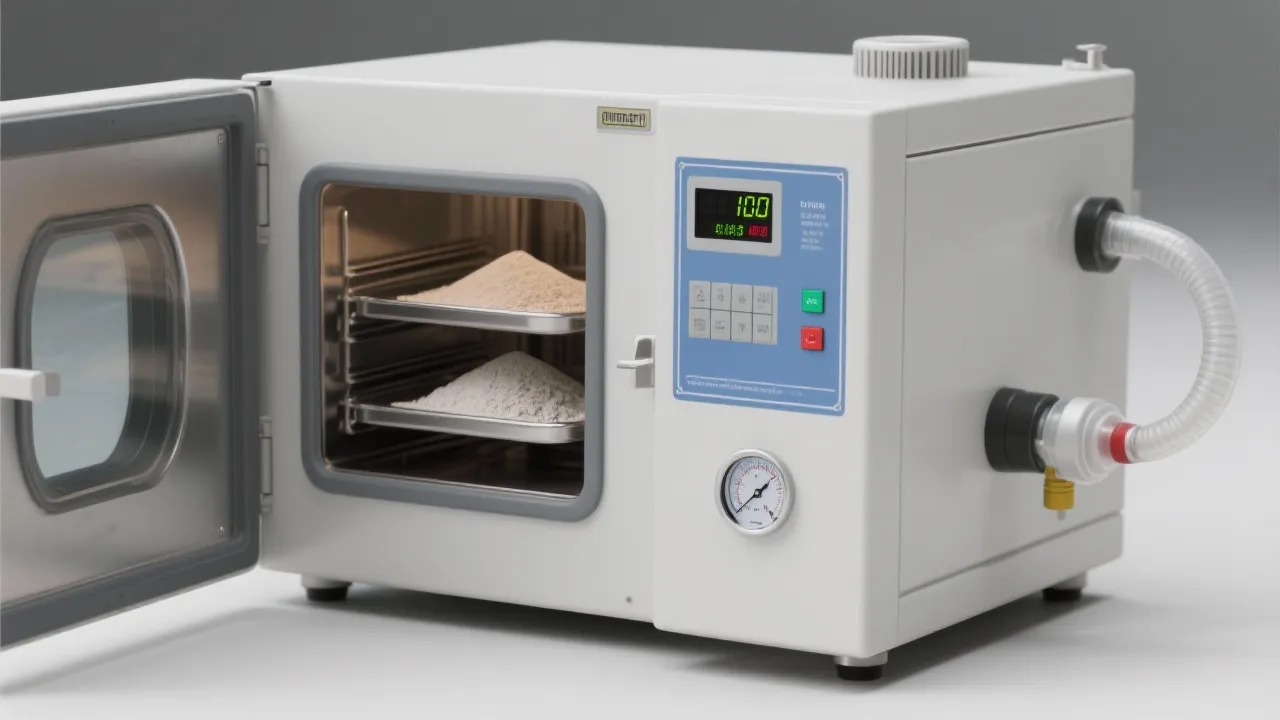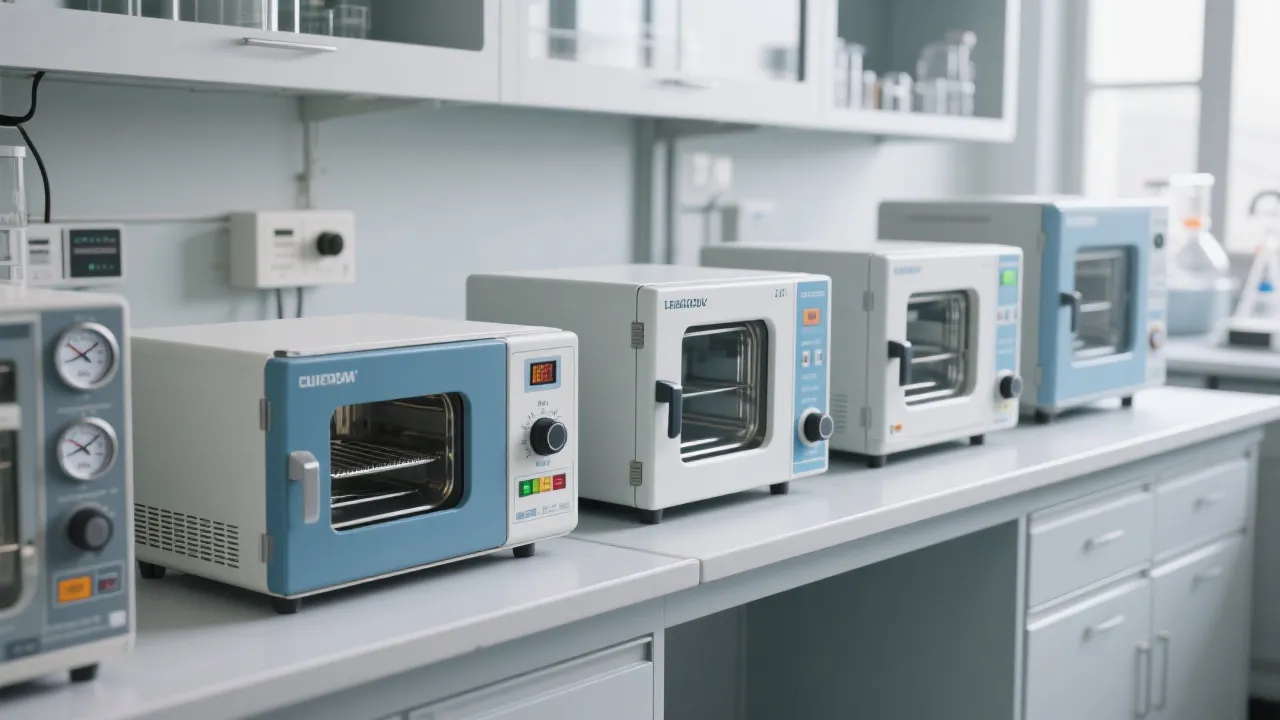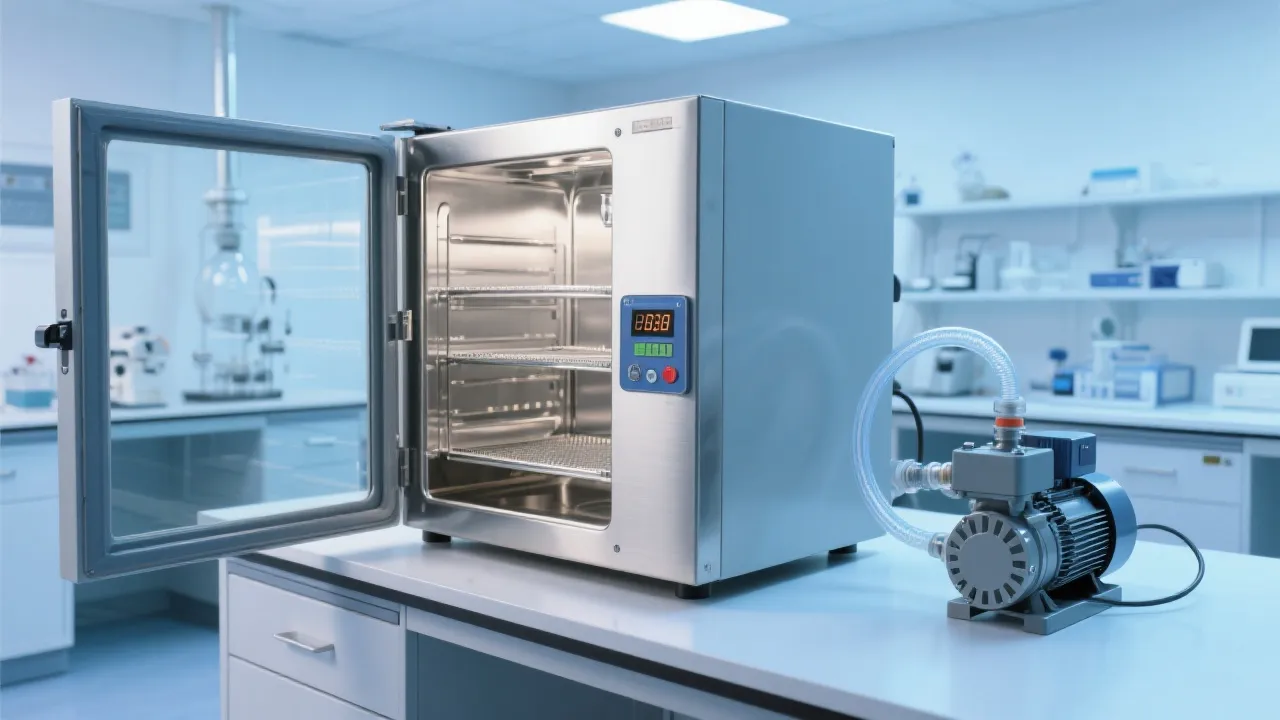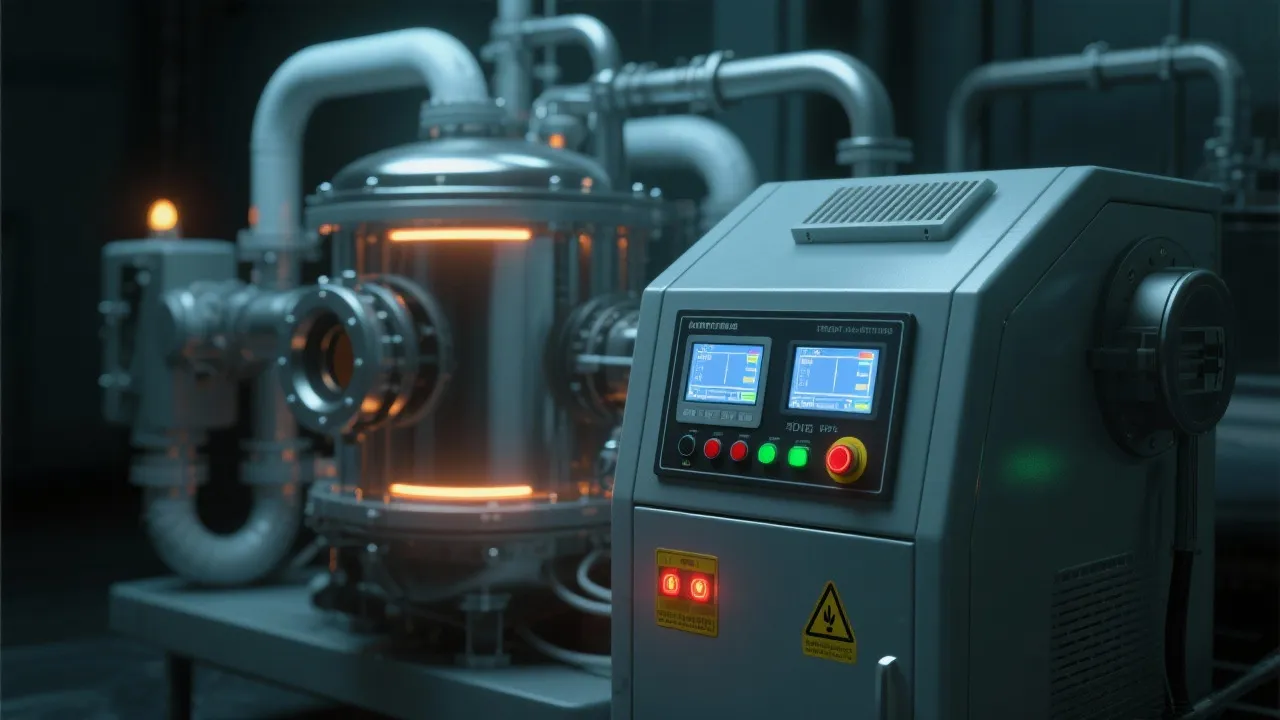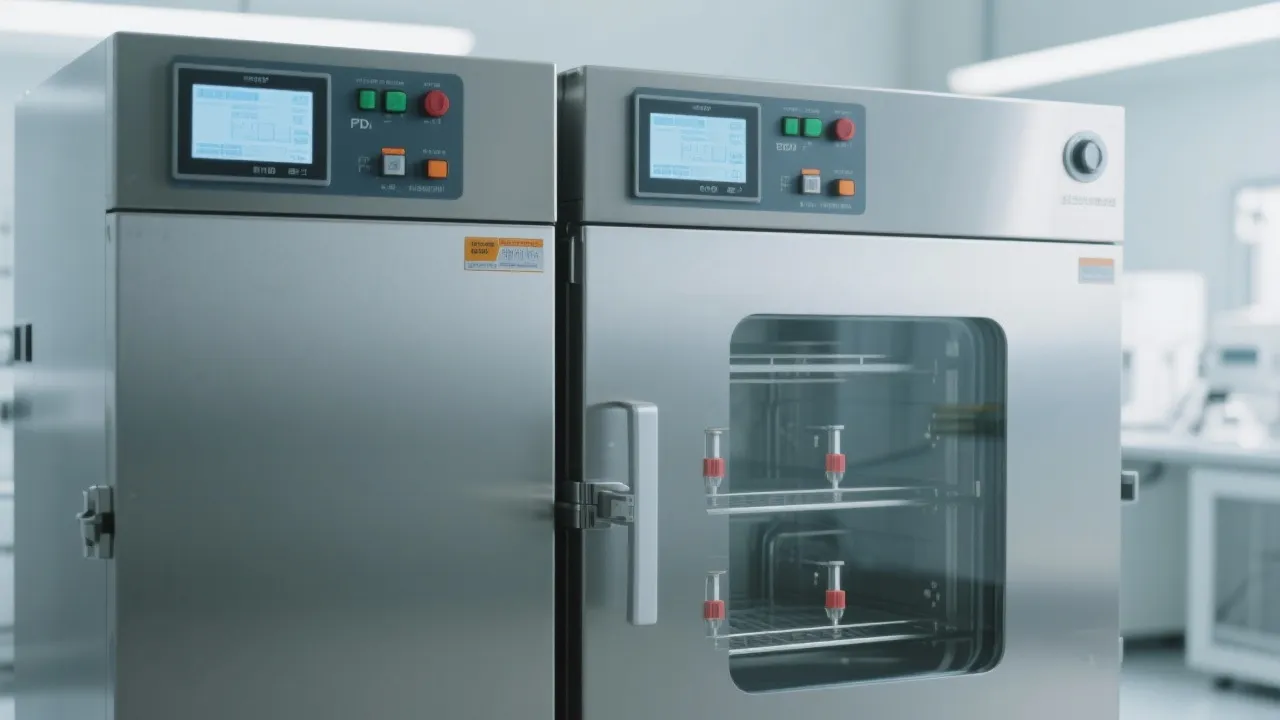
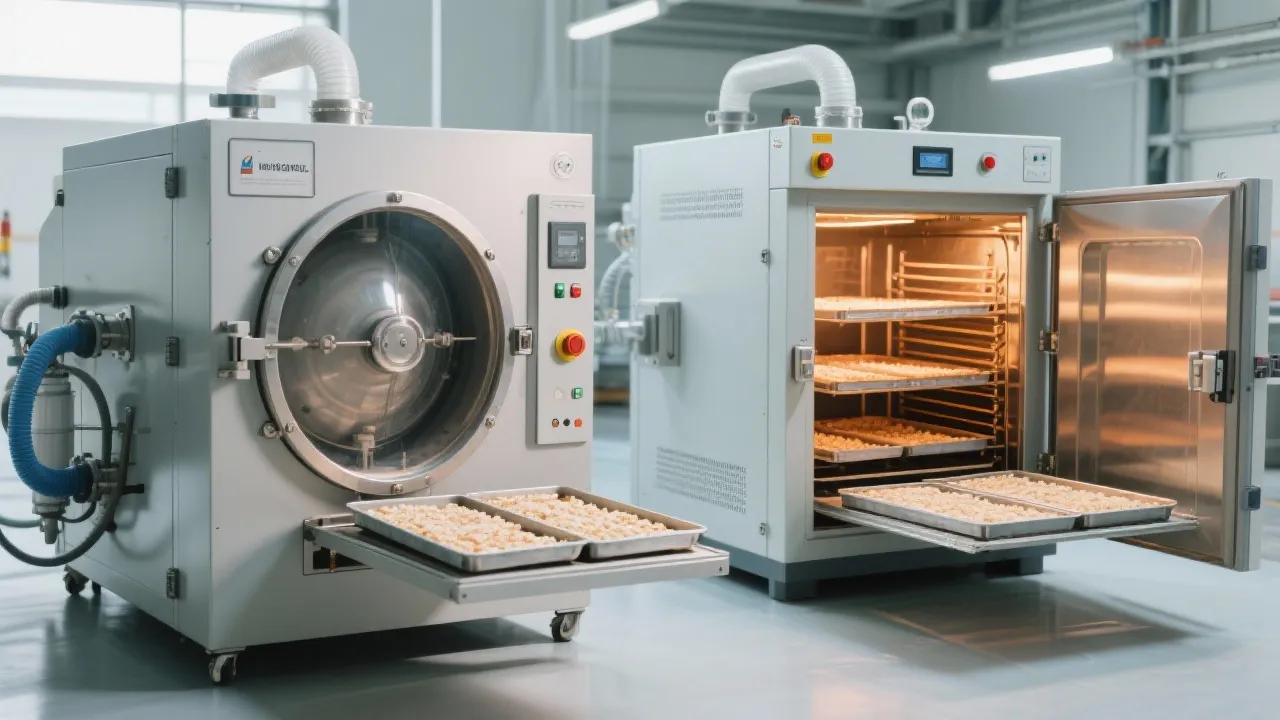
Vacuum drying technology has emerged as a game - changer in the field of material heat treatment. This article delves into the application advantages of the DZ - 3BCII Digital Vacuum Drying Oven launched by Zhengzhou Keda Machinery & Instrument Equipment Co., Ltd., specifically focusing on how vacuum drying technology enhances material performance and processing accuracy.
The principle of vacuum drying technology is based on the fact that under vacuum conditions, the boiling point of water decreases, which allows for efficient moisture removal. In material heat treatment, the basic process involves placing the material in a vacuum environment, reducing the pressure, and then heating it. This process significantly reduces oxidation because there is less oxygen present. For example, in a normal atmospheric environment, the oxidation rate of certain metals during heat treatment can be as high as 10 - 15%. However, with vacuum drying technology, this oxidation rate can be reduced to less than 1%. At the same time, the drying efficiency is greatly improved. In a standard drying process, it may take 10 - 12 hours to dry a batch of materials, but with vacuum drying, this time can be reduced to 4 - 6 hours.
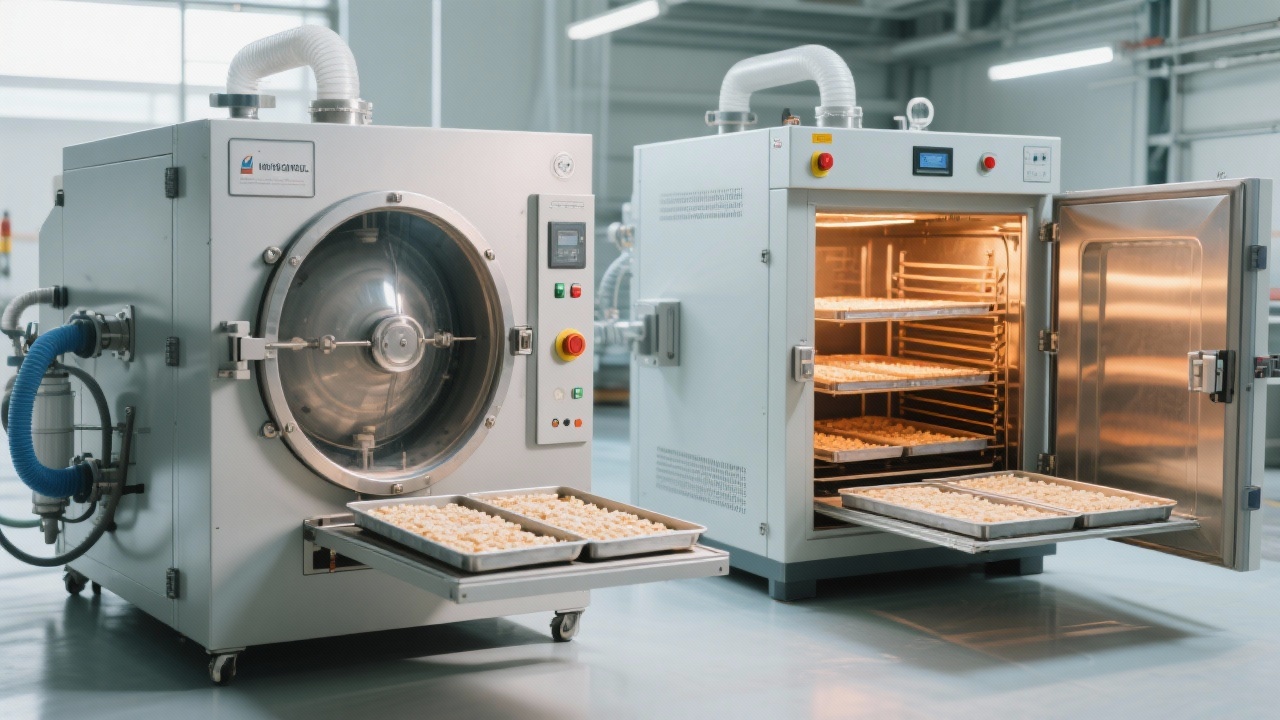
The DZ - 3BCII Digital Vacuum Drying Oven has several key advantages in terms of its product features. In terms of temperature control, it can maintain an accuracy of ±1°C within a temperature range of 50 - 250°C. This high - precision temperature control ensures that the material is heated uniformly. The vacuum degree can reach up to 10 - 2 Pa, which effectively reduces the presence of oxygen and other gases, preventing oxidation. Moreover, the heating uniformity of this oven is excellent, with a temperature difference of less than ±3°C across the entire working chamber, ensuring consistent material treatment.
One of our customers, a well - known research institution, was working on high - precision ceramic materials. Before using the DZ - 3BCII Digital Vacuum Drying Oven, they faced issues such as uneven drying and oxidation, which affected the performance and stability of the ceramics. After adopting our vacuum drying technology, the density of the ceramic materials increased by 8%, and the strength increased by 15%. The stability of the material also improved significantly, with the defect rate reduced from 12% to less than 3%.
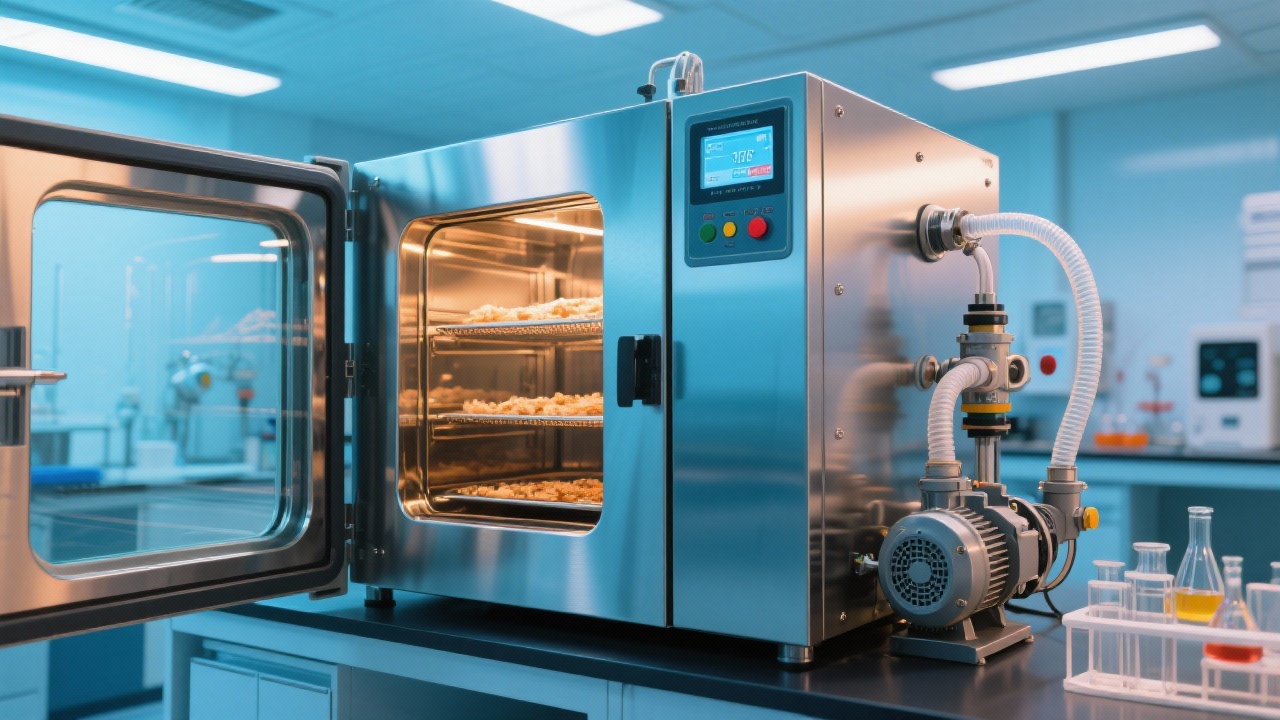
For different materials and application scenarios, the adjustment of vacuum degree and temperature parameters is crucial. For example, when dealing with heat - sensitive materials such as polymers, a lower temperature (around 80 - 120°C) and a relatively high vacuum degree (around 10 - 1 Pa) are recommended. For metal materials, a higher temperature (150 - 250°C) and a lower vacuum degree (10 - 2 Pa) can be used. These parameter adjustments can help achieve the best results in material performance improvement.
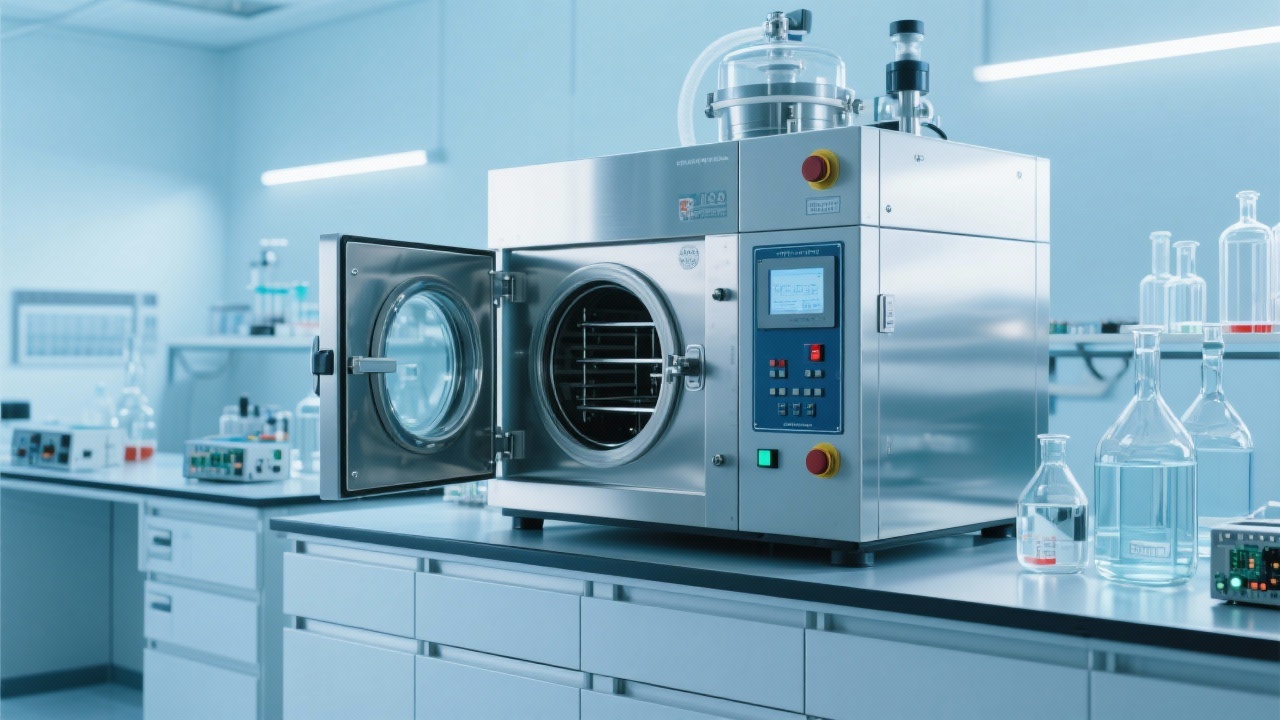
Our DZ - 3BCII Digital Vacuum Drying Oven is at the forefront of technology, and we also offer customized services to meet the specific needs of different customers. If you are interested in learning more about how our vacuum drying technology can enhance your material processing, please visit our official website for detailed product information and technical support. Take the first step towards upgrading your material processing technology now!