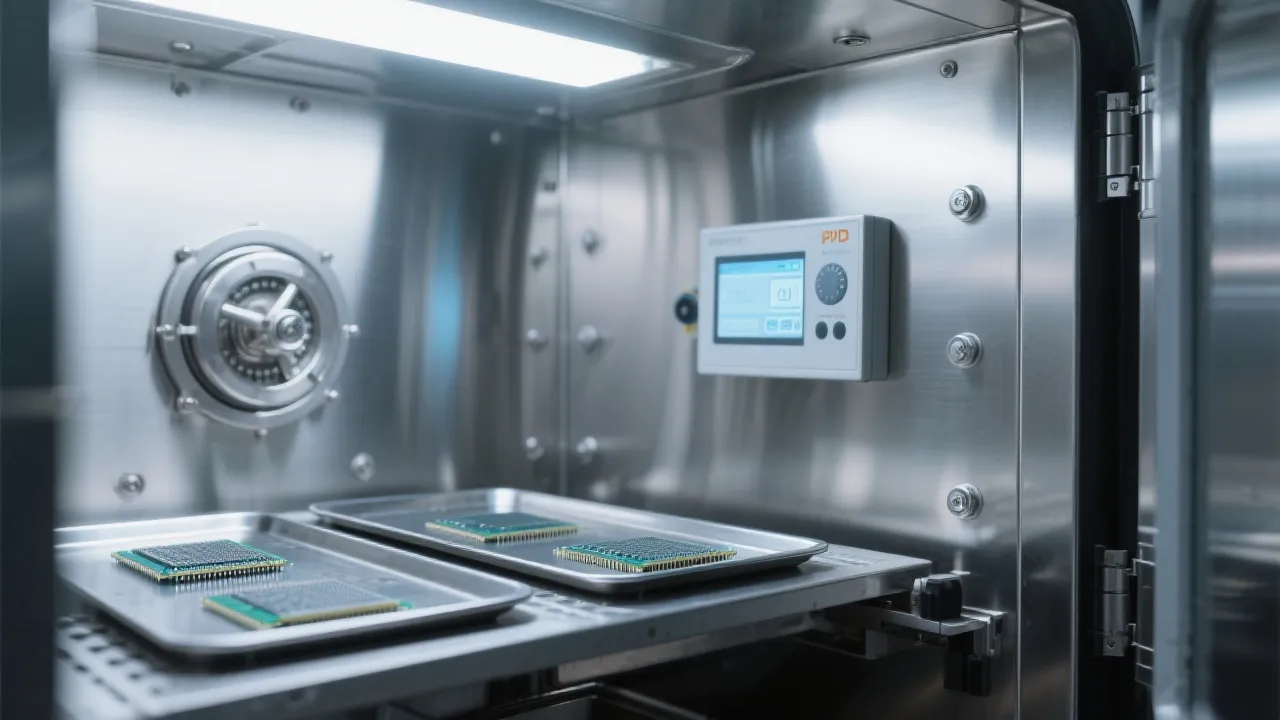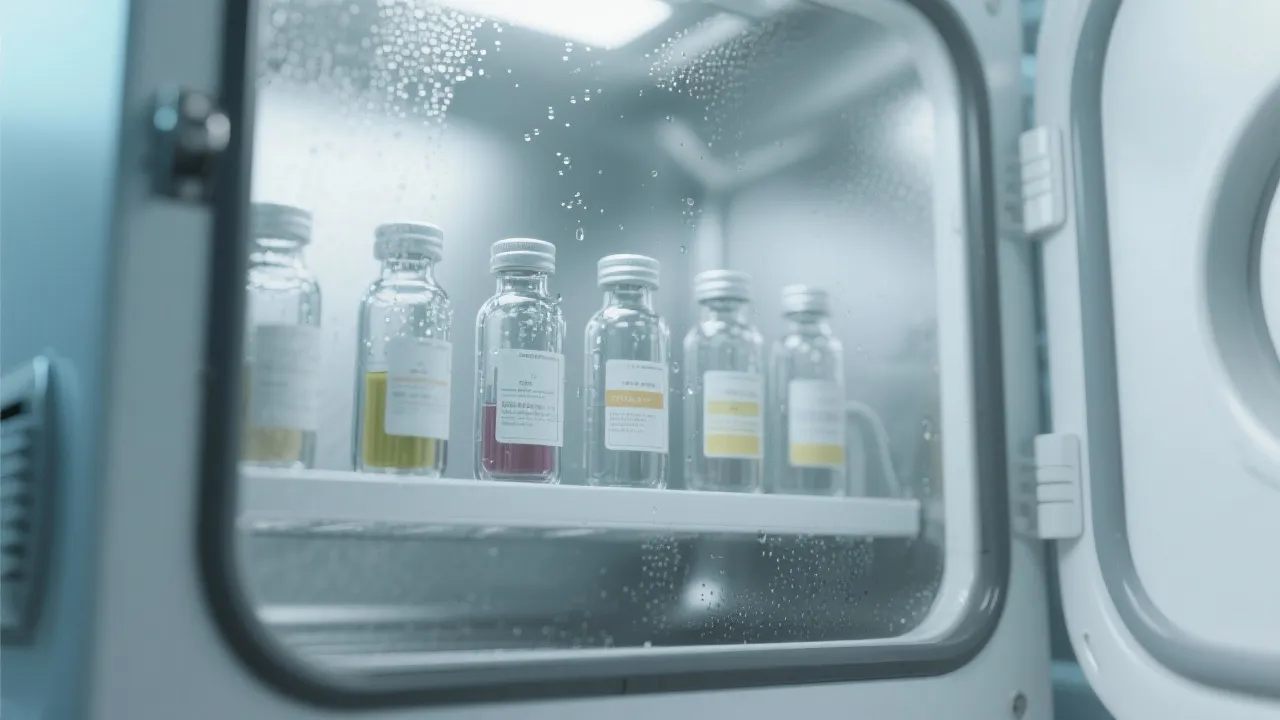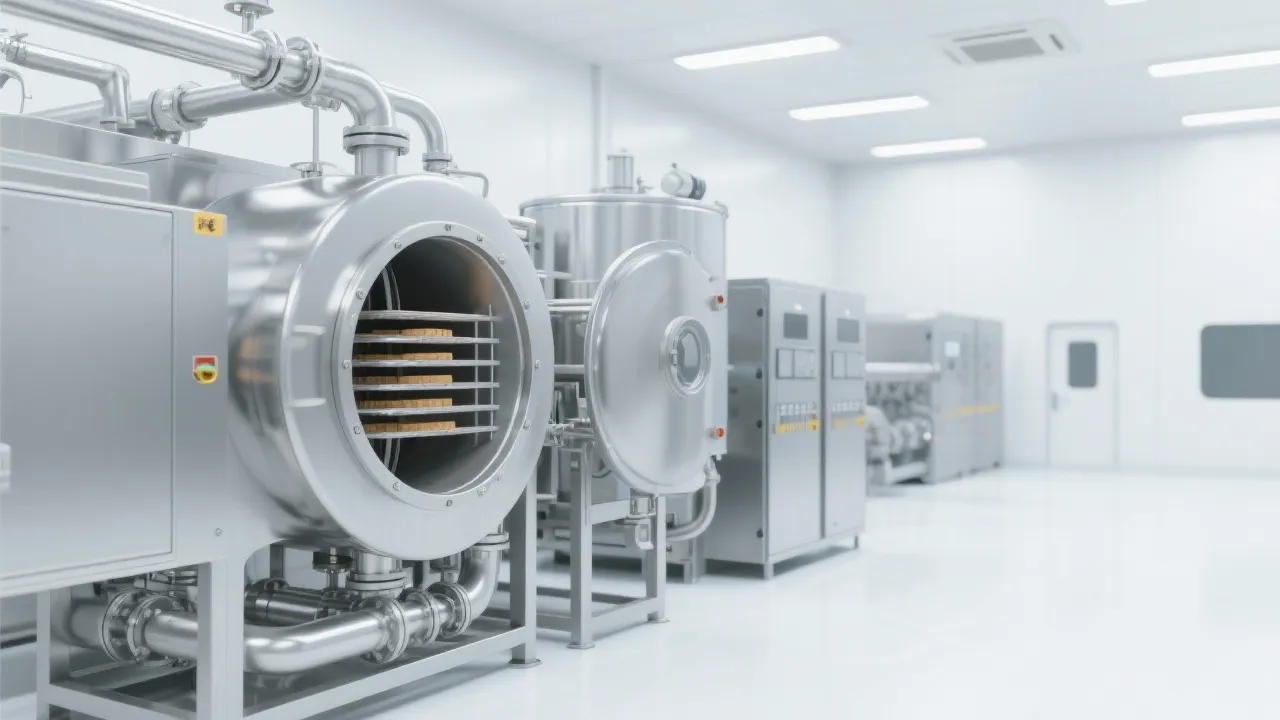
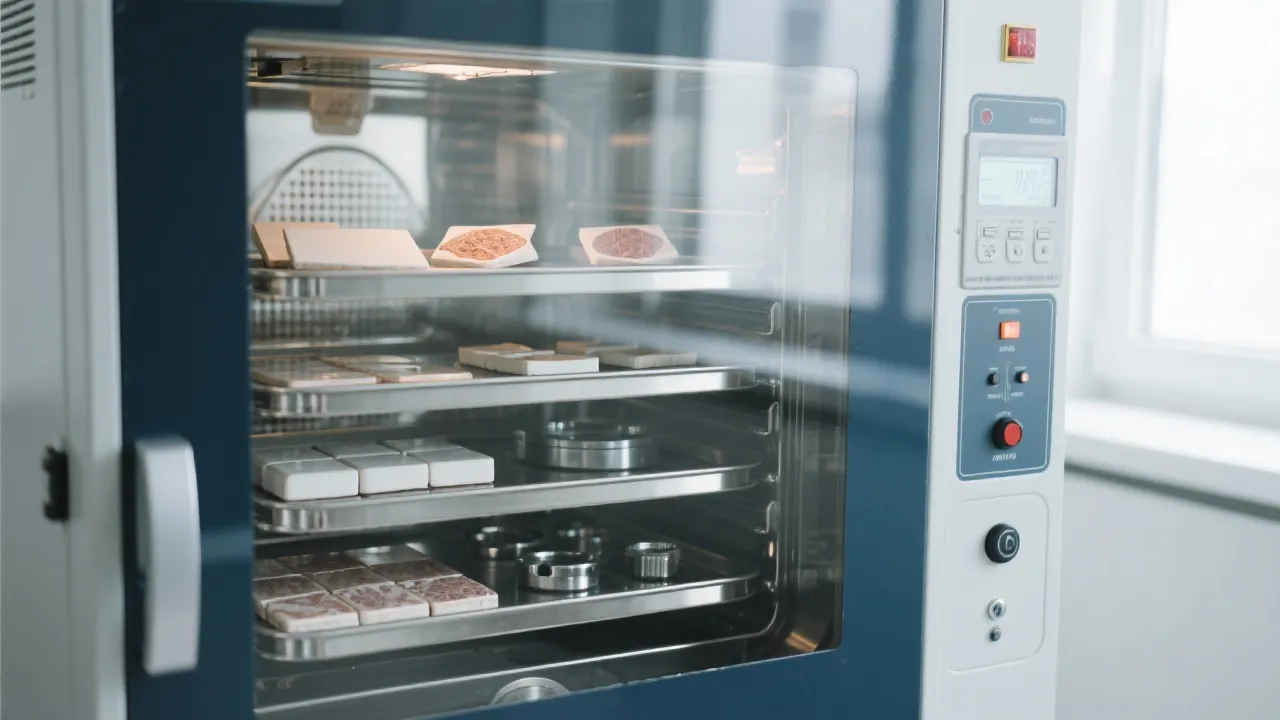
In both academic research and industrial manufacturing, drying efficiency directly impacts product quality, process consistency, and production throughput. Whether you're handling sensitive polymers, pharmaceuticals, or catalysts, selecting a reliable drying solution is more than just a technical decision—it’s a strategic one.
According to industry data from the International Journal of Thermal Sciences (2023), inconsistent temperature control during drying can lead to up to 18% yield loss in polymer processing and 12% degradation in active pharmaceutical ingredients (APIs). That’s why labs and factories increasingly demand digital vacuum dry ovens with precise thermal regulation—not just for compliance, but for performance.
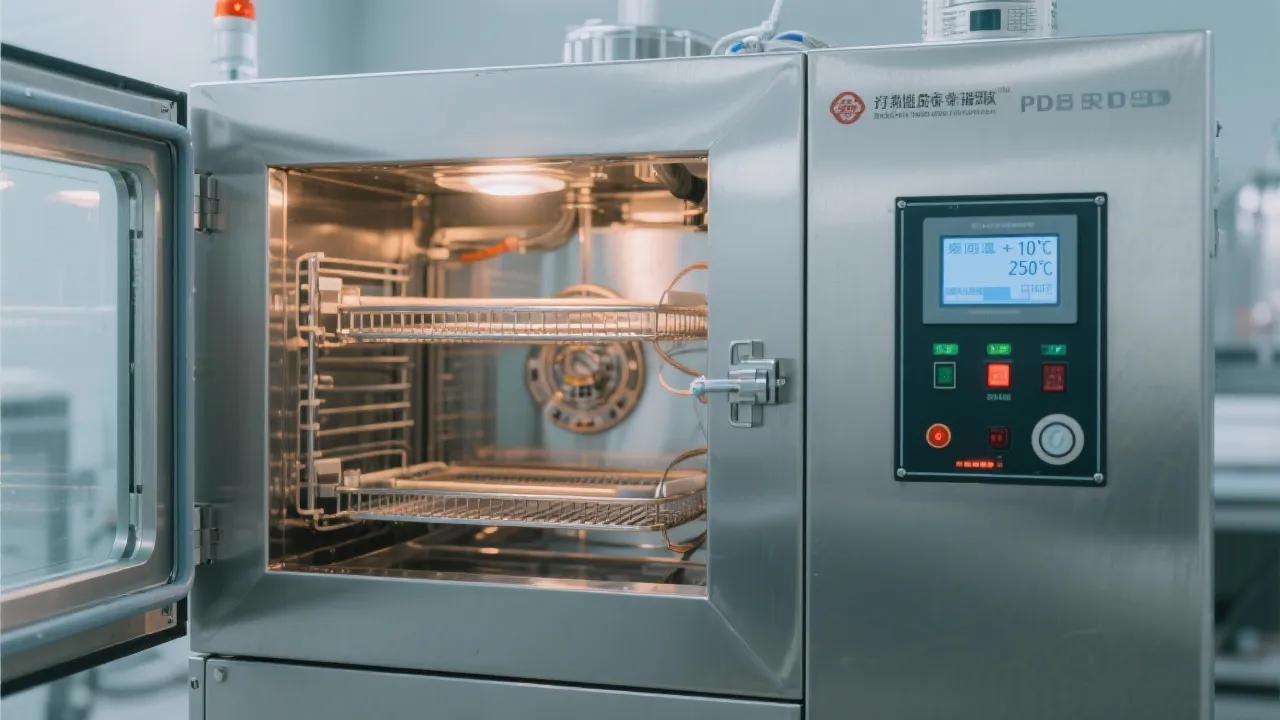
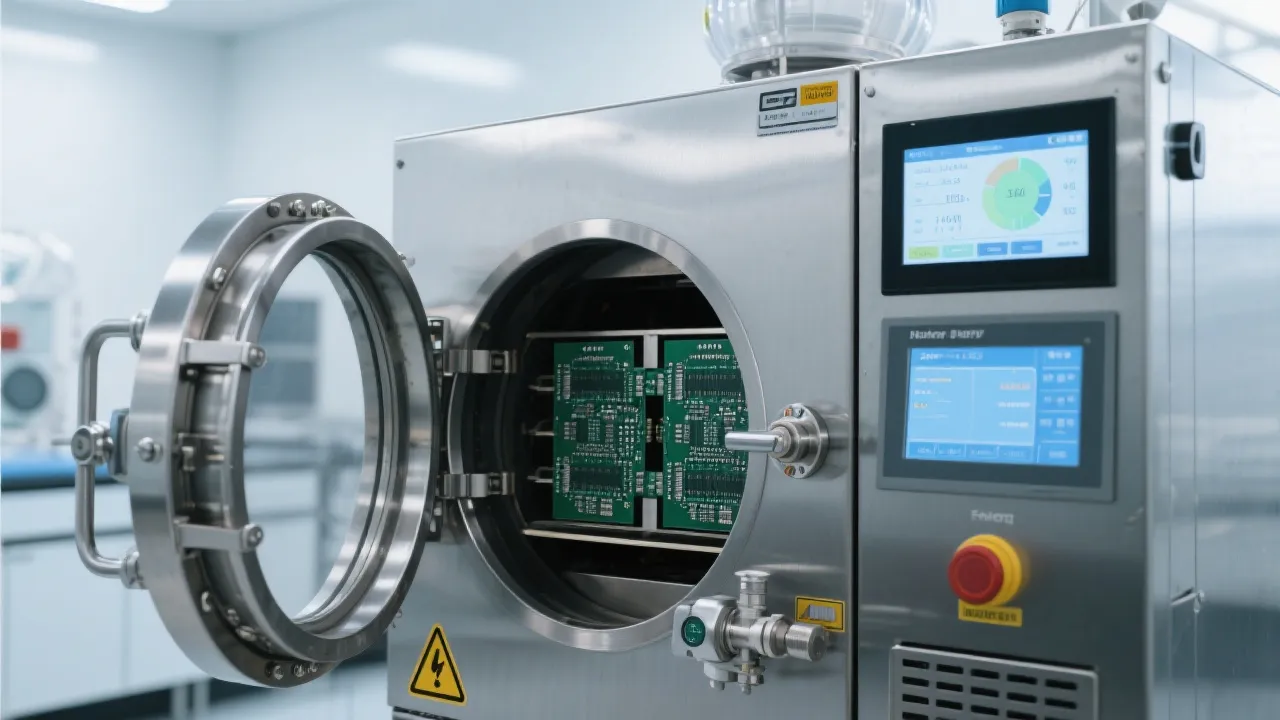
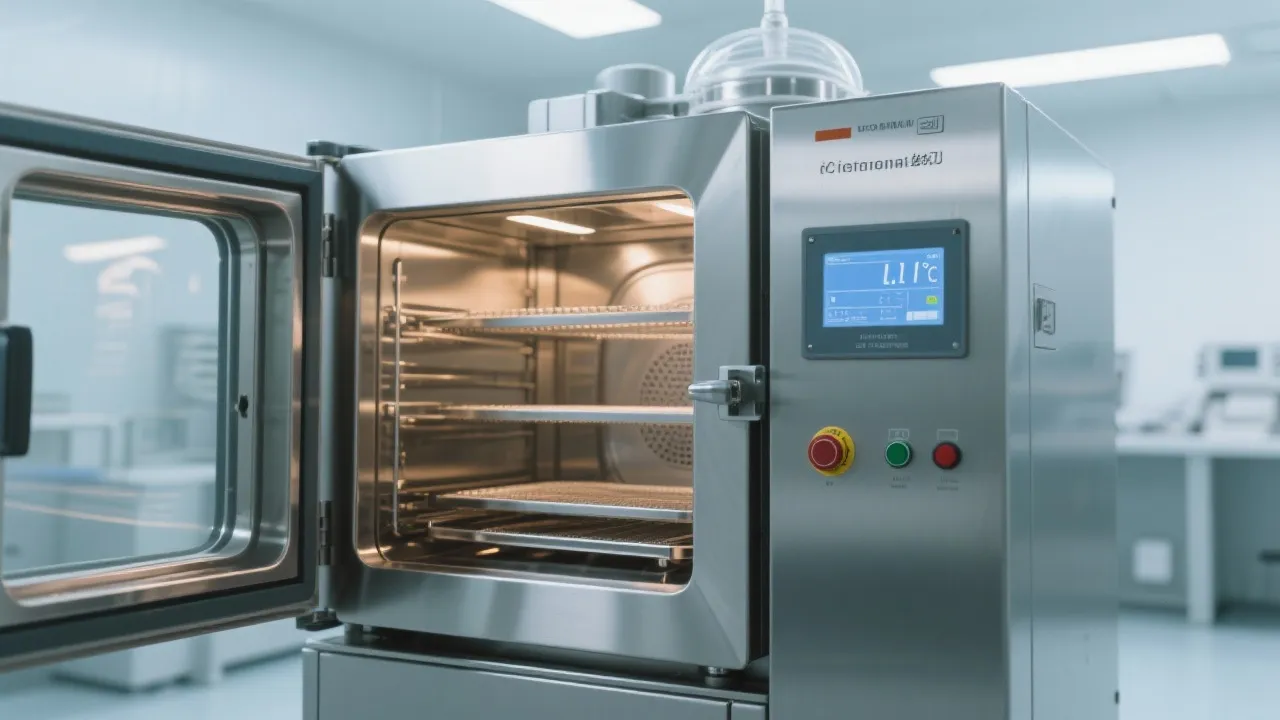
The DZ-4BCII Digital Vacuum Drying Oven meets these demands head-on, offering:
Take the case of a biotech startup in Germany using the DZ-4BCII to dry enzyme-based formulations. Previously, they experienced inconsistent drying times due to poor airflow distribution—leading to batch rejections. After switching to this model, their drying cycle time dropped by 27%, and variability in final moisture content decreased from ±5% to ±1.2%.
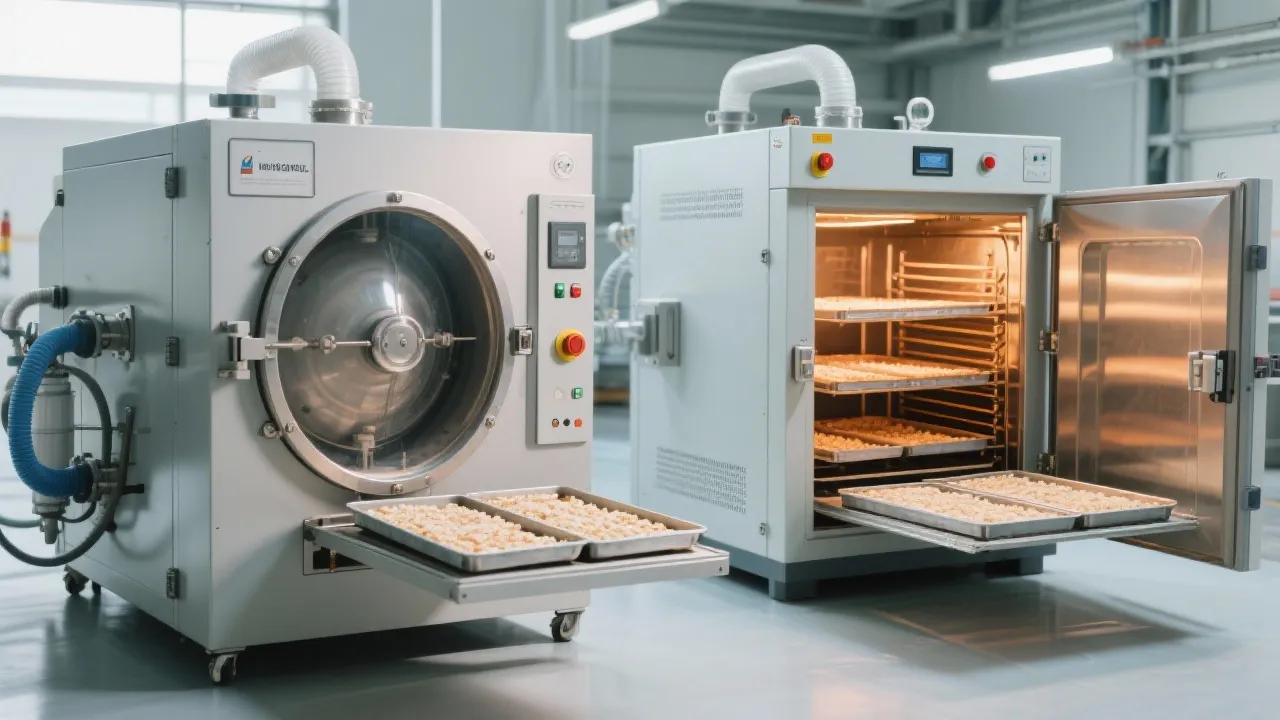
Similarly, an Indian food tech company now uses it for low-temperature dehydration of fruit powders. The ability to maintain temperatures as low as 10°C ensures flavor retention while achieving full moisture removal—a key differentiator in premium snack markets.
These aren’t isolated cases—they reflect how modern drying technology bridges lab innovation with real-world scalability.
Ready to optimize your drying workflow?
Explore how the DZ-4BCII delivers precision, reliability, and value across industries—from lab bench to factory floor.
Get Your Free Technical Brochure NowFor researchers who need accuracy and manufacturers seeking reproducibility, the DZ-4BCII isn’t just another oven—it’s a scalable drying partner that grows with your needs. And unlike many generic models, it doesn’t sacrifice performance for price.
If you’re evaluating options for your next purchase, ask yourself: Does your current equipment support consistent results under varying load conditions? Can it handle both small-scale experiments and full production batches? If not, it might be time to upgrade.