How to Evaluate Vacuum System Performance in Drying Equipment for Varying Vacuum Requirements
30 01,2026
Zhengzhou Keda Mechanical Instrument Equipment Co., Ltd.
Technical knowledge
This article provides a scientific approach to selecting vacuum drying equipment, especially for applications with widely varying vacuum degree requirements. It explores key factors such as material properties, processing capacity, temperature control precision, and vacuum system performance—using the Zhengzhou Keda DZ-4BCII industrial digital vacuum dryer as a case study. By comparing leading brands, analyzing real-world lab and industrial use cases, and referencing industry standards, this guide helps users make informed decisions that optimize efficiency, safety, and cost-effectiveness. Ideal for researchers, engineers, and procurement professionals seeking reliable, high-performance vacuum drying solutions.
Understanding Vacuum System Capabilities in Industrial Dryers: A Practical Guide
When selecting a vacuum drying system, many buyers—especially those in pharmaceuticals, food processing, and advanced materials—face one critical challenge: how to match the vacuum degree requirement with actual equipment performance? The answer isn’t just about numbers—it’s about understanding your process, material behavior, and technical specifications.
Key Factors That Influence Vacuum Performance
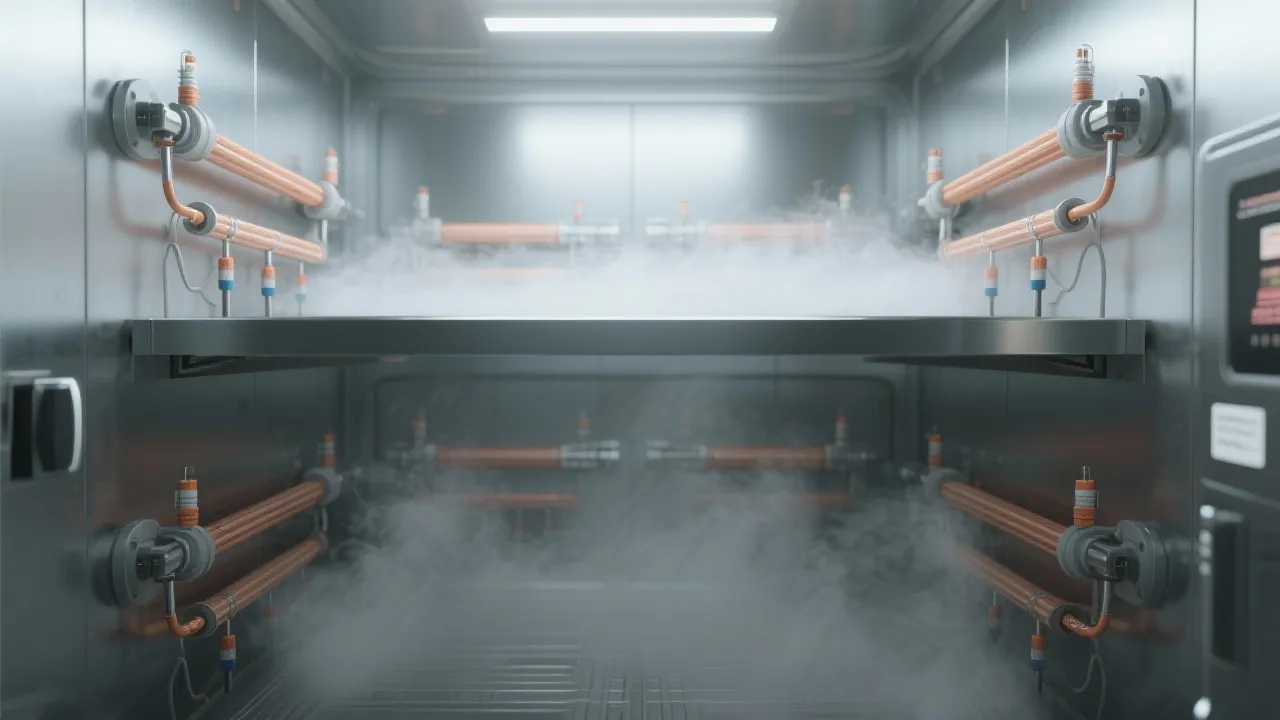
According to industry standards like ISO 17025 and ASTM D4444, proper vacuum system evaluation must consider four core parameters:
- Required vacuum level: Ranges from 10 mbar (low) for moisture-sensitive powders to 0.01 mbar (high) for high-purity applications.
- Heating rate: Fast heating (>3°C/min) reduces cycle time but risks thermal degradation if not controlled precisely.
- Temperature uniformity: Within ±1°C across the chamber is essential for consistent product quality.
- Leak rate: Systems should maintain vacuum for at least 2 hours without significant pressure rise—typically less than 0.5 mbar/hour.
Why DZ-4BCII Stands Out in Real-World Applications
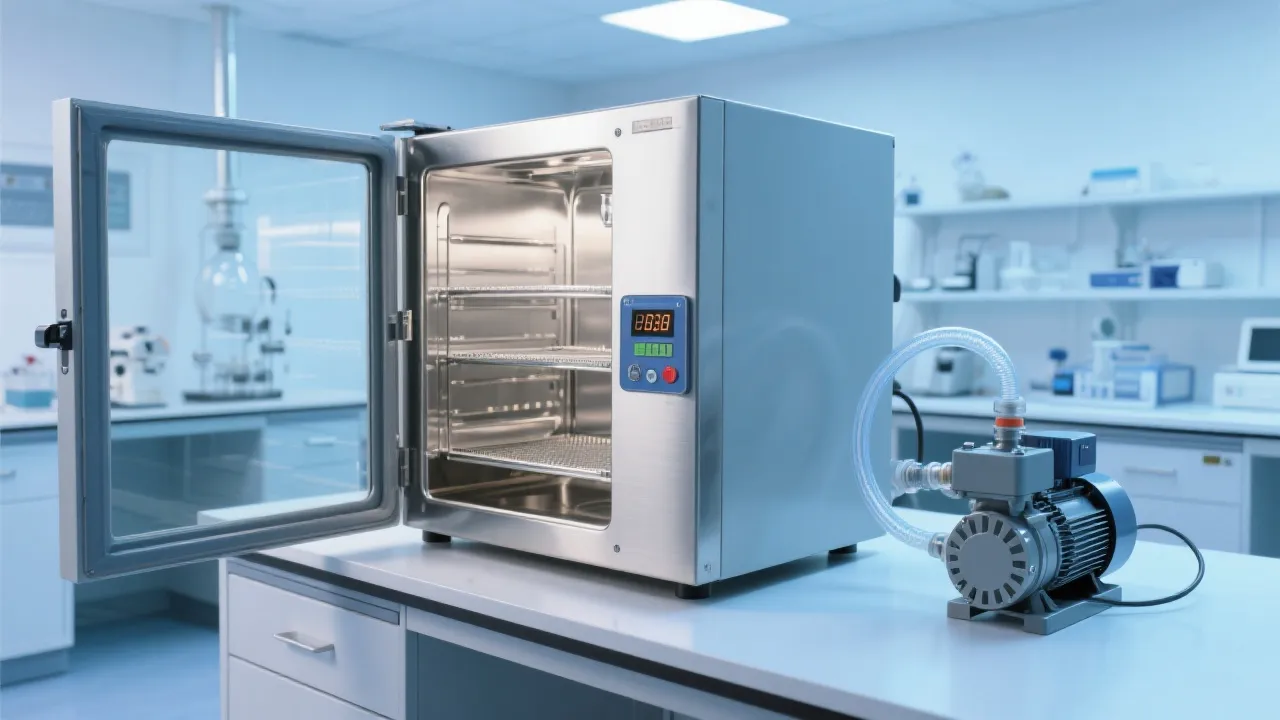
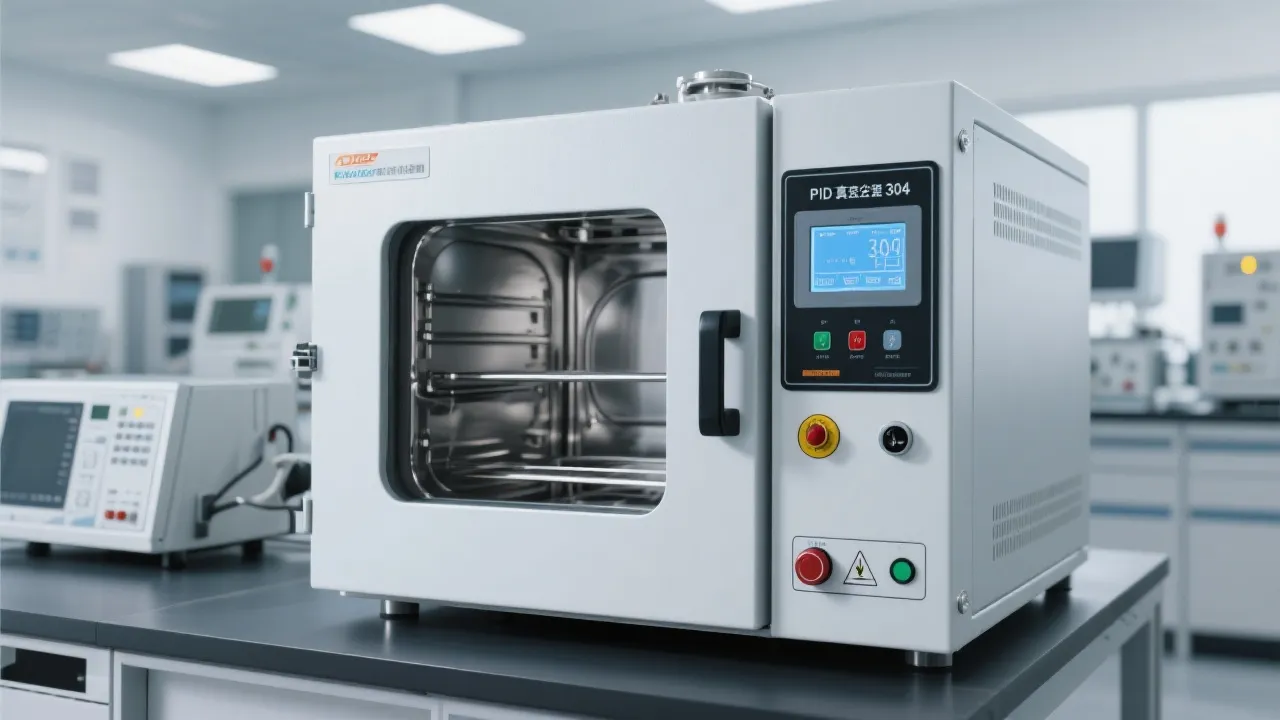
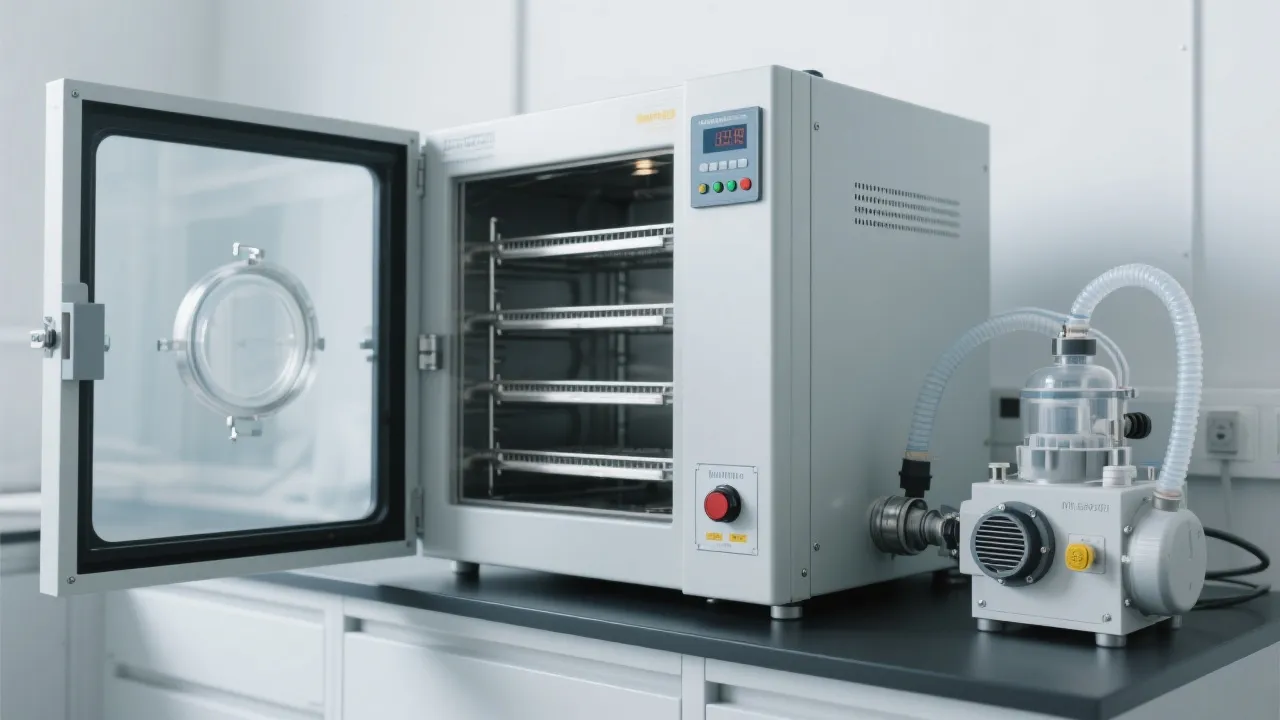
The Zhengzhou Keda DZ-4BCII Industrial Digital Vacuum Drying Oven has been used by over 300 international clients—from EU-based pharma labs to Middle East food manufacturers—because it delivers consistent results under varying conditions. For example:
“In our lab, we tested two systems side-by-side—one domestic brand, one DZ-4BCII. After 10 cycles at 0.05 mbar, the DZ-4BCII maintained temperature stability within ±0.8°C while the other drifted up to ±3°C.” — Dr. Lena Müller, Quality Control Lead, Germany
Unlike generic models that assume "one size fits all," the DZ-4BCII uses an intelligent vacuum pump control module that adjusts suction speed based on real-time chamber pressure feedback—a feature rarely found in budget-tier equipment.
Avoiding Common Mistakes in Vacuum Dryer Selection
Many companies overlook these pitfalls:
- Choosing a dryer based solely on advertised vacuum rating without testing actual performance under load.
- Ignoring material-specific requirements—for instance, some polymers degrade above 60°C even under low vacuum.
- Skipping safety checks like automatic shutdown during overheating or vacuum loss.
With more than 13 years of export experience, Zhengzhou Keda ensures compliance with CE, RoHS, and IEC standards—critical for global market entry.
Remember: the right vacuum system doesn’t just dry—it protects value, ensures repeatability, and builds long-term trust with your customers.