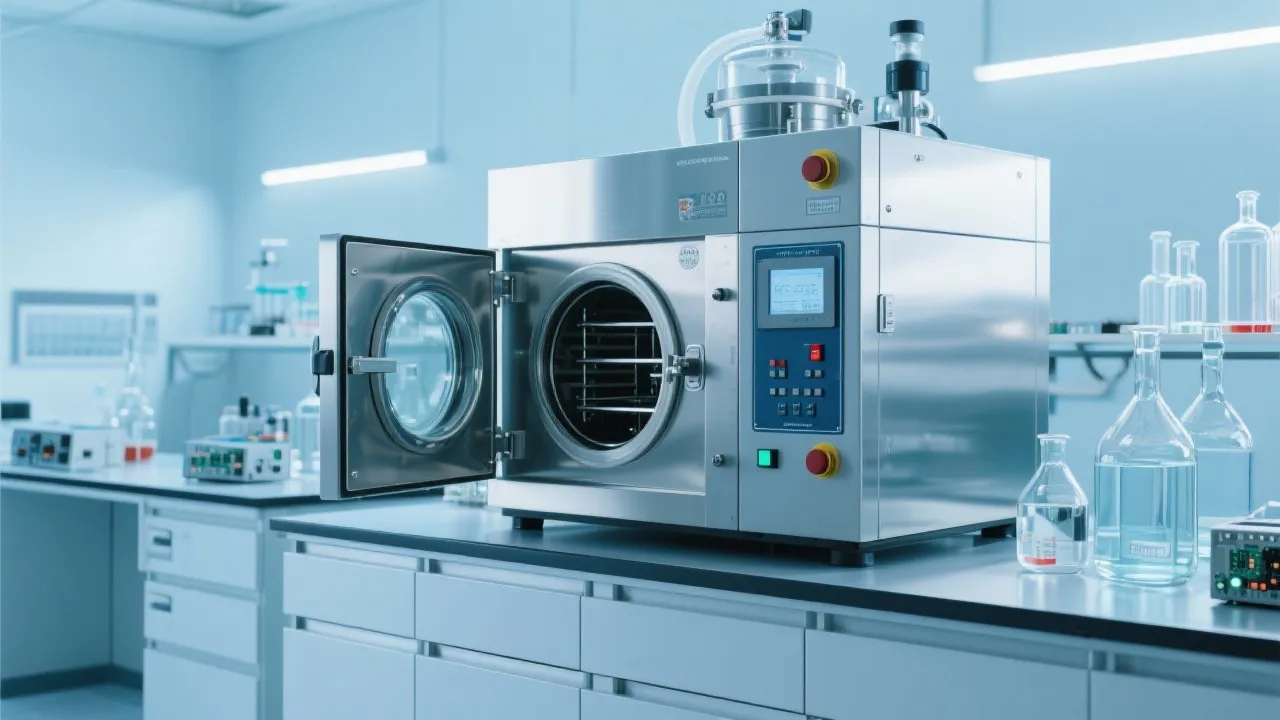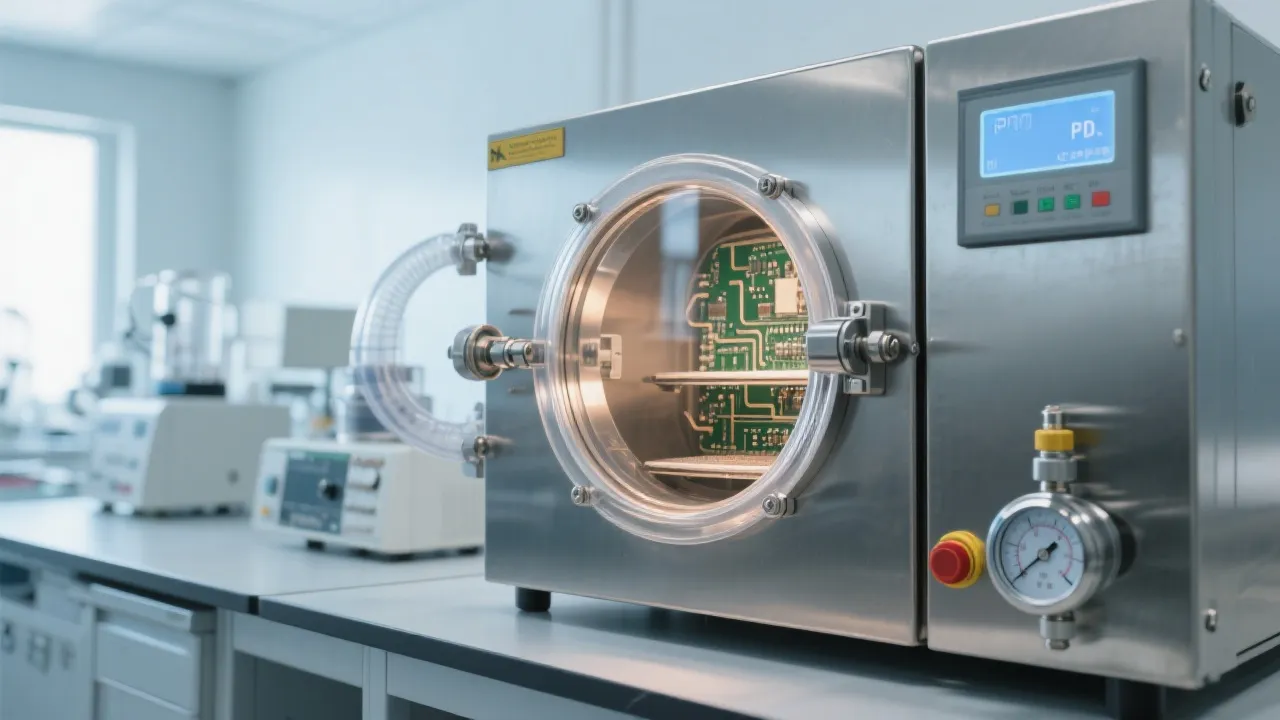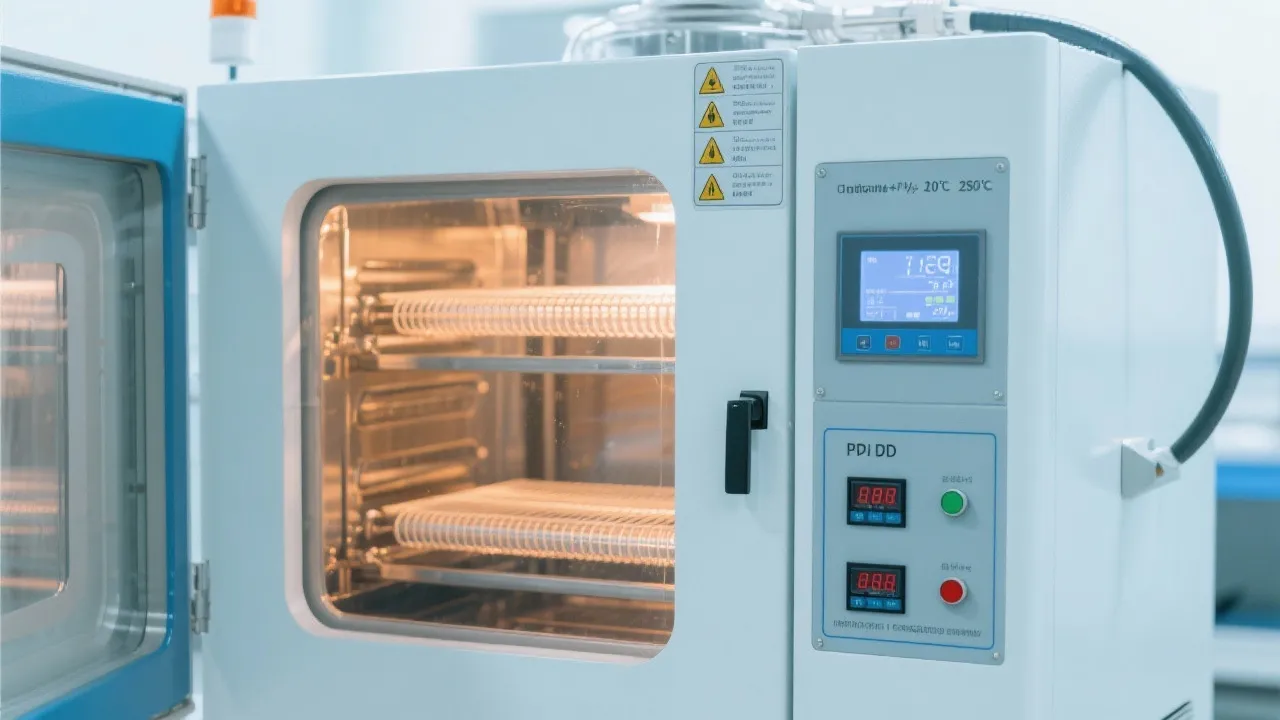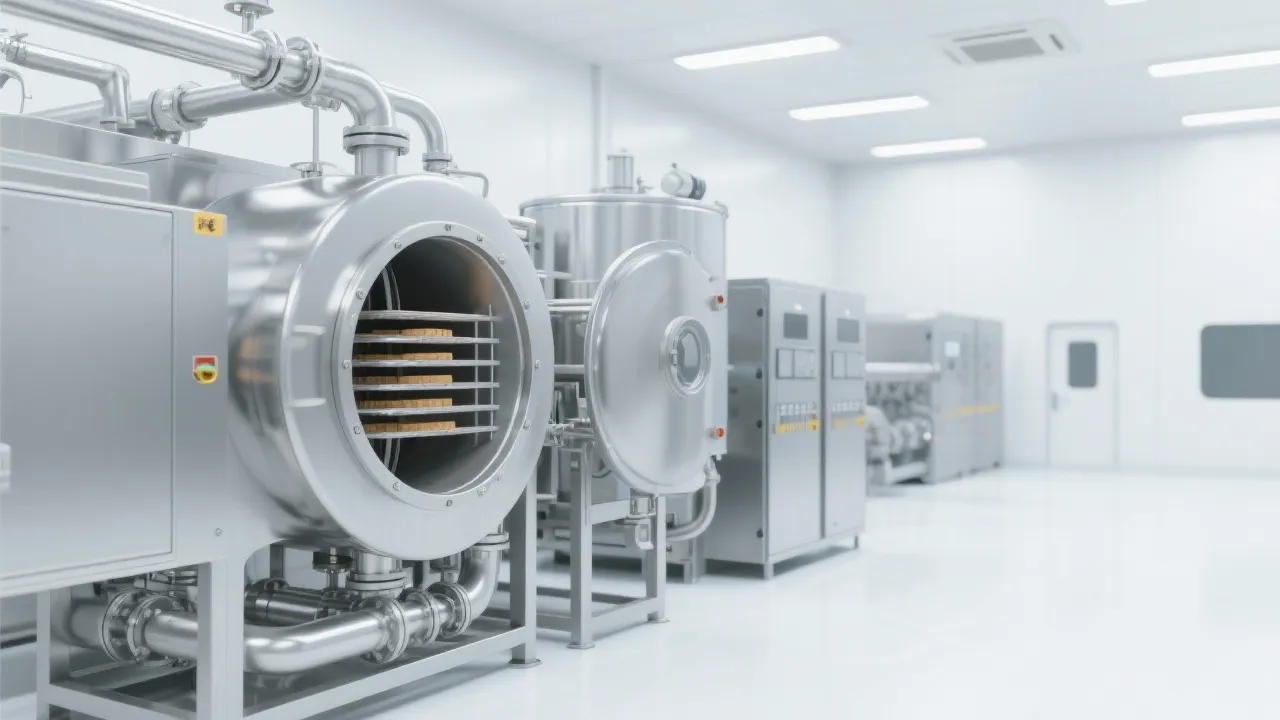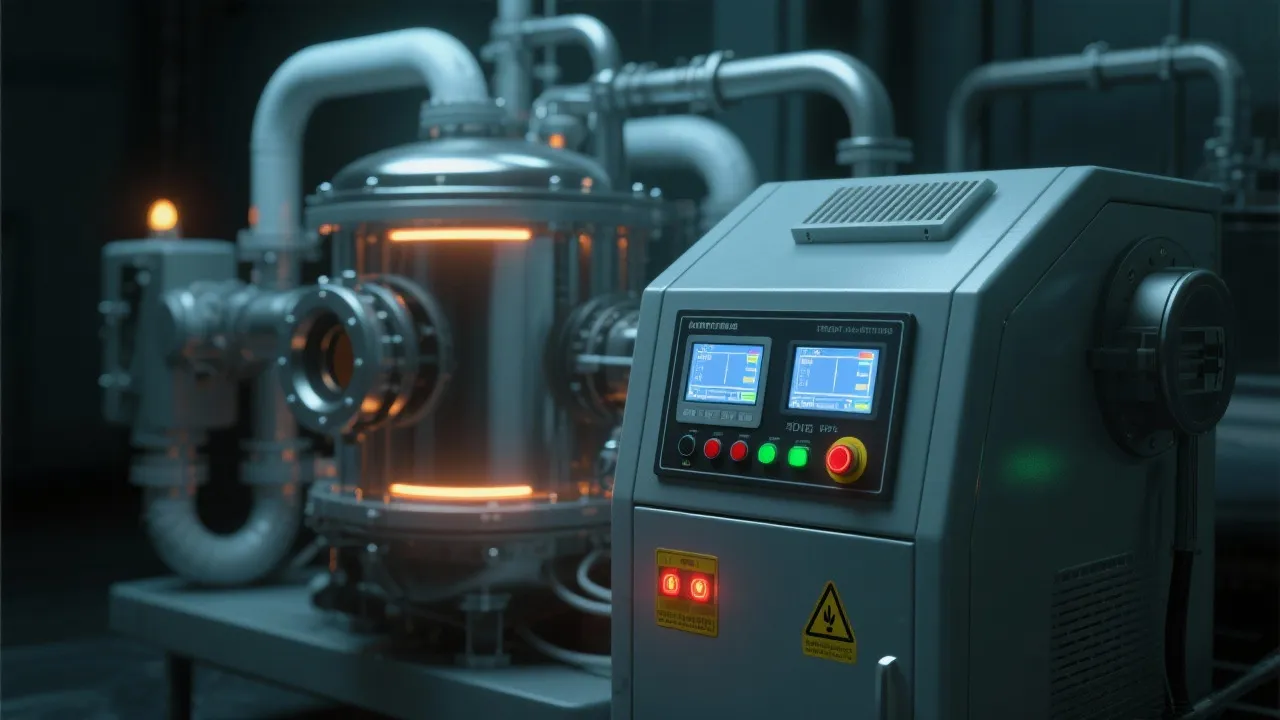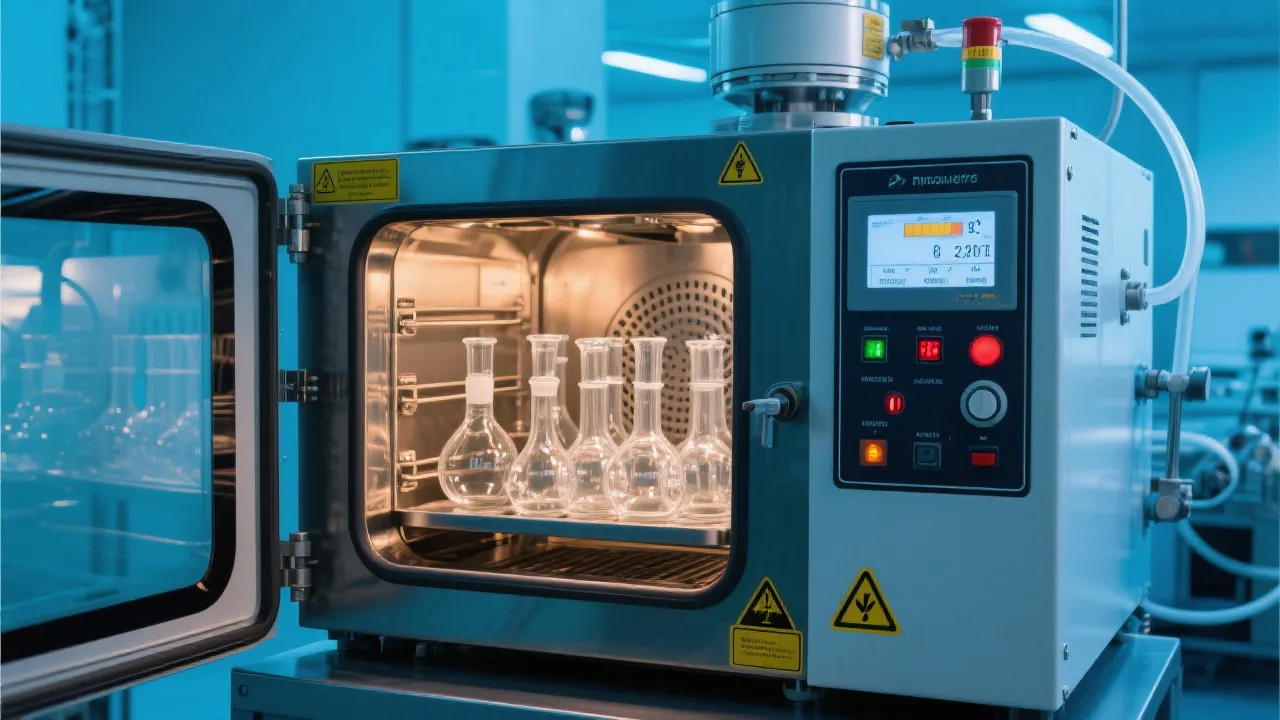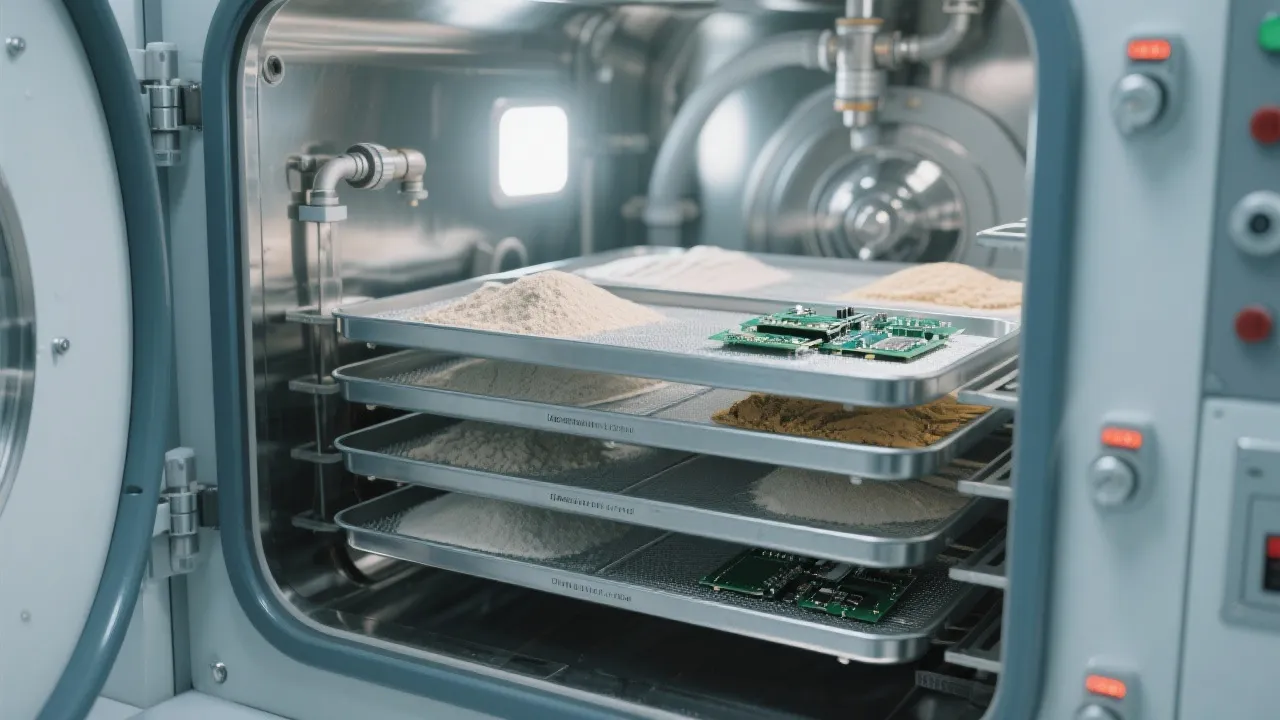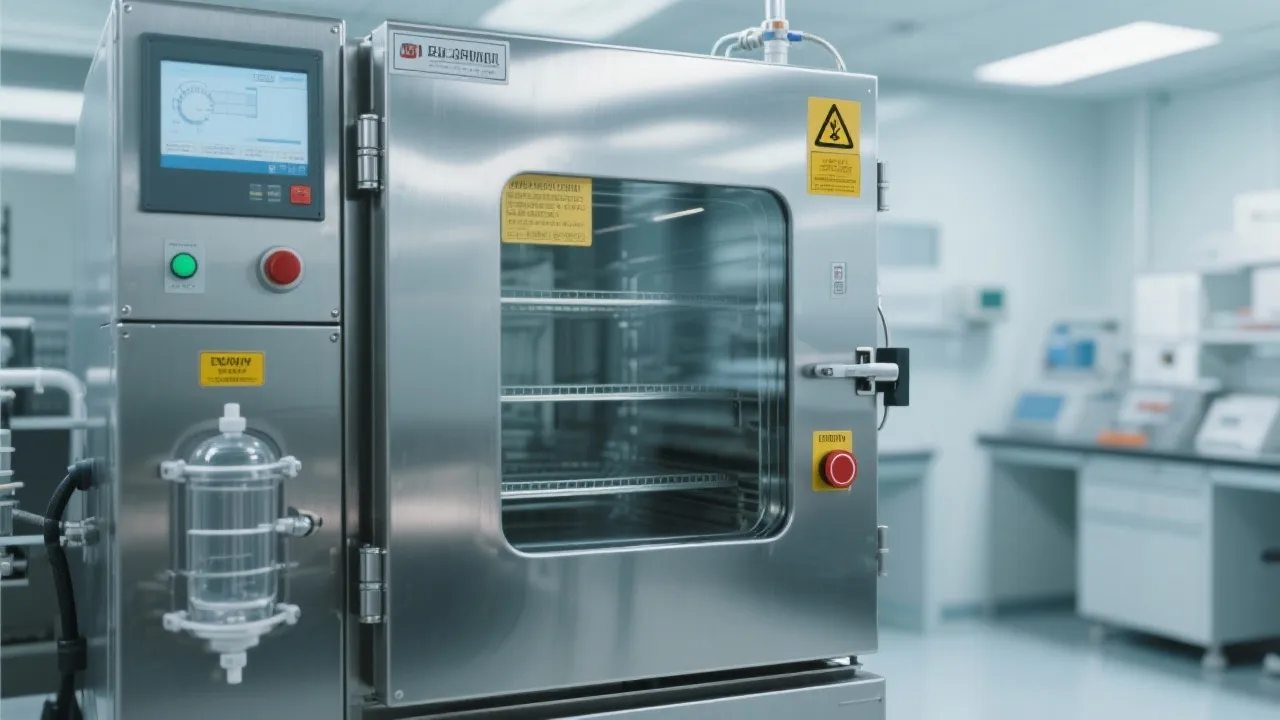
In the realm of laboratory operations, the efficiency and safety of vacuum drying processes are of paramount importance. The integration of smart touch panels into vacuum drying ovens, such as the DZ - 4BCII industrial digital vacuum drying oven, has emerged as a game - changer, offering a multitude of benefits that revolutionize the way you conduct your experiments.
You may wonder, what's the core value of smart touch panels for laboratory vacuum drying efficiency and safety? Well, these panels are designed to streamline operations, reduce human errors, and enhance the overall security of your drying processes. By leveraging advanced technologies, they provide intuitive interfaces that make it easier for you to control and monitor the drying oven.
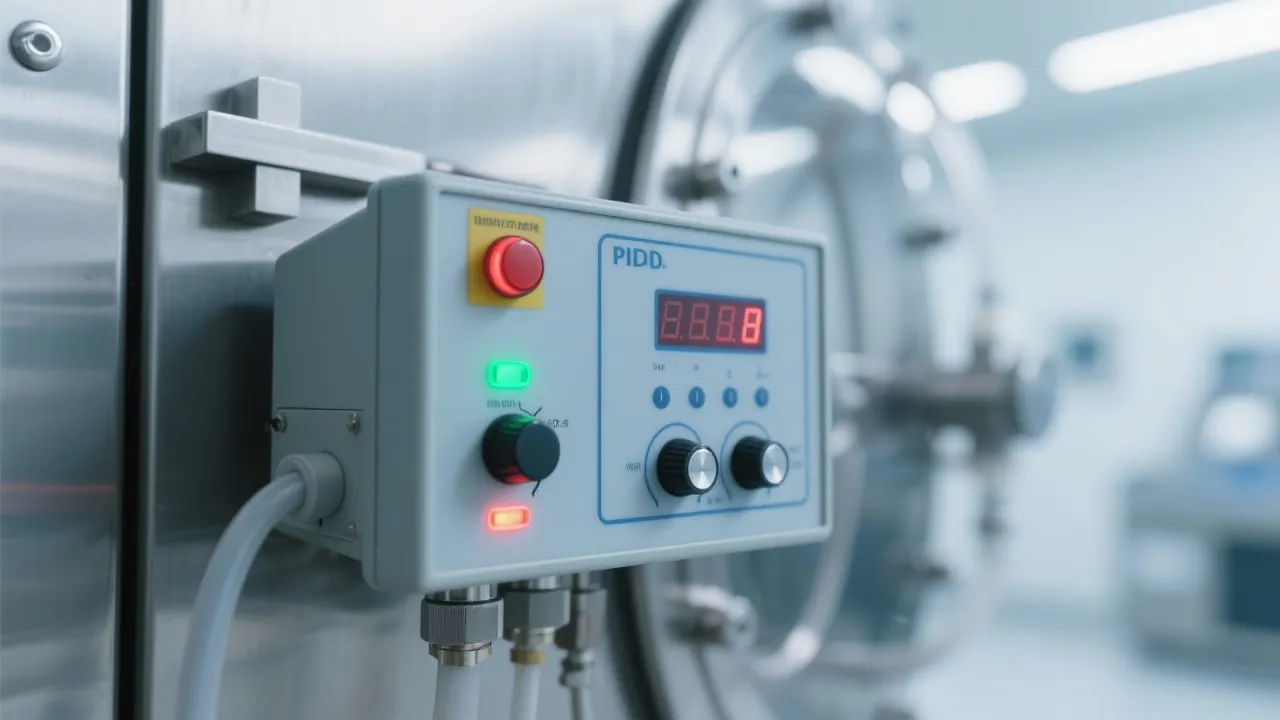
Let's delve into the key functions of the smart touch panel. First, the dual - temperature PID control is a remarkable feature. It allows for precise temperature regulation, ensuring that the drying environment remains stable. With an accuracy of up to ±0.1°C, this control system can significantly reduce temperature fluctuations, which is crucial for samples that are sensitive to temperature changes, such as biological tissues. For instance, when drying biological tissues, maintaining a stable temperature between 30 - 40°C can prevent damage to the samples and ensure the integrity of your research results.
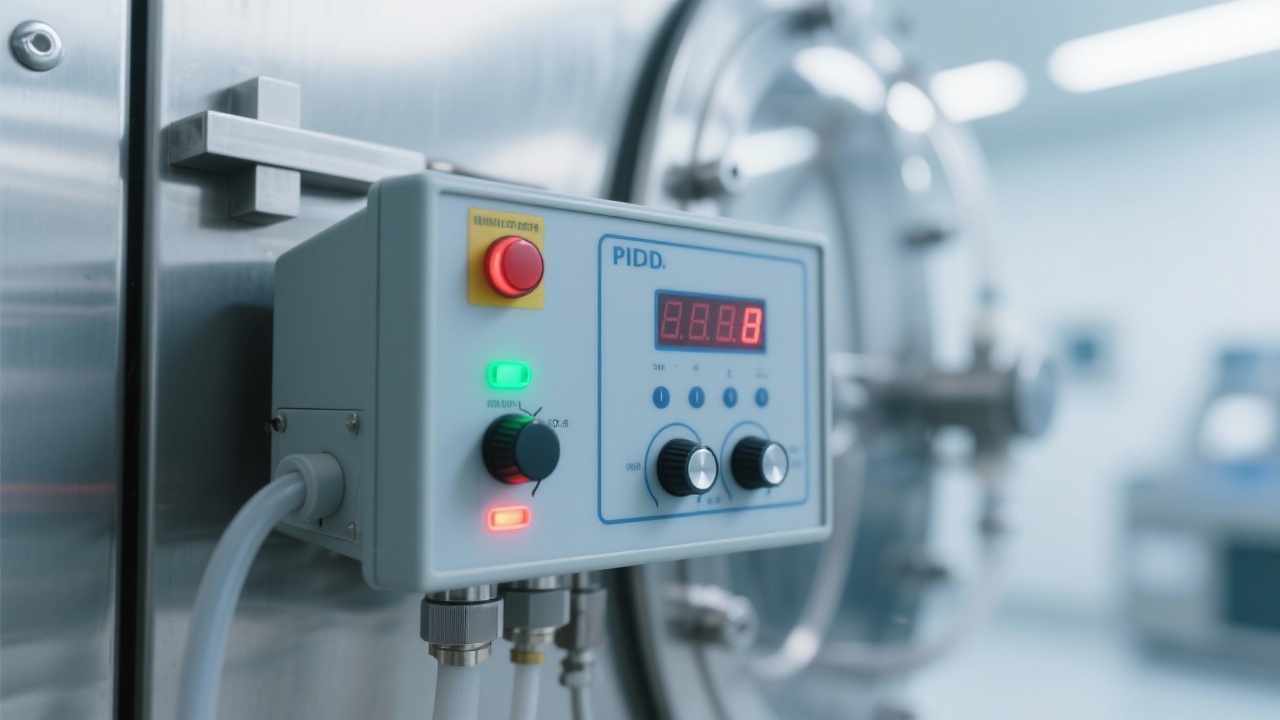
The over - temperature alarm function is another essential safety measure. If the temperature inside the drying oven exceeds the preset limit, the panel will trigger an alarm, alerting you immediately. This helps to prevent potential disasters, such as fires or sample damage. In fact, statistics show that over - temperature incidents account for approximately 20% of laboratory accidents related to drying equipment. With this alarm function, you can avoid such risks and ensure the safety of your laboratory.
The power - off memory function is also a significant advantage. Have you ever experienced an experiment interruption due to a power outage? With the power - off memory function, the oven remembers all the settings and restores them once the power is back. This ensures the continuity of your experiment and saves you a lot of time and effort.
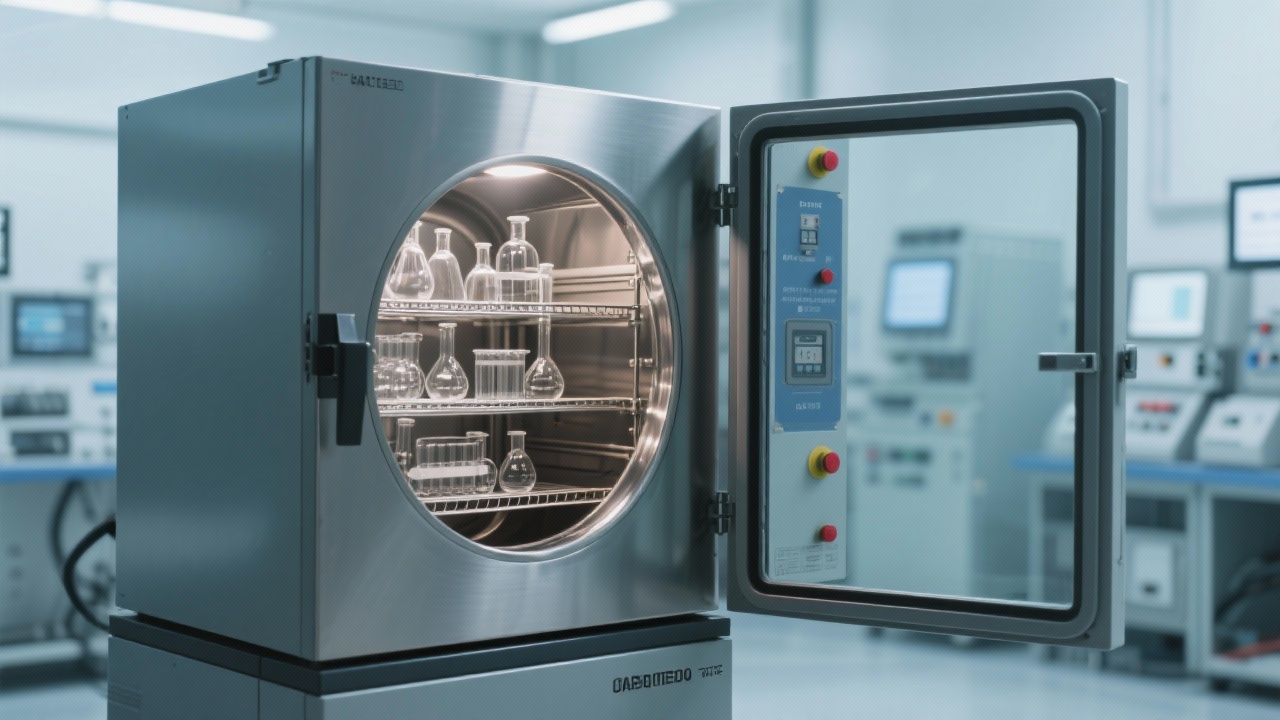
When it comes to different types of samples, such as biological tissues, organic solvents, and powders, the parameter setting logic varies. For biological tissues, you need to set a relatively low temperature and a longer drying time to avoid denaturation. Organic solvents, on the other hand, require a specific vacuum level, usually below 133Pa, to ensure efficient evaporation. Powders need a proper balance between temperature, vacuum, and airflow to prevent agglomeration.
Here is a simple parameter comparison chart for your reference:
| Sample Type | Temperature (°C) | Vacuum Level (Pa) | Drying Time (h) |
|---|---|---|---|
| Biological Tissues | 30 - 40 | 100 - 200 | 6 - 8 |
| Organic Solvents | 50 - 60 | <133 | 2 - 4 |
| Powders | 40 - 50 | 150 - 250 | 4 - 6 |
There are some common operation mistakes that you should be aware of. For example, many users neglect to pre - evacuate the oven before starting the drying process. This can lead to inaccurate results and potential safety hazards. Another mistake is ignoring real - time monitoring. By not observing the drying process in real - time, you may miss important changes in temperature, vacuum, or other parameters, which can affect the quality of your samples.
The correct practices are simple. Always pre - evacuate the oven to remove any residual air and moisture. And make sure to monitor the process regularly, either through the smart touch panel or other monitoring devices. This way, you can detect and address any issues promptly.
In different scenarios, such as university research, corporate quality control, and process development, the operation points may vary. In university research, you may focus more on exploring new parameters and optimizing the drying process for unique samples. Corporate quality control requires high - precision and reproducible results, so you need to strictly follow the standard operating procedures. In process development, you may need to test different conditions to find the most efficient and cost - effective drying method.
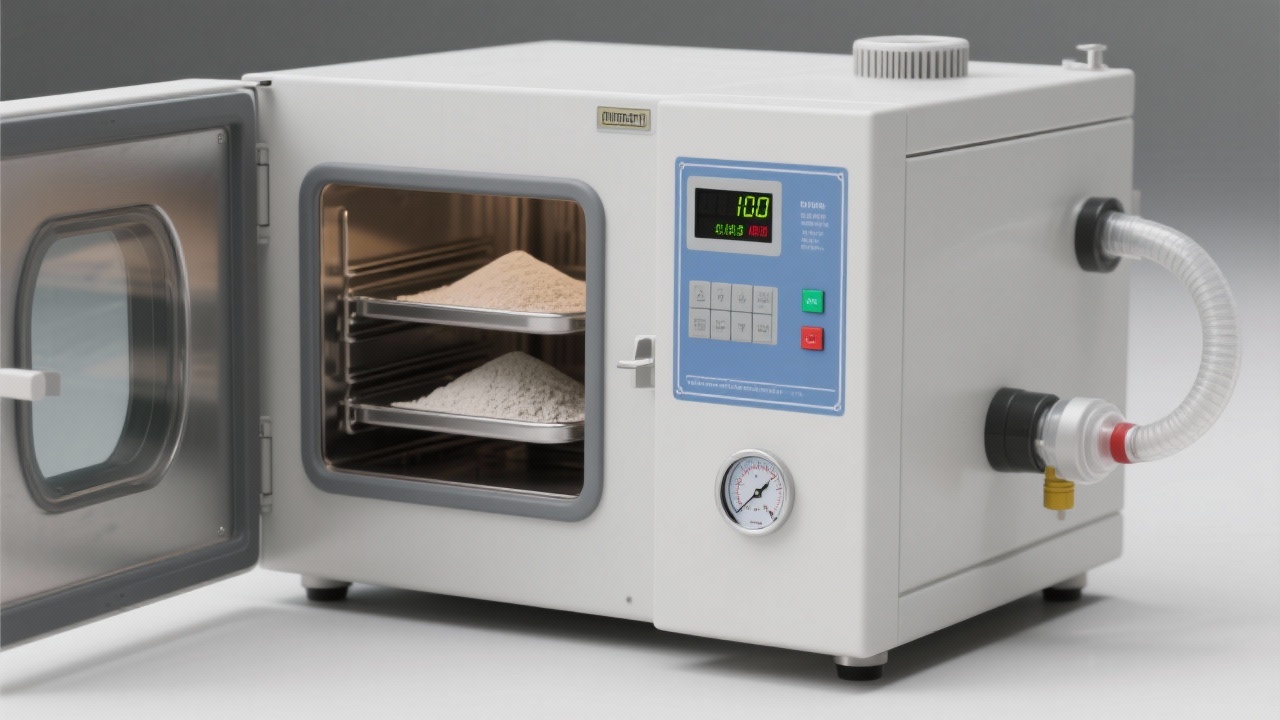
To ensure the long - term performance of your vacuum drying oven, daily maintenance is essential. Check the sealing ring regularly to ensure a good seal. Clean the oven at least once a week to remove any debris or residues. And keep a maintenance log to track the performance and any issues of the oven over time. This can help you identify potential problems early and take preventive measures.
In conclusion, the smart touch panel of the DZ - 4BCII industrial digital vacuum drying oven offers a comprehensive solution to improve the efficiency and safety of your laboratory drying processes. By understanding its functions, optimizing parameter settings, avoiding common mistakes, and performing regular maintenance, you can achieve more accurate, efficient, and secure drying results.
Discover More about the DZ - 4BCII Vacuum Drying Oven with Smart Touch Panel