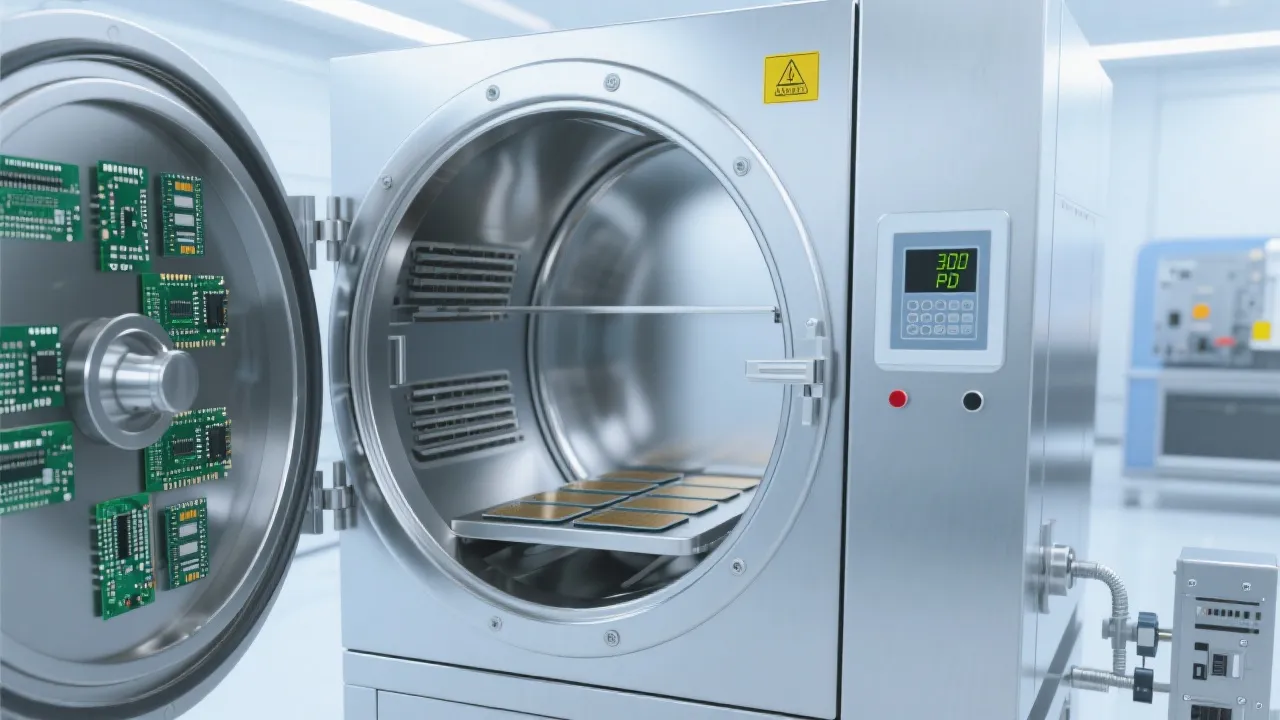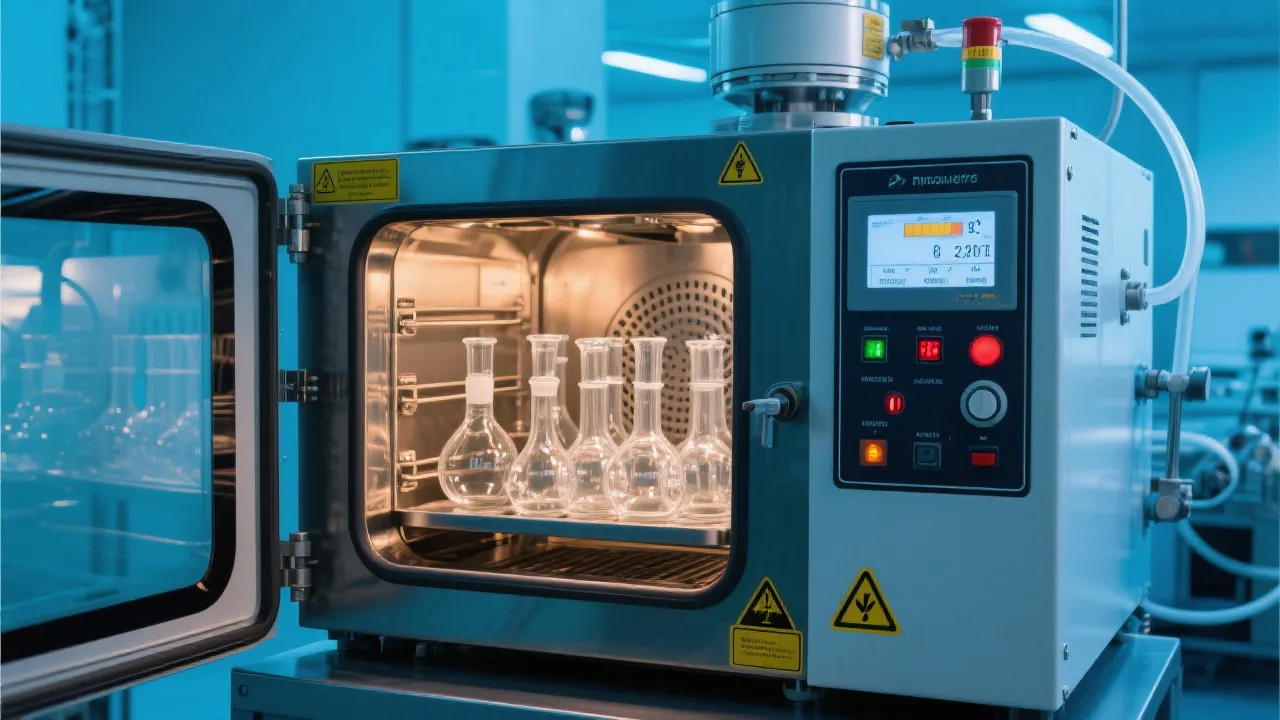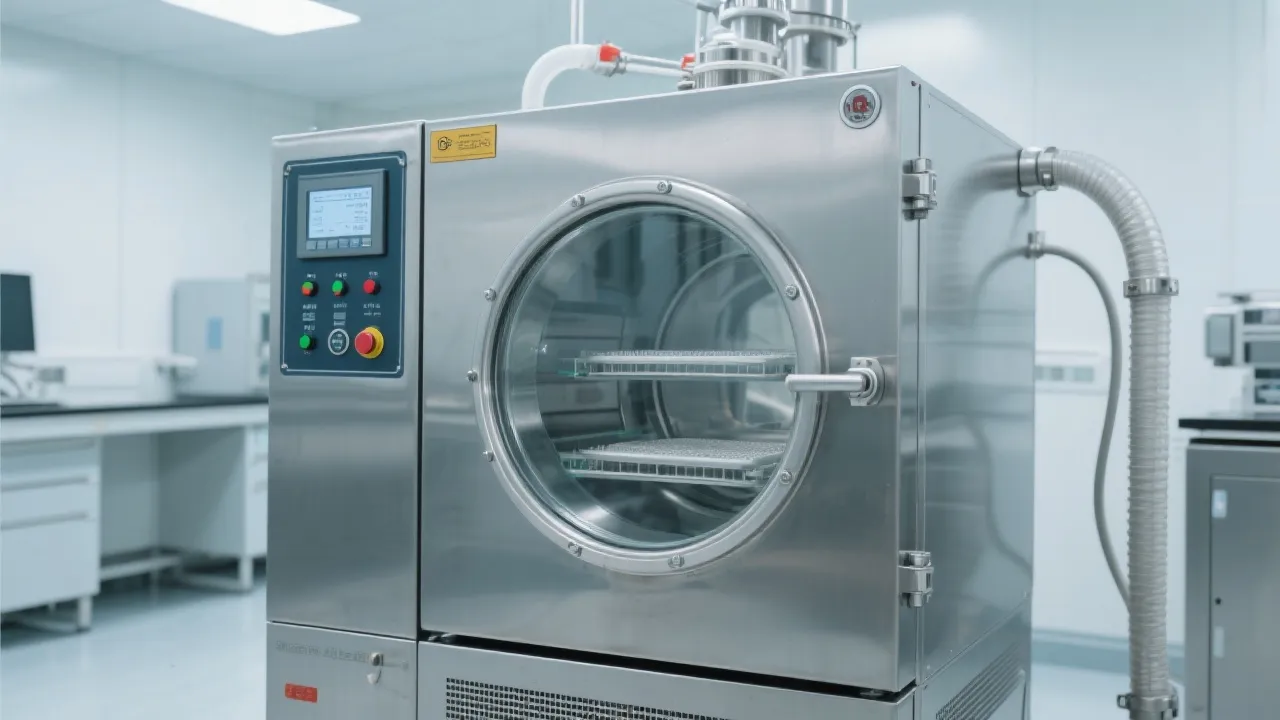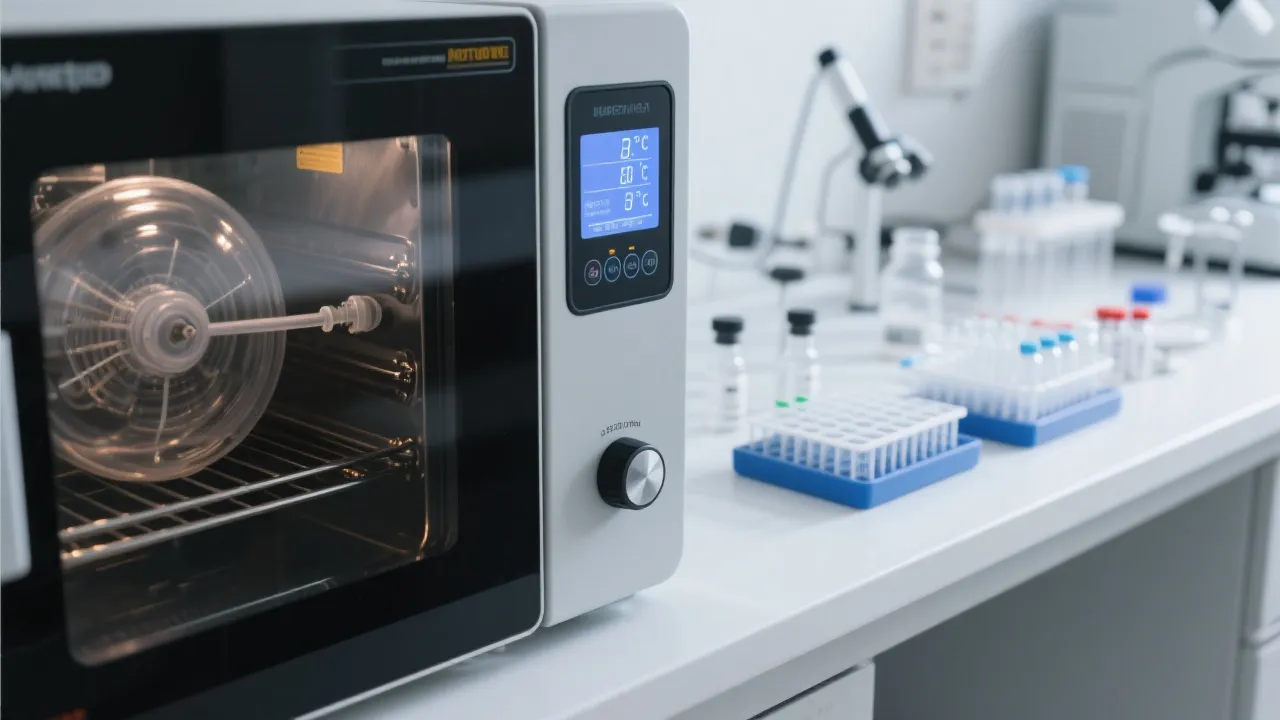
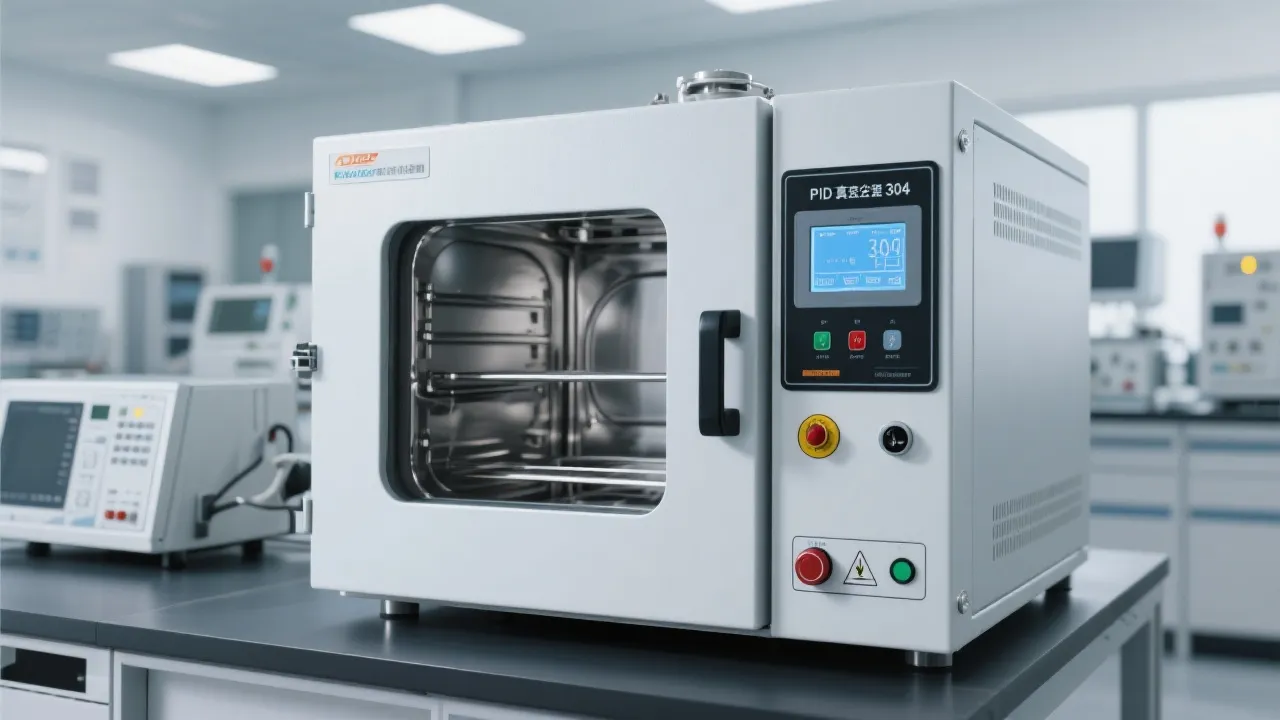
In many laboratories, drying is treated as a routine step—until a sample is heat-sensitive, oxygen-reactive, solvent-containing, or simply too valuable to risk. This is where an energy-saving laboratory vacuum oven with optional explosion-proof vacuum oven configurations becomes more than “nice to have.” It becomes an upgrade decision tied directly to productivity, safety, and compliance.
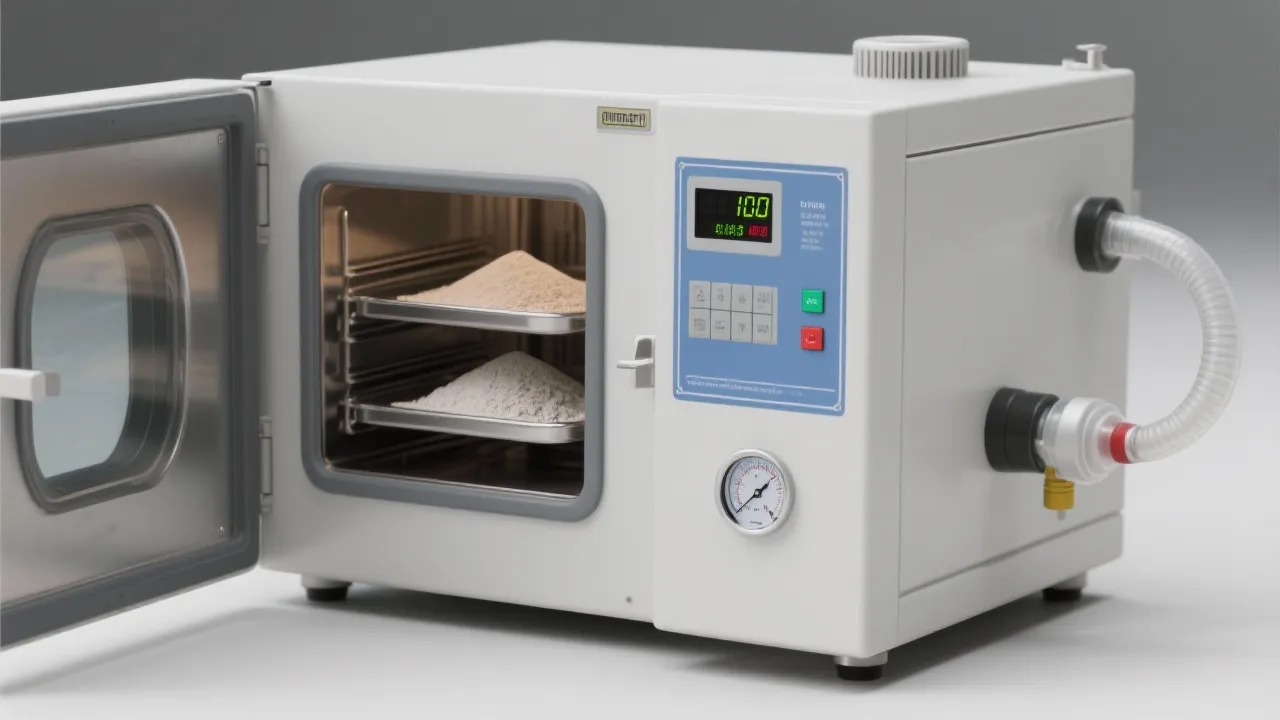
The DZF-6020 laboratory vacuum oven is positioned around two practical priorities that real labs feel every day: high efficiency with lower power draw (reference: 800W rated power) and risk-managed operation when handling volatile or flammable materials via optional explosion-proof design choices. Many users describe it as an “essential for lab upgrades,” not because it looks advanced, but because it removes friction from daily workflows—temperature, vacuum, cleanliness, and repeatability.
A laboratory vacuum oven lowers the boiling point of liquids by reducing chamber pressure, allowing moisture and residual solvents to evaporate at significantly lower temperatures than in atmospheric ovens. This is especially relevant for:
With a typical vacuum level reaching up to 0.098 MPa (reference vacuum degree used in many lab vacuum oven specs), evaporation accelerates while the set temperature can remain gentler on sensitive samples. This is one of the most direct ways a vacuum drying process improves yield and reduces rework.
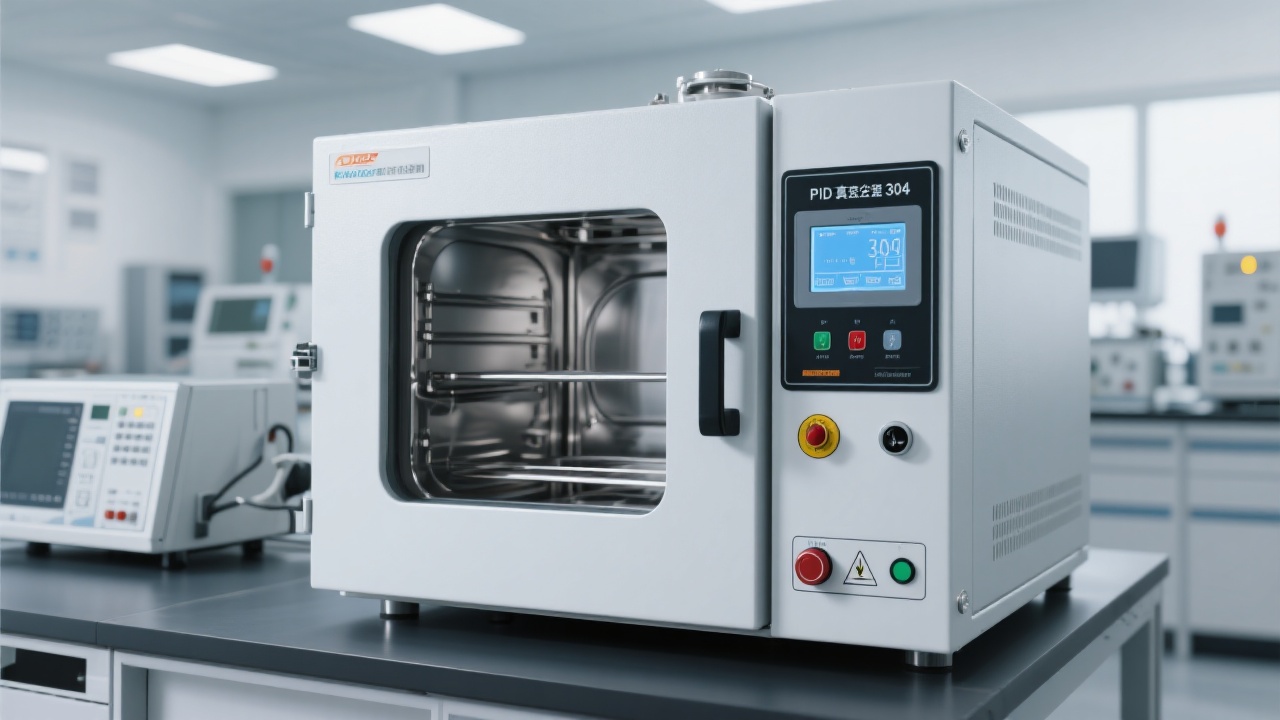
In multi-shift labs, ovens often run daily—sometimes continuously. A rated power around 800W (for this class of benchtop vacuum oven) helps keep operating costs predictable. While actual electricity usage depends on set temperature, load, ambient conditions, and pump efficiency, lower rated power generally translates into less peak draw and less heat waste in the lab space.
For teams planning a lab upgrade, “efficient and energy-saving, less worry” is not just a slogan—it’s a workflow choice: stable drying results without constantly negotiating energy budgets or HVAC load.
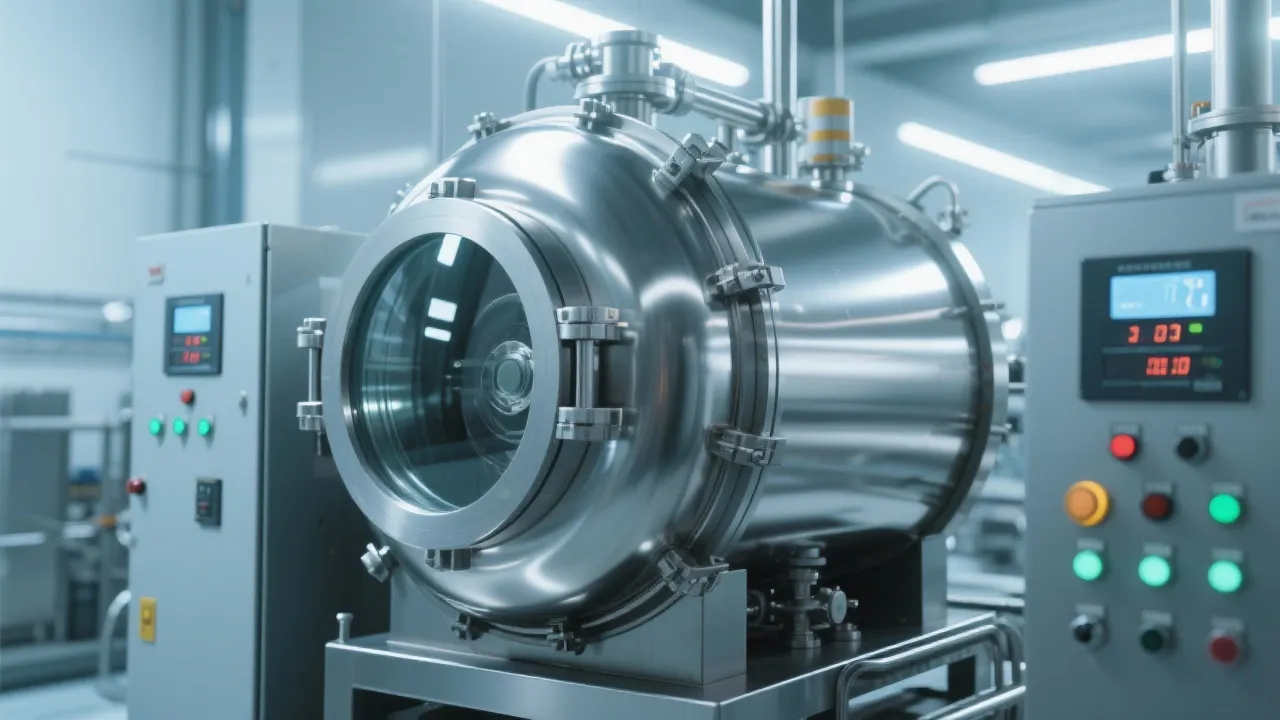
Solvents and volatile organics can introduce ignition risk if vapors accumulate and a spark source exists. An explosion-proof vacuum oven approach typically involves design and component choices aimed at reducing ignition probability and containing hazards—such as safer electrical routing, protected switches, and hardware compatible with solvent-laden environments (exact configuration varies by option package and destination compliance). For labs drying flammable residues, solvent-wet components, or reactive materials, this becomes a “safe and worry-free lab partner” mindset: the process remains controlled even when samples are less forgiving.
Buyers often compare vacuum ovens by temperature range, chamber size, and whether the interface feels modern. In practice, the difference shows up in repeatability—and that is largely a function of vacuum stability and temperature control logic.
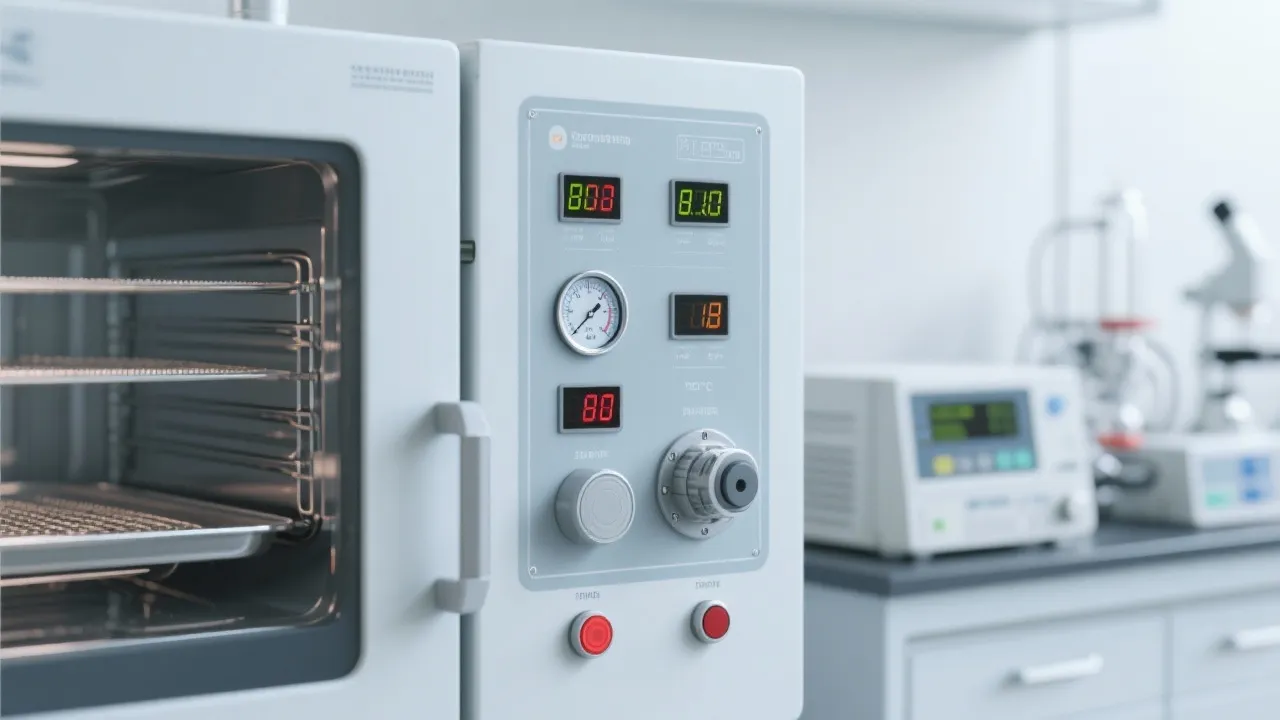
The DZF-6020 is commonly configured with PID intelligent temperature control and a digital display. PID algorithms reduce overshoot and dampen temperature oscillations, which helps prevent:
From a user perspective, the value is very concrete: the operator can glance at the screen and confirm setpoint and process status without “guesswork,” making training easier and reducing the chance of missed steps.
Below is a practical comparison table buyers often want when evaluating a laboratory drying equipment upgrade. Values are reference-oriented for this product class and can be finalized against your required configuration and local standards.
| Key Metric | DZF-6020 (Typical) | Many Conventional Units (Typical) |
|---|---|---|
| Rated power | ~800W (energy-saving design focus) | ~1000–1500W (higher peak draw common) |
| Vacuum capability | Up to 0.098 MPa vacuum degree (reference) | 0.085–0.095 MPa (varies with pump/system) |
| Temperature control | PID + digital display (stable, readable) | basic thermostat or less optimized PID (more fluctuation) |
| Cleaning & corrosion resistance | 304 stainless steel chamber (wipe-clean, durable) | mixed materials; corners and seams harder to maintain |
| Safety options | Optional explosion-proof configuration for solvents | often limited or requires custom modification |
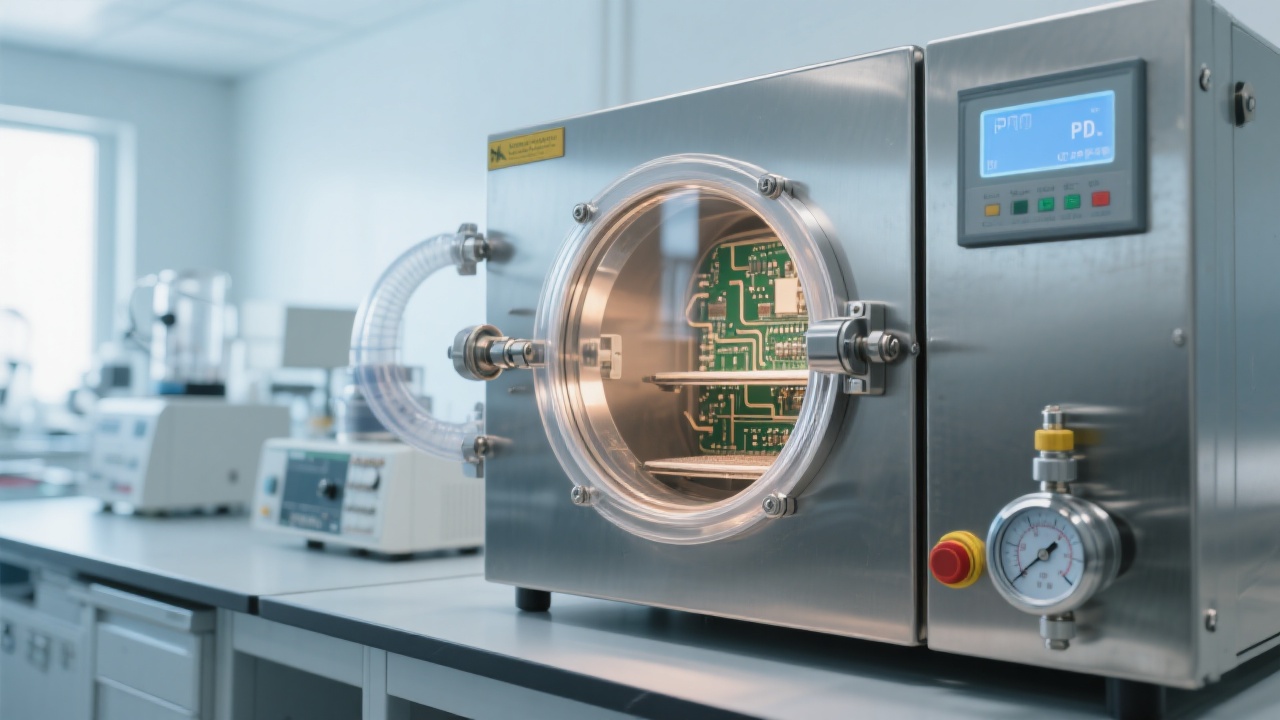
In pharmaceutical workflows, overheating can change crystal form, trigger decomposition, or shift moisture content outside acceptable ranges. Vacuum drying allows a lower temperature strategy with stable control. When paired with digital monitoring, operators can document process settings more consistently—useful for internal SOPs and audit-readiness.
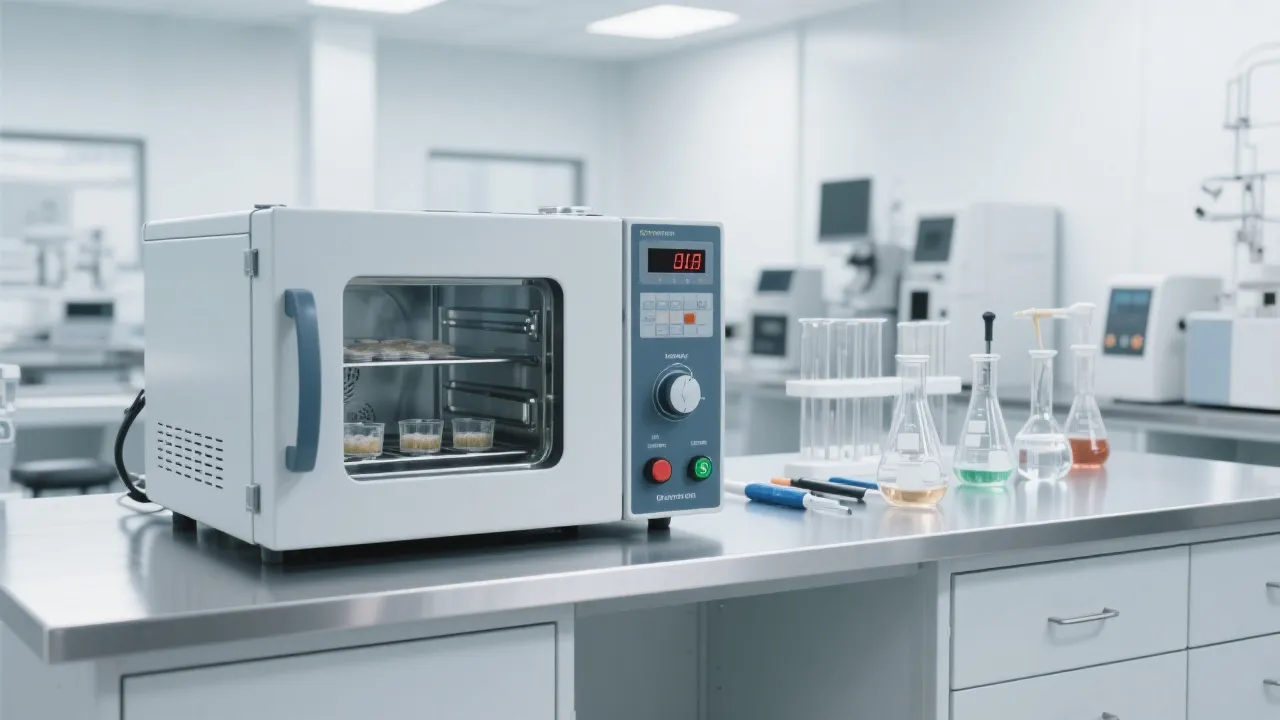
Conformal coatings, potting compounds, and cleaning steps may leave solvent traces on components. A vacuum oven can speed solvent removal at controlled temperatures, reducing risk of warping plastics, softening adhesives, or introducing oxidation on sensitive surfaces. Labs that run multiple small batches often appreciate the 800W-class power design because it supports frequent cycles without turning the room into an unwanted heater.
In materials research, small differences in moisture content can change viscosity, curing behavior, or test results. Vacuum drying improves consistency, and the 304 stainless steel chamber simplifies cleanup between formulations—especially when dealing with fine powders or sticky residues.
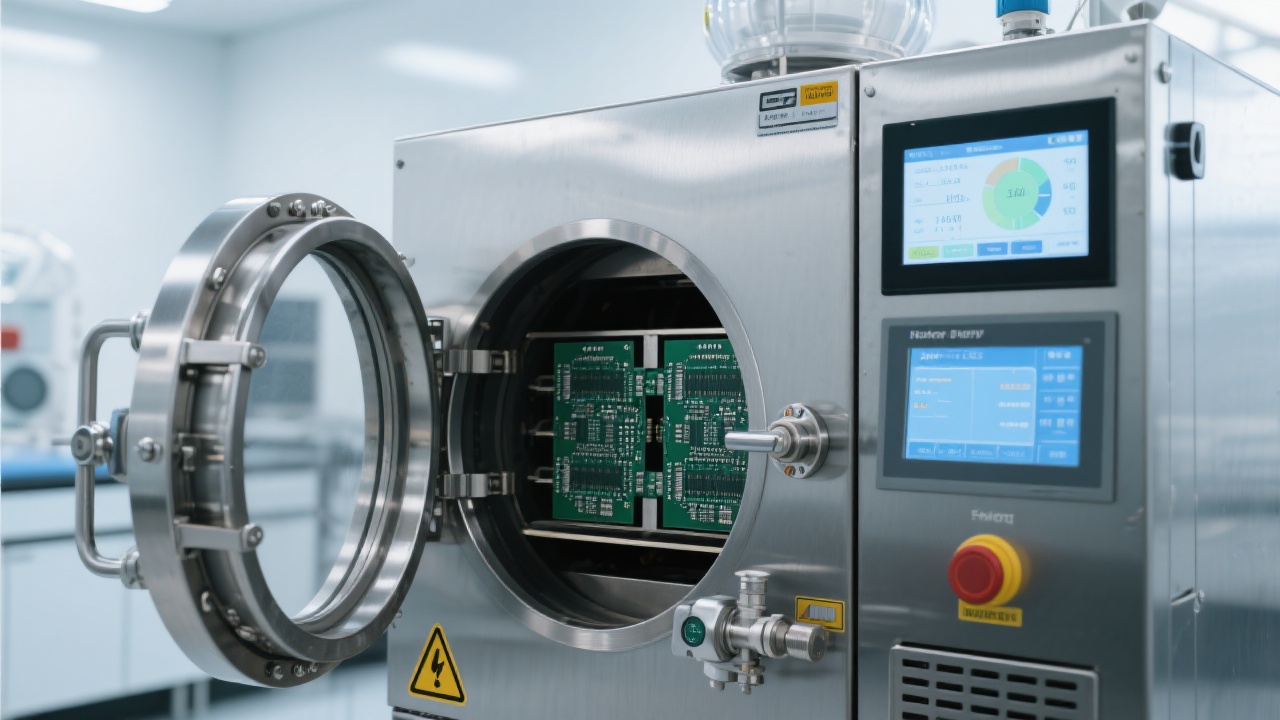
For international procurement, performance claims matter—but verification matters more. The DZF-6020 is commonly positioned with ISO 9001 quality management alignment and CE conformity for applicable markets. These are not “marketing decorations”; they are often part of supplier screening checklists and shipping documentation requirements.
Add to that 13 years of manufacturing experience, and the value becomes clearer: process maturity, parts consistency, and more stable lead-time expectations—especially important when a vacuum oven is tied to project milestones or production schedules.
Many teams discover that “good specs” are only half the story. Daily usability—how quickly a technician can run, check, and clean the oven—often determines whether the equipment becomes a bottleneck.
When users call it “essential for lab upgrades,” they’re often describing these daily wins: fewer failed batches, fewer repeated cycles, and fewer safety worries when solvent work is unavoidable.
Share your sample type (powder, polymer, solvent-wet parts), target temperature, and vacuum requirements. The recommended setup can be matched to your safety expectations and compliance needs—so you get “efficient and energy-saving, less worry” performance with the confidence of a “safe and worry-free lab partner.”
Request DZF-6020 Technical Details & Explosion-Proof OptionsTypical discussion items: vacuum degree (up to 0.098 MPa reference), control accuracy expectations, chamber material (304 SS), certification documents (ISO9001/CE), and application-specific safety considerations.