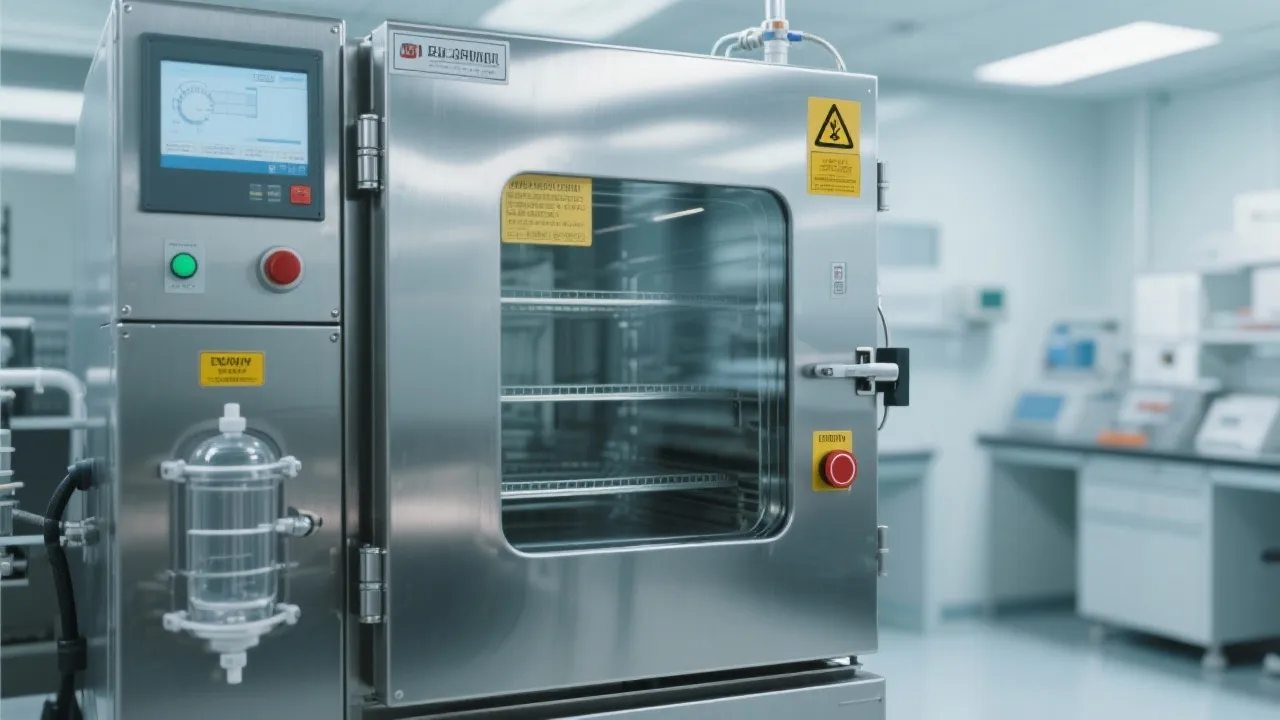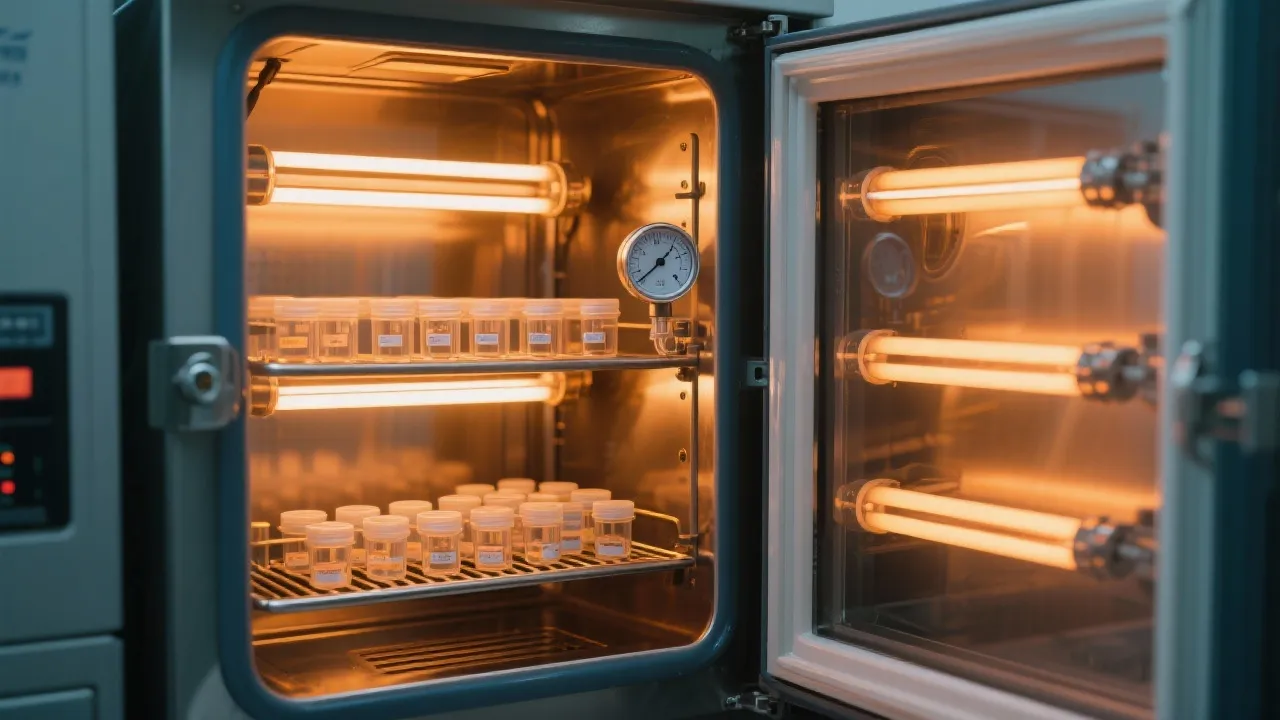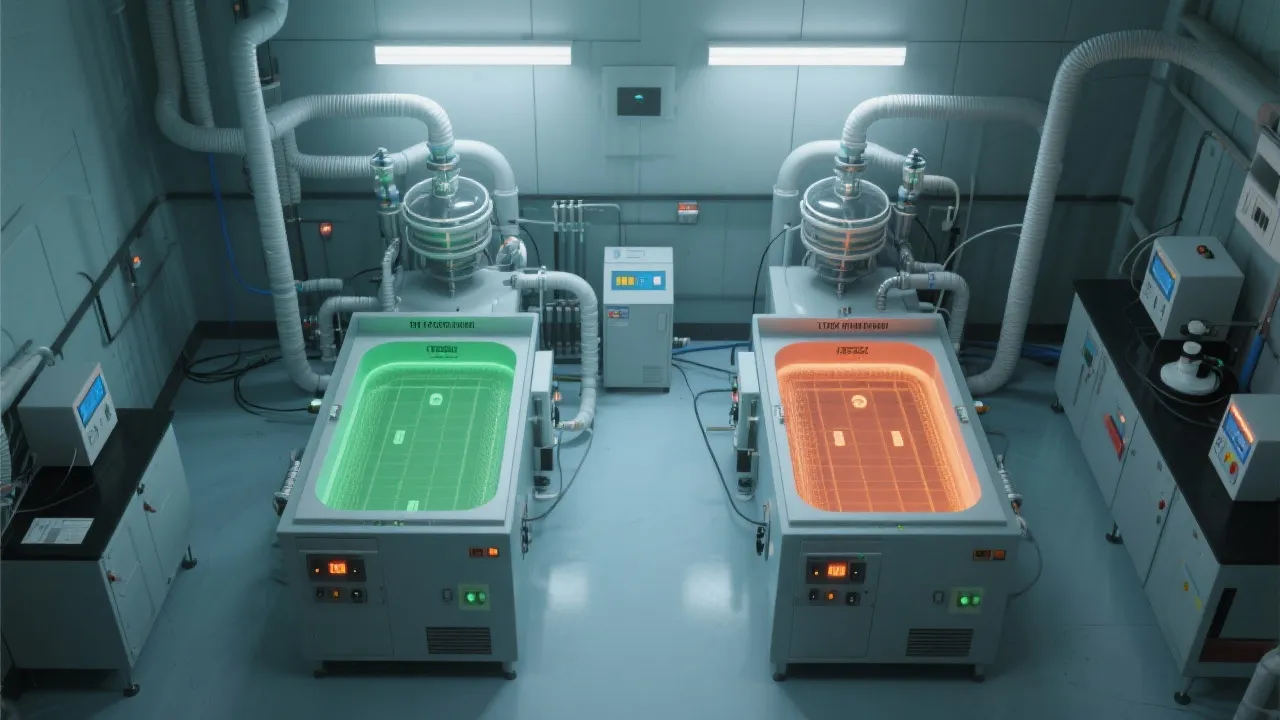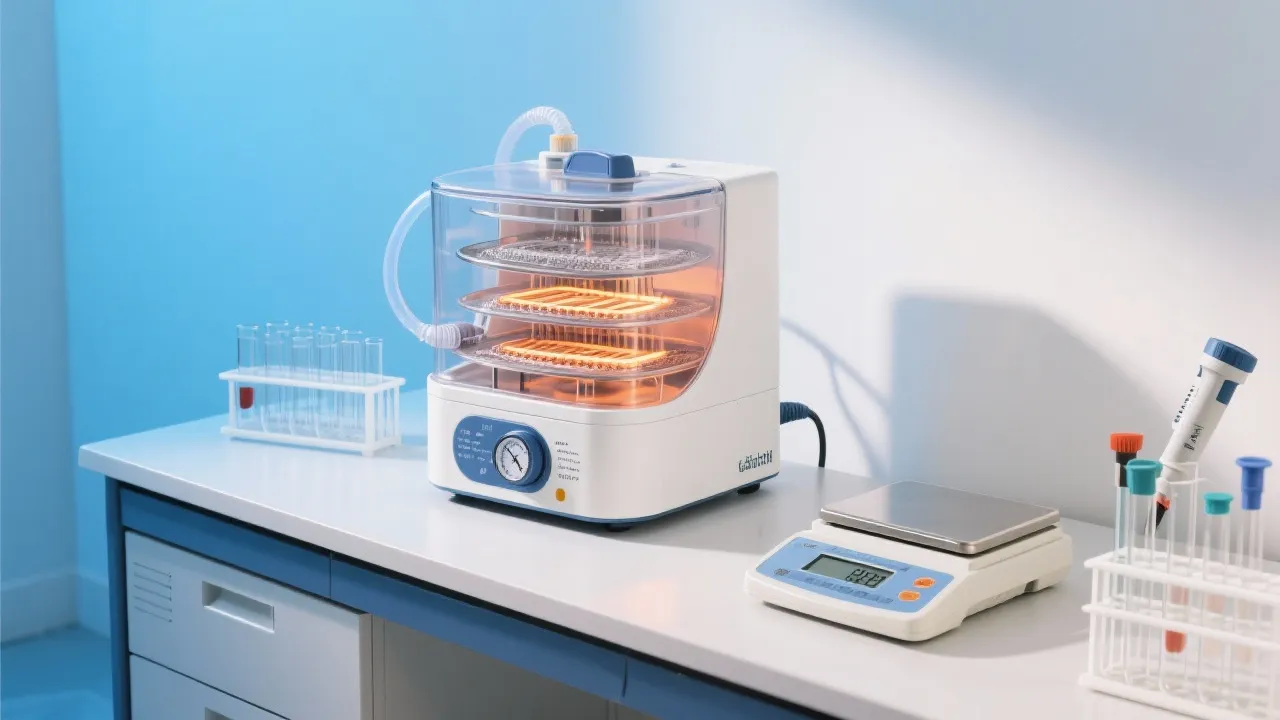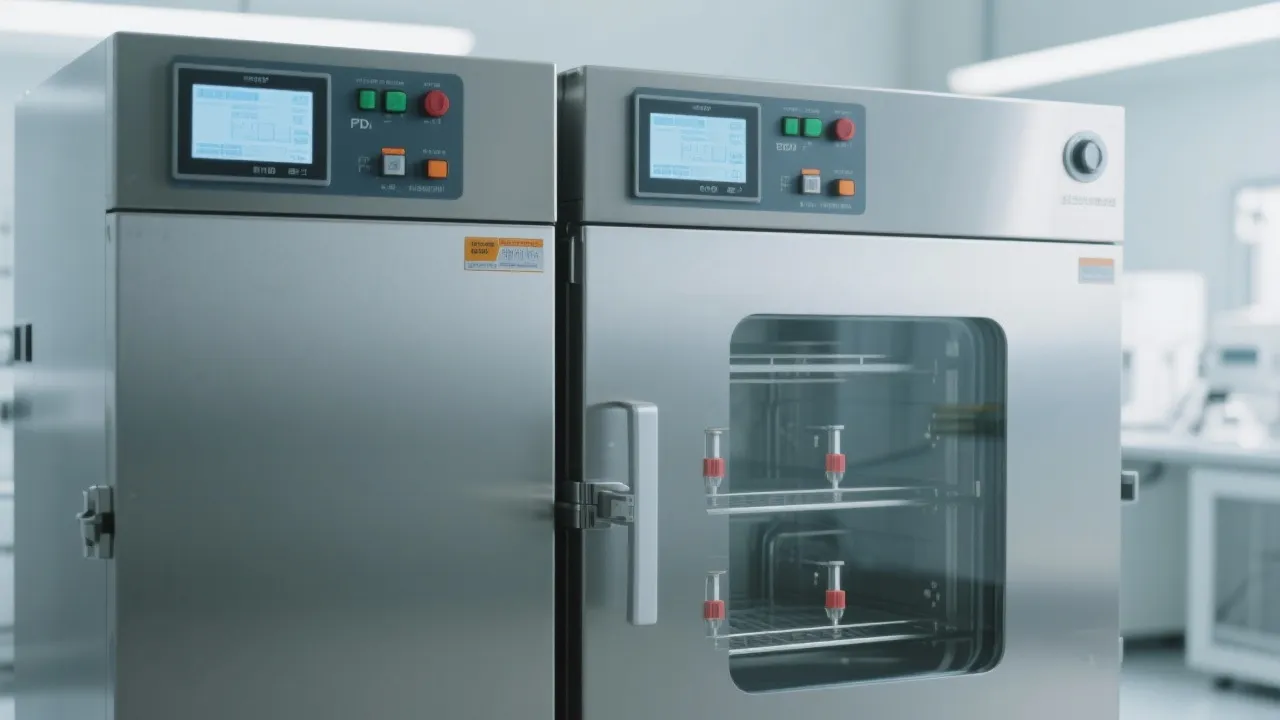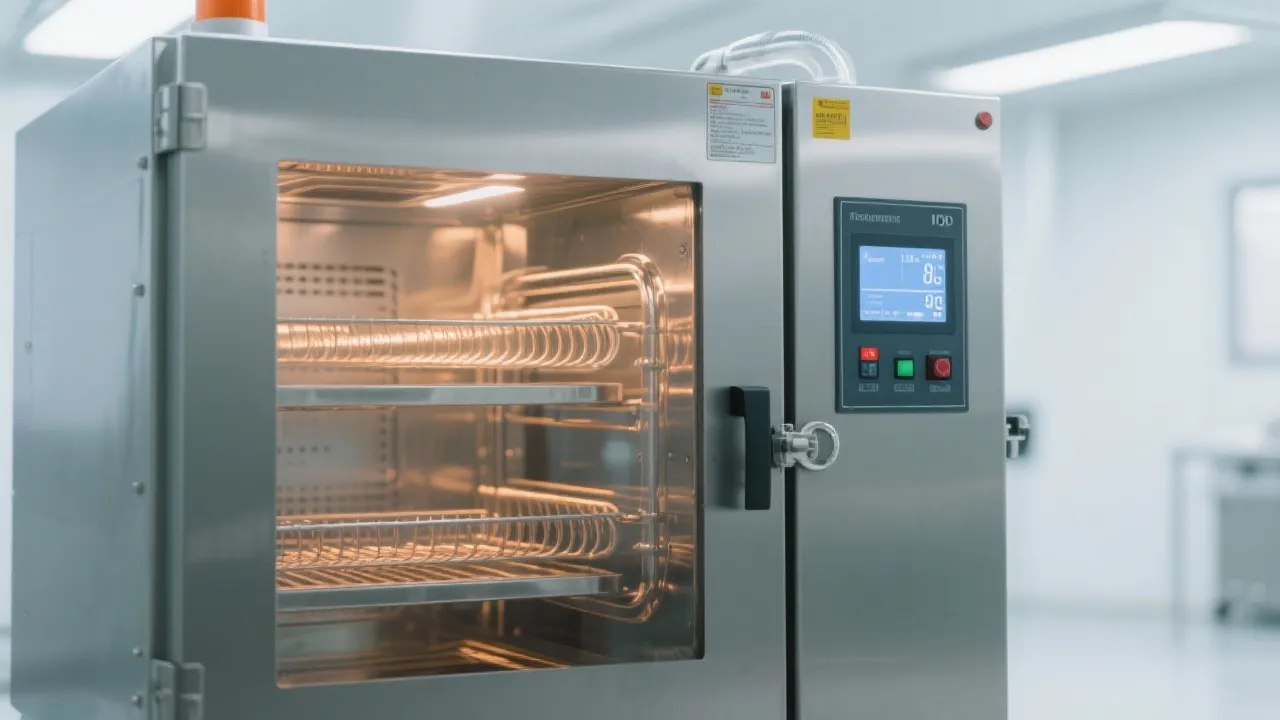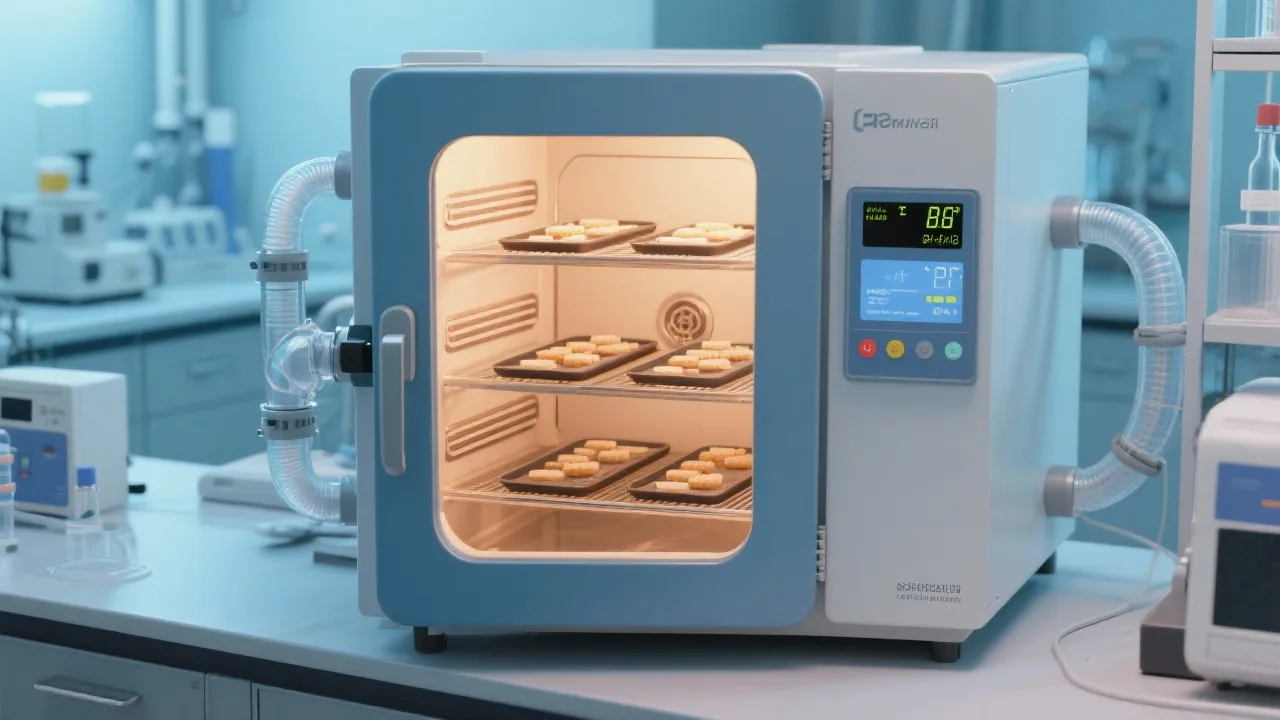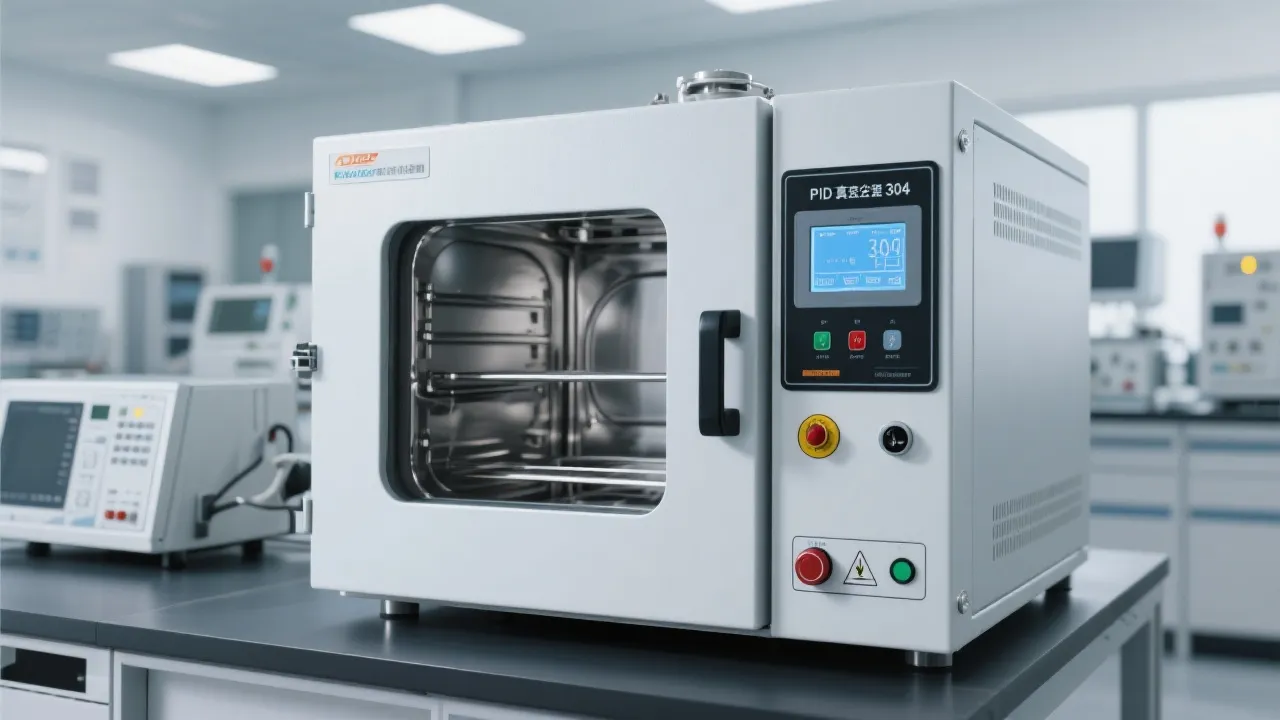
In today’s competitive global manufacturing landscape, efficiency isn’t just a goal—it’s a necessity. As industries from pharmaceuticals to ceramics demand higher quality and lower energy costs, vacuum drying technology has emerged as a game-changer. Recent advancements in energy-efficient design, intelligent control systems, and material adaptability are not only improving product consistency but also positioning export-ready equipment for long-term market dominance.
Traditional batch dryers often waste up to 35% of thermal energy due to poor insulation and manual temperature adjustments—a major concern for buyers in Europe and North America where sustainability certifications (like ISO 50001) are now mandatory. By contrast, modern vacuum dryers with PID temperature control and variable frequency heating reduce energy consumption by an average of 28%, according to a 2023 study by the International Energy Agency (IEA).
One real-world example comes from a German food ingredient manufacturer that switched to a vacuum drying system with integrated heat recovery. Their annual electricity usage dropped from 120,000 kWh to 86,000 kWh—saving over €12,000 per year while maintaining consistent moisture levels across batches.
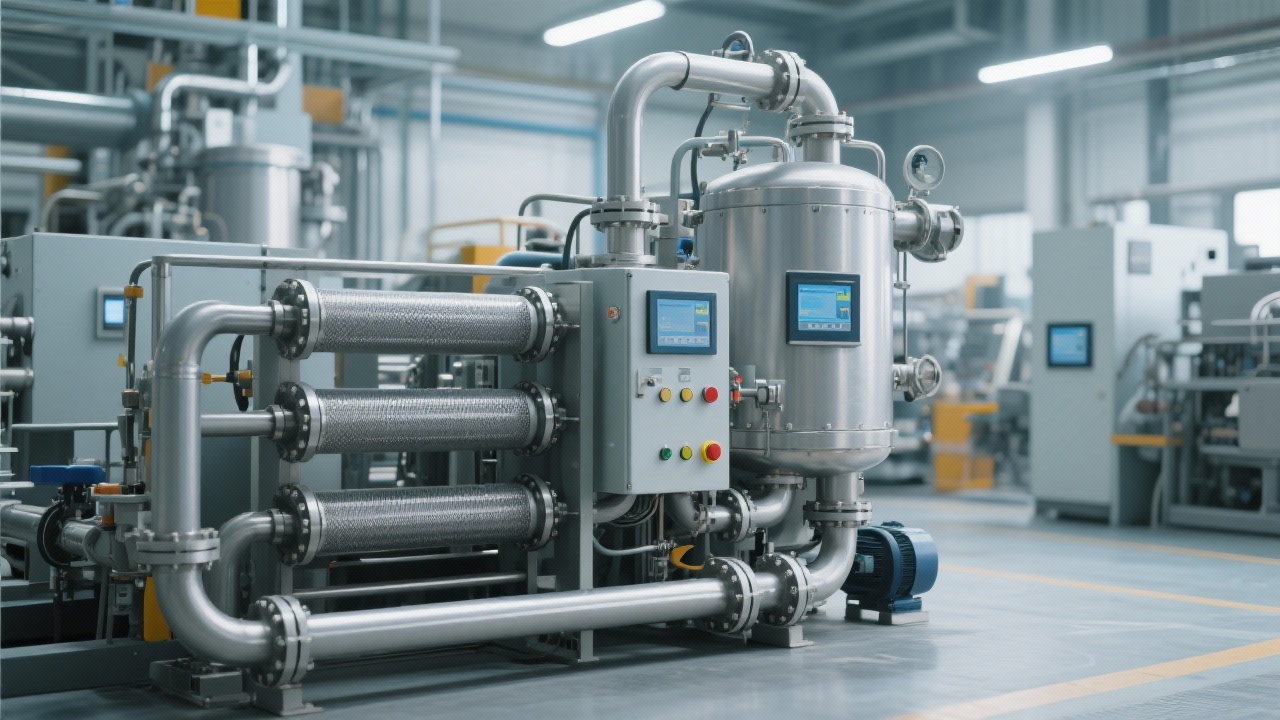
Today’s top-tier vacuum dryers go beyond basic automation—they offer remote monitoring via IoT platforms, enabling operators to adjust settings from anywhere in the world. This feature is especially valuable for companies sourcing from Asia, such as those in the Middle East or Southeast Asia, who rely on seamless communication with suppliers.
A case in point: a UAE-based chemical producer implemented a cloud-connected vacuum drying unit from a leading Chinese manufacturer. With real-time alerts and predictive maintenance algorithms, downtime decreased by 40%, and operator training time was cut in half compared to older models.
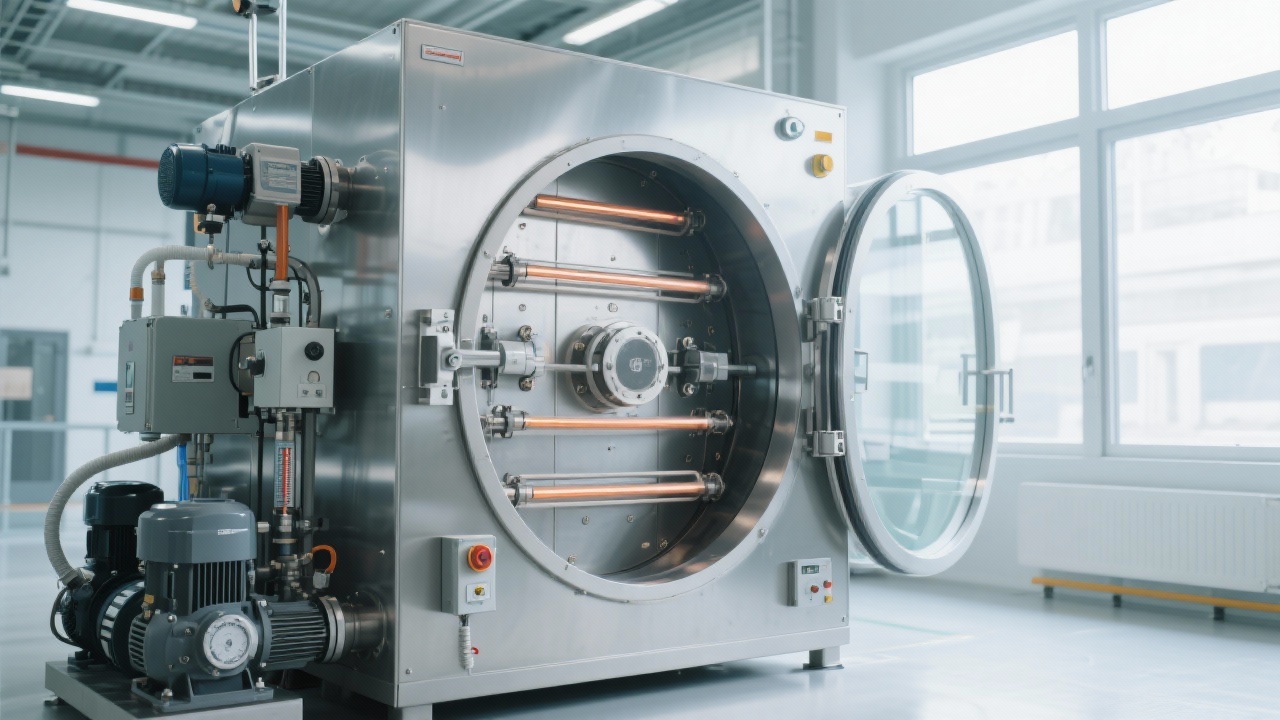
The evolution of materials—especially high-grade stainless steel inner chambers and advanced sealing technologies—has expanded the range of applications for industrial vacuum dryers. These innovations allow equipment to handle aggressive chemicals, high-viscosity slurries, and temperature-sensitive compounds without degradation.
For instance, a Brazilian biotech firm using our brand’s vacuum dryer reported zero corrosion issues after 18 months of continuous operation with acidic solutions—an outcome previously unachievable with standard carbon steel units.
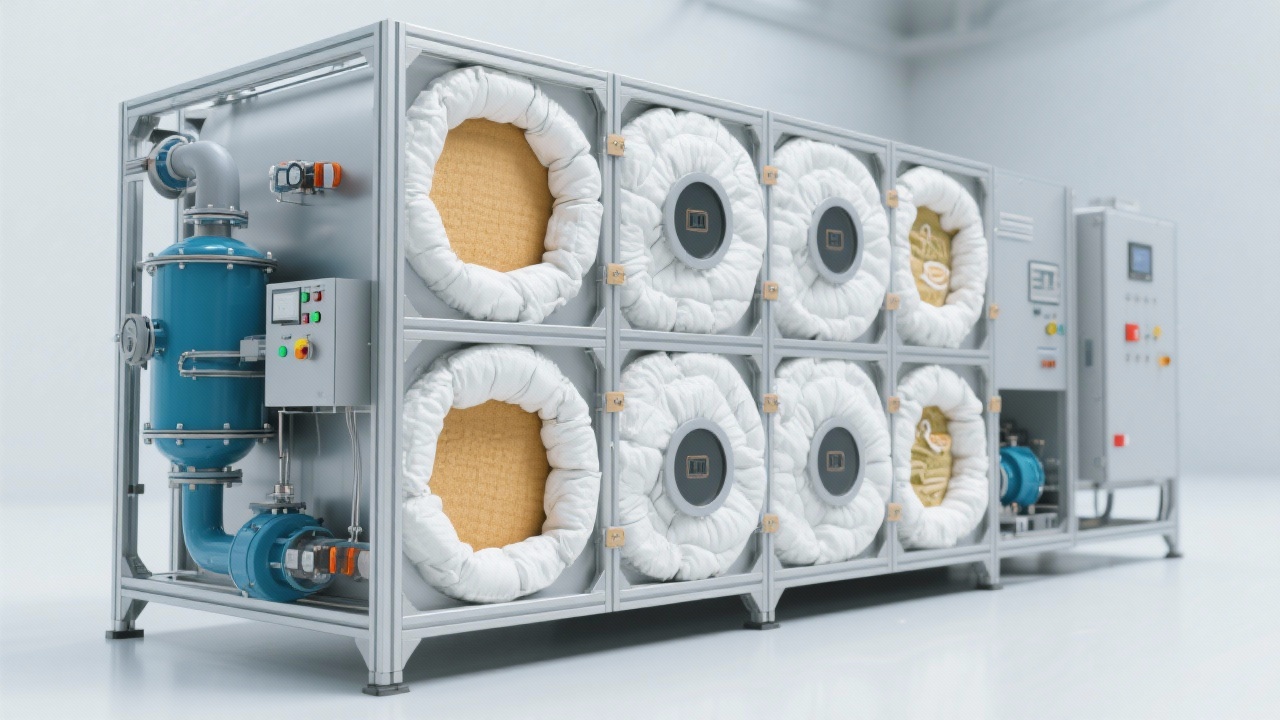
What happens when AI meets vacuum drying? Could autonomous optimization become the new standard?
Explore how our industrial vacuum drying solutions can help you reduce energy costs, improve product quality, and meet international compliance standards—without compromising on performance or durability.
See How Our Systems Deliver Real Results →