
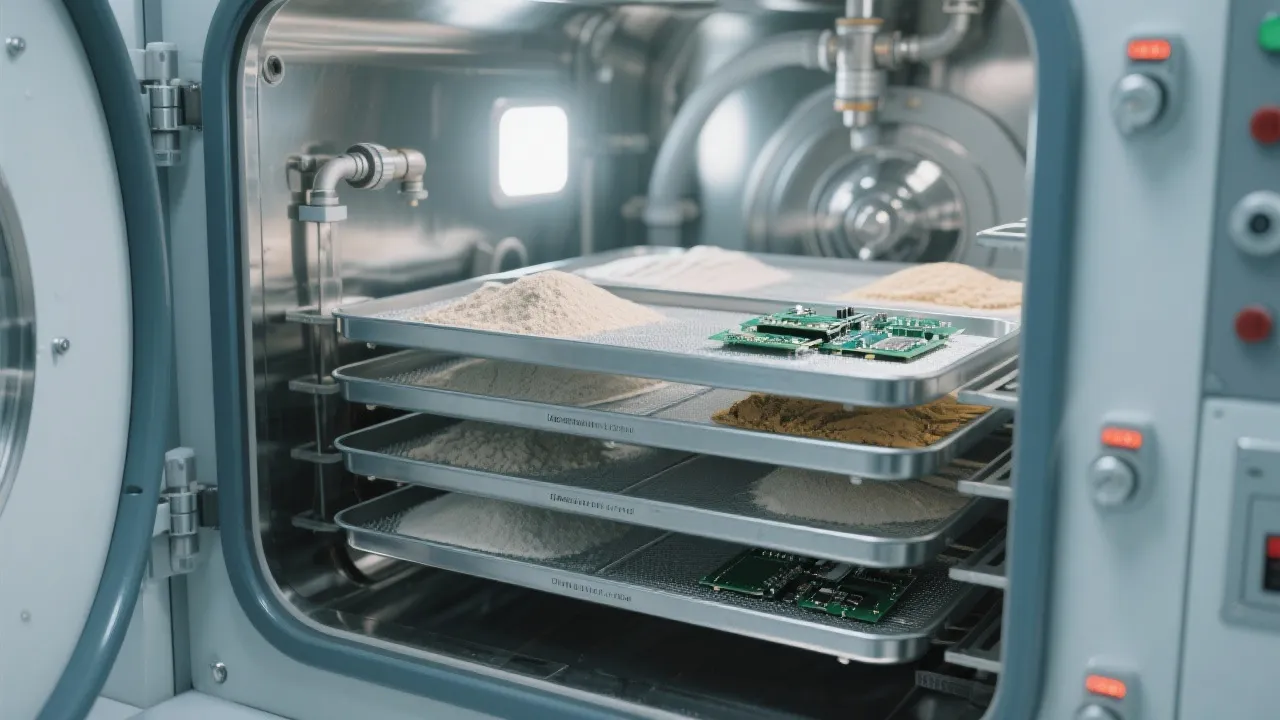
In high-precision electronics production—especially for PCBs, semiconductors, and ceramic substrates—moisture absorption or residual solvents can cause warping, delamination, and poor soldering. These issues are not just quality concerns—they directly impact yield rates, lead times, and customer trust.
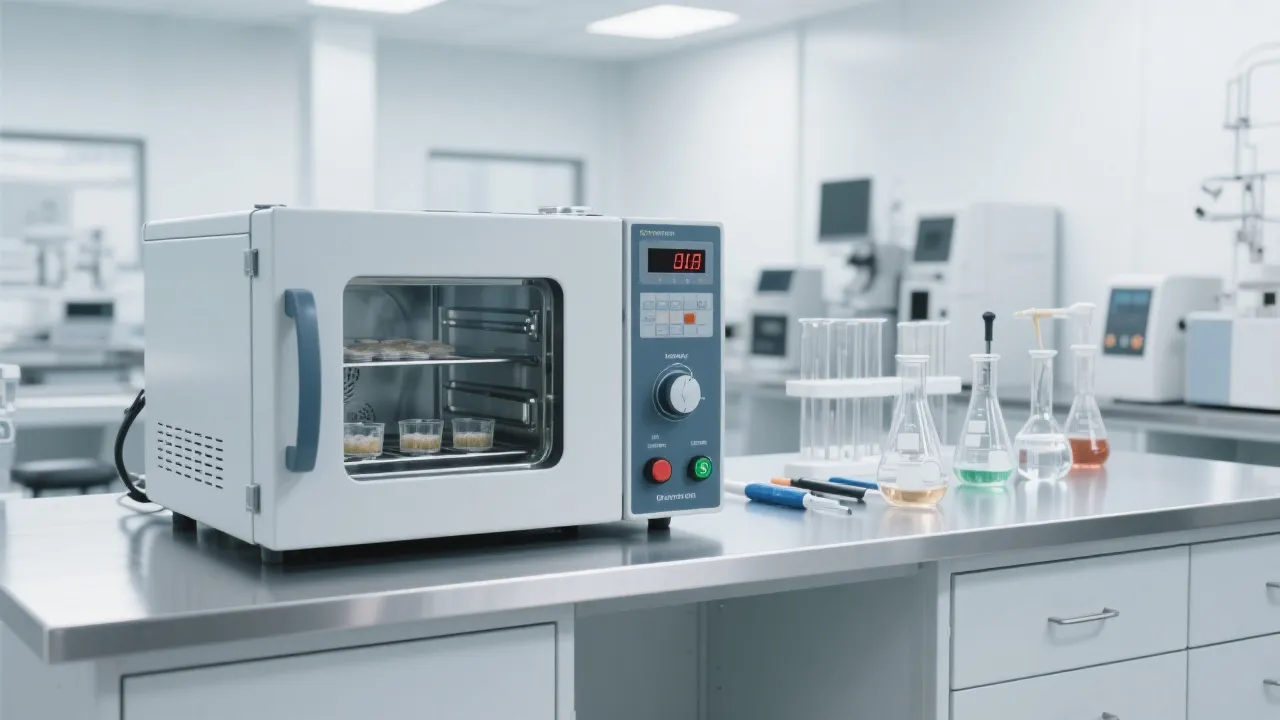
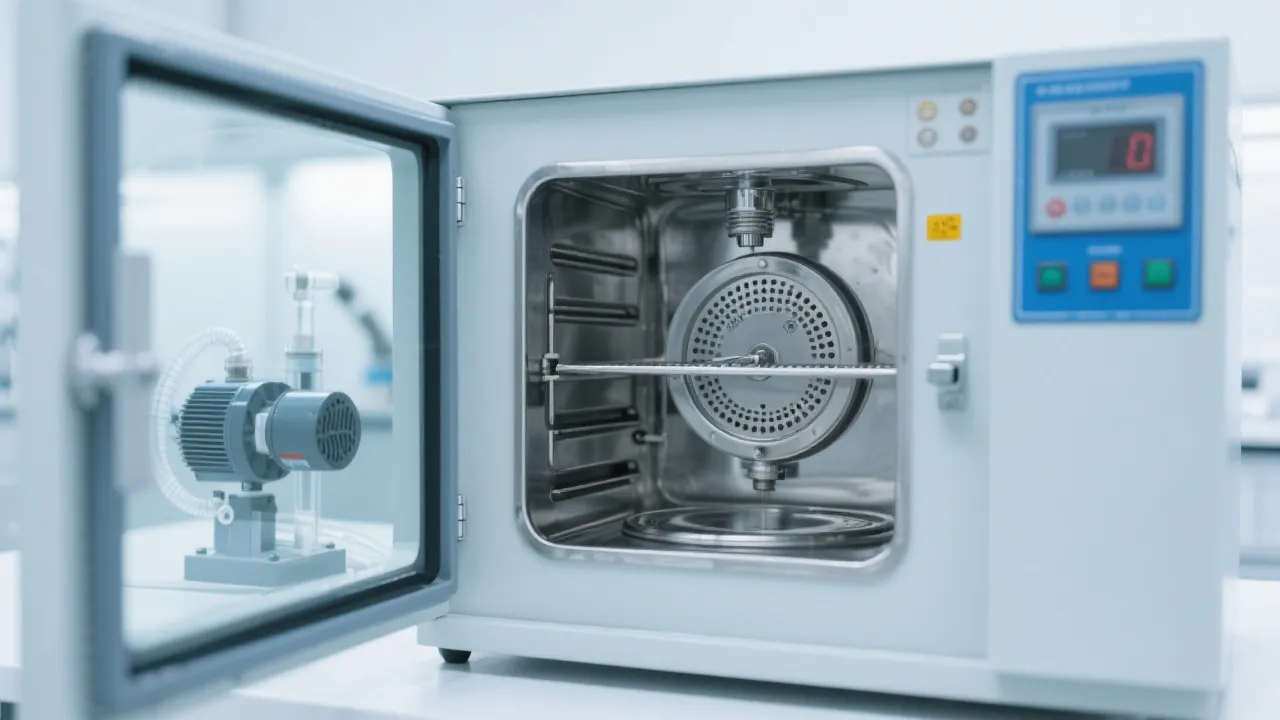
That’s where the DZF-6090 High-Temperature Vacuum Dryer comes in. Designed specifically for sensitive electronic materials, this industrial-grade equipment delivers consistent performance under extreme conditions: up to 200°C operating temperature, a stable vacuum level of 0.098 MPa, and ±1°C temperature control accuracy.
“After implementing the DZF-6090, our drying cycle time dropped by 30%. More importantly, we saw a 40% reduction in rework due to moisture-related defects.” — Engineering Manager, Shenzhen-based PCB Manufacturer
This isn’t an isolated case. Across multiple clients in Asia, Europe, and North America, average drying times have been reduced from 6–8 hours (using conventional convection dryers) to just 4–5 hours—without compromising material integrity.
| Drying Method | Avg. Time per Batch | Energy Use (kWh) | Cost Savings (Monthly) |
|---|---|---|---|
| Standard Air Convection | 6.5 hrs | 12 kWh | $1,200 |
| Basic Vacuum Dryer | 5.0 hrs | 9 kWh | $1,800 |
| DZF-6090 High-Vacuum System | 4.0 hrs | 7 kWh | $2,500+ |
The difference? The DZF-6090’s advanced heat transfer design and precise pressure regulation minimize energy waste while maximizing throughput. For manufacturers running 2 shifts daily, that translates to over $30,000 annual savings per unit—even before factoring in reduced defect rates.
With built-in PLC control, real-time monitoring, and data logging capabilities, the DZF-6090 meets ISO 9001 and IATF 16949 standards for process traceability. Operators get clear alerts when deviations occur—and managers can audit every drying run with one click.
Whether you're scaling up from R&D to mass production or optimizing your existing line, this system supports both precision and scalability. In fact, many research labs now use it as a core tool for testing new polymers, nanomaterials, and flexible electronics.
Is your current drying process holding back productivity?




 <#else>