
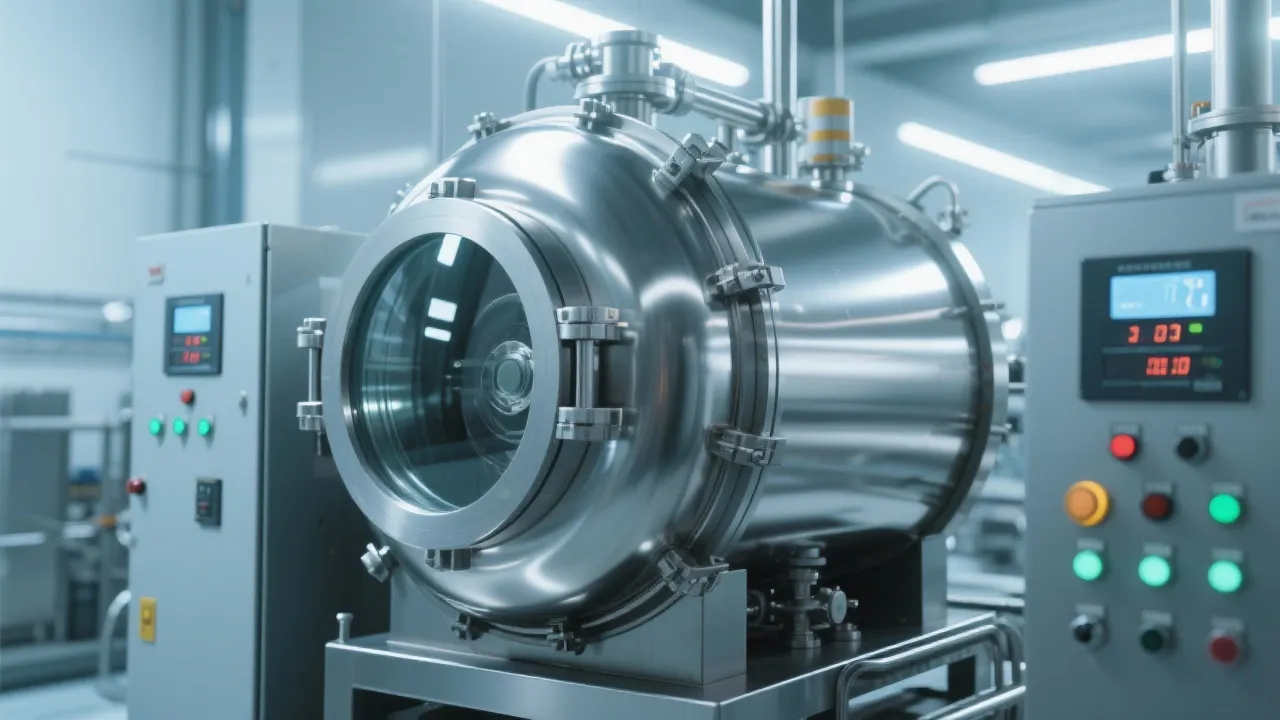
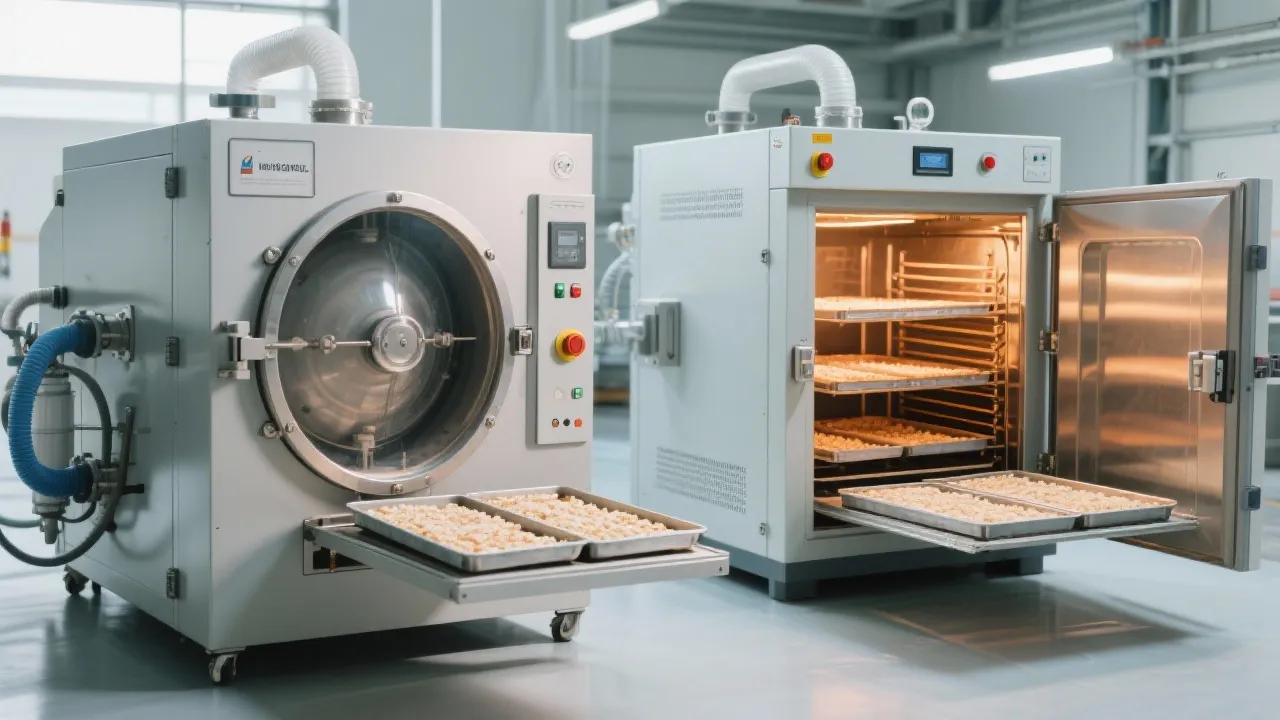
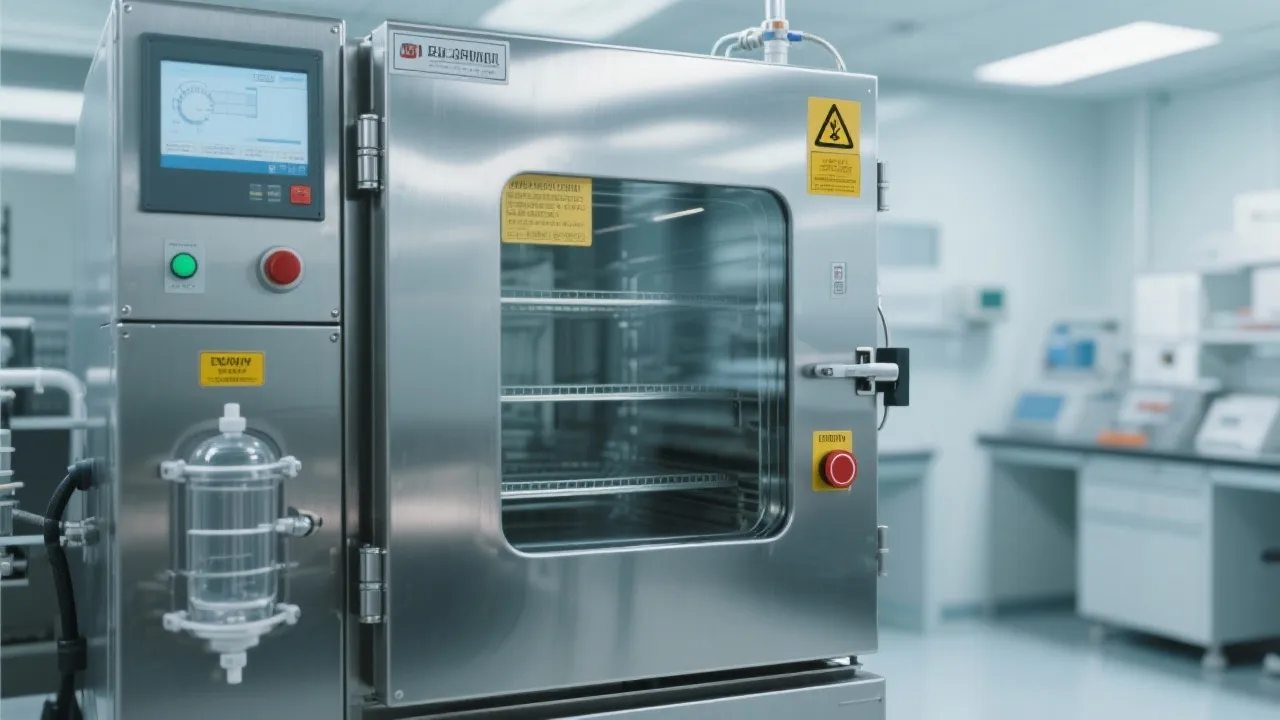
Vacuum drying ovens play a crucial role in various industries, from material degassing and electronic component curing to chemical sample drying. This article delves deep into the core technologies and industrial applications of vacuum drying ovens, offering in - depth insights into their working principles, application scenarios, and practical operation techniques.
At the heart of the vacuum drying process is the physical principle that the boiling point of a liquid decreases under low - pressure conditions. In a vacuum environment, the pressure is significantly reduced, which means that liquids can reach their boiling points at much lower temperatures. For example, water that typically boils at 100°C at standard atmospheric pressure can boil at around 50°C when the pressure drops to a certain level. This low - temperature boiling characteristic is particularly beneficial for drying heat - sensitive materials, such as electronic components and some chemical samples, as it reduces the risk of thermal damage and degradation.
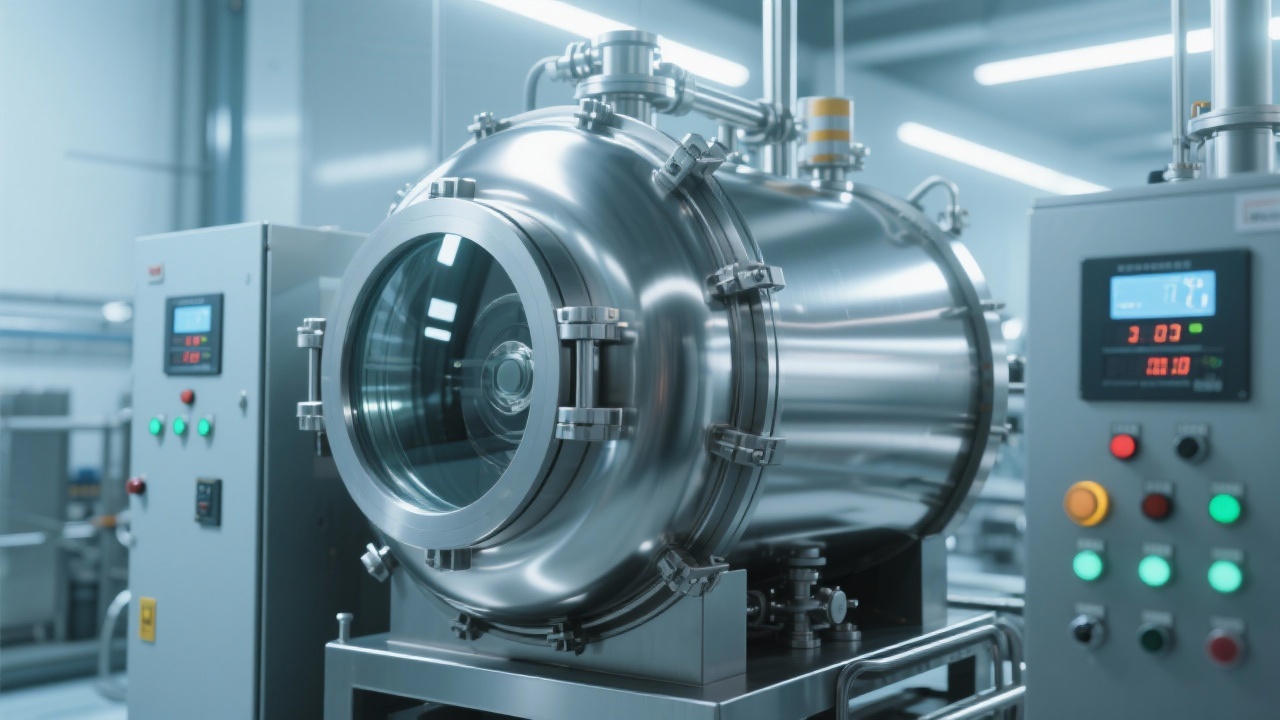
In a vacuum drying oven, heat transfer occurs mainly through radiation and conduction. Compared with convection heat transfer in normal atmospheric conditions, the heat transfer efficiency in a vacuum is relatively low. Therefore, precise temperature control is essential to ensure the stability of the drying process. A temperature control accuracy of ±0.1°C to ±1°C is often required in high - precision applications. In electronic component curing, for instance, if the temperature is too high, it may cause the components to over - cure, affecting their electrical performance; if the temperature is too low, the curing may be incomplete, reducing the reliability of the components.
When it comes to material degassing, a relatively high vacuum degree (e.g., 10⁻² to 10⁻³ Pa) is often required to effectively remove gas molecules adsorbed on the material surface. The temperature is usually set according to the nature of the material, generally ranging from 50°C to 200°C. For some polymers, a lower temperature may be used to avoid thermal decomposition.
In electronic component curing, the temperature and vacuum degree need to be carefully balanced. A vacuum degree of 10⁻¹ to 10⁻² Pa is common, and the temperature can range from 80°C to 150°C, depending on the type of resin and curing agents used. Precise control of these parameters can ensure complete curing of the components, improving their mechanical and electrical properties.
For chemical sample drying, different samples have different requirements for temperature and vacuum degree. Some hygroscopic salts may require a higher temperature (e.g., 100°C - 250°C) and a relatively high vacuum degree (10⁻² Pa) to completely remove water molecules. Organic samples, on the other hand, may need to be dried at lower temperatures (e.g., 30°C - 80°C) to prevent decomposition.
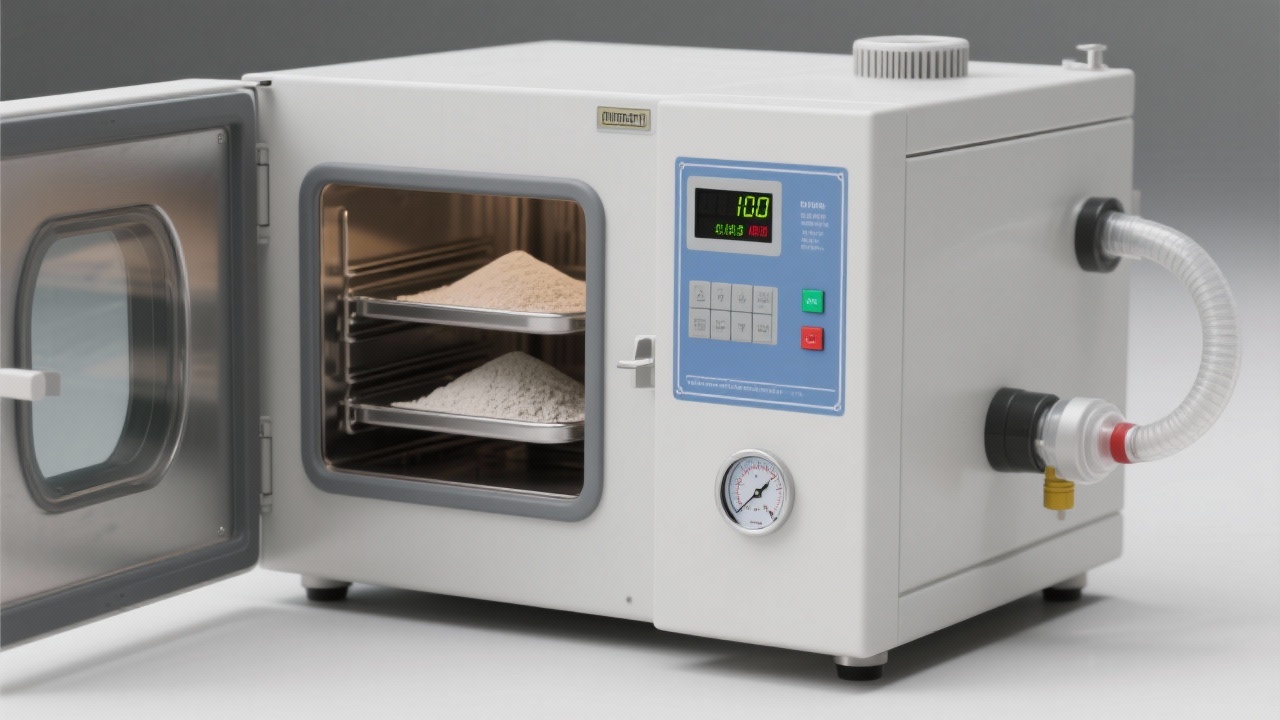
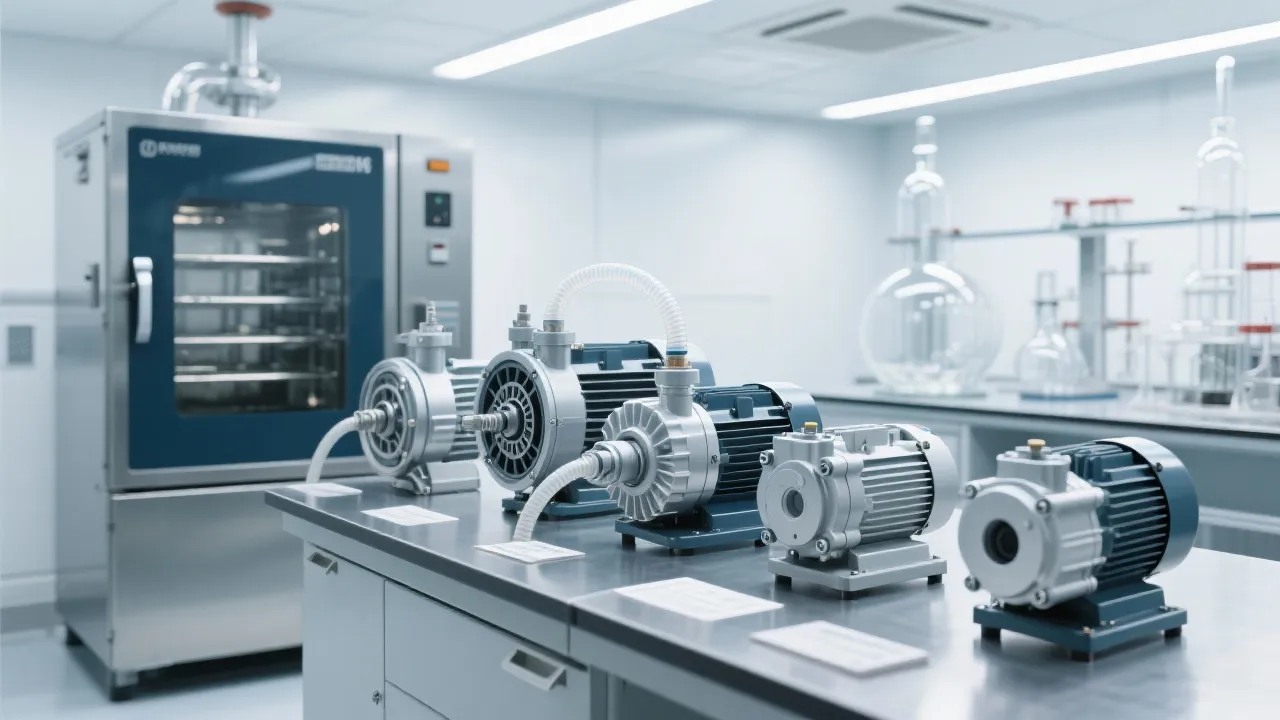
To avoid sample coking and residual solvents, it is necessary to set the temperature and vacuum degree reasonably. For example, starting with a lower temperature and gradually increasing it can prevent sudden boiling and splashing of the sample. In addition, proper selection of the vacuum pump is also crucial. The pumping speed of the vacuum pump should be matched with the volume of the drying oven and the required vacuum degree. For a small - to - medium - sized vacuum drying oven (e.g., 50 - 200 liters), a vacuum pump with a pumping speed of 10 - 30 m³/h is usually sufficient.
We would like to hear from you! Please take a moment to answer the following questions:
If you want to learn more about the technical details of vacuum drying ovens, such as detailed temperature and vacuum degree setting guides for different materials, or need help in optimizing your drying process, download our technical manual or leave your questions below. Our experts will be happy to assist you!



 <#else>