DZF-6010 Mini Vacuum Oven: High-Efficiency Drying for Industrial Lab Testing and Research
25 02,2026
Zhengzhou Keda Mechanical Instrument Equipment Co., Ltd.
Customer Cases
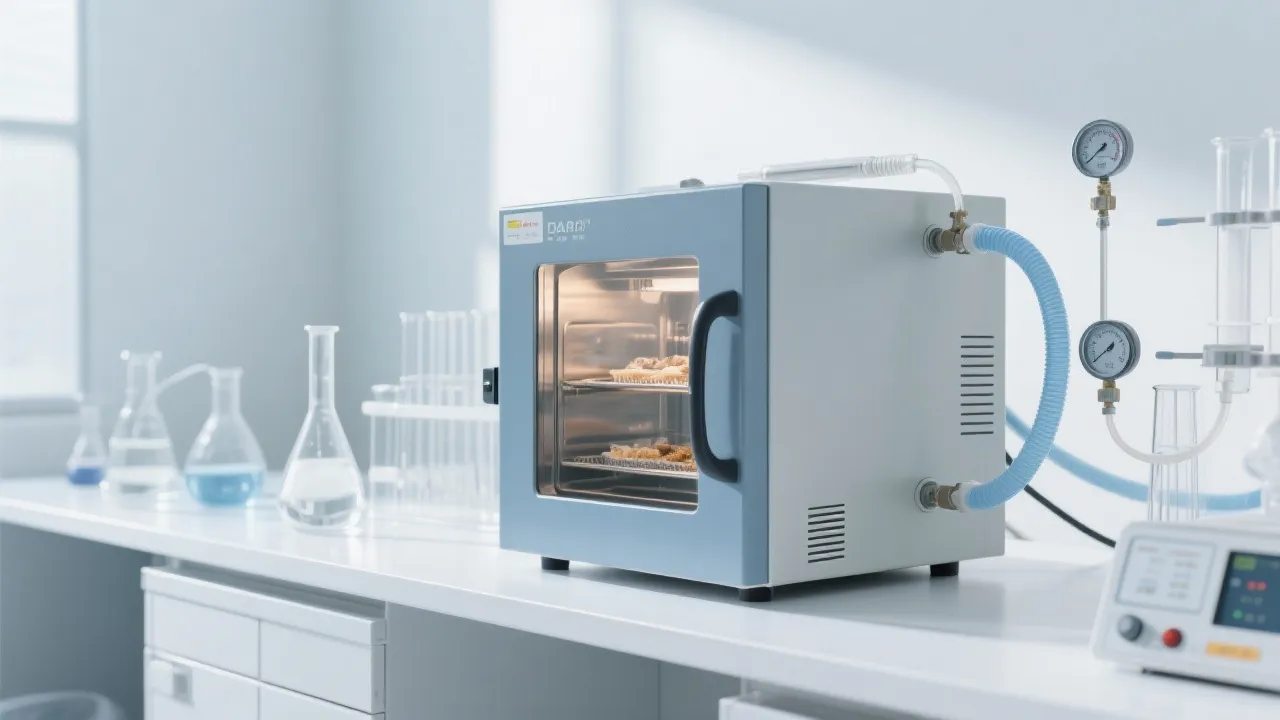
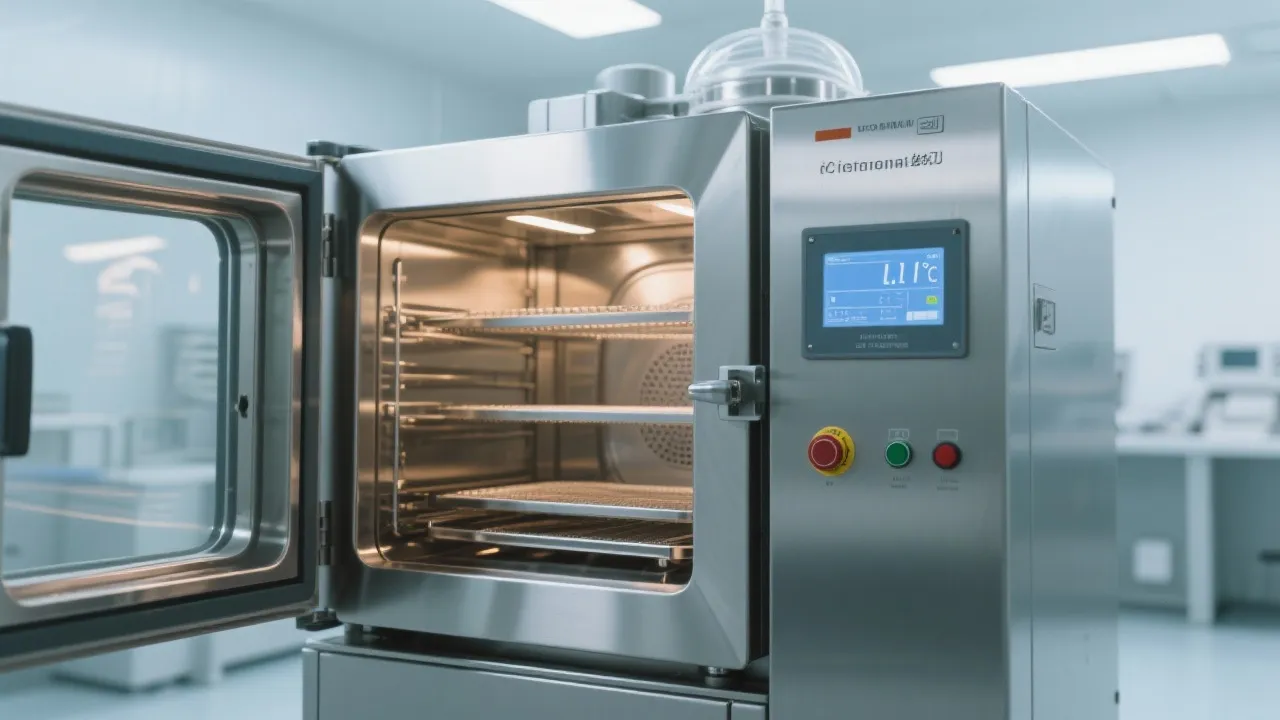
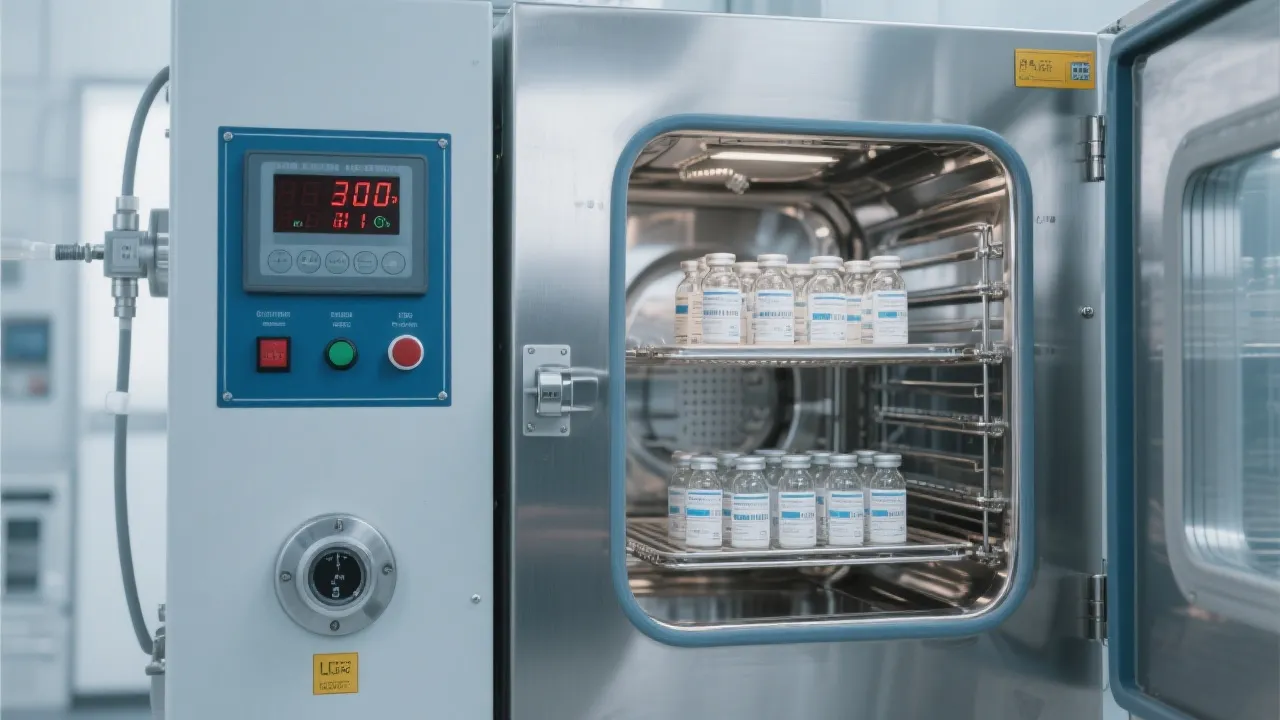
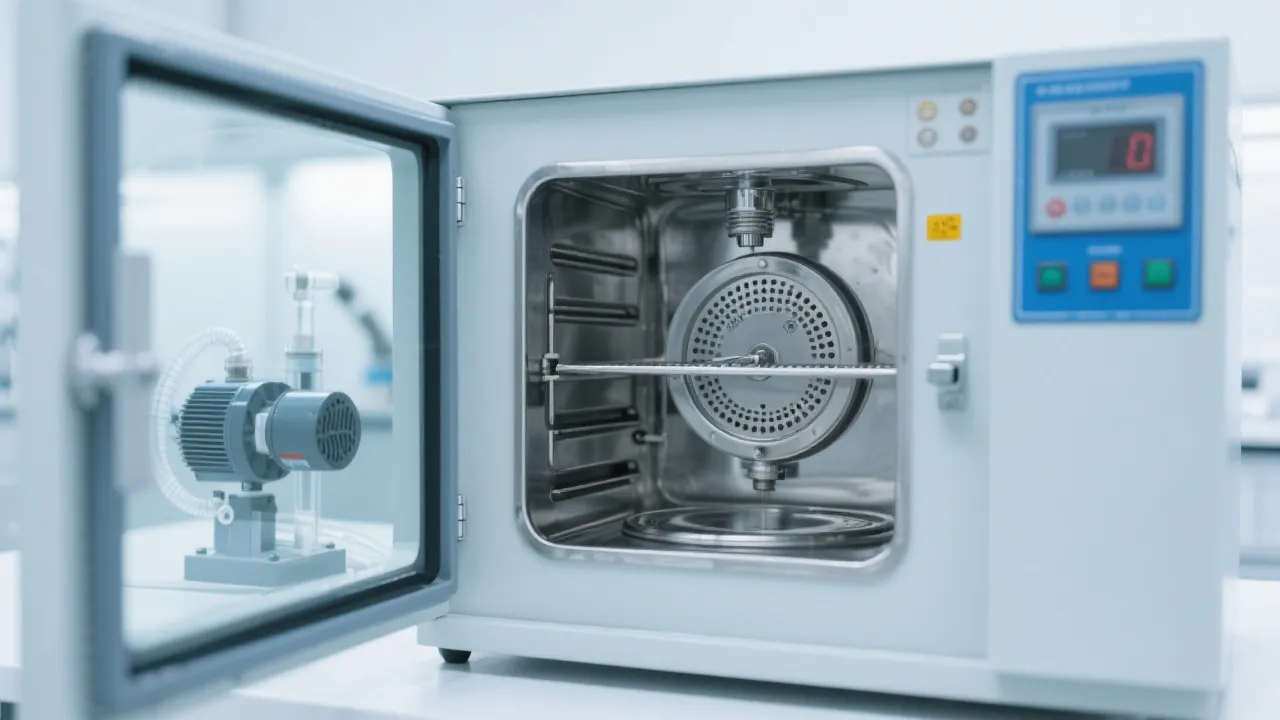
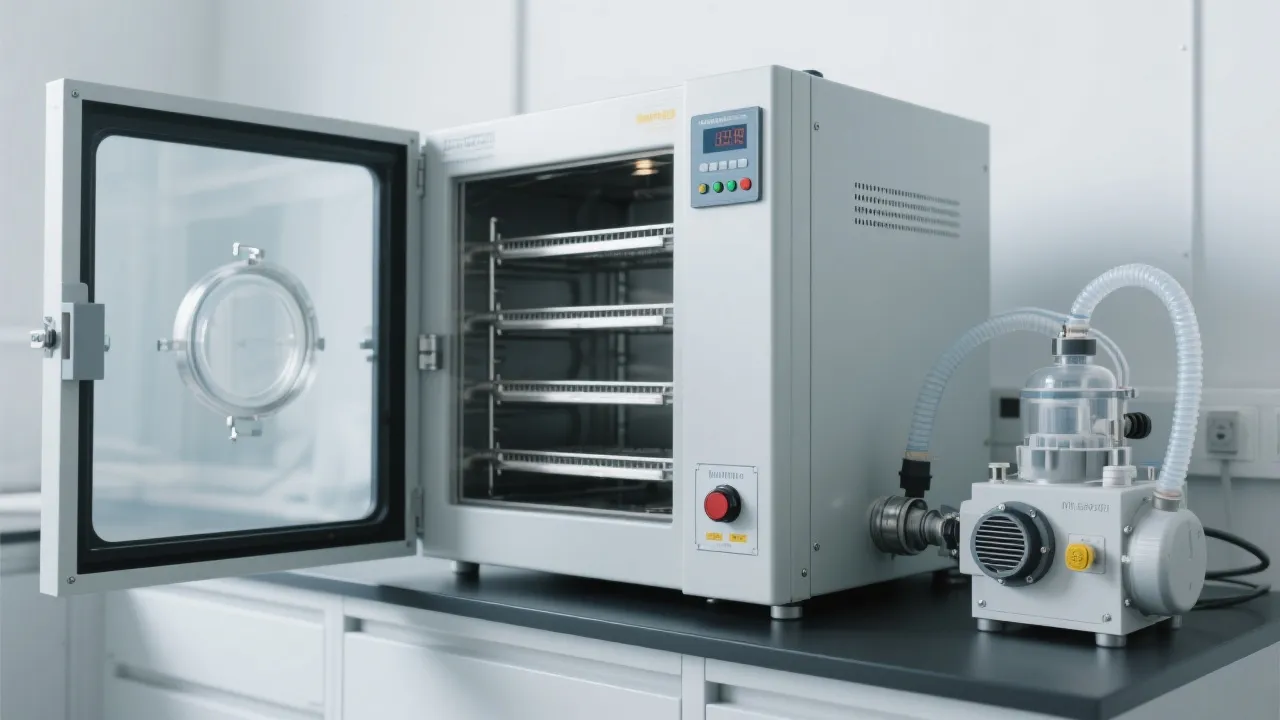
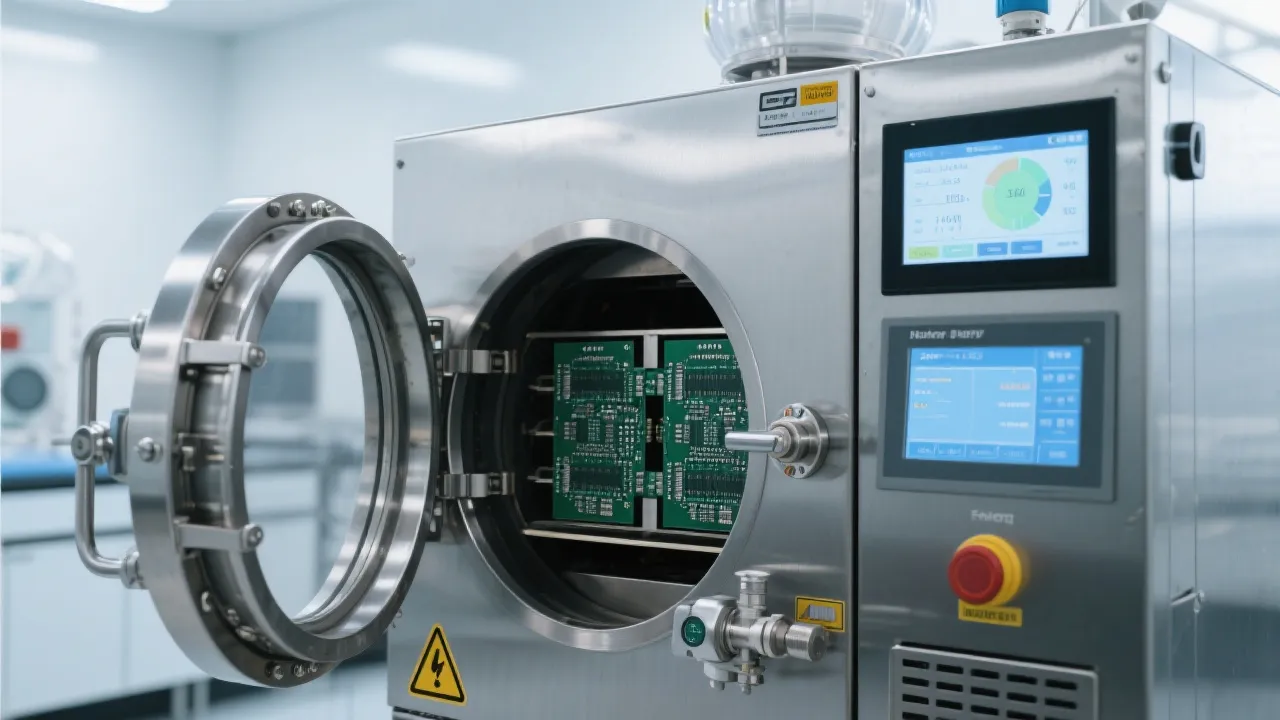
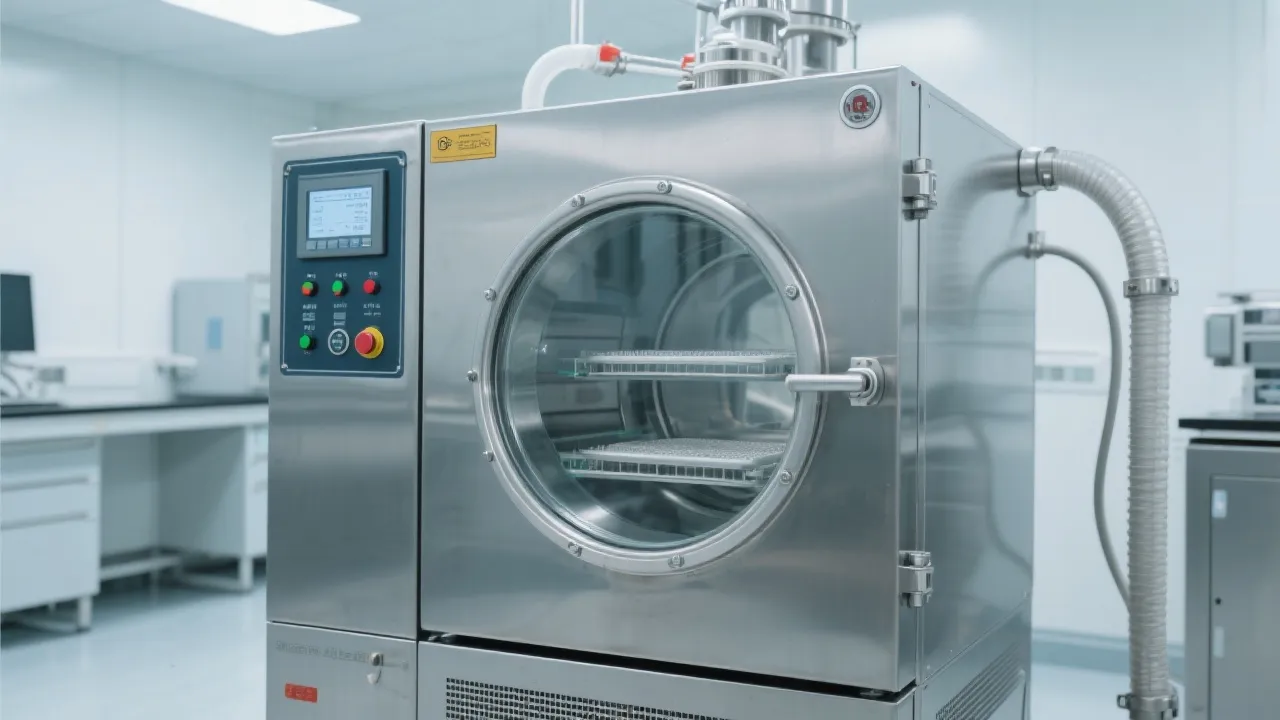
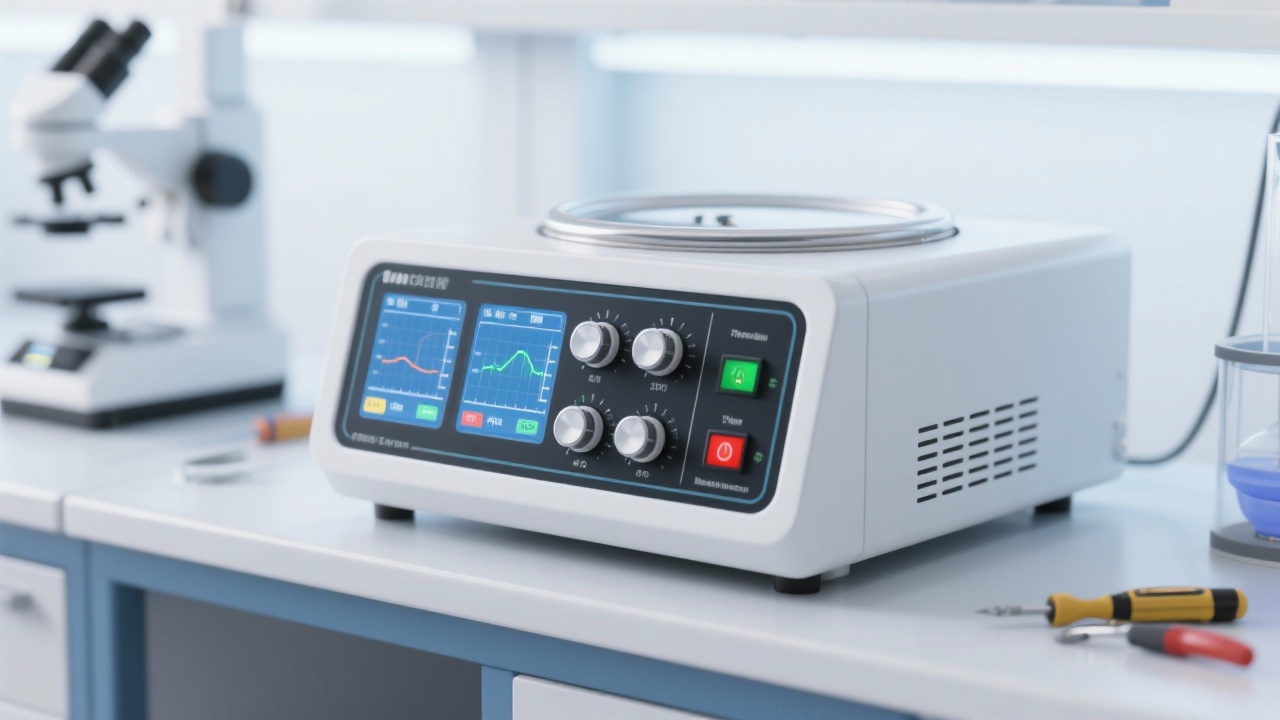
The DZF-6010 mini vacuum oven combines a compact footprint with an 8L chamber to deliver fast, stable, and repeatable vacuum drying for industrial laboratories and academic research settings. Built around advanced vacuum technology and a PID intelligent temperature control system, it supports high-precision heating that helps protect heat-sensitive materials while improving test consistency. Key engineering features—such as a robust vacuum pump performance, corrosion-resistant 304 stainless-steel chamber construction, and safety-focused anti-explosion design—enable reliable operation across demanding product testing workflows. Through practical application cases, this article shows how the DZF-6010 can shorten drying cycles, reduce sample variability, and enhance data credibility in both industrial verification and scientific experimentation. A comparison with similar mini vacuum ovens highlights the DZF-6010’s performance-to-value advantages and multifunction versatility, followed by actionable tips for setup, operation, and maintenance to keep results accurate and stable over time. Readers are invited to share their own use cases and insights to further explore the system’s potential in real-world testing environments.
How the DZF-6010 Mini Vacuum Oven Speeds Up Industrial Lab Product Testing—Without Sacrificing Accuracy
In industrial laboratories and academic research centers, drying is rarely “just drying.” It is a process step that can quietly determine whether a dataset is trusted, whether a sample survives, and whether a project hits its deadline. The DZF-6010 mini vacuum oven—with an 8 L compact chamber, robust vacuum capability, and a PID intelligent temperature control system—is designed for one goal: stable, repeatable drying for heat-sensitive materials under controlled low-pressure conditions.
Why Mini Vacuum Drying Is a Productivity Tool (Not a “Nice-to-Have”)
Under vacuum, the boiling point of solvents drops significantly—meaning many samples can be dried at lower temperatures than in a conventional lab oven. For example, at roughly 20–30 kPa absolute pressure, water can begin evaporating near 60–70°C (rather than 100°C at atmospheric pressure), reducing thermal damage risk for polymers, coatings, adhesives, and electronics materials.
In real-world product testing, that translates into fewer re-runs, fewer “mystery deviations,” and faster qualification cycles. The labs that treat vacuum drying as a controlled process step typically report 10–30% shorter sample preparation time and noticeably improved repeatability when moisture content is a critical variable.
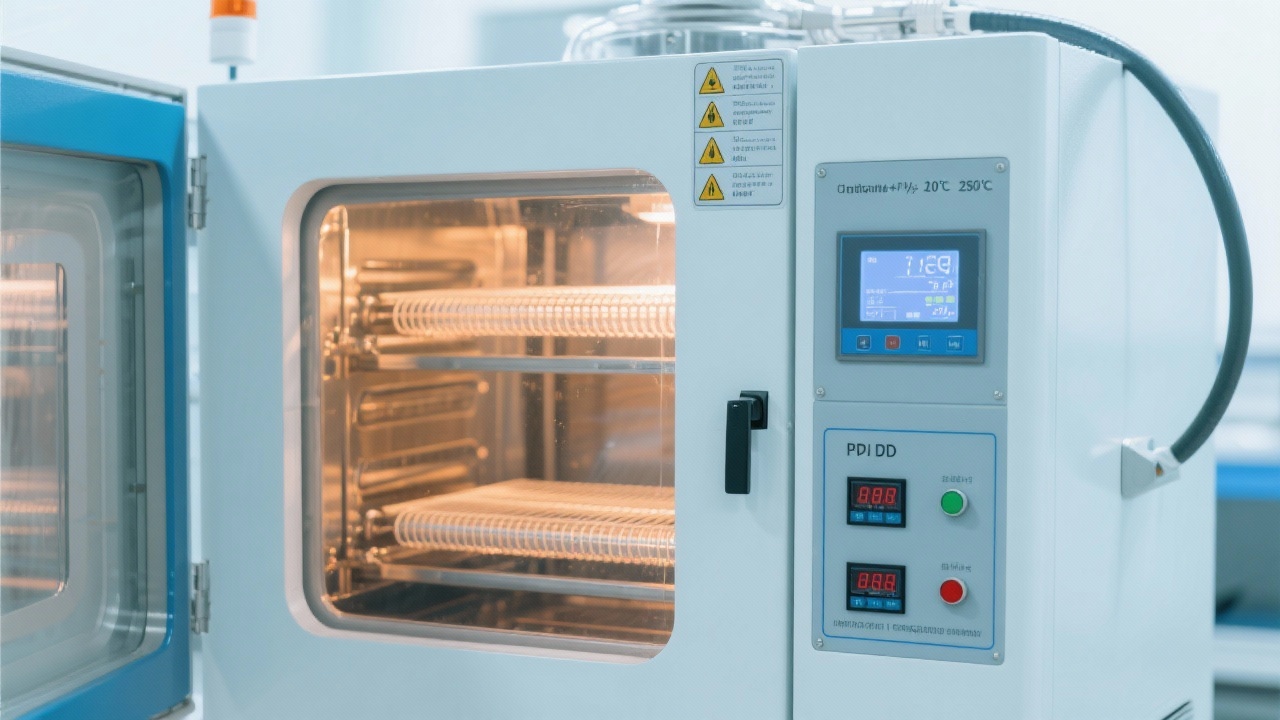
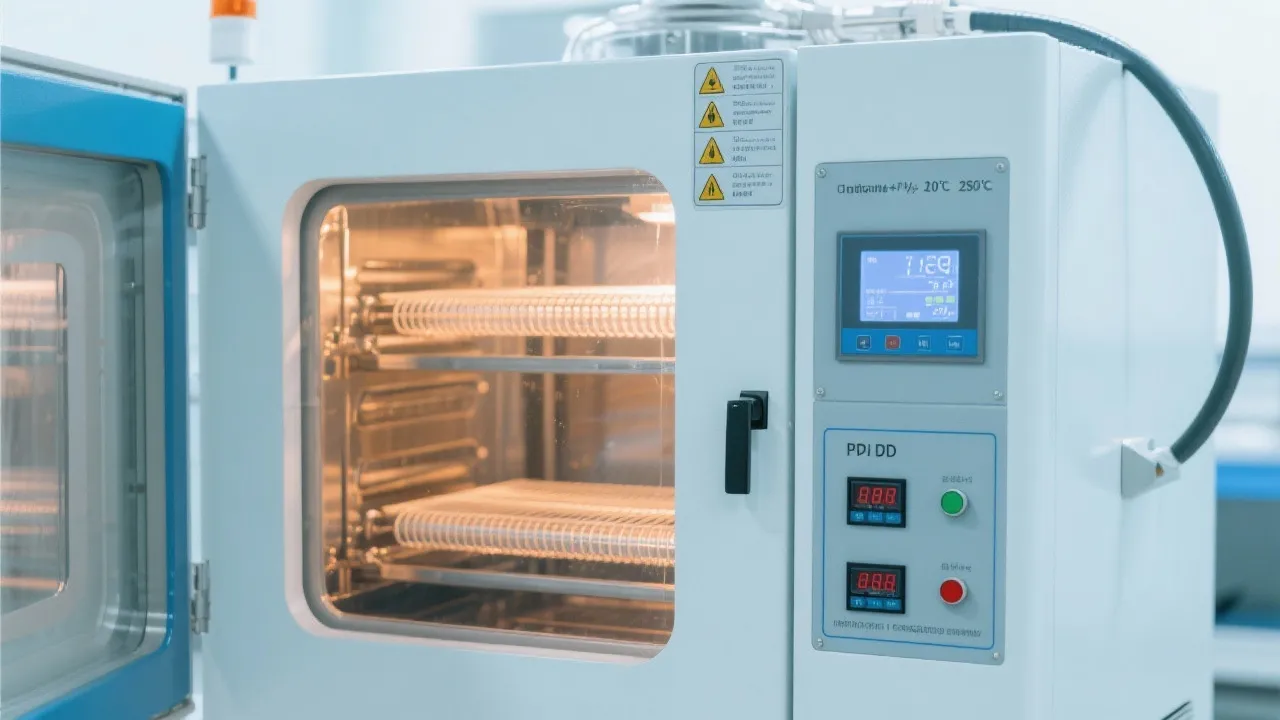
Core Technologies That Make the DZF-6010 Reliable for Testing Workflows
1) Vacuum Advantage: Gentle Drying That Protects Materials
The DZF-6010 is built around a stable vacuum environment to help remove moisture and volatile solvents at reduced temperature stress. This matters for samples that discolor, warp, embrittle, or lose functional additives when overheated. In product testing terms, it helps preserve mass stability, surface properties, and functional performance—so the subsequent measurement reflects the material, not the drying error.
2) PID Intelligent Temperature Control: Repeatability You Can Audit
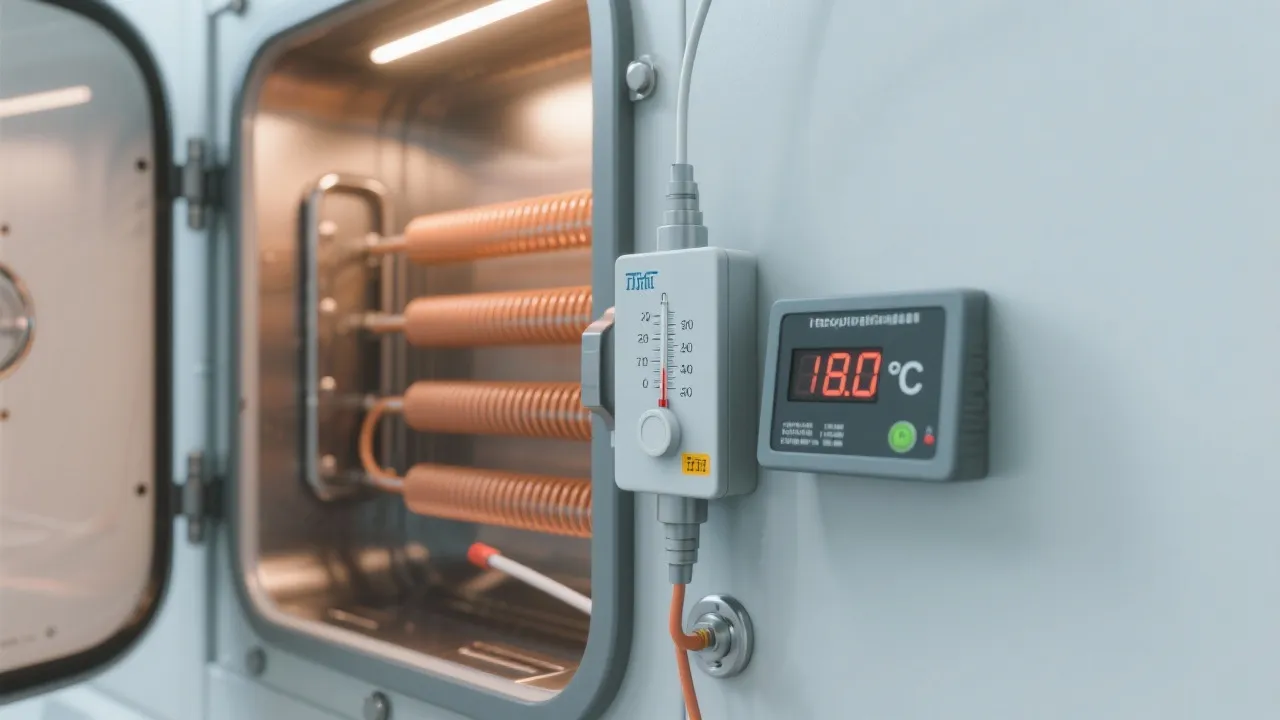
PID control is not just a feature label—it is a practical way to reduce overshoot and stabilize temperature during long drying cycles. In many labs, a typical setpoint stability target is within ±1°C for sensitive workflows. With PID tuning and steady-state performance, operators can better maintain consistent drying profiles across batches, improving the credibility of moisture-related data (e.g., mass loss, solvent residue, adhesion tests).
3) 304 Stainless Steel Chamber: Cleaner, More Corrosion-Resistant Operation
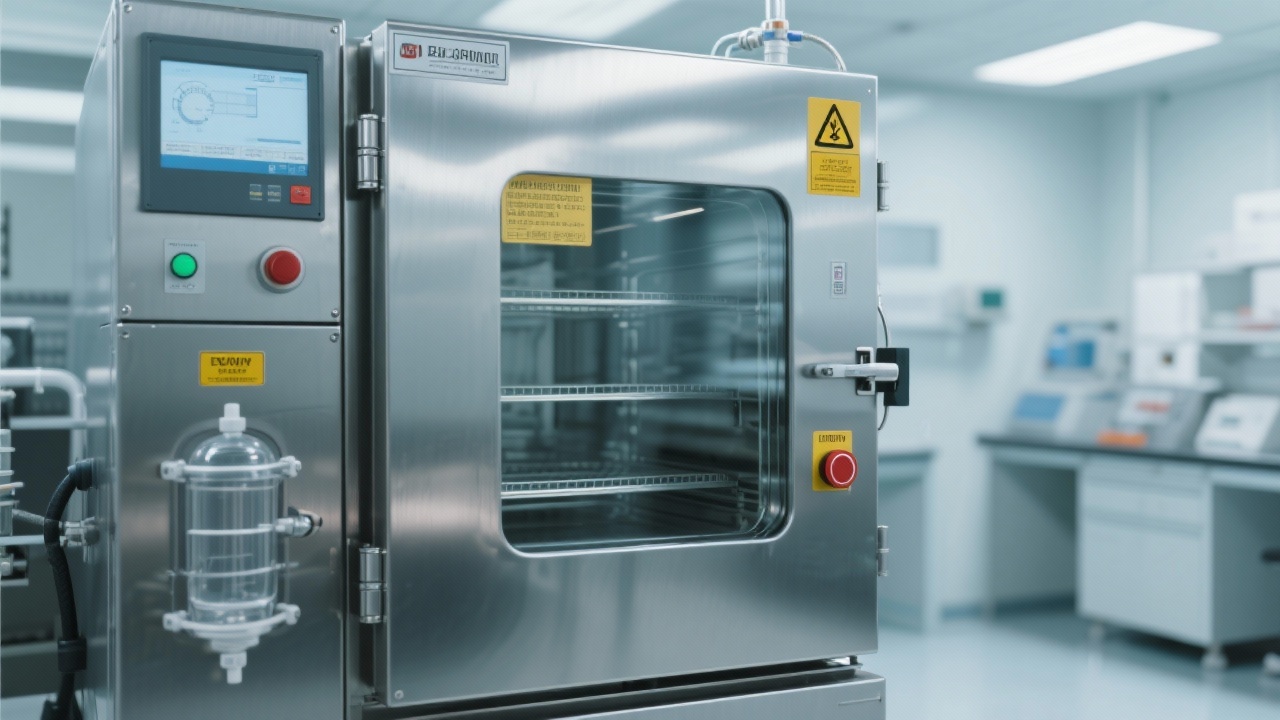
A 304 stainless steel chamber helps reduce corrosion risk in routine lab exposure to mild solvents, humidity, and repeated heat cycles. For labs working with resin systems, coatings, or chemical intermediates, this supports a cleaner chamber surface and reduces the chances of contamination transfer between test runs—especially important when comparing formulations or validating process consistency.
4) Safety & Explosion-Resistant Configuration: Confidence in Solvent-Adjacent Work
When labs handle samples containing residual solvents, safety controls matter. An appropriate safety design (including explosion-resistant considerations depending on configuration) helps teams keep a professional risk posture. It also makes the DZF-6010 easier to standardize into SOP-driven workflows, where documentation and repeatability are as important as the final dryness.
Two Real-World Use Cases: Industrial Labs vs. Academic Research
Use Case A (Industrial Lab): Faster Failure Analysis for Electronic Encapsulation Materials
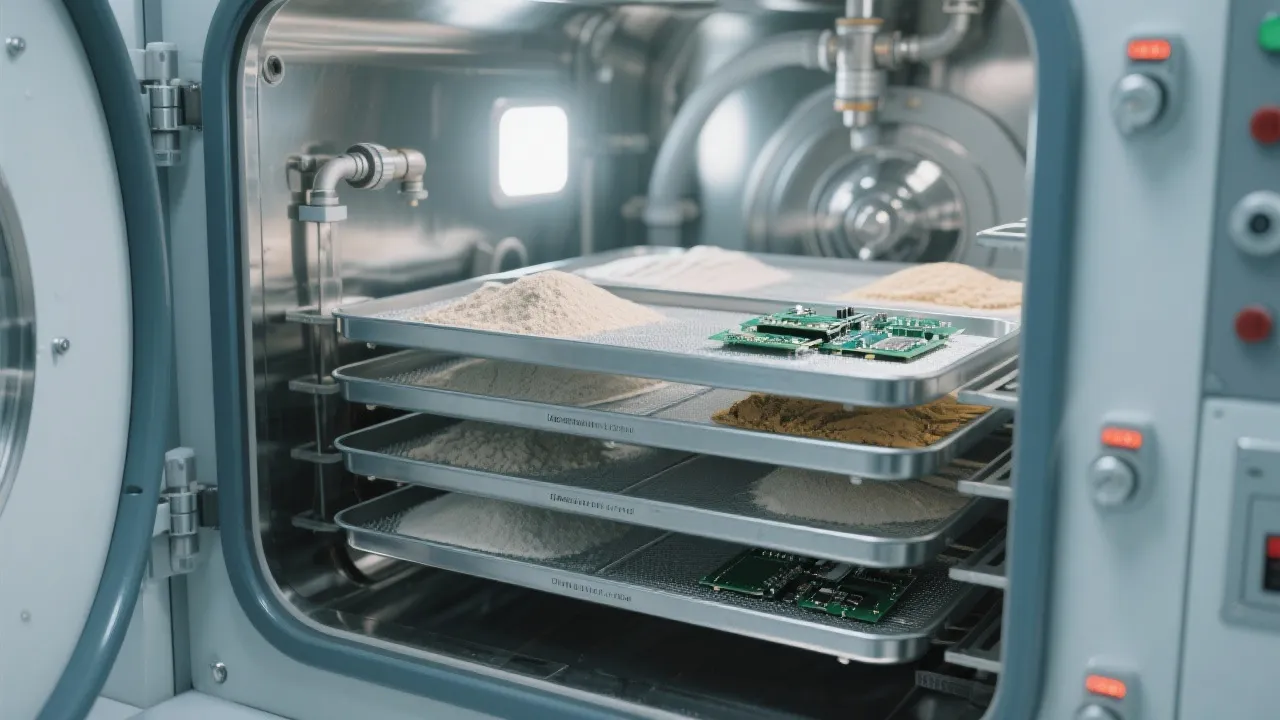
A QC lab evaluating electronic encapsulation compounds faced recurring inconsistencies in mass loss and hardness after drying. Their previous method used a hot-air oven near 90–110°C, which risked altering polymer structure and creating microbubbles—leading to “false failure” signals during performance testing.
By switching to a vacuum-drying workflow using the DZF-6010 at 60–75°C under controlled vacuum, the lab reported:
- Reduced sample rework by approximately 20% over an 8-week period (fewer runs invalidated by thermal artifacts).
- More stable mass readings (typical repeatability improved from ~±0.30% to ~±0.10% for the same sample type).
- Shorter prep-to-test time by roughly 15% on average due to fewer cooling/conditioning delays.
The practical takeaway: the DZF-6010 didn’t just “dry better”—it reduced noise in the data, making decisions easier and faster.
Use Case B (Academic Lab): Cleaner Drying for Porous Materials and Catalysts
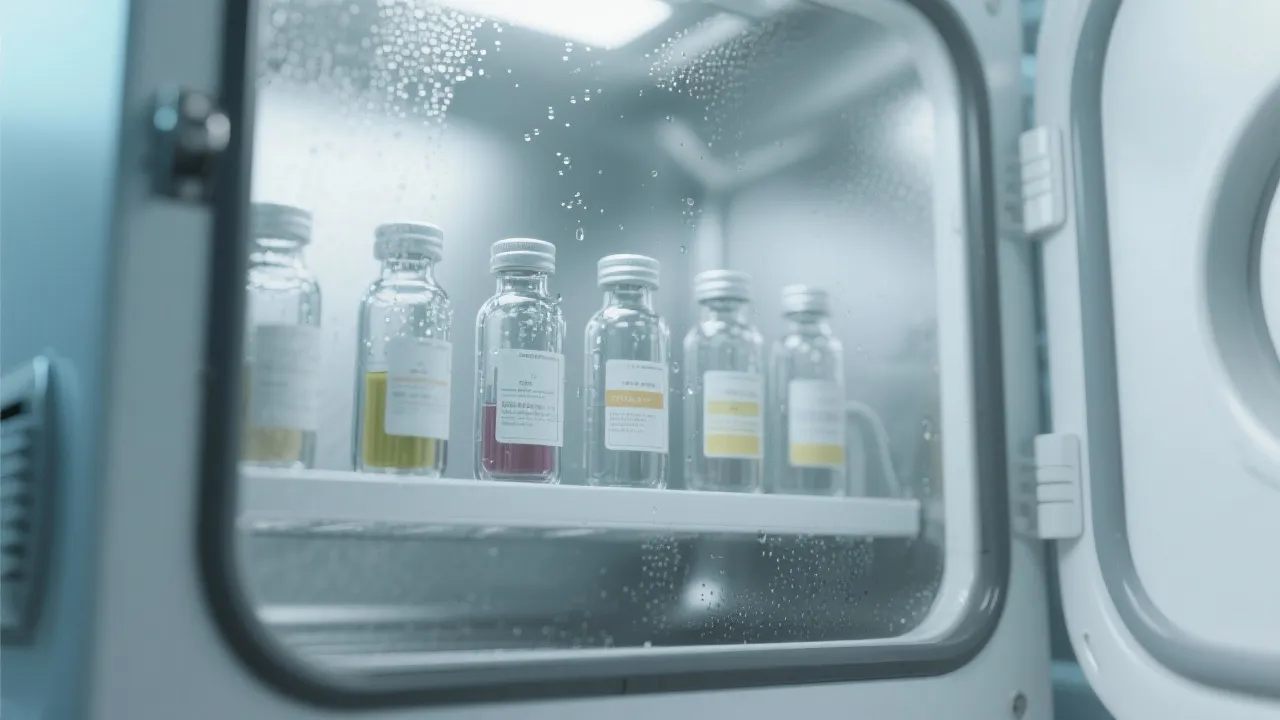
A university materials lab working on porous structures (e.g., adsorbents and catalyst supports) needed a way to reduce residual moisture and solvents without collapsing delicate pores. The team also needed a compact footprint to fit a crowded bench environment shared across multiple projects.
After integrating the DZF-6010 into their sample preparation, they standardized a vacuum drying step at 40–60°C for longer cycles. Typical improvements reported by the group included:
- More consistent adsorption test baselines, especially on humid days (lower drift in initial mass and pre-conditioning).
- Better sample integrity compared with aggressive hot-air drying (less visible cracking/warping on fragile structures).
- Smoother collaboration thanks to the mini 8 L chamber and easier scheduling for small-batch runs.
For research teams, this kind of stability is more than convenience—it protects weeks of experimental work from being undermined by inconsistent sample prep.
How the DZF-6010 Compares to Typical Mini Vacuum Ovens
Many mini vacuum ovens look similar on paper. In daily operation, however, performance is often determined by temperature stability under vacuum, chamber material quality, and whether safety design matches solvent-adjacent workflows. The table below reflects what labs commonly evaluate when choosing an 8–20 L bench-top vacuum drying oven.
| Decision Factor |
Typical Entry Mini Vacuum Oven |
DZF-6010 Mini Vacuum Oven |
| Temperature control method |
Basic thermostat or less stable control |
PID intelligent control for steadier setpoint holding |
| Chamber material |
Mixed materials; corrosion resistance varies |
304 stainless steel chamber for durability and cleanliness |
| Vacuum stability for small batches |
May fluctuate; longer stabilization time |
Designed for stable vacuum drying in compact workflows |
| Safety configuration |
Limited safety design for solvent-adjacent use |
Safety & explosion-resistant configuration options for confidence |
| Value for multi-scenario labs |
Often optimized for one narrow use |
High versatility for QC, R&D, and academic sample prep |
The result is a unit that feels less like a “small oven” and more like a controllable process module—especially when multiple teams depend on consistent sample conditioning.
Practical Tips: Getting Stable Results from a Mini Vacuum Oven
Set parameters like a test method, not like a habit
For moisture-sensitive testing, document setpoint temperature, target vacuum level, ramp strategy, and hold time. Many labs find that “same temperature, different vacuum” can change final residue results more than expected—especially for solvent-containing samples.
Avoid overloading: airflow and surface area still matter
In an 8 L chamber, small batches excel when samples are placed with spacing. Thin layers dry more evenly; stacked containers often trap solvent and extend cycle time. When comparing formulations, keep the sample geometry consistent to protect data integrity.
Build a simple maintenance routine for vacuum consistency
A stable vacuum is a performance feature. Periodically check seals and connections, keep the chamber clean, and follow recommended pump maintenance schedules. In many labs, small leaks are the hidden cause behind “random” drying variability.
A question worth asking before every run
What would be damaged first—heat or time? If the sample is heat-sensitive, lower the temperature and let vacuum do the work. If the schedule is tight, optimize layout and pre-conditioning steps rather than pushing temperature beyond the material’s comfort zone.
What Users Often Share After Switching to the DZF-6010
Teams rarely celebrate an oven—until it prevents a week of re-testing. In both industrial QC and academic research, users tend to value the same outcome: confidence. Confidence that temperature will hold, that vacuum drying won’t introduce artifacts, and that the sample reaching the measurement stage still represents the real material behavior.
If the DZF-6010 is already part of your lab workflow, what parameter change made the biggest difference for you: vacuum level, temperature, sample layout, or hold time?
Ready to Standardize Your Drying Step for Better Test Data?
Get the full specifications, application guidance, and configuration options for the DZF-6010 mini vacuum oven—built for stable, repeatable lab drying in industrial testing and research environments.
Explore the DZF-6010 Mini Vacuum Oven for Laboratory Drying & Product Testing
Share your sample type and target dryness level, and a recommended parameter window can be suggested for your workflow.