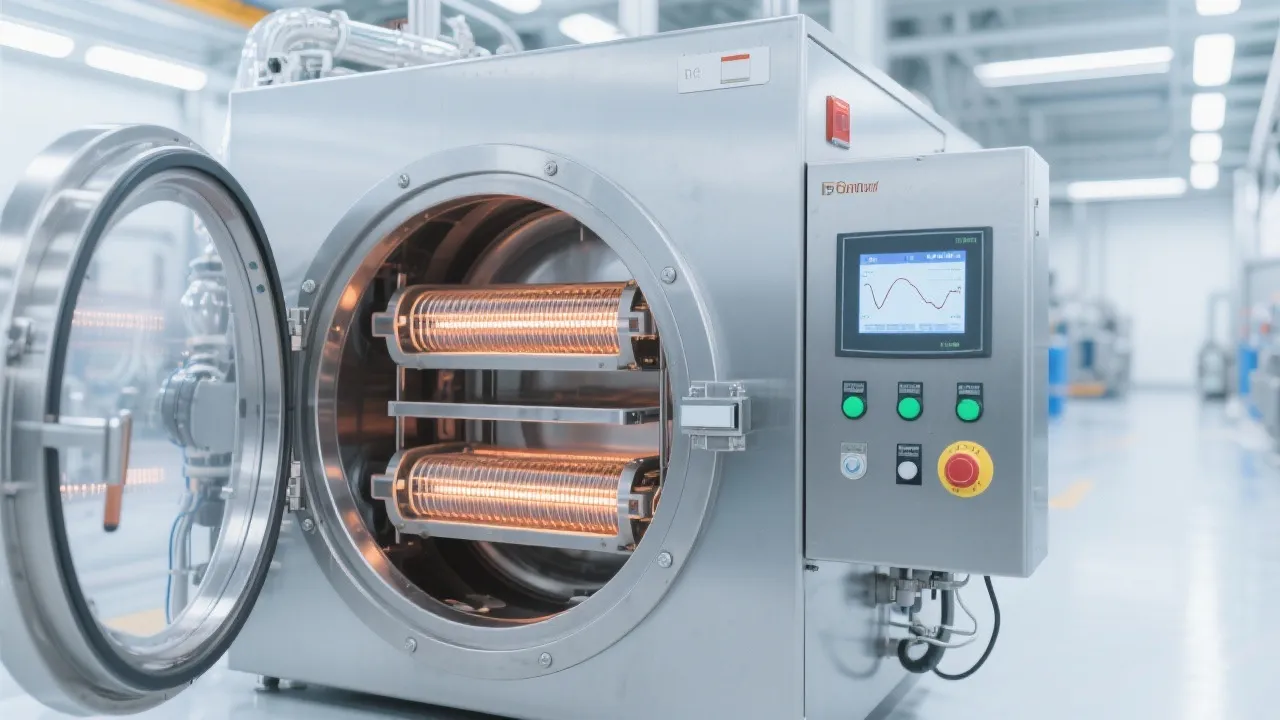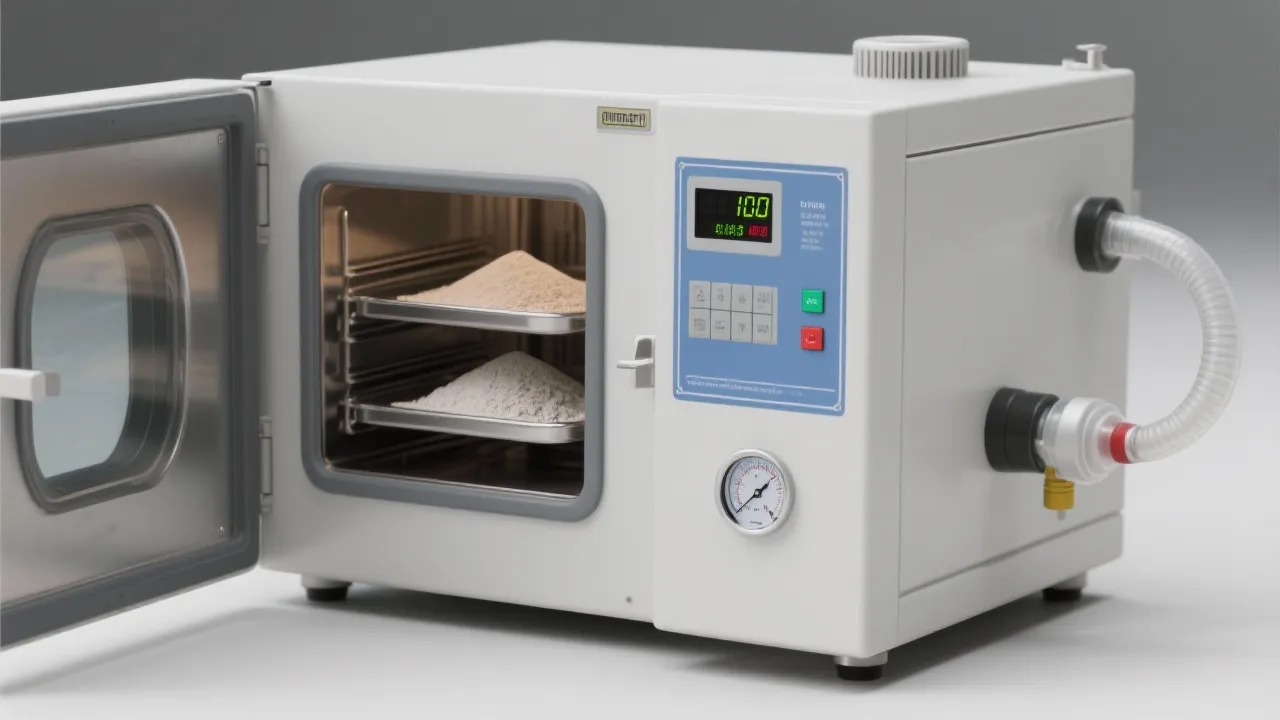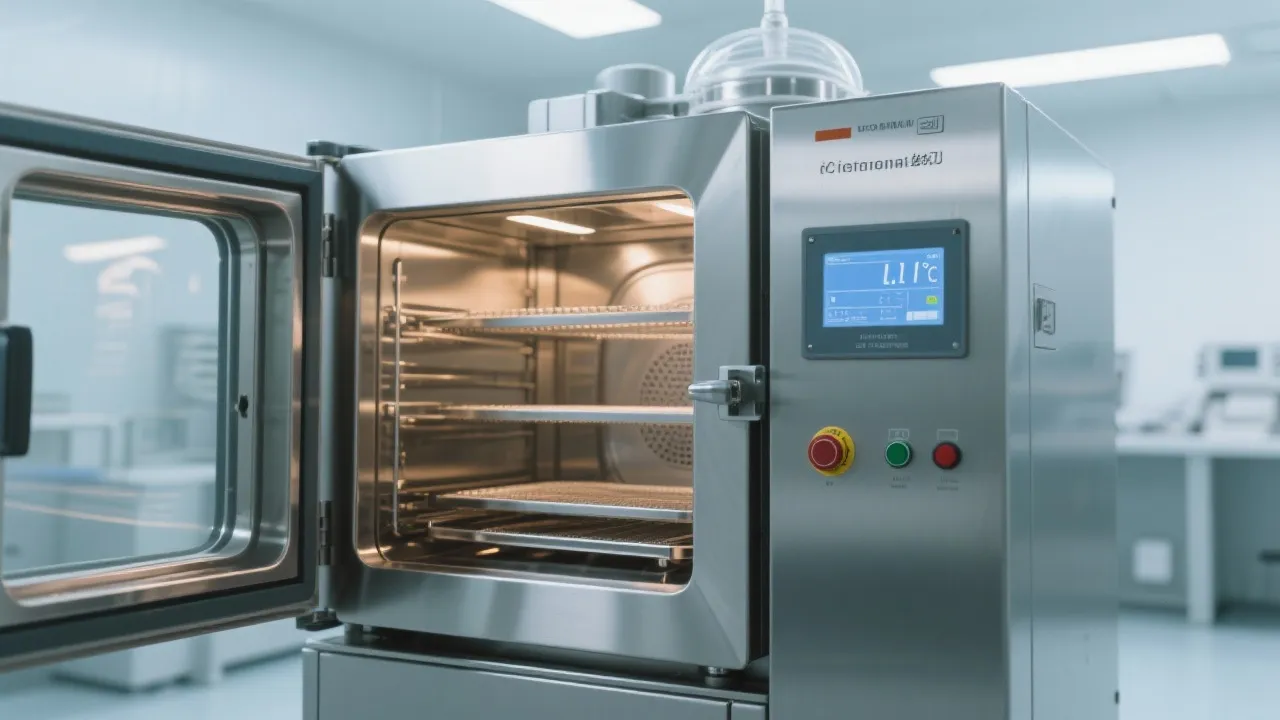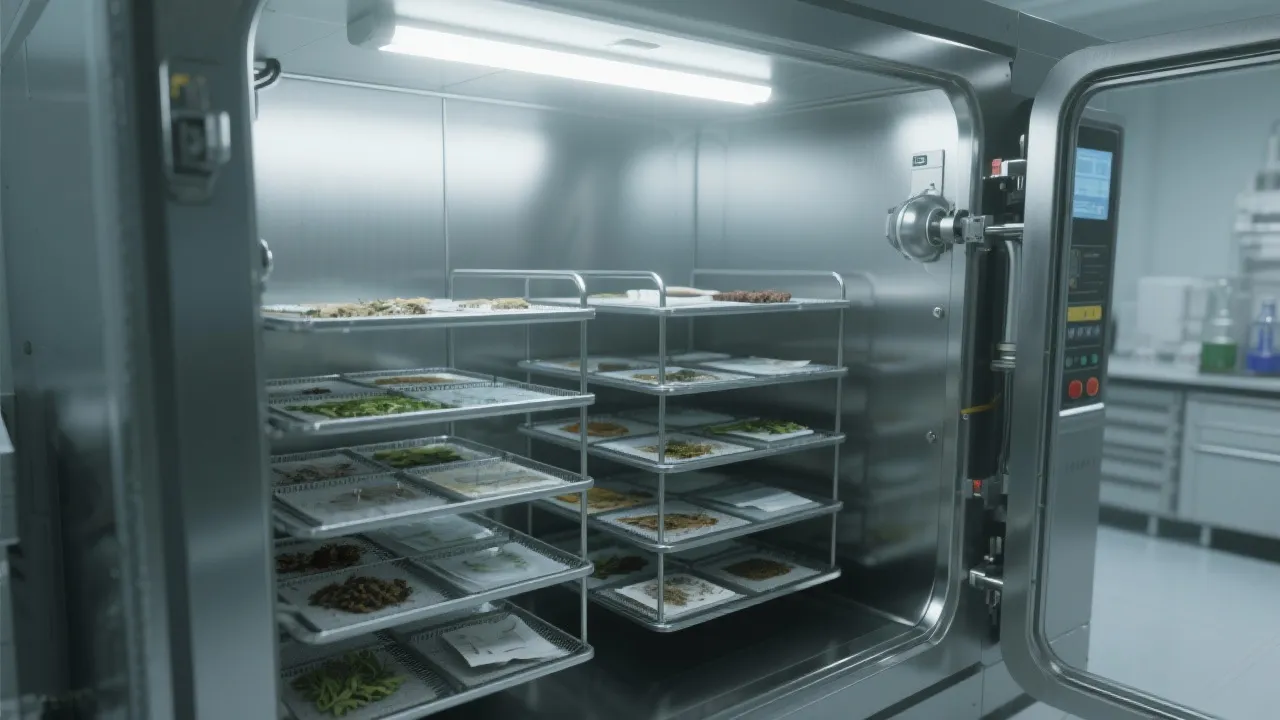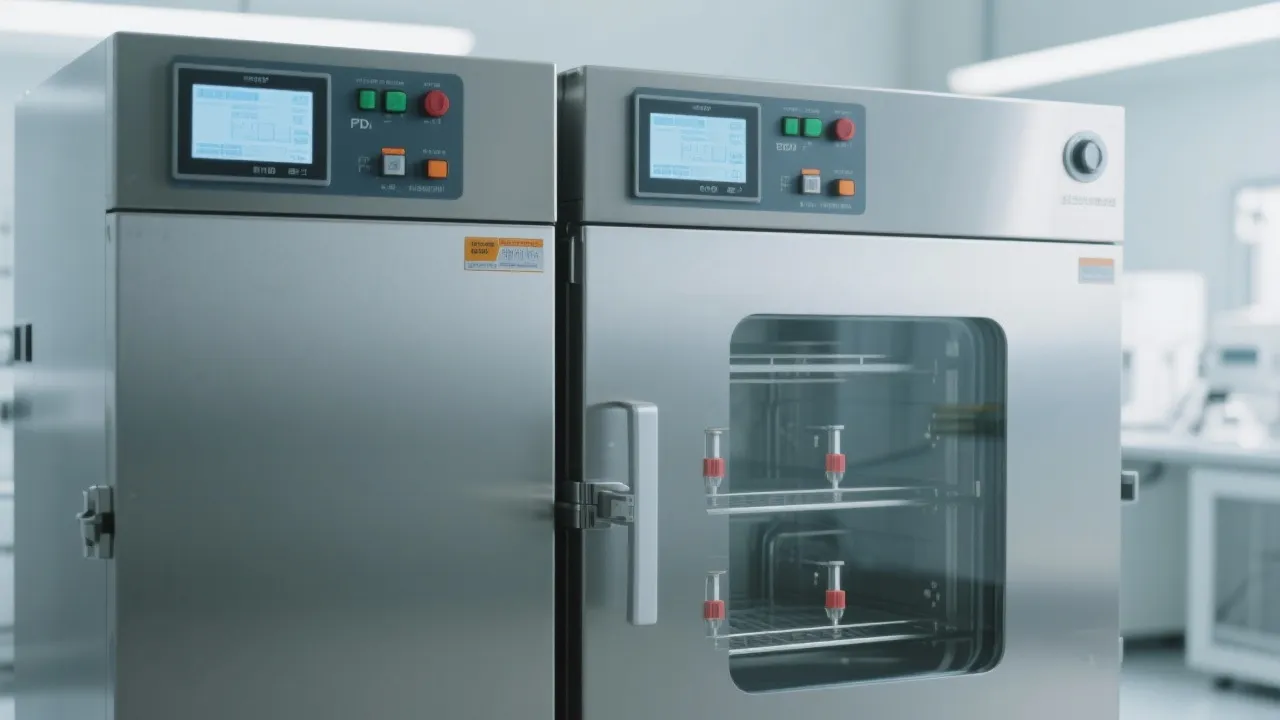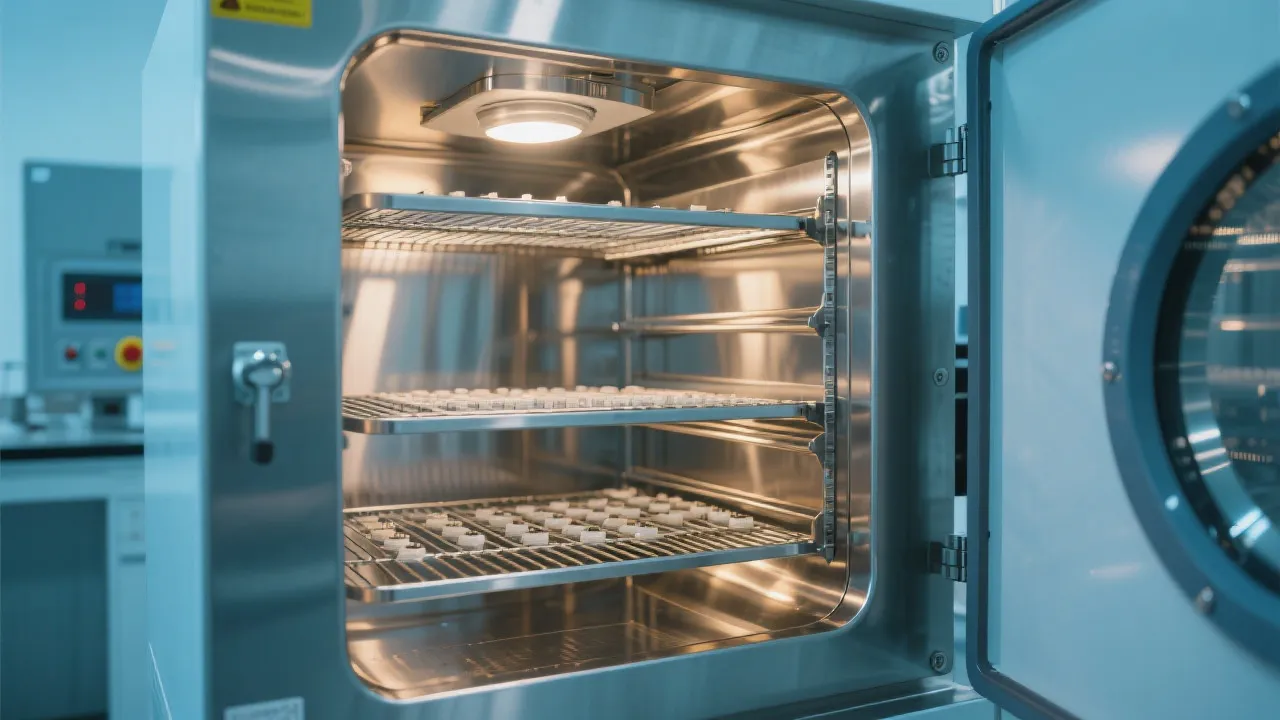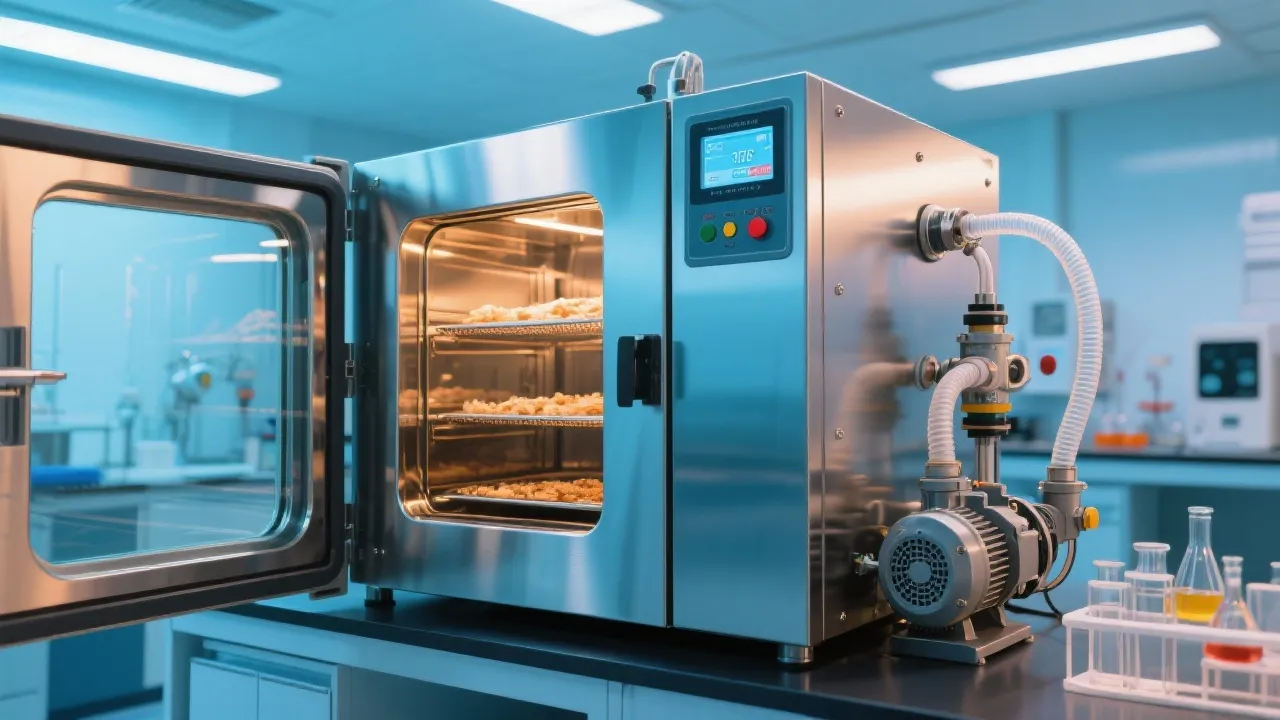
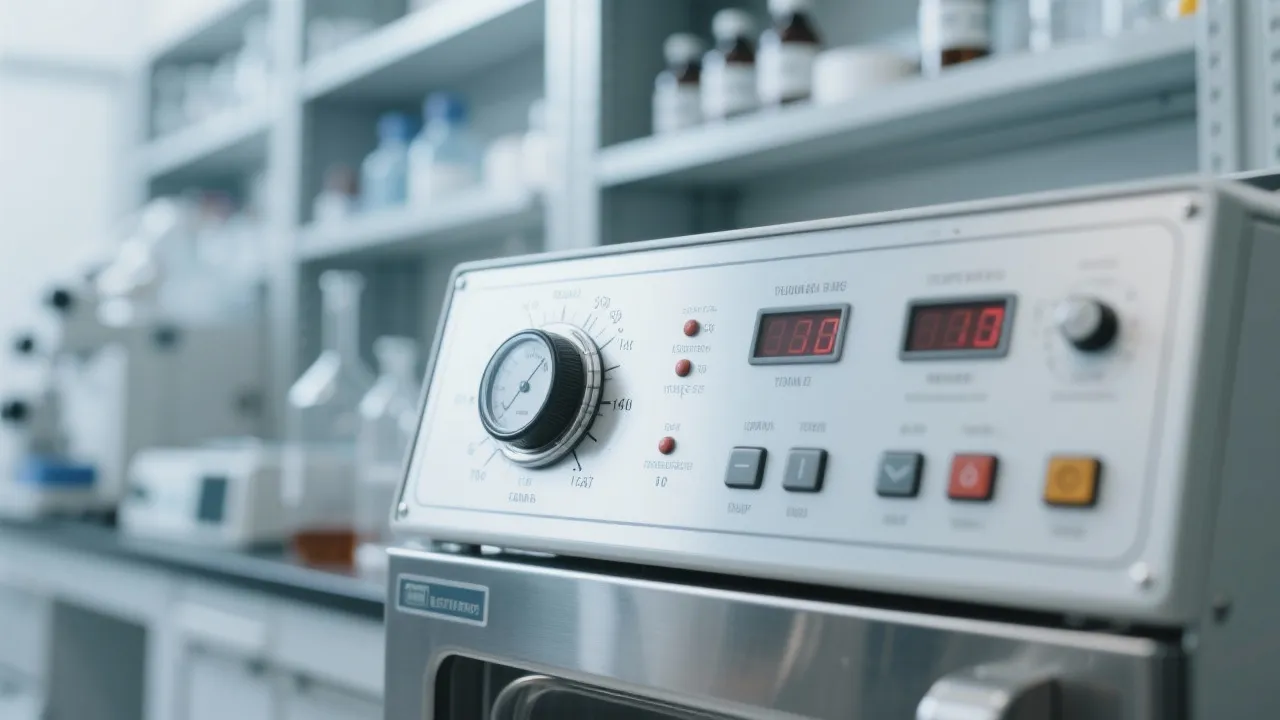
In the fast-paced world of industrial R&D, where every minute and every data point matters, laboratory drying processes often become the unsung bottleneck. Traditional drying methods frequently compromise sample integrity through oxidation, temperature fluctuations, or contamination—issues that can derail weeks of research investment. This case study examines how the DZF-6010 Mini Vacuum Oven has transformed testing workflows across multiple industrial laboratories by addressing these critical pain points.
Client Testimonial: "We reduced our material drying time by 47% while eliminating the oxidation issues that had plagued our previous results. The DZF-6010's precision has been a game-changer for our battery component testing protocols." — Dr. Michael Chen, Materials Science Director at a Fortune 500 electronics manufacturer
Industrial laboratories handling sensitive materials face unique challenges that demand specialized equipment. The DZF-6010 addresses three critical requirements:
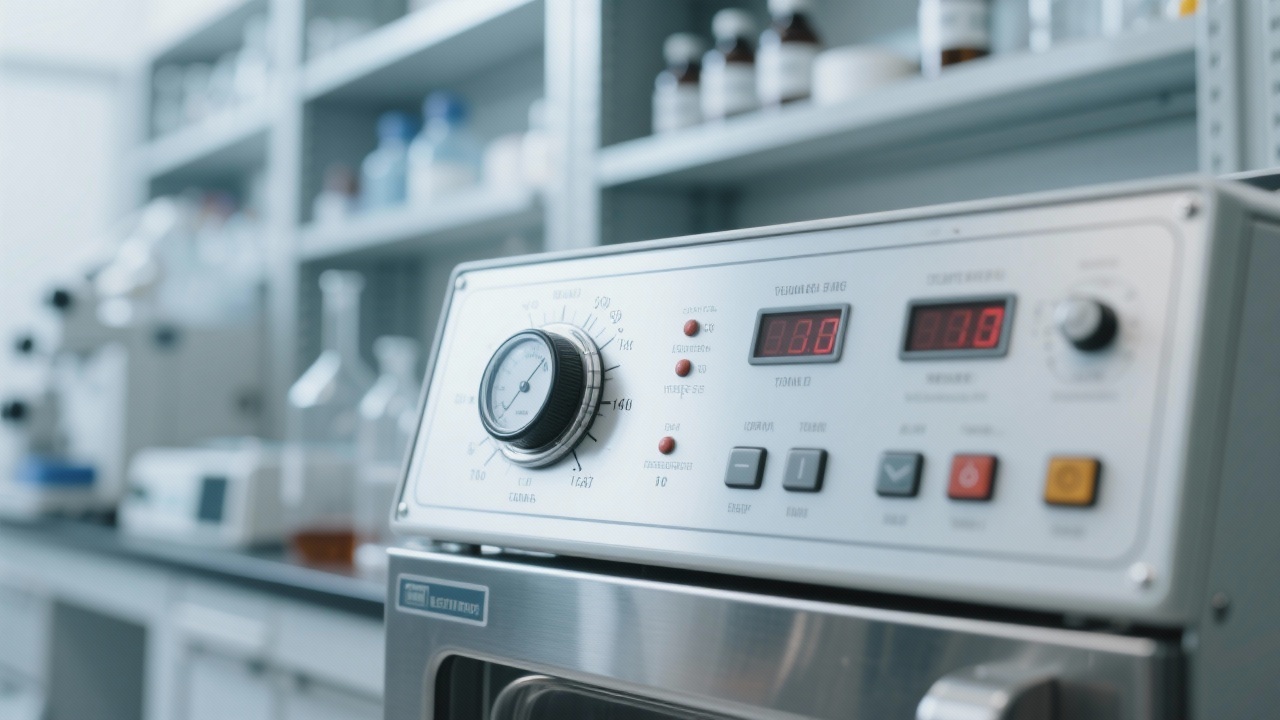
A leading aerospace materials laboratory recently implemented three DZF-6010 units to address recurring issues with composite material testing. Their previous convection drying process required 18 hours per sample with inconsistent results due to ambient humidity variations. After switching to vacuum drying:
58% Reduction
in drying time (from 18 hours to 7.5 hours)
94% Consistency
in test results (up from 67% with previous method)
32% Energy Savings
compared to conventional ovens
"The compact 8L chamber was initially a concern—we worried about capacity limitations," noted the laboratory manager. "But the efficiency of the vacuum system allowed us to process samples in batches that actually increased our overall throughput while maintaining precision. It's a counterintuitive result that has transformed our workflow."
What truly distinguishes the DZF-6010 from competitors isn't just its technical specifications, but how those features translate to real-world usability:
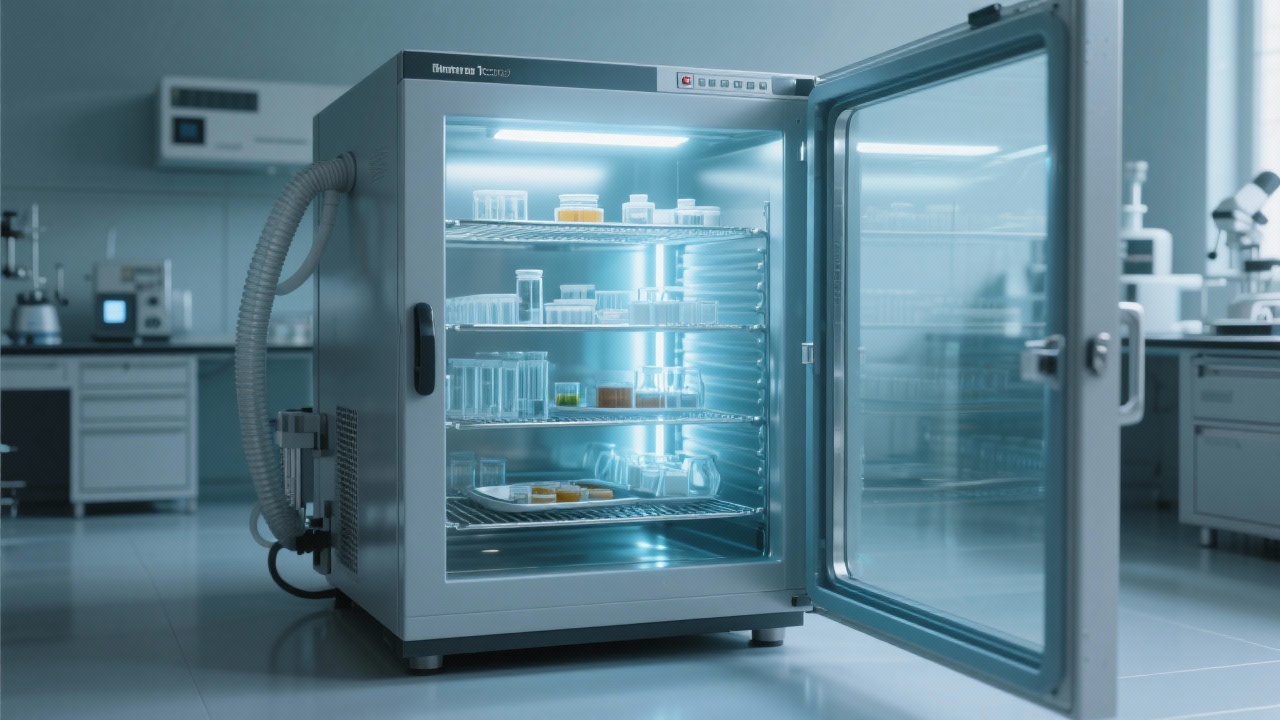
Different industrial sectors face unique drying challenges, and the DZF-6010 has demonstrated adaptability across multiple applications:
Eliminated cross-contamination risks while meeting FDA requirements for traceable drying processes in API development
Enabled moisture-sensitive device testing without thermal damage, critical for semiconductor reliability assessments
Supported development of novel polymers by maintaining precise drying conditions for nano-particle suspensions
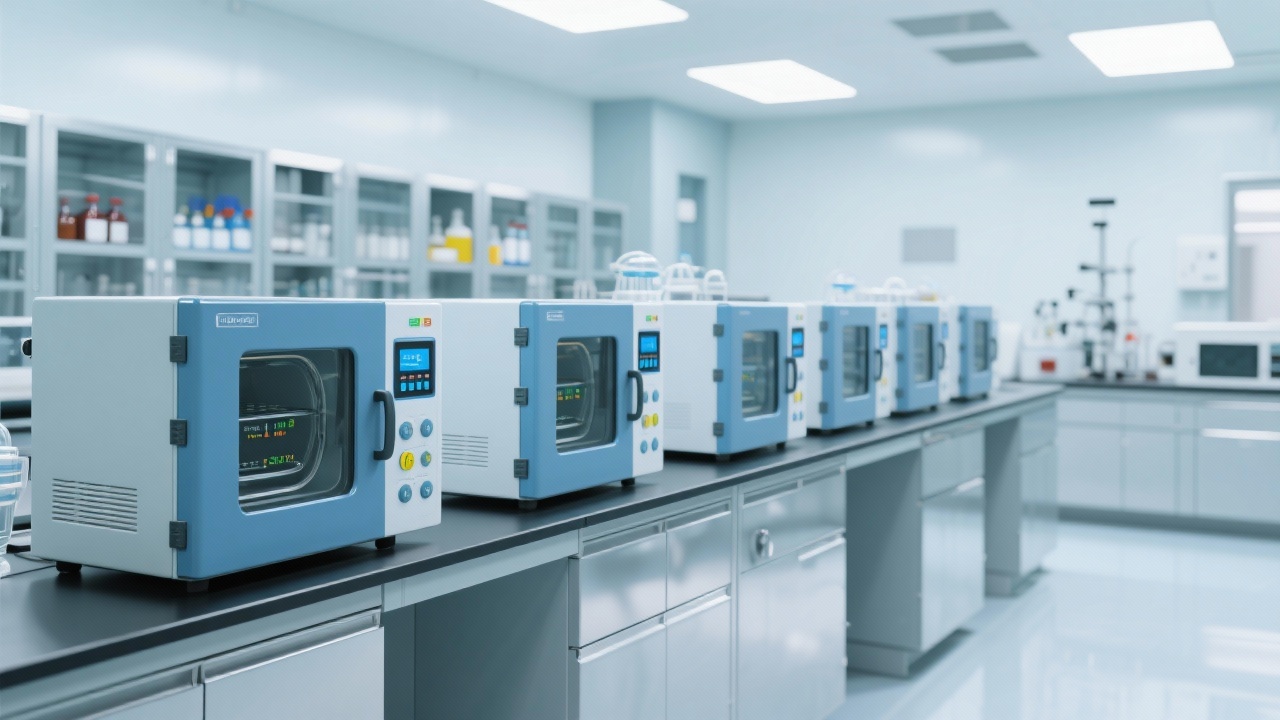
Laboratory managers who have implemented the DZF-6010 recommend several best practices to maximize results:
"We've found that small operational adjustments can significantly impact results," shared a senior lab technician specializing in battery technology. "For our electrode materials, programming a 2°C temperature ramp instead of immediate target temperature reduced sample cracking by 83%."
Experience the precision that has helped leading industrial laboratories reduce testing cycles and improve data reliability.
Discover How DZF-6010 Can Accelerate Your R&DWhat challenges have you encountered with traditional drying methods in your laboratory? Have you found specific techniques that improve drying precision for your unique samples? We'd welcome your insights and questions as we continue exploring the evolving landscape of laboratory testing equipment.