You’re not alone if you’ve spent hours comparing specs and still feel unsure whether a vacuum drying oven truly meets your industrial needs—especially when it comes to precision, safety, and long-term reliability.
Let’s cut through the noise: it's not just about “vacuum” or “temperature.” The key lies in how well the machine handles real-world challenges like chemical resistance, thermal stability, and process continuity.
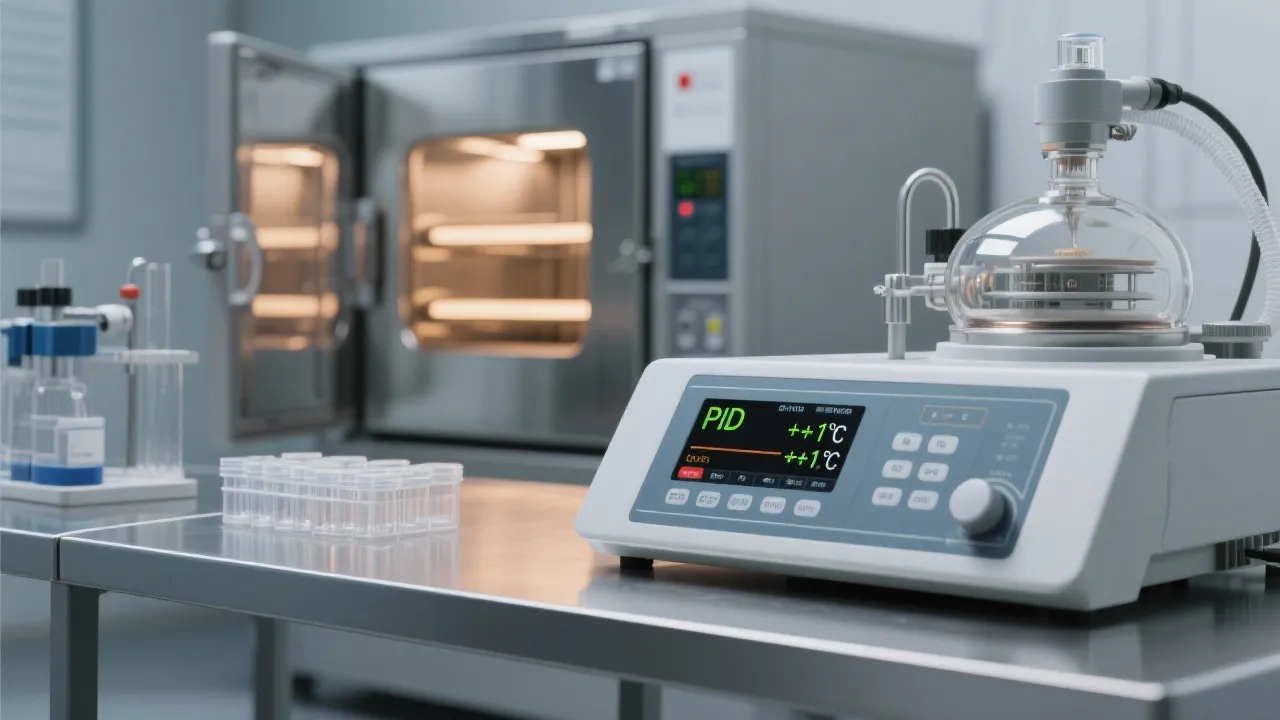
These aren’t just technical features—they’re design decisions that prevent costly errors and downtime. As one R&D manager from a German battery manufacturer noted: “We switched to a model with dual-zone PID control, and our cycle repeatability improved by over 30%.”
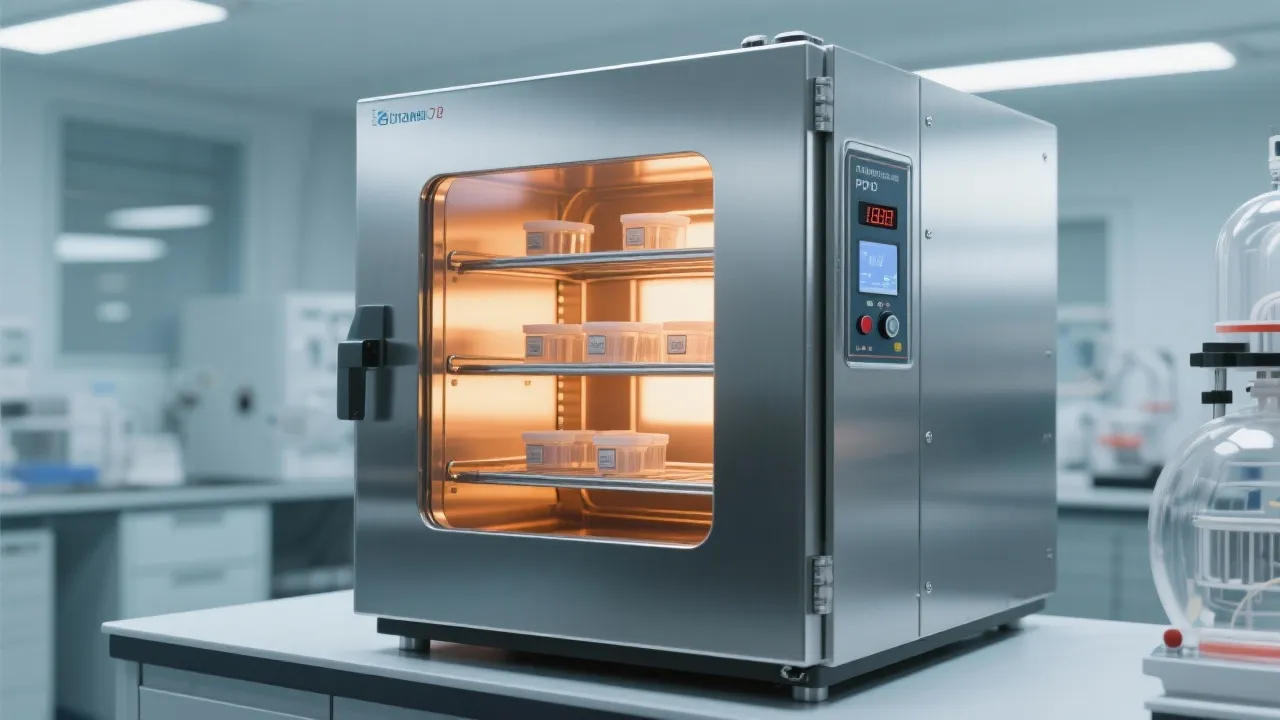
| Feature | Standard Model | DZ-2BCII |
|---|---|---|
| Temperature Precision | ±1°C | ±0.1°C |
| Safety Design | Basic door lock | Auto-lock + Overheat Protection |
| Customization Support | Limited | Full Program & Size Adjustments |
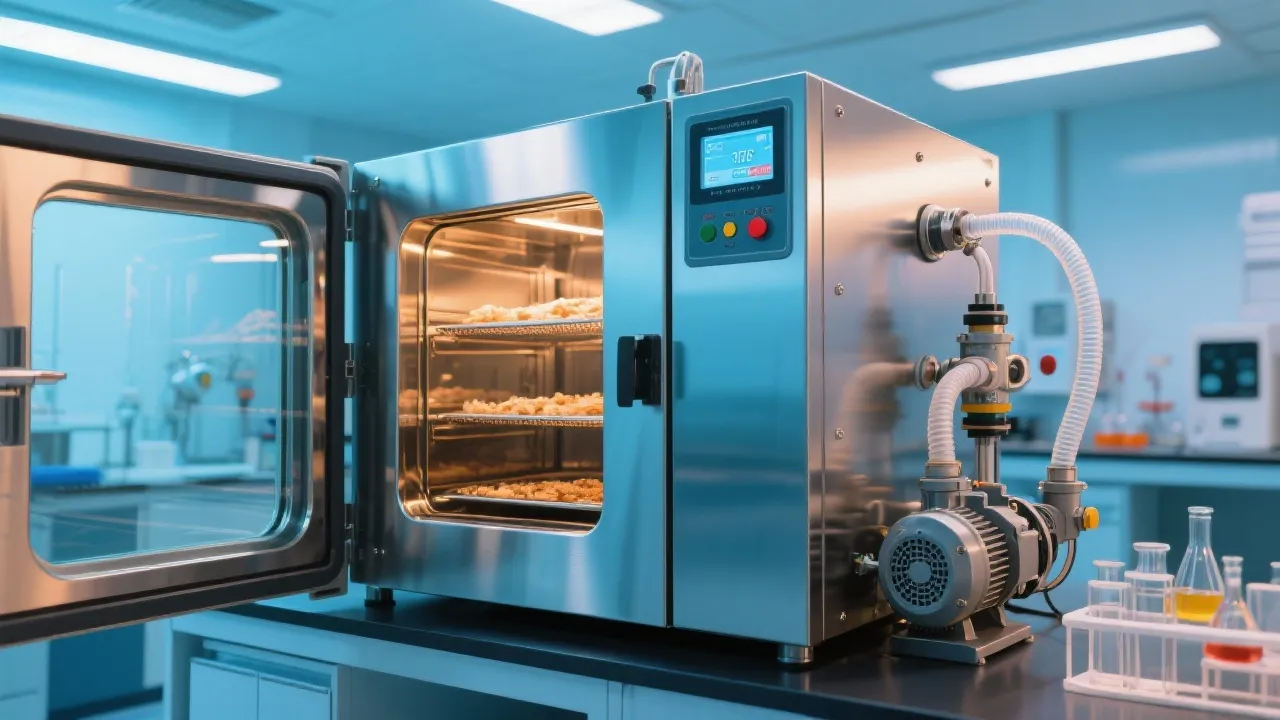
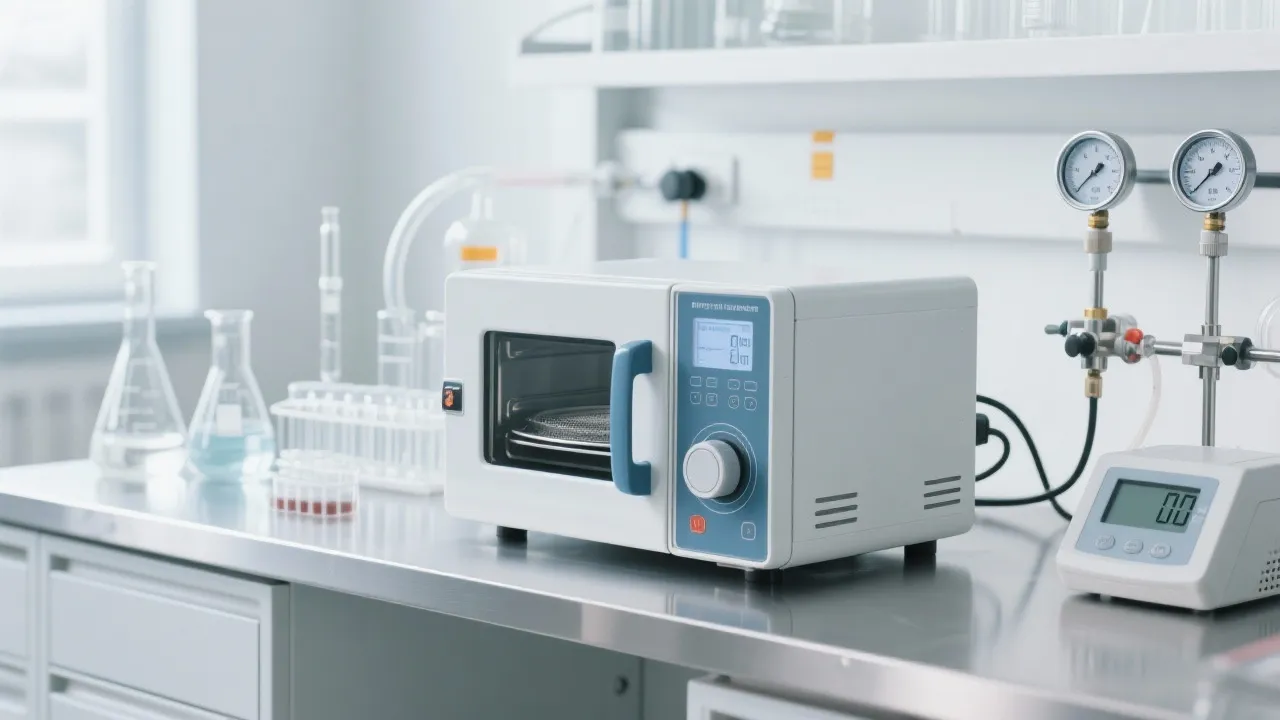
And here’s where many buyers miss the point: compatibility with different vacuum pumps matters. A flexible system lets you scale from lab-scale trials to production runs without replacing the entire unit.
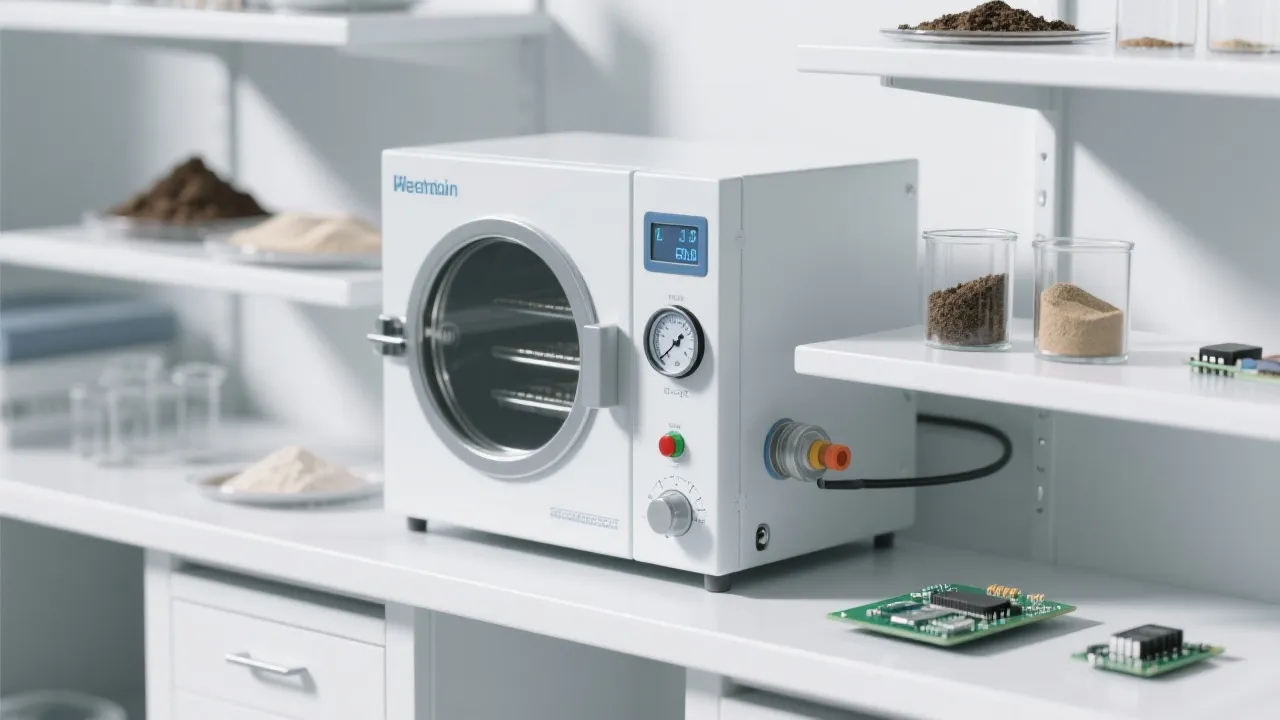
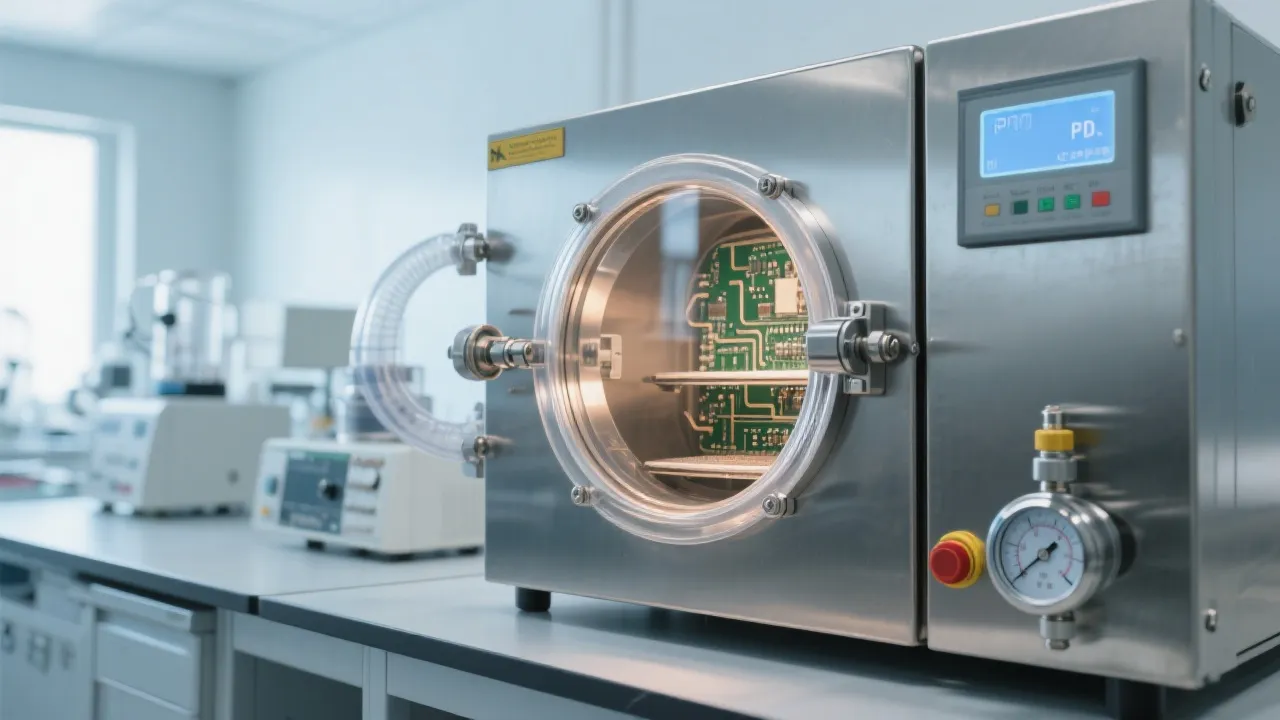
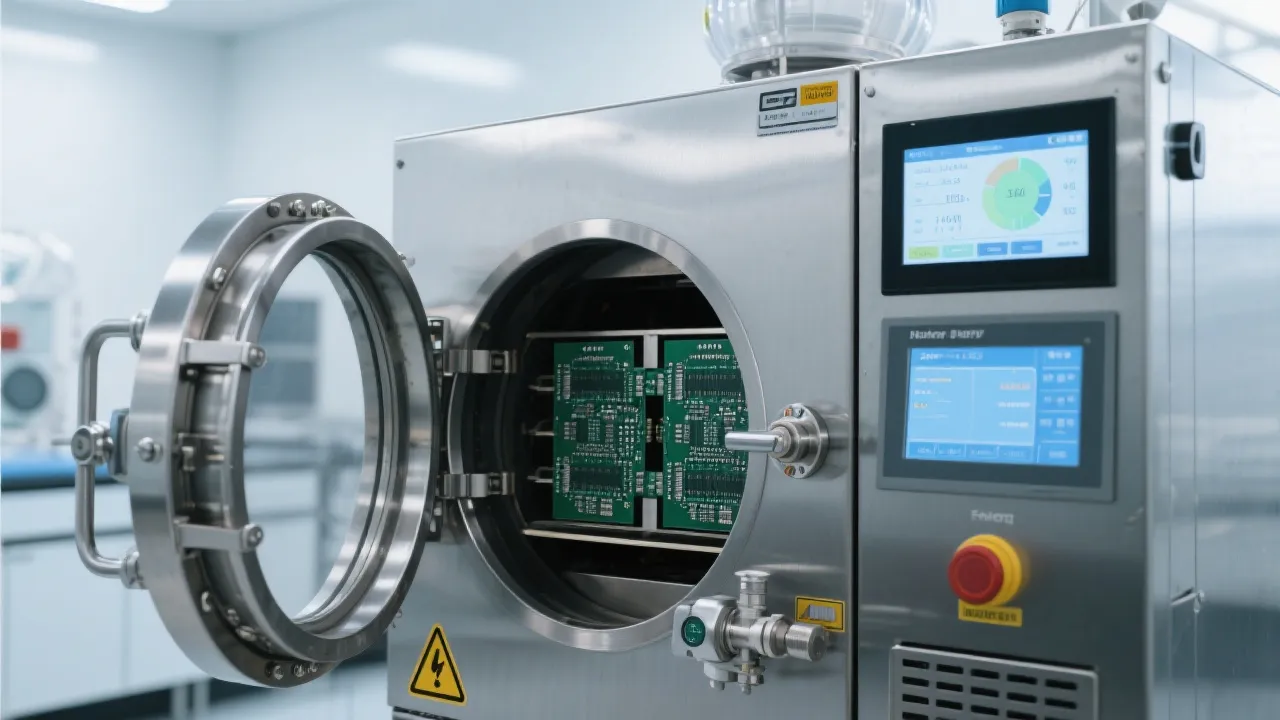
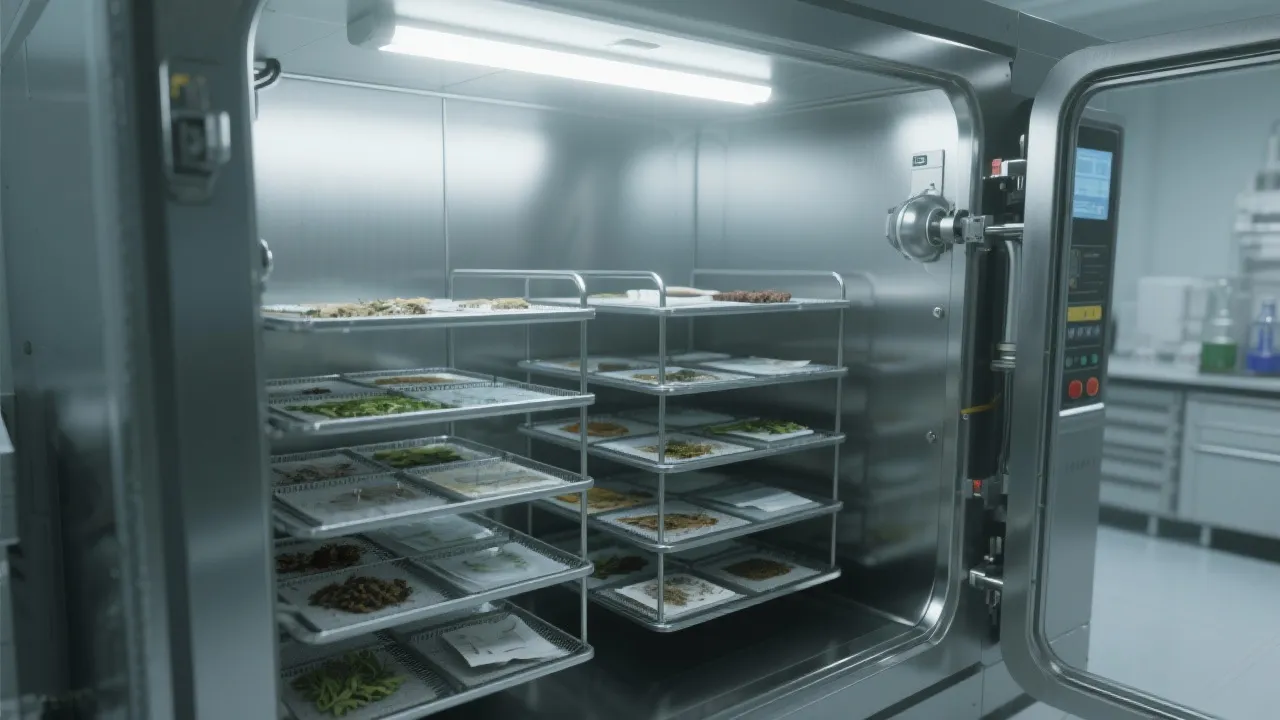
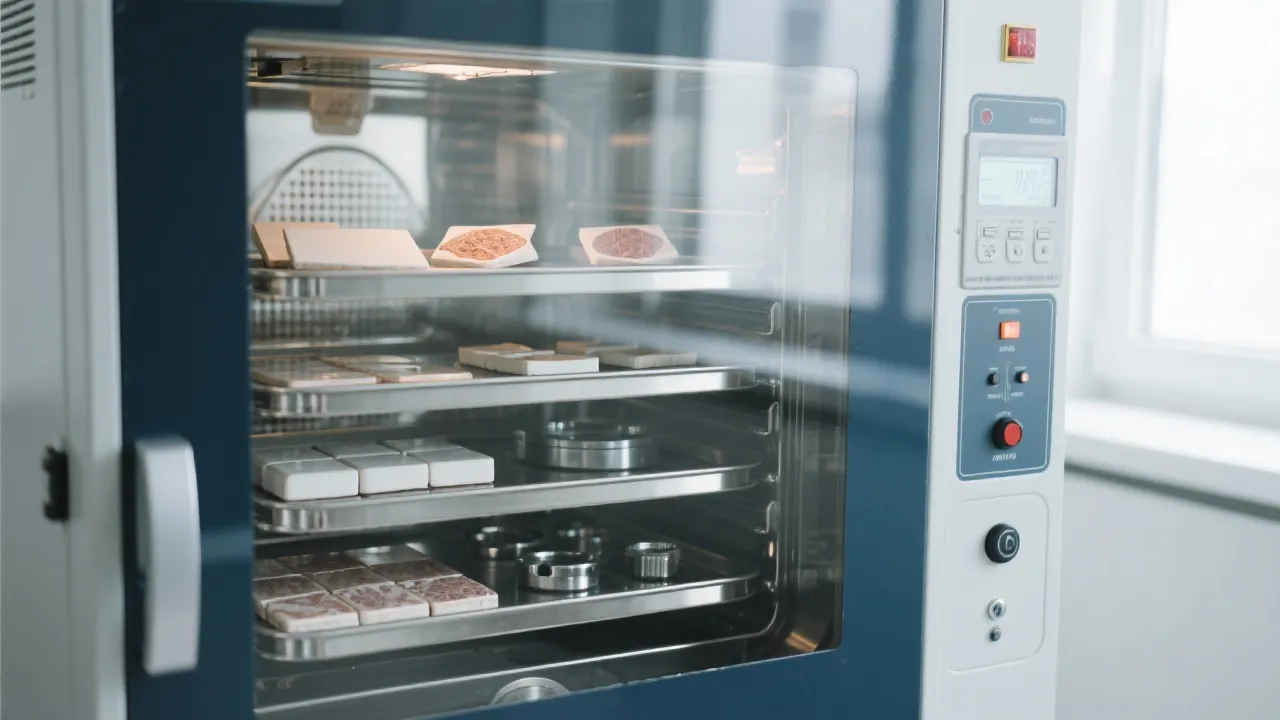
Whether you're curing printed circuit boards, dehydrating sensitive biological samples, or preparing ceramics for sintering, off-the-shelf models rarely fit perfectly. That’s why brands like DZ-2BCII offer tailored programs and dimensions—not just as an add-on, but as part of the core value proposition.
One customer in Singapore used this approach to reduce their drying time by 22% while maintaining sample integrity—a win for both quality and throughput.
Don’t settle for generic solutions. Ask yourself: Is my current equipment helping me meet compliance standards like CE certification? Or is it holding back innovation?