DZ-1BCII Digital Vacuum Drying Oven: High-Efficiency Low-Temperature Drying to Protect Heat-Sensitive Samples
16 02,2026
Zhengzhou Keda Mechanical Instrument Equipment Co., Ltd.
Technical knowledge
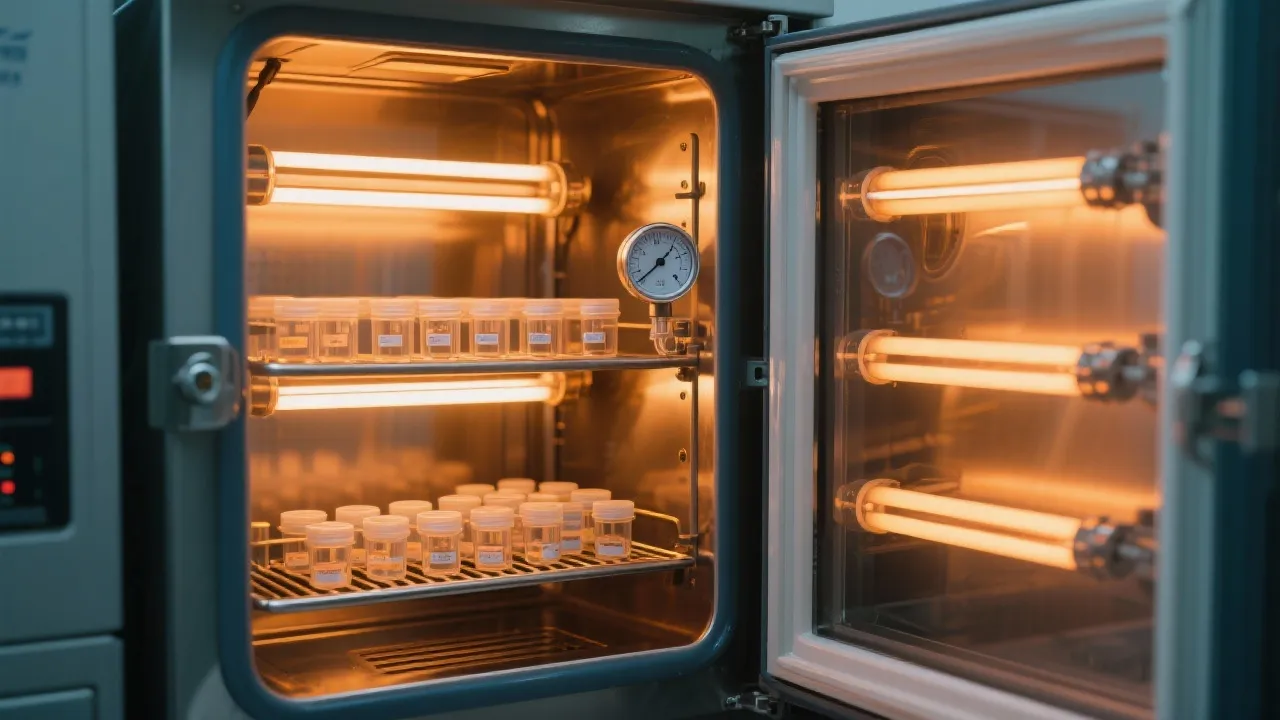
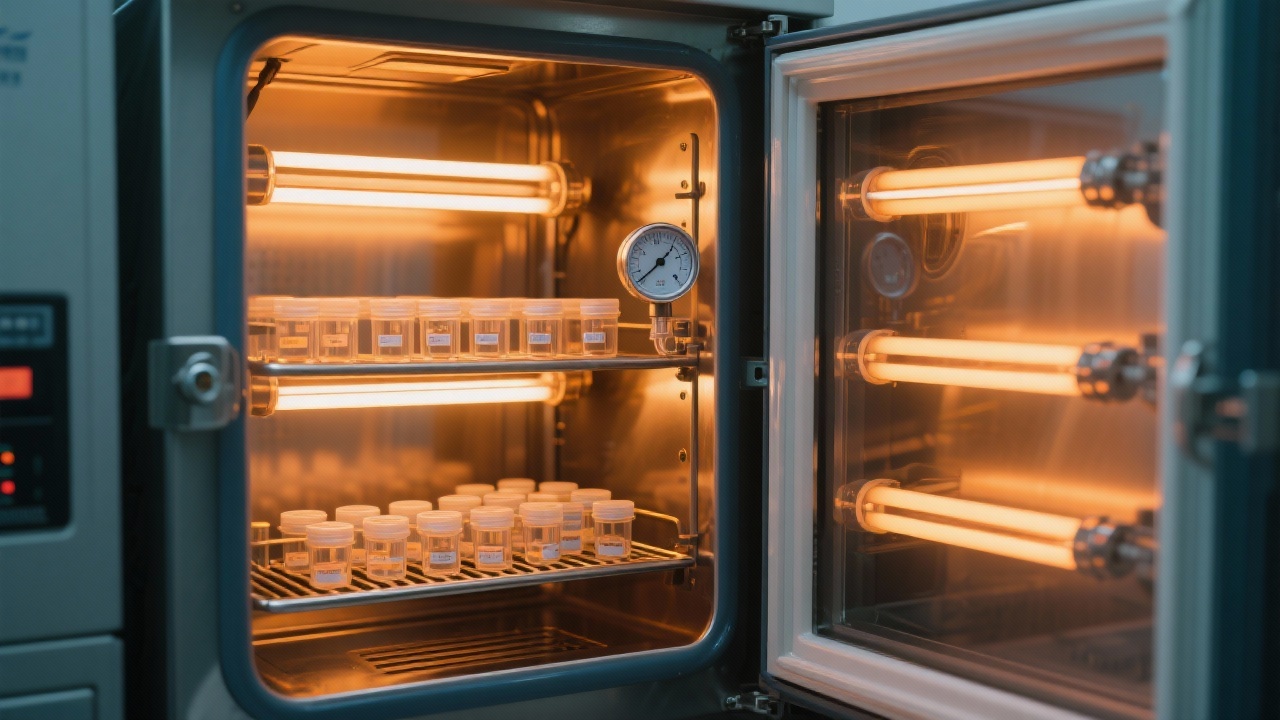
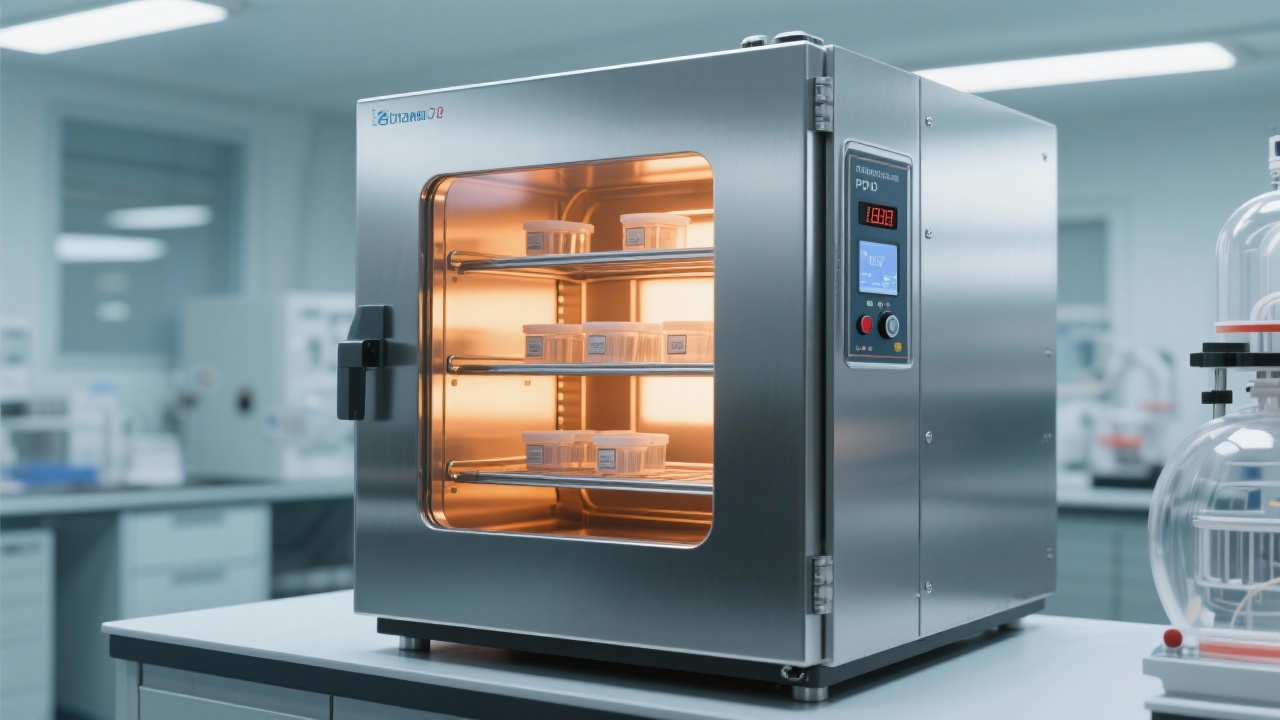
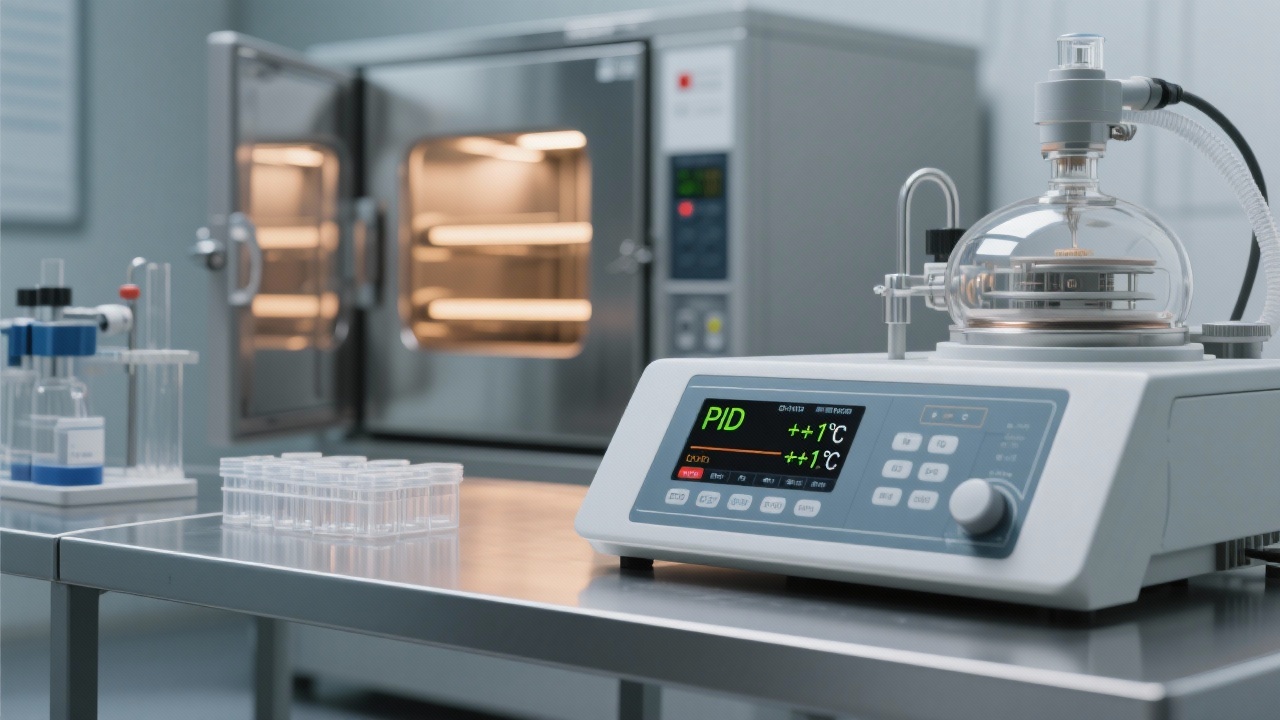
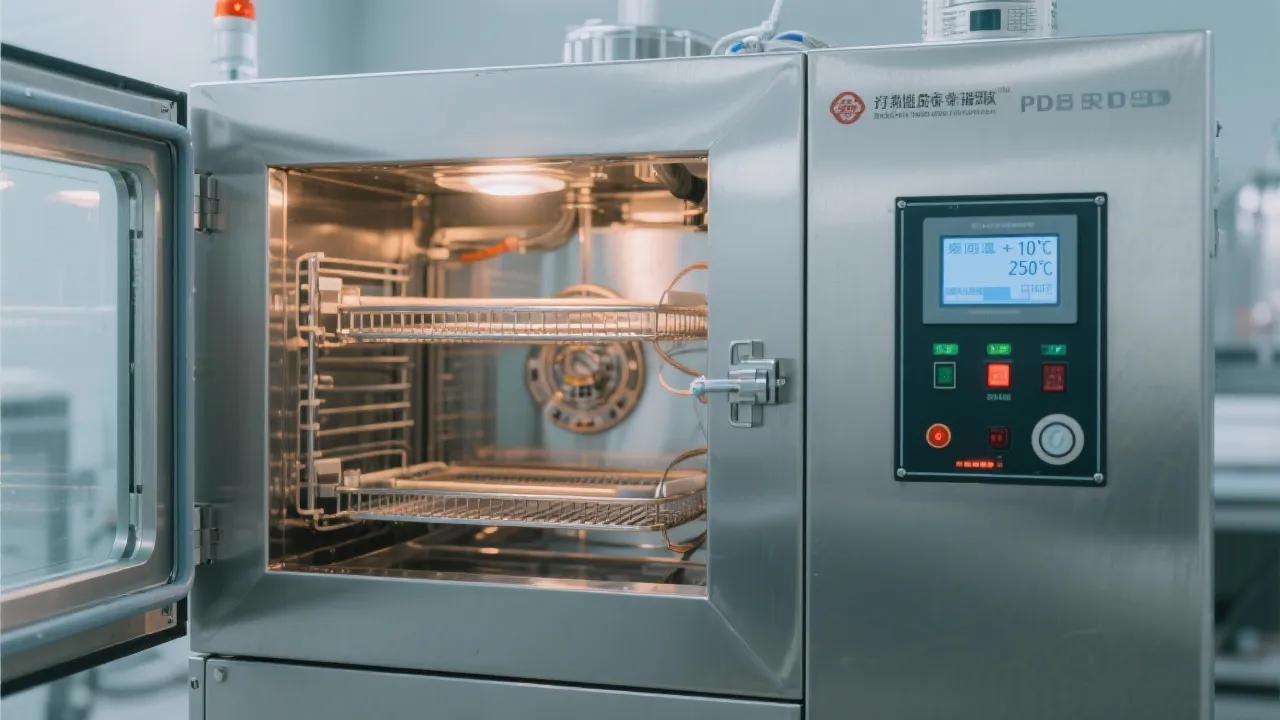
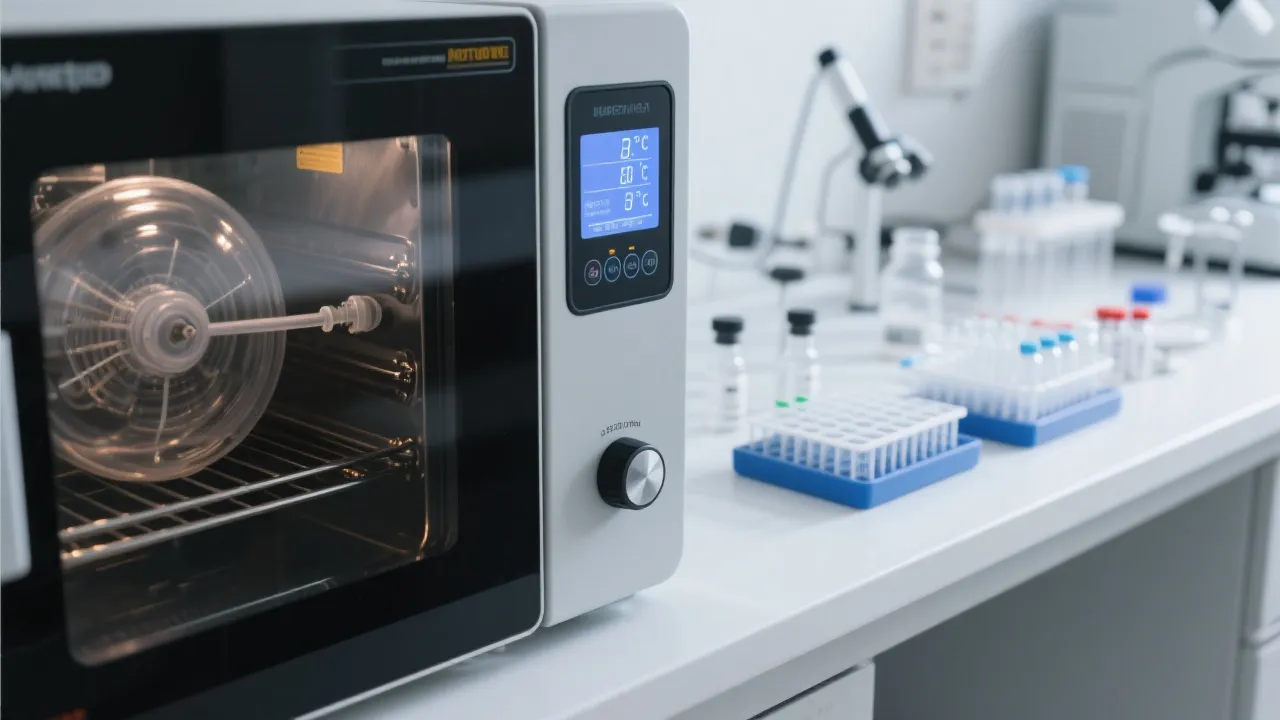
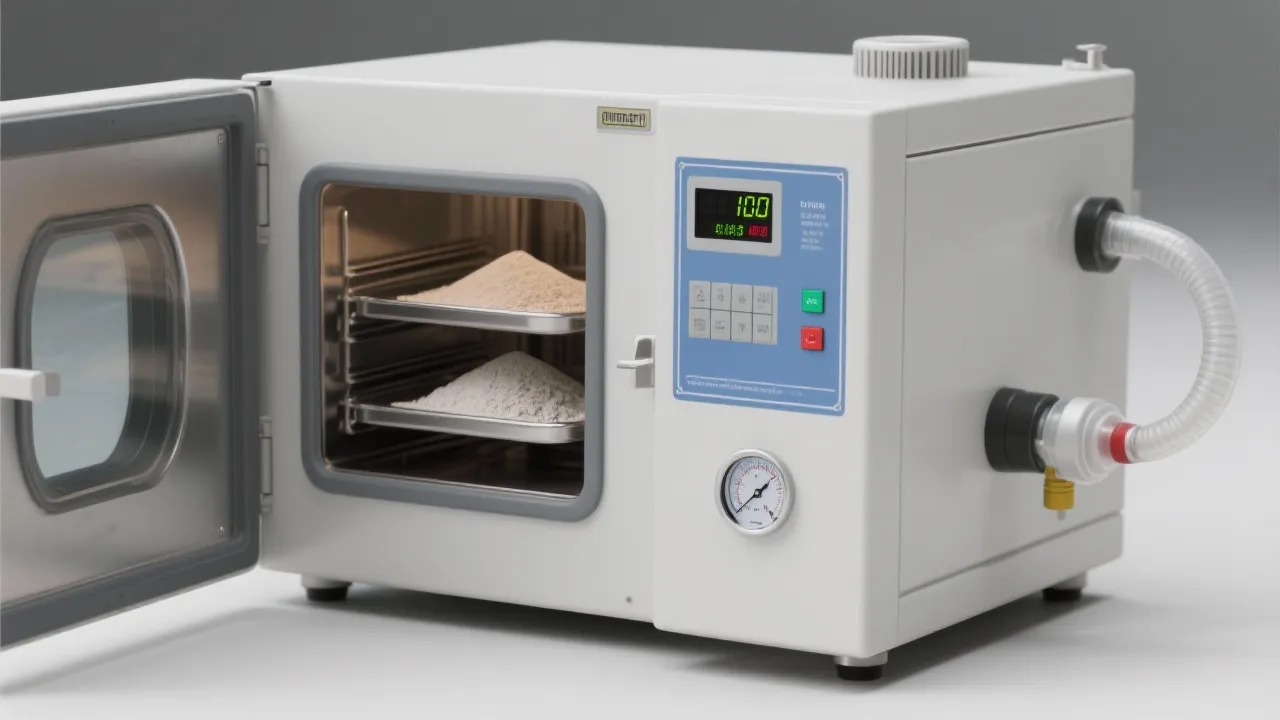
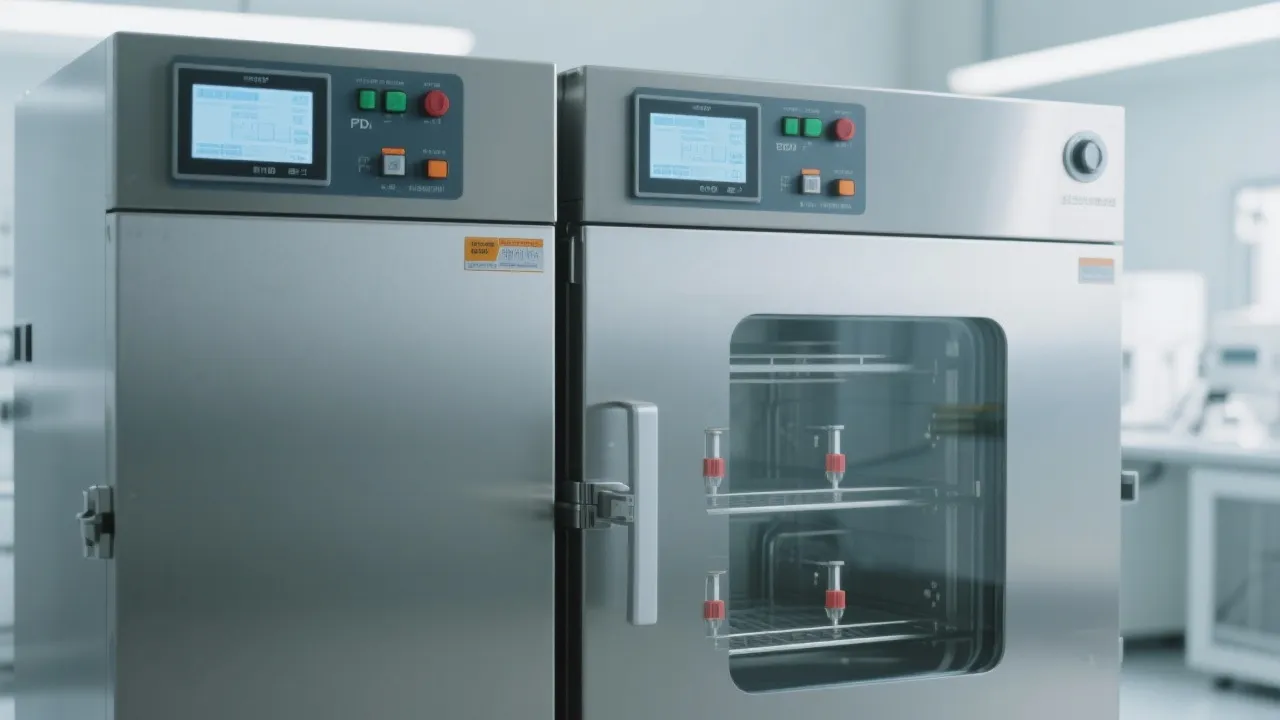
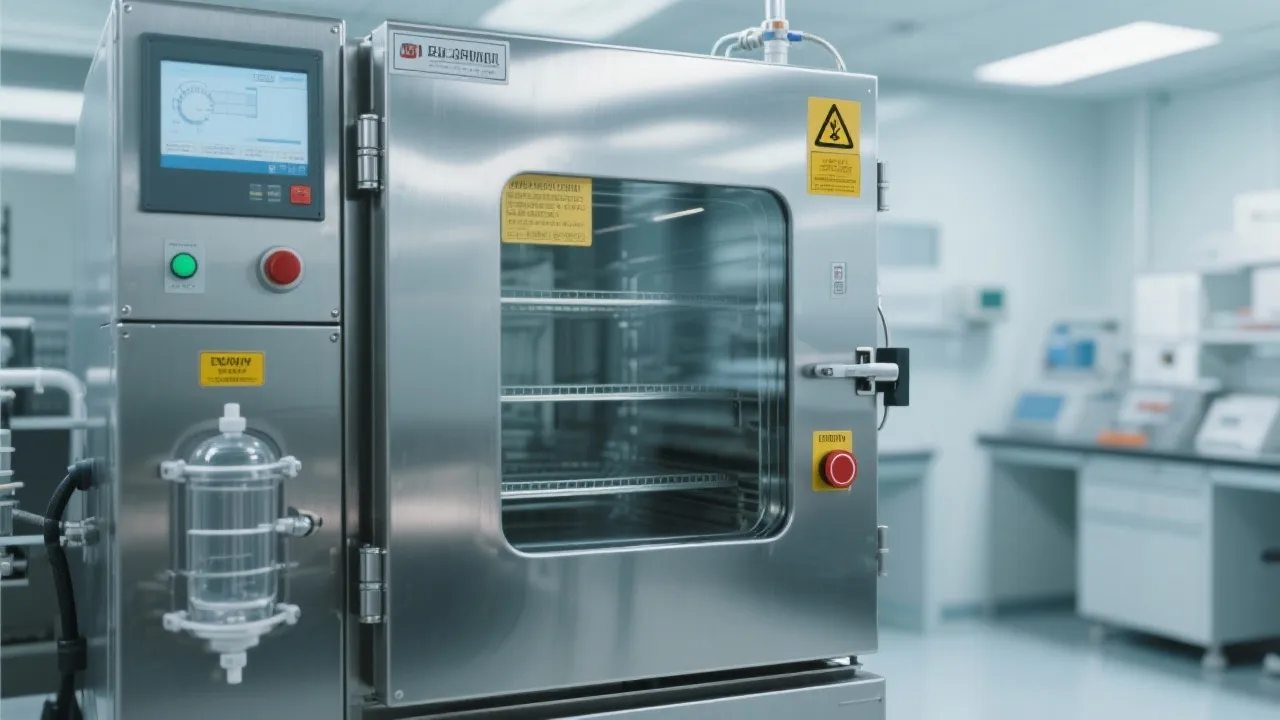
Improving laboratory drying efficiency while protecting sample integrity depends on stable vacuum conditions and precise temperature control. The DZ-1BCII digital vacuum drying oven creates a low-pressure environment below 133 Pa and maintains accurate temperature control within ±1°C, enabling lower-temperature drying that helps minimize loss of heat-sensitive and easily oxidized materials. With dual-zone intelligent PID control, a corrosion-resistant imported stainless-steel chamber, and integrated safety protection features, the unit supports consistent, repeatable results across demanding workflows. Typical applications include heat-sensitive compounds, pharmaceuticals, electronic components, and other materials requiring gentle, oxygen-reduced drying. Backed by Zhengzhou Keda Machinery Instrument Equipment Co., Ltd.’s 13 years of export experience and a broad global customer base, DZ-1BCII is positioned as a reliable choice for laboratories seeking higher drying quality, improved stability, and stronger process control.
How Labs Can Dry Faster Without Destroying Heat‑Sensitive Samples
In research labs, “drying” is rarely a simple step. It is often where yield drops, active ingredients degrade, or a carefully prepared batch becomes inconsistent across runs. The most reliable way to improve both throughput and integrity is not pushing temperature higher—it is lowering the boiling point by creating a stable low‑pressure environment and holding temperature with tight control.
Why Conventional Drying Loses Sensitive Compounds
Many laboratories still rely on forced-air ovens or basic vacuum ovens with broad temperature swings. For heat‑sensitive or oxygen‑reactive materials, that combination can be costly: elevated temperature accelerates oxidation, volatilization, polymer changes, or potency loss; meanwhile uneven heat distribution leads to partial overdrying or residual moisture.
Under vacuum, liquids boil at lower temperatures. For example, water can begin boiling near ~33–35°C at ~5.6 kPa, and even lower as pressure drops further. This is why a true laboratory vacuum drying box that can hold deep vacuum (below 133 Pa) and stable heating has a direct impact on drying time and product quality.
A practical benchmark many labs track
When temperature is reduced by 10–20°C for sensitive materials, labs frequently see more consistent endpoints and fewer re-tests—especially for actives, resins, and moisture‑critical electronic components. The key is achieving that lower temperature without extending cycle times.
DZ-1BCII Digital Vacuum Drying Oven: The Control Profile Labs Actually Need
The DZ-1BCII digital vacuum drying oven is designed for laboratories that need repeatable drying under low oxygen exposure and gentle thermal conditions. By combining a deep-vacuum environment (below 133 Pa) with high-precision temperature control (±1°C), it helps reduce loss of heat‑sensitive substances while improving drying uniformity across samples.
Core features that impact drying outcomes
Deep vacuum level: supports operation below 133 Pa to lower boiling points and speed moisture removal at gentler temperatures.
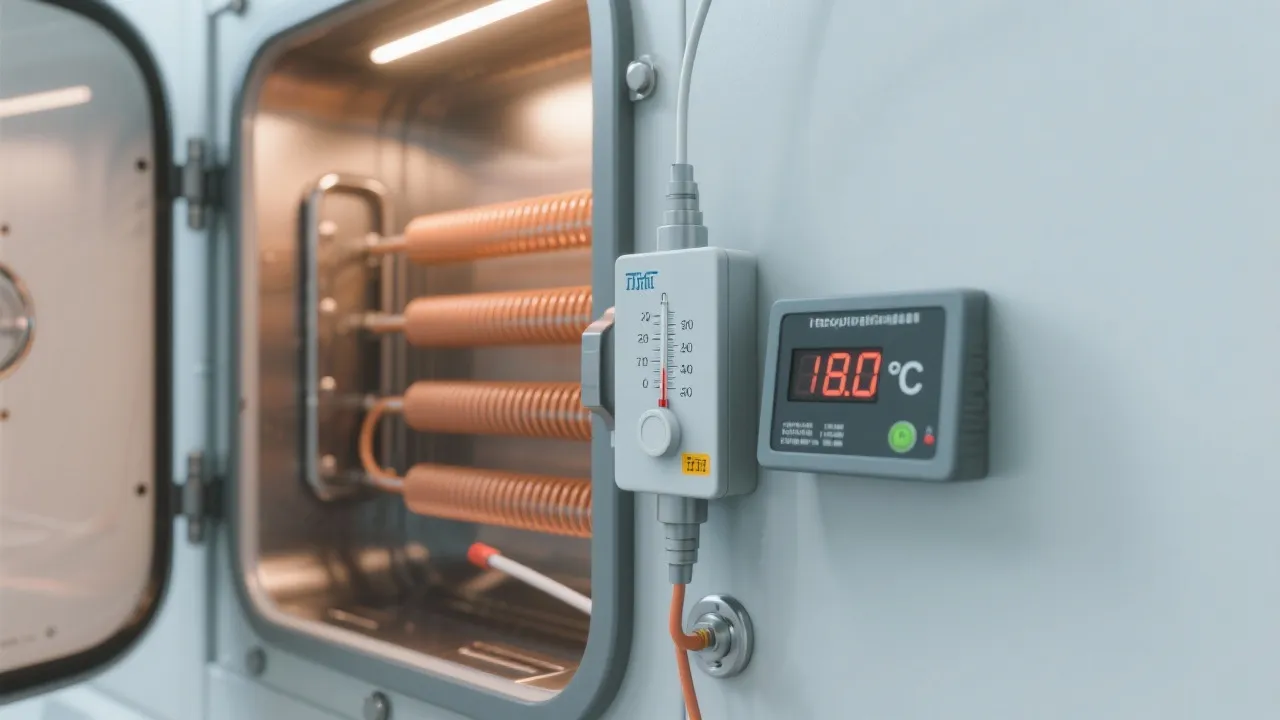
Temperature stability:±1°C control reduces overshoot that can trigger degradation in actives, coatings, or polymer-based materials.
Dual-zone intelligent PID control: improves chamber thermal uniformity and helps maintain consistent endpoints between shelves or sample positions.
Imported stainless-steel chamber: corrosion resistance and cleaner surfaces for pharmaceutical, chemical, and material science workflows.
Safety-oriented design: engineered protection measures support safer daily operation in busy labs and shared facilities.
Parameter
Typical Value / Capability
Why It Matters in Practice
Vacuum level
< 133 Pa
Lower boiling point, faster drying at lower temperature; reduced oxidation risk.
Temperature control accuracy
±1°C
Helps protect heat-sensitive materials from overshoot and uneven heating.
Control algorithm
Dual-zone intelligent PID
Improves uniformity across the chamber; supports reproducible methods.
Chamber material
Stainless steel
Easier cleaning and corrosion resistance for long-term lab use.
Typical lab benefit range*
15–40% shorter drying time
Often achieved when switching from higher-temperature air drying to stable deep vacuum protocols.
*Reference range based on common lab workflows and published vacuum-drying behavior; actual performance depends on solvent, load, sample geometry, and vacuum pump capacity.
Where Deep Vacuum Makes the Biggest Difference (Real Lab Scenarios)
1) Heat-sensitive substances: stop “invisible” loss
In botanicals, fine chemicals, catalysts, and certain intermediates, drying losses may not look dramatic—until assay results shift. Under deep vacuum, labs can often run 10–25°C lower than air ovens for the same residual moisture target, which reduces volatilization and thermal breakdown. A stable ±1°C profile matters here because short overshoots are enough to alter sensitive fractions.
2) Oxidizable materials: reduce oxygen exposure during drying
Materials that oxidize, darken, or develop odor during drying benefit from a lower-oxygen environment. In practical terms, vacuum drying frequently results in cleaner color and more stable odor profiles compared with hot-air methods—especially when the lab keeps door openings and vent cycles disciplined.
3) Pharmaceuticals & lab formulations: protect potency and improve repeatability
For APIs, excipients, and semi-finished lab batches, drying is often validated around residual solvent or moisture limits. A digital vacuum drying oven with stable control supports method repeatability between operators and shifts. In many labs, the biggest gain is not only speed, but fewer “borderline” results that trigger extra sampling, re-drying, and re-testing.
4) Electronic components: moisture removal without thermal stress
Components, coatings, and assemblies can be moisture-sensitive while also being vulnerable to heat deformation. Vacuum drying can reduce the need for aggressive temperatures, helping lower the risk of warping, delamination, or surface defects. For moisture-critical preparation, labs often target drying protocols that achieve stable weight or controlled humidity outcomes rather than “time only” endpoints.
Digital Vacuum vs. Traditional Oven: What Changes in Daily Output
Traditional ovens can still be useful for robust materials, but they are rarely optimized for sensitive samples. The difference becomes clear when a lab tracks repeatability (less variance between runs) and net usable yield (less degradation, less rework).
Comparison Point
Traditional Hot-Air Drying
DZ-1BCII Digital Vacuum Drying
Drying temperature
Often higher to compensate for ambient pressure
Lower temperature enabled by deep vacuum
Risk to heat-sensitive compounds
Higher (thermal degradation, oxidation)
Reduced via low pressure + stable ±1°C control
Uniformity across samples
Depends on airflow, loading, and hot spots
Improved with dual-zone intelligent PID
Typical workflow impact
More rechecks and cautious time buffers
More predictable cycles; easier SOP standardization
Built for Global Labs: Reliability Backed by Export Experience
For labs purchasing core equipment, technical specifications are only half the decision; long-term stability and supplier credibility matter just as much. With 13 years of export experience and long-term cooperation across multiple regions, Zhengzhou Keda Machinery Instrument Equipment Co., Ltd. supports laboratories that value consistent quality, documentation, and dependable delivery standards.
For teams building standardized drying SOPs—whether in R&D, QC, pilot labs, or university facilities—the DZ-1BCII digital vacuum drying oven is positioned as a practical upgrade that improves both efficiency and confidence in results.
Ready to Reduce Drying Time and Protect Heat‑Sensitive Materials?
Request technical details, application guidance, and workflow recommendations for the DZ-1BCII Digital Vacuum Drying Oven—optimized for low-temperature, deep-vacuum laboratory drying.