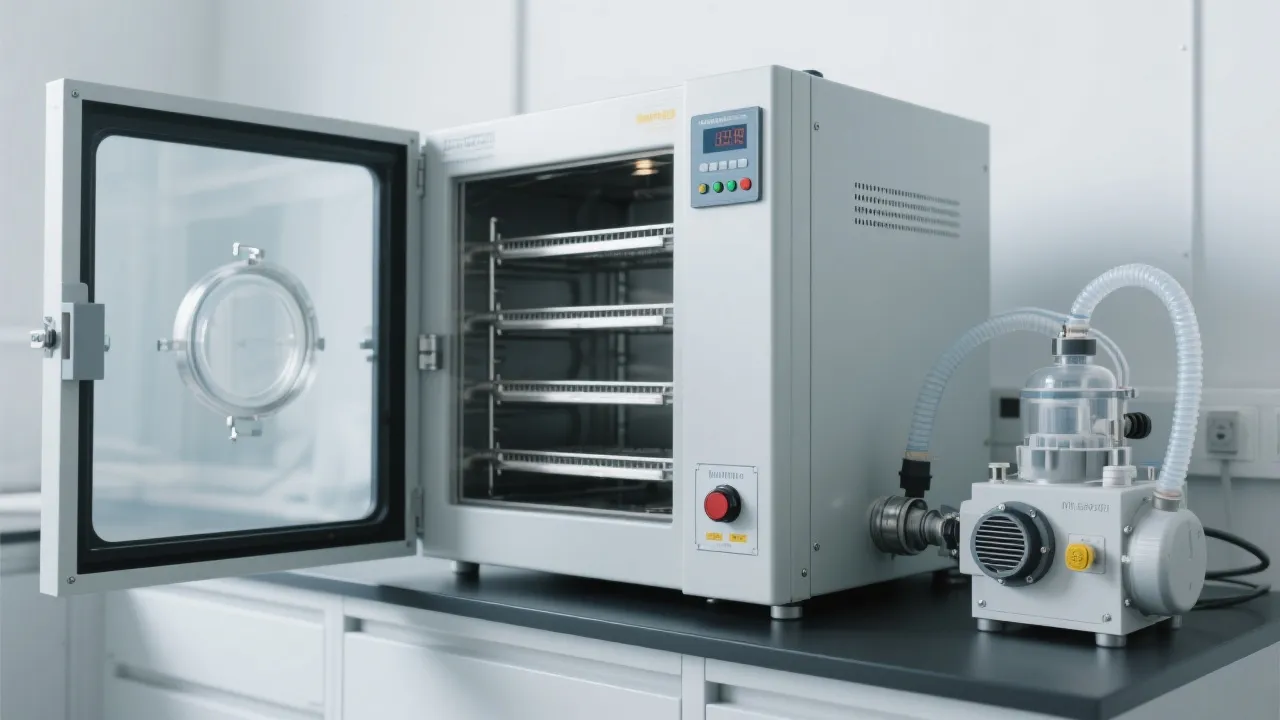
DZ-1BCII Digital Vacuum Drying Oven: 133Pa Low-Pressure Drying for Heat-Sensitive Samples
15 02,2026
Zhengzhou Keda Mechanical Instrument Equipment Co., Ltd.
Technical knowledge
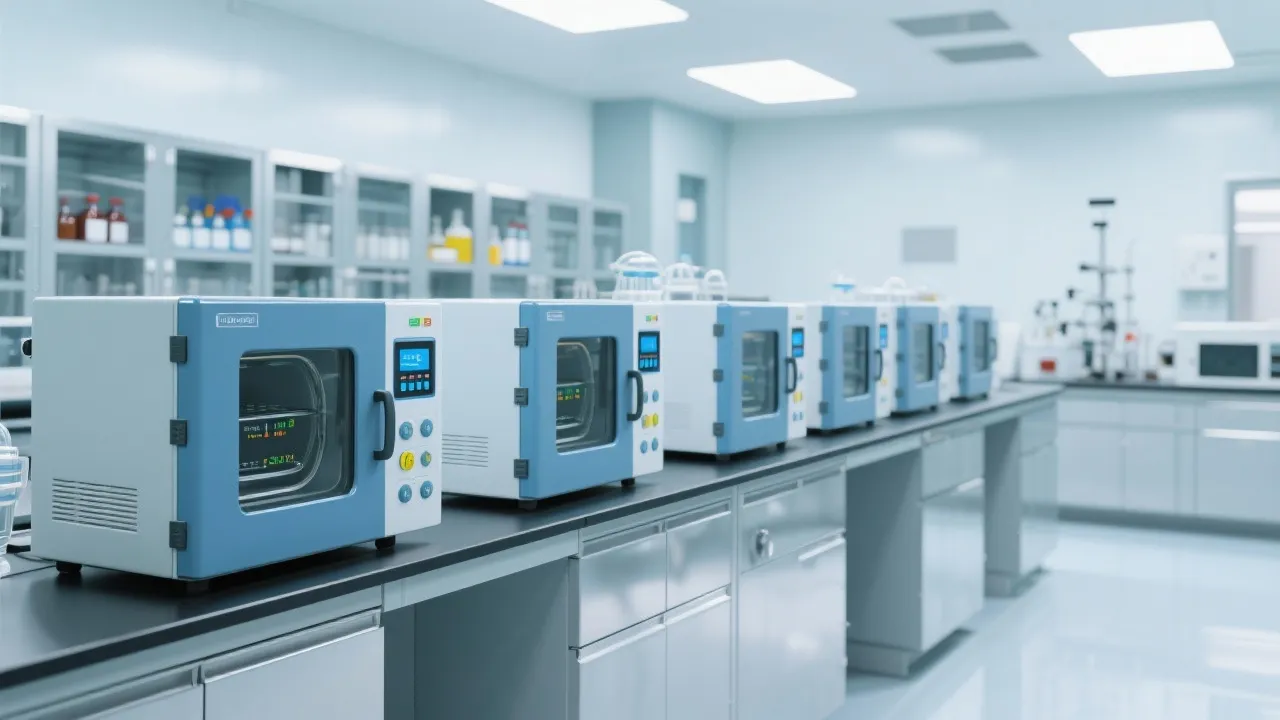
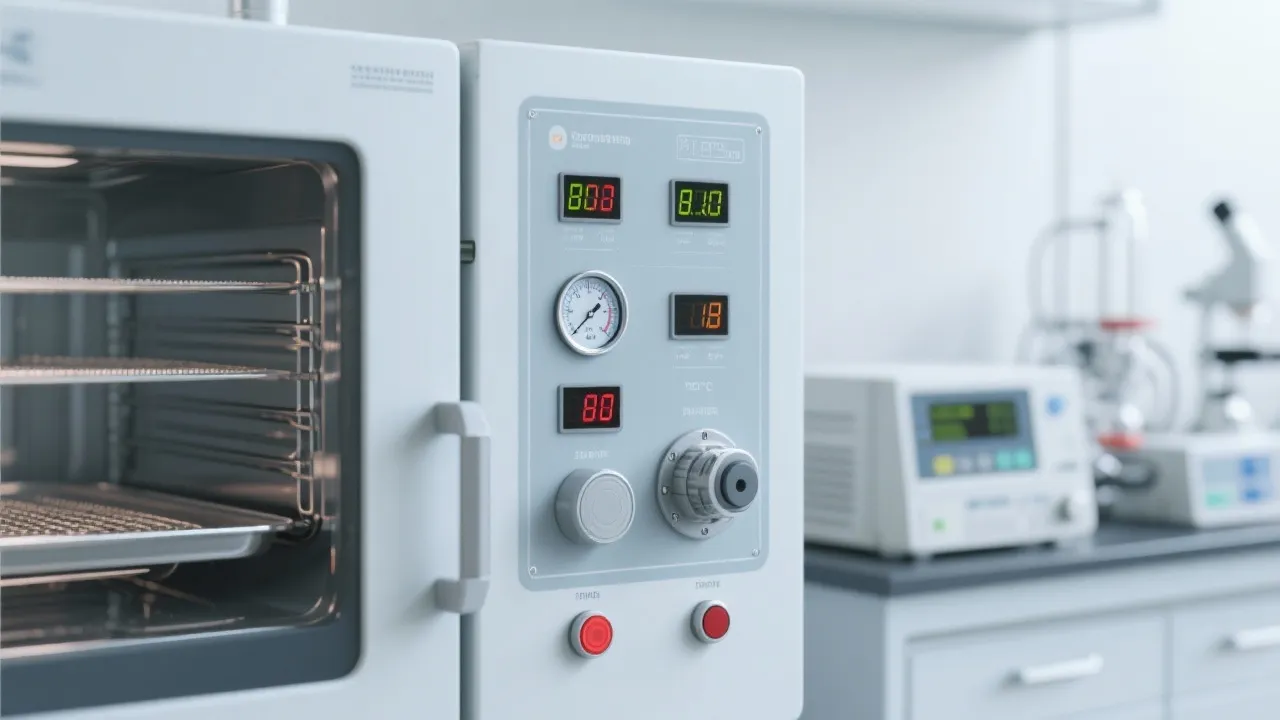
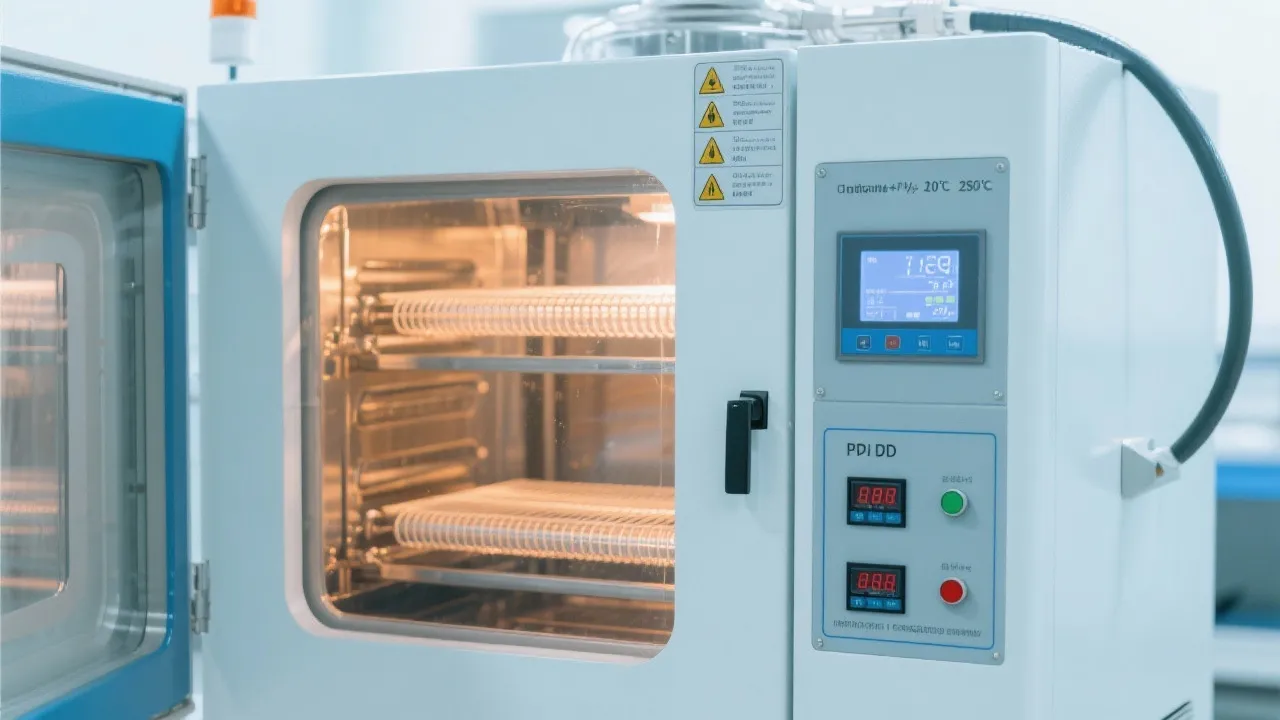
Improving drying efficiency without compromising sample integrity is a persistent challenge in laboratories handling heat-sensitive, oxidizable, or high-value materials. The DZ-1BCII digital vacuum drying oven addresses this need by combining a deep vacuum working environment down to 133 Pa with a wide temperature range from ambient +10°C to 250°C and high-accuracy temperature regulation of ±1°C. Its dual-zone intelligent PID control helps maintain stable, uniform heating under reduced pressure, supporting faster solvent removal at lower effective boiling points while minimizing oxidation and thermal degradation. In practical lab use, the system is well-suited for heat-sensitive substances, pharmaceuticals, and electronic components where repeatability, cleanliness, and process safety are critical. Backed by Zhengzhou Keda Machinery Instrument Equipment Co., Ltd.’s 13+ years of export experience and trusted deployment across more than 60 countries, the DZ-1BCII provides a reliable, precision-focused drying solution for modern laboratory workflows.
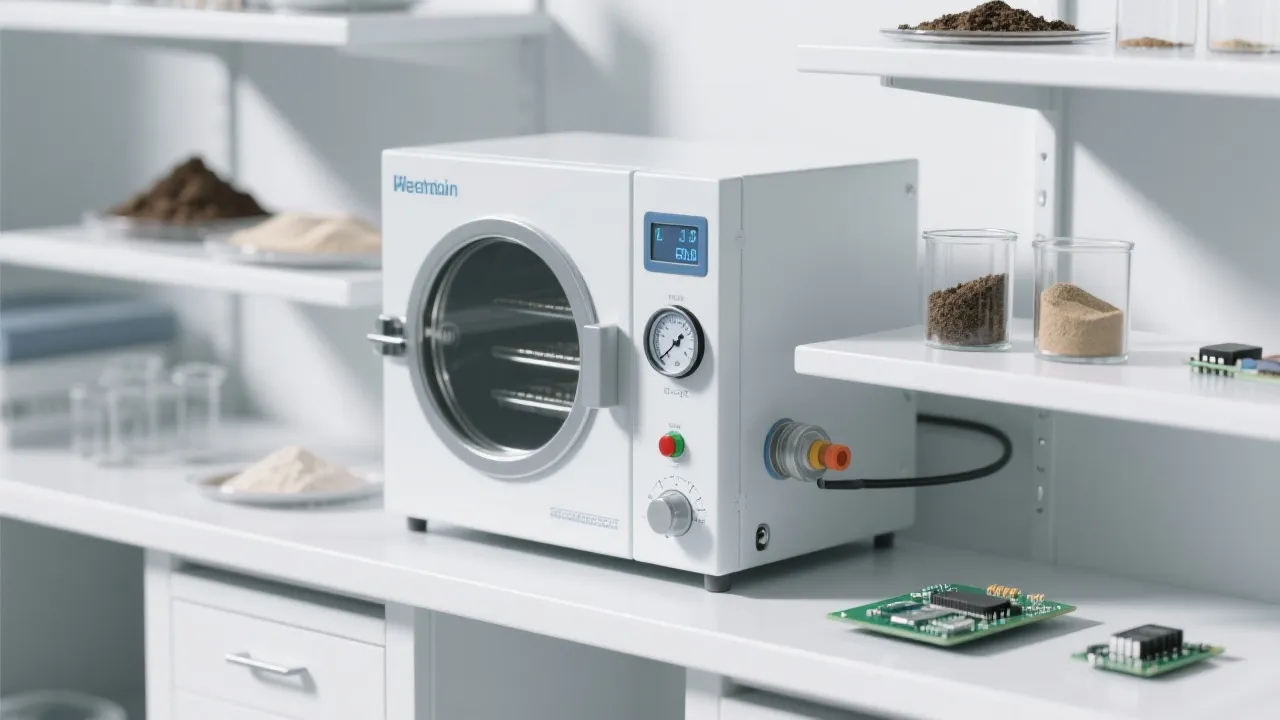
How a Lab Vacuum Drying Oven Boosts Efficiency for Heat‑Sensitive Materials
Drying looks simple—until the sample is heat-sensitive, oxygen-reactive, or solvent-rich. In many labs, conventional air ovens create a familiar trade-off: raise temperature to speed up drying, then risk oxidation, denaturation, or decomposition. Lower temperature to protect the sample, then lose hours (and throughput) across a week.
A digital vacuum drying oven solves this problem by reducing boiling points under vacuum and keeping the chamber oxygen-lean. The DZ-1BCII digital vacuum drying oven is designed for exactly this workflow—reliable low-pressure drying with tight temperature control and practical safeguards for daily lab use.
Why Vacuum Drying Changes the Game for Thermal Stability
Under reduced pressure, liquids boil at lower temperatures. As a practical reference: water boils around 60°C at ~20 kPa and around 30–35°C at ~5–6 kPa. Many organic solvents drop even further, allowing faster evaporation without exposing sensitive compounds to high heat.
What labs typically gain with a stable vacuum drying process
- Lower effective drying temperature (protects heat-sensitive APIs, polymers, enzymes, coated substrates).
- Reduced oxidation risk (vacuum environment limits oxygen exposure compared with hot-air circulation).
- More consistent endpoints (less surface hardening, fewer residual solvent surprises).
- Higher weekly throughput (shorter cycles mean more batches with the same staff time).
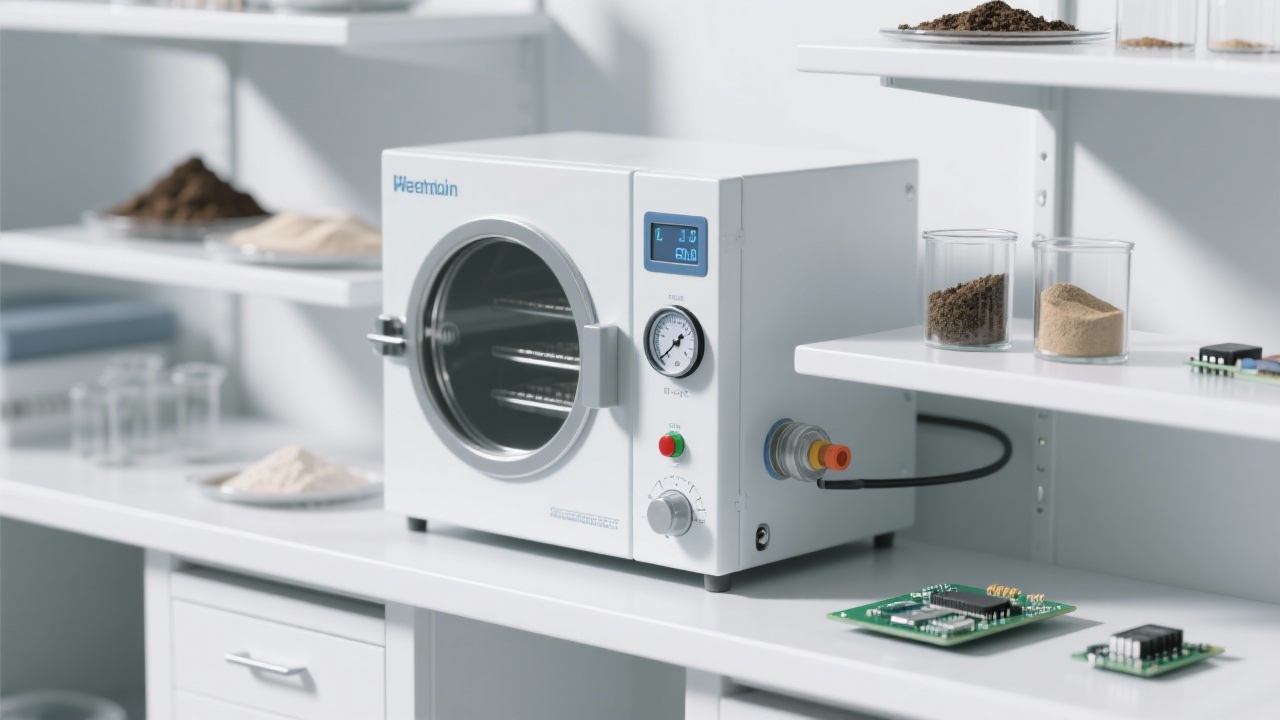
DZ-1BCII Core Technology: Vacuum, Temperature, and Control Accuracy
The DZ-1BCII digital vacuum drying oven is engineered around three measurable levers that directly influence drying speed and sample integrity: vacuum level, temperature stability, and control responsiveness.
| Key Item |
Performance Reference |
Why It Matters in Real Experiments |
| Vacuum working environment |
Down to 133 Pa (≈ 1.0 Torr) |
Accelerates solvent removal at lower temperatures; improves repeatability when drying is pressure-sensitive. |
| Temperature range |
Ambient +10°C to 250°C |
Covers gentle drying to higher-temperature post-curing or moisture removal for robust materials. |
| Temperature accuracy |
±1°C stability reference |
Reduces batch-to-batch variability; helps protect actives that degrade with small overheating events. |
| Dual-zone intelligent PID control |
Two-zone control logic with adaptive PID |
Minimizes overshoot and reduces hot/cold spots, especially when load mass varies by batch. |
| Chamber and structural materials |
Lab-grade construction for corrosion resistance and durability |
Supports long service life in routine solvent, reagent, and moisture-rich drying environments. |
For many labs, the most noticeable improvement isn’t a single parameter—it’s the combined effect. A stable deep vacuum plus tight temperature control typically reduces “drying guesswork,” so technicians spend less time extending runs “just in case,” and more time moving to the next step.
Application Scenarios: Where the Efficiency Gains Are Most Visible
1) Heat‑Sensitive Materials (polymers, biological actives, coated powders)
In heat-sensitive workflows, the target is often “dry enough without damage.” Under vacuum, labs commonly dry at 35–60°C rather than pushing to 80–110°C in a hot-air oven. This can reduce oxidation and thermal stress while keeping cycle time practical.
Field-style reference: For a heat-sensitive powder containing ~3–6% residual solvent, many labs report cutting drying time from 8–10 hours (air oven) to 3–5 hours (vacuum drying), while improving odor/solvent carryover consistency.
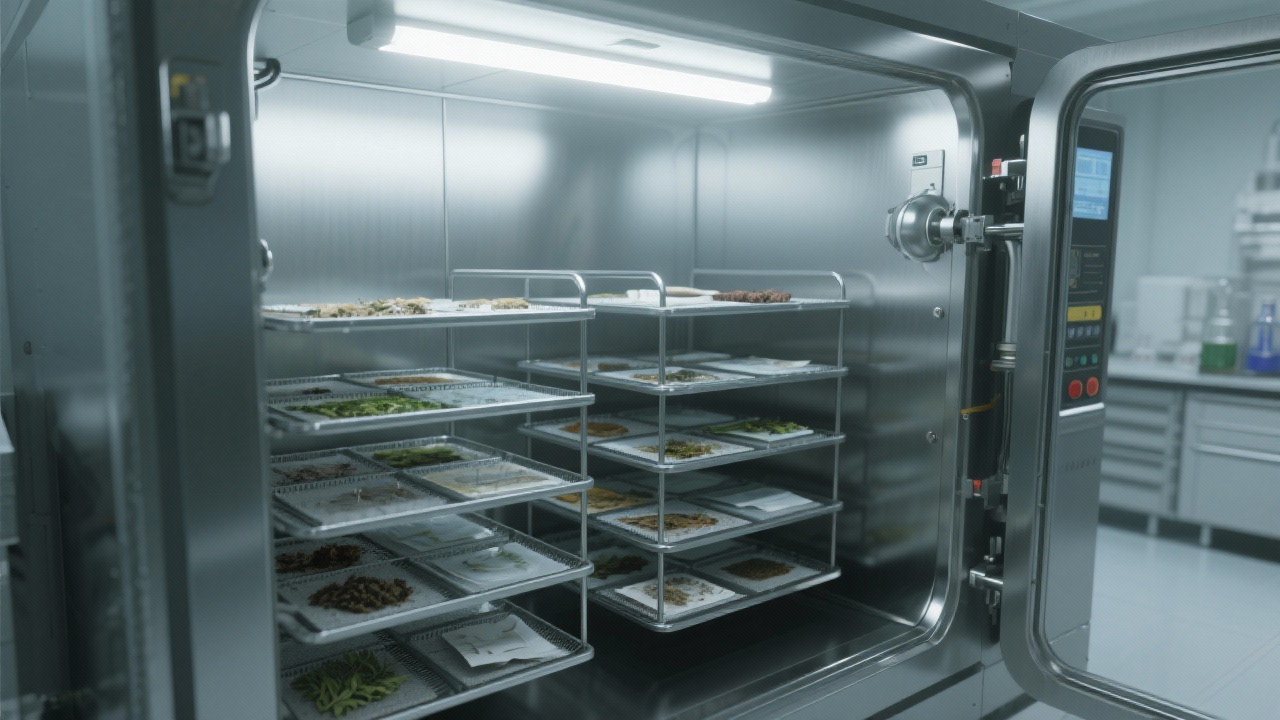
2) Oxidation‑Prone or Easily Reactive Samples
Some materials discolor, crosslink, or lose performance when heated in oxygen-rich air—especially certain resins, intermediates, and specialty chemicals. Vacuum drying lowers oxygen availability and reduces thermal exposure, which helps preserve appearance and functional properties.
In practice, this can mean fewer rejected batches, less rework, and more stable QC data (color, viscosity, or assay) over multiple lots.
3) Pharmaceuticals & Lab Formulations (API intermediates, granules, excipients)
In pharmaceutical or formulation labs, drying is not just about speed—it’s about repeatability. A digital vacuum drying oven with ±1°C control helps keep conditions stable across runs, especially when analysts are correlating residual moisture/solvent to downstream metrics (flowability, compressibility, dissolution behavior).
Consistency reference: In routine lab trials, stabilizing chamber temperature within ±1–2°C and maintaining a steady vacuum can reduce moisture variability by about 0.2–0.5% (depending on material and method), supporting cleaner comparisons between formulations.
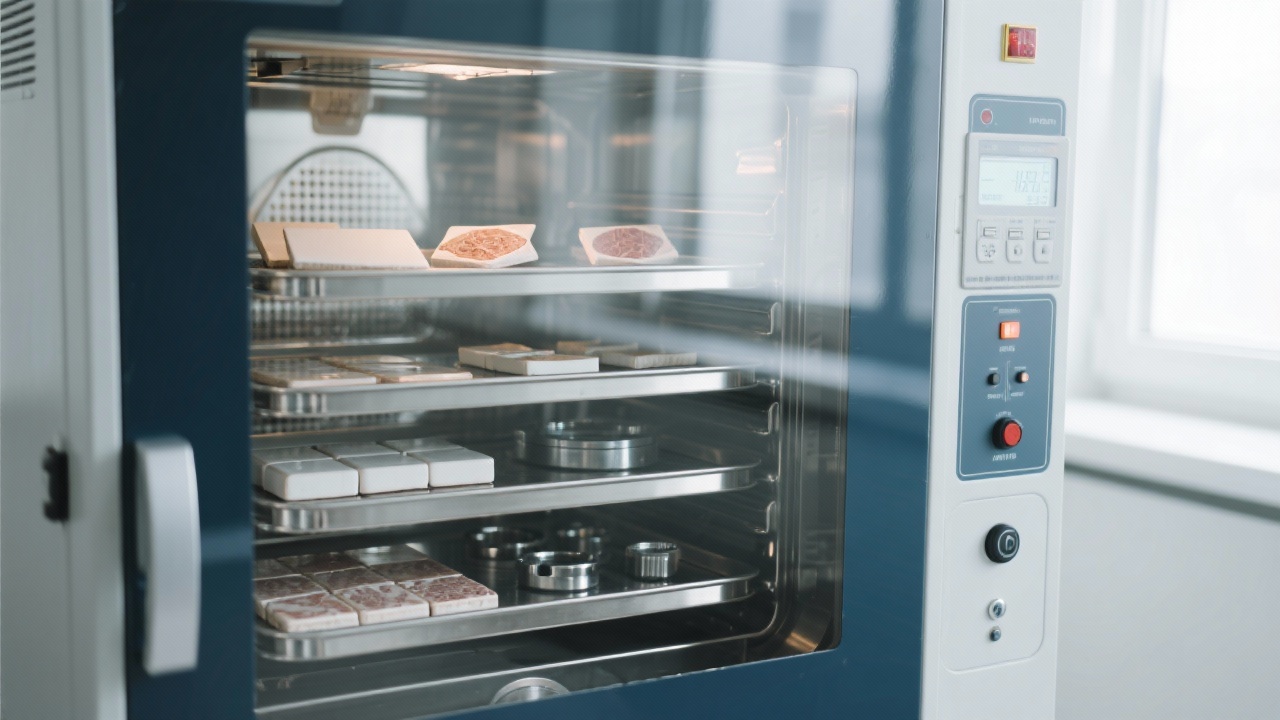
4) Electronics & Precision Parts (components, coils, encapsulated parts)
For electronics-related drying, the enemy is often trapped moisture or solvent in micro-gaps, coatings, or encapsulants. Vacuum conditions encourage outgassing and can speed up drying without aggressive heating that might warp plastics, disturb adhesives, or shift calibration.
A controlled process is also easier to document: temperature setpoint, run duration, and vacuum level become repeatable variables instead of “operator experience.”
Operational Notes That Matter in Busy Labs
A vacuum drying oven may be purchased for performance, but it earns its place by making routine work smoother. Labs typically look for the following when comparing systems:
Fast stabilization
Dual-zone PID helps reduce overshoot and shortens the “waiting” portion of the run, especially after loading.
Repeatable endpoints
Stable vacuum and tight temperature control reduce variability between operators and batches.
Lower risk of sample damage
Gentler thermal profile helps protect actives, coatings, and delicate components.
Reliable daily operation
Durable chamber construction supports repeated cycles with common lab solvents and moisture loads.
Built for Export-Grade Reliability: The Brand Signal Buyers Notice
For international buyers, performance specs are only half the decision. The other half is whether a supplier can support long-term use across different lab environments, compliance expectations, and shipping distances.
Zhengzhou Keda Machinery & Instrument Equipment Co., Ltd. brings
13+ years of export experience and has earned trust from customers in
60+ countries. For procurement teams, this translates into clearer communication, steadier delivery execution, and better alignment with global lab purchasing workflows.
Need Faster, Safer Drying for Heat‑Sensitive Samples?
Share your material type, target temperature, and expected vacuum level. The right configuration can improve throughput without compromising sample integrity—and make your drying step predictable again.
Request DZ-1BCII Digital Vacuum Drying Oven Technical Datasheet & Application Guidance
Typical inquiry details that speed up selection: sample quantity per batch, solvent type, desired cycle time, and any temperature-sensitive limits.