
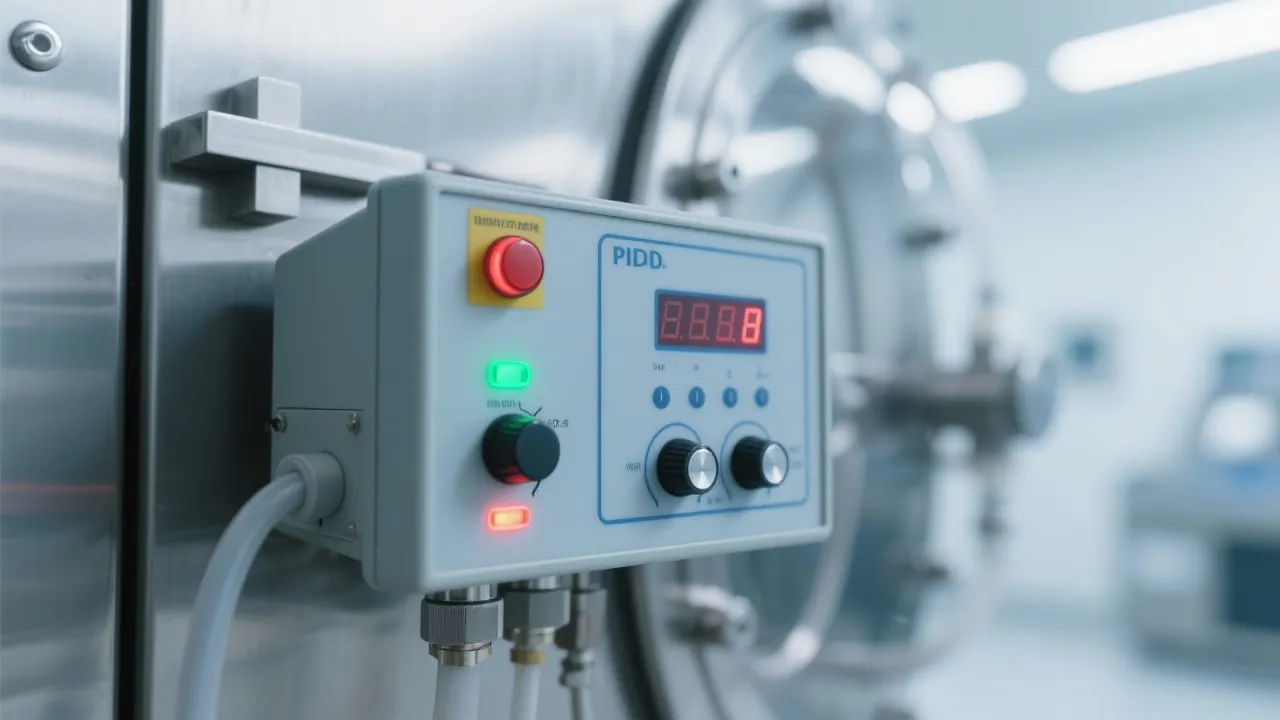
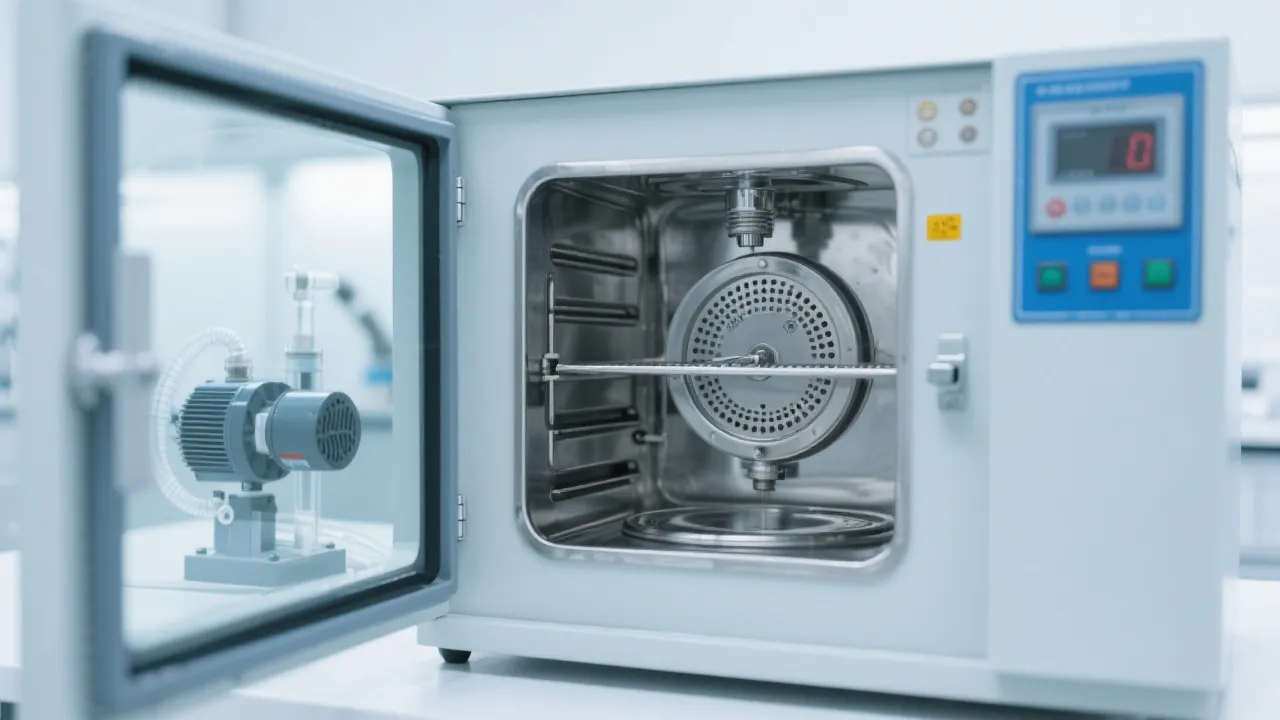
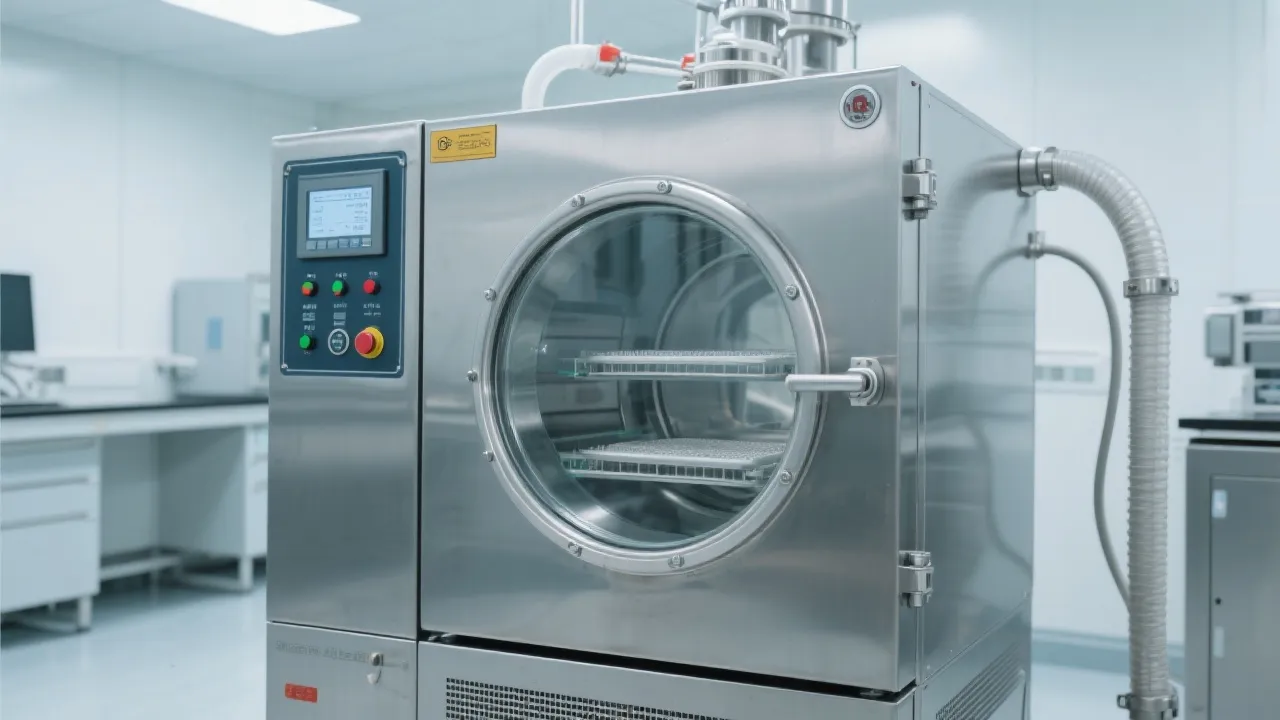
In the realm of laboratory and industrial drying, the DZ-1BCII Digital Vacuum Drying Oven, crafted by Zhengzhou KeDa Machinery & Instrument Equipment Co., Ltd., stands out as an advanced solution. This article will take you on a journey to understand its high-precision dual-zone intelligent PID temperature control technology and how to set the temperature control parameters according to different experimental needs.
The core of the DZ-1BCII lies in its dual-zone intelligent PID temperature control technology. PID, which stands for Proportional-Integral-Derivative, is a control algorithm that can accurately adjust the temperature based on the set value and the actual temperature. The dual-zone design allows for more precise control, ensuring that the temperature in different parts of the drying chamber can be regulated independently. This technology provides a high level of accuracy, enabling temperature control within the range of room temperature +10°C to 250°C.
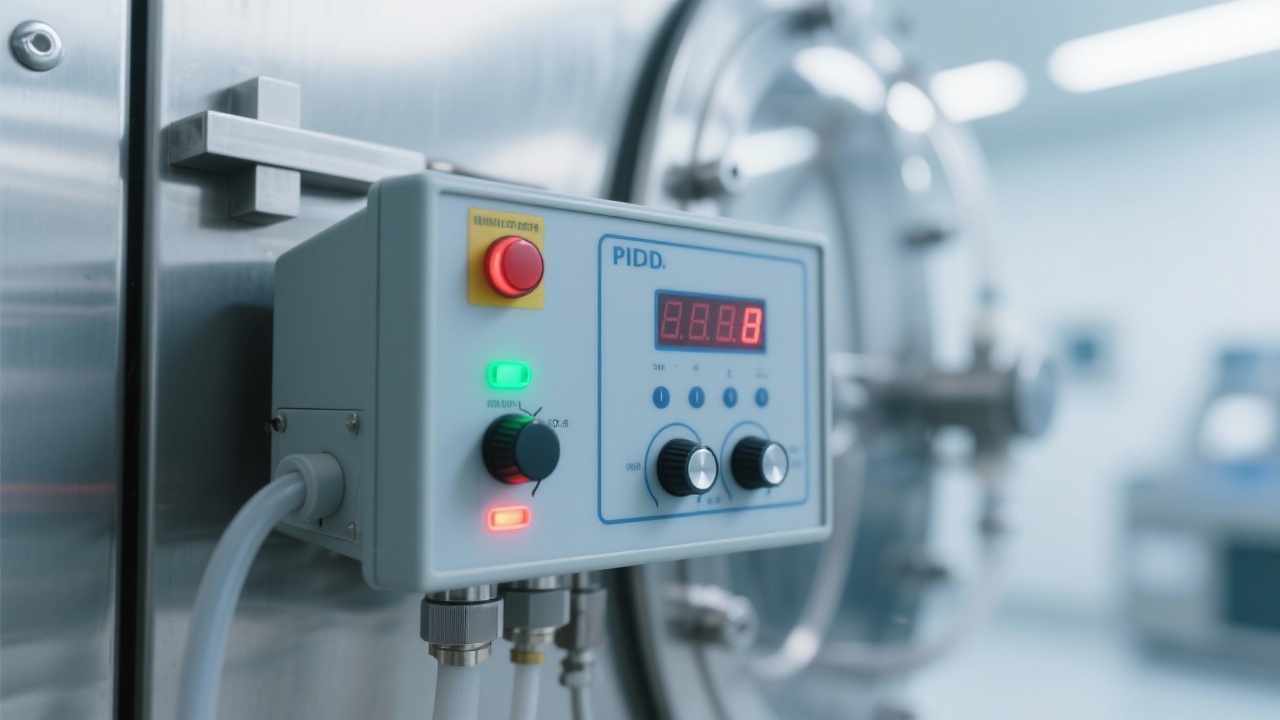
The importance of temperature control cannot be overstated in various experimental scenarios. For example, when drying thermosensitive samples, such as certain chemicals or biological materials, precise temperature control is crucial to prevent damage to the samples. The DZ-1BCII can be set to a lower temperature, say around 40°C - 60°C, to ensure the safety of these thermosensitive substances. On the other hand, when drying electronic components, a higher temperature within the allowable range can be used to speed up the drying process. For most electronic components, a temperature of 100°C - 150°C is often appropriate.
The temperature control range of the DZ-1BCII from room temperature +10°C to 250°C is based on scientific research and practical experience. The lower limit of room temperature +10°C ensures that the drying process can start from a relatively low temperature, which is suitable for thermosensitive materials. The upper limit of 250°C provides a wide range for different types of drying needs. When setting the temperature, it is recommended to start with a lower temperature and gradually increase it if necessary. This can prevent overheating and ensure the quality of the drying process.

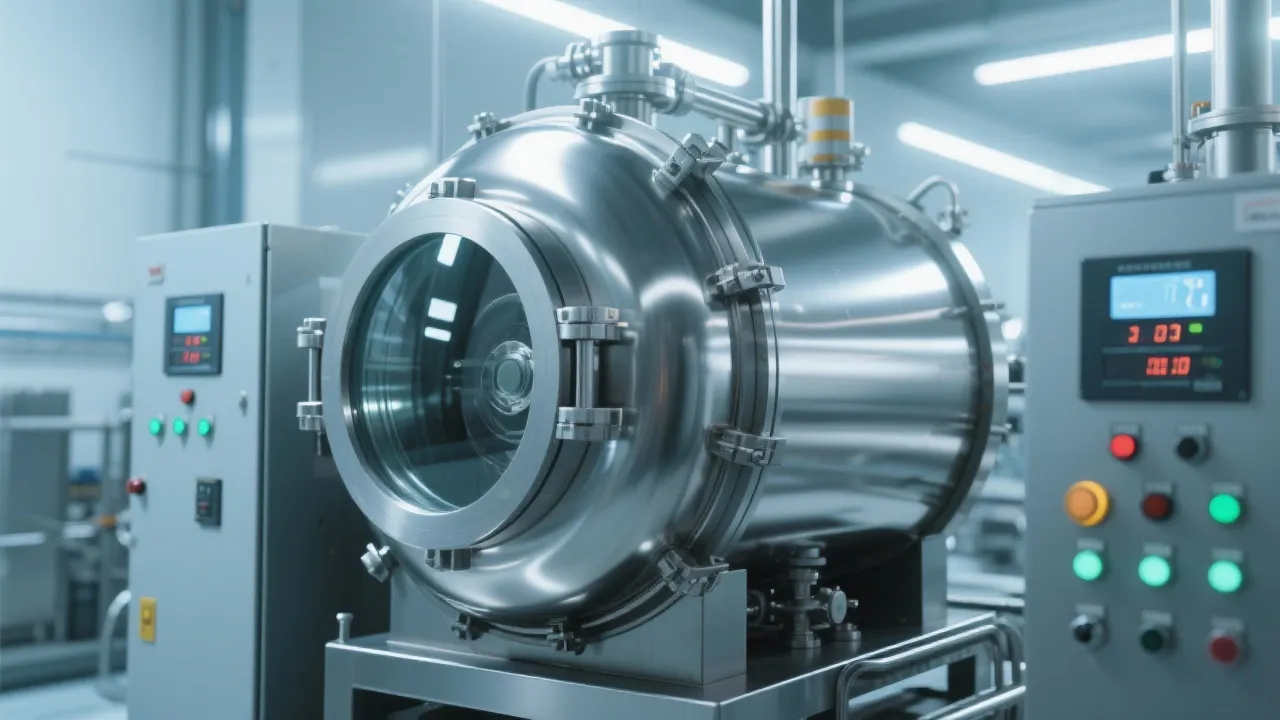
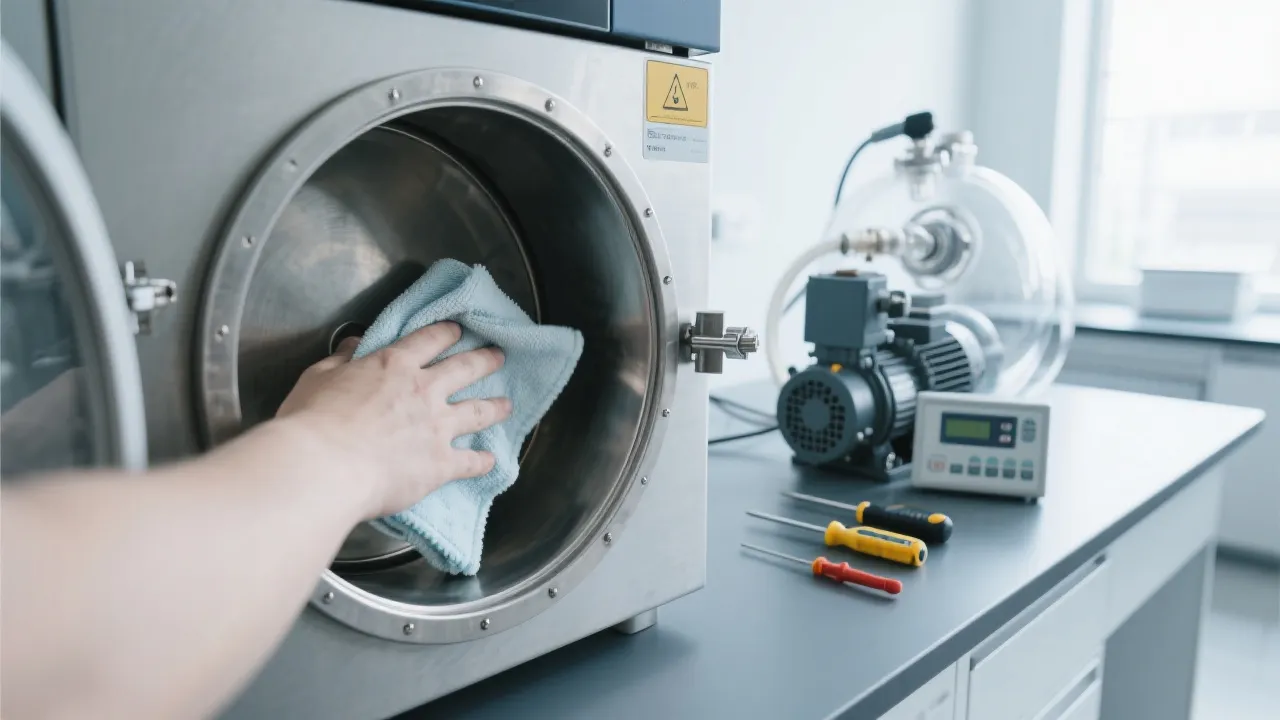
The DZ-1BCII is equipped with an imported stainless steel inner chamber, which brings several advantages. Firstly, stainless steel has excellent thermal conductivity, which can ensure uniform heat distribution inside the drying chamber. This helps to improve the drying efficiency and quality. Secondly, stainless steel is highly durable and resistant to corrosion, which can guarantee the long-term stable operation of the equipment. For example, in a long - term industrial drying process, the stainless steel inner chamber can withstand high temperatures and chemical corrosion, reducing the maintenance cost and extending the service life of the equipment.
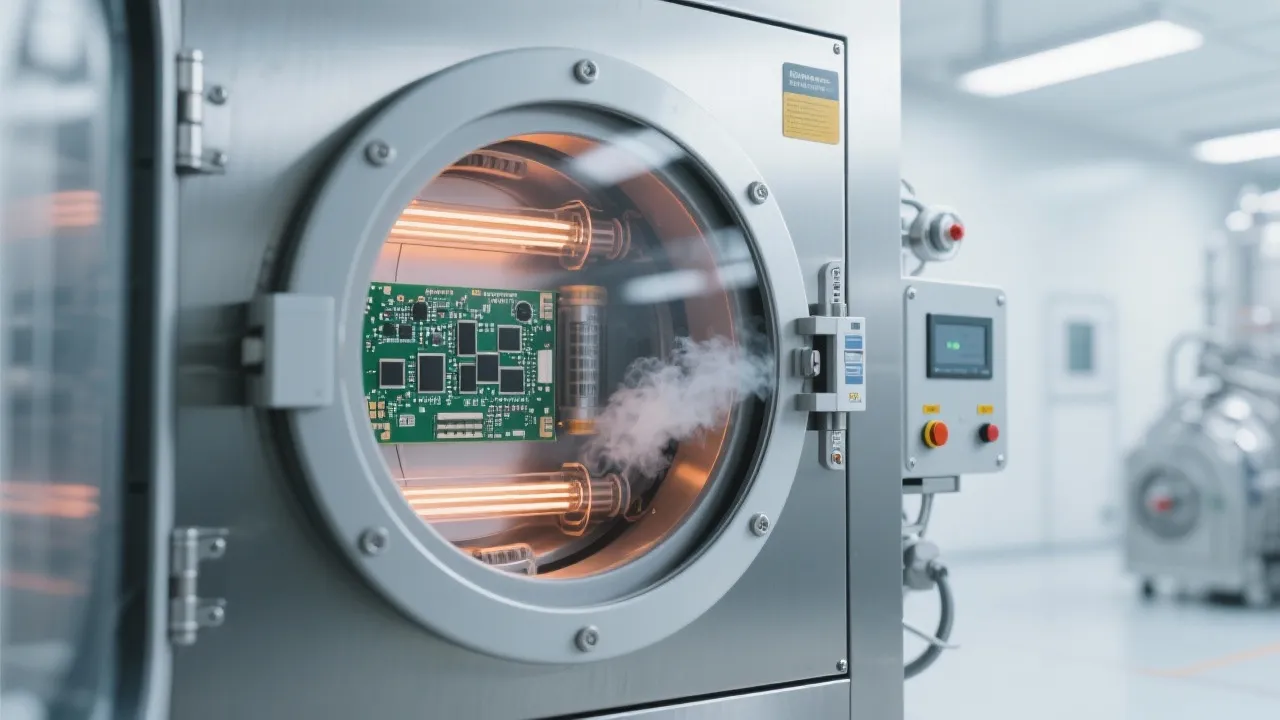
Let's take a look at some practical cases. A laboratory dealing with pharmaceutical research used the DZ-1BCII to dry thermosensitive drugs. By setting the temperature at 50°C, they were able to dry the drugs without affecting their chemical properties. In an electronics manufacturing factory, the DZ-1BCII was used to dry printed circuit boards. With a temperature setting of 120°C, the drying process was completed efficiently, and the quality of the products was improved.
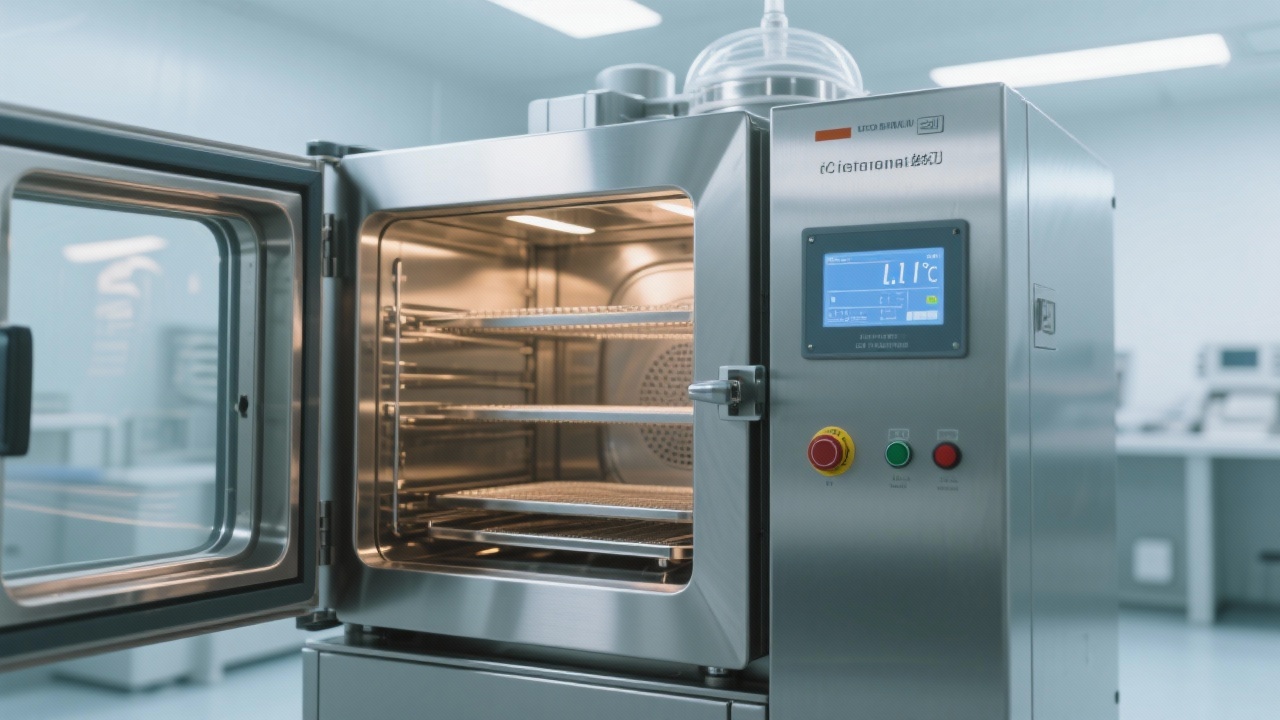
In conclusion, the DZ-1BCII Digital Vacuum Drying Oven, with its high-precision PID temperature control and imported stainless steel inner chamber, is a reliable choice for laboratories and industrial applications. If you want to enhance the quality and safety of your drying process, click here to learn more about this amazing product.
We encourage you to share your experiences or ask questions about using the DZ-1BCII Digital Vacuum Drying Oven in the comments below. Let's start a discussion and learn from each other!



 <#else>