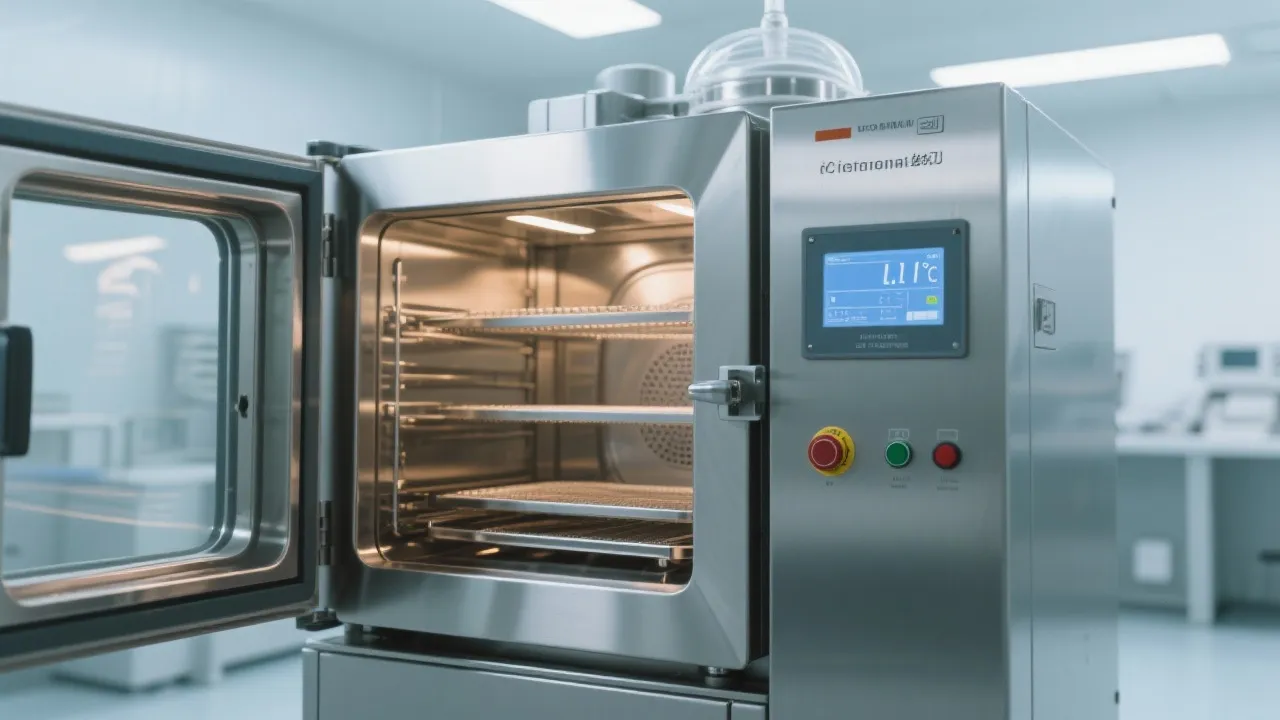
In industrial vacuum drying applications—especially for electronics, pharmaceuticals, and advanced materials—the precision of temperature control directly impacts product quality, process consistency, and operational safety. A dual-zone PID (Proportional-Integral-Derivative) system is not just a technical feature—it’s a foundational element that transforms how manufacturers approach thermal processing.
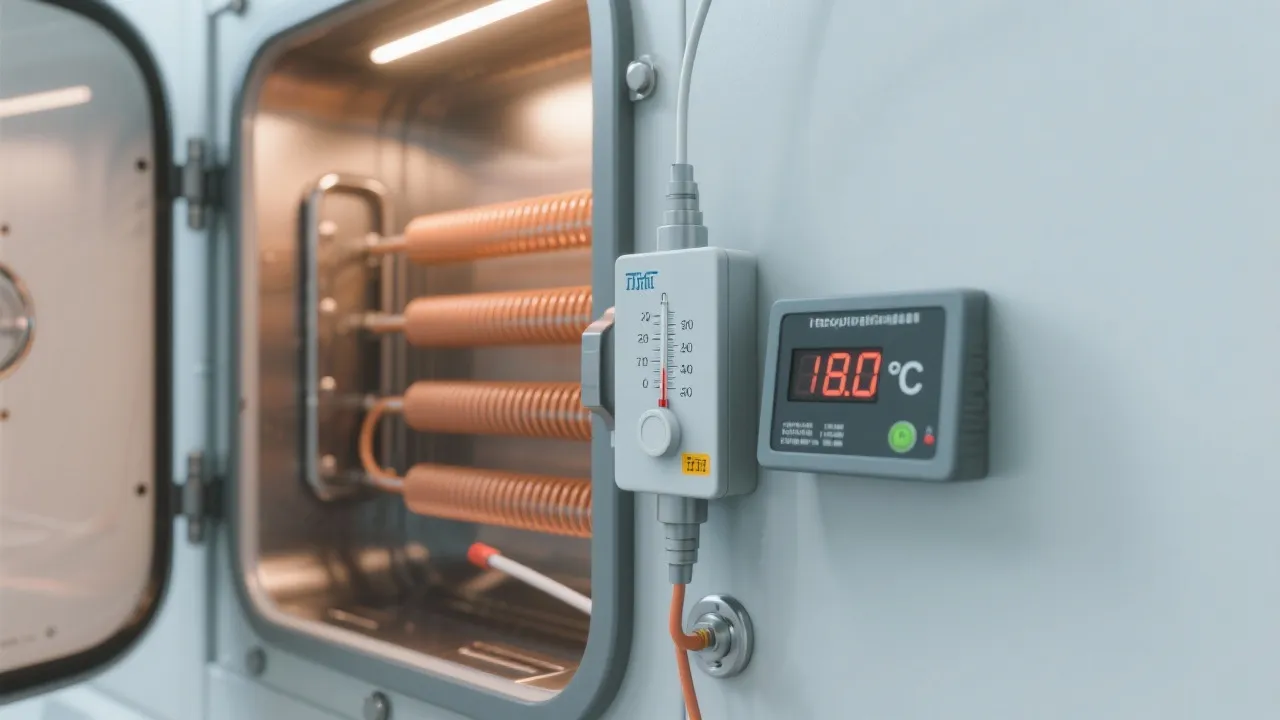
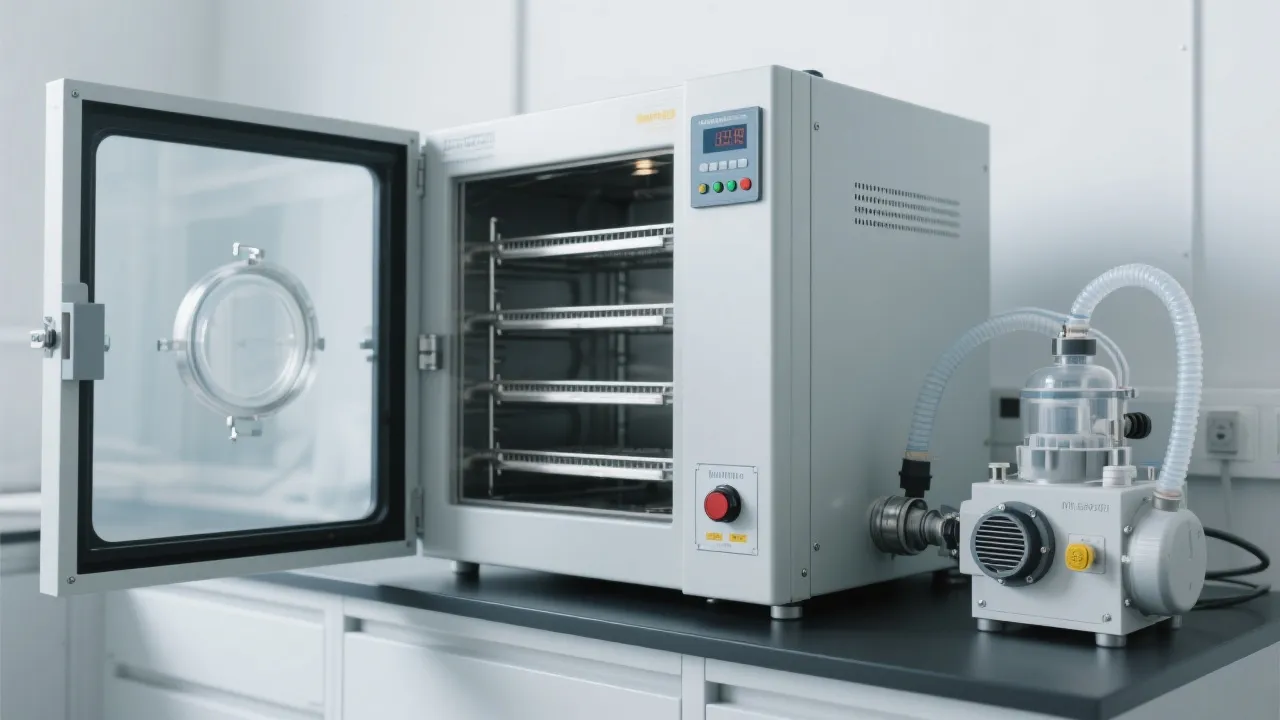
Traditional single-zone controllers often struggle to maintain uniform heat distribution across large or complex chamber geometries. In contrast, dual-zone PID systems divide the heating zone into two independent control areas, each equipped with its own sensor and actuator. This allows real-time adjustment based on localized temperature deviations—ensuring accuracy within ±0.1°C, even under varying load conditions.
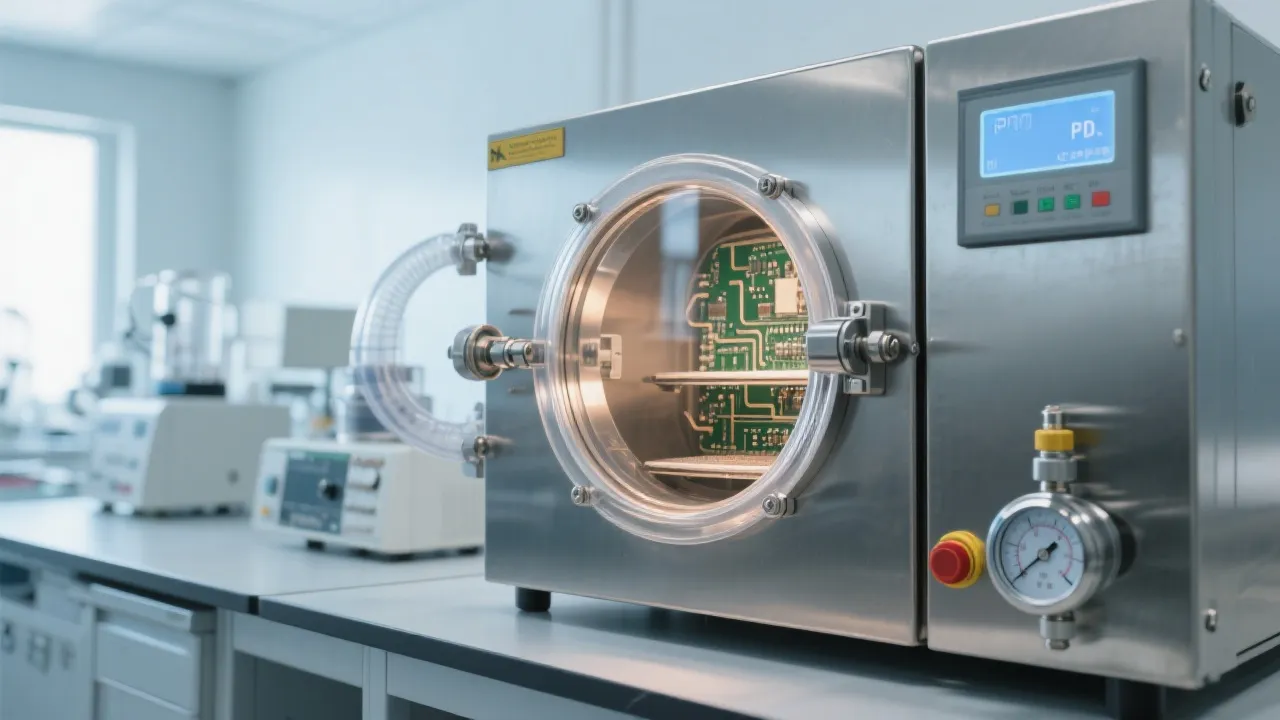
For example, in the drying of printed circuit boards (PCBs), uneven heating can lead to solder joint defects or delamination. With dual-zone control, manufacturers achieve consistent drying profiles across the entire batch—reducing rework rates by up to 40% compared to older models.
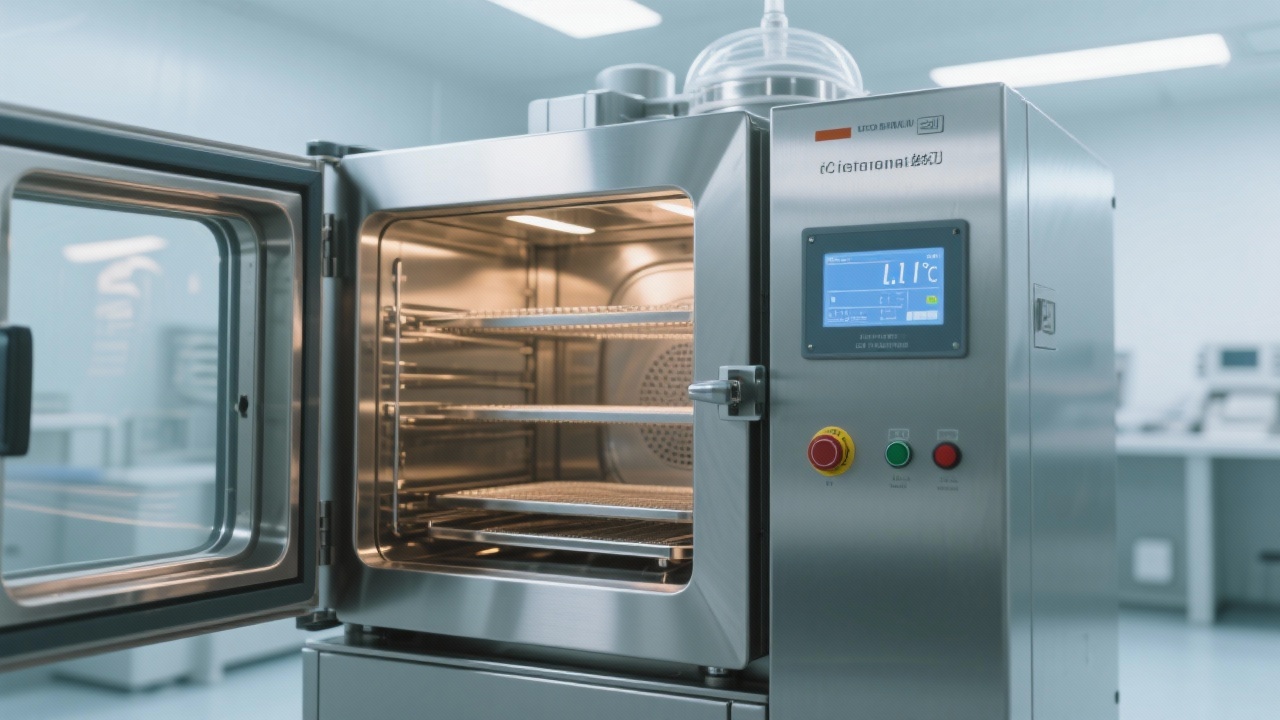
The benefits aren’t theoretical—they’re proven in real-world scenarios:
Moreover, modern dual-zone controllers include critical safety features such as automatic shut-off at over-temperature thresholds (>150°C), memory retention after power failure (up to 72 hours), and self-locking door mechanisms that prevent accidental opening during active cycles.
Manufacturers investing in vacuum dryers with advanced temperature regulation are making a strategic choice—not just for immediate efficiency gains but for long-term compliance with ISO 9001 and IEC 61010 standards. These systems minimize human error, reduce waste, and support continuous improvement through data logging and remote diagnostics.
When evaluating equipment, ask: Does it adapt to your process—or do you have to adapt your process to fit the machine? The answer lies in intelligent, segmented control logic that responds dynamically to both material properties and environmental variables.