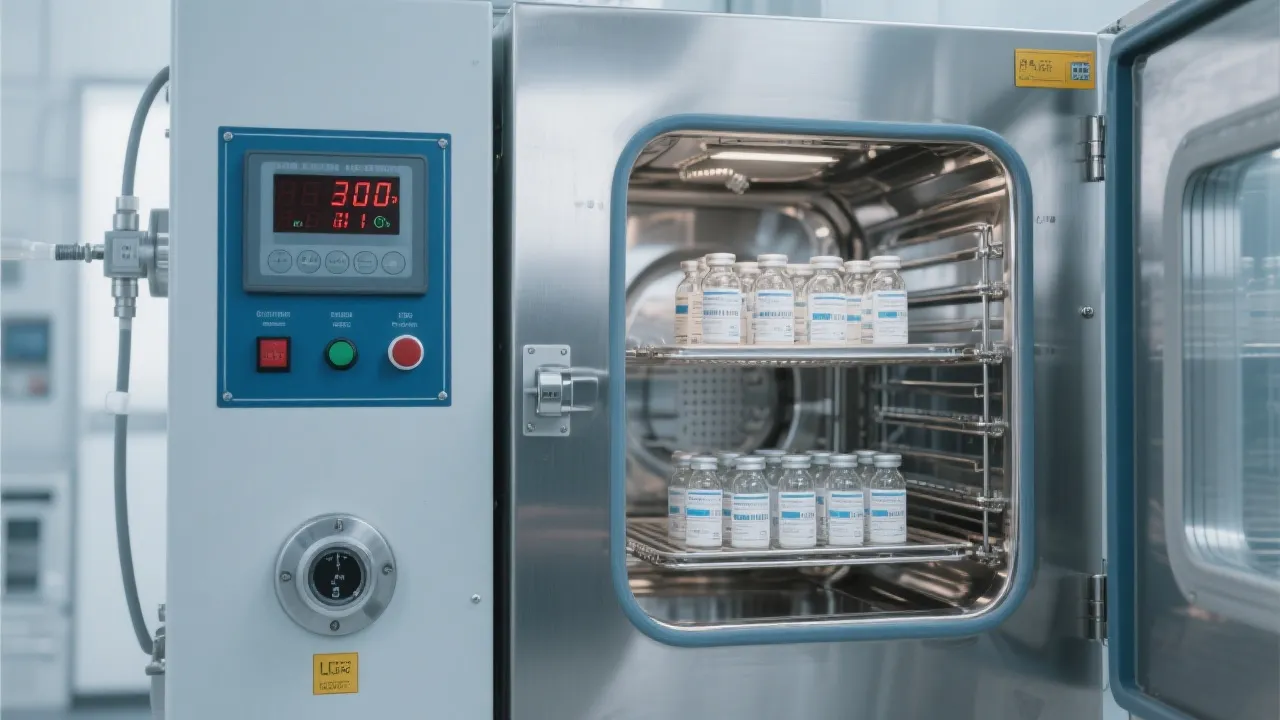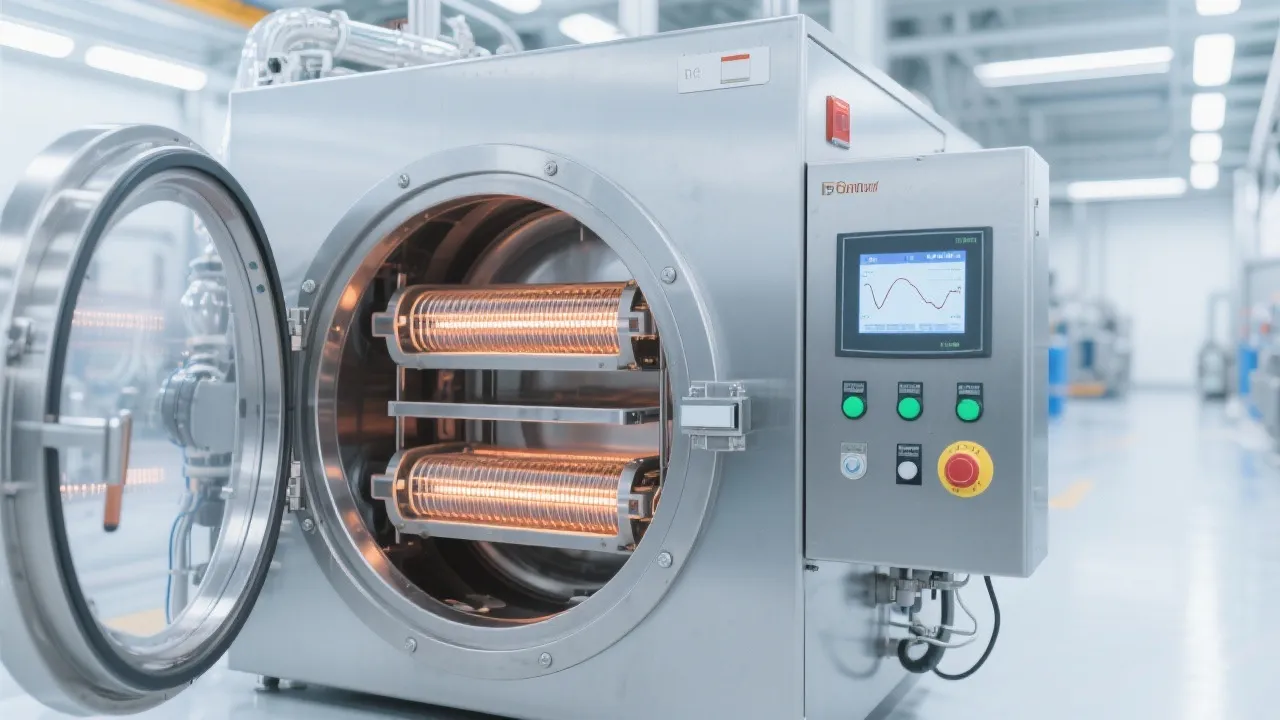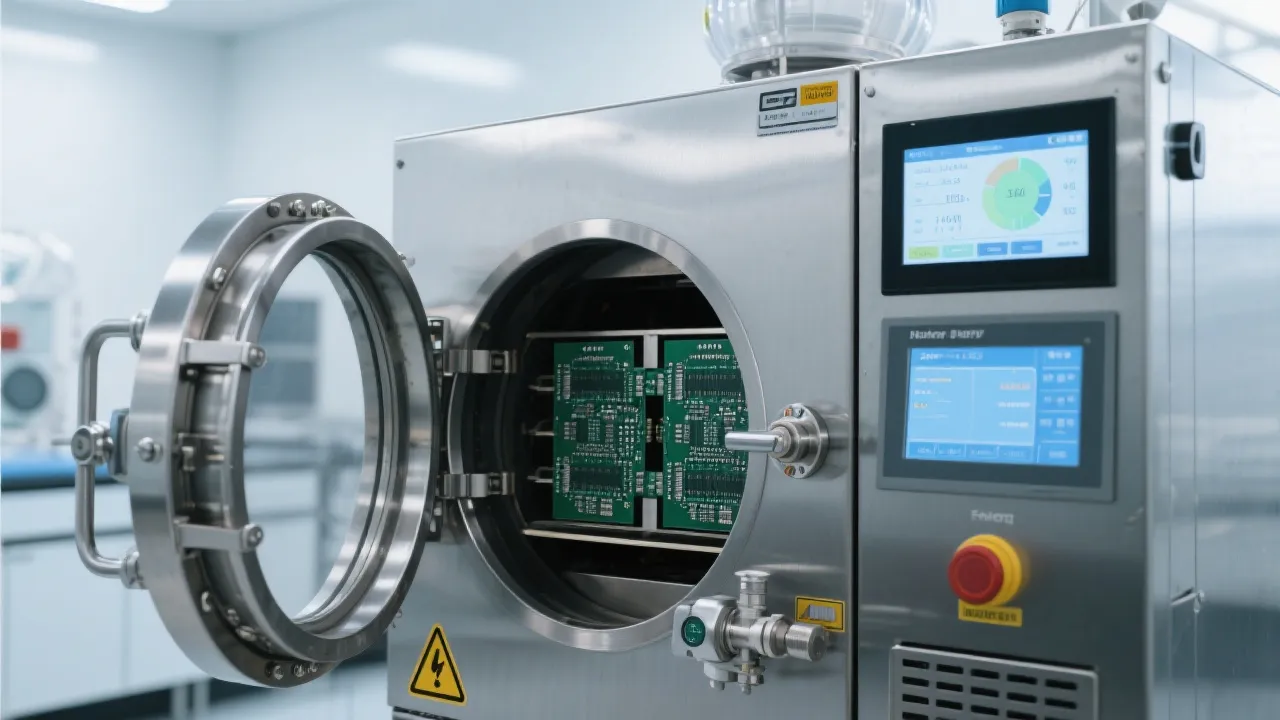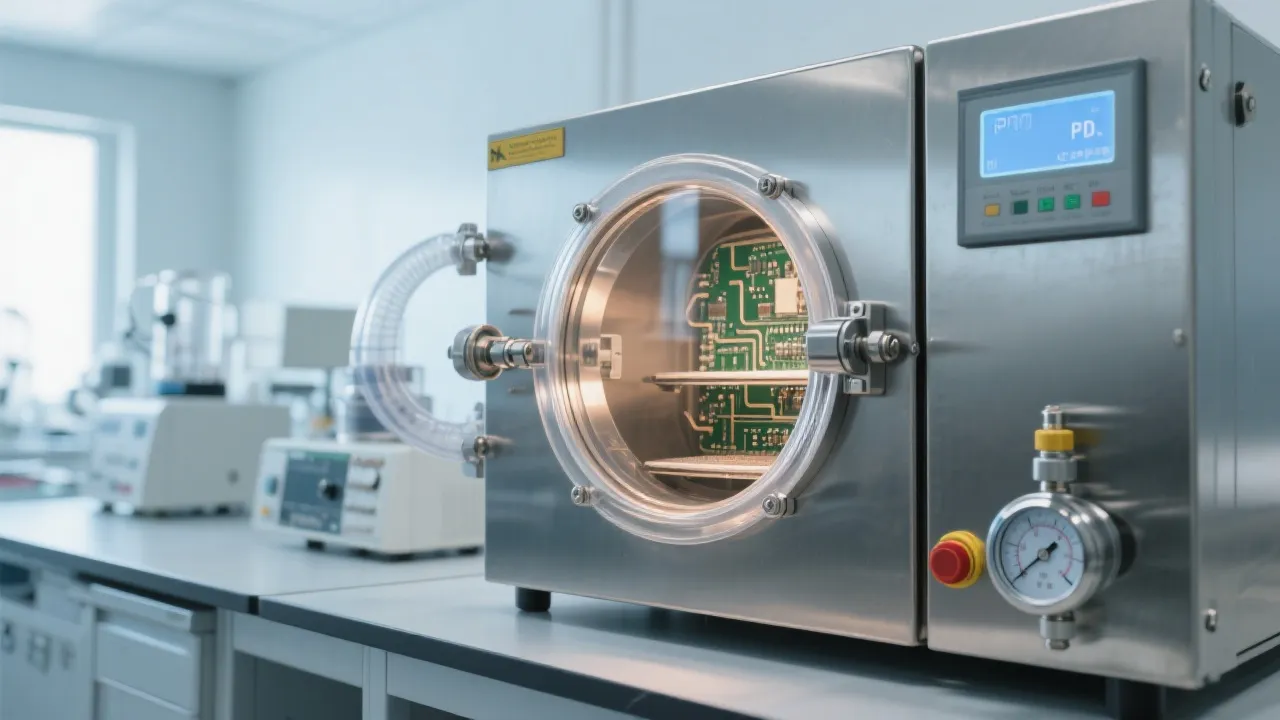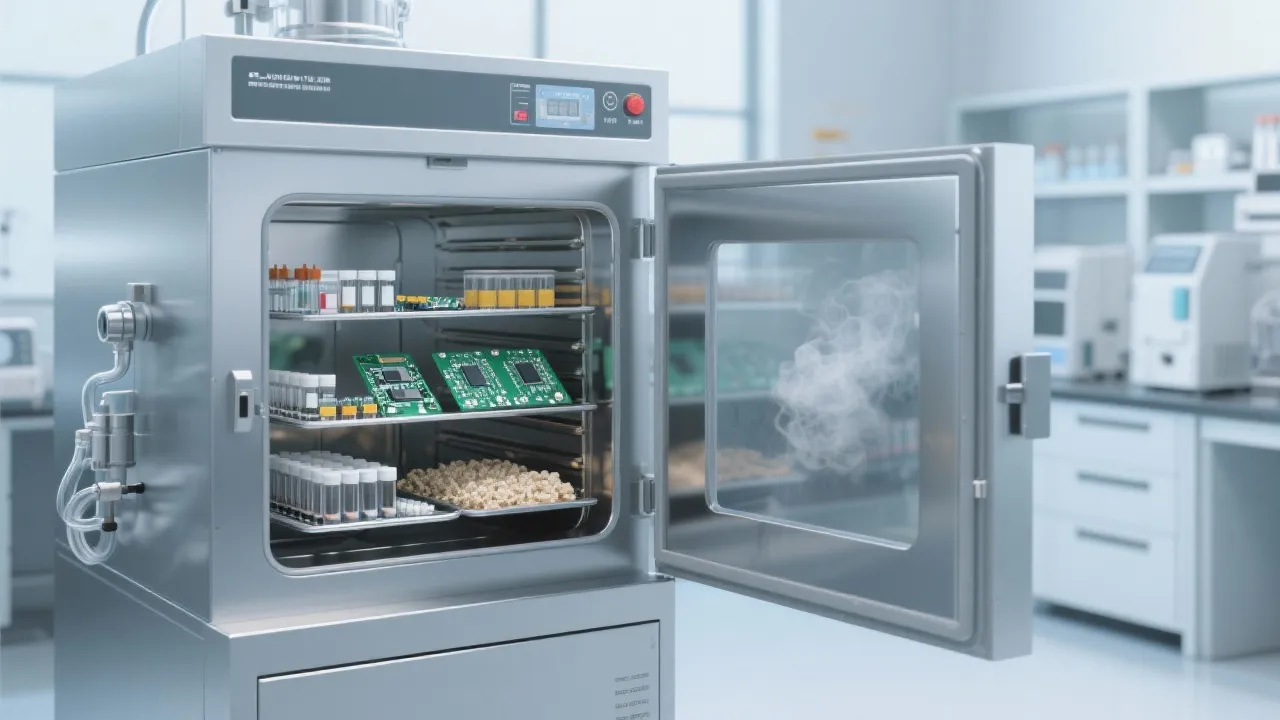
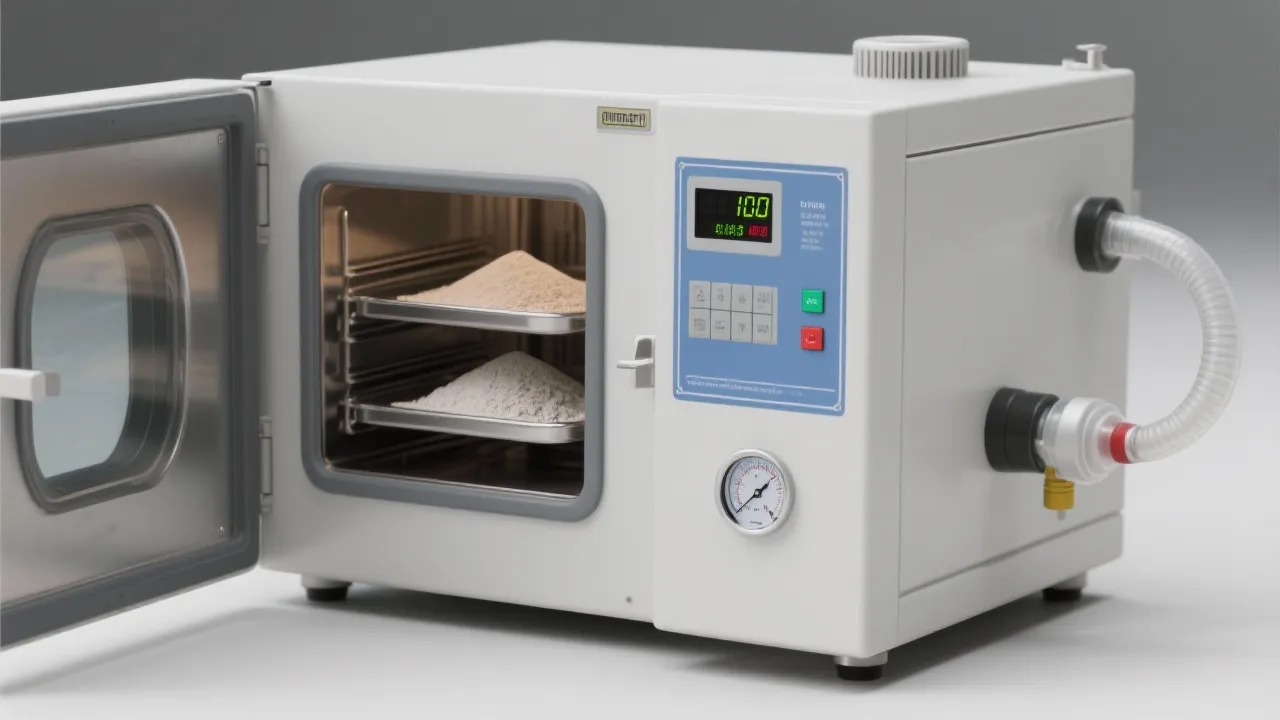
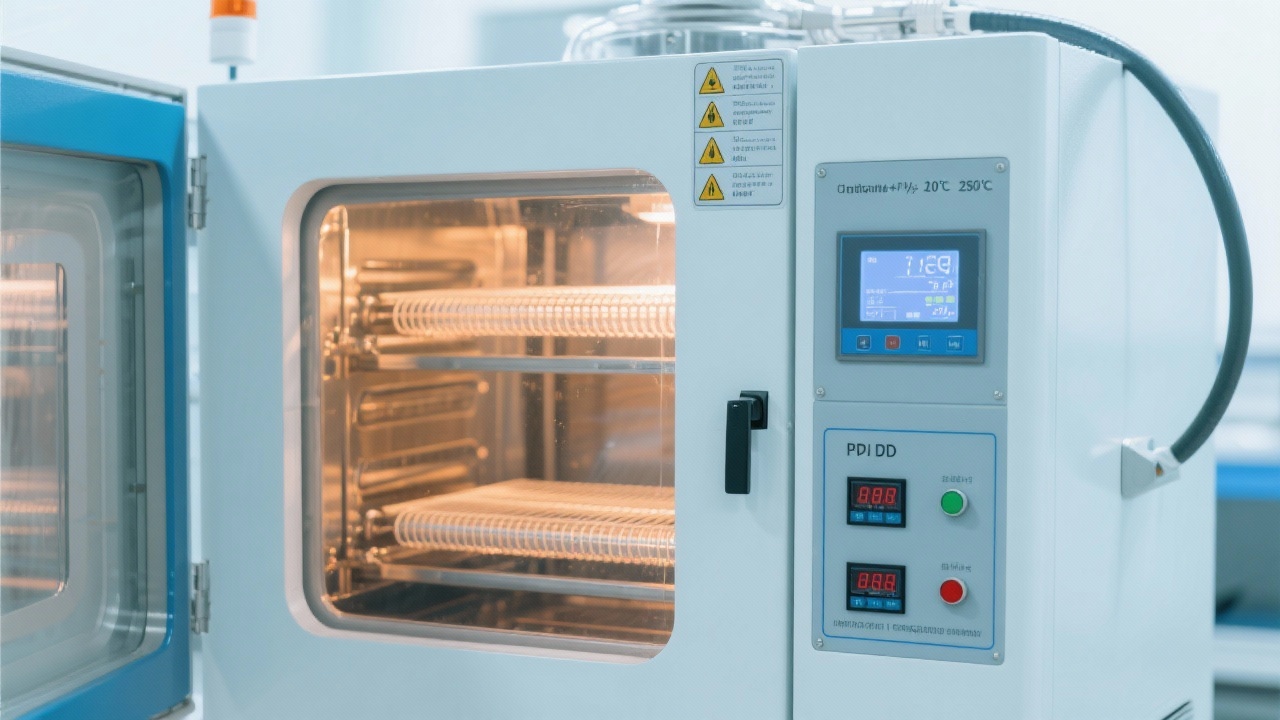
In the realm of industrial and scientific research, the safety and stability of vacuum drying equipment are of paramount importance. This article delves into how the dual-zone PID intelligent temperature control system enhances the safety and stability of vacuum drying equipment, specifically focusing on the DZ - 2BCII vacuum drying oven.
Traditional temperature control methods, such as single-point temperature control, have several inherent problems. One of the most prominent issues is the large temperature fluctuations. In some traditional systems, the temperature fluctuation can reach up to ±5°C. This is a significant drawback, especially in applications where precise temperature control is crucial. Additionally, the response speed of traditional methods is relatively slow. When there is a change in the set temperature, it may take several minutes or even longer for the system to reach the desired temperature, which can greatly affect the efficiency of the drying process.
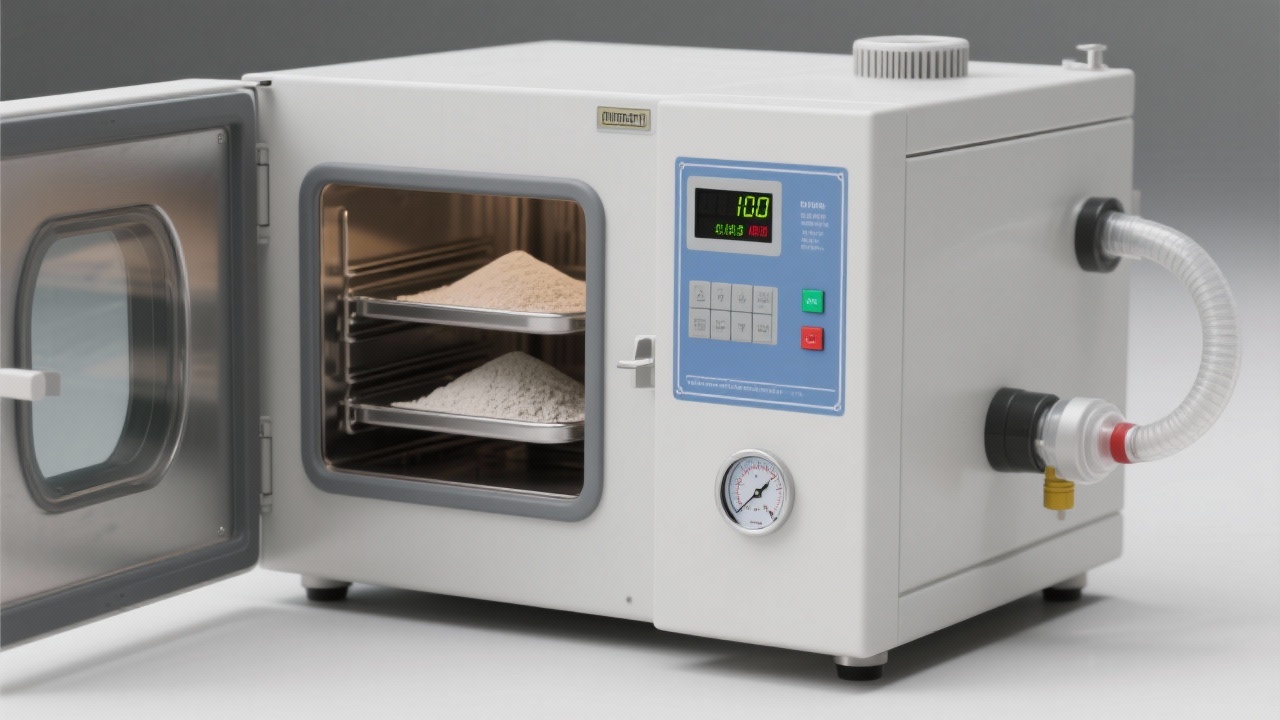
The dual-zone PID temperature control system operates on a more sophisticated principle compared to single-zone control. It divides the temperature control into two zones, which can independently regulate the temperature. This allows for a more precise and rapid response to temperature changes. The proportional (P) part of the PID algorithm adjusts the output based on the current temperature error, the integral (I) part accumulates the error over time to eliminate steady - state errors, and the derivative (D) part predicts future errors based on the rate of change of the temperature. This combined action enables the system to maintain a more stable temperature, with a temperature fluctuation of only ±0.5°C, which is ten times more precise than traditional single - point control.
In typical application scenarios like electronic component curing and chemical sample drying, the dual - zone PID temperature control system shows excellent stability. For example, in the curing process of electronic components, a stable temperature environment is essential to ensure the proper performance of the components. Any temperature fluctuation can lead to changes in the physical and chemical properties of the components, affecting their quality. With the dual - zone PID system, the temperature can be maintained within a very narrow range, ensuring the high - quality curing of electronic components. Similarly, in the drying of chemical samples, precise temperature control can prevent the degradation of the samples and ensure the accuracy of the experimental results.
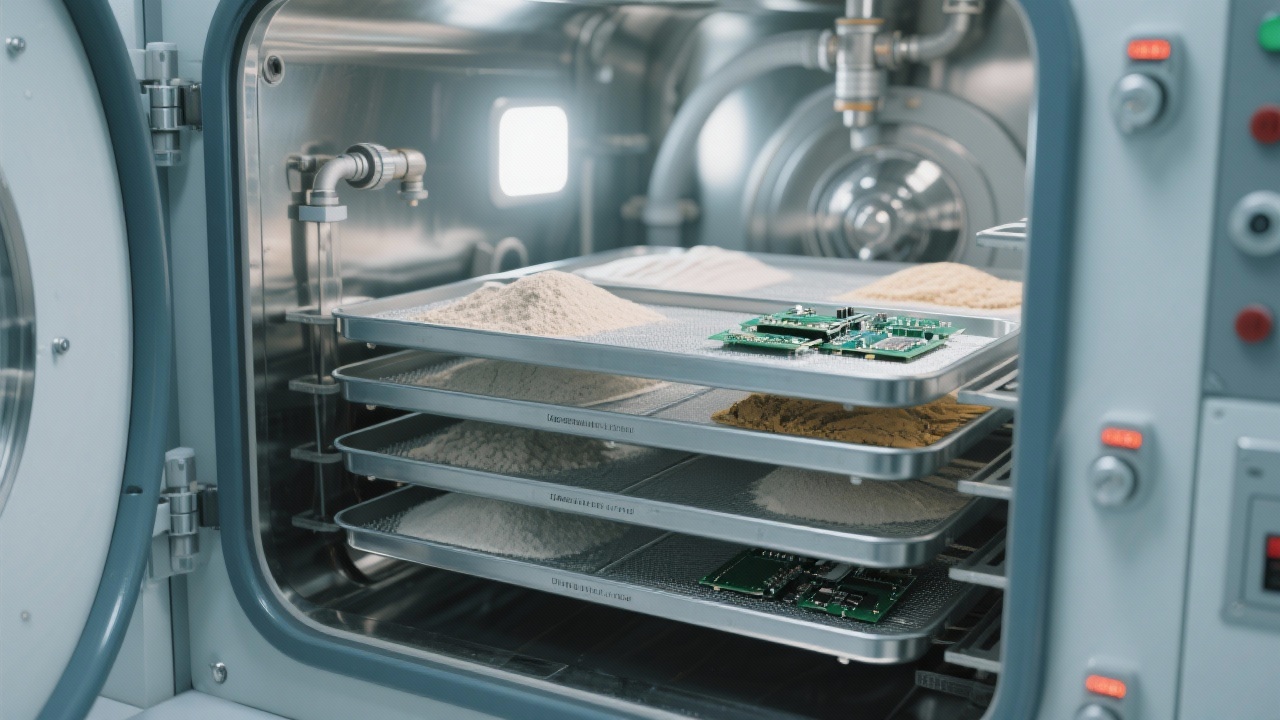
The dual - zone PID temperature control system is not only about precise temperature control but also comes with a series of safety mechanisms. The power - off memory function allows the system to remember the previous settings when there is a power outage. When the power is restored, the system can resume operation from where it left off, ensuring the continuity of the process. The over - temperature alarm function immediately alerts the operator when the temperature exceeds the set limit, preventing potential damage to the samples and the equipment. These safety mechanisms, combined with the precise temperature control, form a comprehensive protection system for the vacuum drying equipment.
When choosing a vacuum drying oven, engineers need to consider the specific requirements of their applications. For applications that require high - precision temperature control, such as electronic component curing and chemical sample drying, the dual - zone PID temperature control system is an ideal choice. By understanding the advantages of this system, engineers can make more informed decisions and improve the efficiency and quality of the drying process.
If you want to learn more about the DZ - 2BCII vacuum drying oven and its dual - zone PID temperature control system, click here to download the technical whitepaper and explore the detailed technical parameters and application cases.