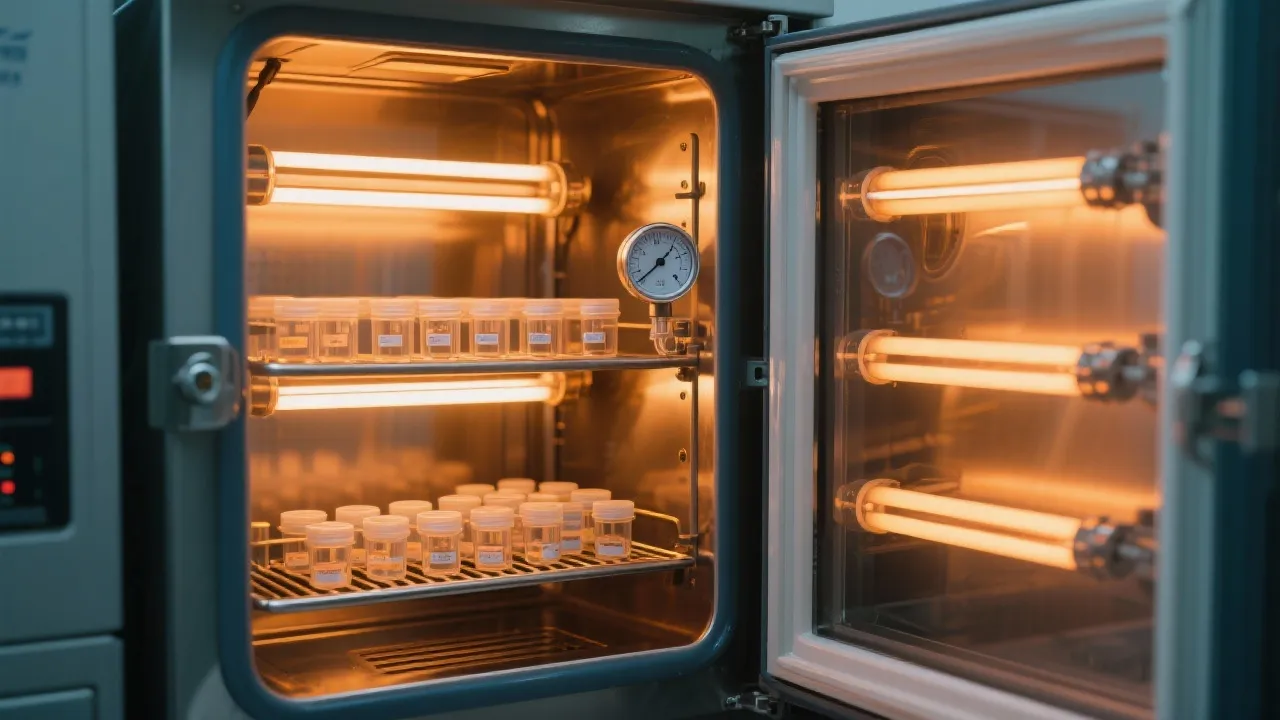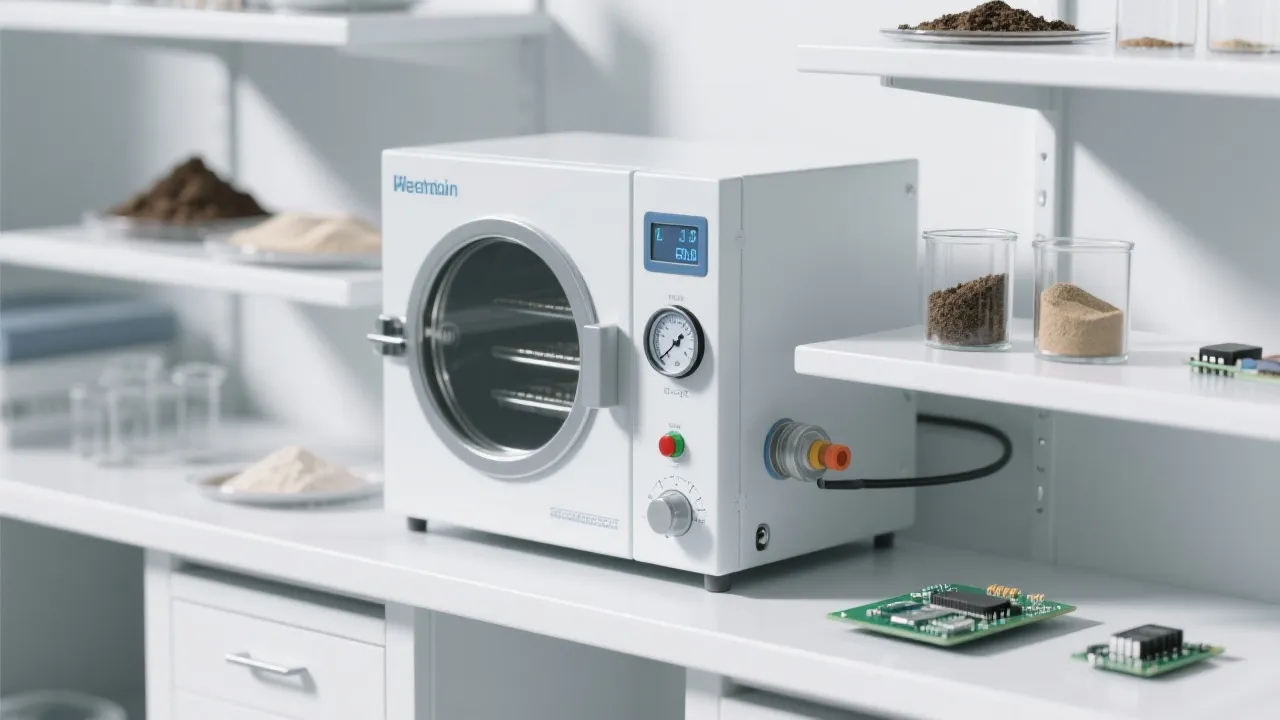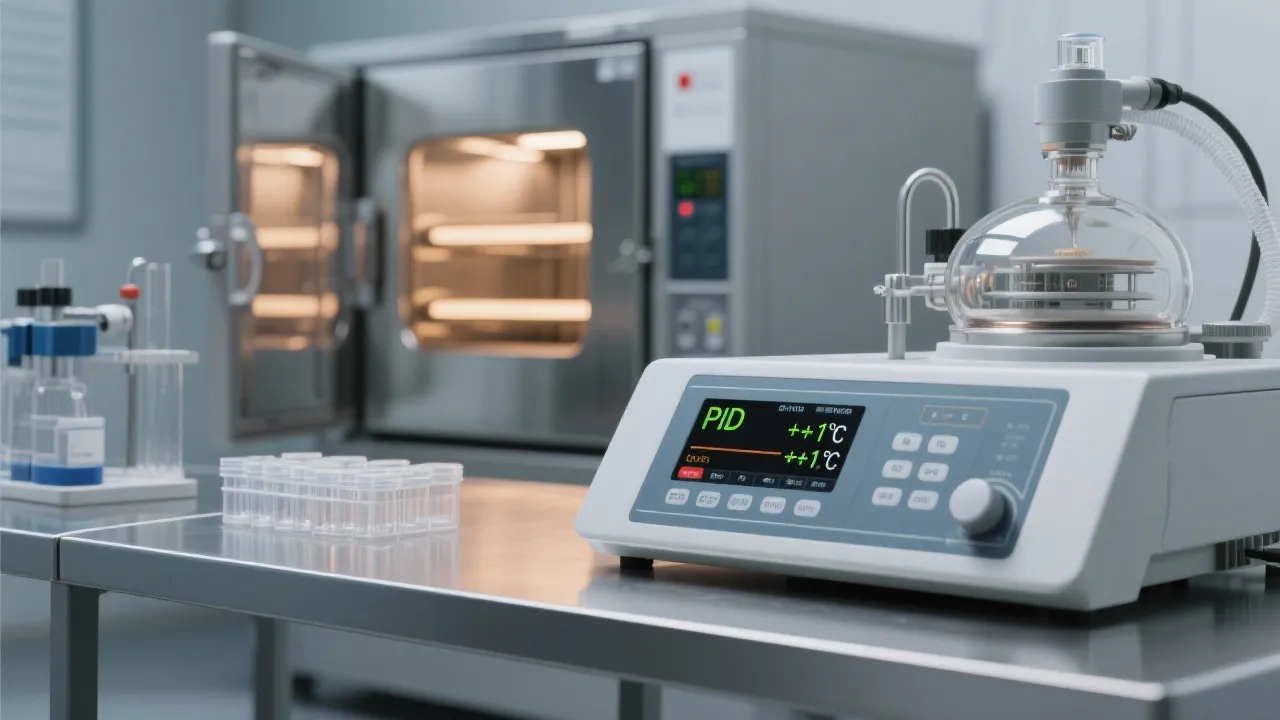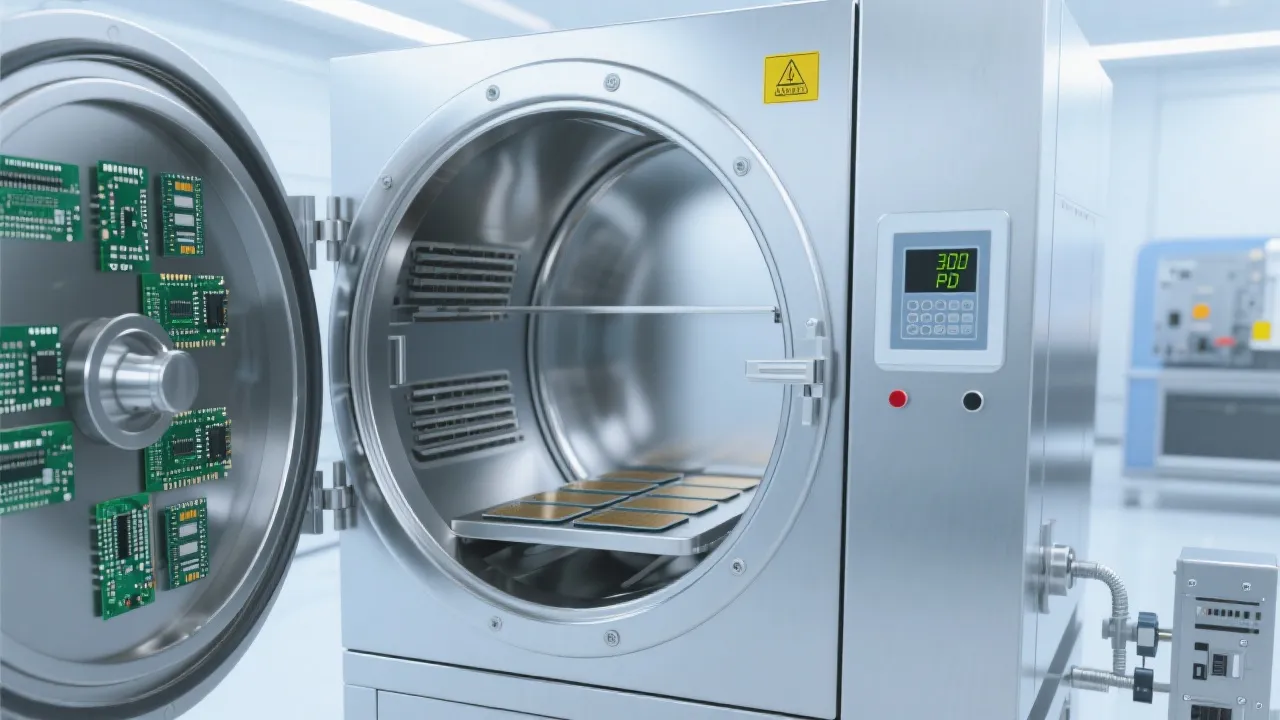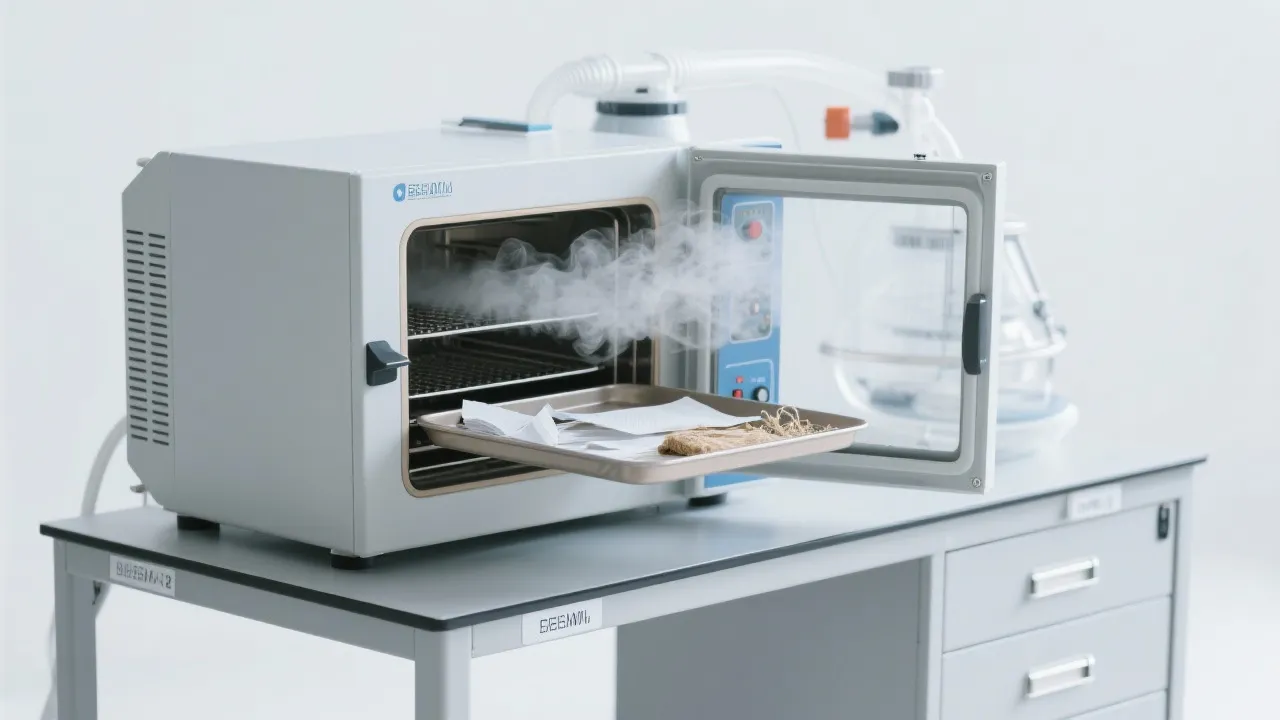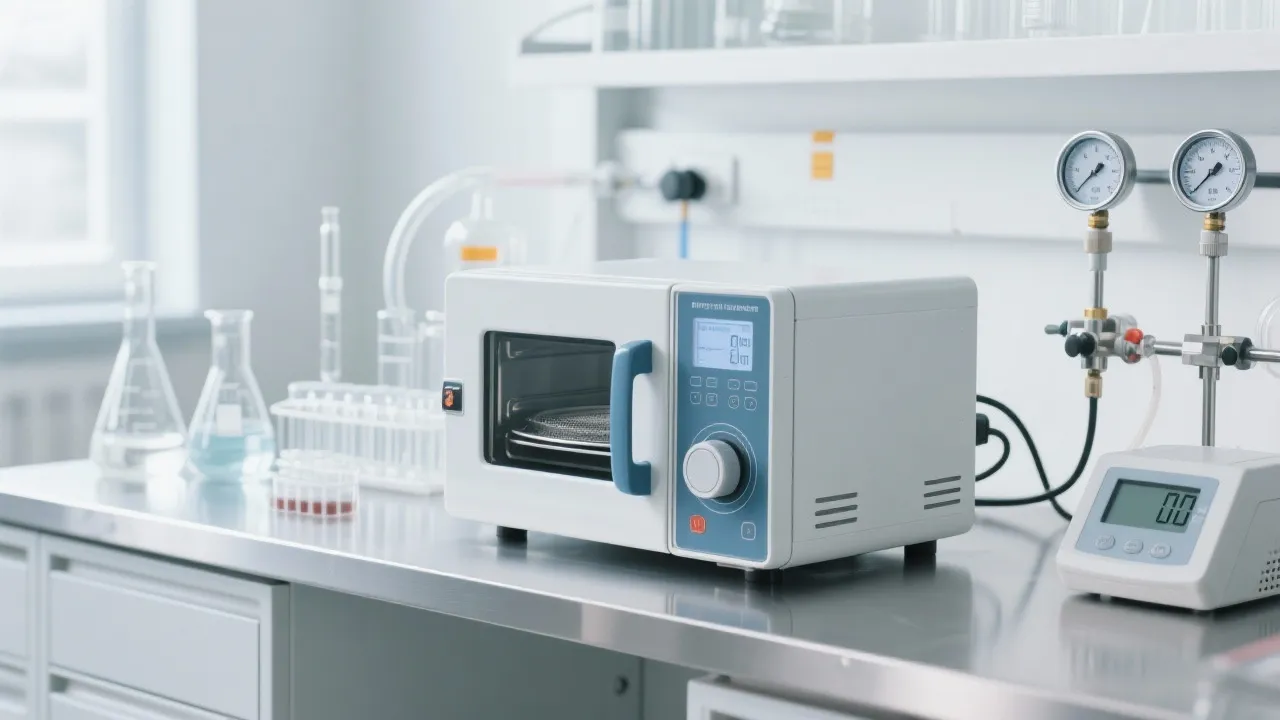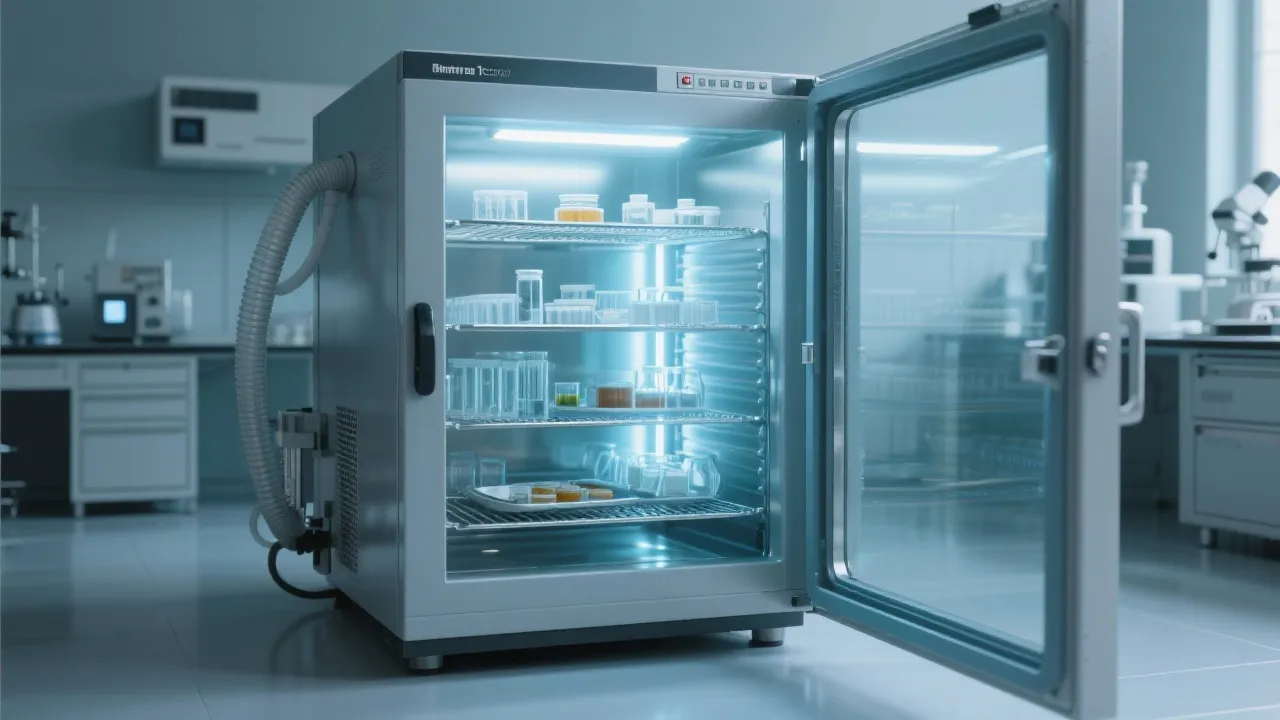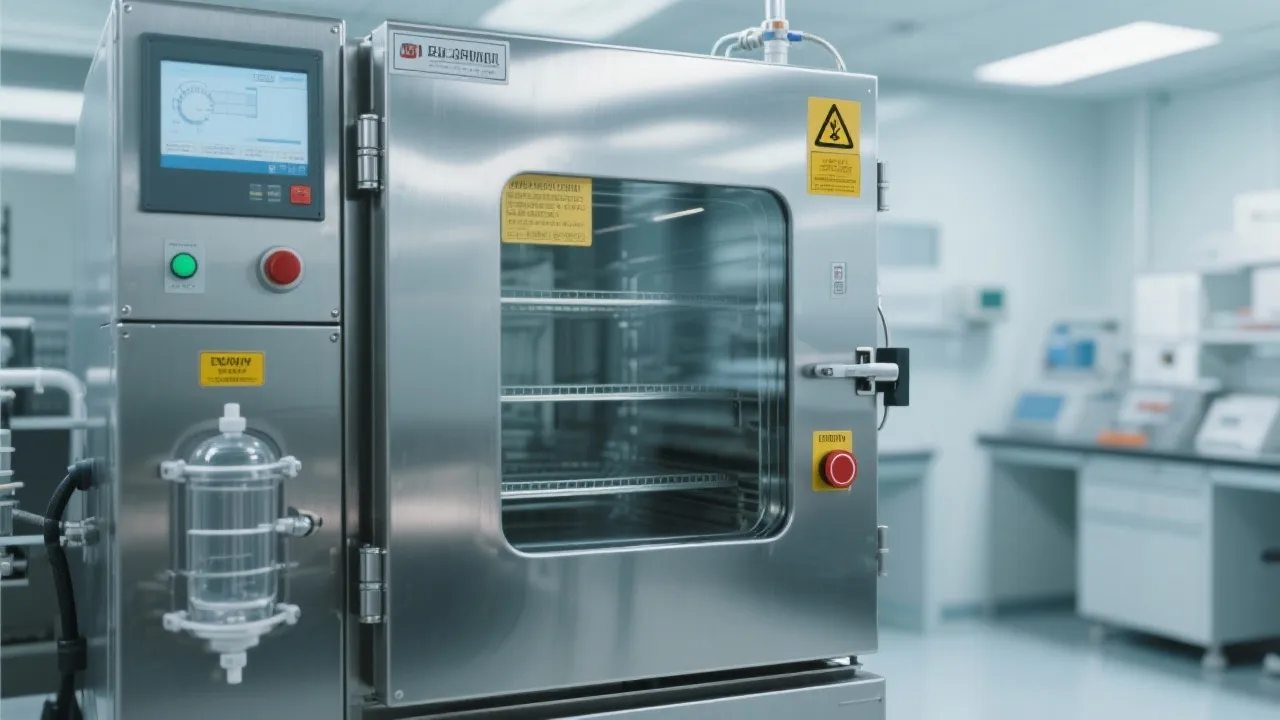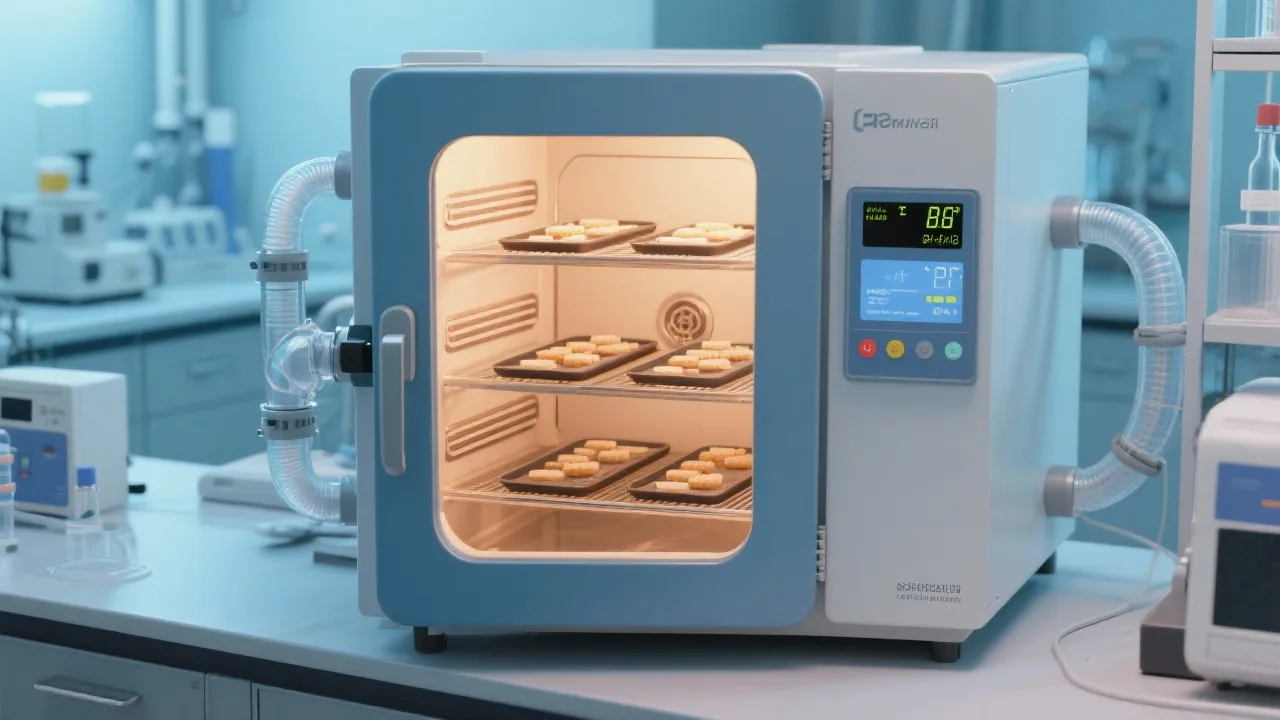
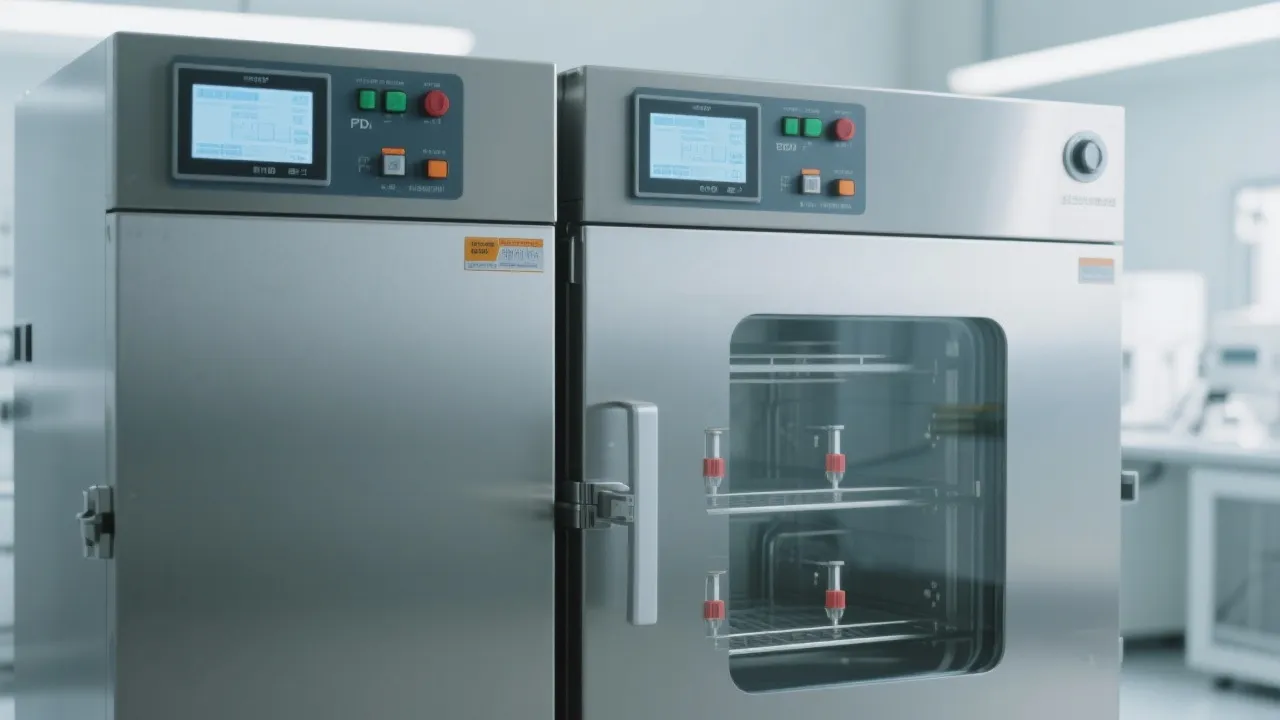
In today’s precision-driven industries—from pharmaceuticals to electronics—consistent, reliable temperature control is no longer optional. It's a requirement. The DZ-1BCII Digital Vacuum Dryer by Zhengzhou Keda Machinery Instrument Equipment Co., Ltd. sets a new benchmark with its dual-zone intelligent PID temperature control system, delivering ±1°C accuracy across a wide range (from room temp +10°C to 250°C). This isn’t just engineering—it’s a solution designed for real-world challenges.
Heat-sensitive materials like active pharmaceutical ingredients (APIs), polymers, and printed circuit boards (PCBs) demand more than basic heating. A deviation of even 2–3°C can compromise product integrity or safety. According to industry data from the International Journal of Thermal Sciences, inconsistent thermal profiles increase rejection rates by up to 17% in high-value manufacturing processes. That’s where the DZ-1BCII’s dual-zone smart PID logic shines—it continuously monitors and adjusts both the chamber and heating element zones independently, ensuring uniform heat distribution without overshoot or lag.
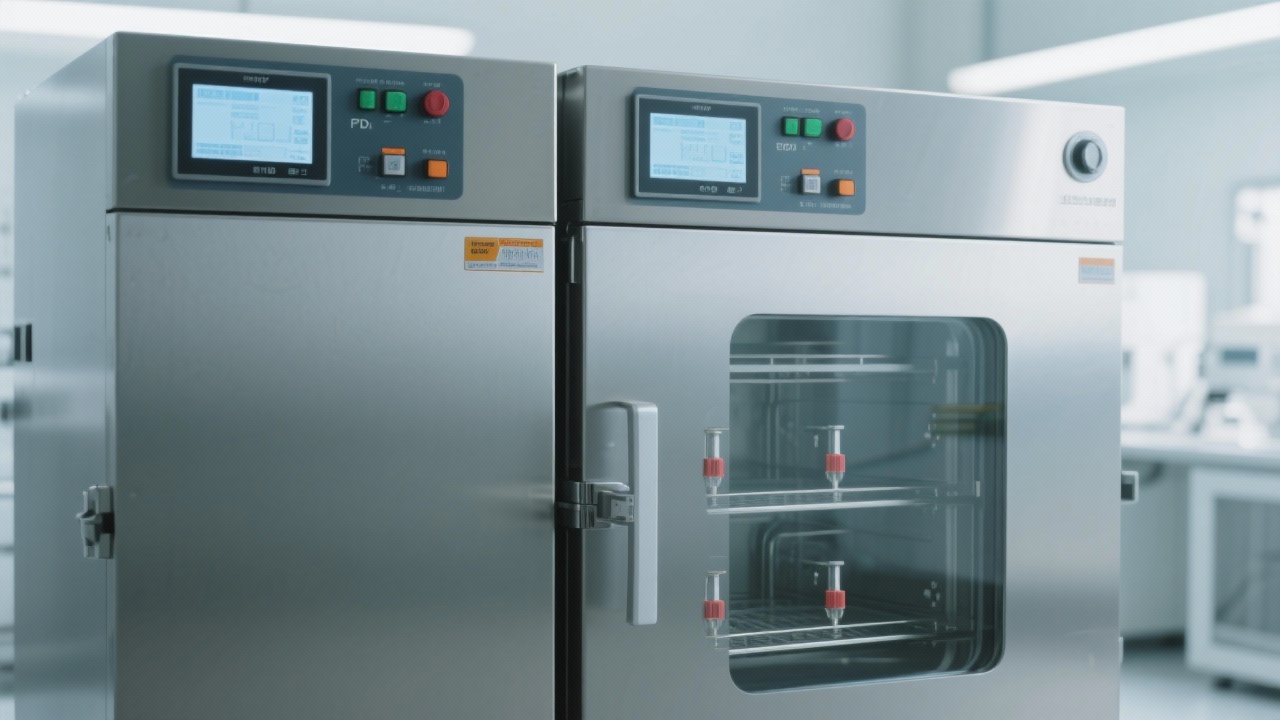
At a leading semiconductor lab in Shenzhen, engineers reported a 30% reduction in drying time when switching from conventional vacuum ovens to the DZ-1BCII. By setting precise ramp-up curves based on material type—such as 60°C for sensitive resins or 180°C for ceramic substrates—they achieved consistent results without damaging components. In another case, a pharmaceutical manufacturer in Germany used the unit for lyophilized drug powder storage preparation, maintaining a stable 45°C environment over 24 hours with zero drift. These aren’t isolated examples—they reflect what happens when advanced control meets practical design.
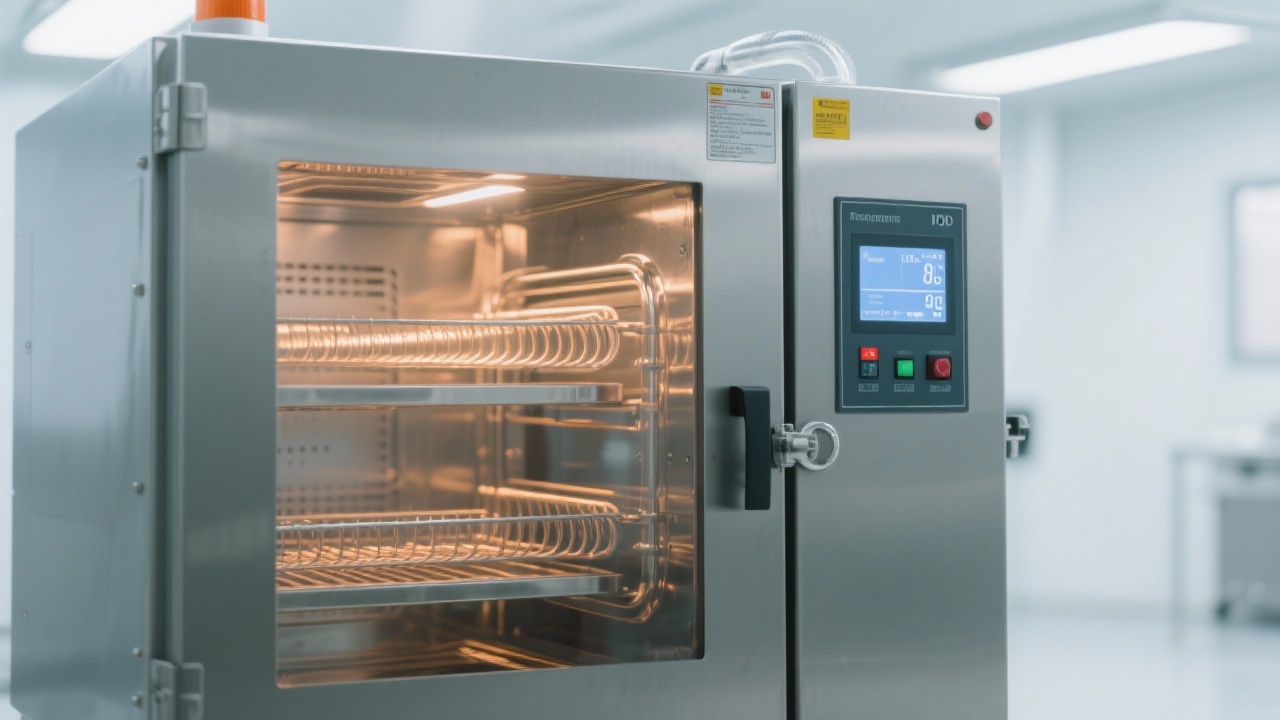
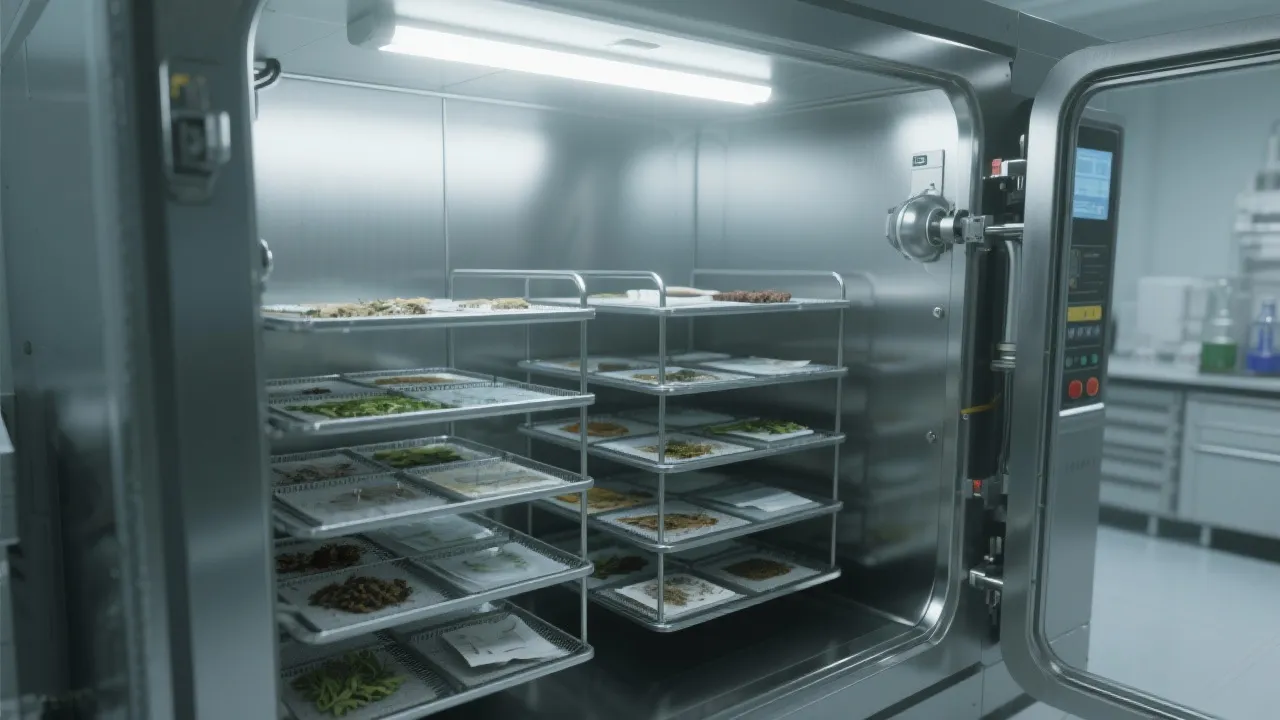
The DZ-1BCII features an imported stainless steel inner chamber—a critical detail often overlooked. Unlike cheaper alloys, this grade ensures superior thermal conductivity, minimal oxidation, and long-term corrosion resistance. Independent testing by SGS showed that after 500 cycles at 200°C under vacuum, the internal surface remained virtually unchanged, while comparable units experienced visible discoloration and micro-cracking. For labs handling reactive chemicals or industrial facilities requiring daily use, this means fewer maintenance issues and higher uptime.
Have you encountered inconsistent drying results? What temperature ranges do you typically work with in your applications?