How to Choose the Right Digital Vacuum Drying Oven: Avoid Common Mistakes for Longer Lifespan and Better Performance
18 01,2026
Zhengzhou Keda Mechanical Instrument Equipment Co., Ltd.
Experience and skills
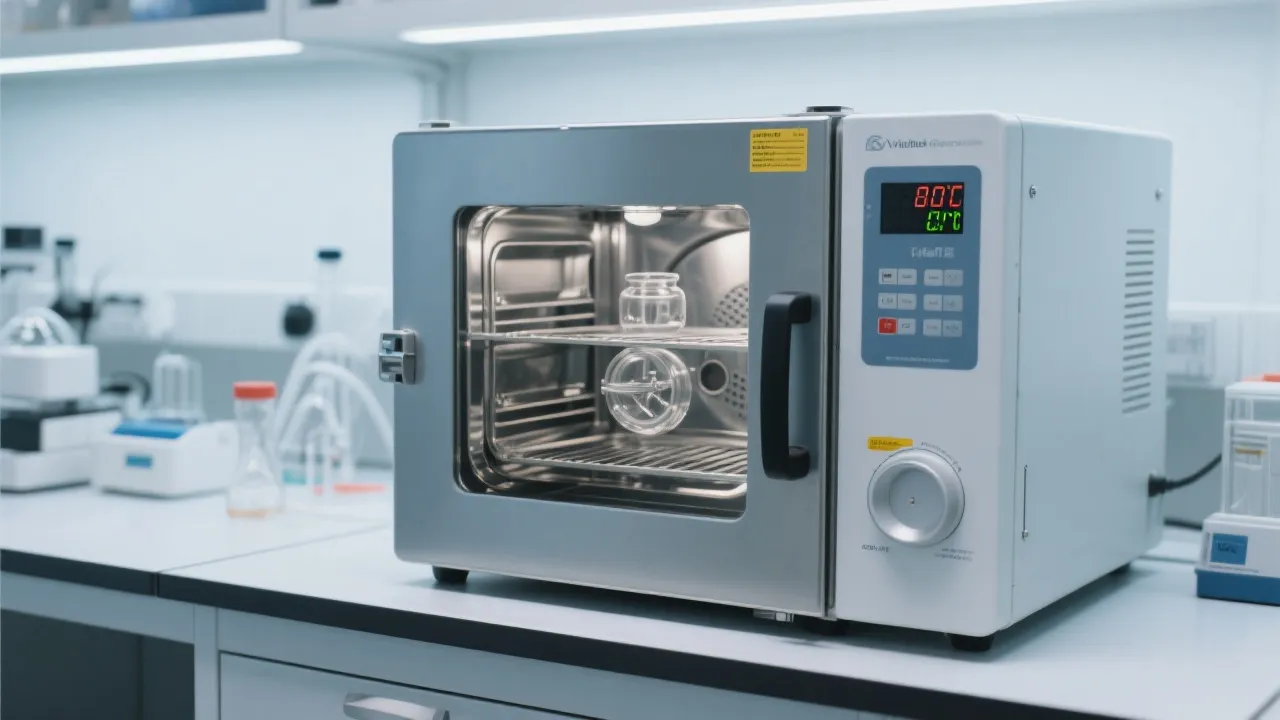
This article provides expert insights into selecting the ideal digital vacuum drying oven for research labs and industrial applications. It highlights key factors such as temperature range, vacuum level, stainless steel chamber material, precise PID temperature control, and capacity with programmable timing. Real-world case studies—like biological sample preservation and electronic component treatment—demonstrate how proper parameter selection impacts efficiency and durability. Practical tips help users avoid common pitfalls, while a simple decision flowchart supports informed choices. Learn how to optimize both experimental outcomes and equipment longevity through smart selection.

How to Choose the Right Digital Vacuum Drying Oven: Avoid Common Mistakes for Longer Lifespan & Better Performance
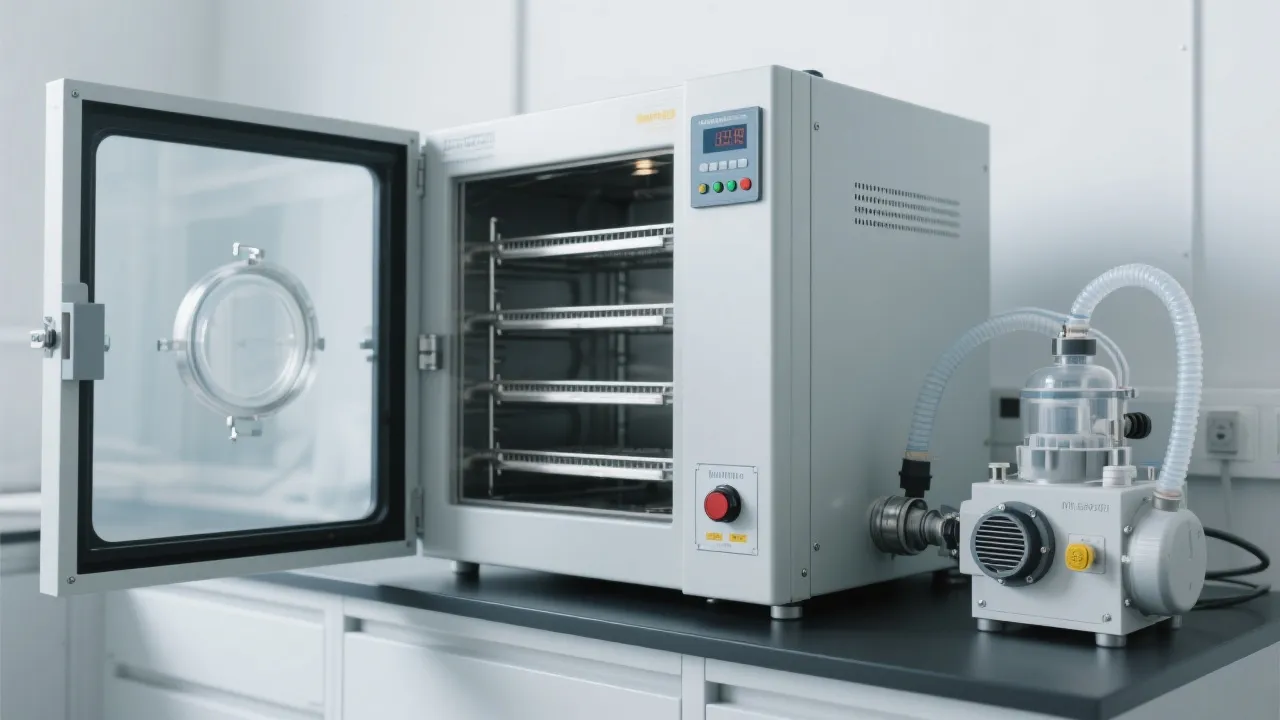
Choosing the right digital vacuum drying oven isn’t just about specs—it’s about matching your actual lab or production needs with smart engineering. Whether you're a researcher handling sensitive biological samples or an engineer optimizing electronic component drying, selecting the wrong model can lead to inconsistent results, frequent repairs, and wasted time.
Key Factors That Make or Break Your Selection
Most users overlook critical parameters like temperature range, vacuum level, and internal material—yet these directly impact both sample integrity and equipment durability. For example:
- Temperature Range: A standard ±2°C deviation in a 100°C setting may seem minor—but it can cause protein denaturation in bio-samples or warping in PCBs during thermal processing.
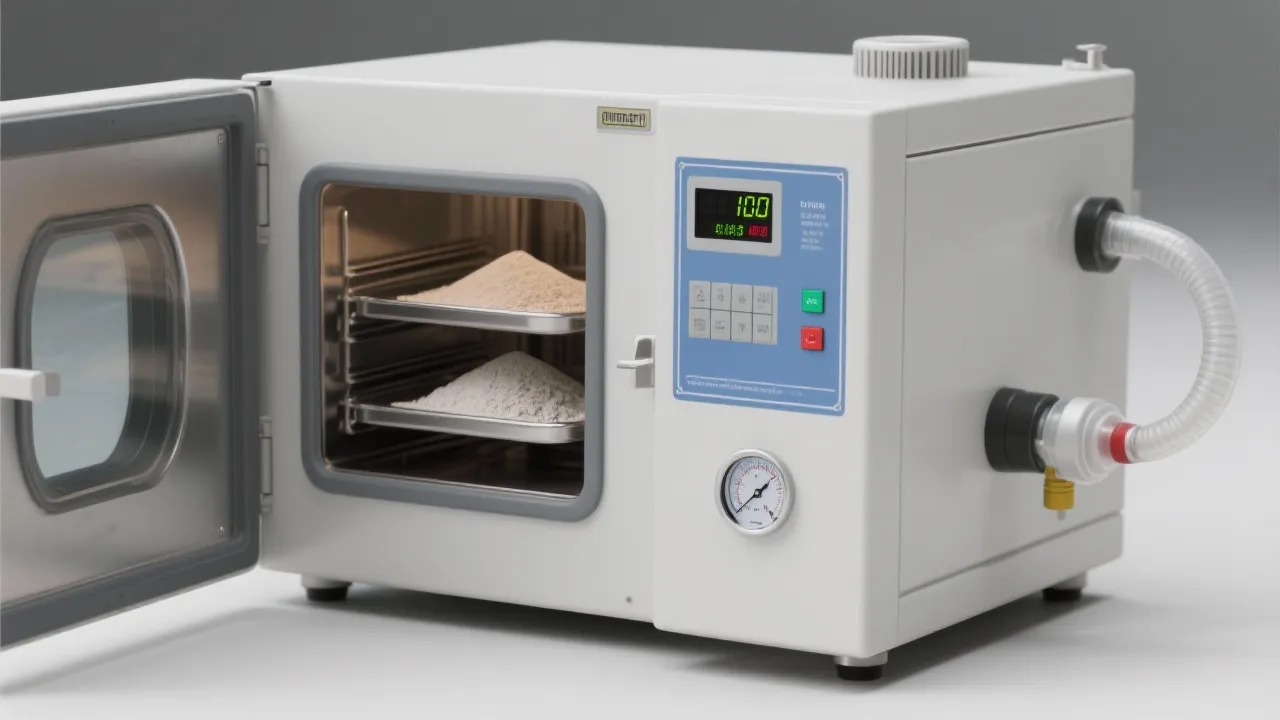
- Vacuum Level: High-quality ovens achieve ≤0.1 mbar, which prevents oxidation and reduces drying time by up to 40% compared to basic models at 1–2 mbar.
- Stainless Steel Interior: Food-grade 304 stainless steel resists corrosion from solvents and is easier to clean than aluminum or coated surfaces—reducing contamination risks by ~70% in repeated use (based on industry lab audits).
💡 Pro Tip: Always check if the controller uses PID algorithm—not just “digital” display. PID ensures stable temperatures even under load changes, crucial for long-term experiments.
Real-World Application Insights
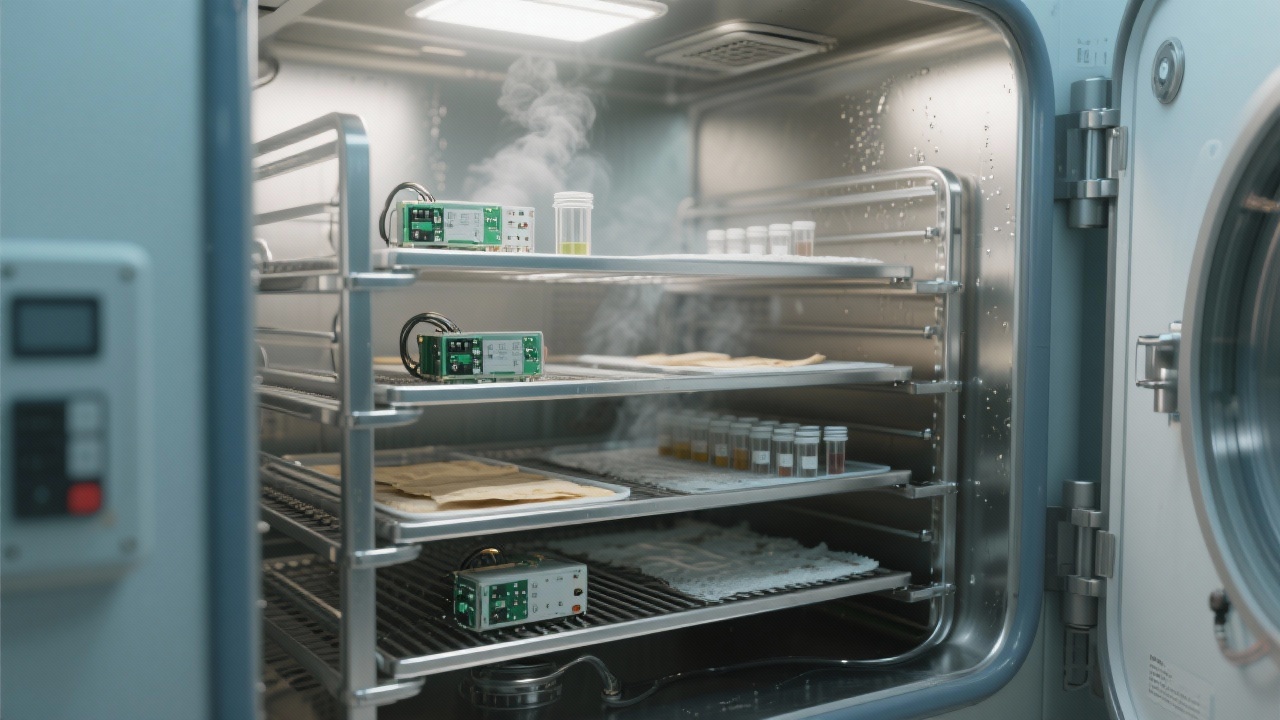
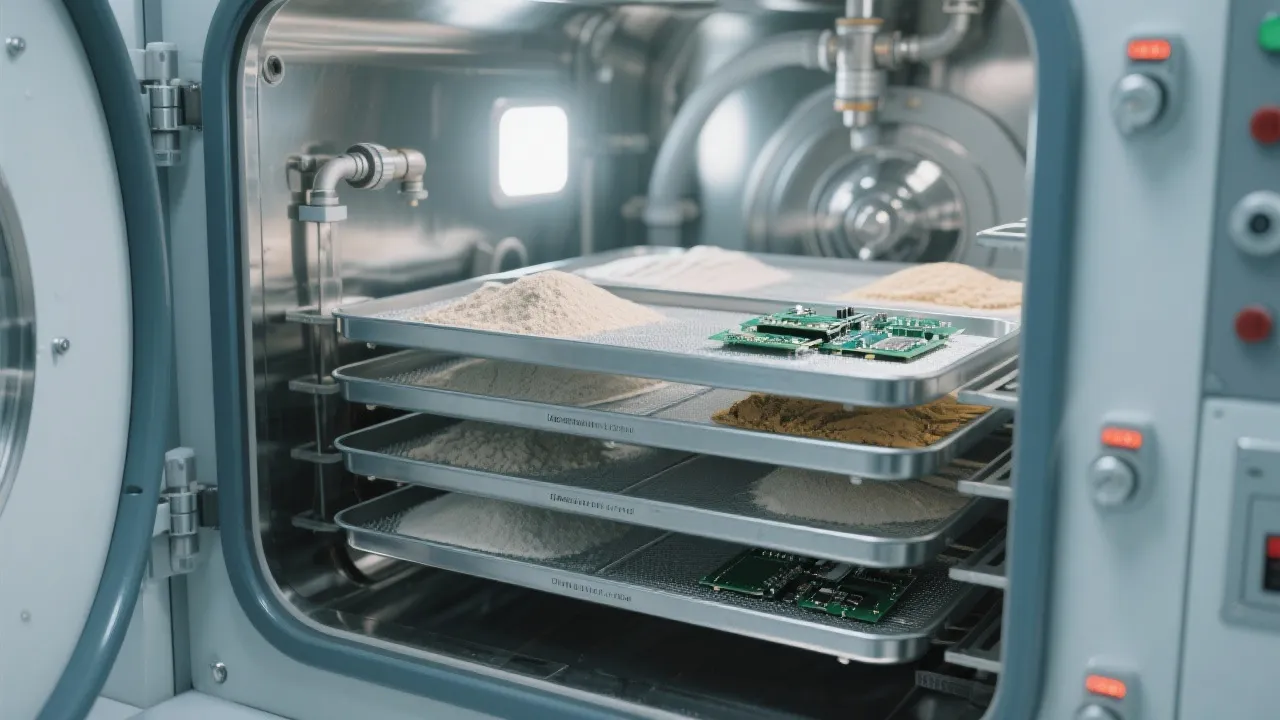
At a biotech firm in Singapore, switching from a budget-grade oven to one with precise PID control reduced failed cell culture batches by 65%. Similarly, an electronics manufacturer in Germany reported 30% fewer solder defects after upgrading to a high-vacuum model (≤0.1 mbar) for pre-soldering drying.
These cases highlight that performance isn’t just about numbers—it’s about consistency across cycles, ease of maintenance, and compatibility with your workflow.
Avoid These 3 Costly Mistakes
- Buying based solely on price—low-cost units often lack proper insulation, leading to energy waste and uneven heating.
- Ignoring capacity vs. usage frequency—overloading a small chamber causes longer cycle times and increased wear.
- Skipping programmable timers—manual operation leads to human error and inconsistent results in multi-day processes.
Use this simple decision flow:
Sample Type → Required Temp Range → Vacuum Needs → Chamber Size → Control System → Budget Range
By following this structured approach, labs and factories alike have seen a 25–40% improvement in process efficiency—and significantly fewer downtime incidents.