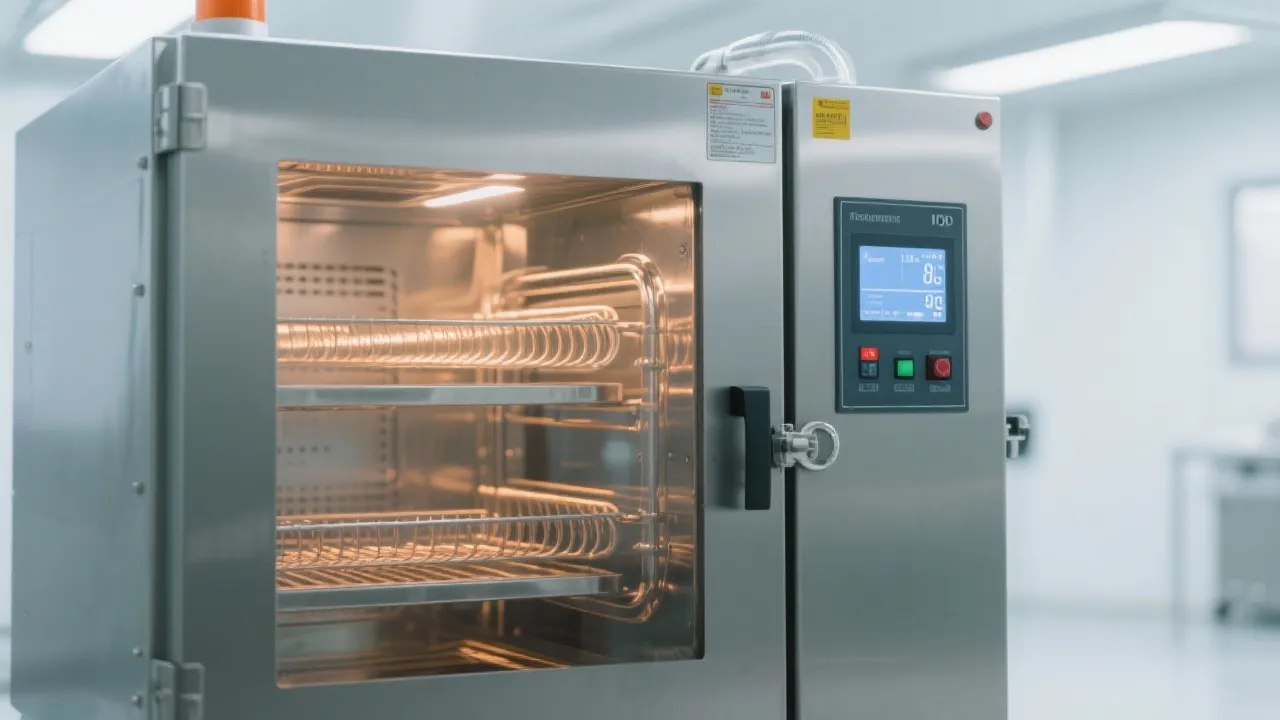
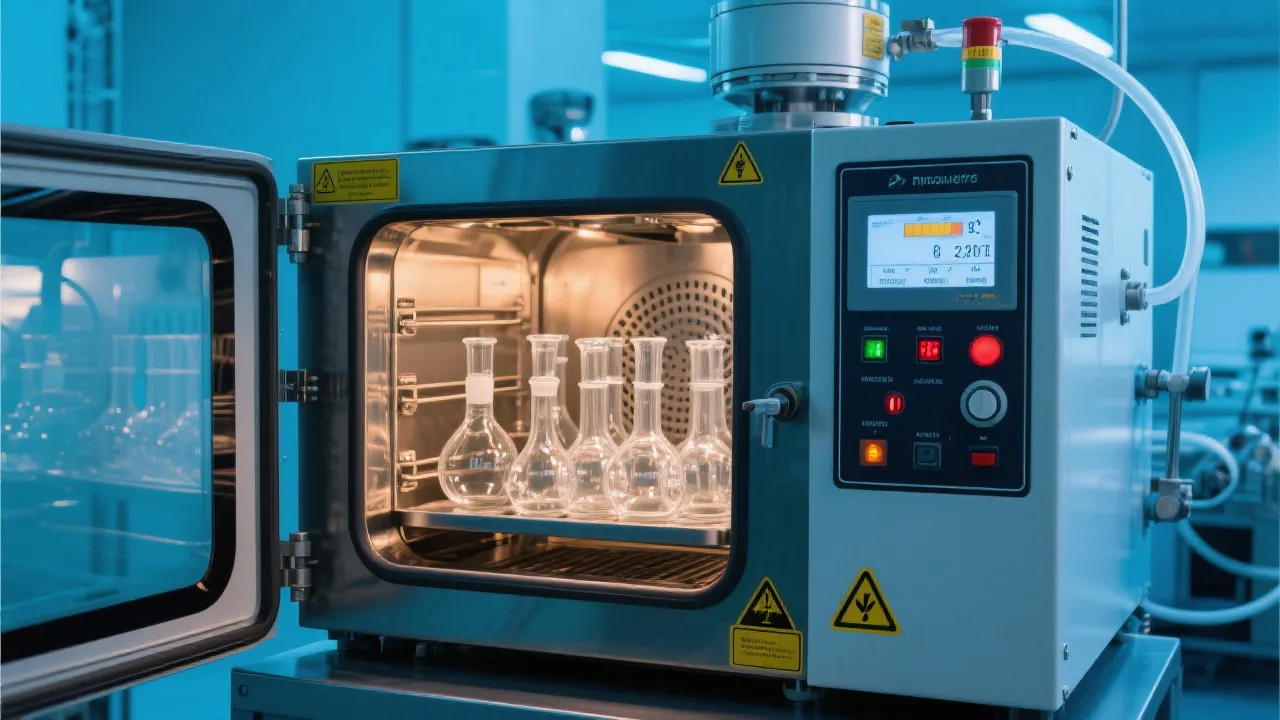
How to Choose a Digital Vacuum Drying Oven for Precise Temperature Control in Research Labs
17 01,2026
Zhengzhou Keda Mechanical Instrument Equipment Co., Ltd.
Technical knowledge
Struggling with sample oxidation or inconsistent drying results? This guide explains how to select the right digital vacuum drying oven based on your lab’s specific needs—covering key parameters like temperature range (e.g., +10°C to 250°C), vacuum level (<133 Pa for oxidation prevention), four-wall heating, PID control accuracy (±1°C), and stainless steel chamber material. Real-world examples from materials science and chemical pre-treatment illustrate best practices. Learn to avoid common pitfalls, improve experimental reproducibility, and extend equipment life—ensuring a tailored drying solution for your research or production environment.
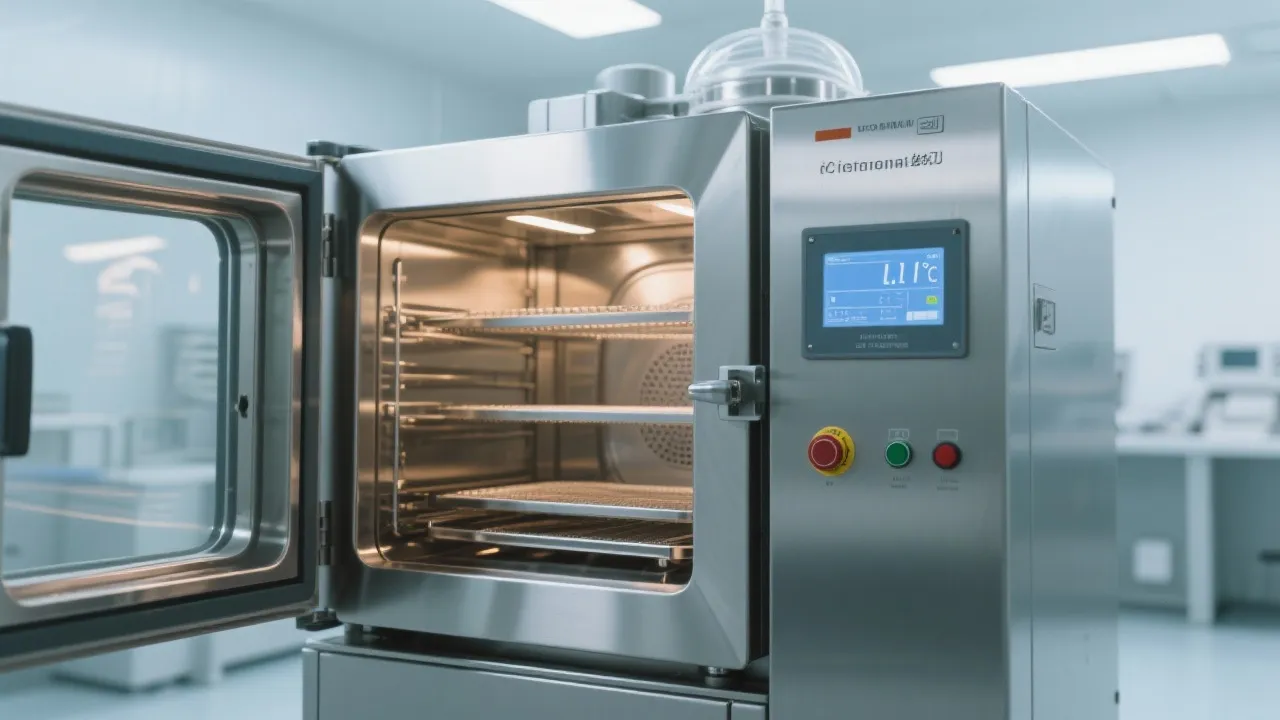
Why Is Your Lab’s Sample Drying Process Unreliable?
You're not alone if your samples oxidize or show inconsistent results after drying — a common issue that often stems from poor temperature control and inadequate vacuum performance in traditional dryers.
The Core Factors That Make or Break Your Digital Vacuum Dryer Choice
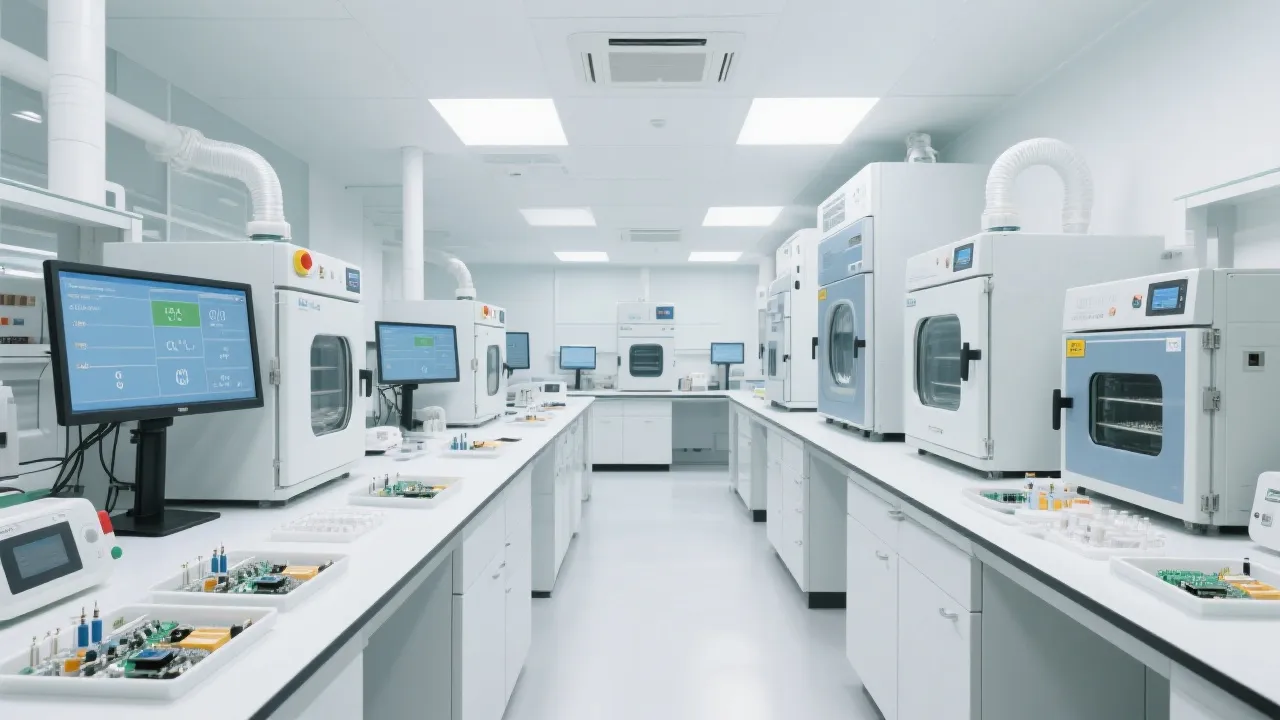
When selecting a digital vacuum dryer for research institutions or industrial labs, you must look beyond basic specs. Here are the five key parameters that determine long-term reliability and experimental accuracy:
- Working Temperature Range (e.g., +10°C to 250°C): Ensures compatibility with diverse materials—from biological tissues to electronic components.
- Vacuum Level (<133 Pa): Critical for preventing oxidation during drying—especially vital for sensitive polymers and metal alloys.
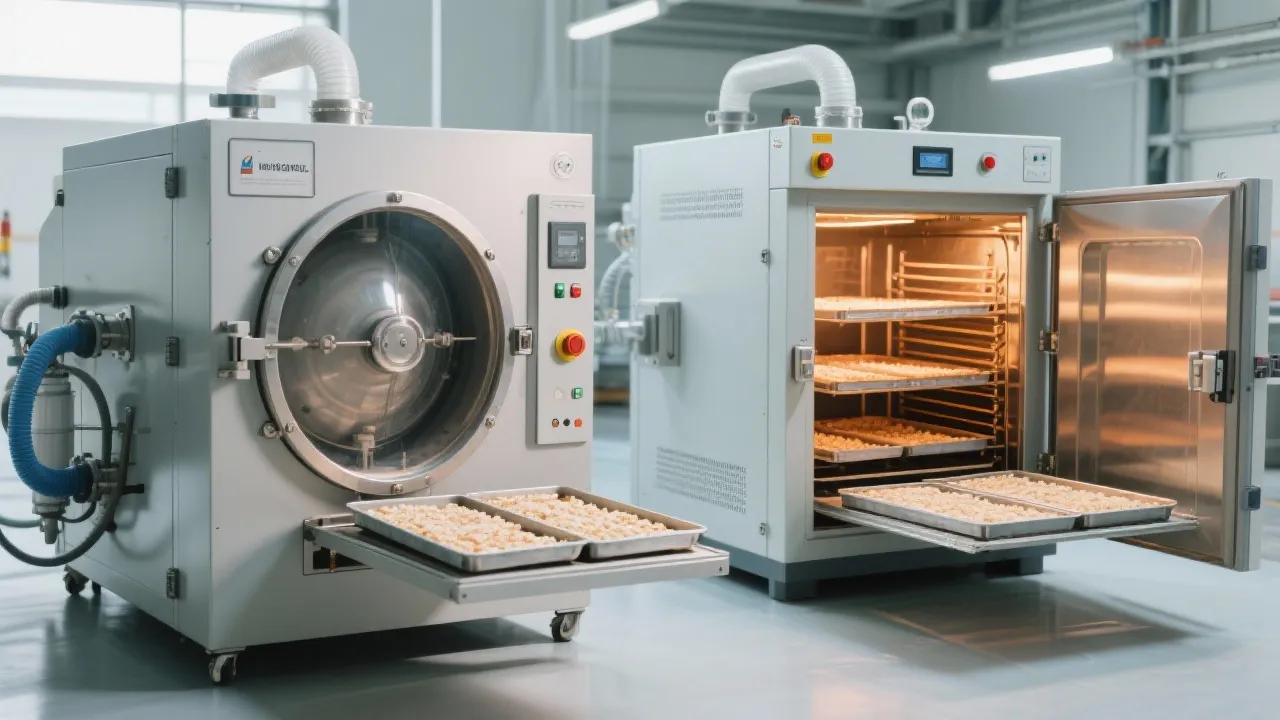
- Heating Method (Four-Wall Heating): Delivers uniform heat distribution across the chamber—reducing hotspots by up to 30% compared to single-side heating systems.
- PID Temperature Control (±1°C Accuracy): Maintains stable conditions over extended cycles—a must for reproducible lab results.
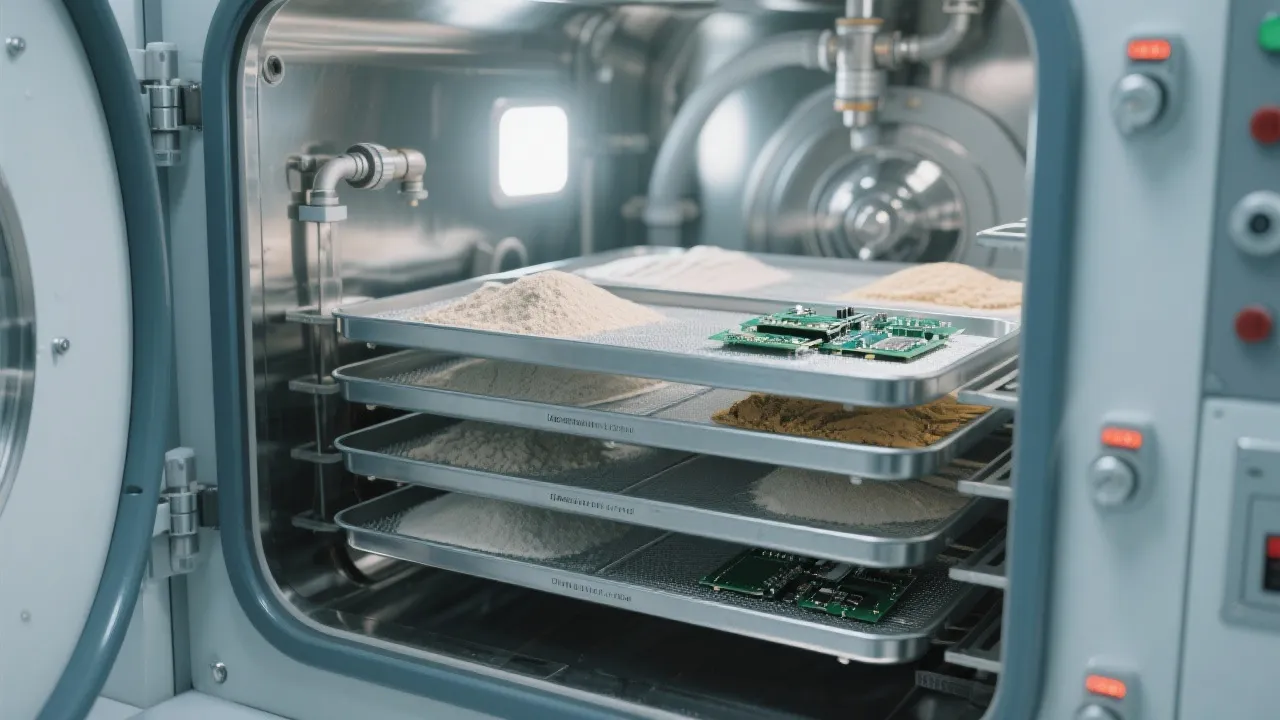
- Stainless Steel Interior (304/316L Grade): Resists corrosion and simplifies cleaning—ideal for repeated use in chemical and biomedical applications.
Real-World Use Cases: What Works Where
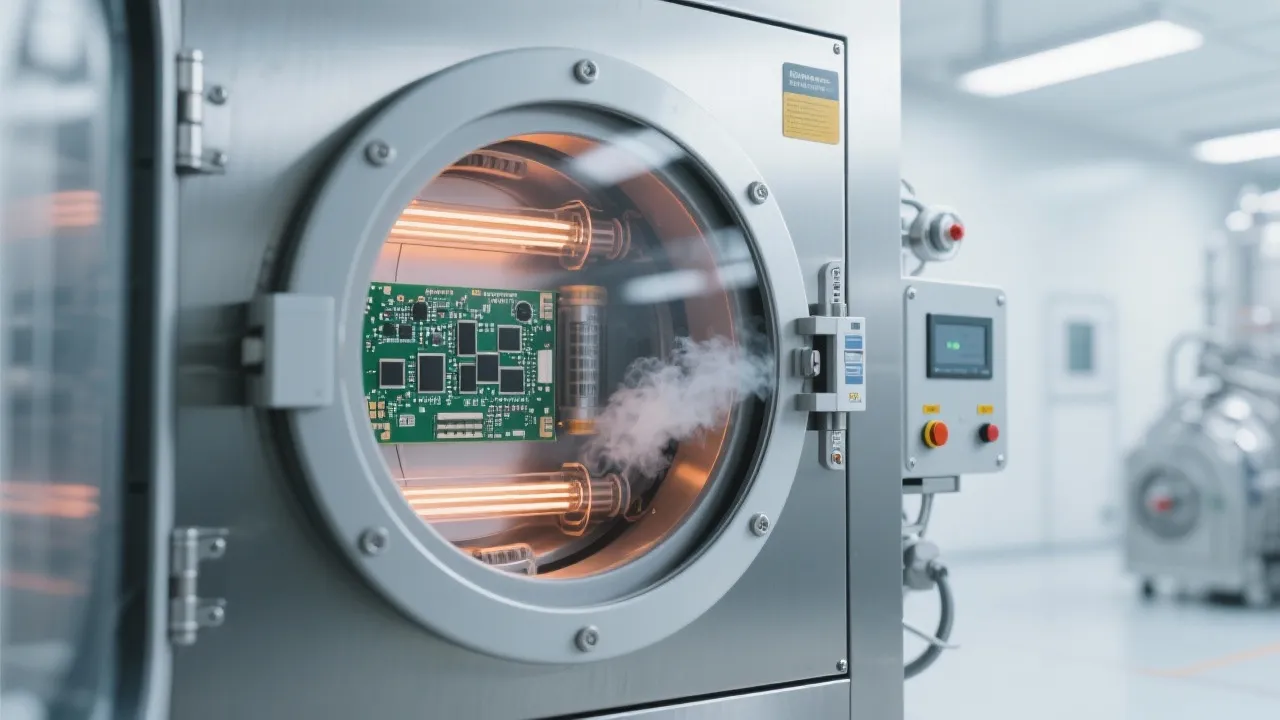
In material science labs, researchers rely on vacuum dryers operating at 150–200°C under ultra-low pressure (<50 Pa) to prepare polymer films without degradation. Meanwhile, electronics manufacturers use models with ±1°C PID control to ensure consistent thermal treatment of PCBs before assembly.
These examples highlight why generic equipment fails—your application demands precision tailored to its unique constraints.
💡 Tip: Consider a decision tree based on your sample type, process duration, and environmental sensitivity—it helps avoid costly misselections.
Beyond Specs: Hidden Value You Can’t Ignore
While technical features dominate initial decisions, factors like ease of cleaning and maintenance matter just as much. A removable inner tray and smooth stainless steel surfaces reduce downtime by 40%, while efficient insulation lowers energy consumption by ~15% annually.
Think about it: how many hours per month do you lose due to clogged filters or uneven drying? Choosing the right system isn't just about buying a machine—it's investing in smoother workflows and fewer failed experiments.
Ready to Find Your Perfect Fit?
Discover how our digital vacuum dryers deliver precise, repeatable results for labs worldwide—with real-time monitoring, modular design, and industry-proven durability.
Get Your Customized Drying Solution Now