If you're working with sensitive biological samples, electronic components, or high-volume production batches, choosing the wrong vacuum dryer can lead to inconsistent results—or even costly failures.
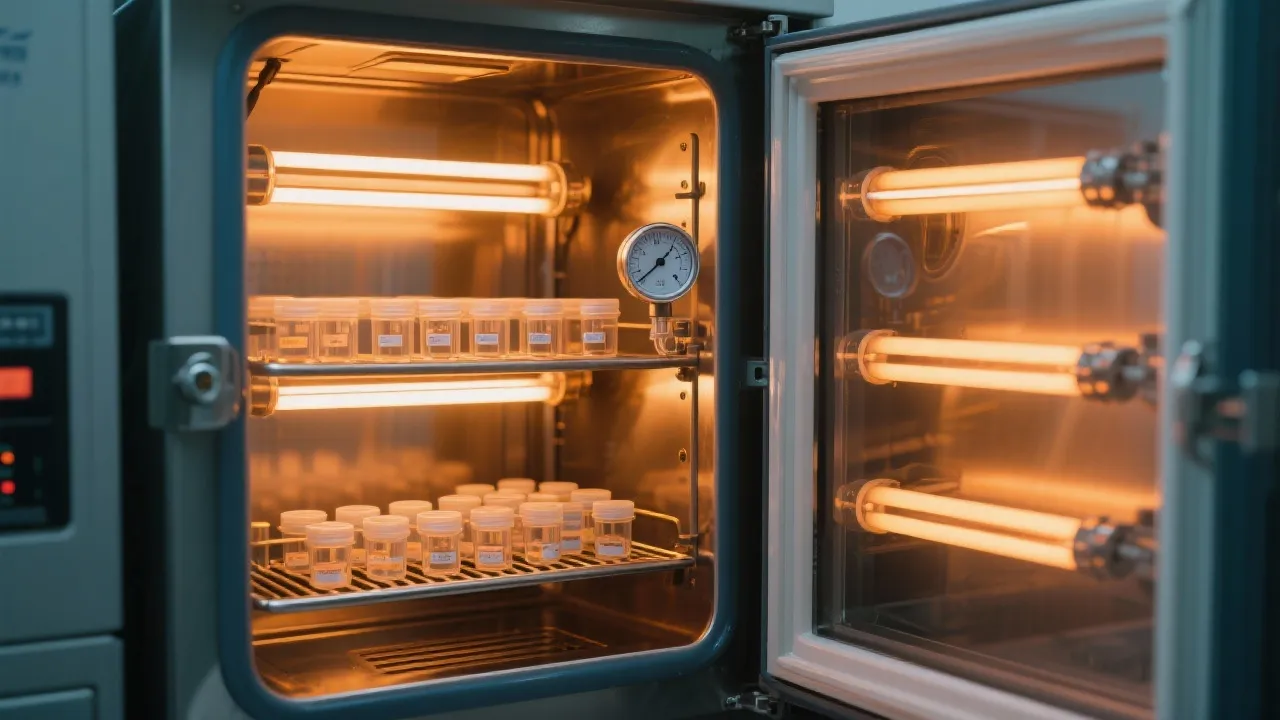
For research labs and industrial facilities alike, temperature uniformity across the chamber is critical. A ±2°C variance might seem minor—but in applications like protein preservation or PCB drying, it can mean the difference between success and failure. According to ISO 17025 standards, a well-calibrated digital vacuum dryer should maintain consistency within ±1.5°C at operating temperatures (typically 30–200°C).
“Inconsistent drying leads to batch rejection—not just in manufacturing, but also in clinical trials.” — Dr. Lena Chen, Materials Science Lead at BioLab Systems
Ask yourself: Is your sample sensitive to oxidation? If yes, then vacuum level becomes non-negotiable. For example, a lab-grade unit with 10⁻³ mbar capability will outperform a basic 10⁻¹ mbar model when handling oxygen-sensitive materials such as pharmaceuticals or lithium-ion battery electrodes.
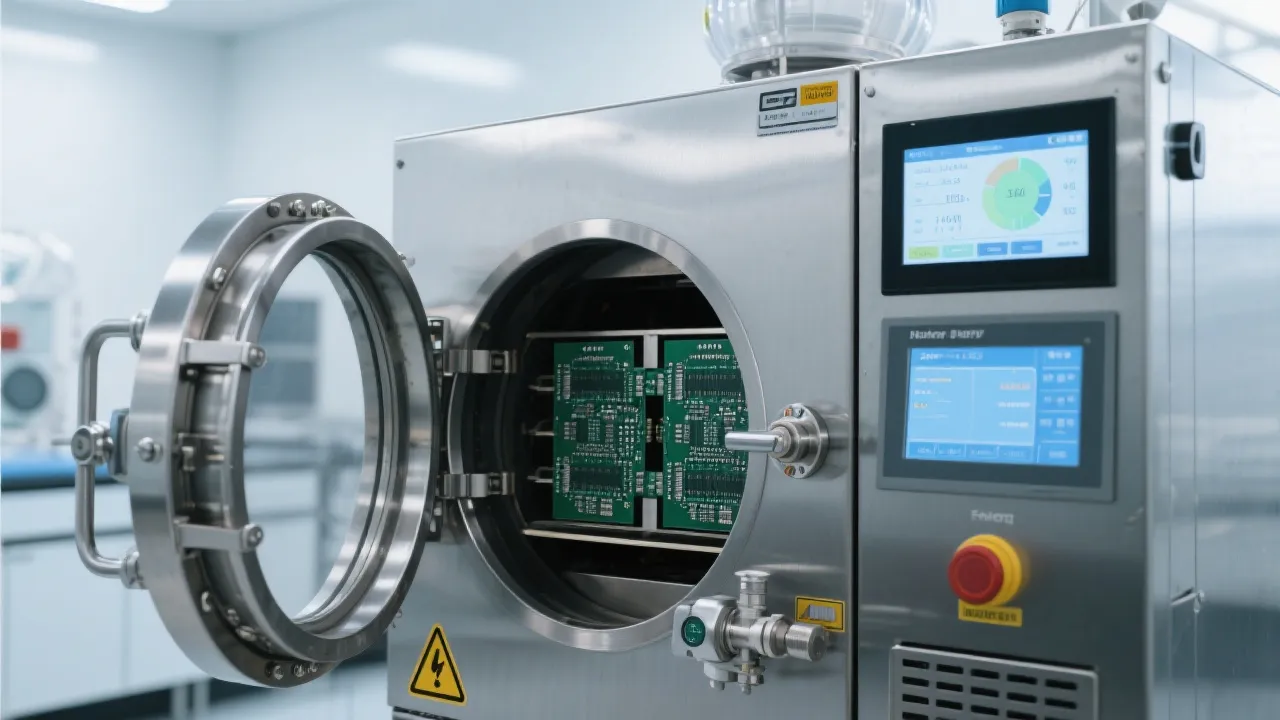
Stainless steel inner chambers (like AISI 304 or 316L) offer superior corrosion resistance compared to aluminum or coated metals—especially under repeated thermal cycling. This isn’t just about durability; it’s about contamination control. In biotech labs, even trace metal leaching from poor-quality liners can compromise experimental integrity.
Consider this: A study by the European Association of Laboratory Equipment found that stainless steel-lined dryers had 67% fewer maintenance issues over 3 years versus those with painted interiors.
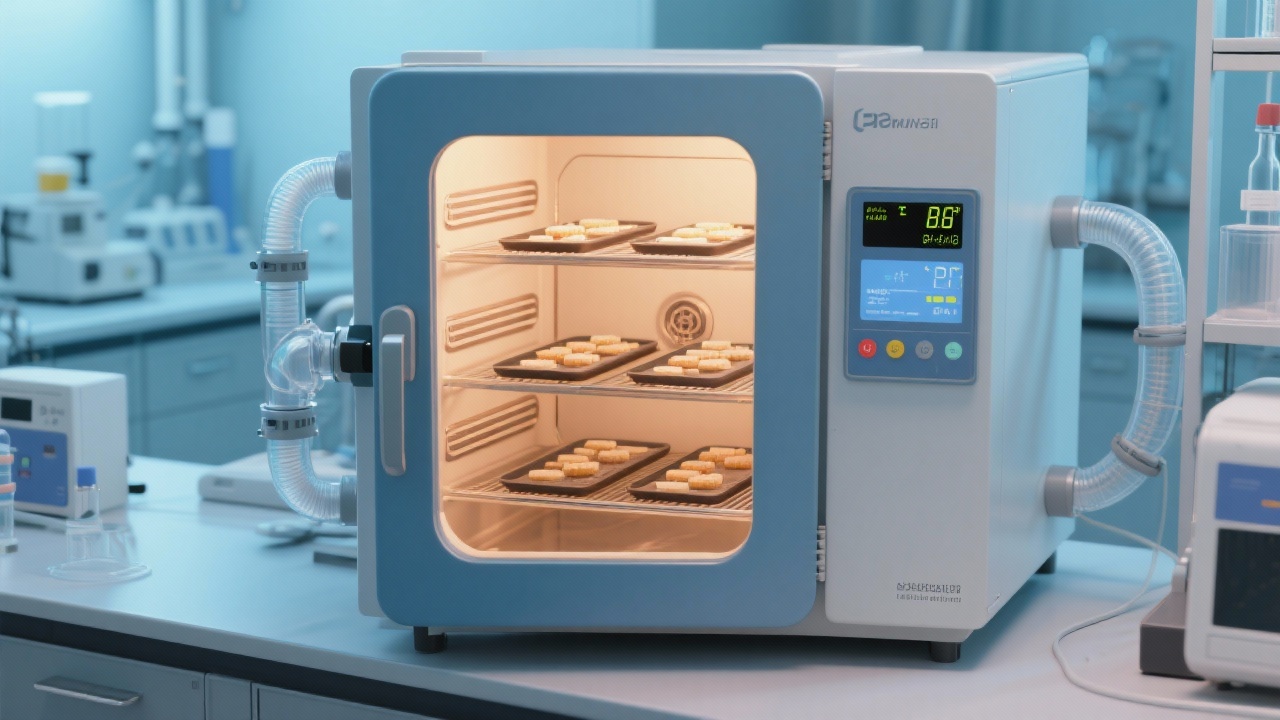
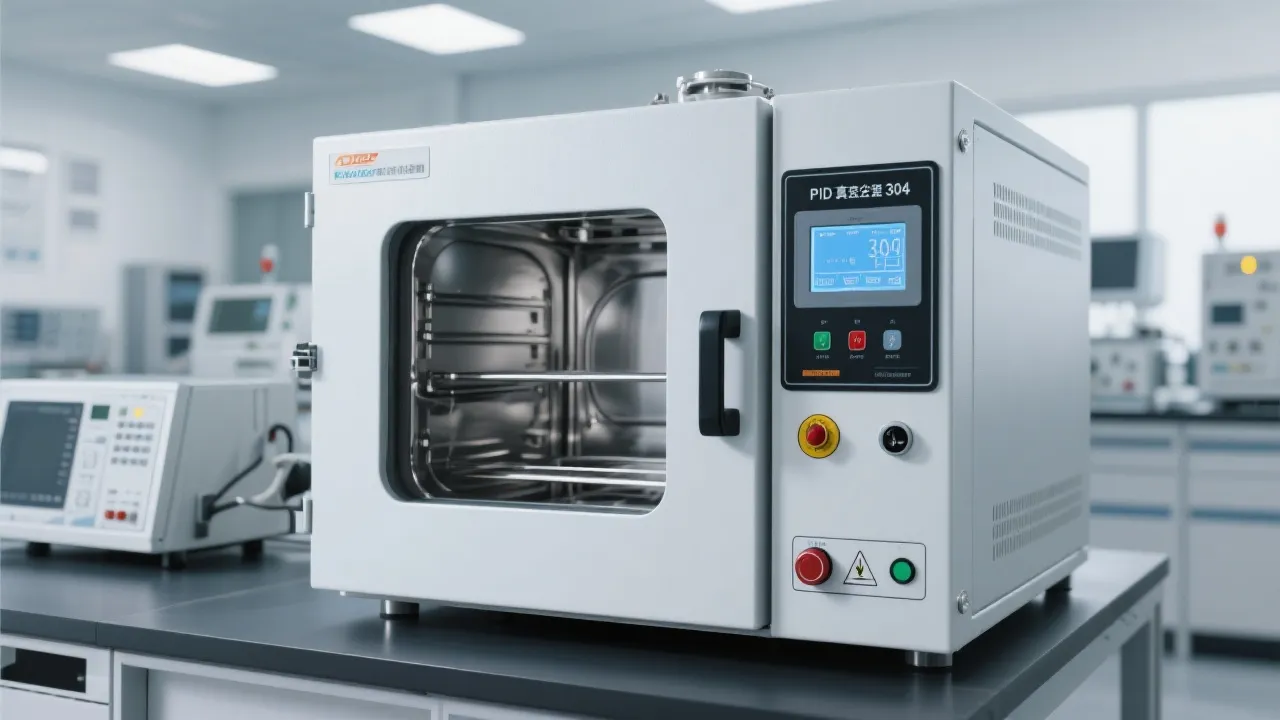
Modern digital vacuum dryers use PID (Proportional-Integral-Derivative) controllers—not simple on/off thermostats—to ensure stable heating profiles. This means faster ramp-up times, less overshoot, and better reproducibility across runs. For industrial users running 24/7 operations, this translates directly into energy savings and reduced downtime.
Think of it this way: With precise control, every cycle becomes predictable—and that’s how you build trust in your process. Whether you’re preparing samples for mass spectrometry or pre-drying molded parts before assembly, consistent outcomes are what separate good labs from great ones.
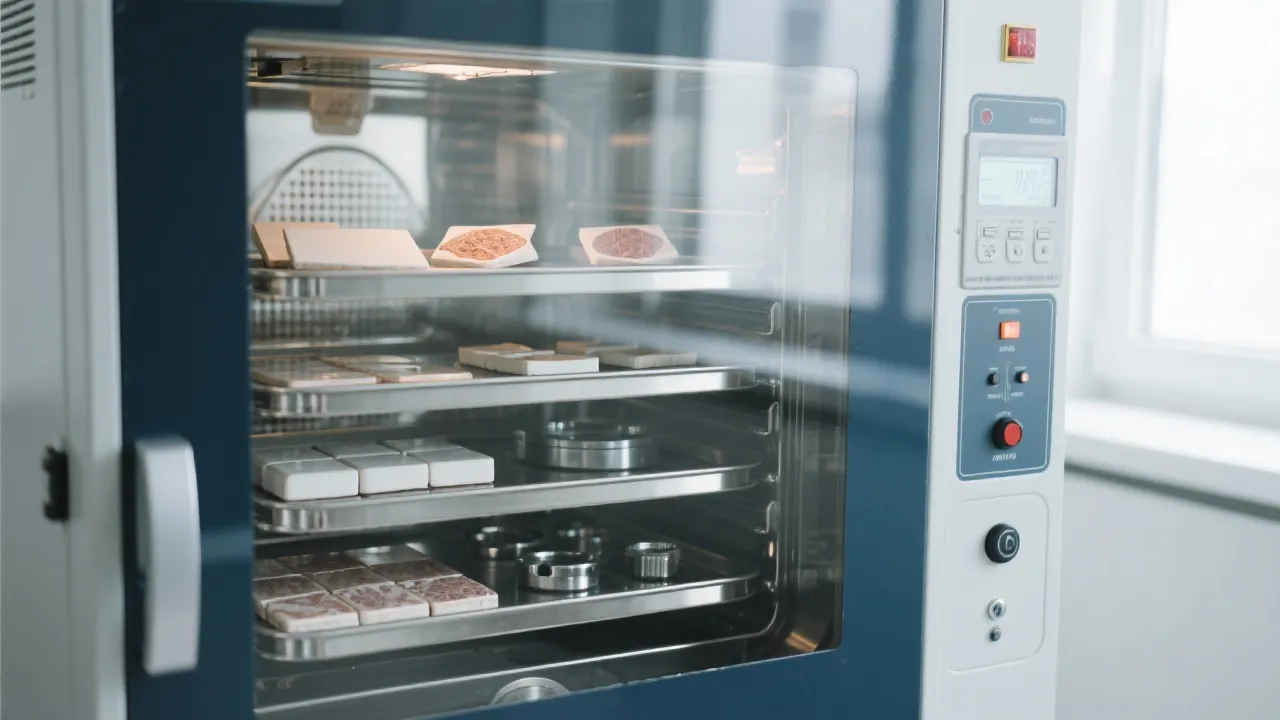
A large 100L chamber may look impressive, but if your team only processes 5–10L per run, you’re paying for unused capacity—and wasting energy. Conversely, an undersized unit forces frequent loading cycles, increasing risk of cross-contamination and operator fatigue.
The key? Align volume with throughput. For instance, a university lab doing 3–5 experiments daily benefits more from a compact 20L unit than a bulky 80L one. Meanwhile, a factory producing 50kg/day of dried powder needs scalable solutions—perhaps modular units or conveyor-style designs.
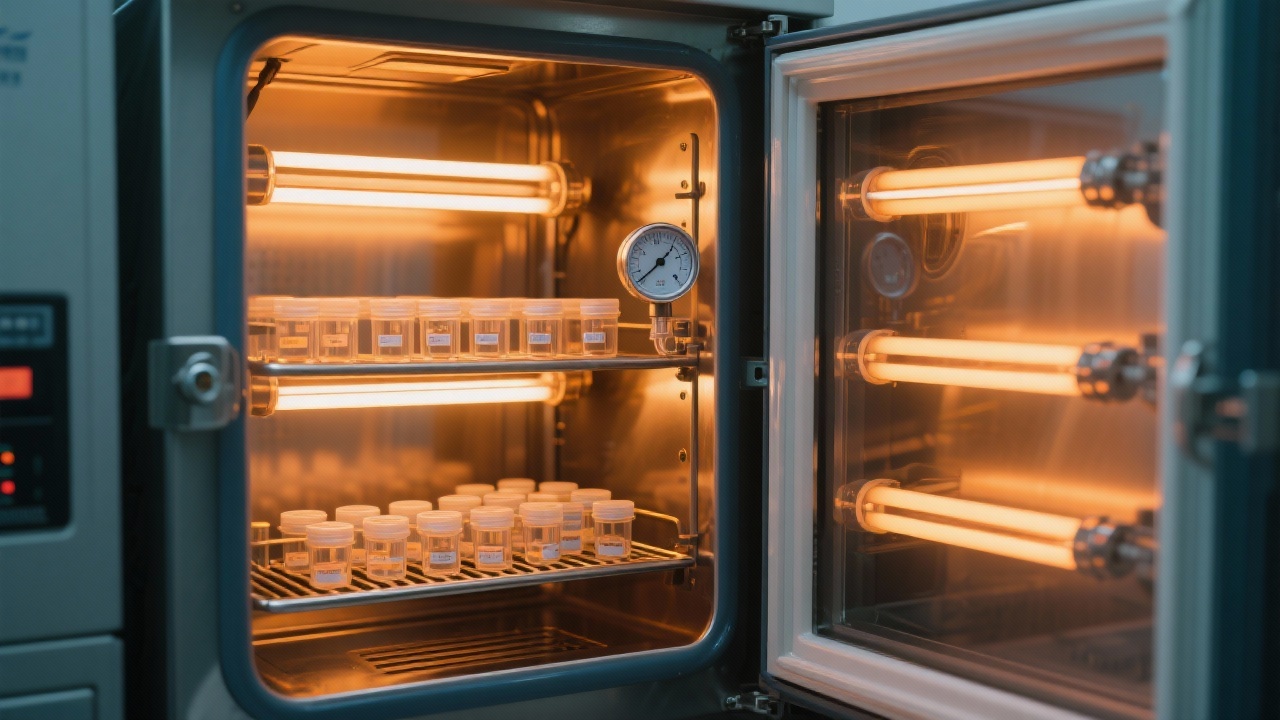
Remember: The best vacuum dryer isn't the most expensive—it's the one that fits your workflow, supports repeatable results, and grows with your needs.
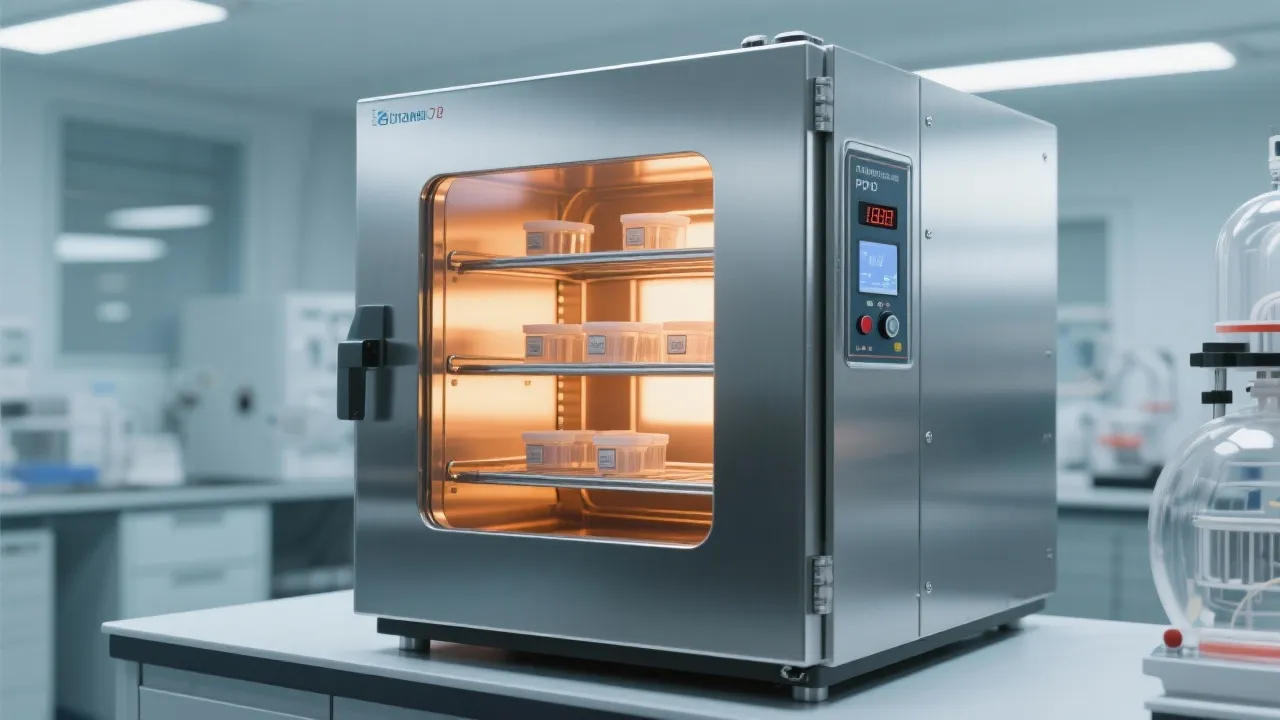
Explore our full range of precision digital vacuum dryers designed for both R&D and industrial scale—engineered for accuracy, safety, and long-term value.
Discover the Right Digital Vacuum Dryer for Your Application