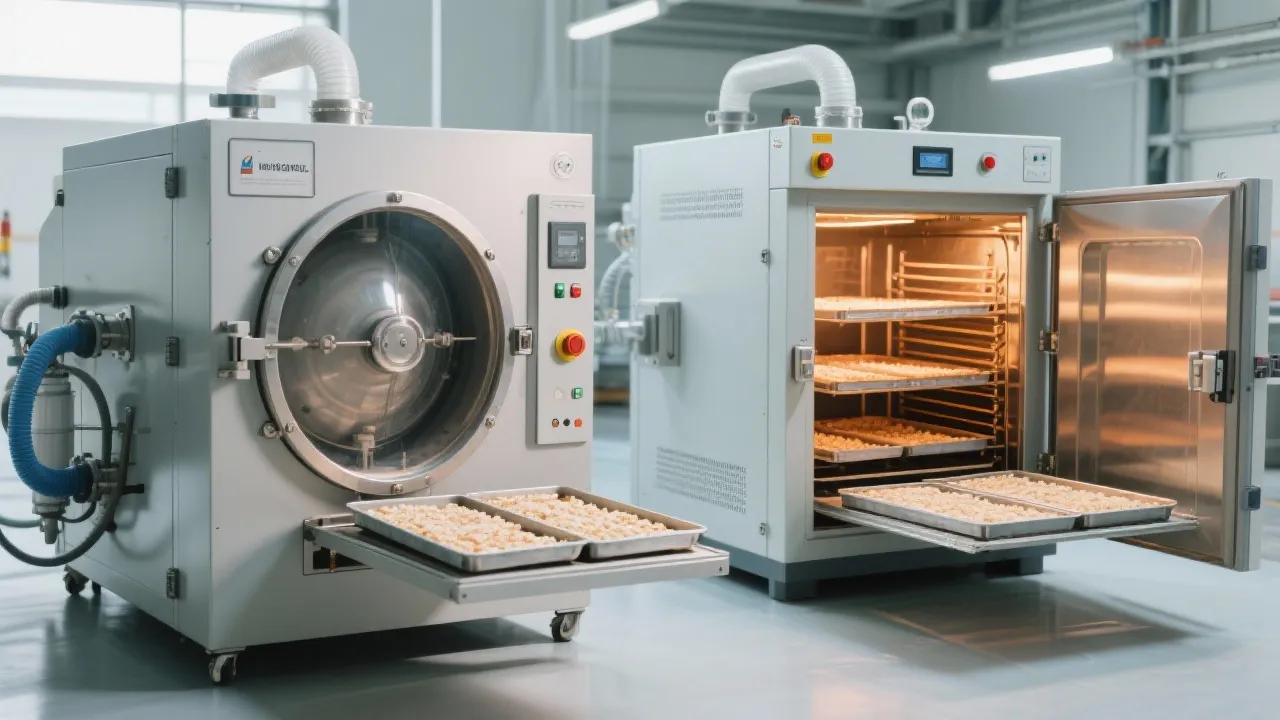
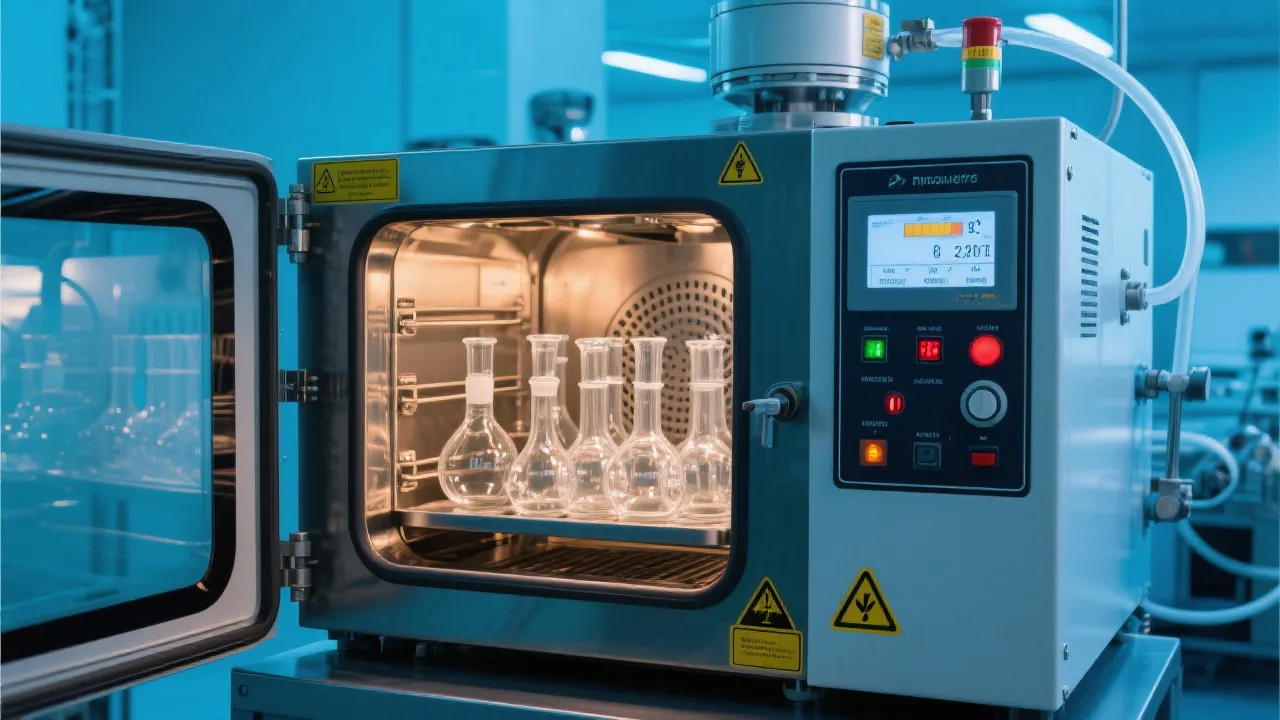
Vacuum Drying Oven Buying Guide: Choosing a High-Efficiency Digital Vacuum Drying Chamber (DZ-3BCII)
19 02,2026
Zhengzhou Keda Mechanical Instrument Equipment Co., Ltd.
Technical knowledge
This article explains how to select an efficient and reliable vacuum drying oven for laboratory and industrial use, featuring the DZ-3BCII Digital Vacuum Drying Oven from Zhengzhou Keda Machinery Instrument Equipment Co., Ltd., a manufacturer with over 13 years of export experience. It highlights key performance factors that influence drying quality and sample protection, including precise temperature control, stable vacuum performance, efficient heating design, and durable construction materials. Practical application scenarios—such as moisture-sensitive materials, heat treatment, and oxidation-prone samples—are discussed to help users match specifications to real workflow needs. By combining technical essentials with selection tips and real-world use considerations, the guide supports smarter procurement decisions that improve processing efficiency while safeguarding sample integrity. For more technical details or a tailored drying solution, readers are encouraged to contact the supplier for professional recommendations.
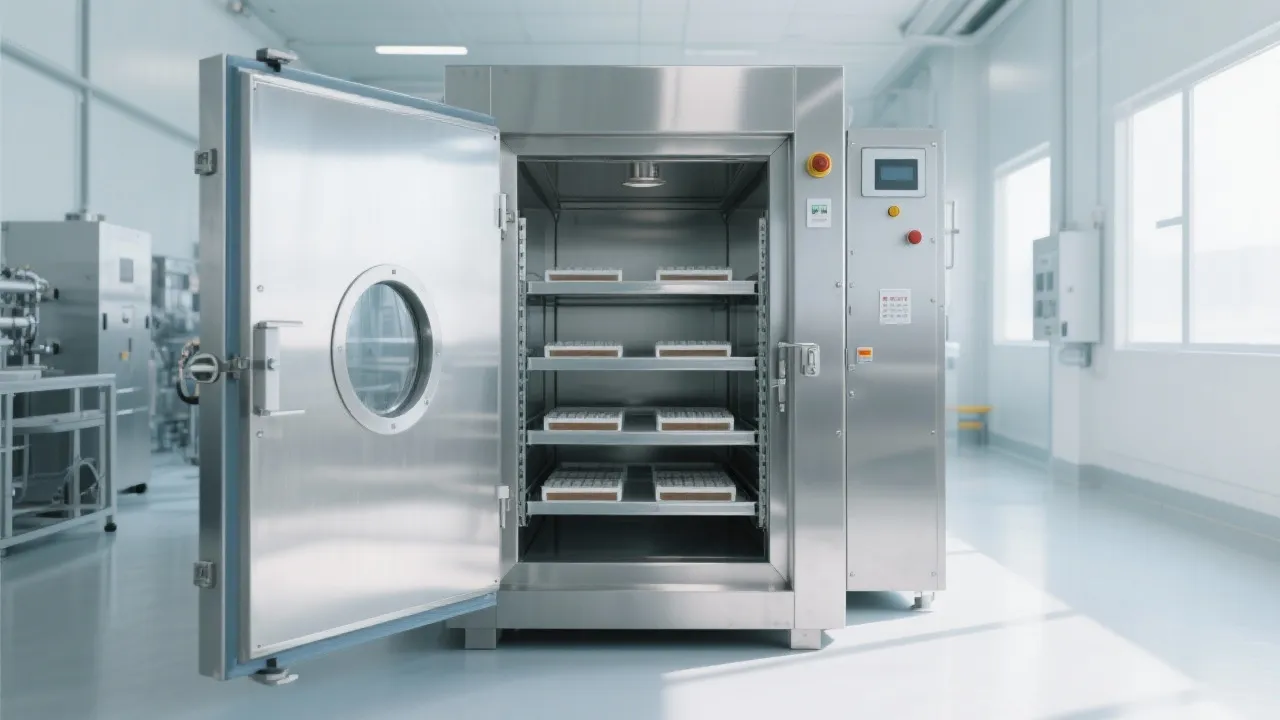
Laboratory Drying Equipment Buying Guide: How to Choose an Efficient, Reliable Vacuum Drying Oven
Vacuum drying is not just “drying faster.” It is a controlled way to remove moisture and solvents at lower temperatures while minimizing oxidation, contamination, and sample loss—critical for labs, R&D centers, and industrial quality control. This guide explains what to look for in a vacuum drying oven and highlights the DZ-3BCII Digital Vacuum Drying Oven from Zhengzhou Keda Machinery & Instrument Equipment Co., Ltd., a manufacturer with 13+ years of export experience supporting global laboratories and production lines.
Vacuum drying oven
Lab drying equipment
Oxidation protection
Heat treatment
Why Brand Reliability Matters in Vacuum Drying
For many buyers, the first vacuum oven looks similar to the next—until it is placed into daily use. In real labs, reliability is measured in temperature stability, repeatability, seal integrity, and how quickly the chamber reaches a stable vacuum level without “hunting.”
Zhengzhou Keda Machinery & Instrument Equipment Co., Ltd. has more than 13 years of export experience, which typically translates into practical details that international buyers care about: clear technical documentation, stable production consistency, and support for common compliance and packing requirements for overseas shipping.
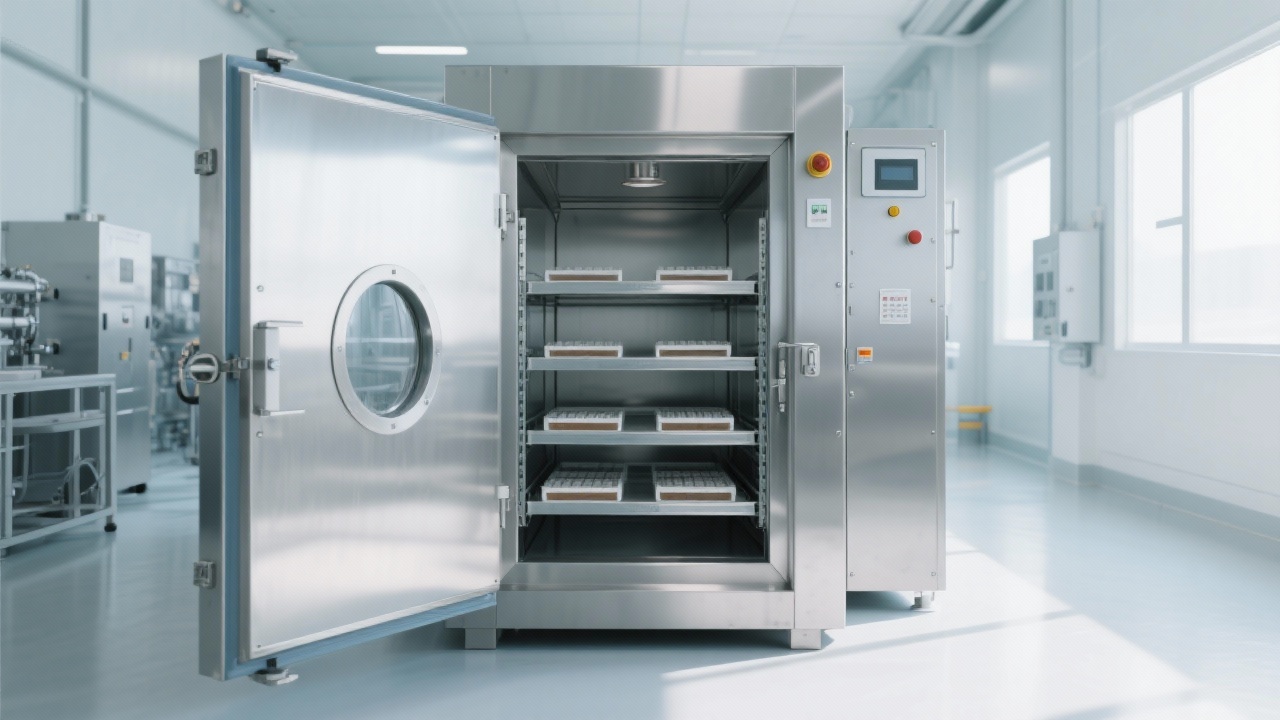
DZ-3BCII Digital Vacuum Drying Oven: What Makes It “High-Efficiency” in Practice
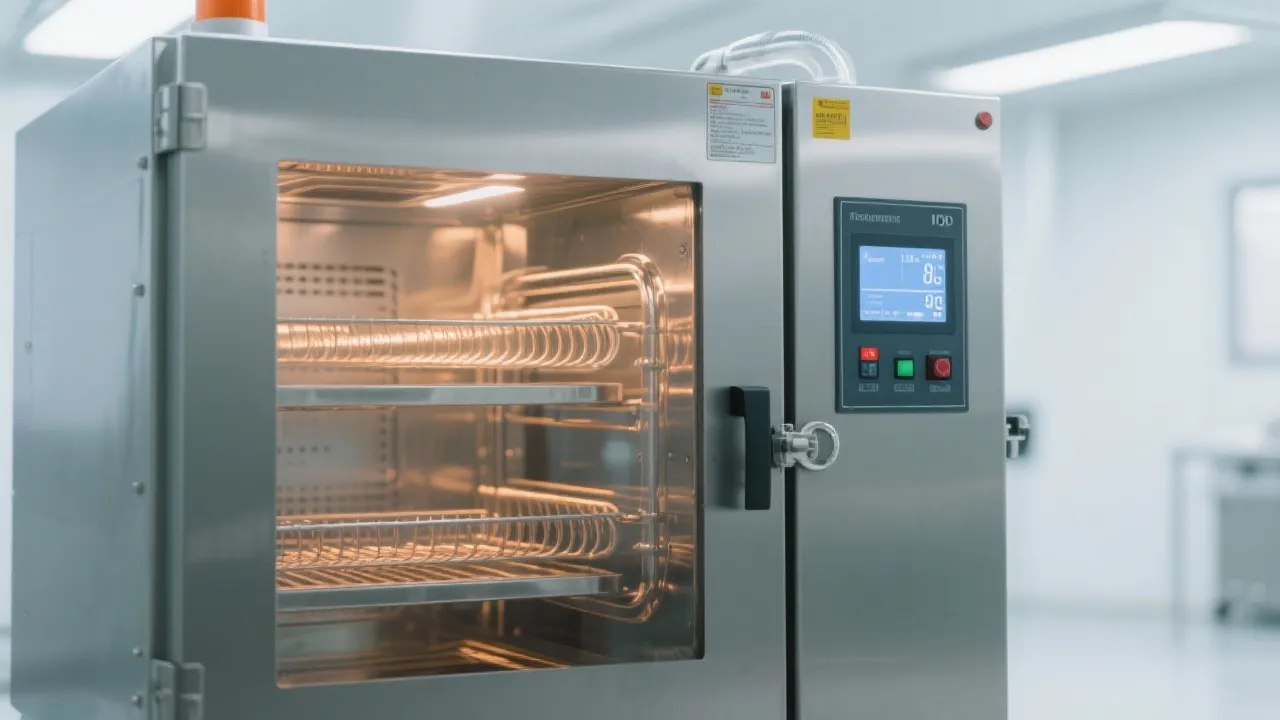
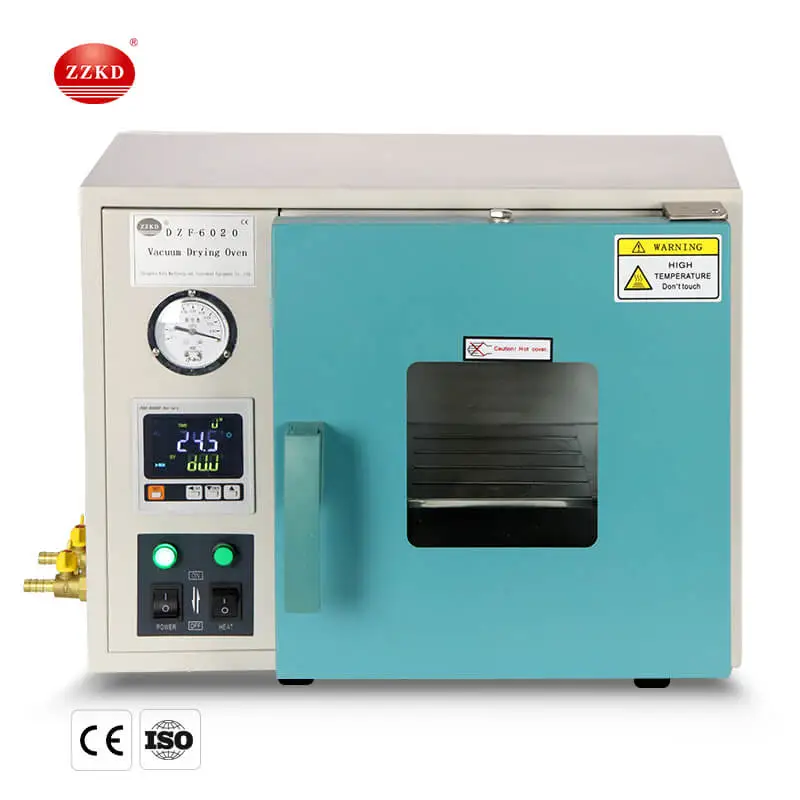
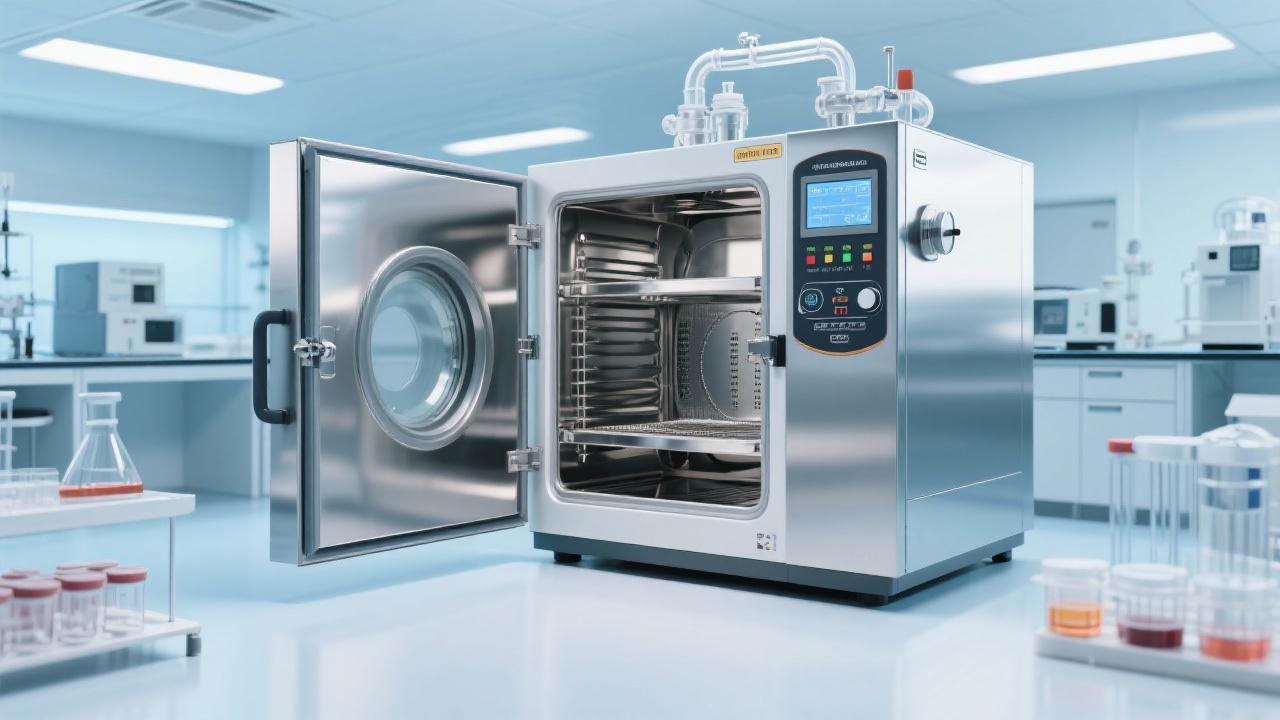
The DZ-3BCII is designed for efficient drying and heat treatment in laboratory and industrial settings. Efficiency here means more than fast heating—it means reaching the target temperature smoothly, holding it accurately, and removing volatiles under vacuum so samples are protected from oxygen exposure and unnecessary thermal stress.
Key Technical Indicators Buyers Usually Compare
The values below reflect common buyer expectations for mid-size digital vacuum ovens used in research and QC. Exact configuration may vary by order and destination standards.
| Parameter |
Recommended Range (Reference) |
Why It Matters |
| Operating temperature |
RT+10°C to 200°C (common lab need) |
Lower-temperature drying under vacuum reduces oxidation and preserves heat-sensitive samples. |
| Temperature stability |
±1.0°C to ±2.0°C |
Stable temperature improves repeatability for QC, materials testing, and R&D validation. |
| Temperature uniformity |
≤±2.5°C to ≤±5.0°C (depending on load) |
Uniform heating prevents uneven drying, skin formation, and batch inconsistency. |
| Ultimate vacuum (with suitable pump) |
≤133 Pa (≈1 Torr) typical; deeper vacuum possible with system design |
Better vacuum lowers boiling points, enabling gentler drying and solvent removal. |
| Chamber material |
304 stainless steel (widely used) |
Corrosion resistance and easy cleaning reduce contamination risk. |
| Seal & door design |
High-integrity gasket + reinforced door |
A stable vacuum depends on sealing performance over thousands of cycles. |
Four Buying Factors That Decide Your Results (Not Just the Spec Sheet)
1) Temperature Control: Look for Stable, Repeatable Heating
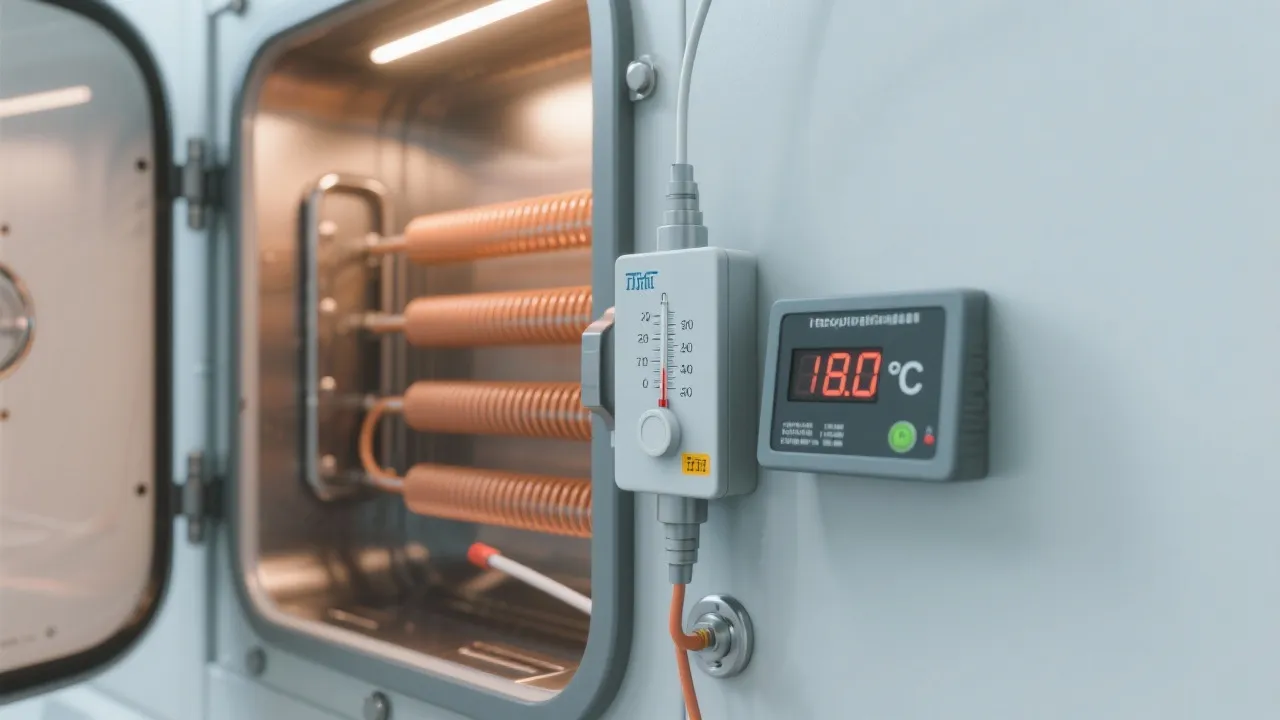
A digital vacuum drying oven should hold setpoints without large overshoot. In many labs, a practical target is staying within about ±1–2°C once stabilized. That difference matters when drying pharmaceuticals intermediates, battery materials, polymer resins, or micro-porous powders where a few degrees can change mass-loss curves or material properties.
2) Vacuum Technology: The Vacuum Level Must Be Realistic for Your Samples
Vacuum drying works because reduced pressure lowers the boiling point of water and solvents. For example, water can boil near ~45°C at around 10 kPa, enabling lower-temperature drying than atmospheric ovens. If your material is oxygen-sensitive, vacuum plus inert gas backfill (when configured) can further reduce oxidation and discoloration risk.
3) Heating System & Uniformity: Better Uniformity = Better Yield
Buyers often focus on maximum temperature, but temperature uniformity is what protects consistency. A well-designed heating system helps avoid “hot edges, cool center” effects that cause partial drying, surface crusting, or extended cycles. For multi-shelf loading, uniformity becomes even more important than raw heating power.
4) Materials & Durability: Stainless Steel and Seals Decide Lifecycle Cost
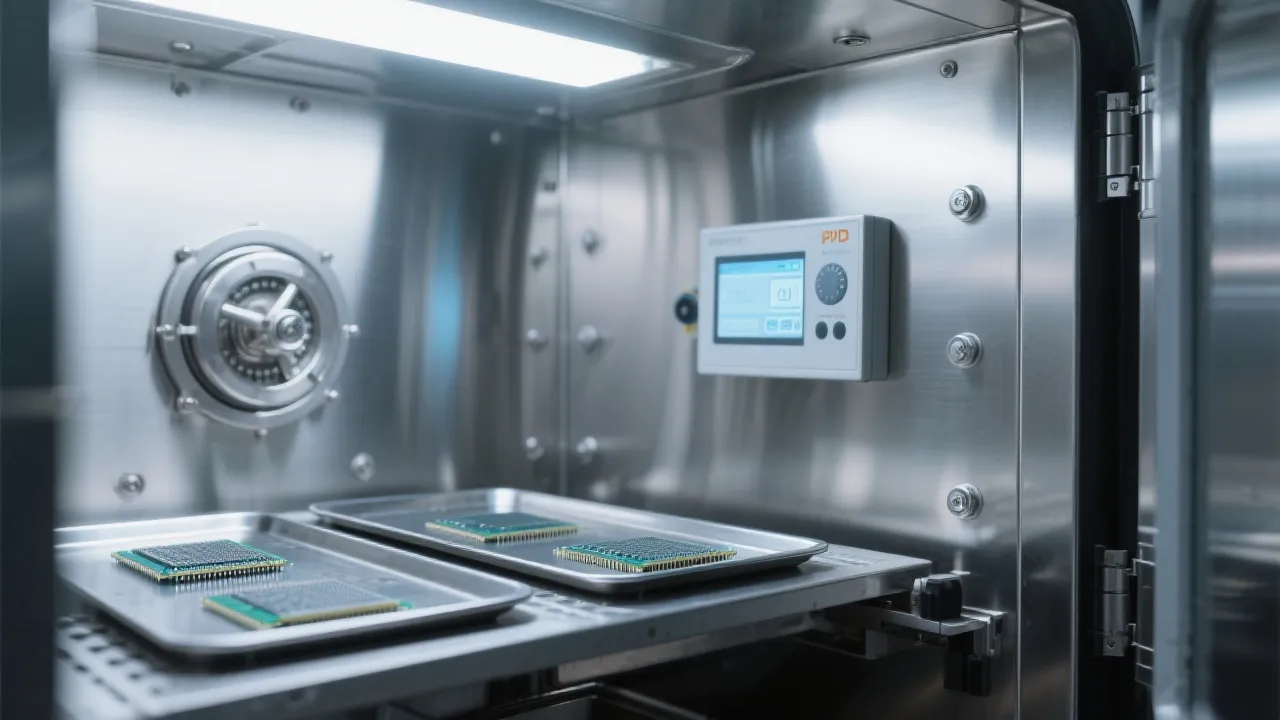
In real use, durability is often limited by the door gasket, chamber corrosion resistance, and how easy the chamber is to clean. For many labs, 304 stainless steel is the practical baseline for corrosion resistance and cleanliness. Reliable sealing also reduces pump workload and helps the system reach stable vacuum faster.
Where the DZ-3BCII Fits Best: Laboratory and Industrial Use Cases
A vacuum drying oven becomes valuable when users need controlled moisture/solvent removal without the side effects of air heating. The DZ-3BCII is commonly selected for scenarios like:
R&D & University Labs
Drying powders, gels, and porous materials; preparing samples for microscopy, spectroscopy, and gravimetric analysis.
Battery & Materials Processing
Removing residual moisture from electrode materials to reduce performance variability and improve storage stability.
Pharma / Chemical QC
Gentle drying of heat-sensitive intermediates; lowering oxidation risk during drying and heat treatment steps.
Industrial Support & Pilot Lines
Pre-drying components, validating process parameters, and supporting small-batch production trials.
How It Compares to Typical Alternatives (And What Buyers Actually Notice)
When buyers compare vacuum ovens, the decision often comes down to whether the unit can deliver the same results every day. In this class, the DZ-3BCII is positioned to stand out in three practical areas: temperature uniformity, reachable vacuum (with the correct pump configuration), and long-term durability of chamber and sealing.
Comparison Snapshot (Buyer-Oriented)
| What you check |
Common market issues |
DZ-3BCII value focus |
| Uniformity under load |
Hot/cold zones cause uneven drying and repeated runs |
Designed for stable heat distribution to improve batch consistency |
| Vacuum stability |
Slow vacuum pull-down due to leakage or weak sealing |
Emphasis on sealing integrity and practical vacuum performance |
| Chamber durability |
Corrosion, difficult cleaning, contamination risk |
Stainless-steel chamber supports hygiene and long service life |
| Operational experience |
Complex controls, unclear maintenance routines |
Digital control approach built for routine lab workflows |
Real-World Buyer Story: From Unstable Drying to Consistent Results
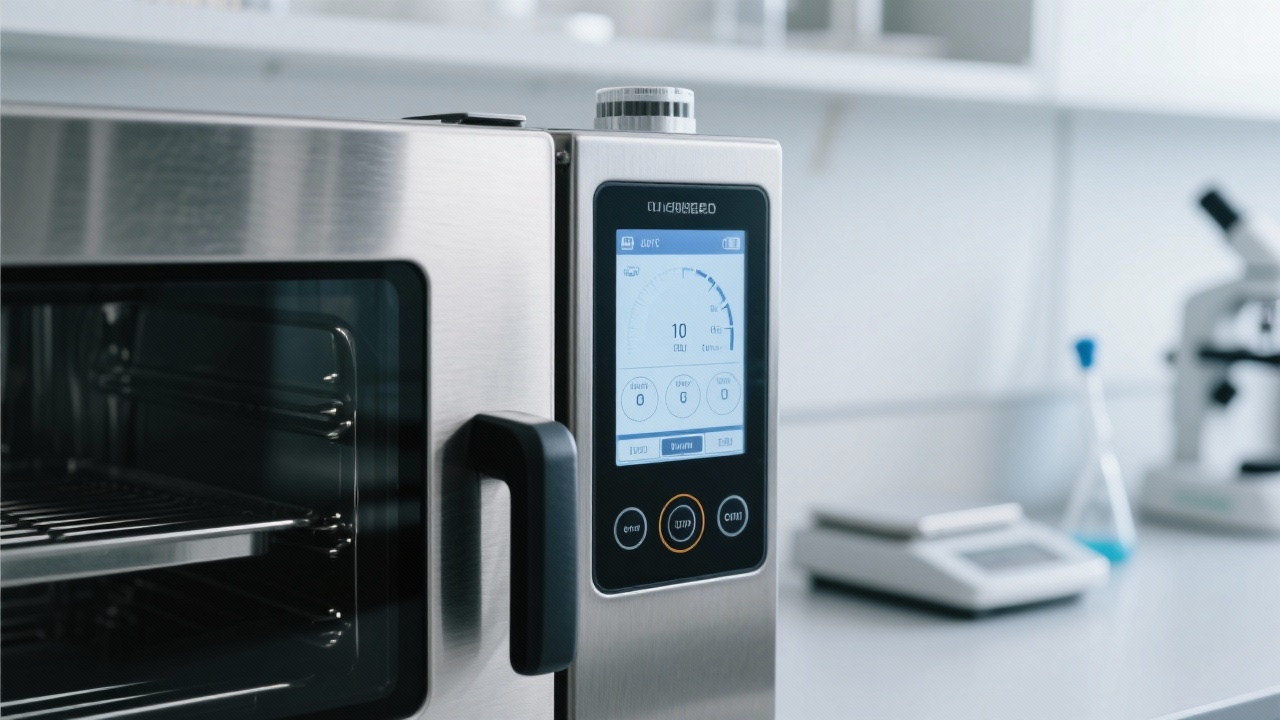
A Southeast Asia materials-testing lab previously used a basic vacuum chamber setup for drying polymer samples before measurement. The team reported two recurring problems: inconsistent mass readings and occasional discoloration on oxygen-sensitive batches.
After switching to a digital vacuum drying oven workflow (stable setpoint control + controlled vacuum drying), they standardized the process at 60–80°C with reduced oxygen exposure. In day-to-day work, the practical improvement was fewer repeat tests and more consistent sample preparation across different operators—exactly the kind of “hidden efficiency” that shows up in throughput and credibility of reports.
Quick Checklist: Choosing a Vacuum Drying Oven for Your Lab
- Define your drying target: moisture only, or also solvents (ethanol, acetone, DMF, etc.). Different volatiles change vacuum and safety requirements.
- Confirm temperature range and stability: aim for repeatability that matches your test method and QA requirements.
- Check vacuum level and leakage control: a strong pump helps, but sealing quality and valve reliability decide whether you can hold vacuum.
- Evaluate chamber material: stainless steel is preferred for corrosion resistance and cleanliness in many lab environments.
- Ask about lead time and export readiness: clear manuals, packaging, and support for overseas buyers reduce procurement risk.
Need a Proven Vacuum Drying Setup for Your Samples?
Share your sample type, target moisture/solvent, batch size, and temperature requirements. Keda’s team can recommend a practical configuration for the DZ-3BCII Digital Vacuum Drying Oven and help you avoid under-spec or over-spec purchases.