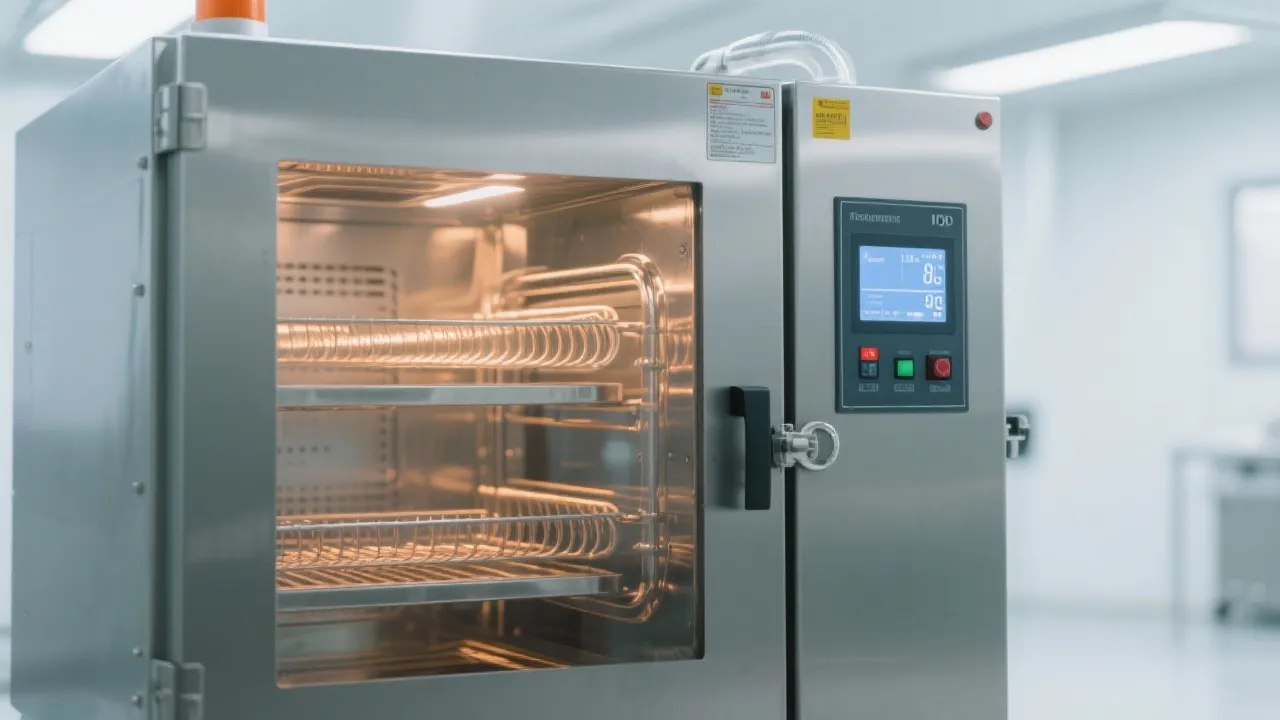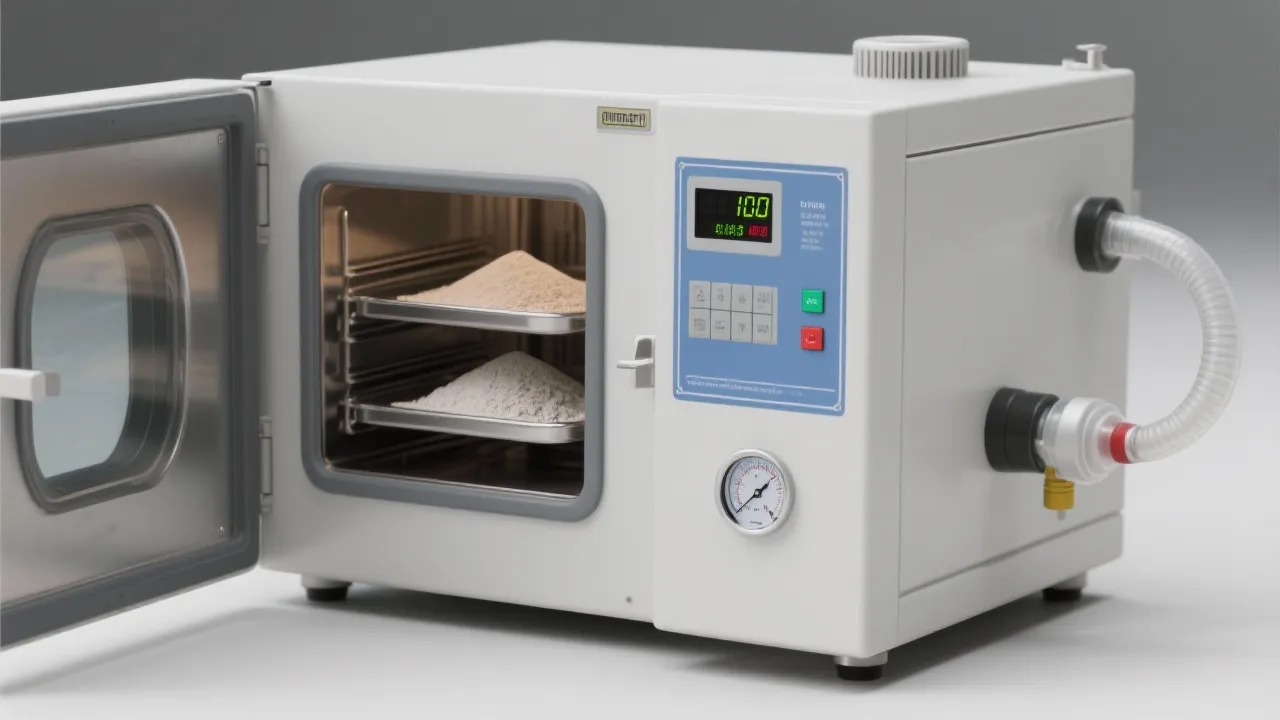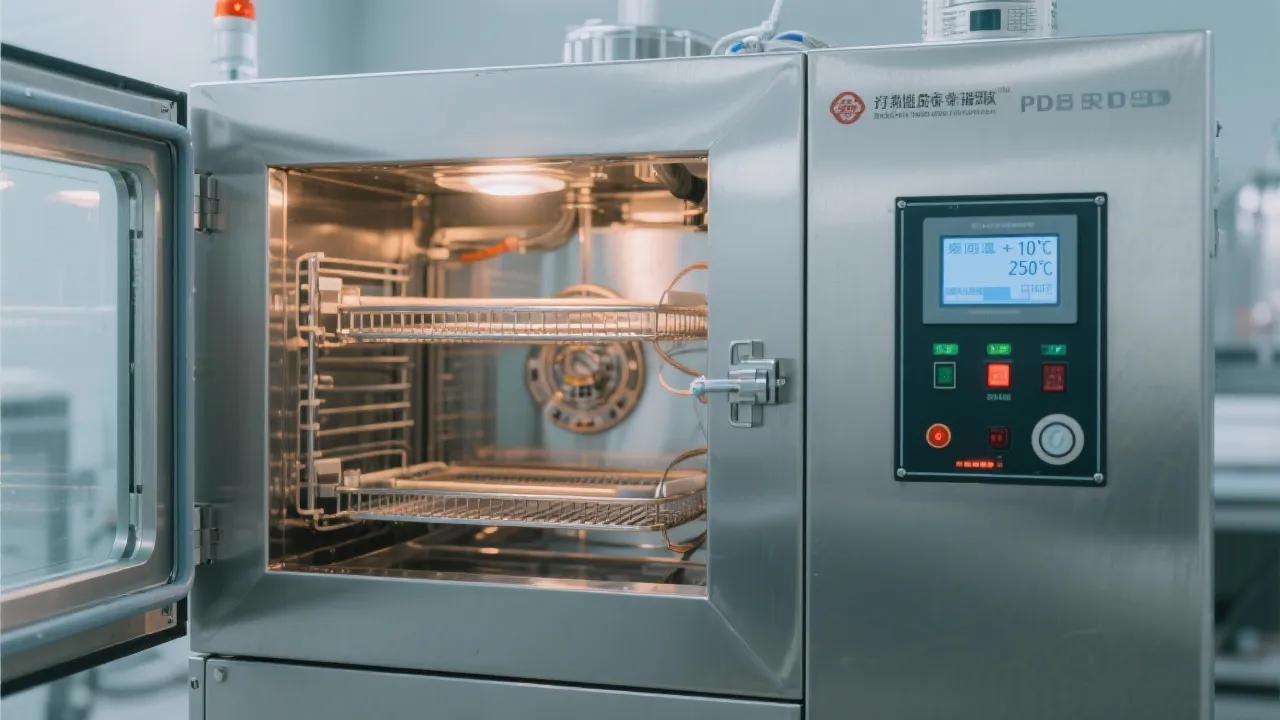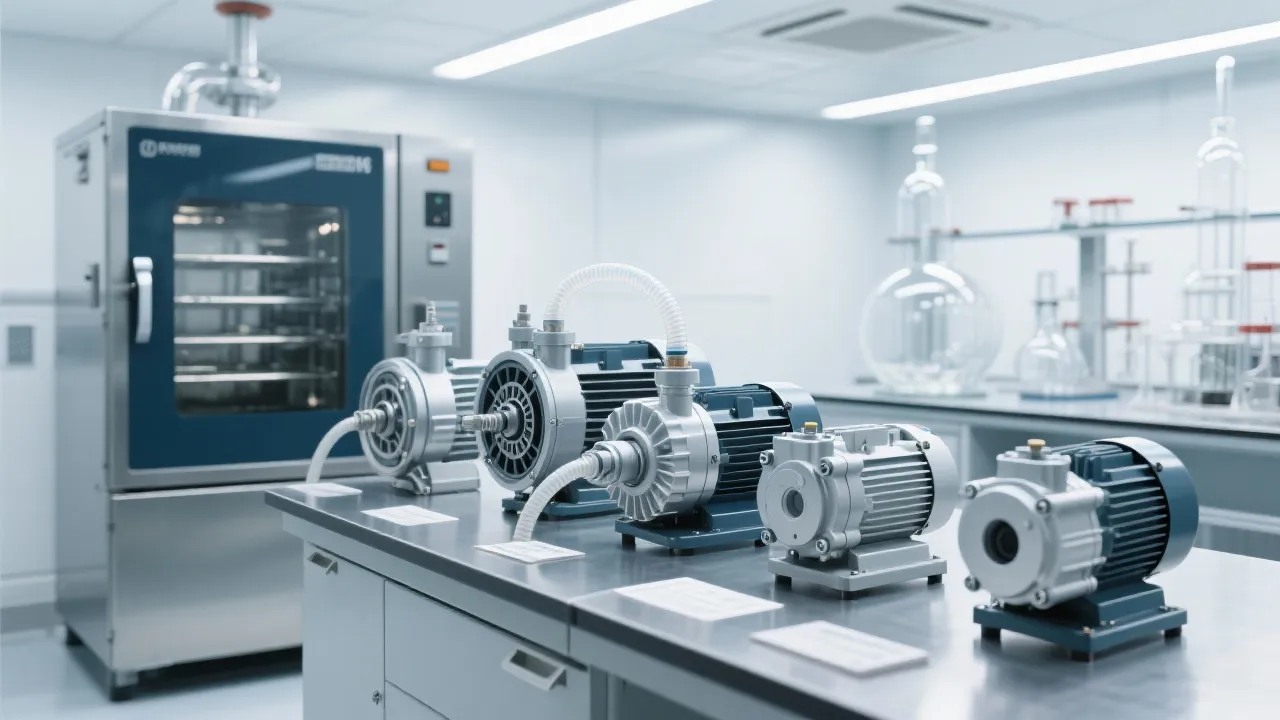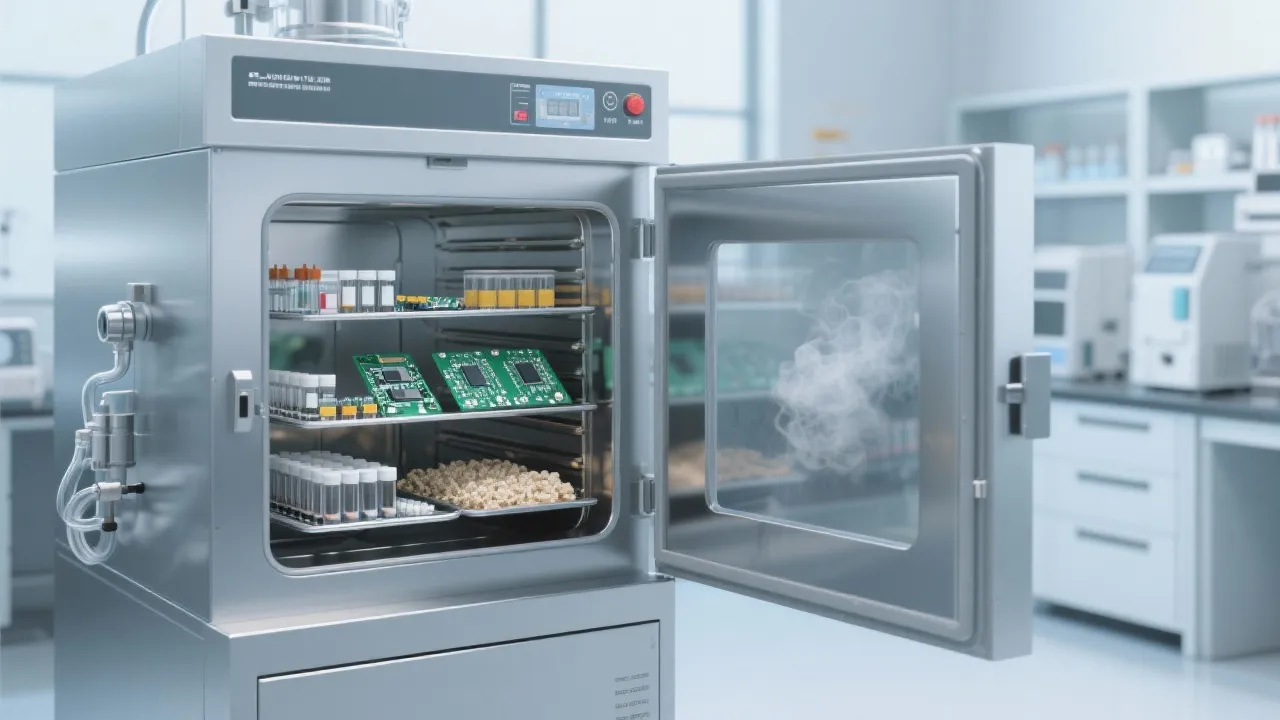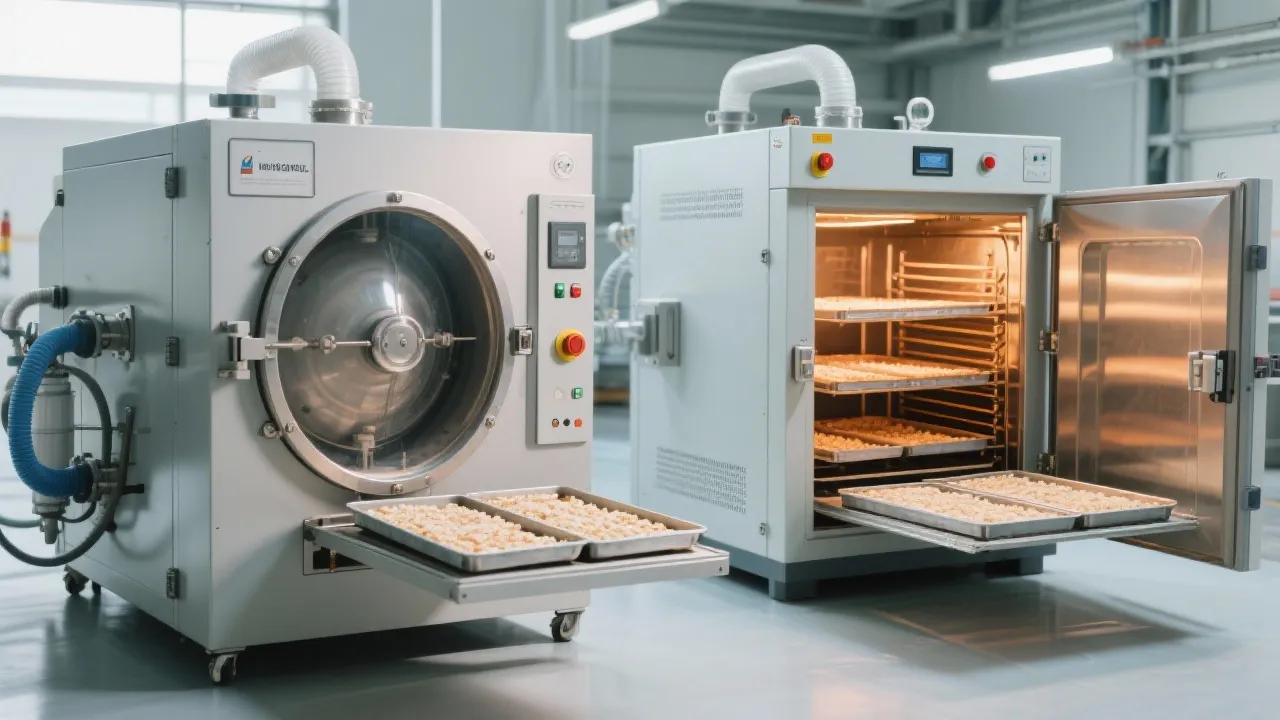
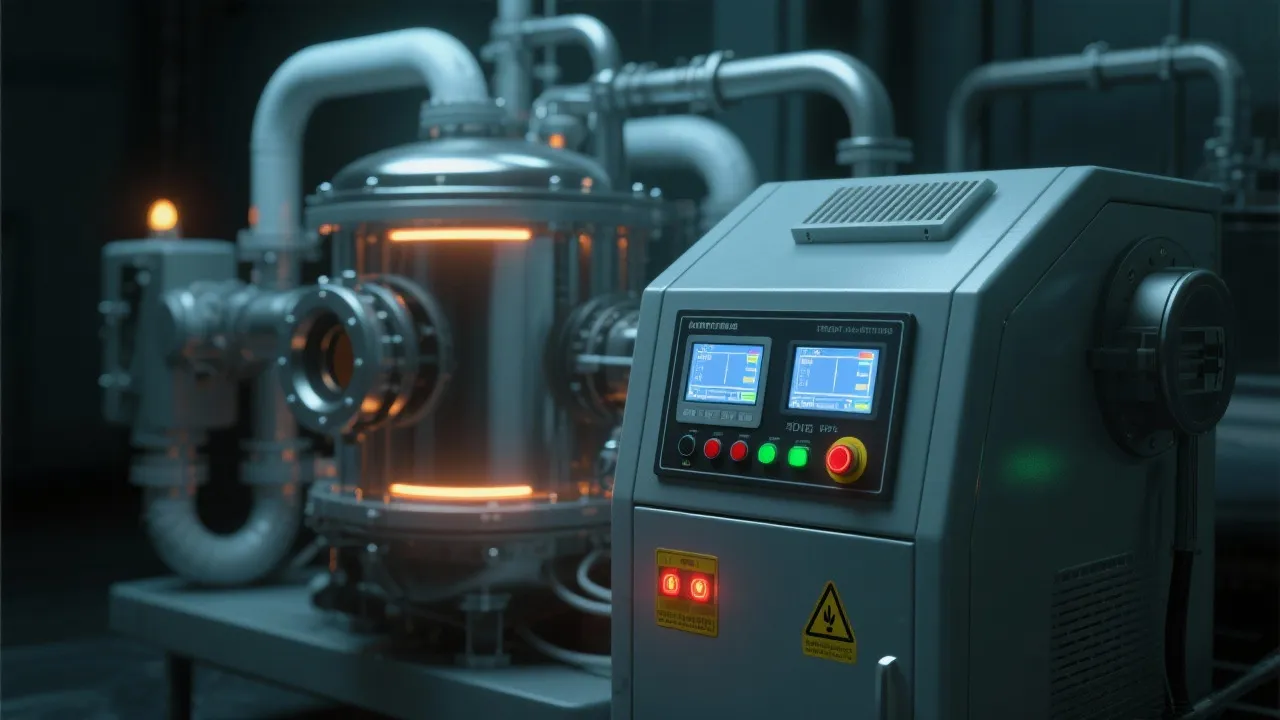
In precision-driven industries like pharmaceuticals, materials science, and biotechnology, even a 1°C variation in temperature can compromise product quality. That’s why leading manufacturers—from research labs to production lines—are shifting toward digital temperature control systems. Take the DZ-3BCII Digital Vacuum Dryer from Zhengzhou Keda Machinery Instruments Co., Ltd.—it’s not just about smart tech; it’s about measurable performance gains.
Unlike analog thermostats that react slowly or overshoot, PID (Proportional-Integral-Derivative) controllers adjust heating output in real-time based on feedback loops. In practice, this means:
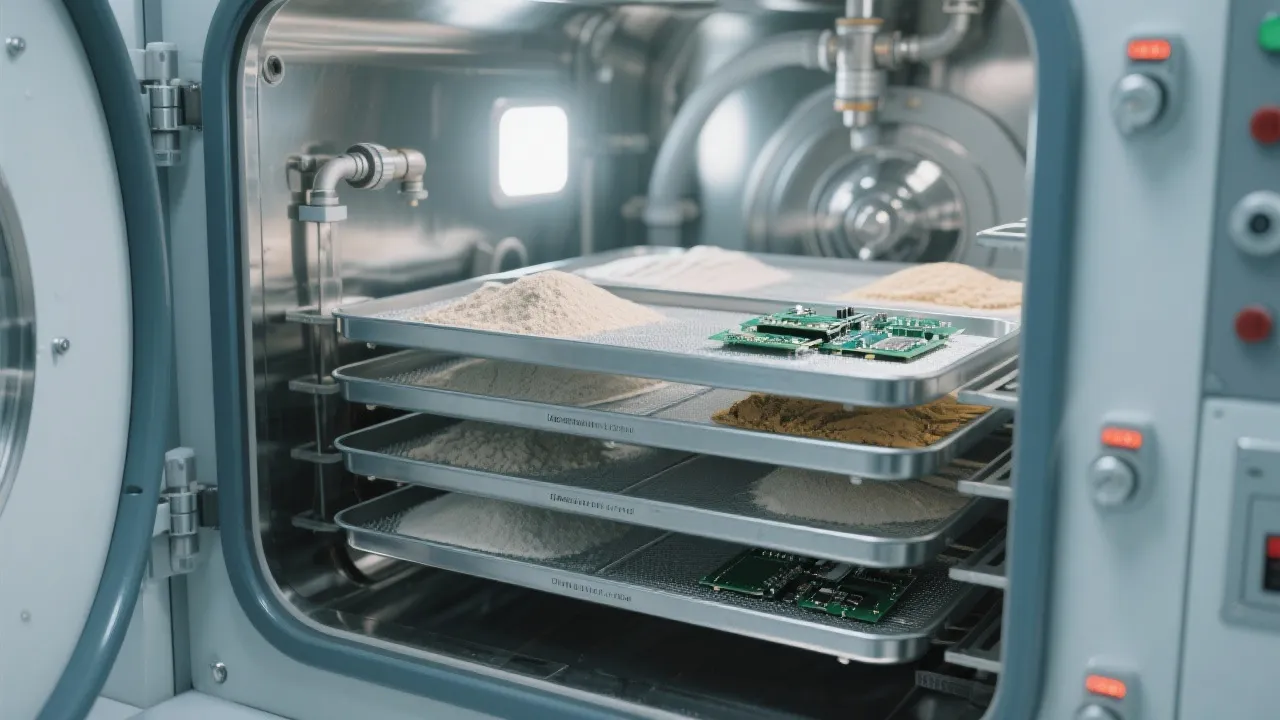
While many dryers heat from top or bottom, the DZ-3BCII uses a four-wall uniform heating system—ensuring consistent thermal distribution across all surfaces. This design minimizes hotspots and cold zones, resulting in:
| Parameter | Traditional Dryer | DZ-3BCII with Four-Wall Heating |
|---|---|---|
| Temperature Uniformity | ±3°C | ±0.5°C |
| Sample Consistency | Low | High |
In a case study with a German nanomaterials lab, switching to a PID-controlled vacuum dryer reduced batch rejection rates by 42%. Similarly, a U.S.-based biotech startup saw a 25% improvement in lyophilized vaccine stability after implementing precise temperature profiling using the DZ-3BCII.
Many users overlook PID tuning—default settings often fail under varying load conditions. The key? Start with factory presets, then fine-tune using step-response tests. For example, if your sample is highly sensitive (like cell cultures), reduce derivative gain slightly to avoid oscillation.
Next-gen systems will integrate AI-based predictive modeling and remote diagnostics via cloud platforms—making maintenance proactive rather than reactive. But today, even basic PID + four-wall heating delivers immediate ROI in both time saved and quality improved.
Discover how the DZ-3BCII Digital Vacuum Dryer transforms consistency, efficiency, and reliability in your lab or production line—backed by real-world data, not just specs.
Explore the DZ-3BCII Solution Today