Enhancing Temperature Uniformity and Stability in Drying Equipment with Digital PID Temperature Control Systems
12 01,2026
Zhengzhou Keda Mechanical Instrument Equipment Co., Ltd.
Technical knowledge
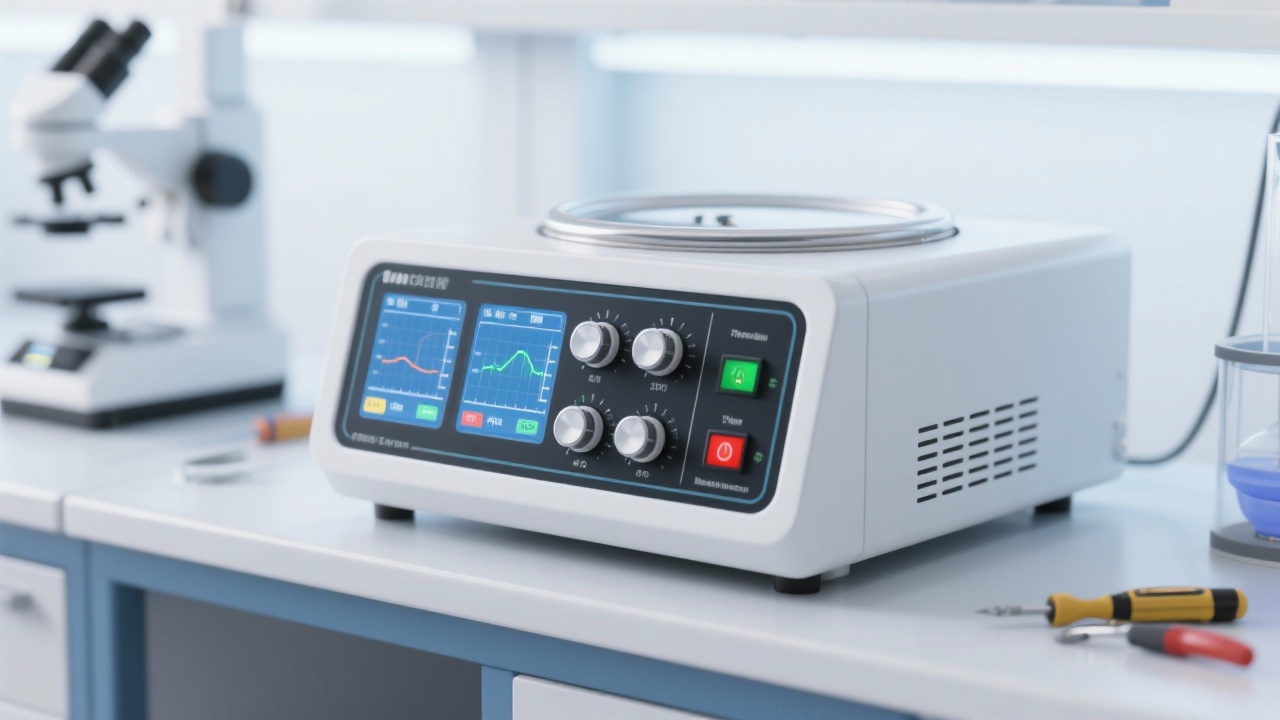
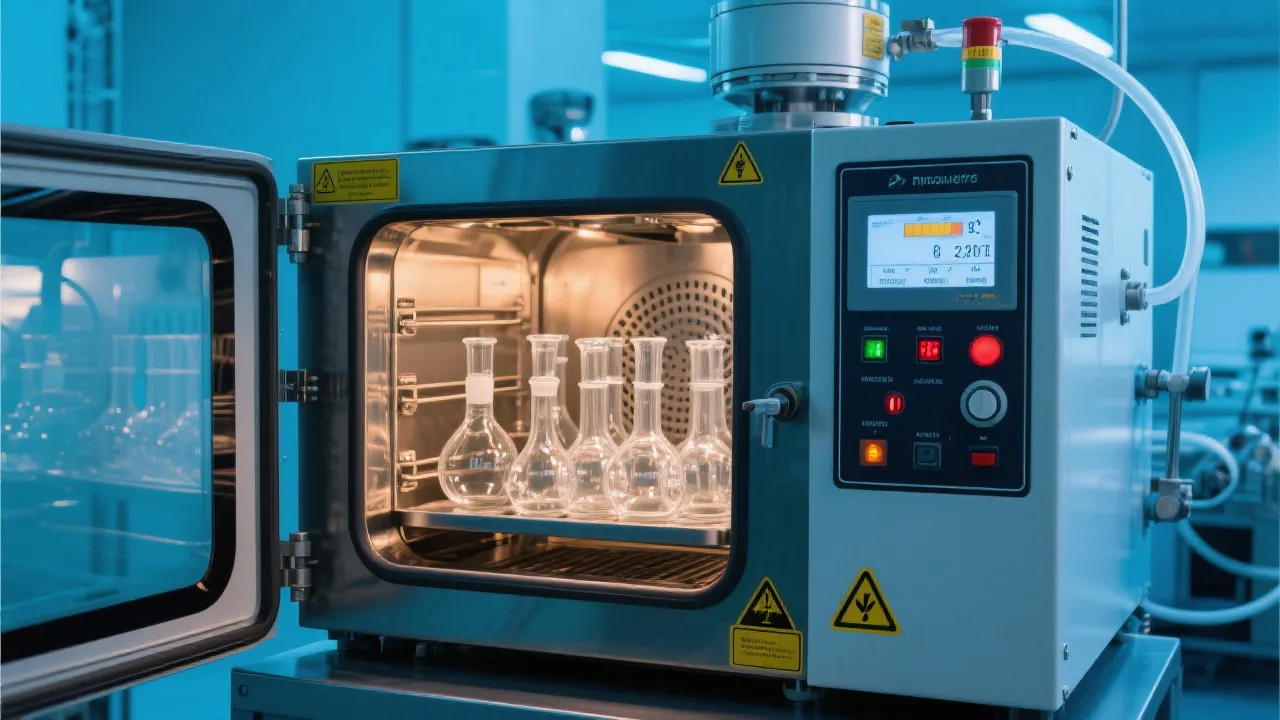
How do digital temperature control systems improve temperature uniformity and stability in drying equipment? This article thoroughly examines the application of PID control technology in the DZ-3BCII digital vacuum drying oven, covering principles, parameter optimization, four-wall heating design, and practical validations. It comprehensively demonstrates how intelligent temperature control ensures high-quality sample drying, enabling research and industrial users to achieve efficient, precise, and reliable thermal processing.
The Role of Digital Temperature Control in Enhancing Drying Equipment Performance
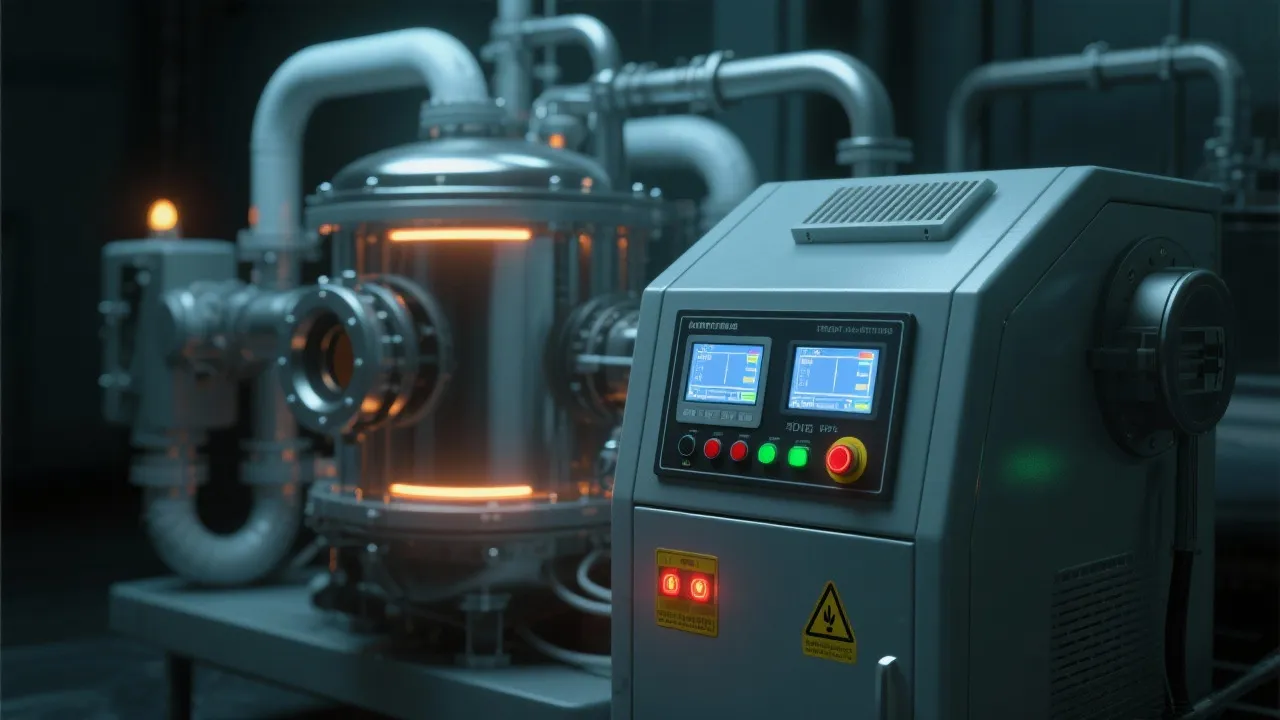
Modern drying equipment increasingly relies on advanced digital temperature control systems to ensure precise thermal management, critical for achieving consistent and uniform drying results. The integration of Proportional-Integral-Derivative (PID) control technology within devices such as the DZ-3BCII digital vacuum drying oven exemplifies this evolution, delivering temperature uniformity within ±1°C and enhancing the overall drying process stability.
Understanding PID Control: Dynamic Temperature Regulation Explained
At the heart of digital temperature systems lies PID control—an algorithm that continuously calculates the error between the target temperature and the actual measurement, then adjusts the heating output accordingly through three components:
- Proportional (P): Reacts proportionally to the current temperature difference, delivering immediate correction.
- Integral (I): Accounts for accumulated past errors, eliminating steady-state offsets.
- Derivative (D): Predicts future trends based on the rate of change, reducing overshoot and oscillations.
This triad smartly adapts the heater power, ensuring tight control over temperature fluctuations even under varying load and environmental conditions.
Breakthroughs in Temperature Uniformity: Four-wall Heating Meets Intelligent PID
The innovative four-wall heating design within the DZ-3BCII vacuum drying oven promotes uniform heat distribution by surrounding samples with consistent thermal energy from all sides. When combined with the precision of PID control, this configuration maintains temperature deviations within ±1°C across the chamber, vital for sensitive materials processing.
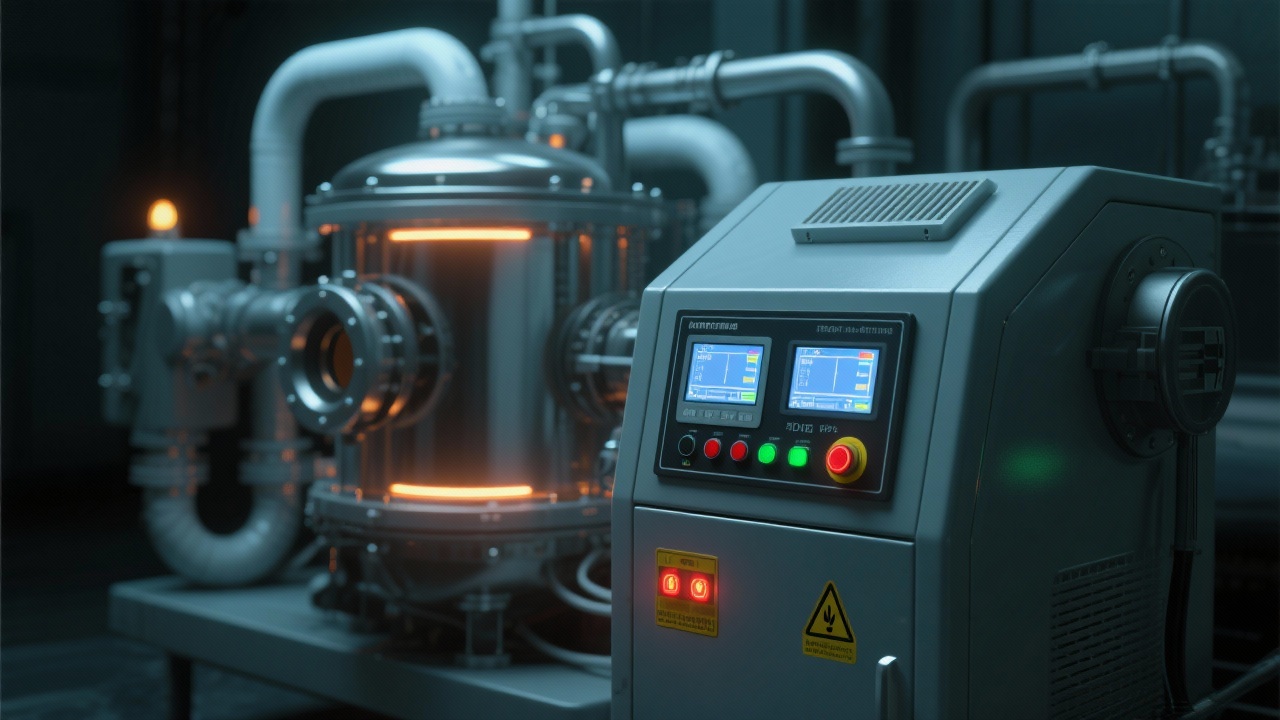
This synergy drastically reduces temperature stratification, which can lead to uneven drying, sample degradation, or inconsistent experiment results in laboratories and industrial settings.
Practical PID Parameter Optimization for Diverse Material Drying
Successful temperature control hinges on fine-tuning PID parameters to match specific drying profiles:
- Delicate Biopharmaceuticals: Require lower proportional gain and higher integral sensitivity to prevent rapid fluctuations and ensure smooth temperature ramps.
- Robust Polymers and Ceramics: Benefit from aggressive proportional control with quicker derivative action to manage abrupt thermal inertia.
- General Scientific Samples: Balanced PID settings maintain steady state with minimal overshoot, preserving sample integrity.
Regular calibration and adaptive tuning can further enhance precision based on real-time feedback and drying cycle data.
Industry Applications Showcasing the Impact of Precise Temperature Control
Numerous sectors demonstrate tangible benefits from high-accuracy temperature control:
- Material Science: Uniform temperature profiles ensure reproducible testing conditions, improving reliability in composite heat treatments.
- Biopharmaceutical Manufacturing: Controlled vacuum drying maintains protein stability and bioactivity by avoiding thermal hotspots.
- Electronics Industry: Sensitive component drying avoids moisture-induced failures thanks to stable vacuum oven environments.
Common Challenges and Effective Troubleshooting in Digital Temperature Control
Despite technological advances, users occasionally encounter issues such as:
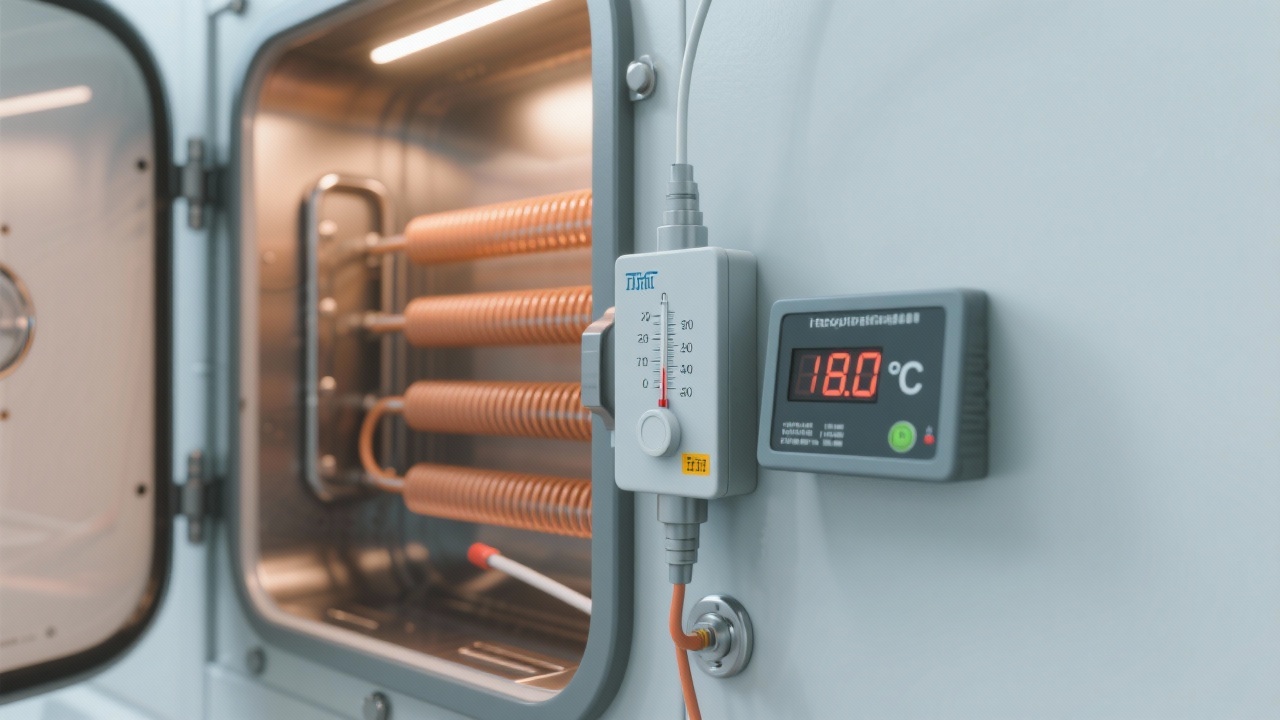
- Temperature Oscillations: Often caused by improperly tuned PID parameters; resolved via incremental adjustments and recalibration.
- Sensor Drift or Faults: Leads to inaccurate feedback; requires regular sensor validation and replacement as necessary.
- Heat Loss Impact: Environmental fluctuations affecting uniformity; minimized by chamber insulation improvements.
Proactive monitoring and maintenance are crucial for sustained performance.
Future Perspectives: AI-Enhanced Adaptive Temperature Control
The next generation of temperature control systems anticipates integrating artificial intelligence and machine learning to achieve self-optimizing PID parameters tailored to dynamic drying scenarios. This evolution promises even greater energy efficiency, reduced manual intervention, and improved process reproducibility.