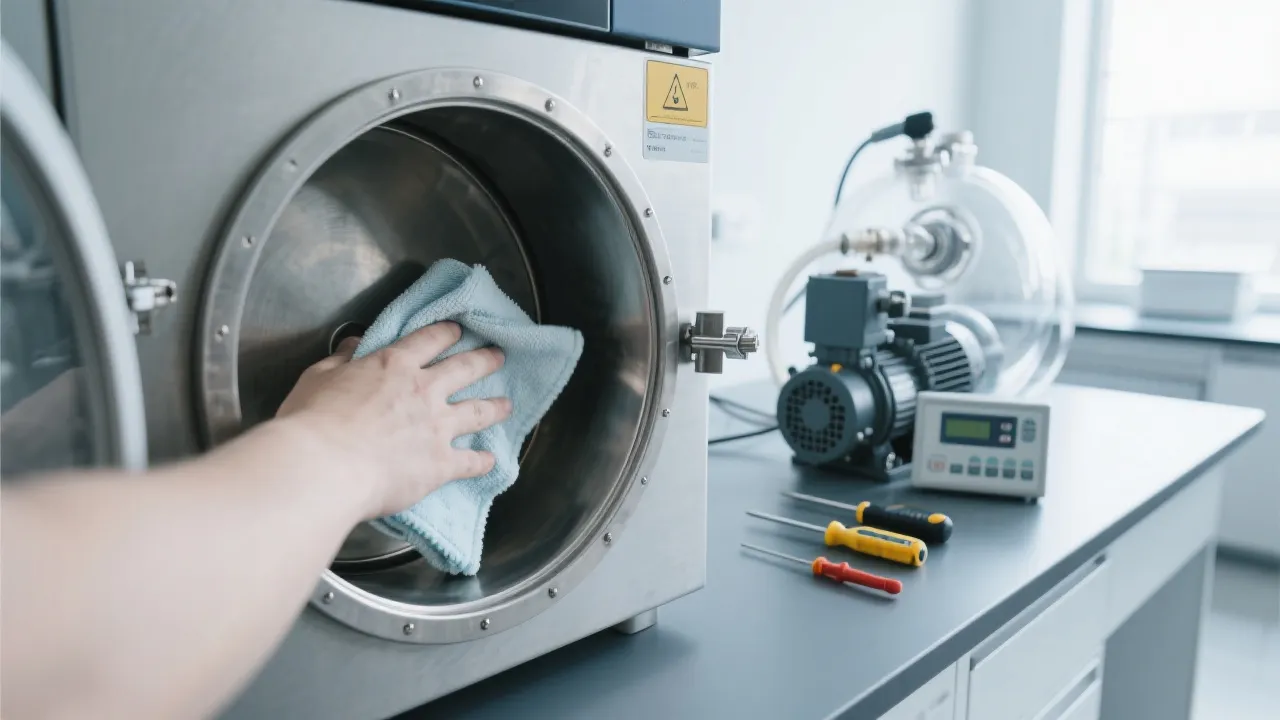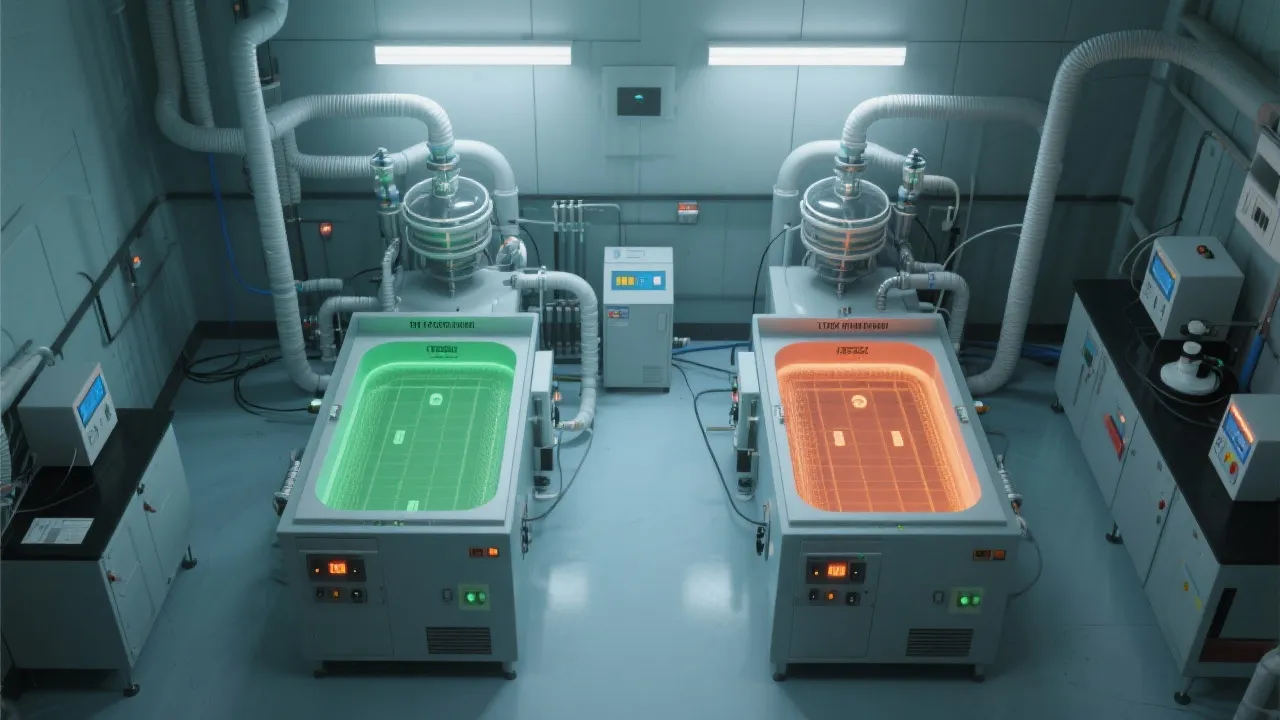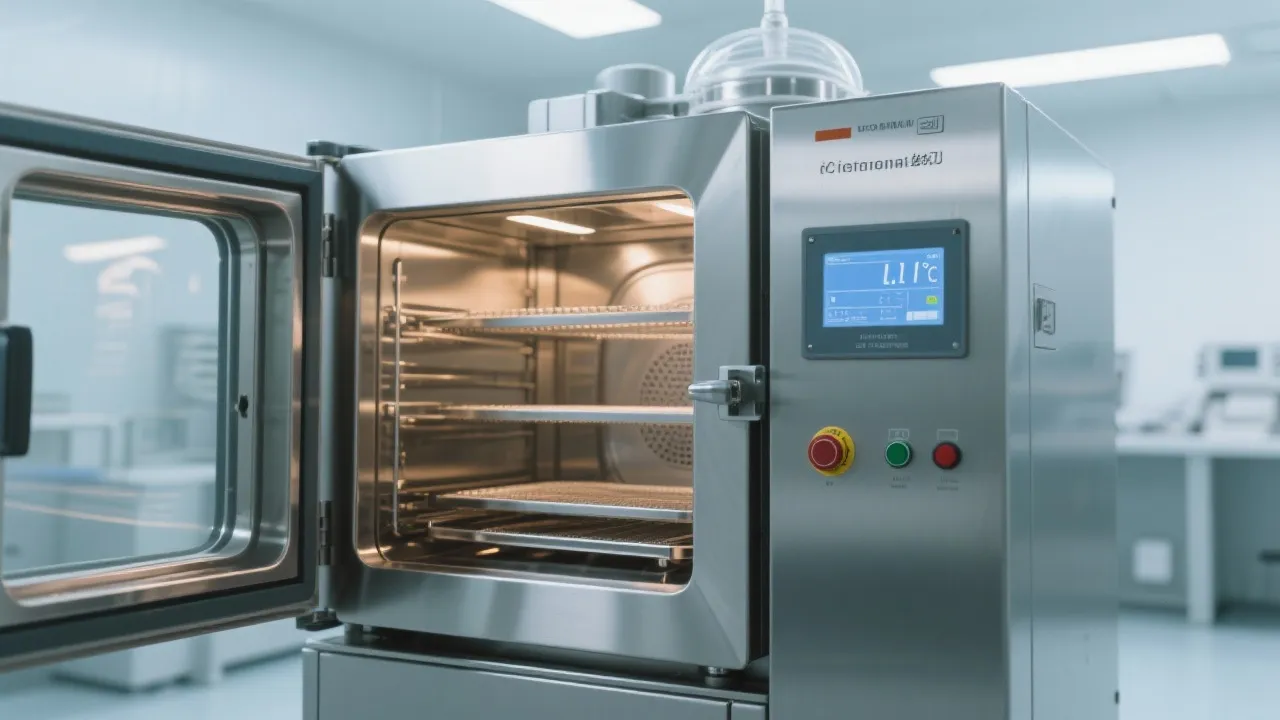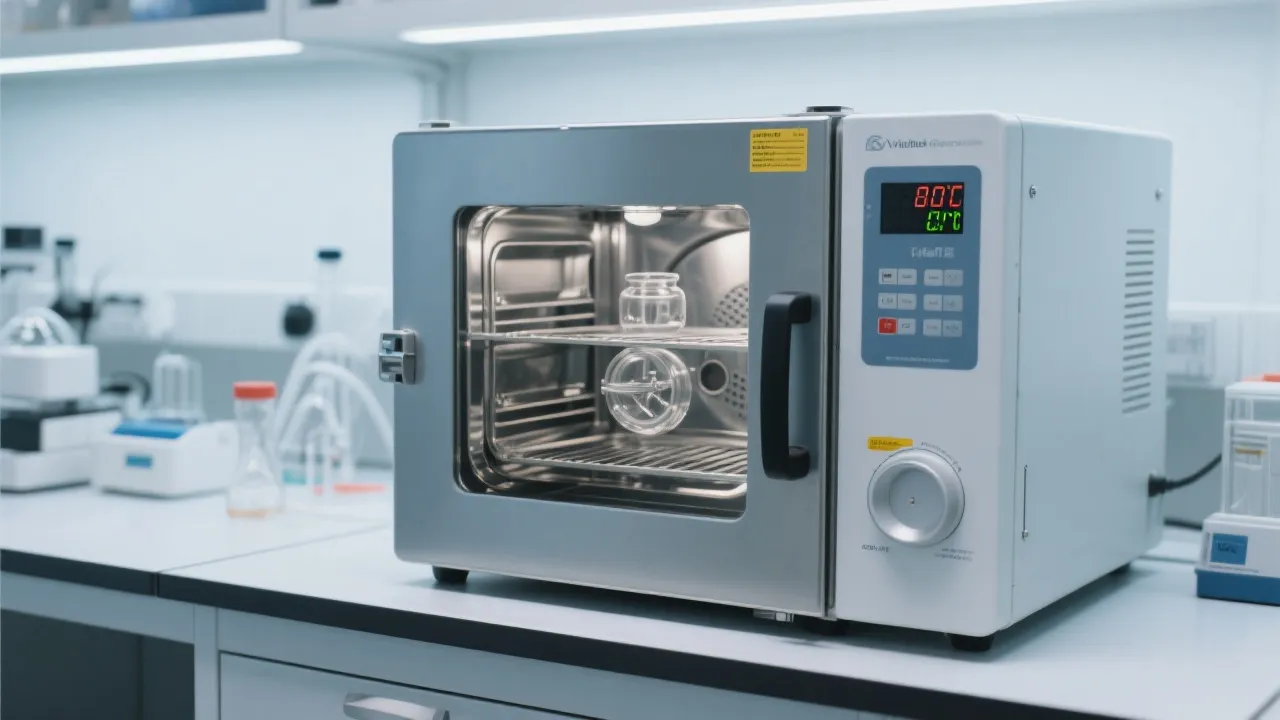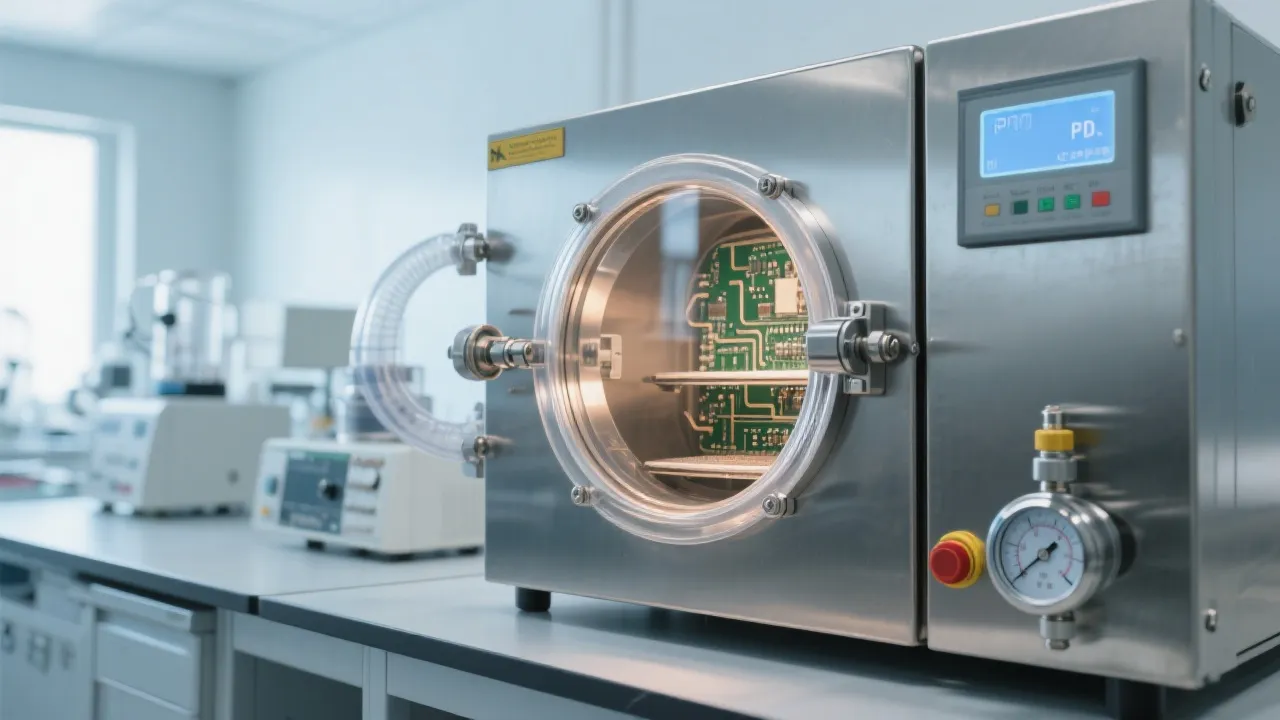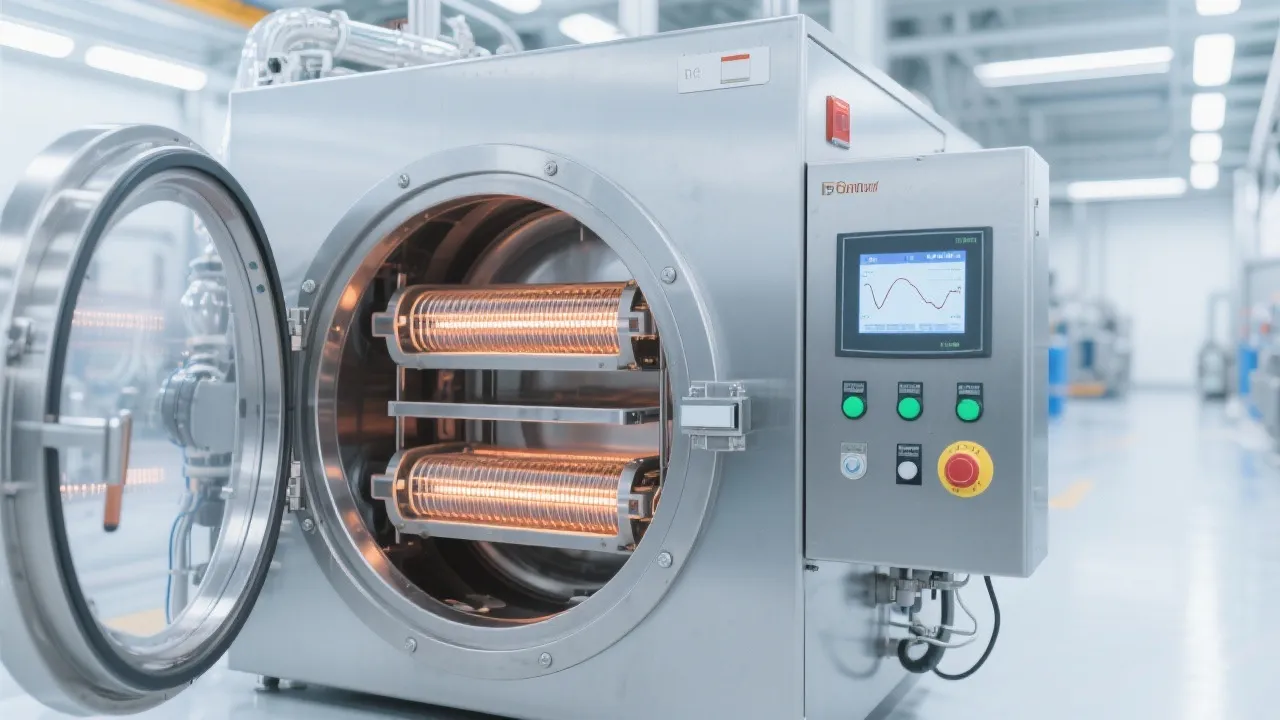
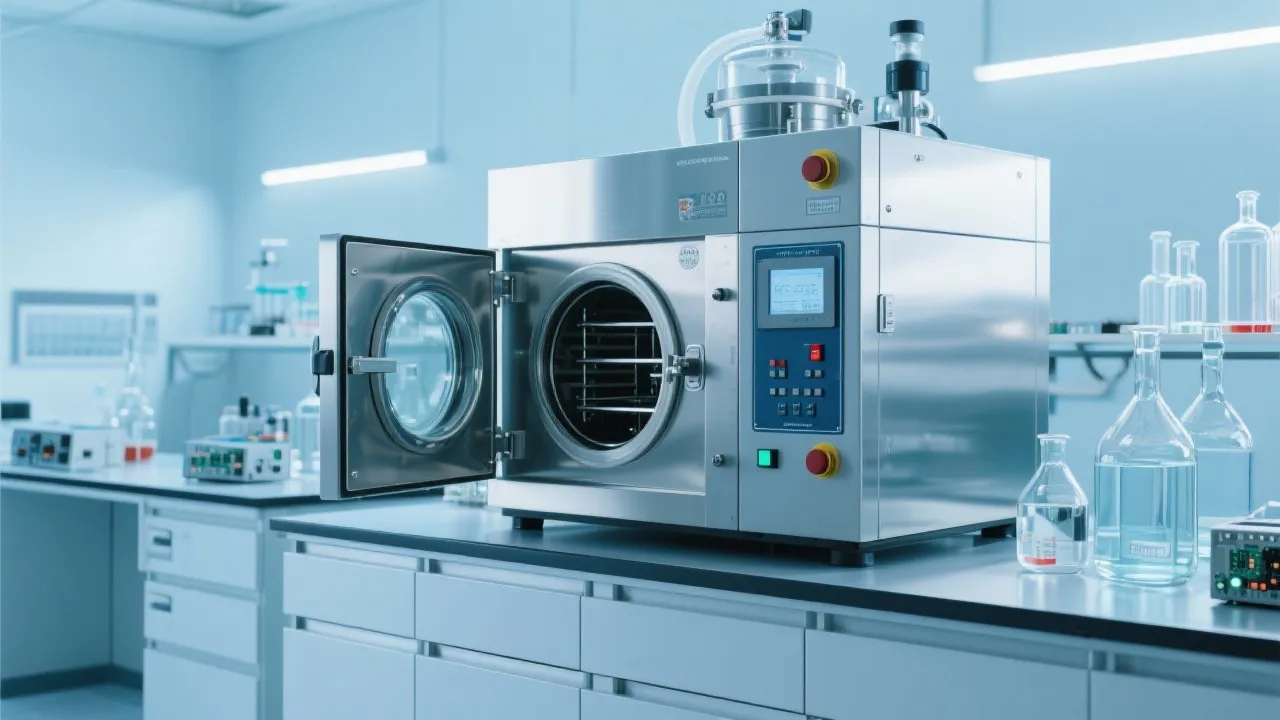
In the field of laboratory research, the choice of drying method significantly impacts the accuracy and reliability of experimental results. This article delves into the core principles of laboratory vacuum drying technology, with a focus on comparing the advantages of vacuum drying over traditional drying methods in preventing sample oxidation and loss of thermosensitive components.
Vacuum drying operates on a simple yet effective principle. By reducing the pressure within the drying chamber, the boiling point of water is lowered, which accelerates the evaporation rate of moisture. For instance, under normal atmospheric pressure, water boils at 100°C, but in a vacuum environment, it can evaporate at a much lower temperature. This not only saves energy but also protects samples from high - temperature damage.
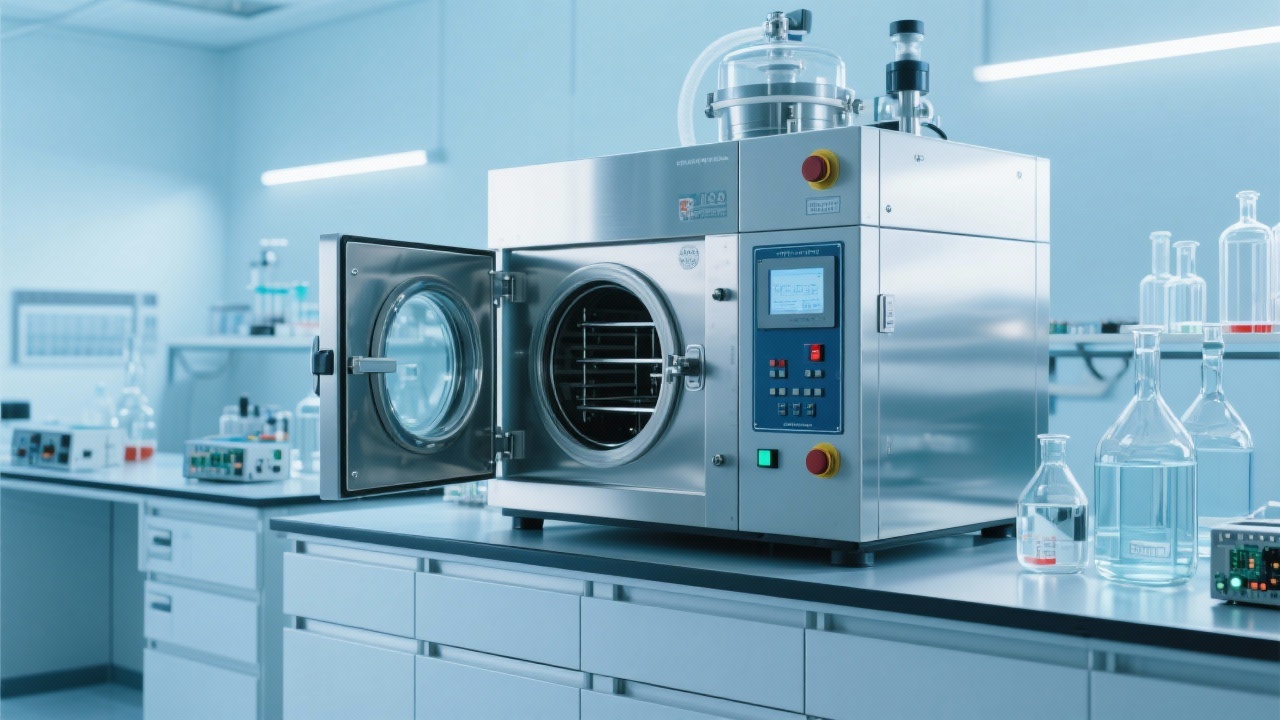
Several factors play crucial roles in the drying effect, including vacuum degree, temperature control, and uniform heating technology. A higher vacuum degree can further lower the boiling point of water, enhancing the evaporation rate. Temperature control is also vital. Intelligent PID (Proportional - Integral - Derivative) temperature control technology offers precise temperature regulation. It can adjust the heating power according to the set temperature, ensuring stable and accurate temperature control within ±0.1°C. This is especially important for samples that are sensitive to temperature changes.
Uniform heating technology ensures that all parts of the sample are evenly dried, avoiding uneven drying caused by local over - heating or under - heating. By using advanced heating elements and air circulation systems, the temperature difference within the drying chamber can be controlled within ±1°C.
Traditional drying methods, such as air - drying and oven - drying, often expose samples to high temperatures and oxygen, which can lead to sample oxidation and loss of thermosensitive components. In contrast, vacuum drying operates in a low - oxygen environment, effectively preventing sample oxidation. Moreover, the low - temperature drying process minimizes the loss of thermosensitive components, such as proteins in biological samples and volatile substances in chemical samples.
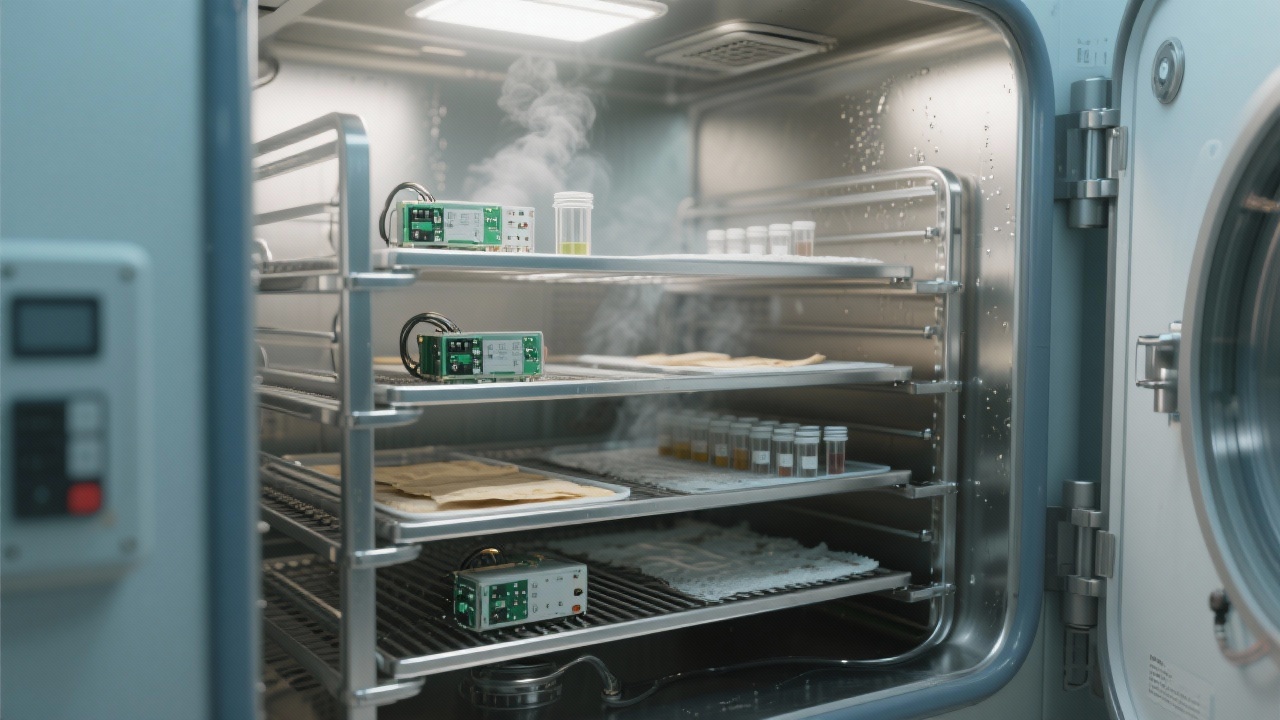
In the fields of materials science, biological products, and chemical samples, vacuum drying has shown excellent performance. For example, in materials science, vacuum drying can be used to dry ceramic powders. By controlling the vacuum degree and temperature, the porosity and particle size of the ceramic powders can be precisely adjusted, improving the quality of the final product. In biological products, vacuum drying is widely used for drying proteins, enzymes, and other biomolecules, preserving their biological activity.
In chemical samples, vacuum drying can remove solvents from chemical compounds without causing chemical reactions due to high - temperature exposure. By adjusting the parameters of the vacuum drying equipment according to different experimental requirements, researchers can obtain more accurate and repeatable experimental data.
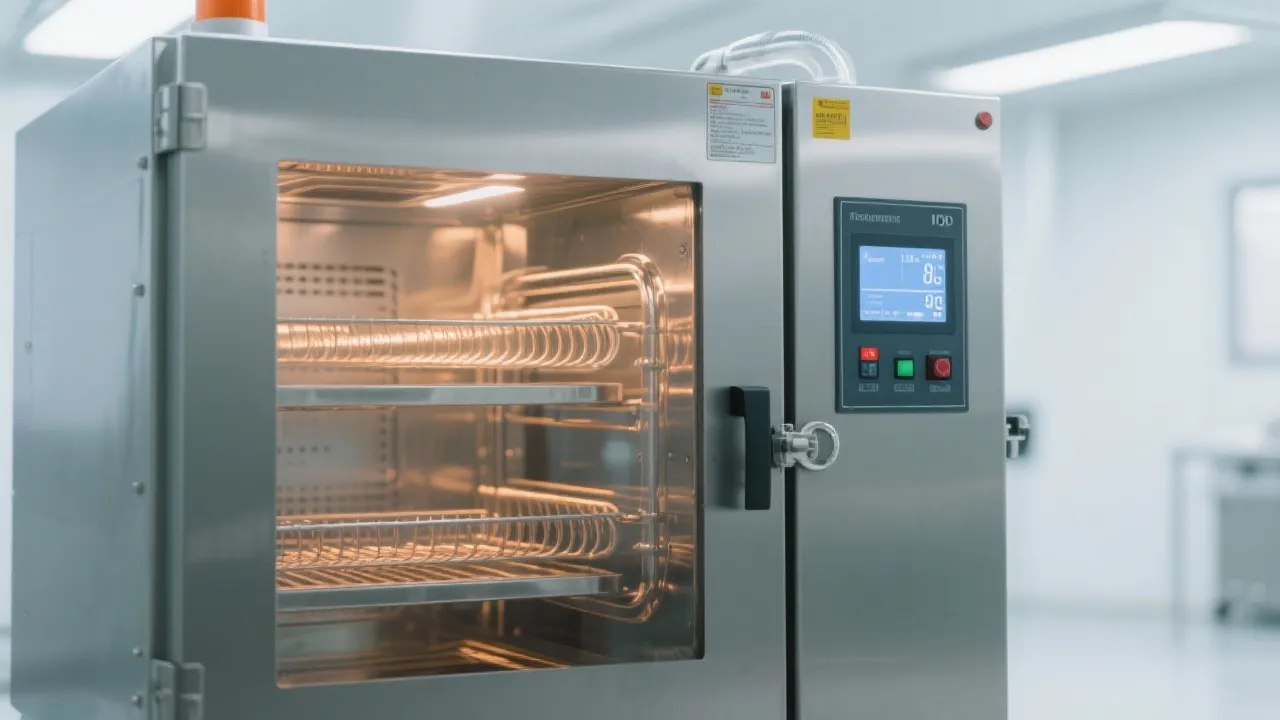
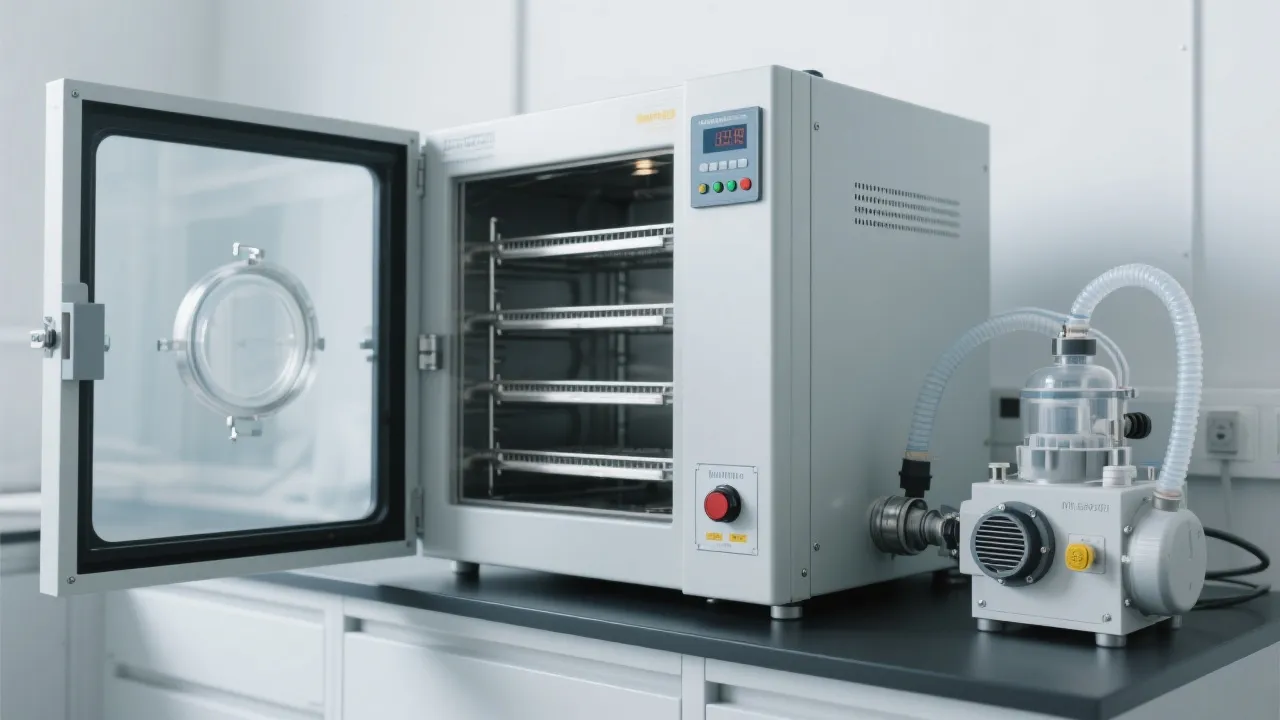
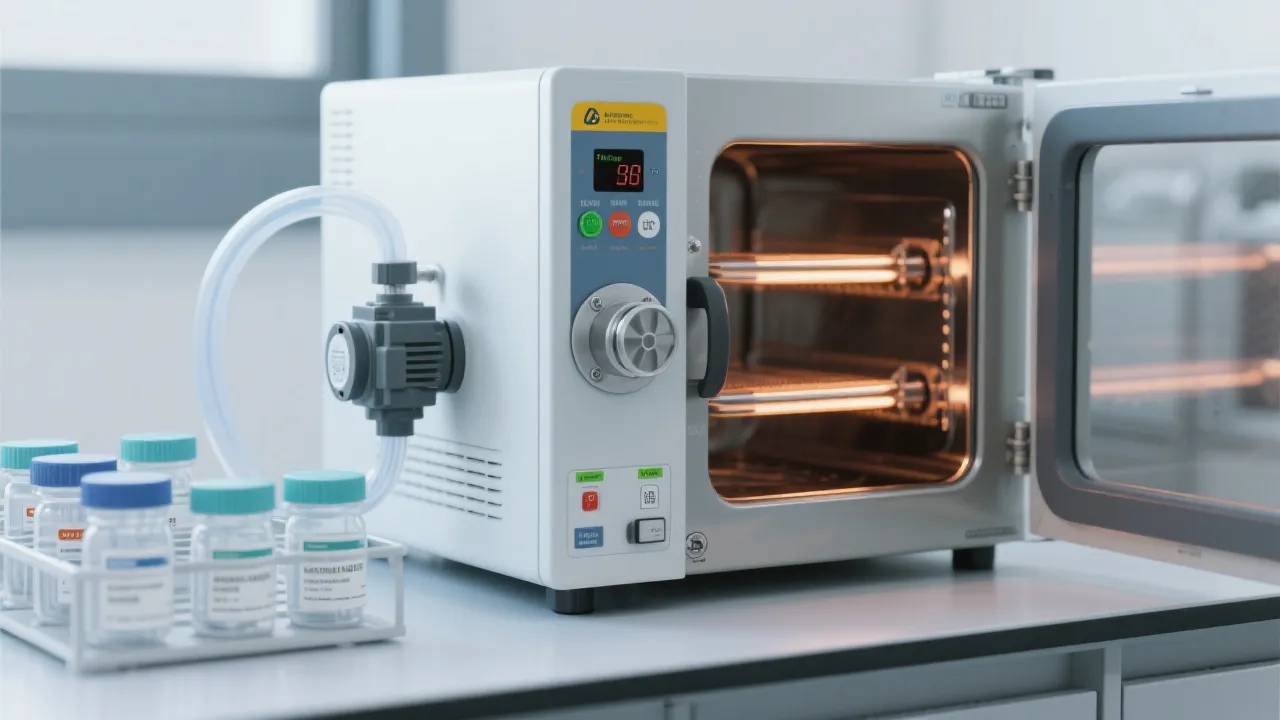
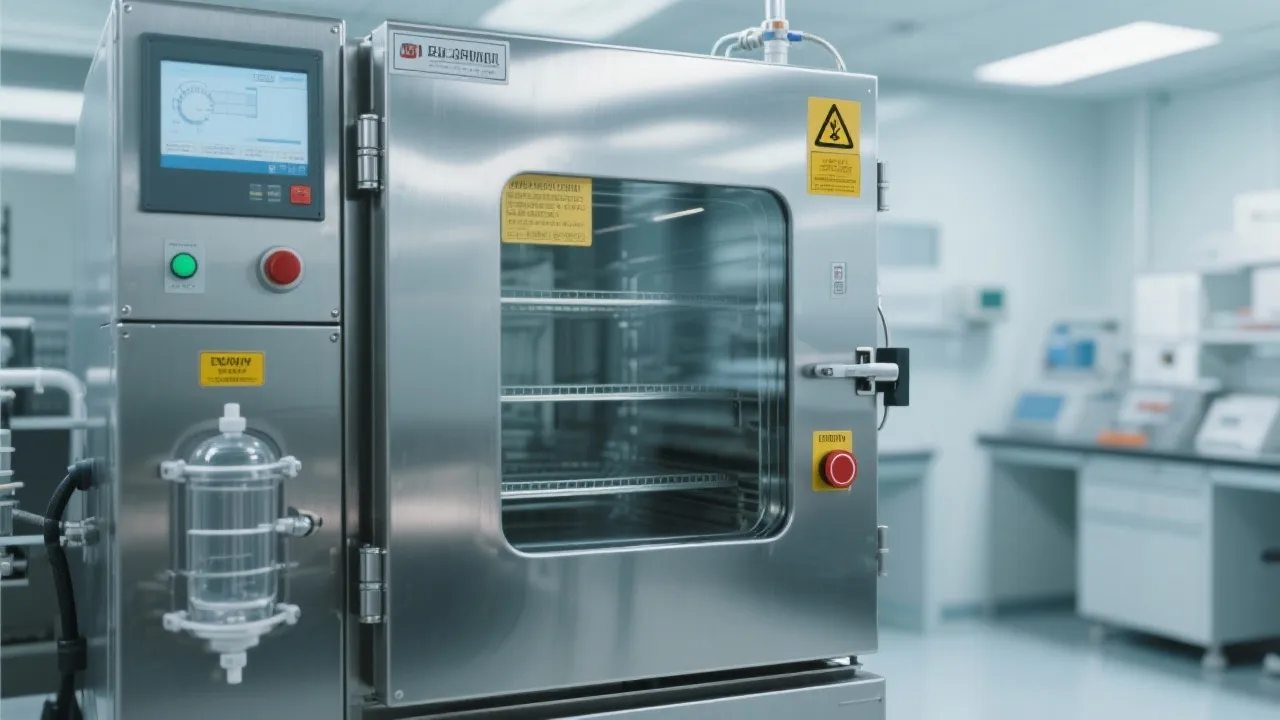
The DZ - 3BCII Digital Vacuum Drying Oven from Zhengzhou KeDa Machinery & Instrument Equipment Co., Ltd. incorporates all the advanced technologies mentioned above. It features intelligent PID temperature control, ensuring precise temperature regulation. The high - quality vacuum pump provides a stable vacuum environment, and the uniform heating system guarantees even drying of samples.
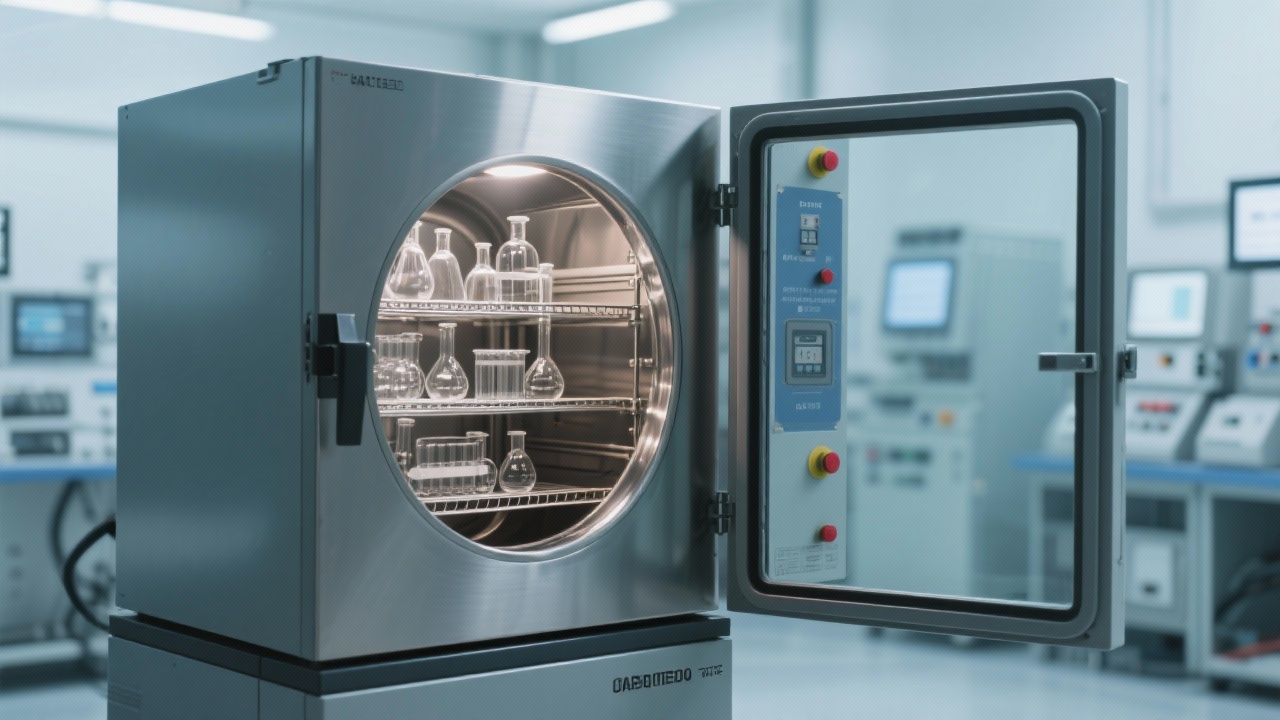
With its user - friendly interface, researchers can easily set and adjust the parameters according to their experimental needs. By using the DZ - 3BCII Digital Vacuum Drying Oven, you can significantly improve the efficiency of your experiments and the reliability of your research data.
Don't miss the opportunity to enhance your experimental efficiency and data reliability. Click here to learn more about the DZ - 3BCII Digital Vacuum Drying Oven and take your research to the next level.