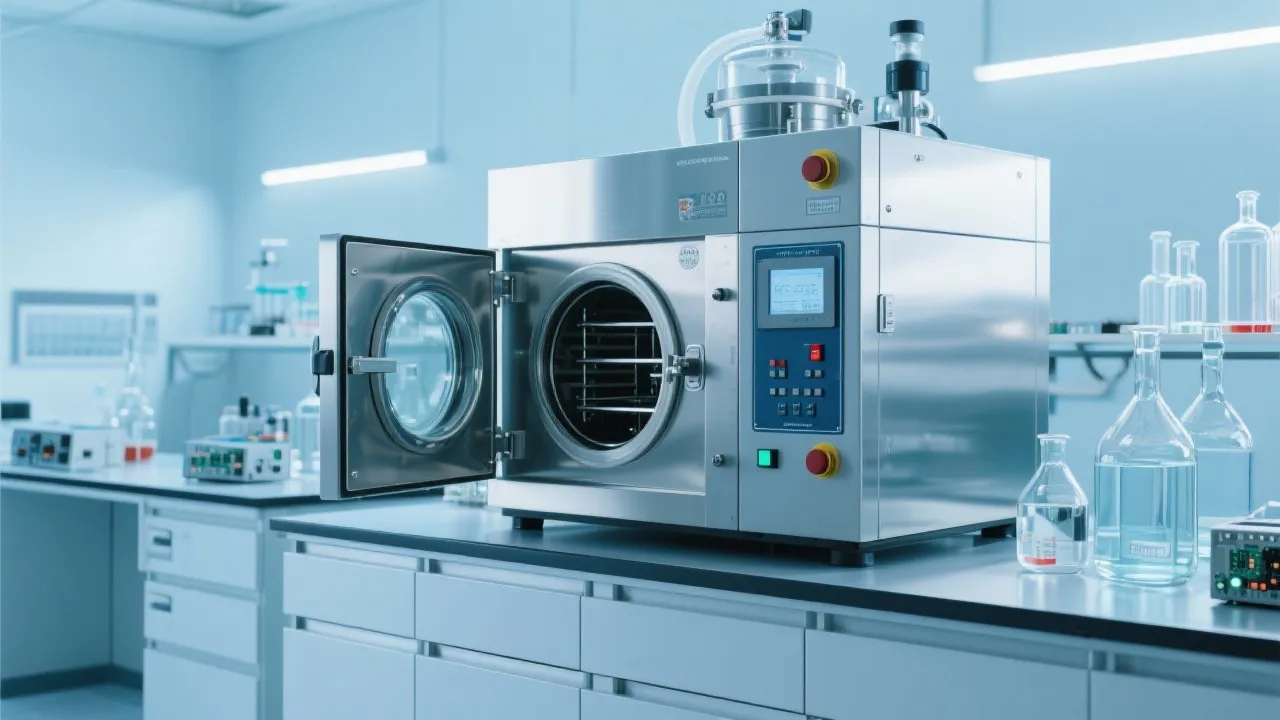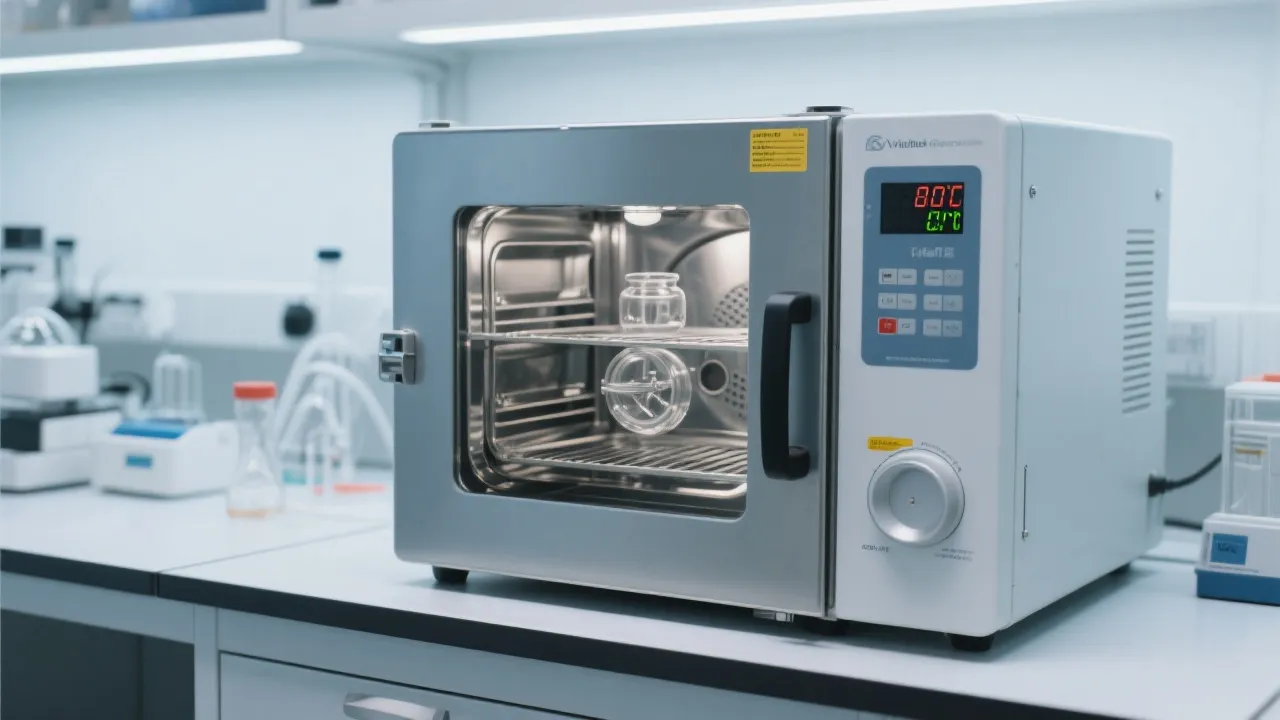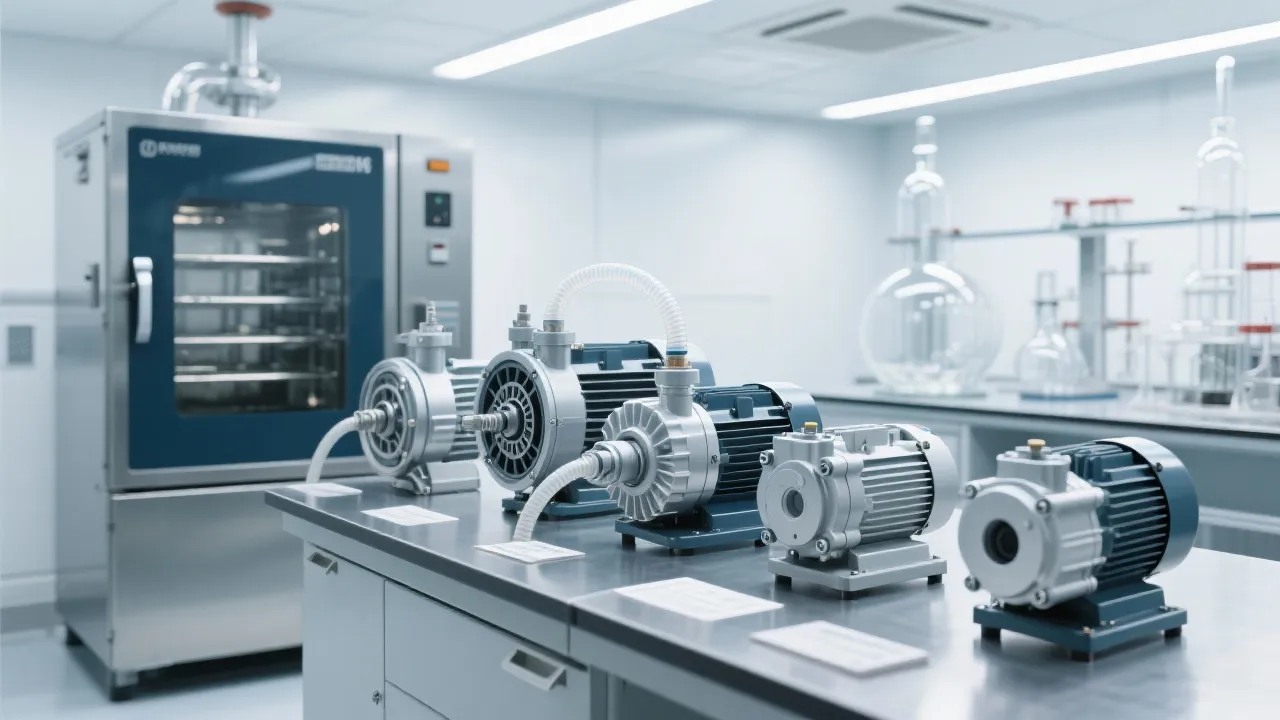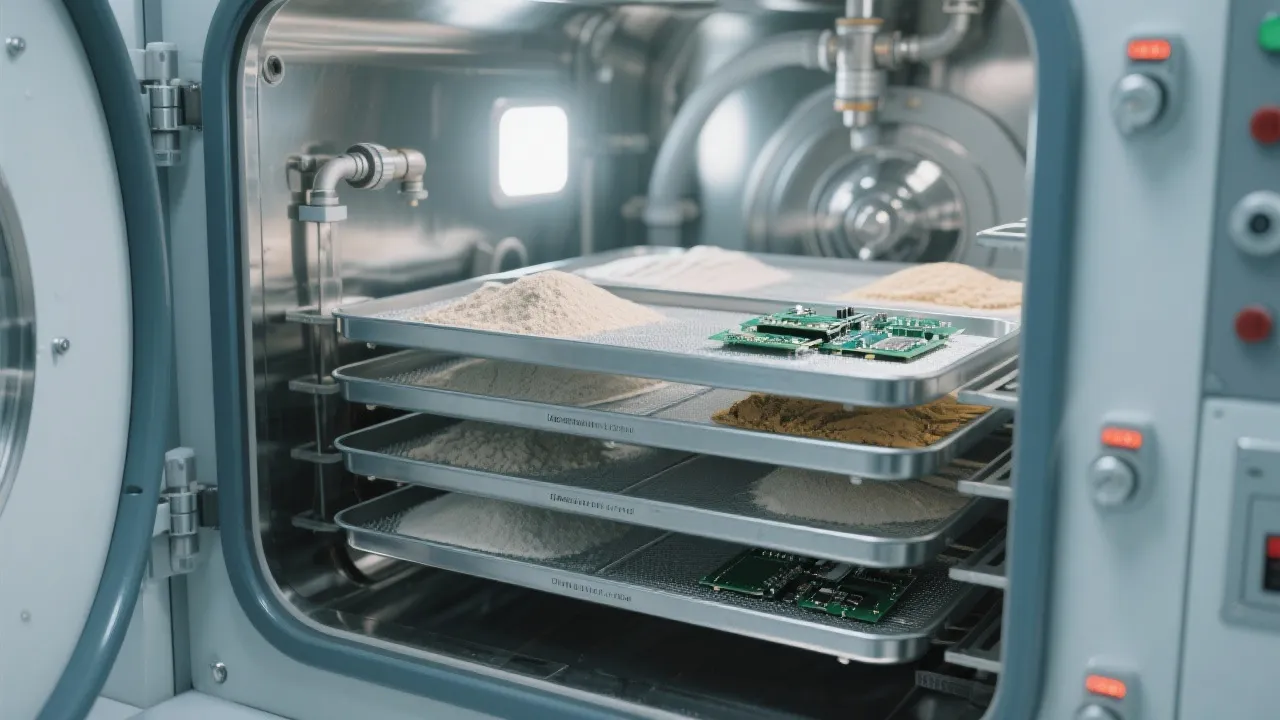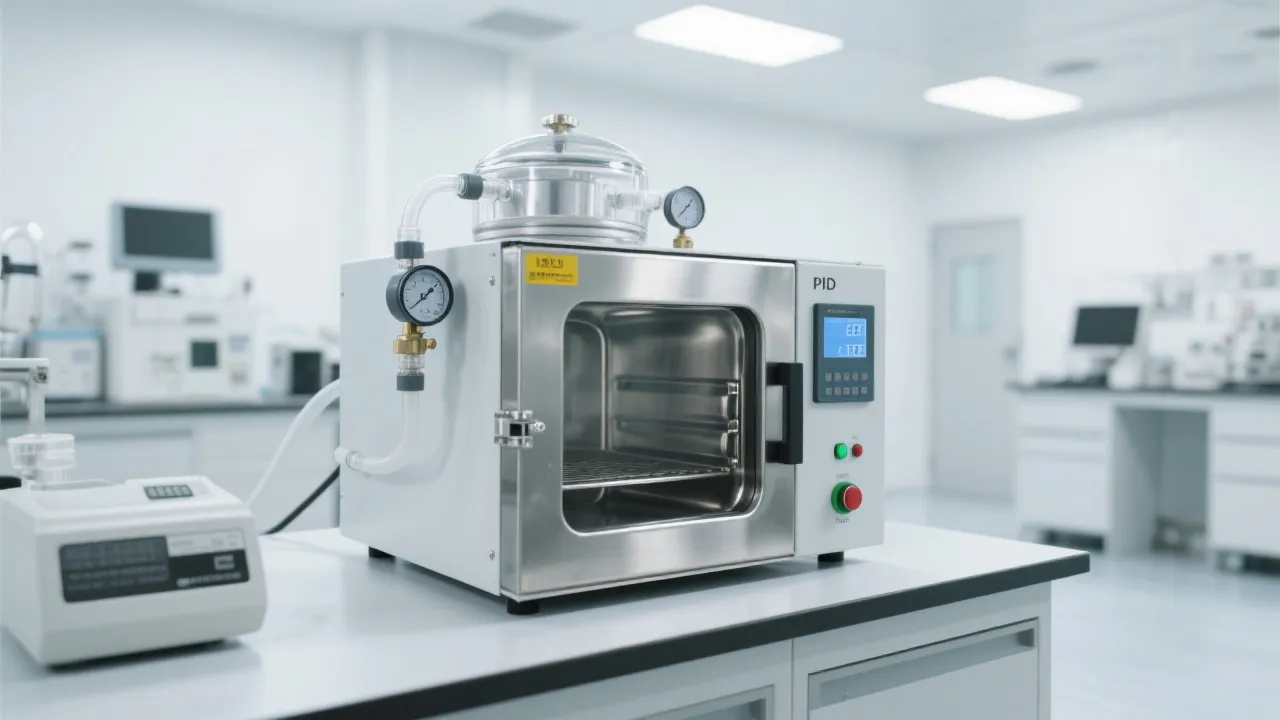

When it comes to choosing a vacuum drying oven that suits your experimental needs, several core indicators play crucial roles. Capacity is one of the most fundamental factors. For instance, if you are dealing with large - scale chemical synthesis projects, you might need an oven with a capacity of 100 - 200 liters. On the other hand, for small - scale biological sample preservation, a 20 - 50 liter capacity could be sufficient.
Vacuum degree is another key aspect. Different experiments require different levels of vacuum. In high - precision material science applications, an ultra - low vacuum degree of less than 133 Pa is often necessary to ensure the quality of sample drying. Temperature control accuracy also matters a great deal. A temperature control accuracy of ±1℃ can provide more stable experimental conditions, especially in sensitive chemical and biological experiments.
The material and design of the oven are also important. High - quality stainless - steel materials can ensure the durability of the oven, while a reasonable design can improve the heating efficiency and uniformity.
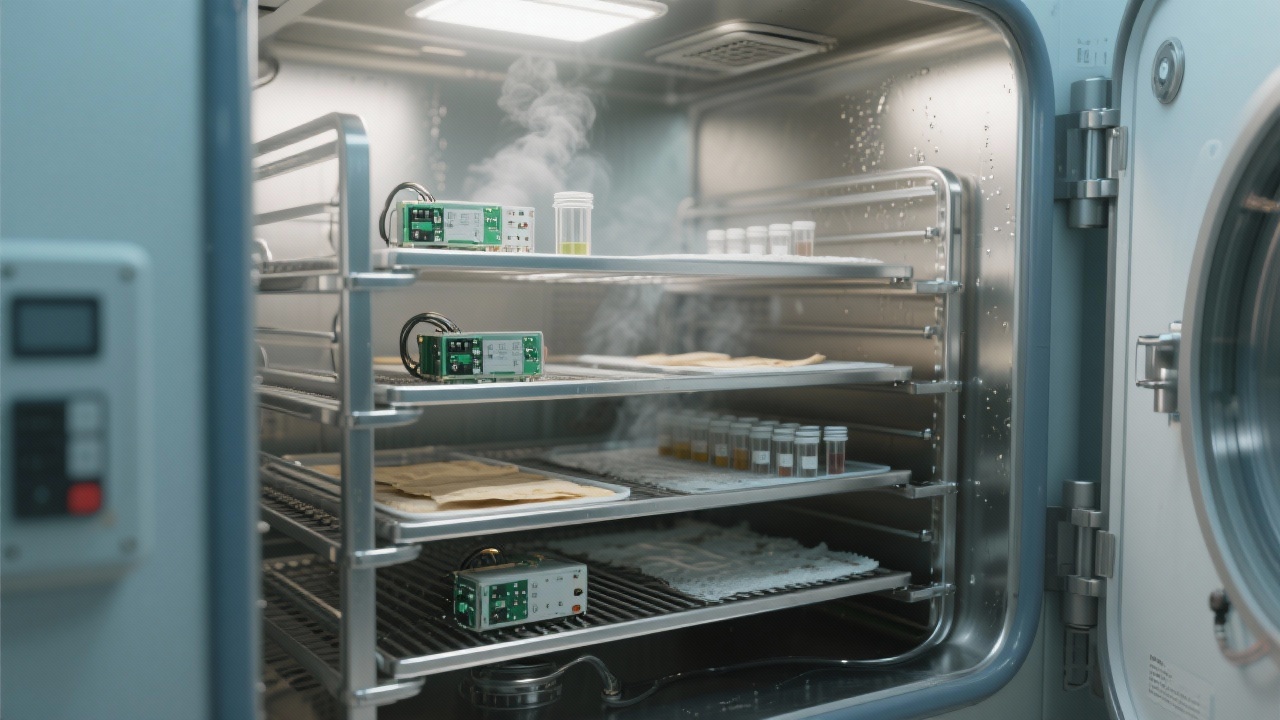
In chemical synthesis, the capacity of the vacuum drying oven affects the amount of reactants that can be processed at one time. A larger capacity can increase production efficiency. Regarding the vacuum degree, a lower vacuum can prevent oxidation and side - reactions during the drying process. For example, in the synthesis of some organic compounds, a vacuum degree of 10 - 50 Pa can significantly improve the purity of the final product. Temperature control accuracy is also vital. A precise temperature control within ±1℃ can ensure the stability of the reaction rate and product quality.
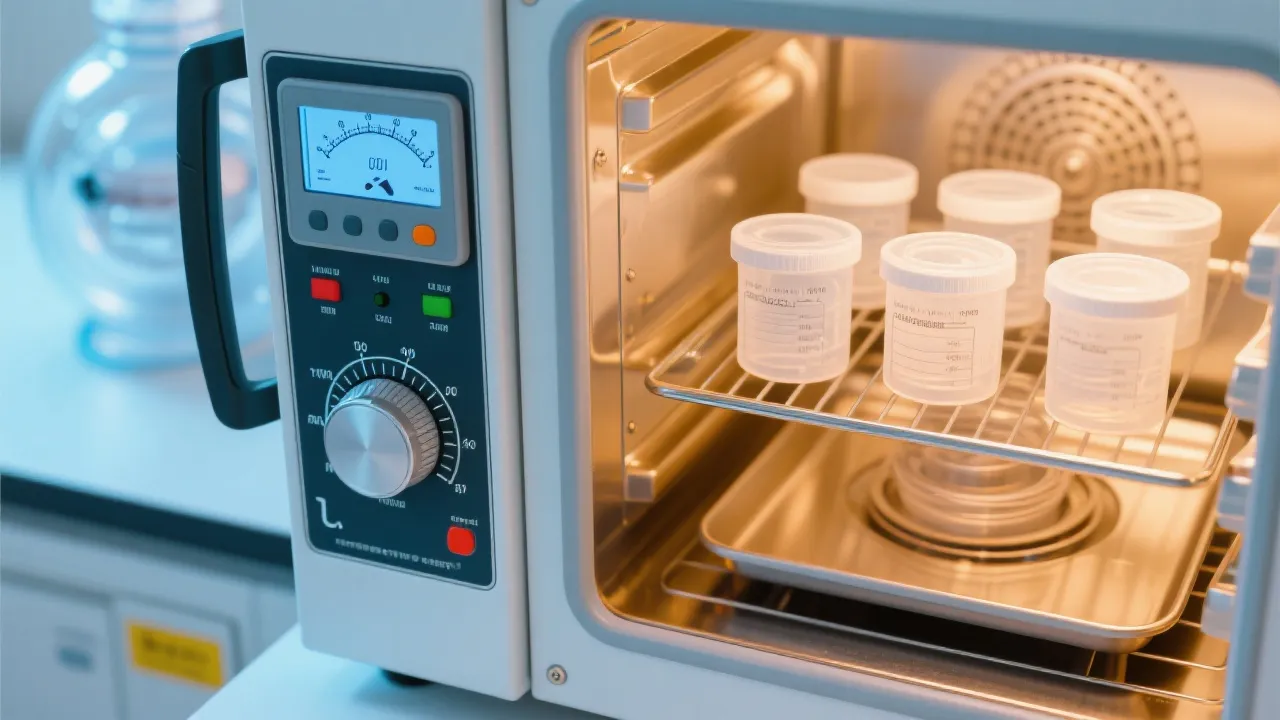
For biological sample preservation, a moderate capacity is usually enough. The vacuum degree needs to be carefully selected to avoid damage to biological samples. A vacuum degree of around 50 - 100 Pa can effectively remove moisture while maintaining the integrity of biological molecules. The temperature control should be gentle and accurate. For example, a temperature range of 20 - 50℃ with an accuracy of ±1℃ can prevent the degradation of biological samples.
In industrial heat treatment, large - capacity ovens are often required. The vacuum degree can affect the surface quality and internal structure of the treated materials. A very low vacuum degree (less than 10 Pa) can be used for high - performance metal heat treatment to reduce surface oxidation and improve material properties. Temperature control accuracy is crucial for achieving the desired heat - treatment effects. A temperature control accuracy of ±1℃ can ensure consistent product quality.
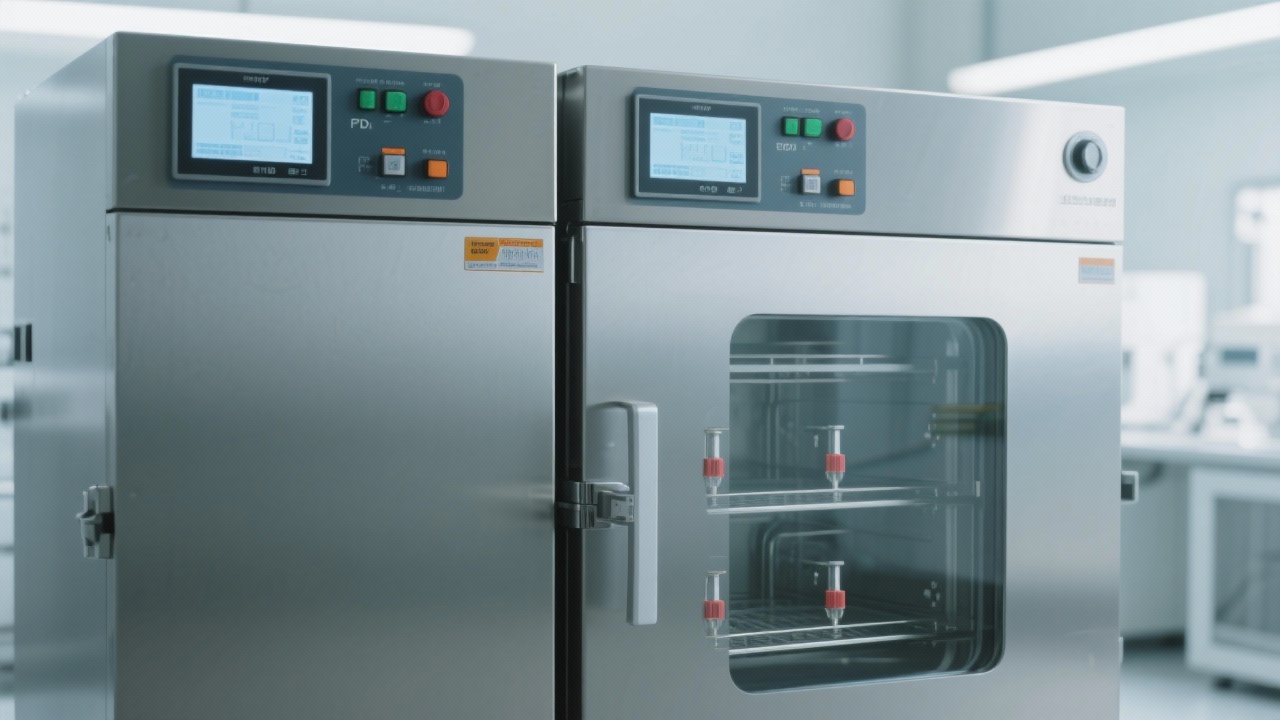
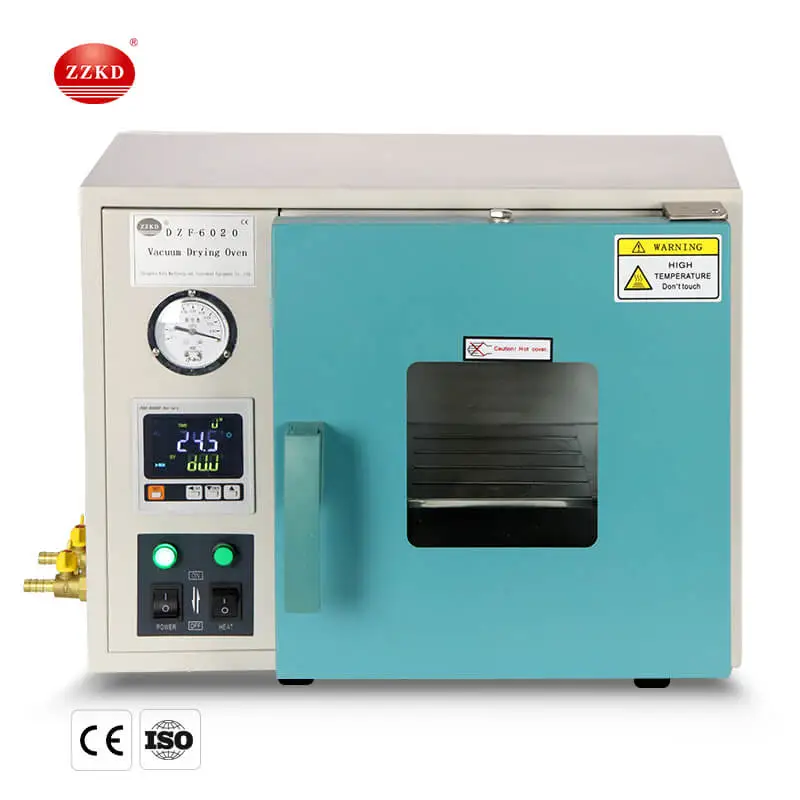
Compared with mainstream products in the market, the DZ - 3BCII digital vacuum drying oven from Zhengzhou KeDa has several outstanding advantages. In terms of stability, it can maintain a stable vacuum degree of less than 133 Pa for a long time, ensuring consistent drying results. Its four - wall uniform heating technology and intelligent PID temperature control system can achieve a temperature control accuracy of ±1℃, providing a stable experimental environment.
In terms of operation convenience, the DZ - 3BCII is equipped with an intuitive control panel, allowing users to easily set and adjust parameters. Its durable design, made of high - quality materials, can withstand long - term use in various experimental environments.
To make a more informed decision when choosing a vacuum drying oven, you can follow a practical selection framework. First, consider the type of your samples. Are they chemical compounds, biological samples, or industrial materials? Different sample types have different requirements for capacity, vacuum degree, and temperature control.
Based on the sample type, determine the required capacity. Then, think about the vacuum requirements. Your experiment needs which vacuum level? This can be determined by referring to relevant industry standards or previous experimental experience. Finally, consider the temperature control accuracy. For high - precision experiments, a more accurate temperature control system is necessary.
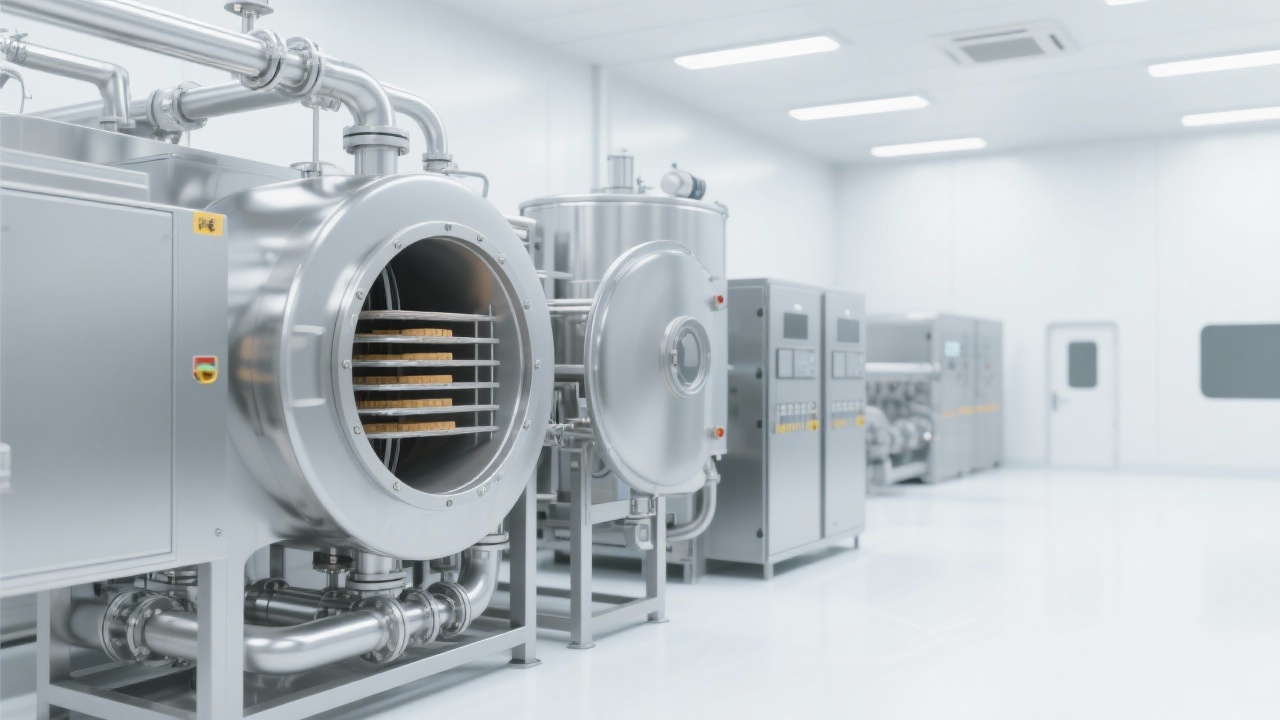
Industry standards and customer feedback can also enhance the credibility of your selection. Many users have reported that the DZ - 3BCII meets their experimental needs well and provides high - quality drying results.
Let every drying be precisely controllable — DZ - 3BCII, boost your scientific research!