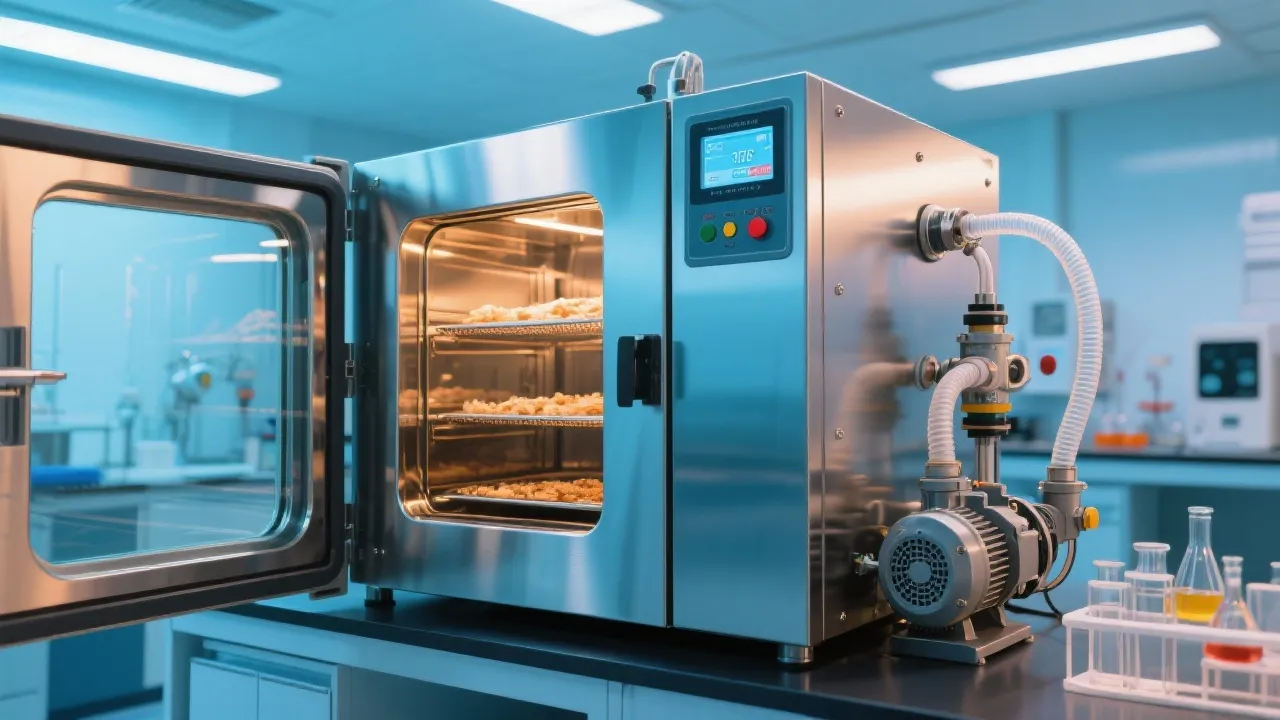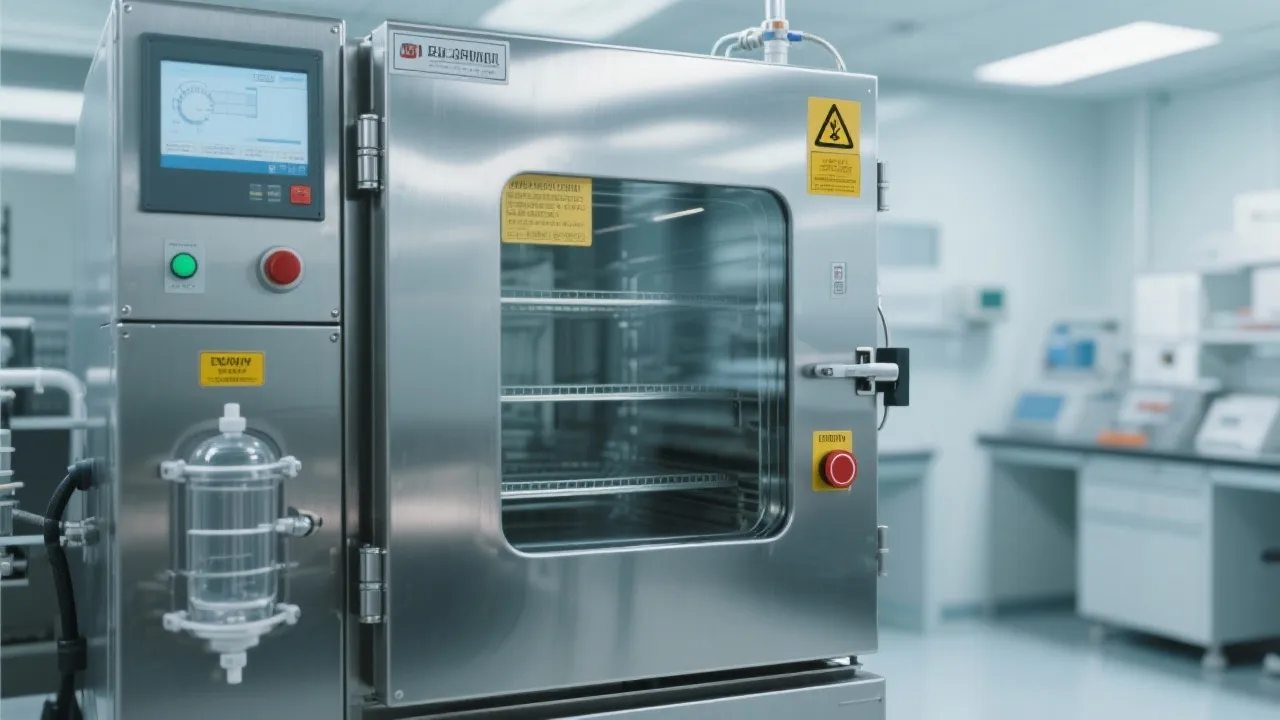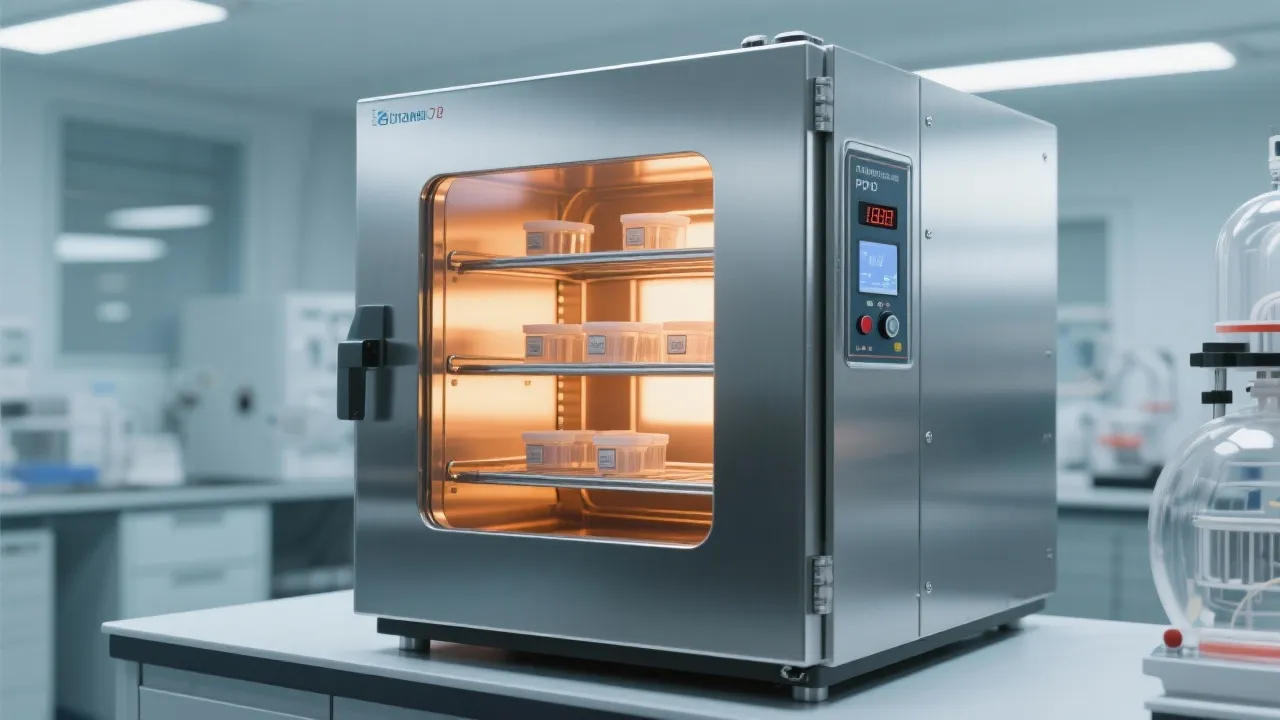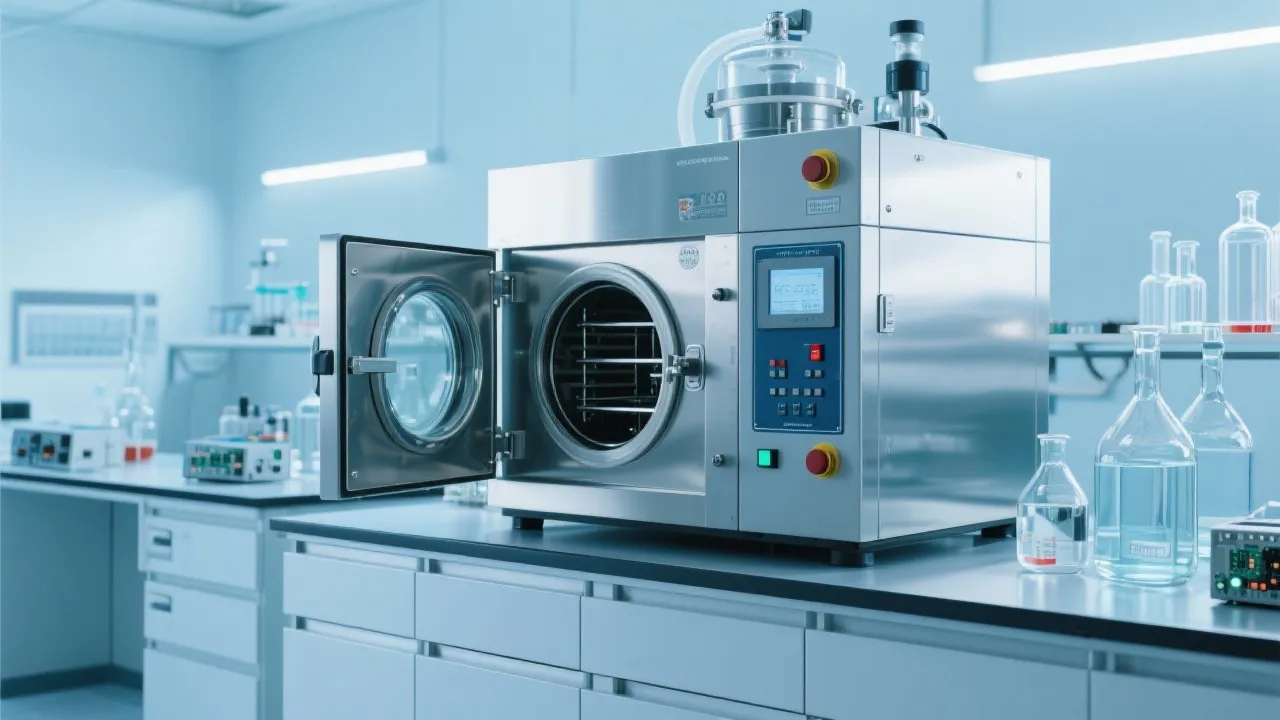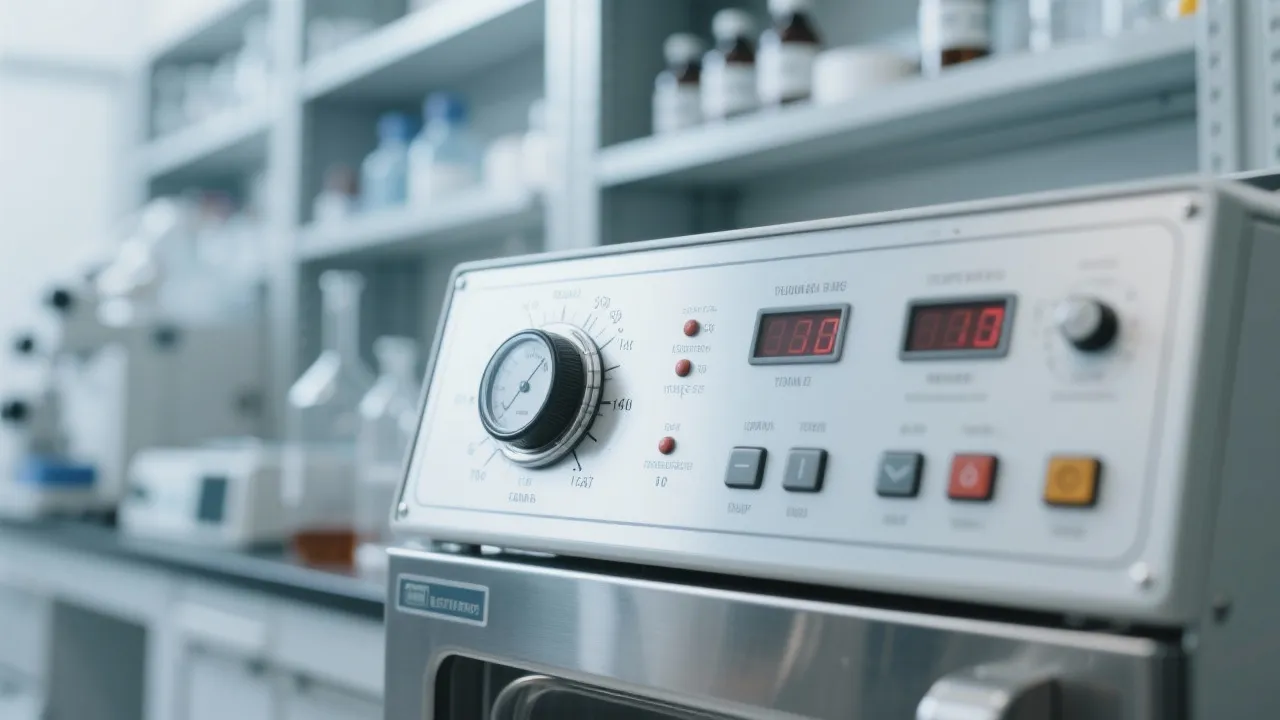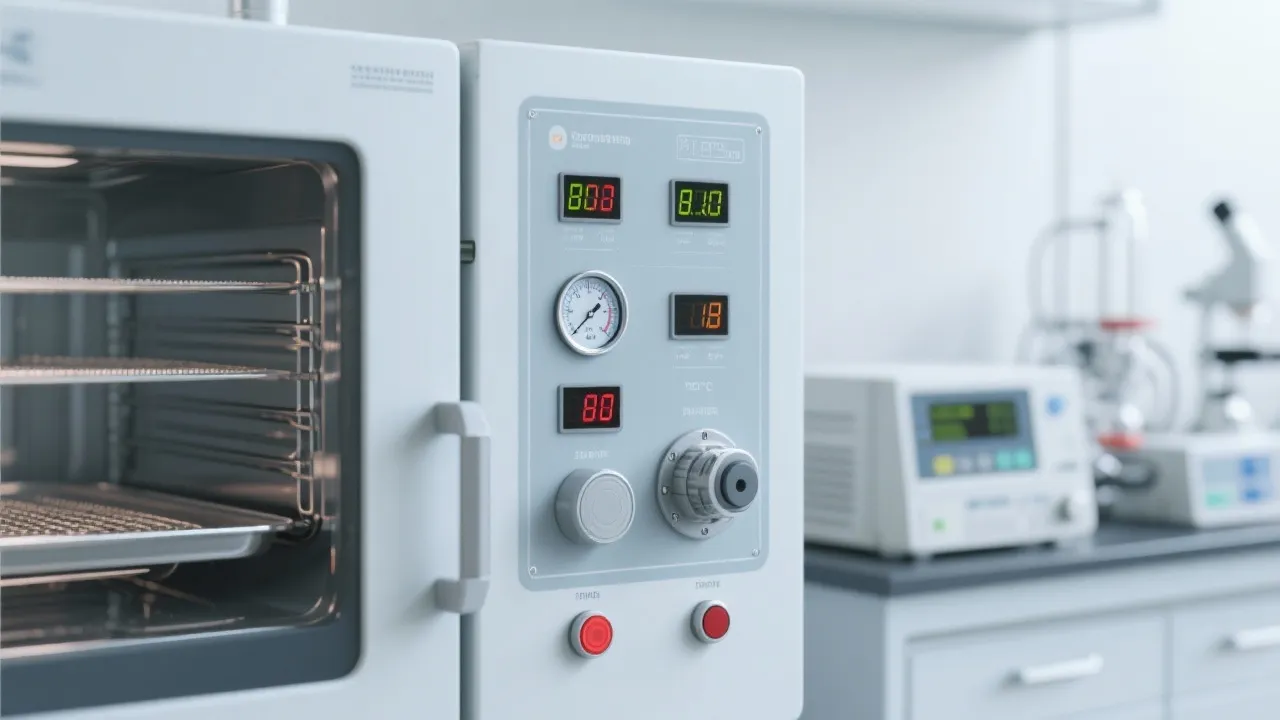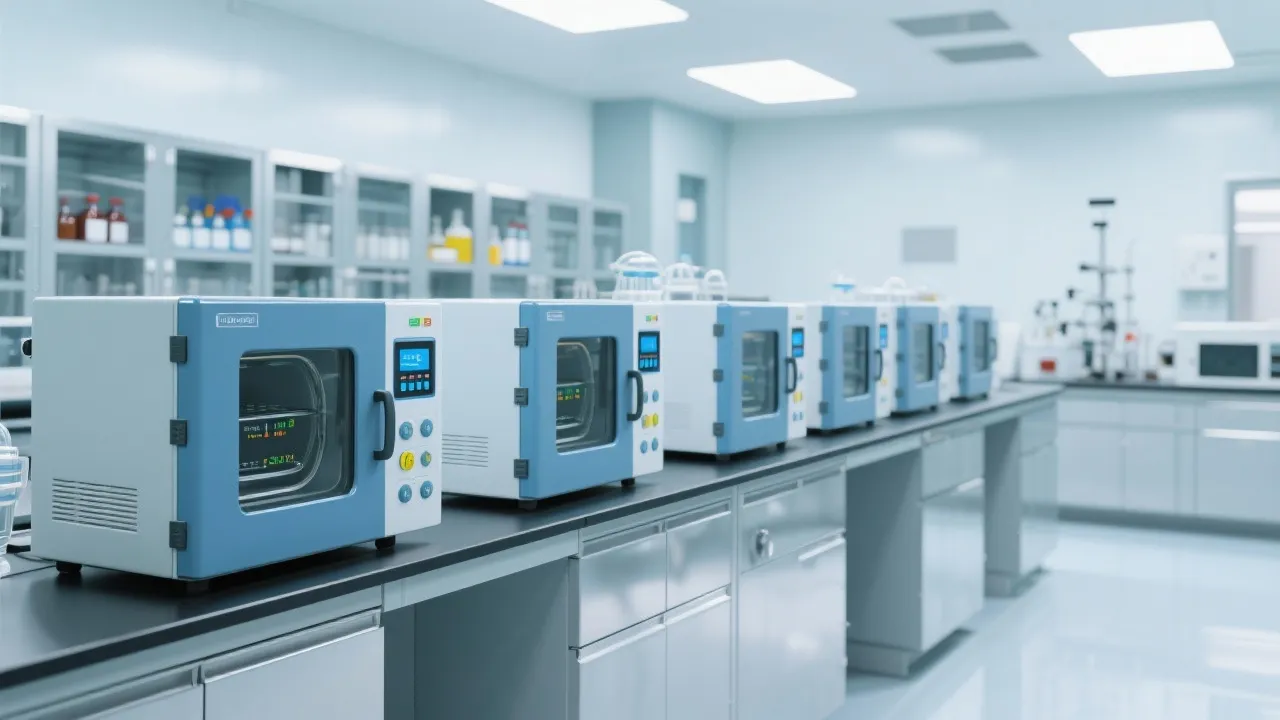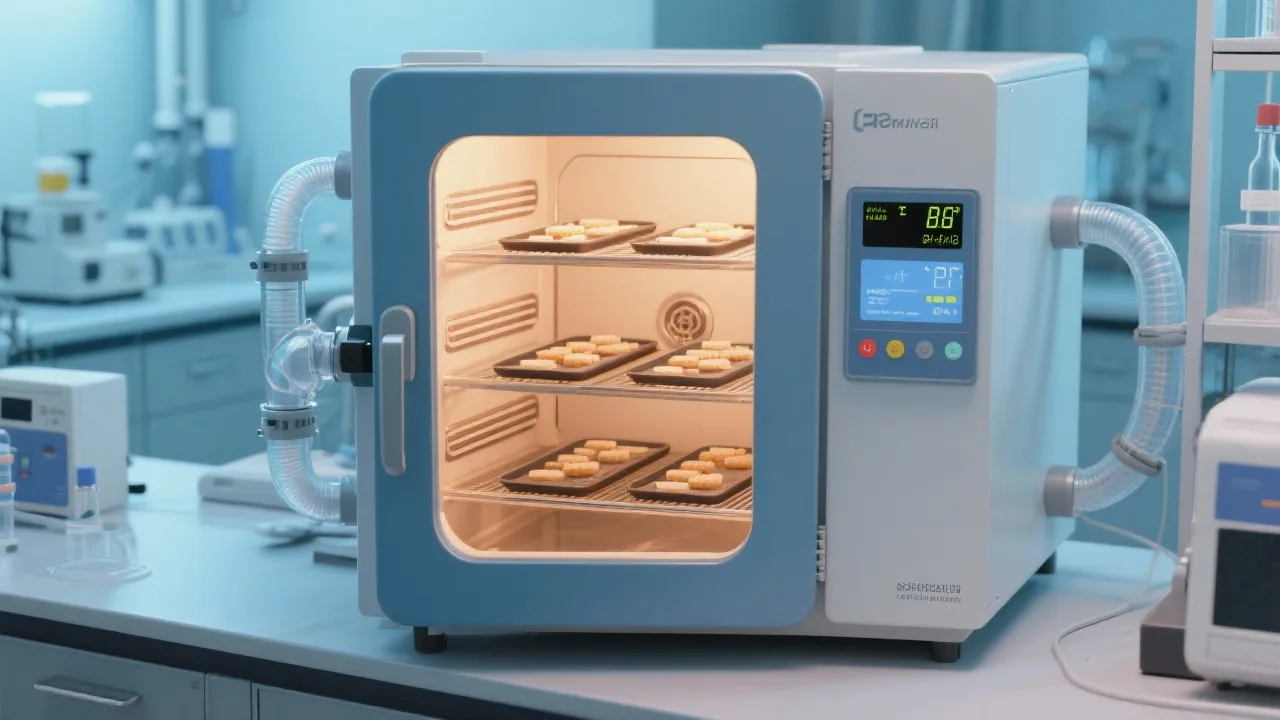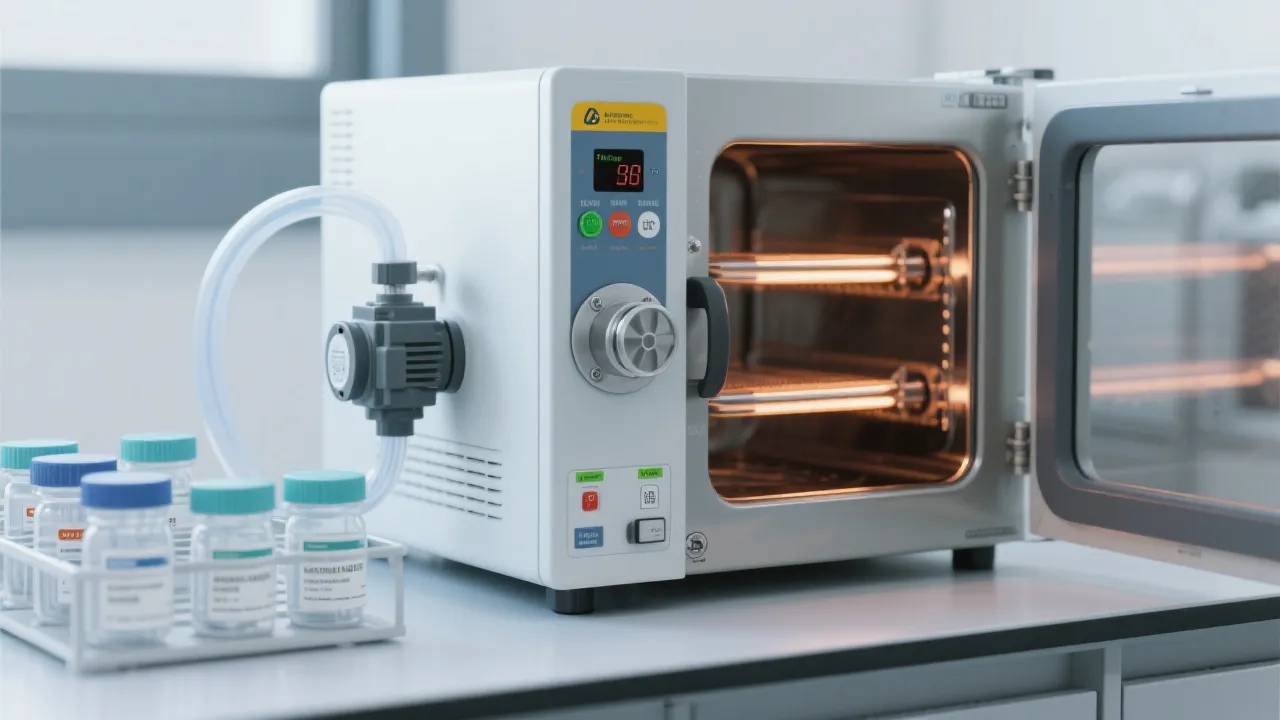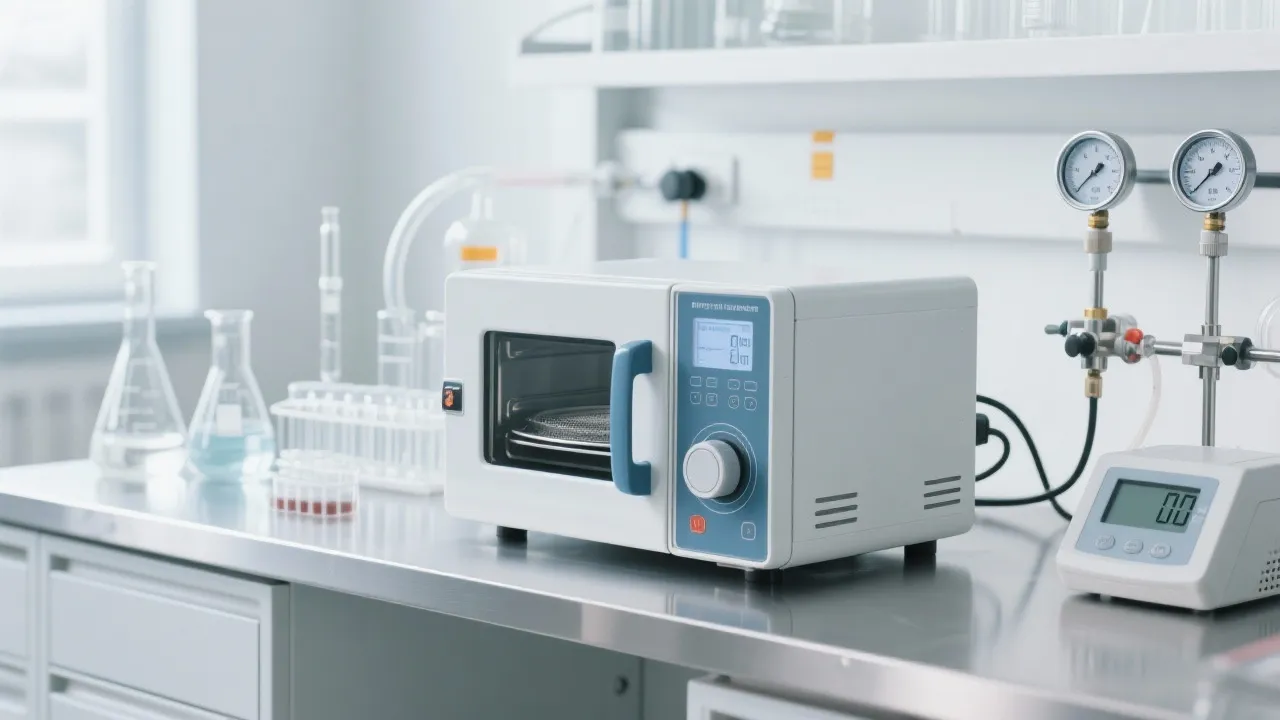
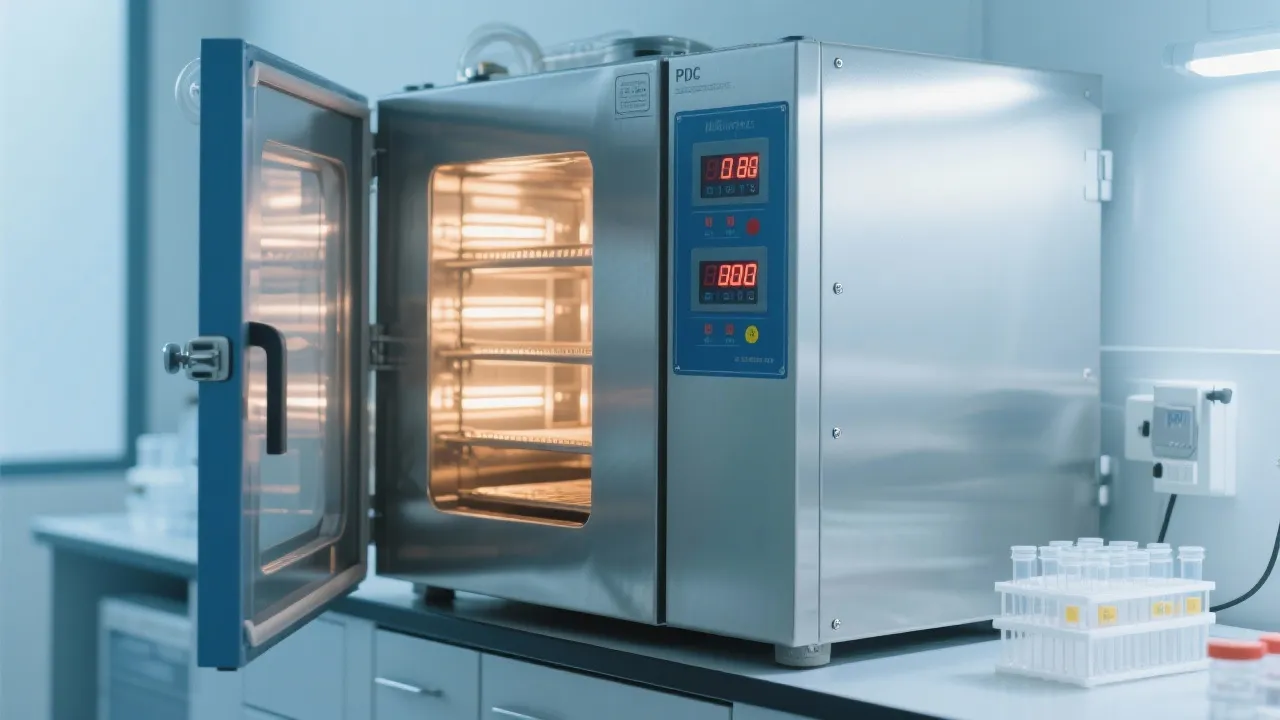
You’re not just buying equipment—you're investing in reproducibility, safety, and data integrity. In research labs, even a 1°C deviation can compromise your results. That’s why selecting the right digital vacuum drying oven starts with two non-negotiables: temperature control precision and internal chamber material.
A ±2°C temperature variance across the chamber may seem acceptable—but it's often unacceptable for sensitive biological samples or semiconductor components. Studies show that inconsistent heating leads to up to 30% higher failure rates in dried cell cultures (Journal of Laboratory Automation, 2023). For critical applications like protein preservation or electronic component aging tests, you need PID-controlled systems with uniformity within ±0.5°C.
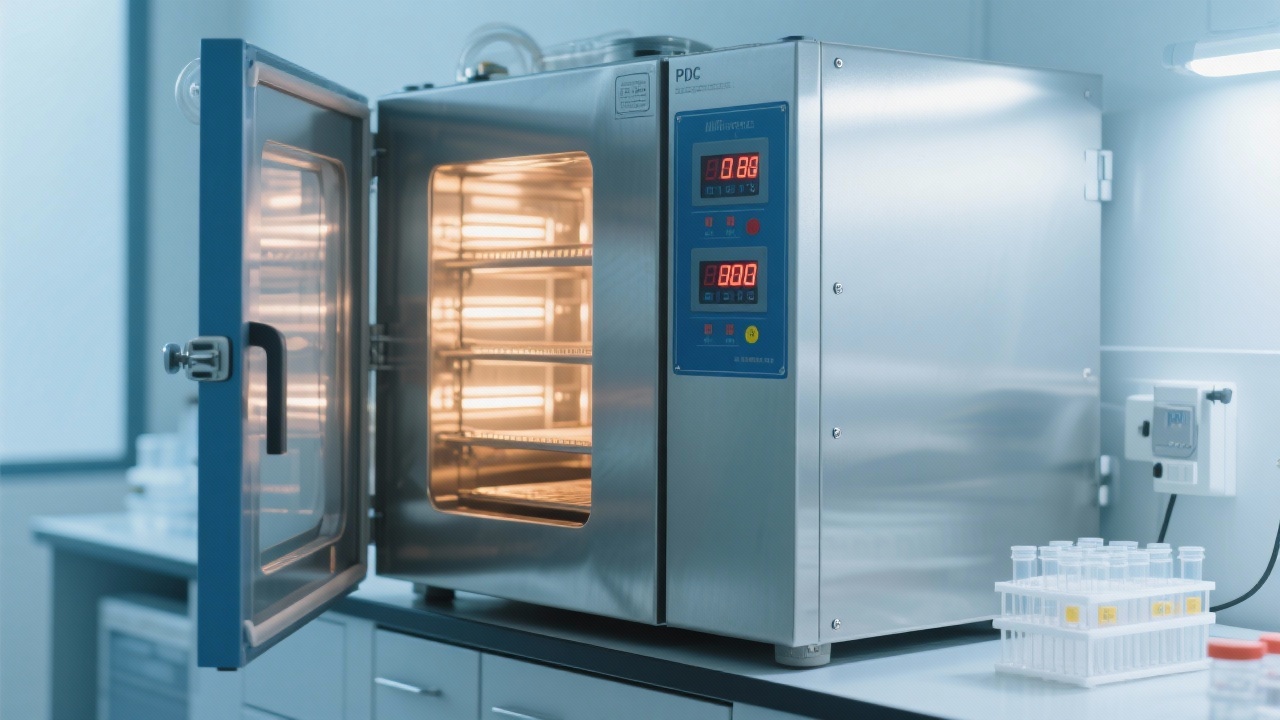
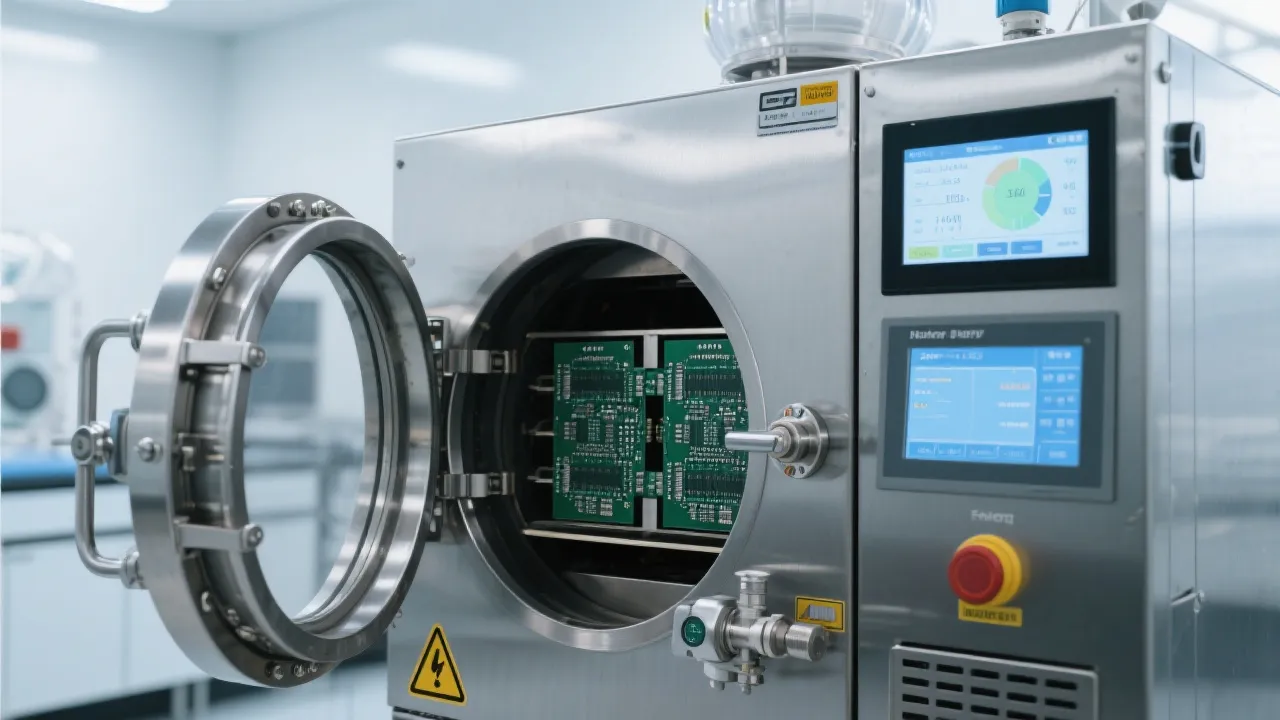
Many researchers overlook inner chamber material until corrosion appears—often after months of use. While carbon steel may look cost-effective initially, its oxidation risk increases by 7x compared to 316L stainless steel under repeated vacuum cycles (ASTM A240 standards). Not only does this affect sample purity, but it also raises maintenance costs and downtime. If your lab handles acids, bases, or organic solvents, 316L is the only viable option.
“In our university lab, switching from carbon steel to 316L reduced contamination incidents by 85% over 18 months.” — Dr. Lena Zhao, Materials Science Lead at ETH Zurich
High-vacuum models (≤1 mbar) are essential when drying moisture-sensitive materials like lyophilized vaccines or printed circuit boards. Mid-range vacuums (~10–50 mbar) might save energy, but they leave residual oxygen that degrades heat-sensitive compounds. Think of it as choosing between a dry room and a controlled environment—your experiment deserves both.
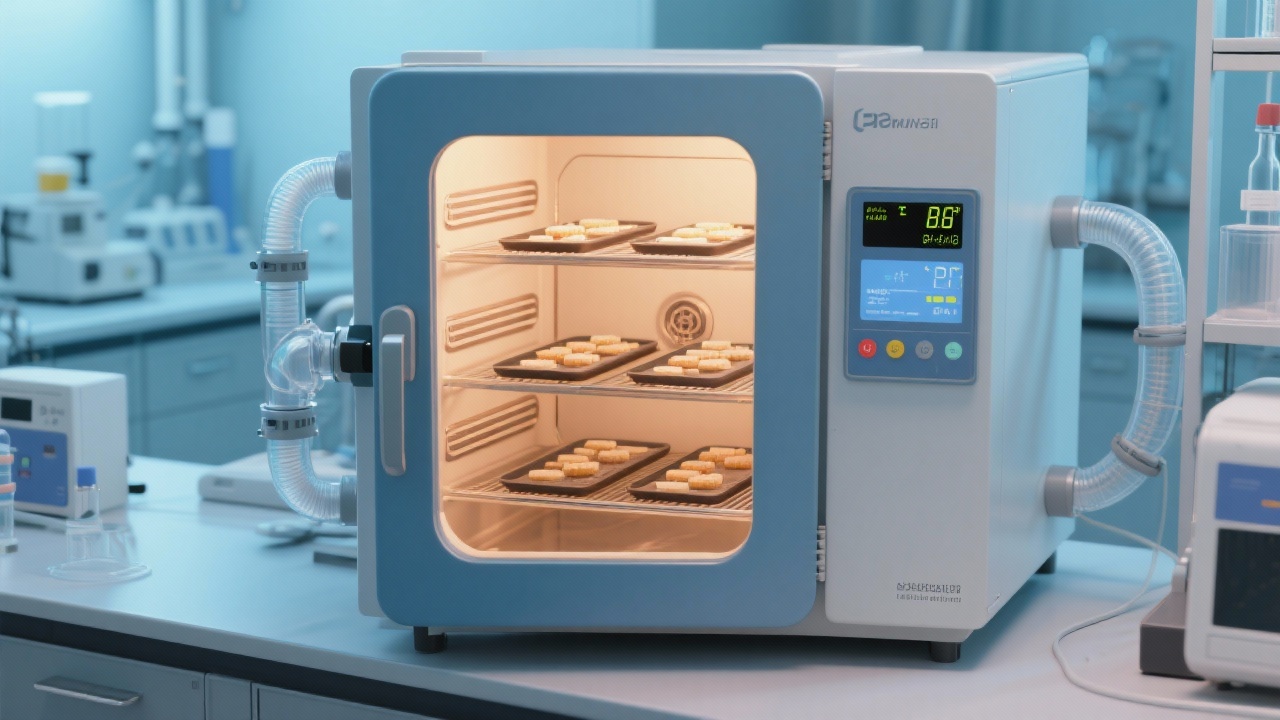
And here’s what most buyers miss: long-term durability isn’t just about initial specs—it’s about real-world performance. One study found that 62% of labs reported unexpected failures within 12 months due to poor thermal insulation design—not because of faulty electronics.
Don’t let generic features blind you to your actual needs. Whether you're optimizing workflows for academic research or scaling up industrial pre-treatment processes, understanding these core factors ensures better outcomes—and fewer wasted hours.
Download our free Research-Grade Vacuum Drying Oven Selection Guide (PDF), packed with expert tips, case studies, and a printable checklist tailored for labs like yours.
Get the Free PDF Now