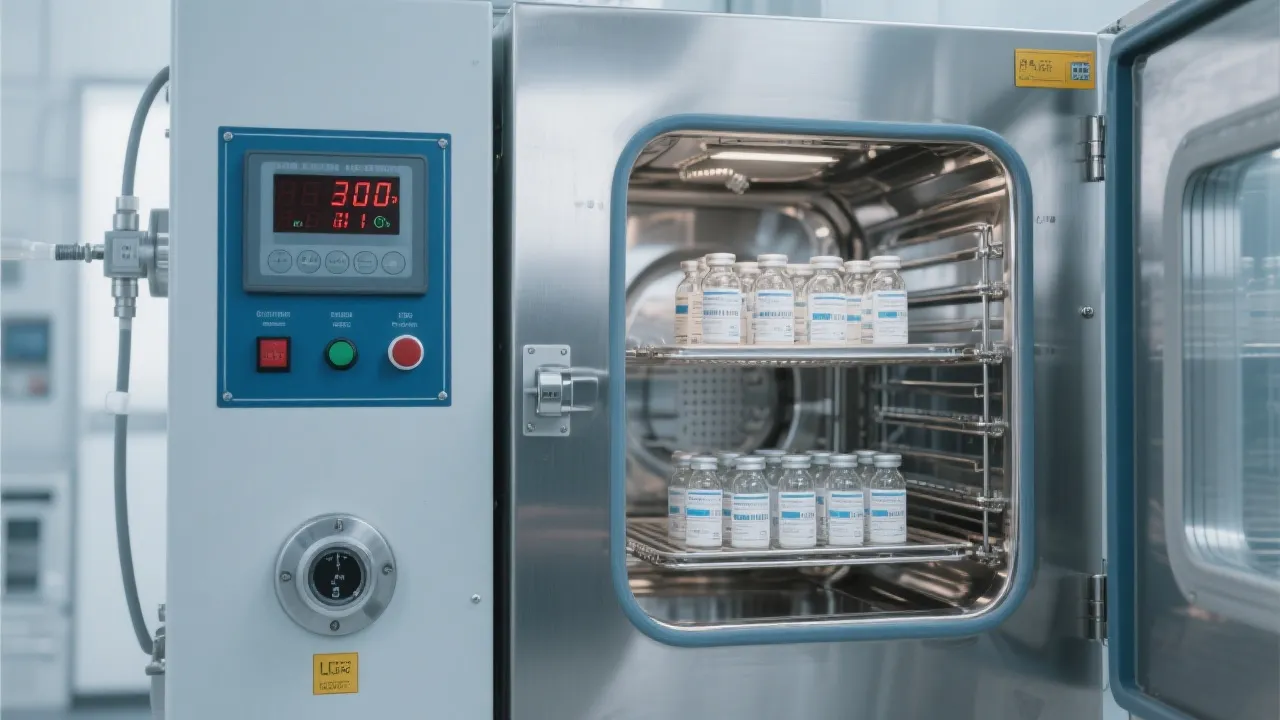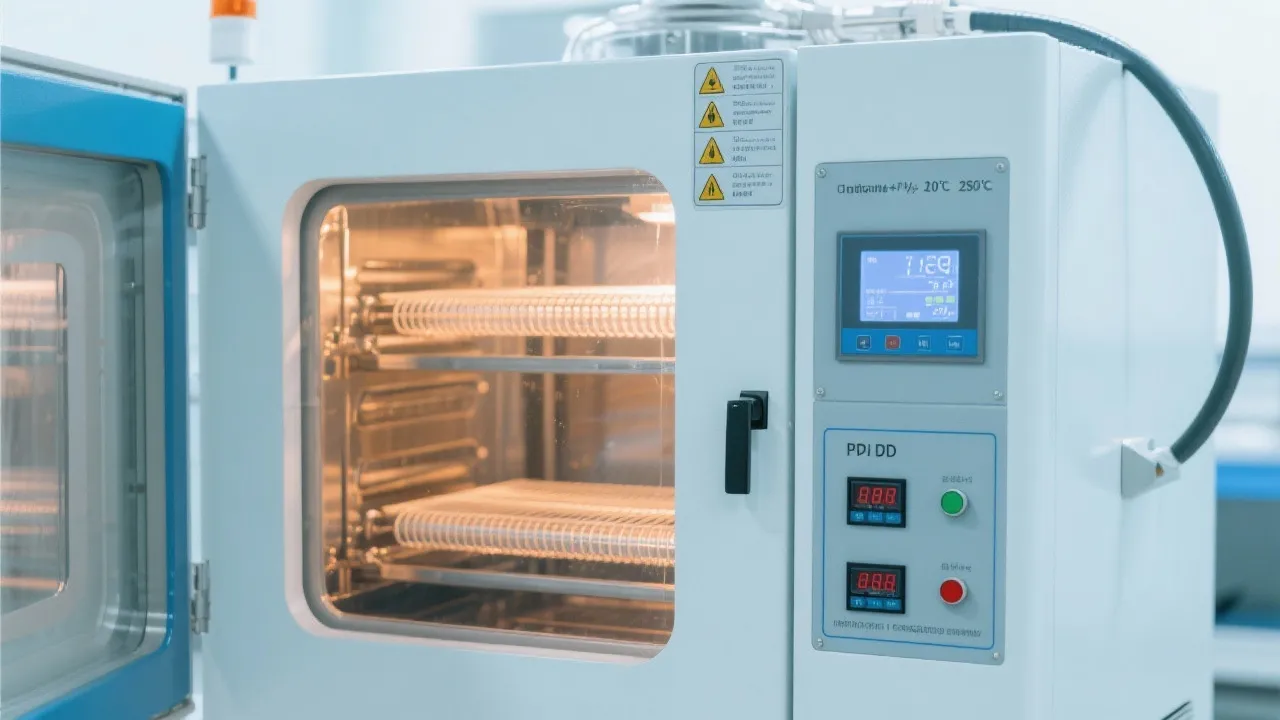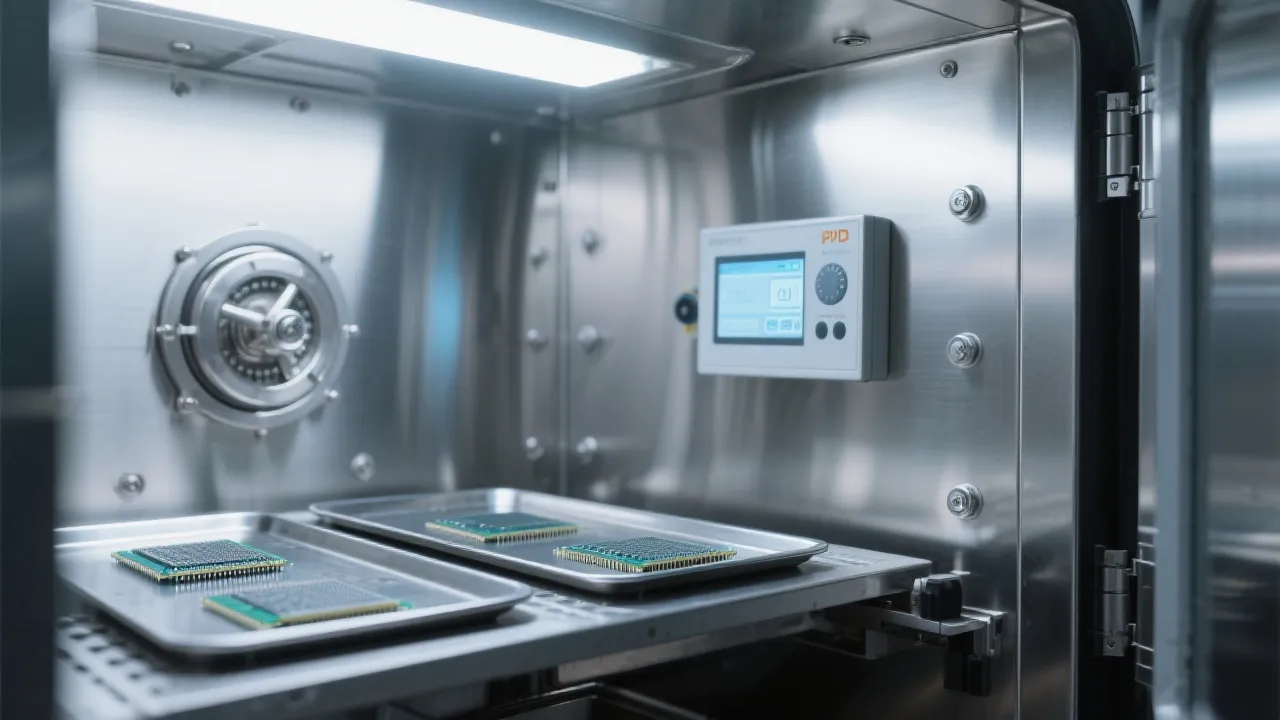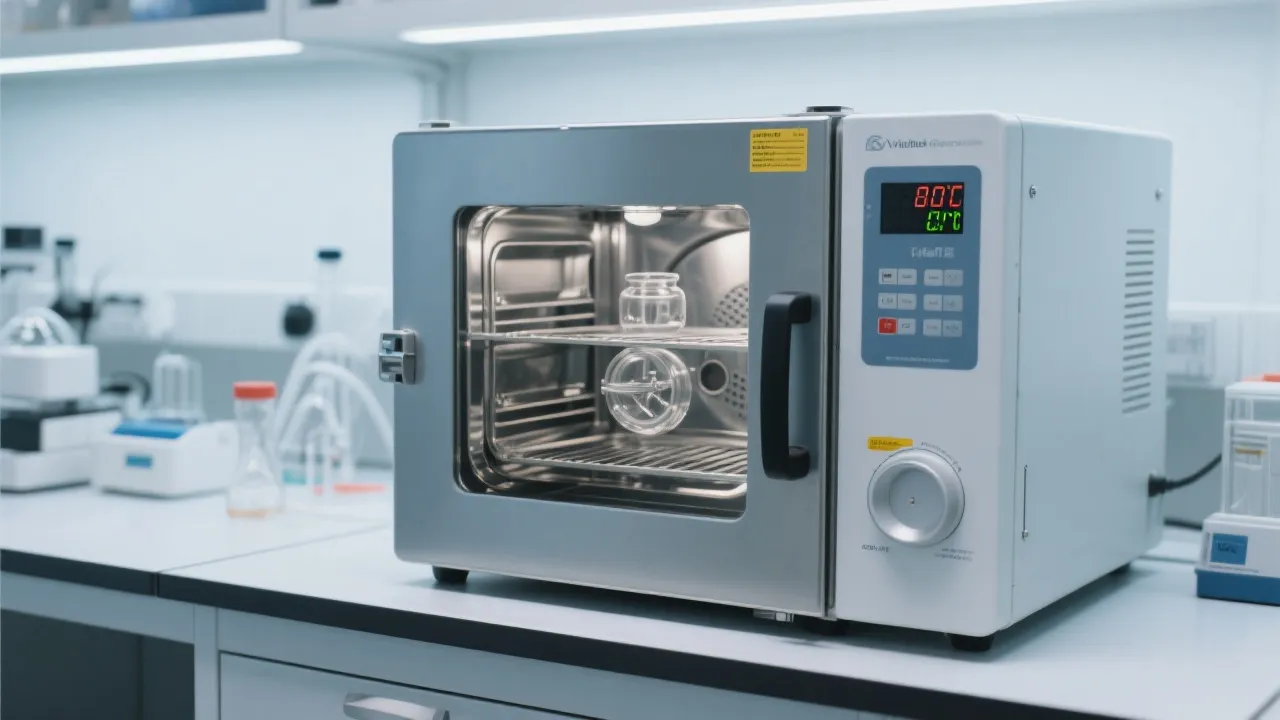
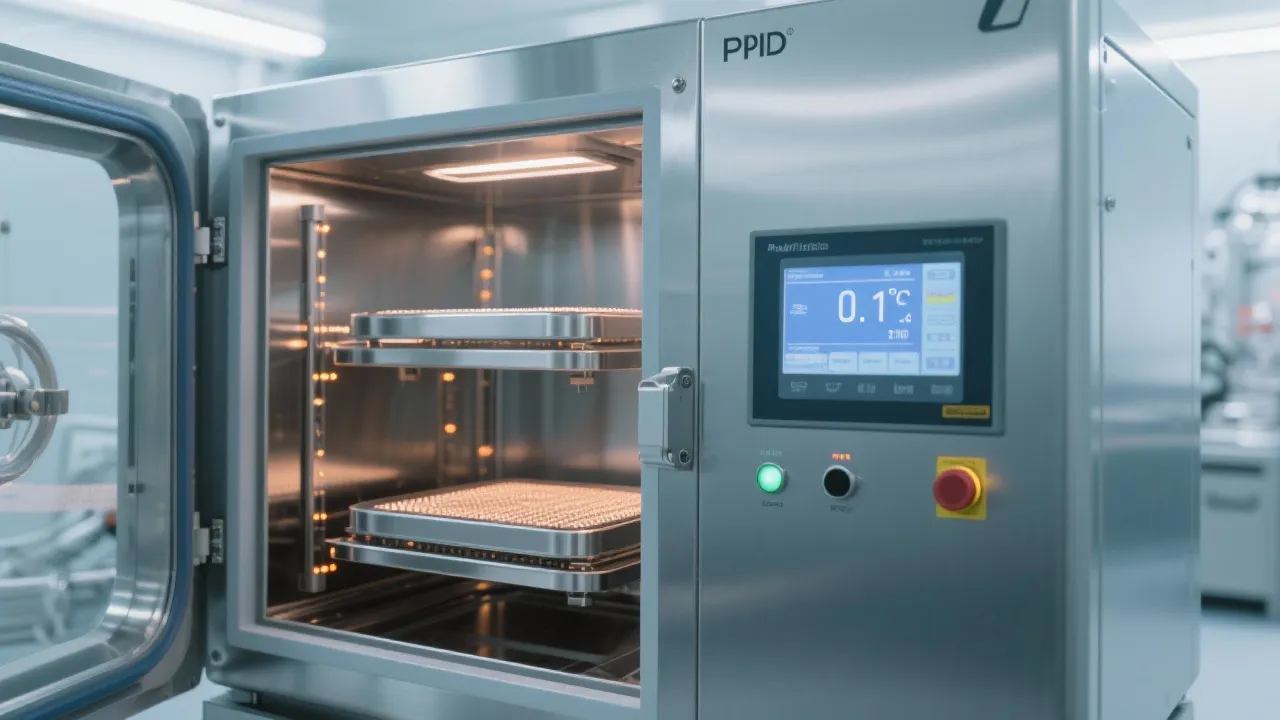
Digital temperature control systems have become the cornerstone of modern drying equipment, especially with the integration of PID (Proportional - Integral - Derivative) control technology. The digital temperature control system operates by continuously monitoring the temperature of the drying equipment. It then uses the PID algorithm to calculate the difference between the set temperature and the actual temperature, and adjusts the heating or cooling elements accordingly.
For example, in a drying oven, the PID control technology can adjust the power of the heating elements in real - time. When the actual temperature is lower than the set temperature, it increases the power; when it is higher, it decreases the power. This mechanism ensures that the temperature in the drying equipment can be accurately adjusted. According to industry research, using PID control technology can improve the temperature control accuracy of drying equipment by up to 95%.
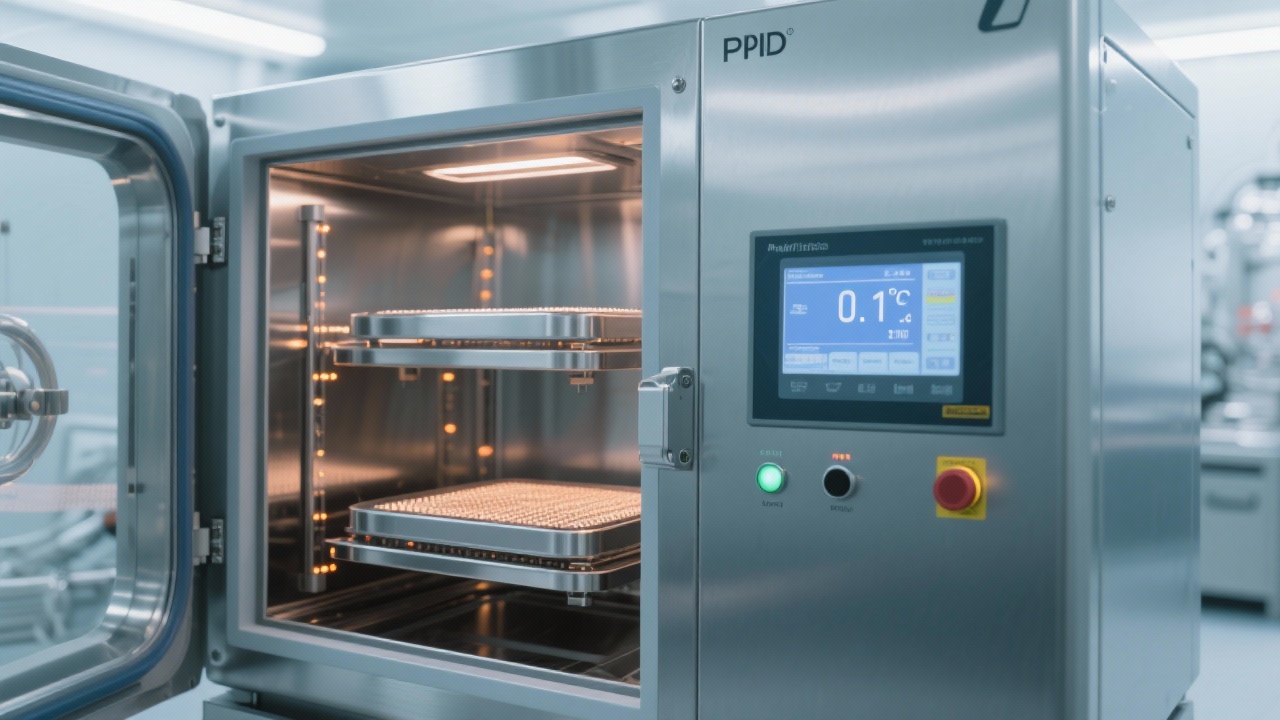
Setting and adjusting PID parameters correctly is crucial for improving the system's response speed and control accuracy. Different drying requirements need different PID parameter settings. For instance, in a high - precision drying process for electronic components, the proportional parameter should be set relatively high to ensure a fast response to temperature changes. The integral parameter can be adjusted to eliminate any long - term temperature deviation, and the derivative parameter helps to predict future temperature changes and make timely adjustments.
By optimizing these parameters, the system can respond to temperature changes more quickly. In some cases, it can reduce the temperature adjustment time by 30%, greatly improving the drying efficiency.
The combination of four - wall uniform heating and intelligent PID control has significant advantages. Four - wall uniform heating ensures that the temperature in the drying equipment is evenly distributed. When combined with intelligent PID control, it can further enhance the stability of the temperature. This combination can maintain the temperature within a very small error range, usually within ±0.5°C. This high - precision temperature control is essential for ensuring the quality of samples, especially in fields such as material research and biological pharmaceuticals.
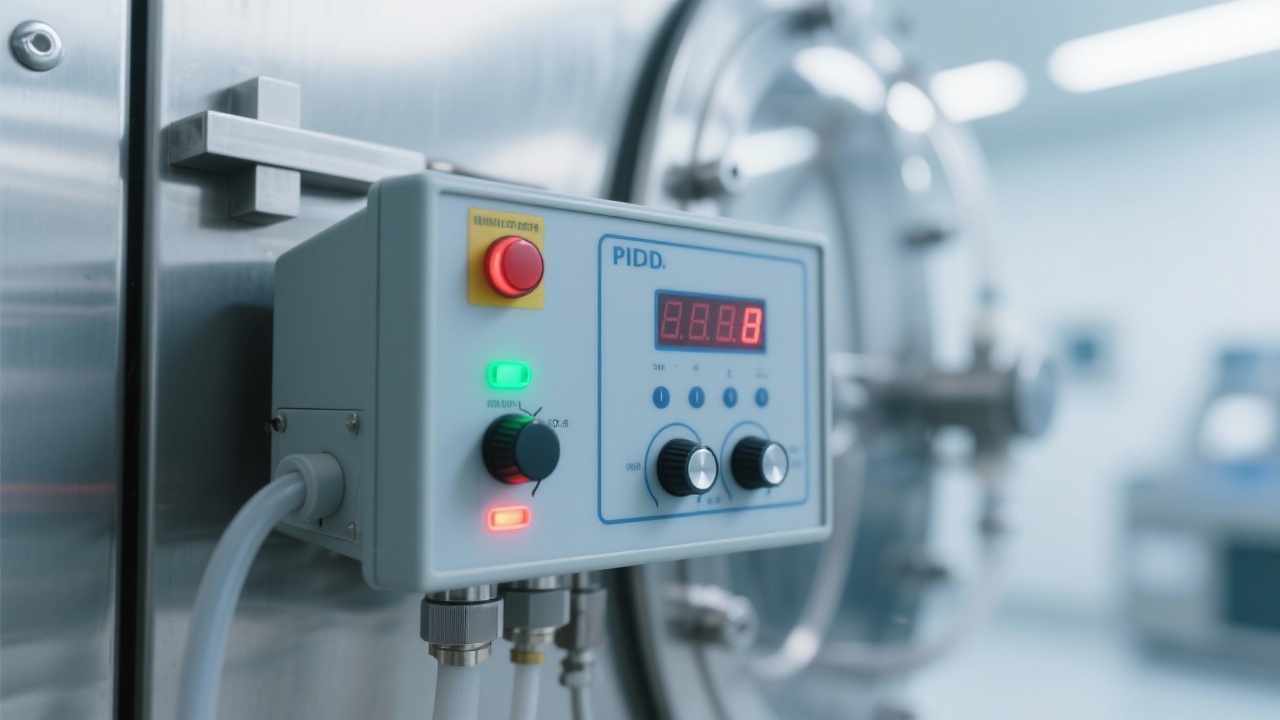
In the field of material research, a research institute used a digital temperature control system with PID technology in a drying experiment. By accurately controlling the temperature, they were able to improve the quality of the materials by 20%. In the biological pharmaceutical industry, a pharmaceutical company used a similar system in the drying process of drugs. This ensured the stability of the drug's active ingredients and improved the production efficiency by 15%. In the electronic component industry, a manufacturer used the system to dry electronic components, reducing the defect rate by 10%.
During the operation of the drying temperature control system, users may encounter some problems. For example, the temperature may fluctuate greatly, or the system may respond slowly. These problems can usually be solved by adjusting the PID parameters, checking the heating elements, or cleaning the sensors. By providing these solutions, users can quickly solve the problems they encounter and ensure the normal operation of the drying equipment.
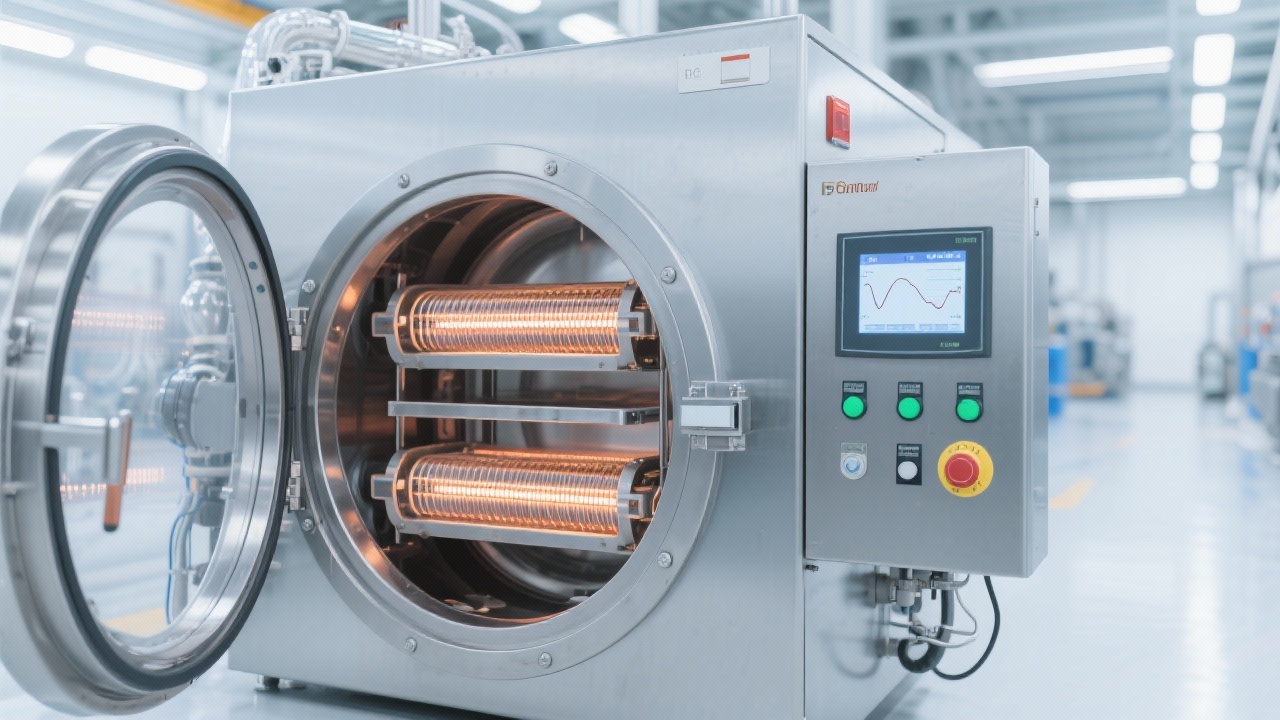
The future of digital temperature control technology is full of potential. With the development of artificial intelligence and the Internet of Things, drying temperature control systems will become more intelligent. They will be able to self - adjust parameters based on different drying materials and processes, and can be remotely monitored and controlled. This will further improve the efficiency and accuracy of the drying process.
Are you looking for a high - quality drying temperature control system for your industry? Discover our professional drying equipment solutions at CTA - URL and take your drying process to the next level!