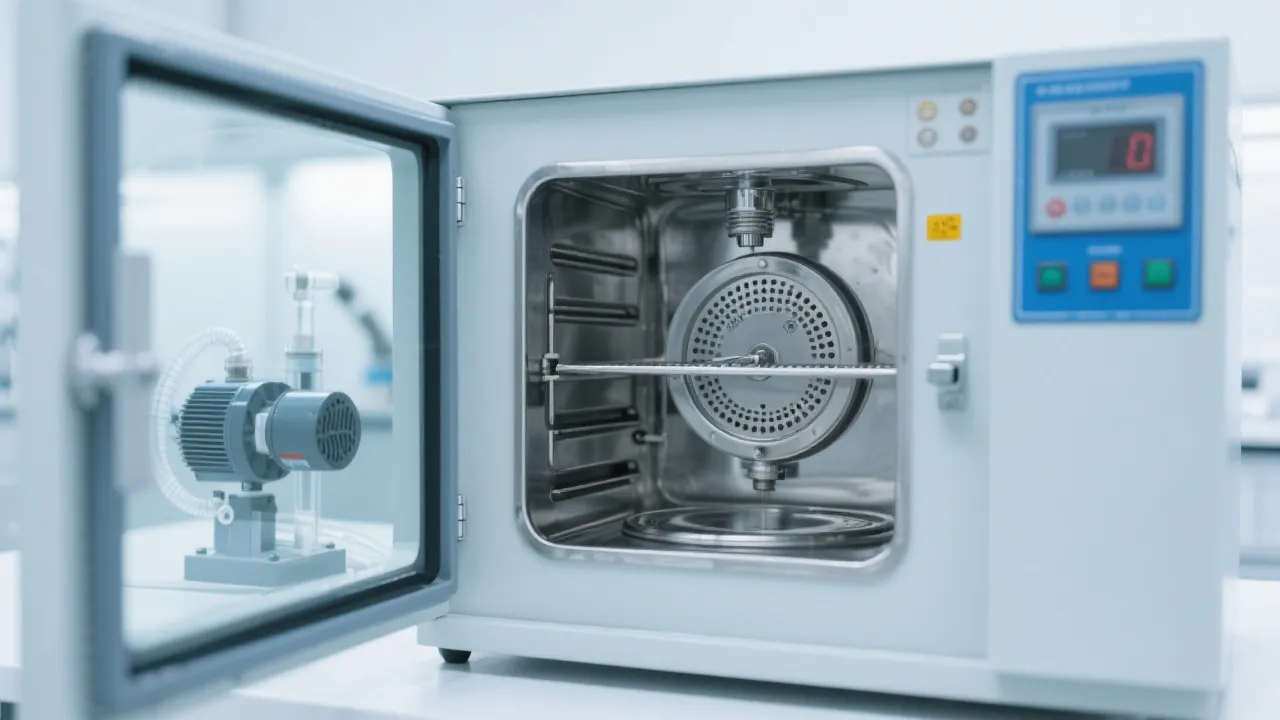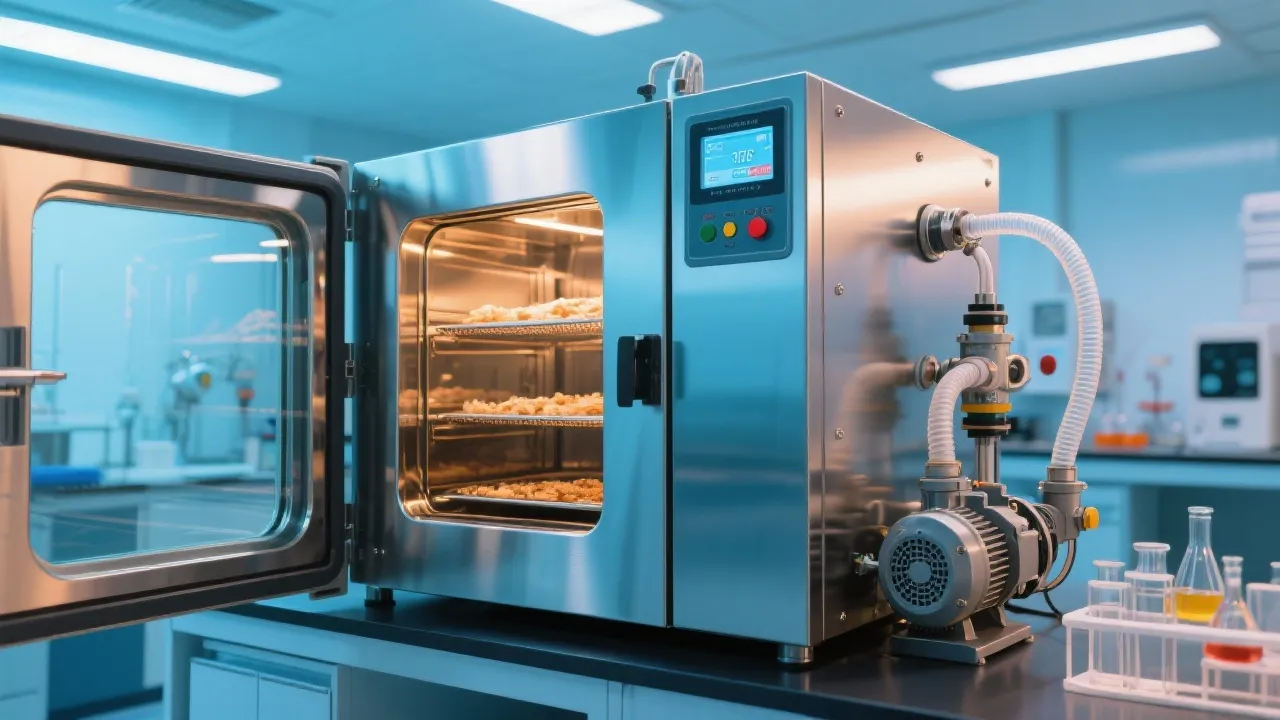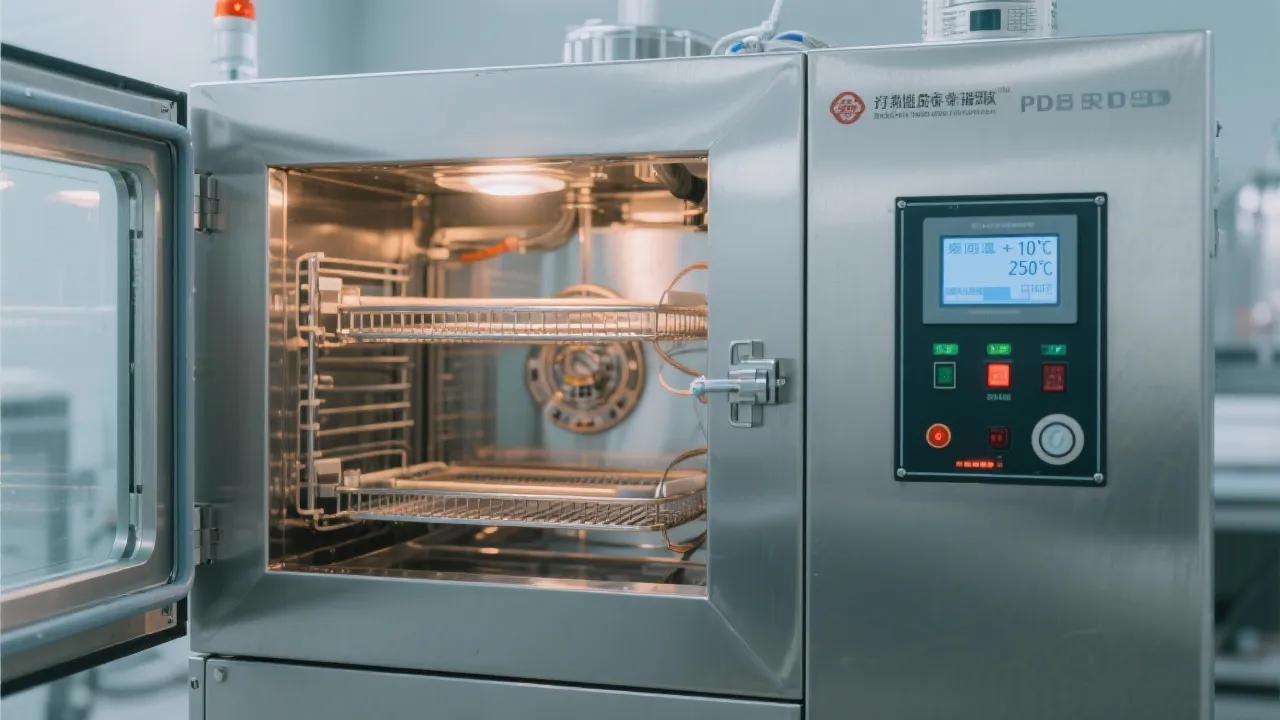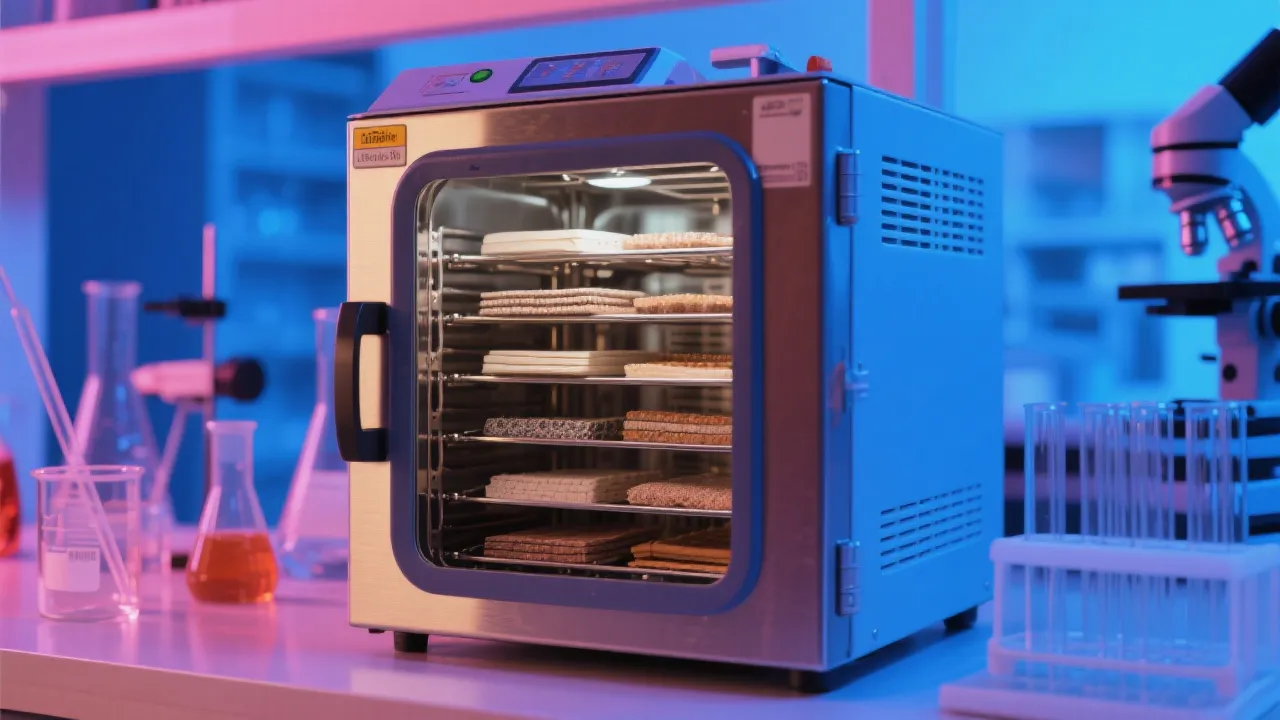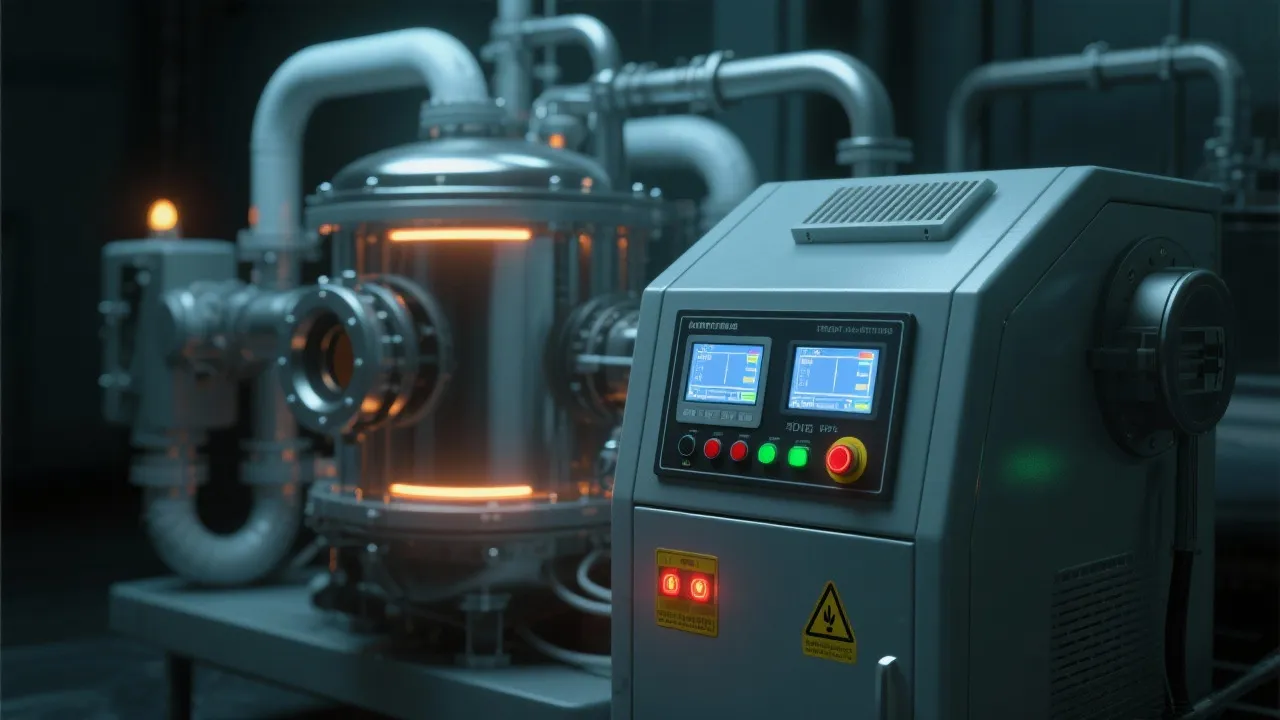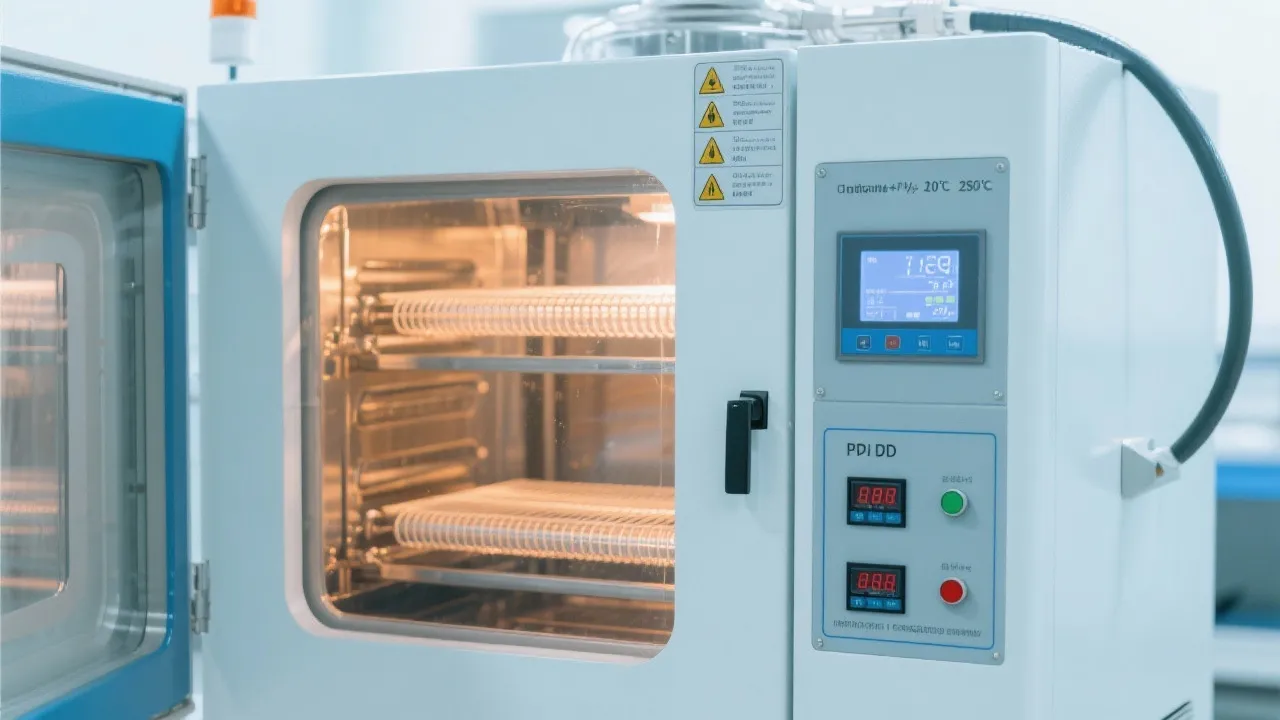
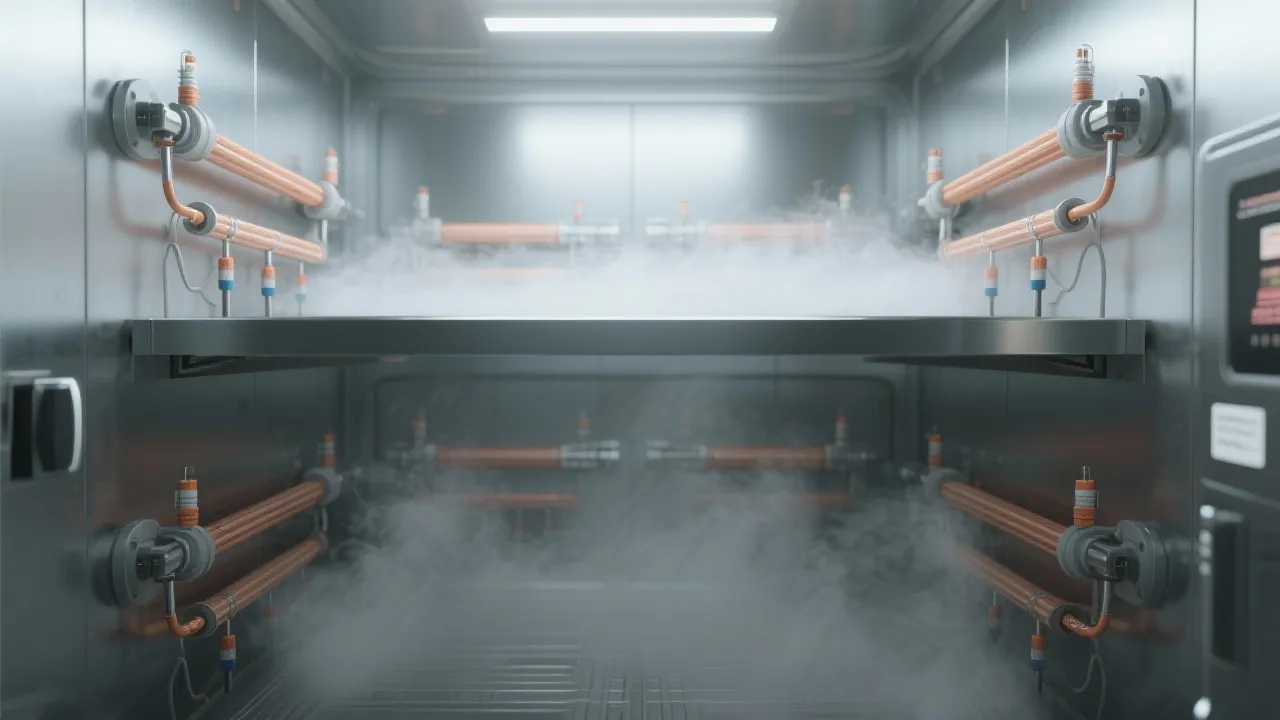
In the field of electronic component manufacturing, the choice of drying method plays a crucial role in determining the quality and efficiency of the curing process. This article delves deep into the application and differences between atmospheric drying and vacuum drying in the curing of electronic components. We will explore the working principles of vacuum drying, its temperature control technology, and the types of vacuum pumps, aiming to help users make a scientific and informed decision on the most suitable drying method.
Vacuum drying operates on the principle that under a vacuum environment, the boiling point of water in the material is significantly reduced. As a result, the moisture in the electronic components can evaporate at a lower temperature, effectively avoiding the oxidation that may occur during high - temperature drying. For example, in a normal atmospheric environment, water boils at 100°C, but in a vacuum environment with a pressure of 100 Pa, water can start to evaporate at around 40°C.
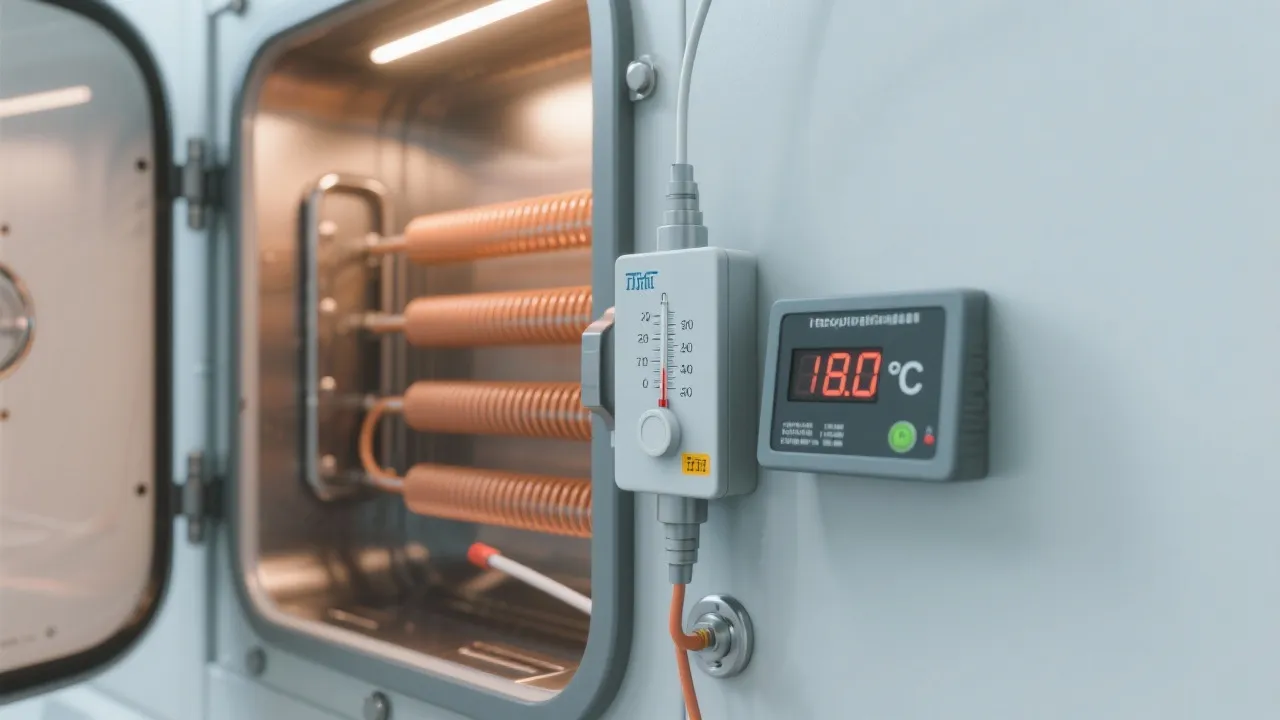
The temperature control system in a vacuum drying oven is also a key factor in ensuring the quality of the drying process. Advanced temperature control technology can maintain the temperature within a very narrow range, usually with an accuracy of ±0.5°C. This precise temperature control prevents over - heating or under - heating, which is essential for the proper curing of electronic components.
Let's compare the two drying methods in terms of efficiency, quality, and energy consumption:
| Comparison Items | Atmospheric Drying | Vacuum Drying |
|---|---|---|
| Efficiency | Relatively low. Due to the higher boiling point of water, the drying time is longer, usually taking 2 - 3 times longer than vacuum drying for the same batch of electronic components. | High. The low - temperature evaporation under vacuum significantly shortens the drying time, improving the overall production efficiency. |
| Quality | Prone to oxidation and damage to electronic components due to high - temperature drying. The quality of the cured components may be affected, with a defect rate of about 5 - 10%. | High - quality. The low - temperature drying process effectively avoids oxidation and ensures the stability and performance of electronic components, with a defect rate as low as 1 - 2%. |
| Energy Consumption | High. More energy is required to heat the air and maintain the high temperature for a long time. The energy consumption per unit of dried components is about 1.5 - 2 times that of vacuum drying. | Low. The low - temperature drying process requires less energy, reducing the overall production cost. |
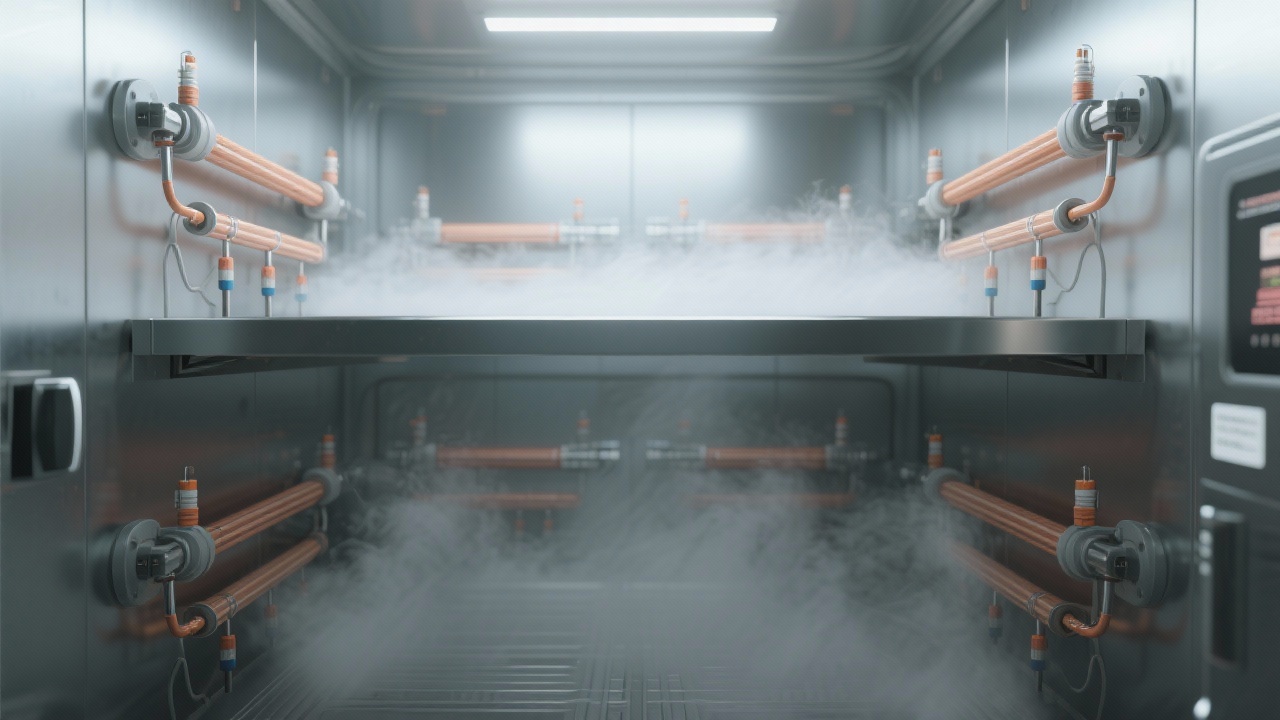
In addition to electronic component curing, vacuum drying also has wide applications in material degassing and chemical sample drying.
In material degassing, vacuum drying can effectively remove the gas in the material, improving the density and performance of the material. For example, in the production of high - performance plastics, vacuum drying can remove the dissolved air in the plastic melt, reducing the porosity and improving the mechanical properties of the plastic products.
When it comes to chemical sample drying, vacuum drying can ensure the purity and stability of the samples. Some heat - sensitive chemical samples may decompose or react at high temperatures, while vacuum drying can dry the samples at a lower temperature, preserving their chemical properties.
The choice of vacuum pump is also an important factor in vacuum drying. Different types of vacuum pumps have different performance characteristics and application scenarios. For example, rotary vane vacuum pumps are suitable for general vacuum drying applications, with a pumping speed of about 1 - 100 m³/h. Diffusion pumps, on the other hand, can achieve a higher vacuum degree and are suitable for high - precision drying applications, but their cost is relatively high.

In conclusion, vacuum drying offers significant advantages in electronic component curing and other applications compared to atmospheric drying. By choosing the right drying method and vacuum pump, users can improve production efficiency, enhance product quality, and reduce energy consumption.
If you are looking for a reliable solution for your drying needs in the electronic component manufacturing or other industries, our professional equipment can provide the support you need. Our vacuum drying ovens are designed with advanced technology and high - quality materials to ensure efficient and stable operation. Explore our vacuum drying solutions now!