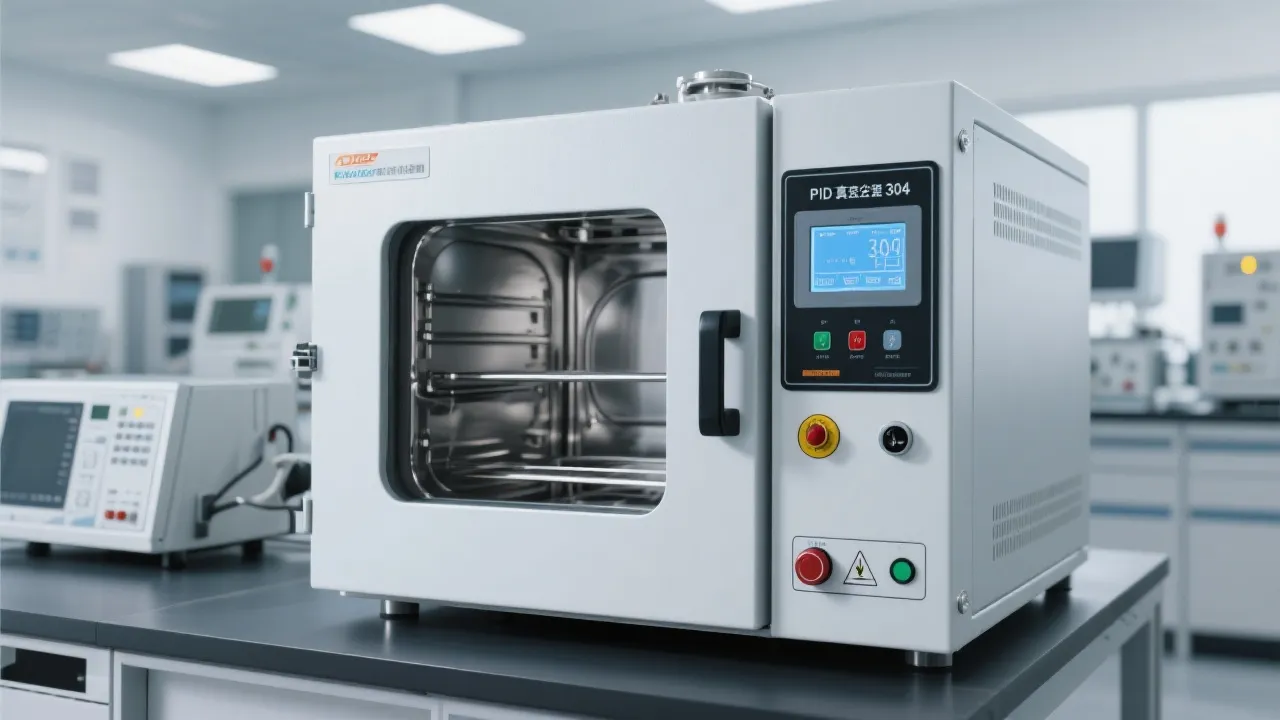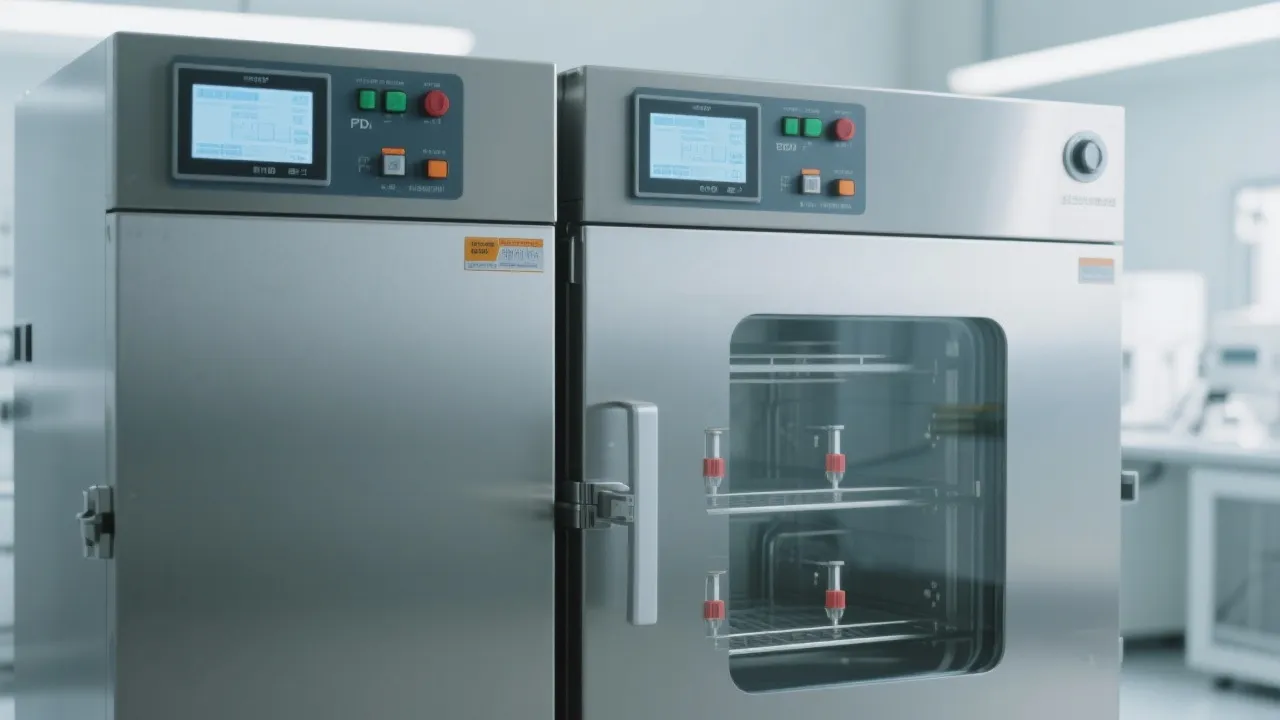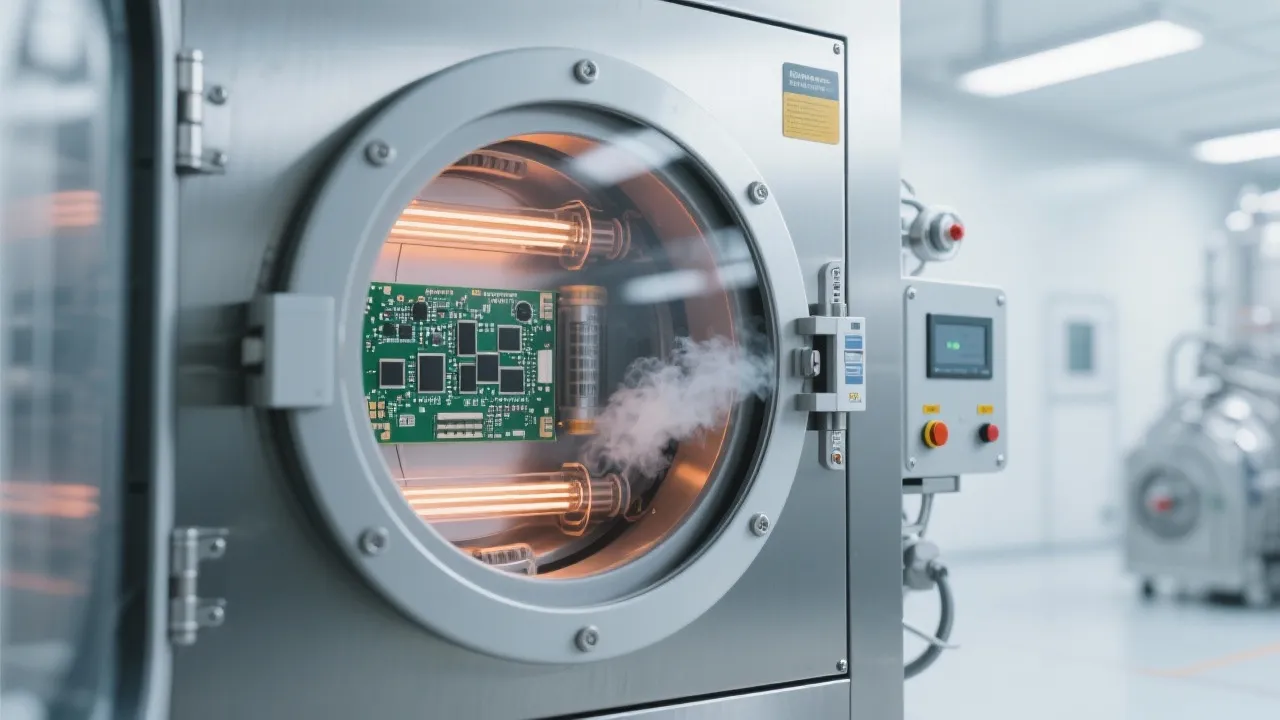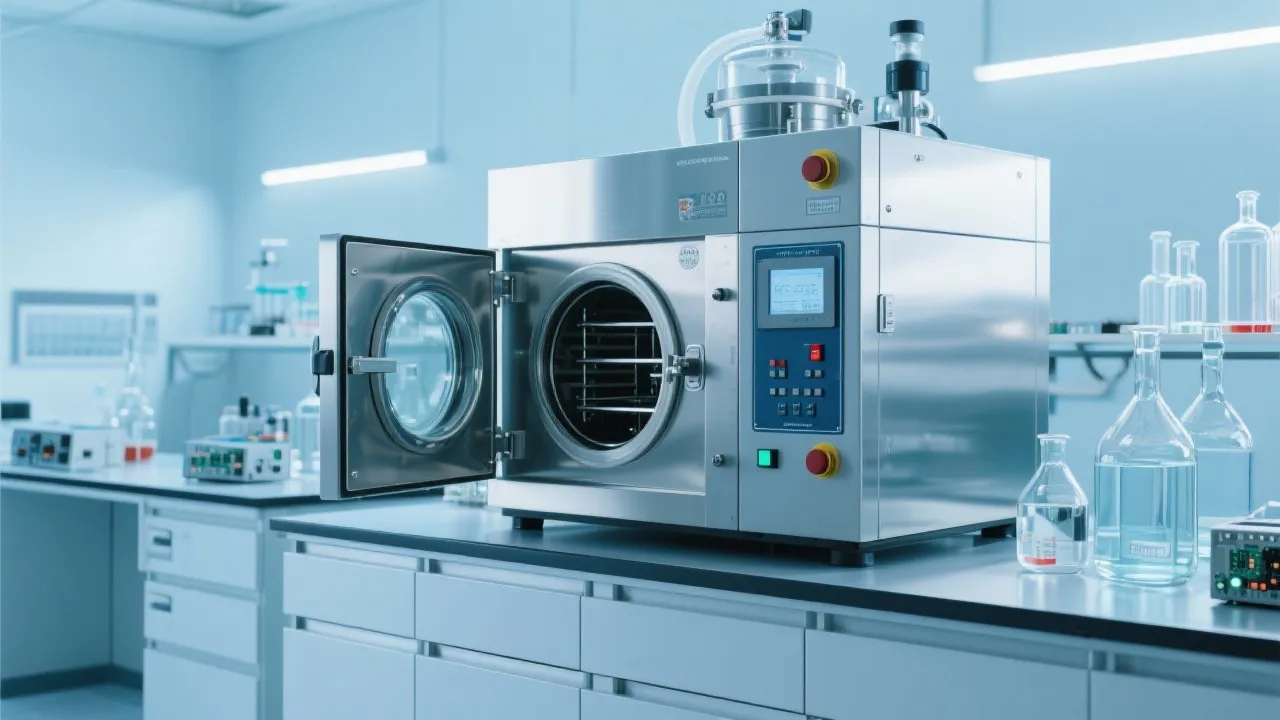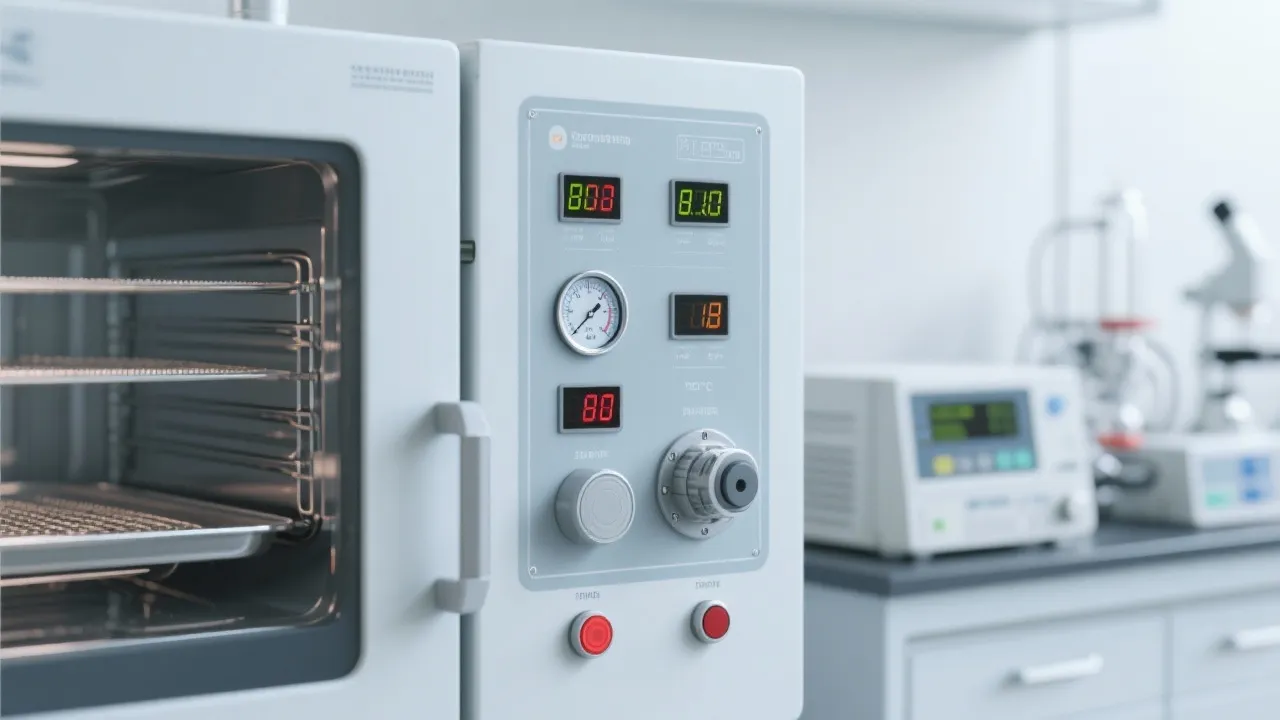

Vacuum drying ovens are essential tools in scientific research and industrial production. Their core working principle lies in creating a vacuum environment. In a vacuum, the boiling point of water is significantly reduced. For example, under normal atmospheric pressure, water boils at 100°C, but in a vacuum environment, it can boil at a much lower temperature. This allows samples to evaporate moisture at lower temperatures, which not only speeds up the drying process but also effectively prevents oxidation. Oxidation can damage the structure and properties of temperature - sensitive samples, and the vacuum environment provides a protective shield for these samples.
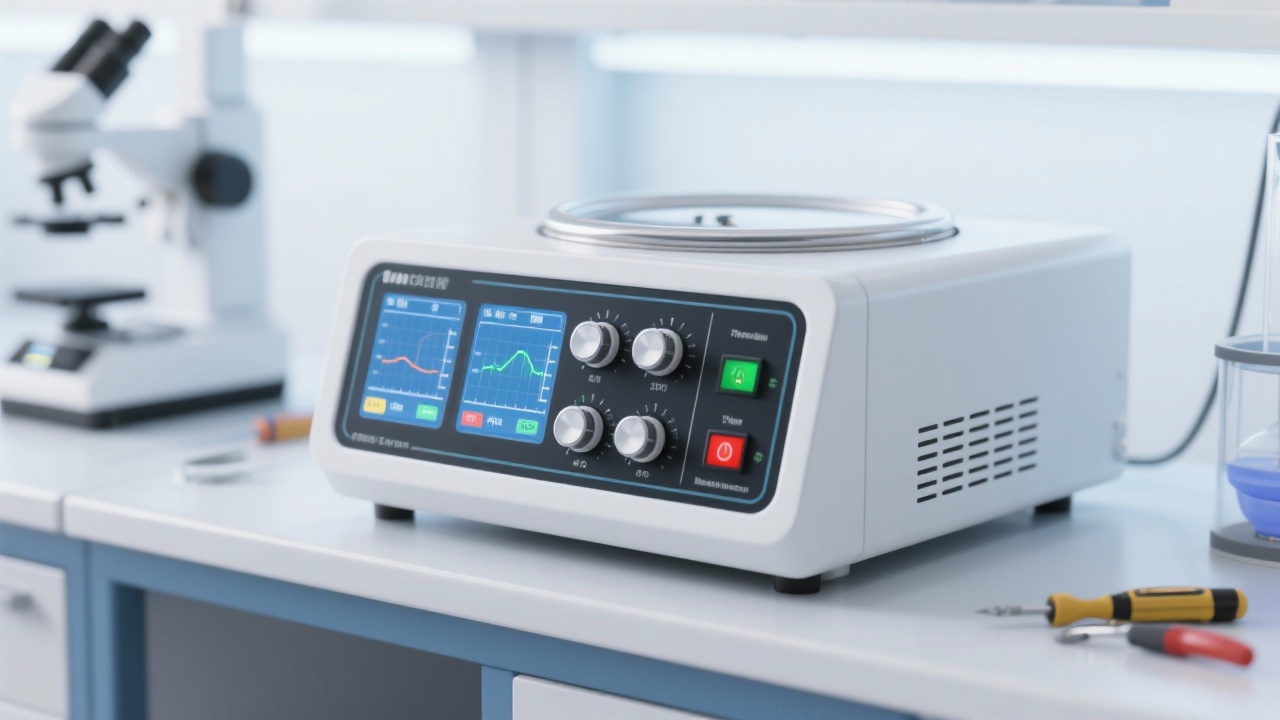
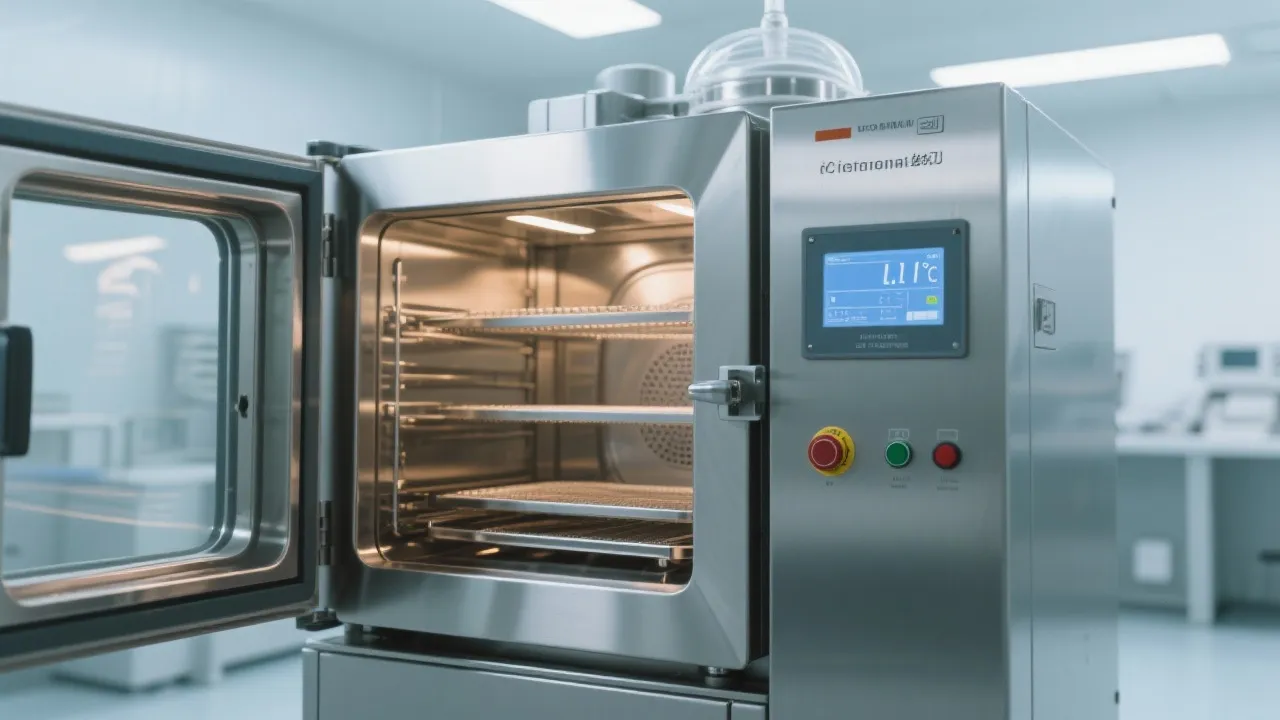
The intelligent PID (Proportional - Integral - Derivative) temperature control system is a key technology in modern vacuum drying ovens. It continuously monitors the actual temperature of the oven and compares it with the set temperature. Based on the difference, it adjusts the heating power in real - time. The advantage of the PID system is its high precision and stability. It can respond quickly to temperature changes and make fine - tuned adjustments. In a well - designed vacuum drying oven, the PID system can control the temperature with an accuracy of ±0.1°C in some high - end models, and generally, it can maintain the temperature accuracy within ±1°C. This high - precision temperature control is crucial for experiments that require strict temperature conditions, ensuring the reliability and reproducibility of experimental results.
Four - wall uniform heating technology is another important feature of advanced vacuum drying ovens. Traditional heating methods may cause uneven temperature distribution inside the oven, which can lead to inconsistent drying results for samples. The four - wall uniform heating technology heats the oven from all four sides, ensuring that the temperature in every corner of the oven is as uniform as possible. According to experimental data, in a vacuum drying oven with four - wall uniform heating technology, the temperature difference between different positions in the oven can be controlled within 1°C. This uniform temperature distribution greatly improves the accuracy of experiments, especially for those that are sensitive to temperature gradients.
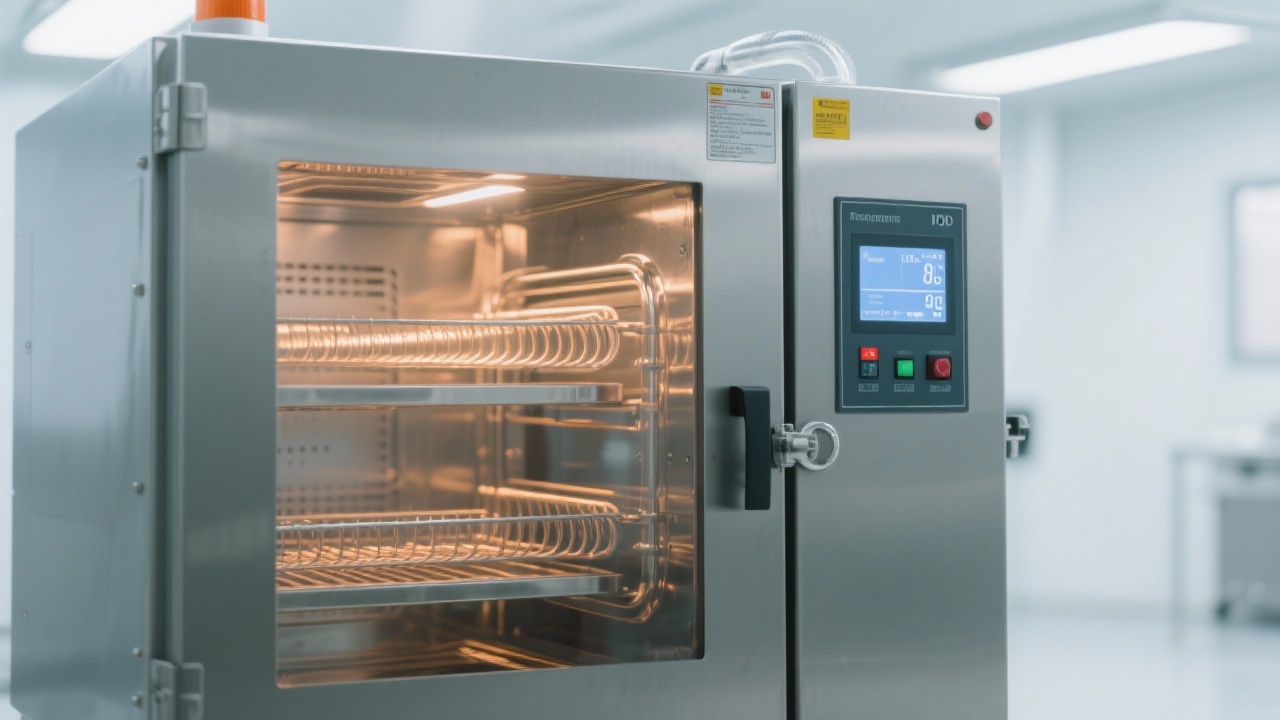
Different temperature ranges and vacuum levels are suitable for different types of samples. For low - temperature drying (below 50°C), it is often used for samples that are extremely sensitive to temperature, such as some biological samples and heat - sensitive chemicals. In this temperature range, the vacuum level needs to be carefully adjusted to ensure efficient moisture evaporation. Medium - temperature drying (50 - 150°C) is suitable for a wide range of samples, including many pharmaceutical and food samples. High - temperature drying (above 150°C) is used for samples that can withstand high temperatures, such as some ceramic and metal samples. For each temperature range, specific protection measures should be taken, such as adjusting the heating rate and vacuum level to avoid damage to the samples.
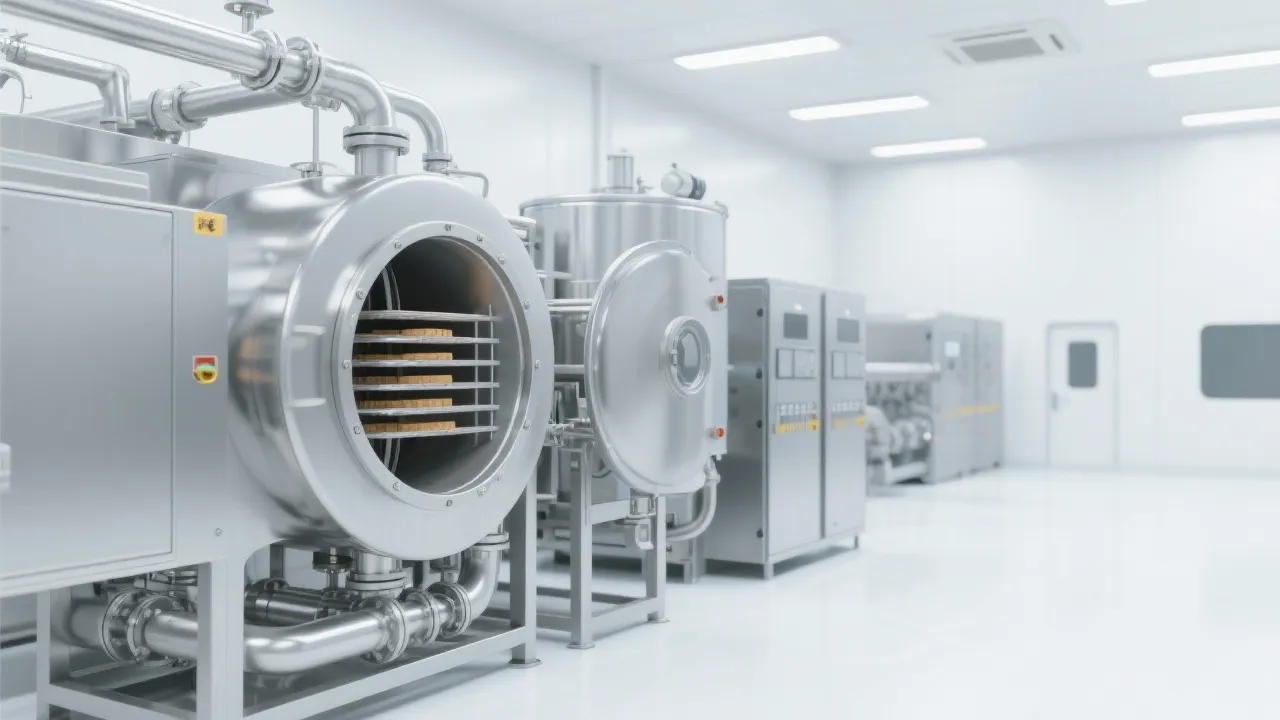
In the pharmaceutical industry, a company used a vacuum drying oven with advanced temperature control technology to dry a new type of drug. By using the intelligent PID system and four - wall uniform heating technology, the drying time was reduced by 30% compared to traditional methods, and the quality of the drug was significantly improved. In the scientific research field, a research team found that in a vacuum drying experiment of a temperature - sensitive polymer material, the temperature accuracy of ±1°C provided by the oven ensured the stability of the material's molecular structure, which was crucial for subsequent research. These real - world cases and data demonstrate the importance of advanced temperature control technology in vacuum drying ovens.
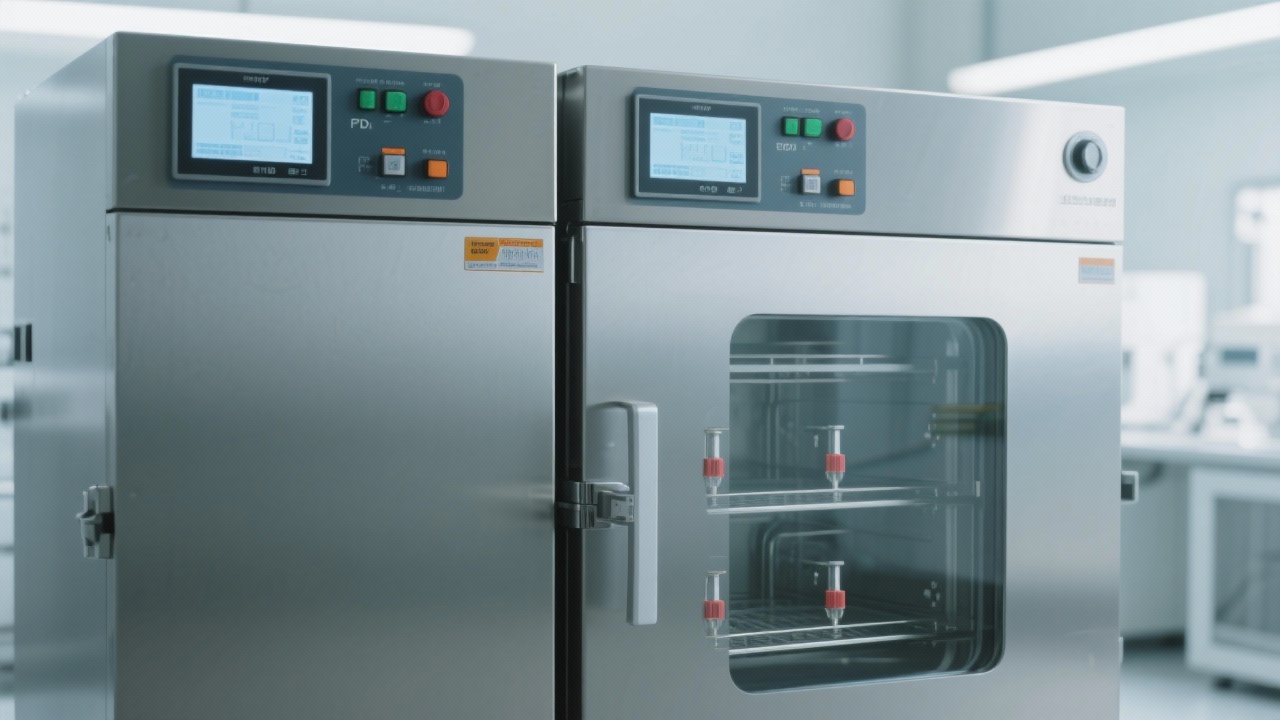
If you are looking for a high - performance vacuum drying oven to enhance your research or production efficiency, don't miss out on our top - notch products. Our vacuum drying ovens are equipped with the latest intelligent PID temperature control system and four - wall uniform heating technology, ensuring the best drying results for your samples. Click here to explore our product range and take your experiments and production to the next level!