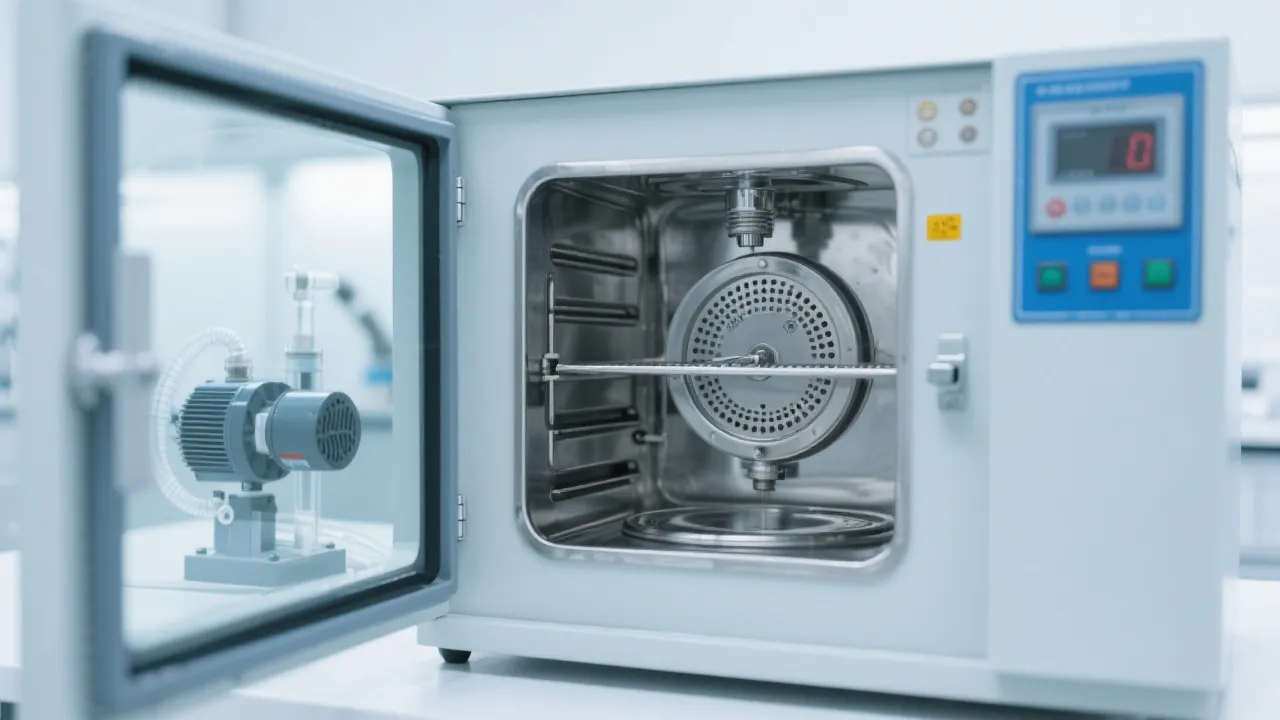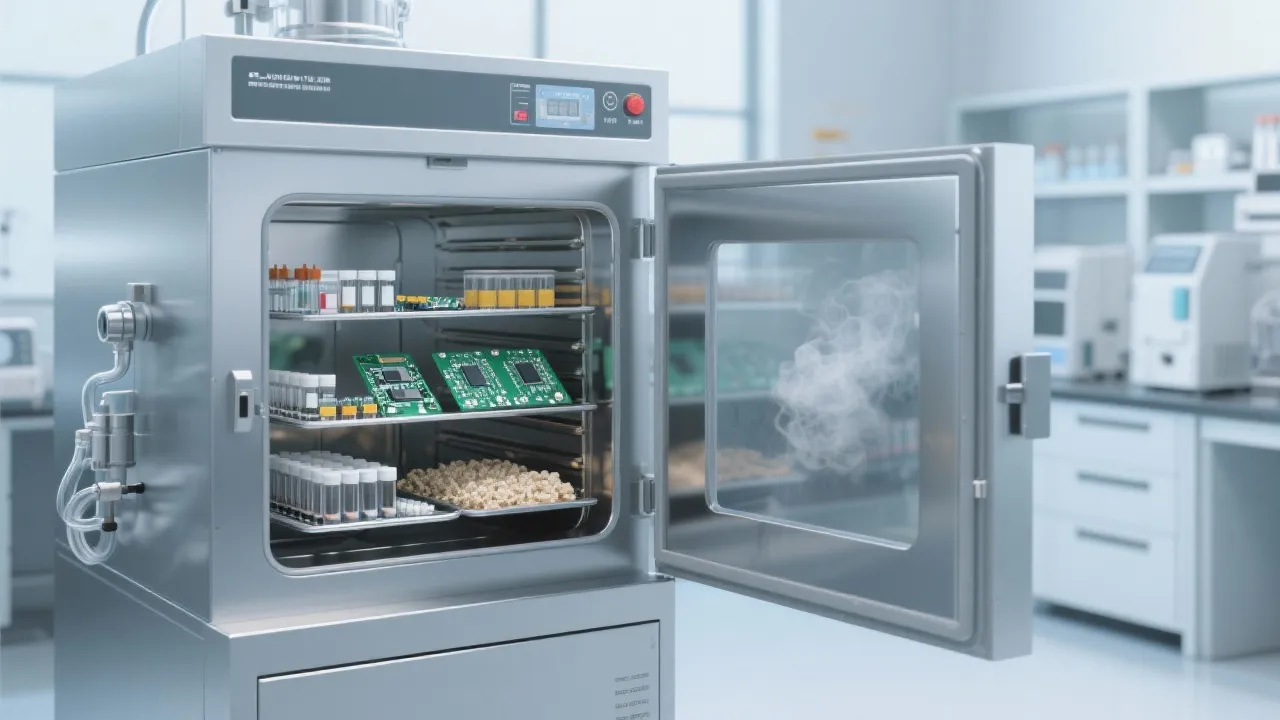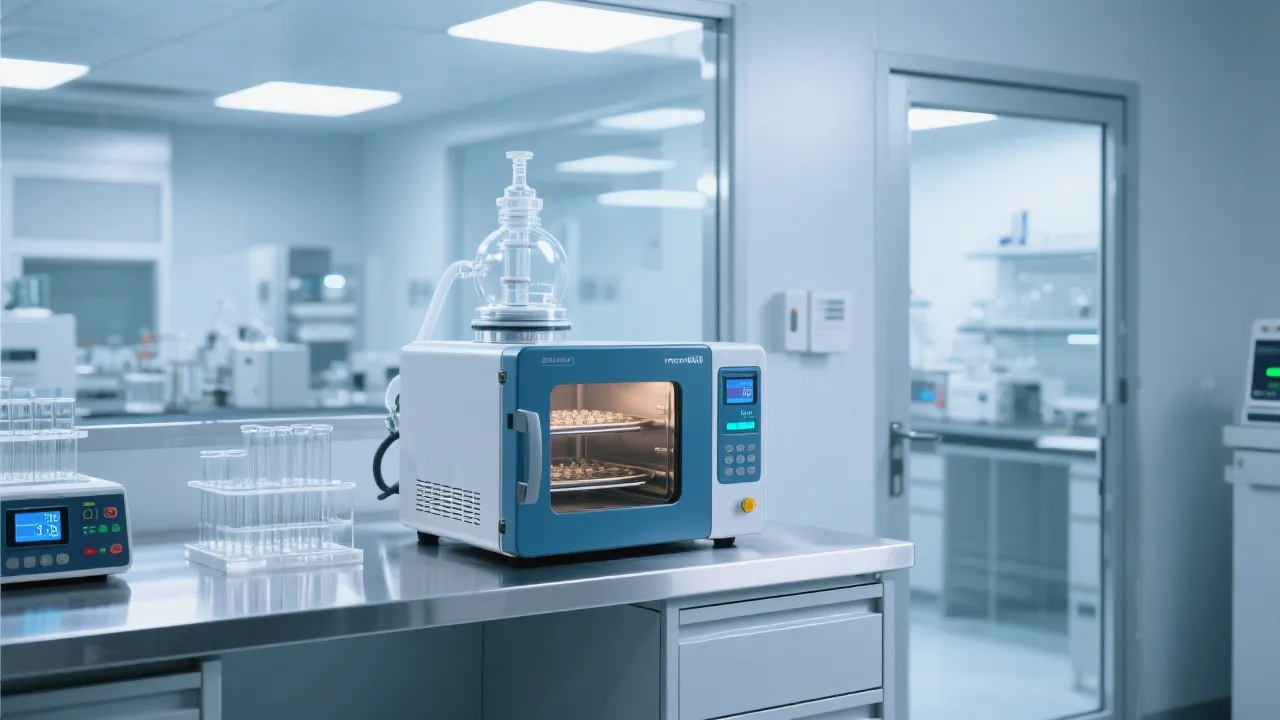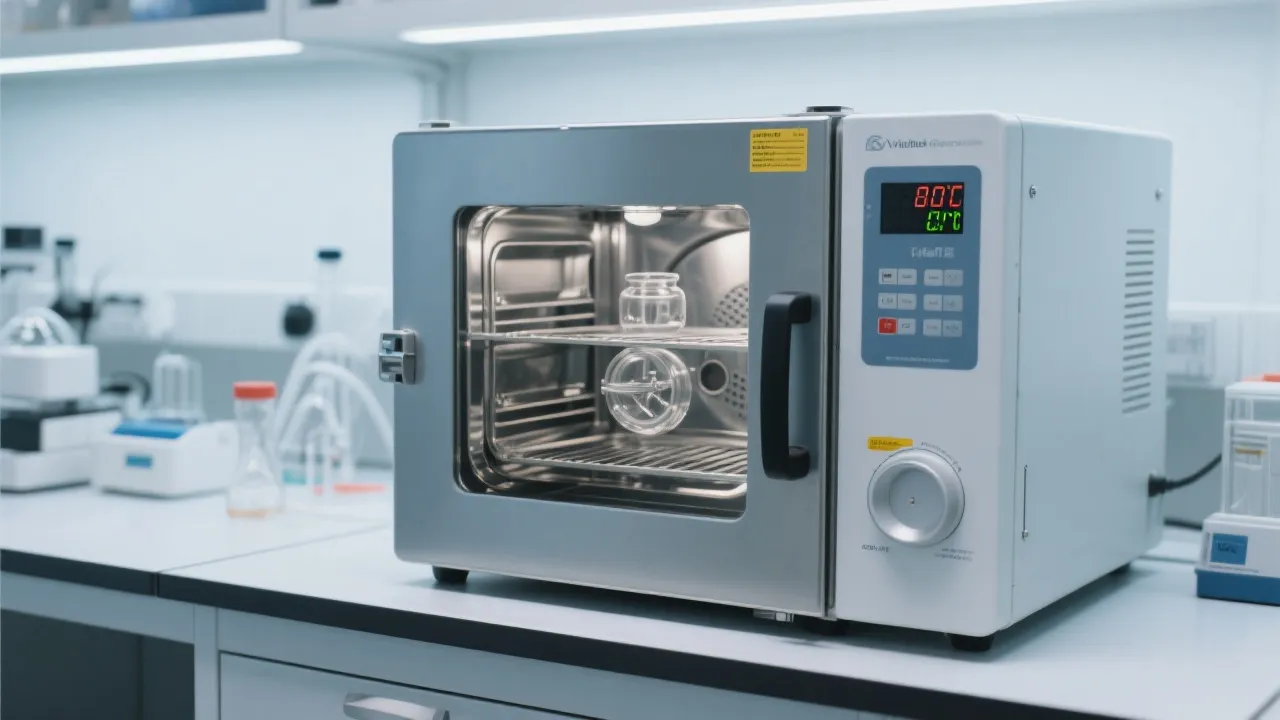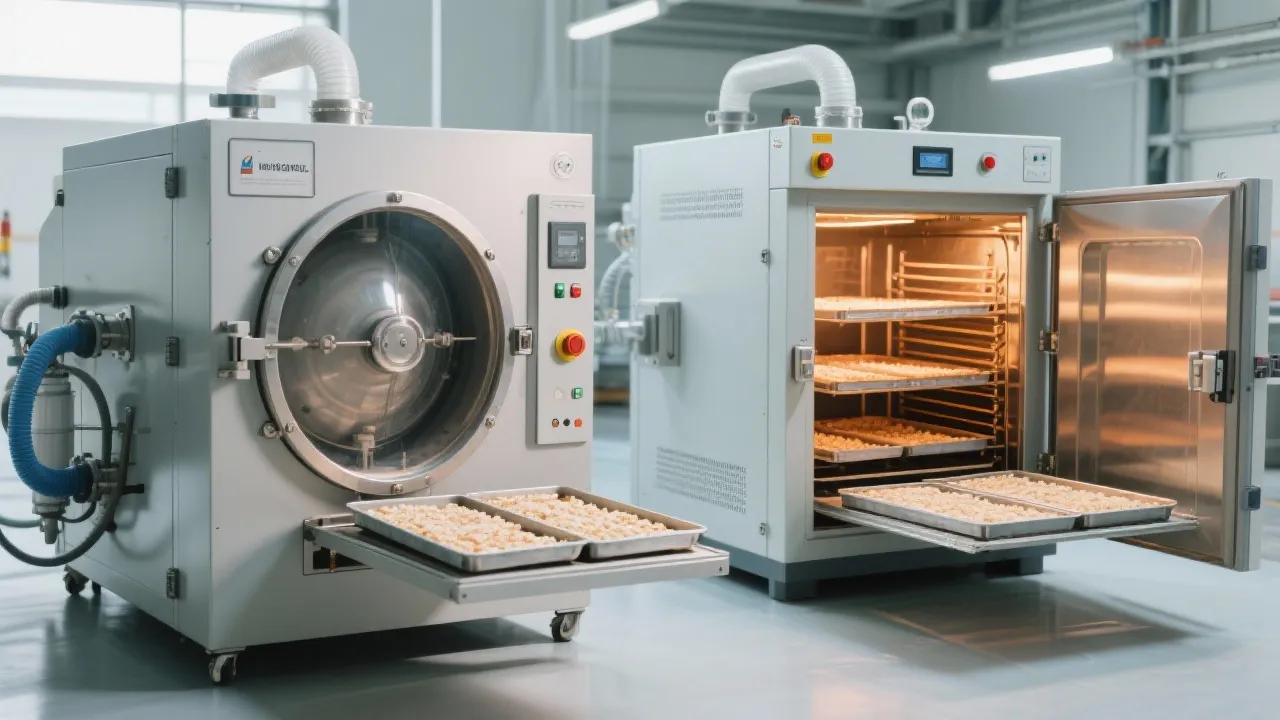
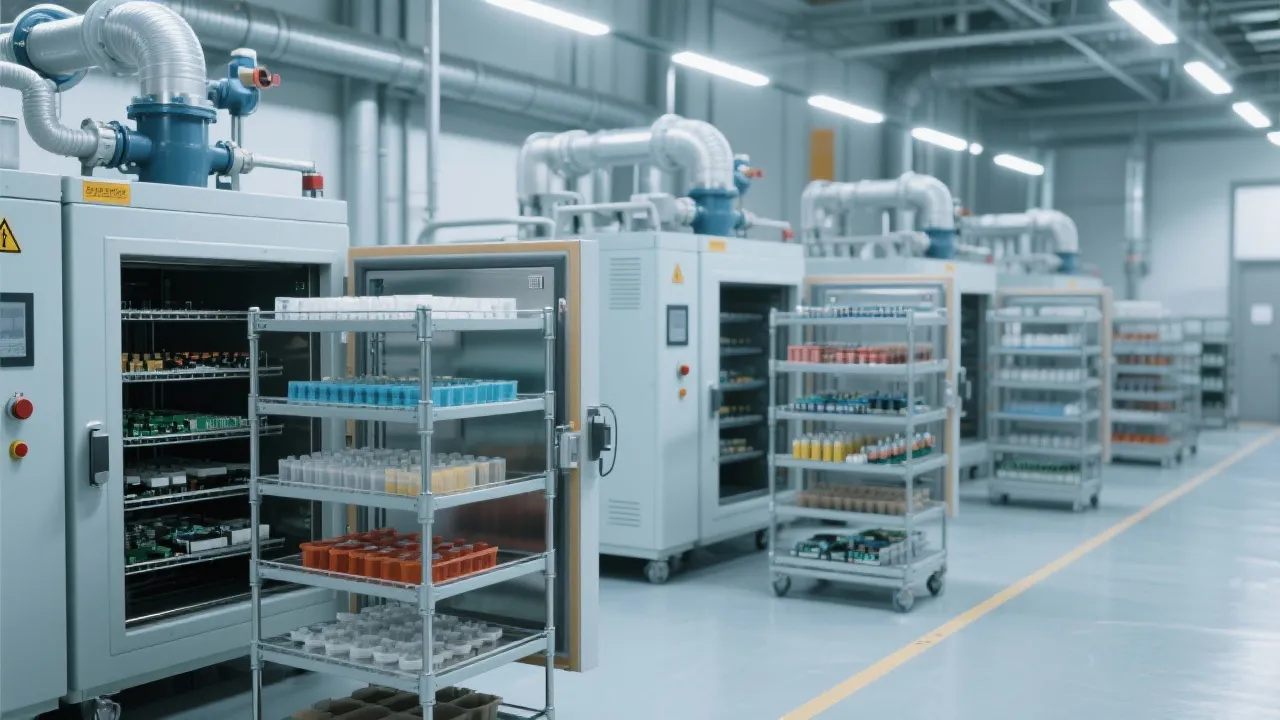
Whether you're working with heat-sensitive biomolecules, high-purity chemicals, or advanced polymers, getting the vacuum drying process right is critical—not just for efficiency, but for data accuracy and sample integrity. If you’ve ever struggled with inconsistent results or damaged samples, it’s likely not your technique—it’s how you’re tuning the parameters.
In a standard convection oven, air circulation can cause oxidation, especially in organic compounds or biological materials. With vacuum drying at below 133 Pa, moisture evaporates at lower temperatures—often as low as 30°C—reducing thermal stress. For example, one university lab reported a 40% reduction in protein denaturation when switching from 80°C conventional drying to 50°C vacuum drying using a DZ-3BCII unit.
Here's how to adjust three core settings based on your sample type:
“We used to lose ~15% of our enzyme activity after drying. Now with precise control over vacuum and PID temperature regulation, we achieve consistent yields across batches.” — Dr. Lin Chen, Materials Science Lead, Tsinghua University
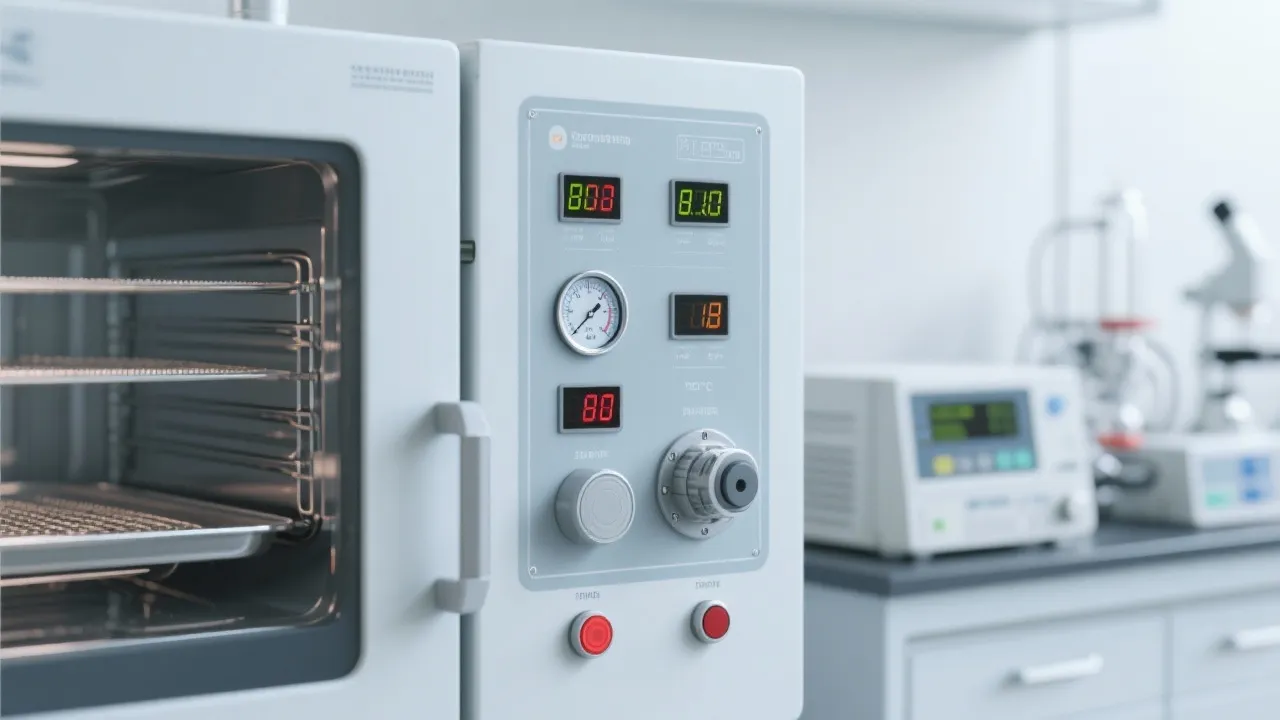
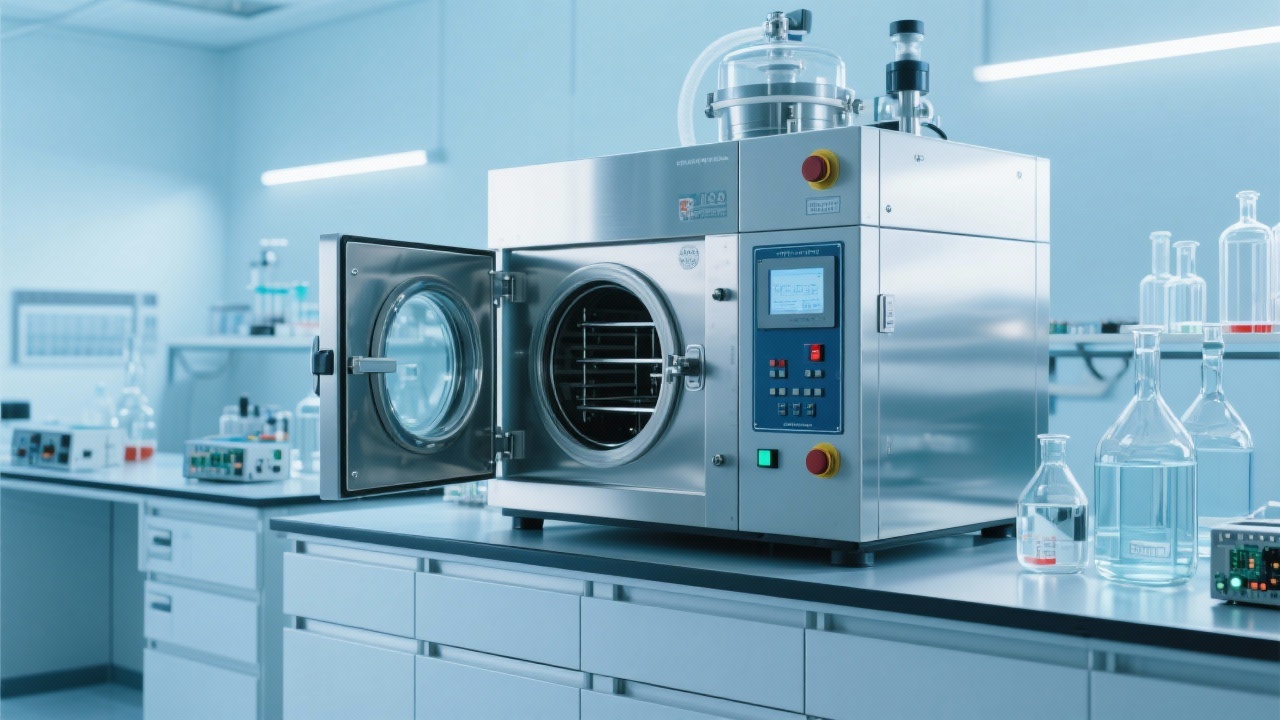
The DZ-3BCII features four-wall heating and intelligent PID control that maintains ±1°C accuracy—even during long runs. In tests, this resulted in a 98.7% uniformity rate across all trays compared to older models with uneven heat distribution (typically 70–85%). This means less variability in your results, which matters most in peer-reviewed research.
You don’t need to be an expert to get great results—you just need the right tools and clear guidance. Whether you're optimizing for speed, purity, or reproducibility, understanding these variables transforms your workflow from trial-and-error to precision-driven.
Explore real-time parameter tuning, step-by-step setup guides, and video tutorials tailored to your field—from biotech to nanomaterials.
See How DZ-3BCII Powers Research Excellence